

Le 9 delizie imperdibili di Roma

Le 9 delizie imperdibili di Roma

Se si viaggia in giro per Roma, ci sono piatti che non si devono perdere per nulla al mondo. I suoi piatti tipici sono molto gustosi e nutrienti in quanto si tratta di ricette molto antiche che hanno origine nei paesi della regione: si pensava che rispondessero ai grandi bisogni energetici dei contadini. A causa di questa origine 'povera', i piatti tipici della cucina romana sono di solito semplici, sono fatti con ingredienti molto quotidiani e spesso ricchi di colesterolo.

E' molto difficile fare una selezione dei piatti consigliati... ma ci proveremo!
The most famous are pasta dishes and the so-called `quinto quarto`,what was left of the animals after selling the most noble parts to the rich: it is the entrails of the animals.
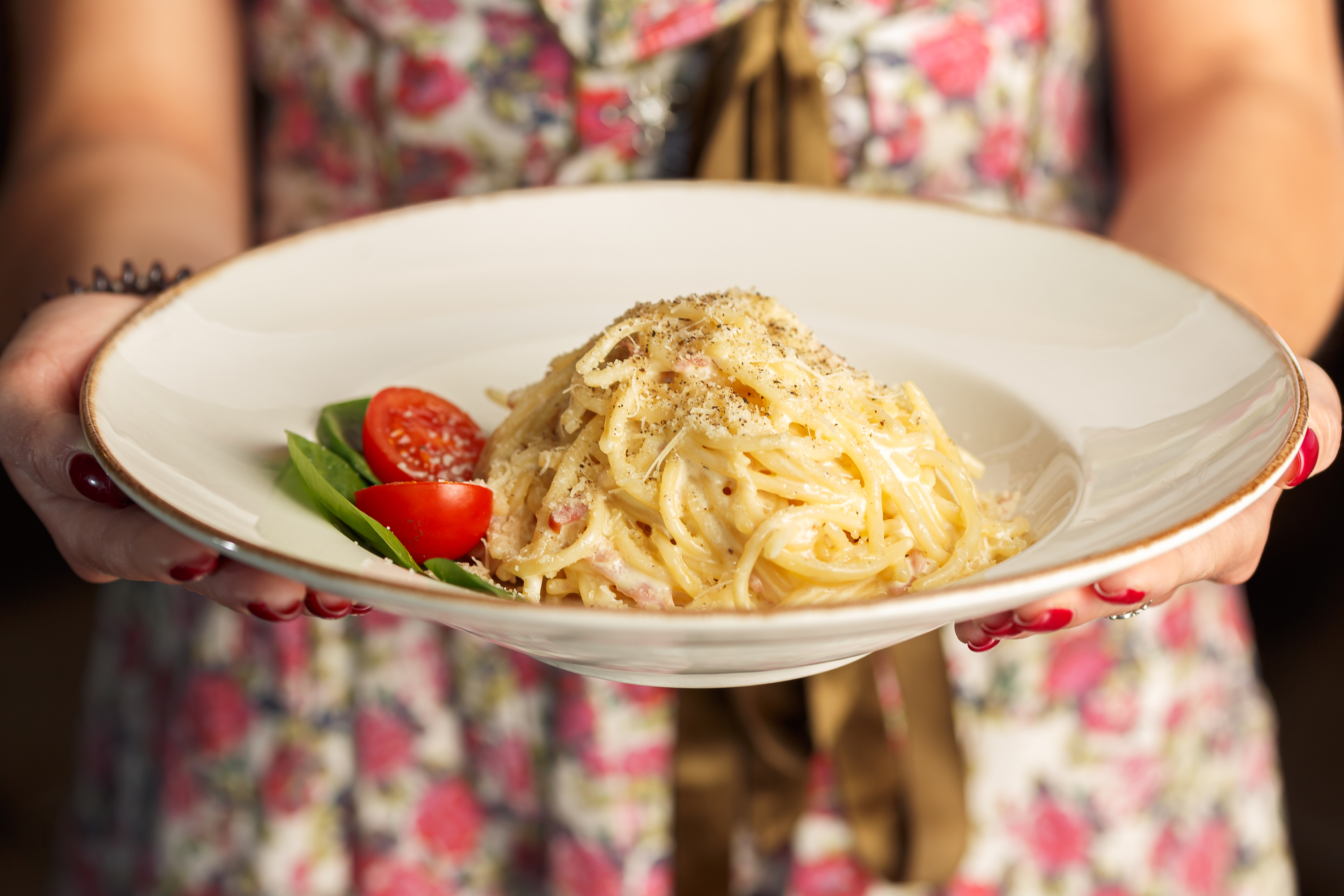
  • Spaghetti alla carbonara: the most "international" dish of the Roman cuisine The ingredients of the sauce are: beaten and raw eggs, guanciale (a bacon made with the cheek of the pig, similar to the bacon but with a more intense and characteristic taste), pecorino romano (cured sheep's cheese from the area) and pepper. The carbonara does not have cream! Its name is due to the fact that it was a typical dish of the charcoal makers because of the ease of finding and preserving its ingredients.
  • Tonnarelli cacio e pepe: Tonnarelli belong to the long pasta "family", they are thin and have a thickness of 2 mm. They are made simply with oil, Pecorino Romano and freshly ground pepper. A classic you will find in every restaurant in Rome.
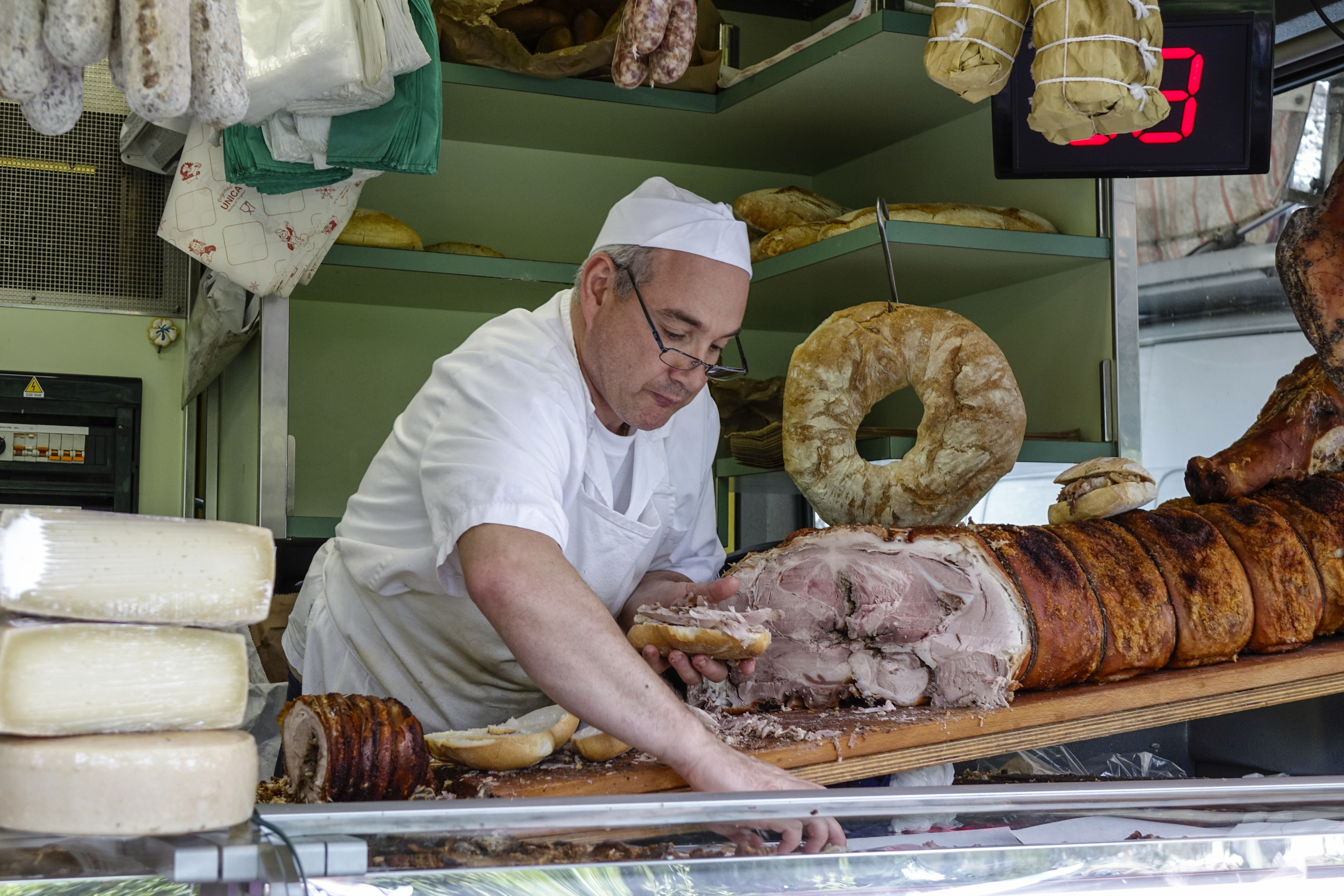
  • Porchetta di Ariccia: porchetta is a whole pig that is emptied, boned and stuffed with aromatic herbs, salt and pepper and baked. It seems to originate in Ariccia, a village near Rome.
  • Gnocchi alla romana: although they are called gnocchi they have nothing to do with the more common potato gnocchi, they are discs made with semolina flour, cooked in milk and enriched with cheese and egg yolks. They are made in the oven, grilled with butter and cheese.

In the land of the Romans there is also a place for antipasti (appetizers) based on delicious cold cuts. The Romans start their lunch or dinner with these tasty starters.
  • Prosciutto: prosciutto is a pork product that has undergone a curing process and is served finely cut and uncooked. To produce it, it is necessary to start from the leg of the pig or the wild boar and to submit it to a process of salting. Then it is cleaned and left to dry for a while so that its flavor is configured. Prosciutto is one of the best known antipasti, it is served wrapped in a grissini - a thin stick of bread - or with pieces of green melon or cantaloupe.

  • Salami: is made with a mixture of beef and pork, well seasoned and spiced. The product is smoked and cured in the air, following a process similar to sausage, and its name pays tribute precisely to the salt, a fundamental element in the elaboration of the charcuterie.
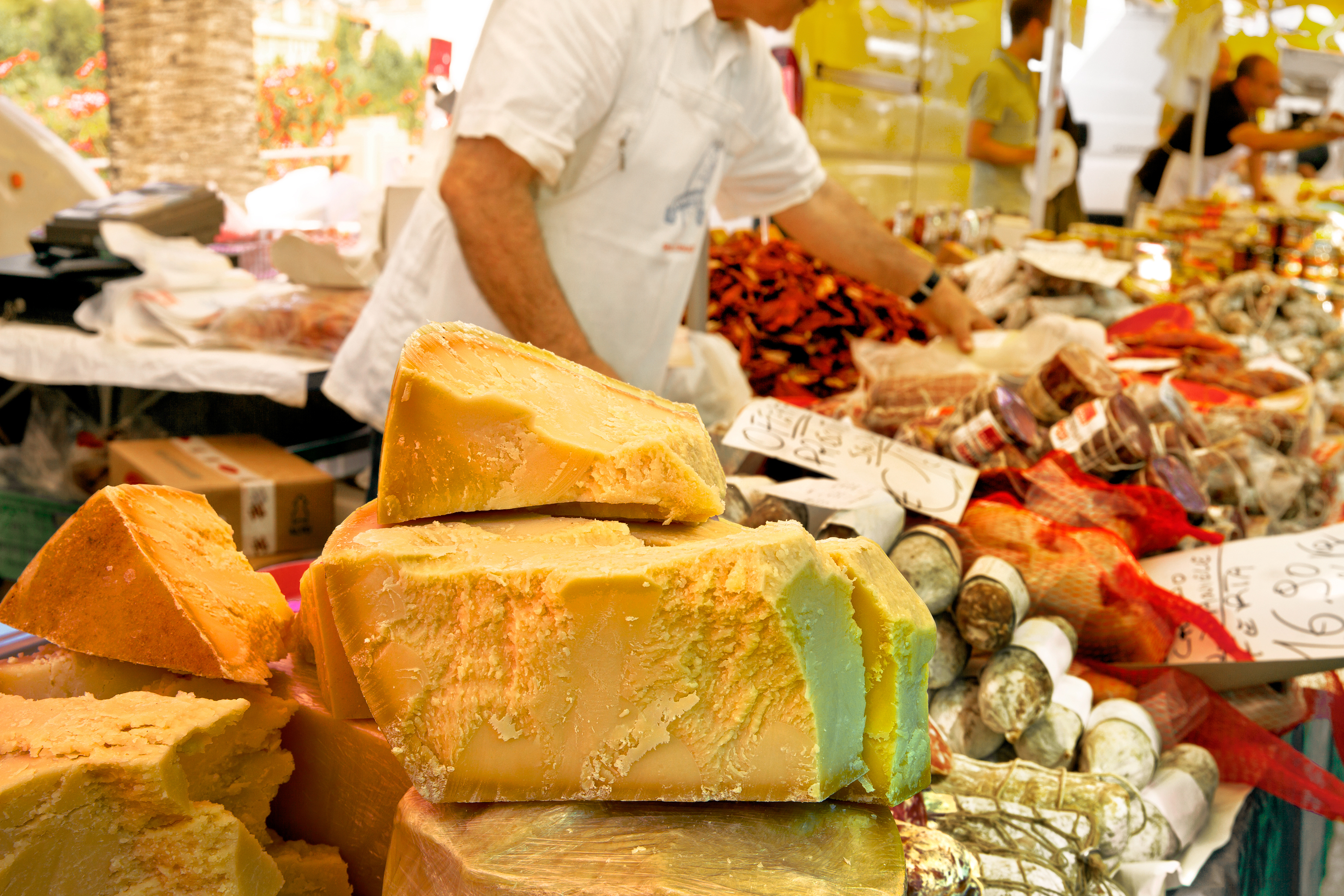
  • Pecorino romano: salty and strong, Pecorino Romano is one of the tastiest cheeses used in Italian cuisine. It is known that it was already consumed in the times of the Roman Empire. It is supposed to have been produced in the vicinity of the city of Rome, hence its name: pecorino de pecora, meaning sheep in Italian, and Romano, meaning place of origin.

Roman street food. There is no need to go into a trattoria and order some of the most famous dishes of Italian cuisine. The street food is just as rich and, moreover, we can taste it while we walk, from monument to monument. These are the bites that we cannot stop eating if we go away to Italy.

  • Trapizzino: a Roman 'pizzaiolo', one day had the brilliant idea, not long ago, to combine street food with the most traditional cuisine of Rome. The trapizzino comes from the union of the words tramezzino (the sandwich in Italian) and pizza. In fact the base is a triangular shaped piece of pizza, rolled up and opened in the center. Its interior is filled with typical dishes of Roman cuisine.
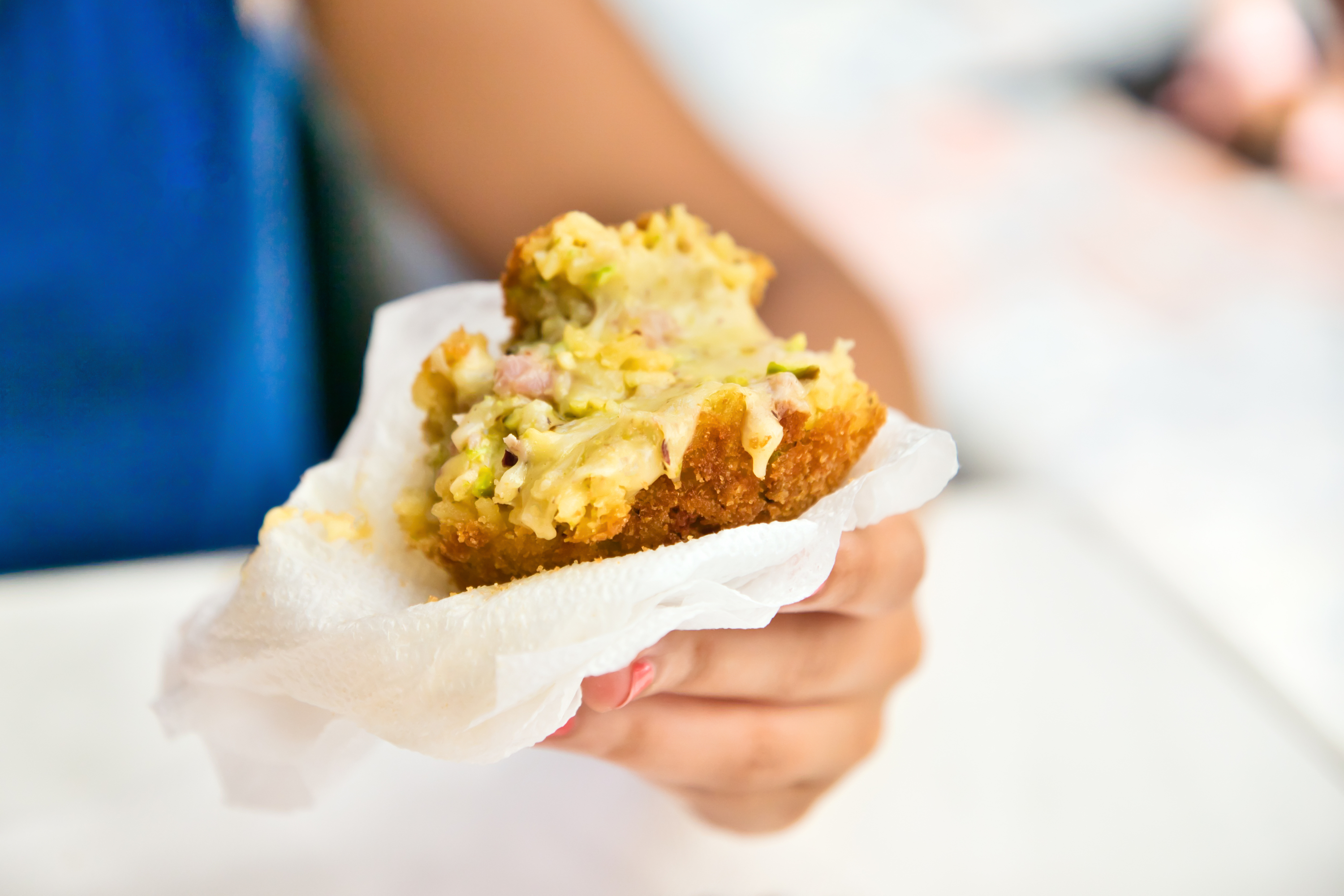
  • Supplì alla romana: is one of the most typical antipasti (starters). It is a croquette filled with cooked rice, tomato, meat and mozzarella cheese. As a curiosity, the word supplì derives from the French word `surprise`, because of the surprise that the filling causes when you bite into it.

Mangiare a Roma è un'autentica esperienza per tutti i sensi e un ottimo modo per conoscere la cultura di Roma, assaporando ogni fase della sua storia attraverso la sua cucina, immersi nella vita e nel trambusto delle sue strade e dei suoi ristoranti.

Tour correlati