5 hrs
copenhagen
Copenhagen Private Full Day Tour with Lunch Option
✓ Free cancellation Kids friendly
4.7(0 reviews)
From €334/ person
Book NowCopenhagen Alternative Private Tour: Vesterbro & Christianshavn
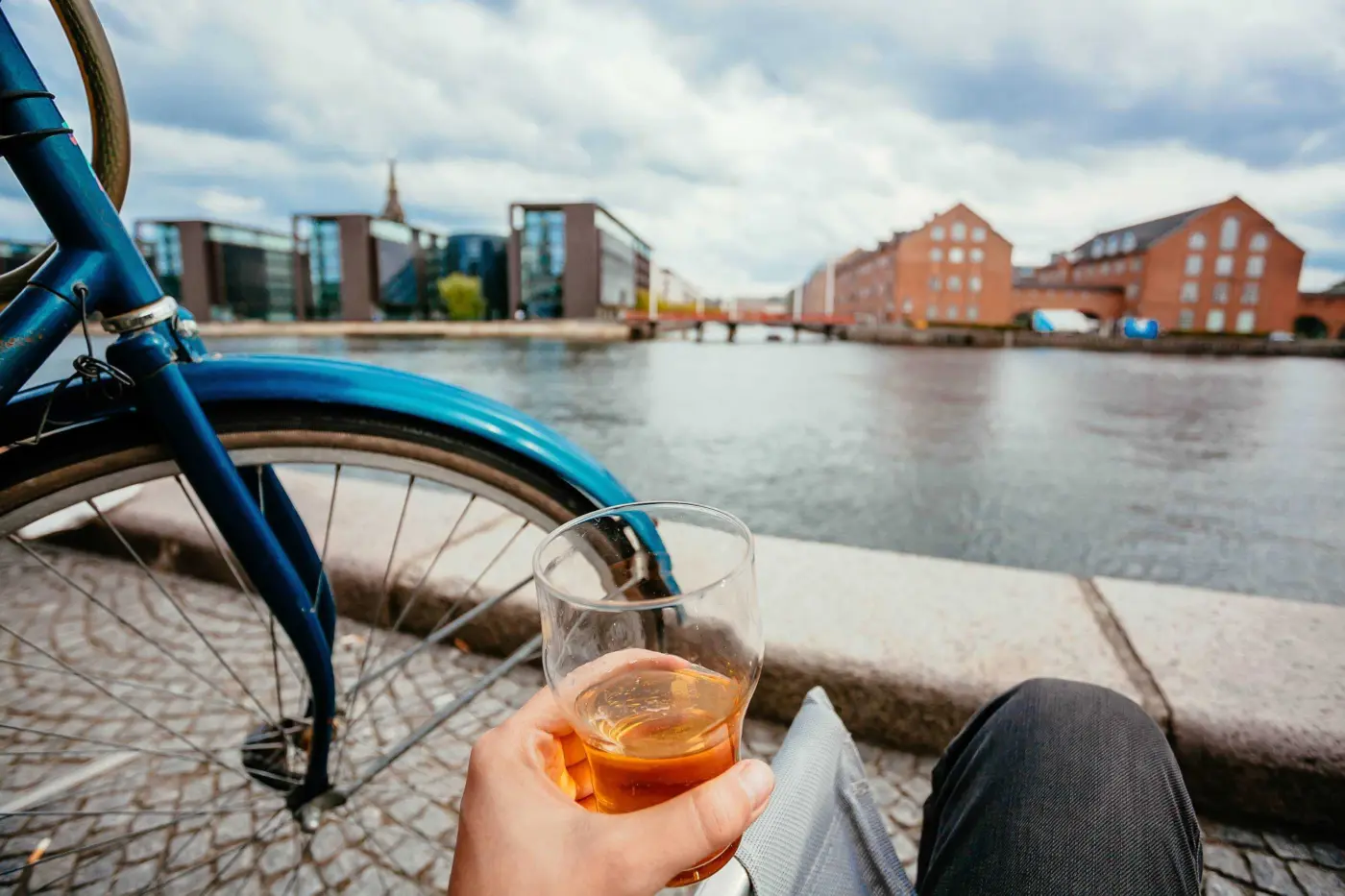
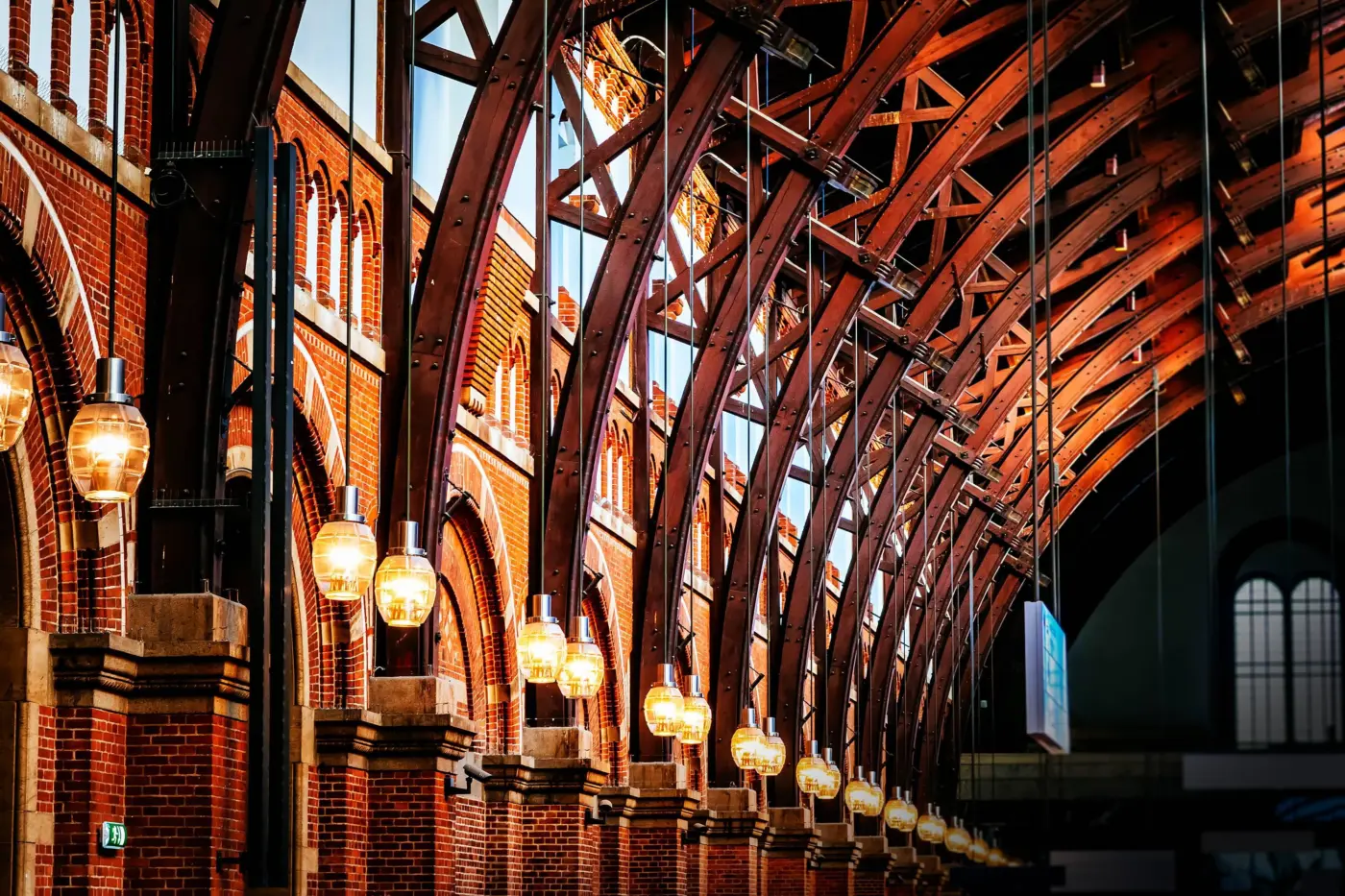
Stroll through Viktoriagade with its 400 years of history, an ancient entrance to the city, as you make your way to Det Ny Teater, one of Denmark's largest theaters. Admire the relaxed and very much French Værnedamsvej, a busy shopping street situated between Vesterbro and Frederiksberg.
Breathe the fresh air of Skydebanehaven park on your way to the heart of Vesterbro: Istedgade Street, stand at the facade of Star Radio (Stjerne Radio), home of the Danish resistance during the Nazi occupation.
Enjoy the unique views of Sønder Boulevard as you head to Kødbyen, a revitalized industrial area known for its trendy dining scene and buzzing nightlife.
Get to see the unique Halmtorvet square and let your private guide tell you all about Mændenes Hjem, a unique organization that has been around since 1910.
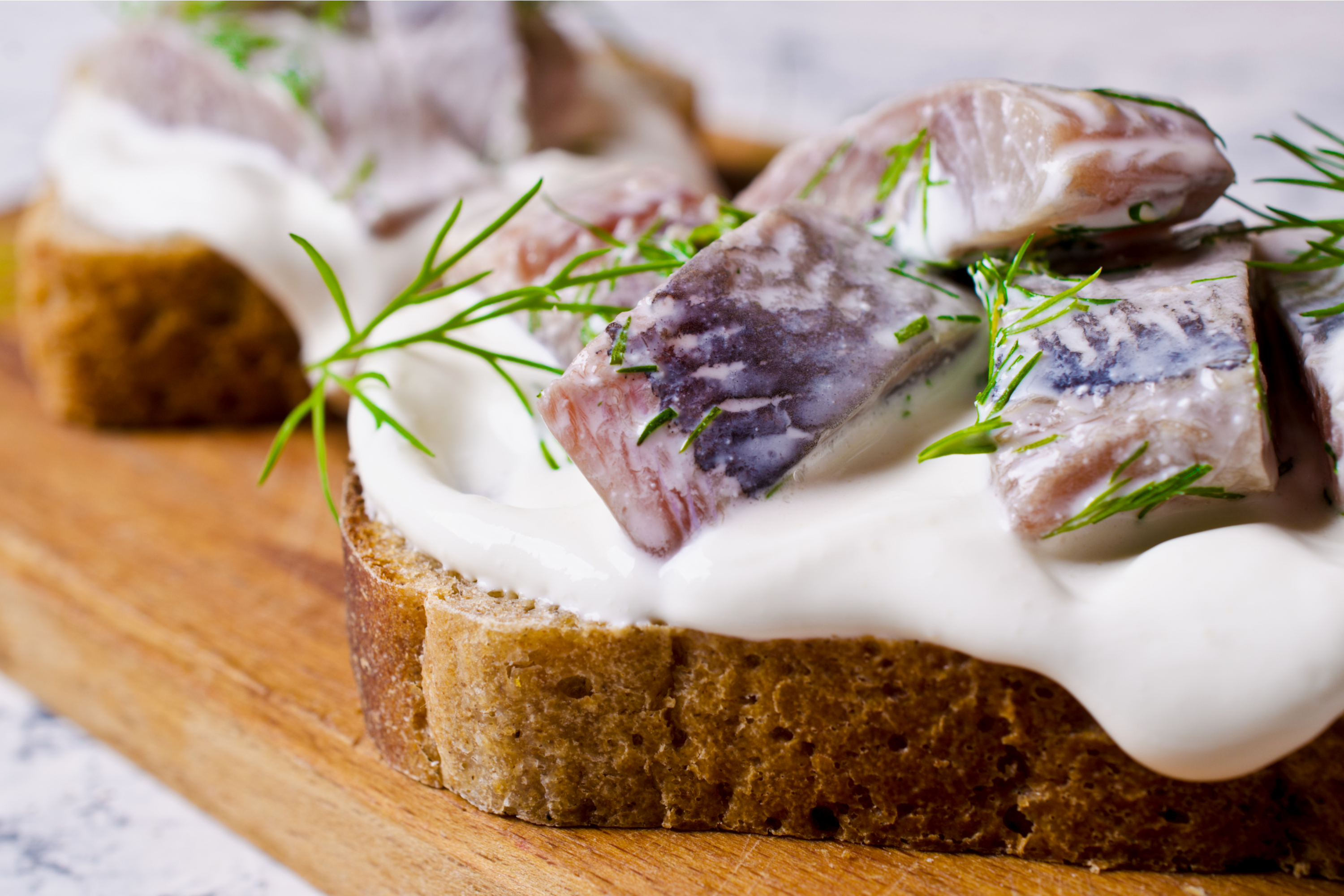
Admire the beautiful Maria Church before a well deserved break for lunch in a traditional Danish restaurant (Only included in the Full Option)
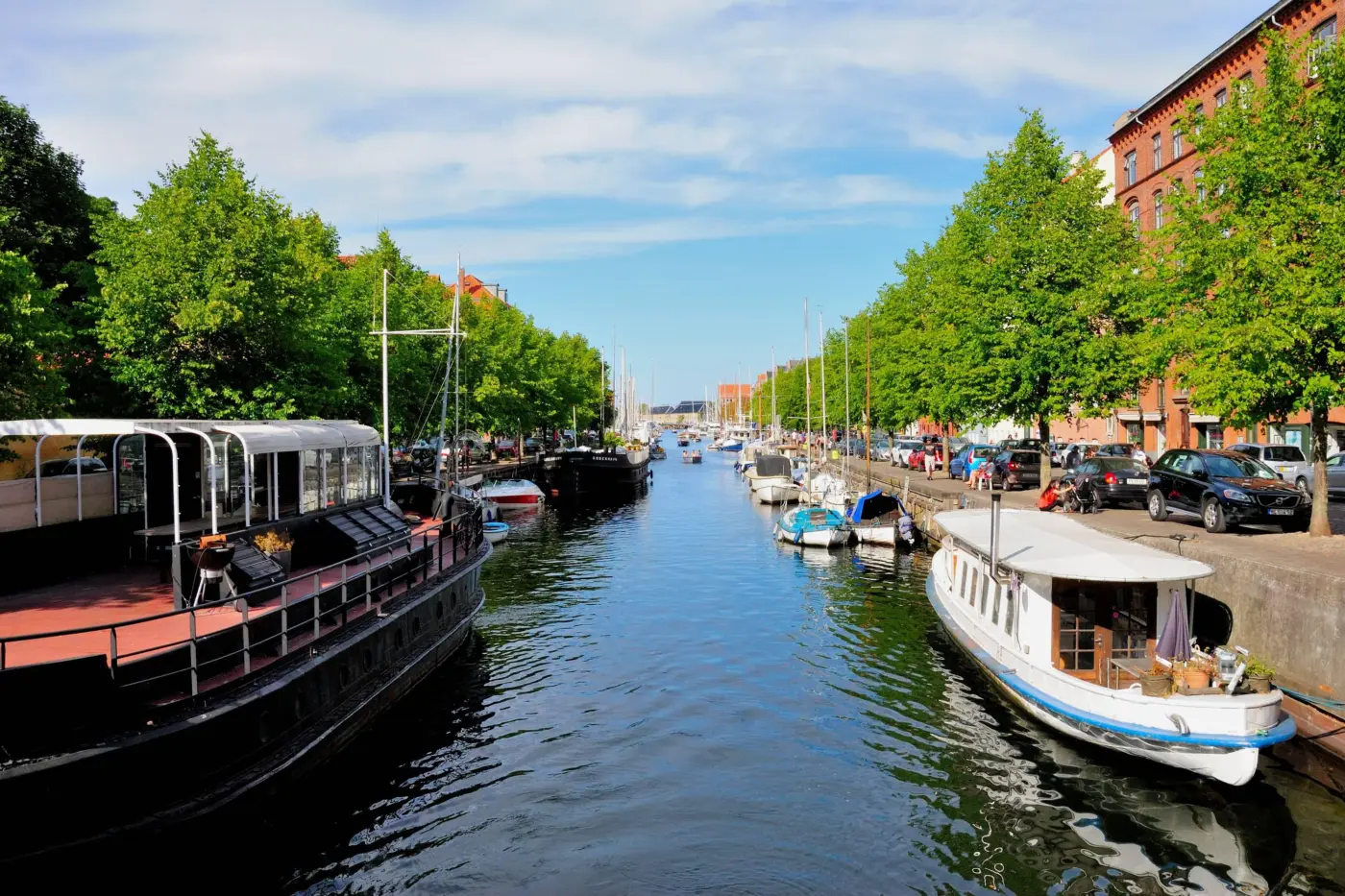
Experience one of the most prolific metro systems in the world before you make your way to Knippels Bridge, a bascule bridge across the Inner Harbour of Copenhagen.
Walk through the famous Strandgade street where you will admire Christians Kirke, a Rococo church from the 1700s, as well as many other famous buildings as you move towards the Asiatisk Plads where you will find the 4 sculptures by the famous Søren Georg Jensen.
Explore with your private host the buildings of Wildersgade as you get to the most impressive Church of Our Saviour.
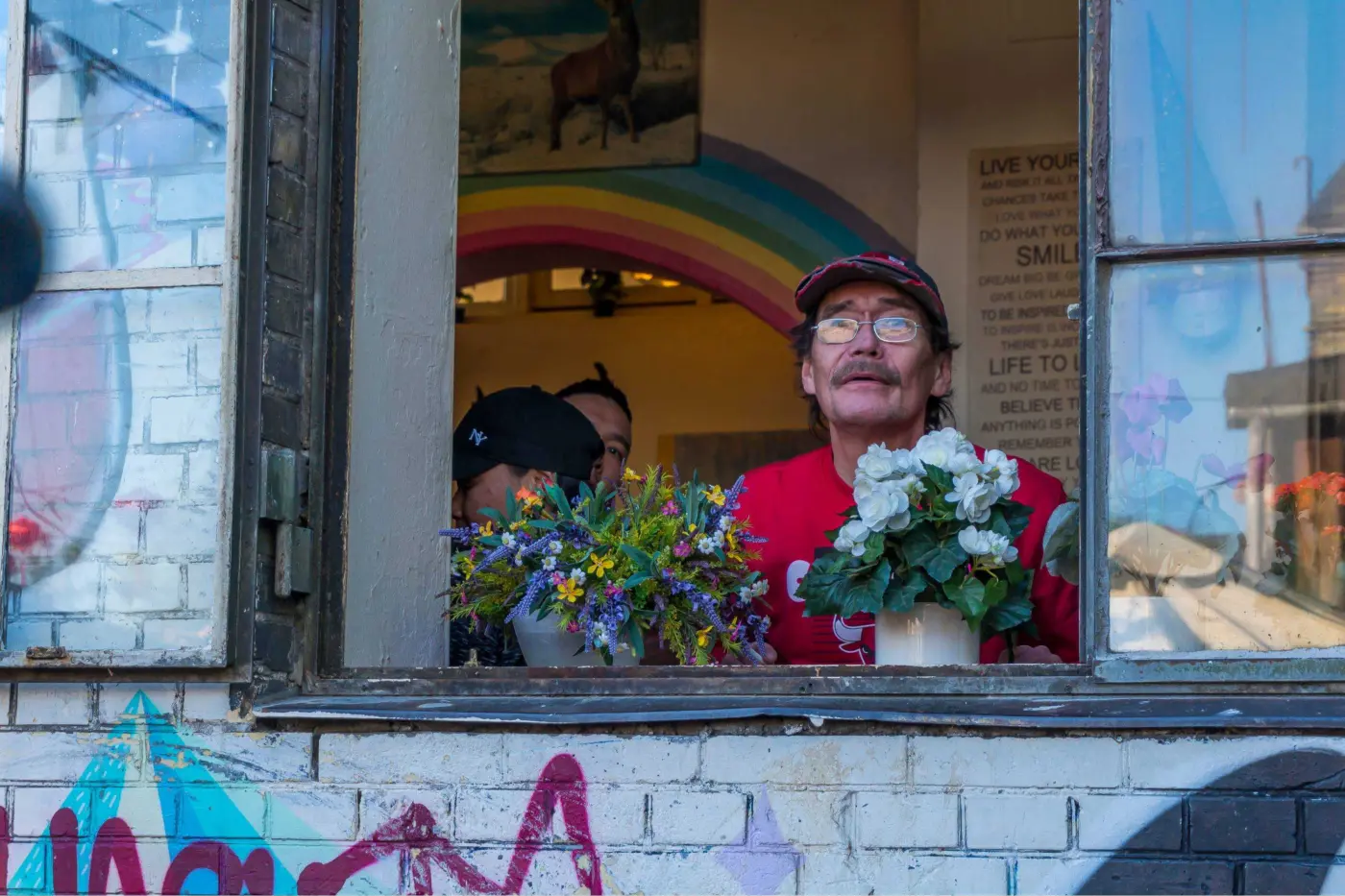
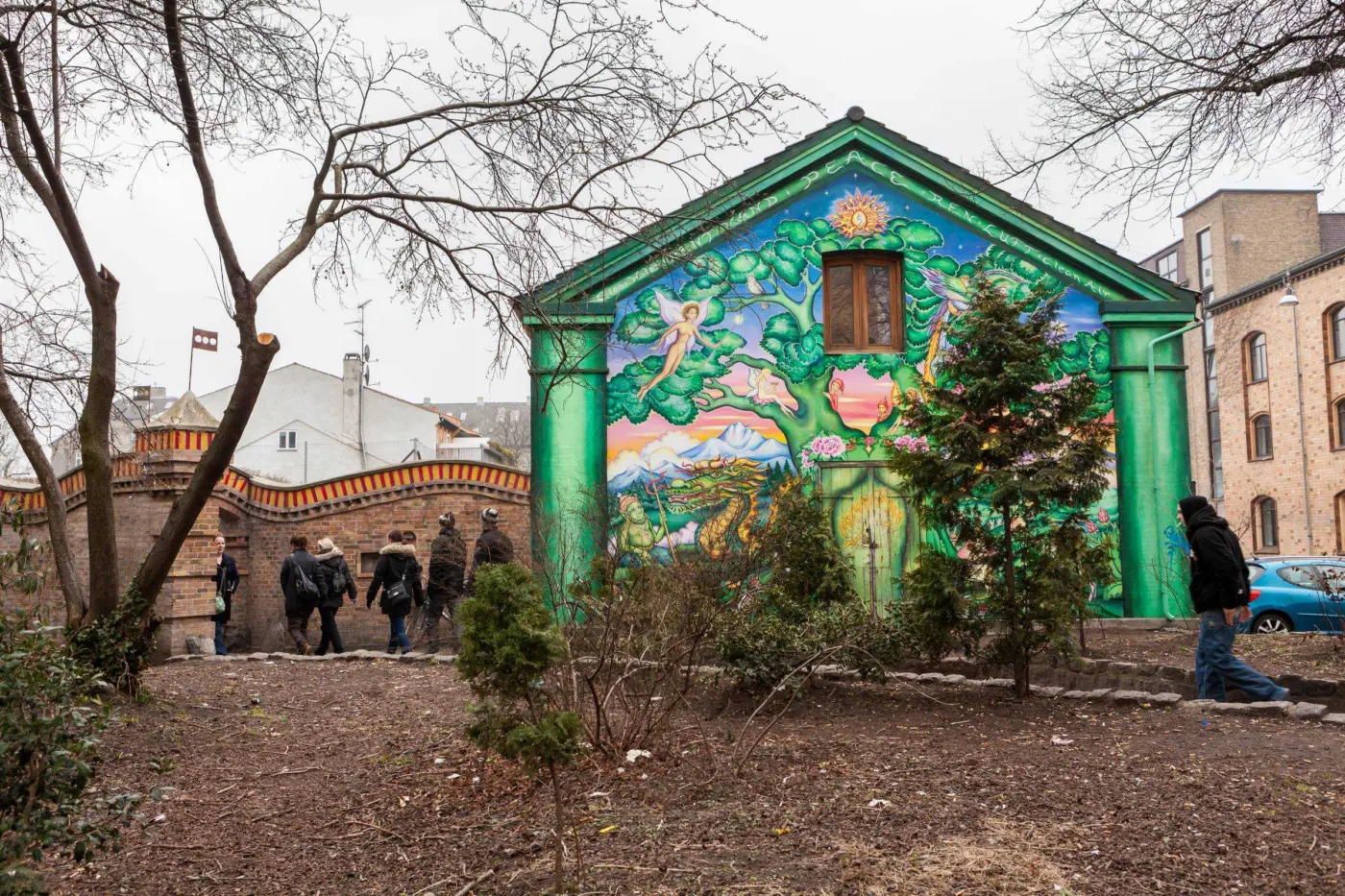
Walk along the fortifications Christianshavns Voldgade to your final destination: Freetown Christiania, before your guide leaves you to visit all by yourself this unique community. You will receive all the necessary background information to enjoy this car-free zone with about 800 residents. Experience on your own one of the most interesting, organized and open-minded communities in the world, started by squatters in the 70’s on a former military structure, now among Copenhagen´s most visited places.
Included
Not Included
21 stops
Formerly this was an area of fortifications, created by Christian IV, in 1600. These fortifications were in turn protected by a moat. In 1950, the process of redevelopment of the area began and this moat looked more like an open sewer. It was decided to place this now famous street over the old moat. The land along the street was sold in lots starting in 1856. Mostly buildings dedicated to charity, such as for officers' widows, were constructed. The buildings at numbers 8, 10 and 12, built in the mid-1800s, are listed in the Danish register of protected buildings and sites.
Opened in September 1908, it is one of the largest theaters in Denmark. The idea of construction was to create a large theater and at the same time open a passage between Gammel Kongevej and the new Vesterbro Passage (now part of Vesterbrogade).
Its name refers to the name of a beer collector, Werner Dam, who acquired a piece of land in the 1700s and opened a popular beer garden on the site. It was also known as Slagtergaden (literally "Butchers' Street"), due to its large volume of butchers.
In the early 1950s, Saxogade residents sent a large letter of protest. They had had enough of the miserable housing conditions. We have to keep in mind that this neighborhood, at first, belonged to factory workers, who had come from the countryside to the city, looking for an improvement in their quality of life. The desire for an improvement in their housing was centered mostly on the children, since the families lived in overcrowded, small one-room apartments, where they could sleep up to 10 people.
Meet this old clandestine radio, and symbol of the Danish resistance against the Nazis in World War II
Take a walk through this attractive and green urban space and recreation area in the heart of Vesterbro, full of shops, playgrounds and beautiful cafes
Established in 1910, this private organization (subsidized by the Danish state) aims to help homeless and vulnerable people recognize and use their own resources to make a good life and contribute to a diverse society.
This small church opened in 1909 and today serves as a shelter for homeless people, families in need and socially marginalized groups. It has an active social involvement in the neighborhood. It provides daily care to all who come seeking both spiritual and economic support, including vulnerable groups such as illegal immigrants, drug addicts, prostitutes and people whose lives are criminalized.
Lunch in a classic Danish restaurant.
Built in 1911 and inspired by the architectural style of the town hall building, it is the largest railway station in Denmark (Nørreport St. has the highest passenger flow per day).
Discover this old industrial area, now revitalized with a modern gastronomic proposal, design shops, galleries and a lively nightlife.
Admire this magnificent century-old building, which currently functions as one of the most important Exhibition Centres in Denmark
This building from the 1780s: until recently it housed the DieselHouse Museum (now moved to København SV) that tells the story of B&W, dating all the way back to 1843, where it all started with a one-man smithing workshop. Later on, B&W developed into being one of Denmark’s largest workplaces, and it retained that title a hundred years ahead. A symbol of the Danish industry (1865-1979, today MAN Energy Solutions).
Visit the magnificent rococo style church, built in the 18th century in the heart of the Christianshavn District.
Former base of the Danish Asia Company (1732-1843), today the Ministry of Foreign Affairs and convention center.
It is a 115 meter long drawbridge. It was built in 1937 and connects Copenhagen with the island of Christianshavn. The current name comes from Hans Knip, who was in charge of operating the bridge and collecting tolls from passing ships in 1641. He lived with his family on the same bridge.
Point out the Eiffel Bar building (58) and the Wildersgade Barracks (60), listed and built in the 1700s and in 1802 respectively. Villa Wilder (55) from the early 1700s and no 64-66 built before 1725.
A must-see in Copenhagen, both for the beauty of its baroque architecture as well as for its historical importance.
Explore the ancient wall that was part of the bastioned fortification ring that used to surround Copenhagen
Originally a busy market square, today it is an ideal place to relax and enjoy the water views. Here you will also find one of the most expensive marinas in CPH (only to use if you are a member of the yacht club). We show the Wilders Plads 10 building, a beautiful 2-story timber-framed house. Built in 1736, originally as a sailmaker's workshop and housing.
Before saying goodbye your guide will give you all the directions so you can freely explore the colourful streets of a place that leaves no one indifferent when you visit Copenhagen, a self-sustaining district that claims to be independent from Denmark and the EU.
During the tour, your private guide will give you all the advice you need to know what to do, where to go, and where to eat, to make the most of your visit to Copenhagen!
Free Cancellation
Cancel up to 24 hours before the experience starts and receive a full refund. If cancelled less than 24 hours before start time, no refund will be given. Changes made less than 24 hours before the experience start are not accepted.
Have a question about this tour?
Ask a QuestionQ:Is this tour really 100% private?
A:Yes — every tour is exclusively for your group. No strangers, no shared groups. You set the pace and the focus.
Q:What happens if it rains?
A:Most of our experiences continue rain or shine. If severe weather forces a cancellation, you receive a full refund or free rescheduling.
Q:Can we customise the itinerary?
A:Absolutely. Your guide will adapt the route, pace and emphasis based on your interests. Just let us know your preferences when booking.
copenhagen

copenhagen
copenhagen