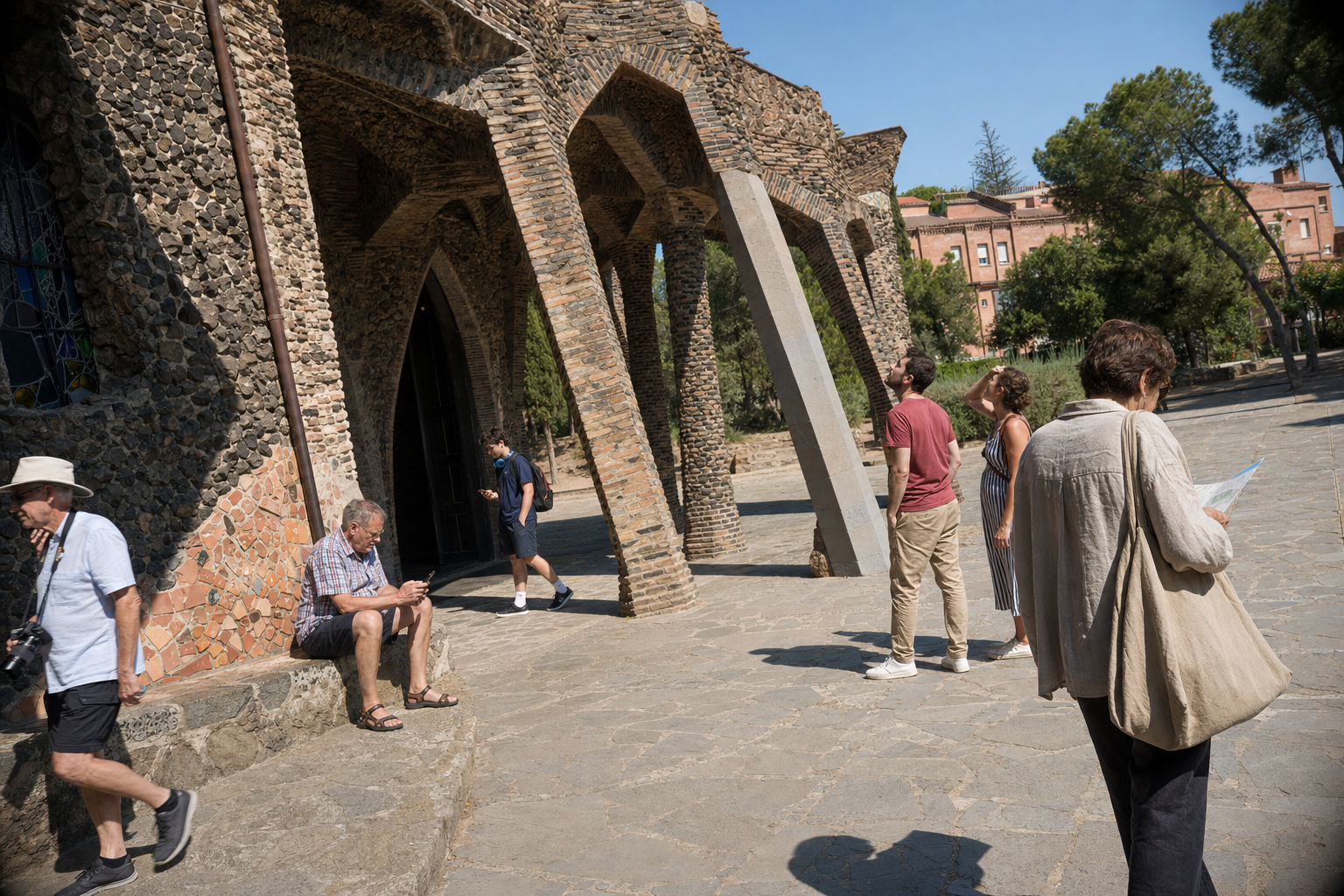
Colonia Güell : L'utopie oubliée où Gaudí a façonné son plus grand rêve
Attractions touristiques connexes
Découvrez d'autres attractions touristiques dans la même ville
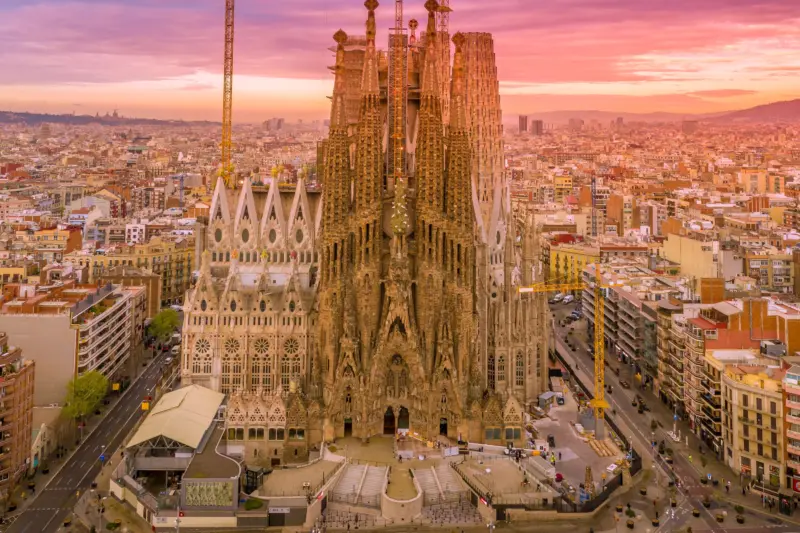
La Sagrada Familia, le chef-d'œuvre de Gaudi, à visiter lors d'une visite privée à Barcelone.
Barcelona
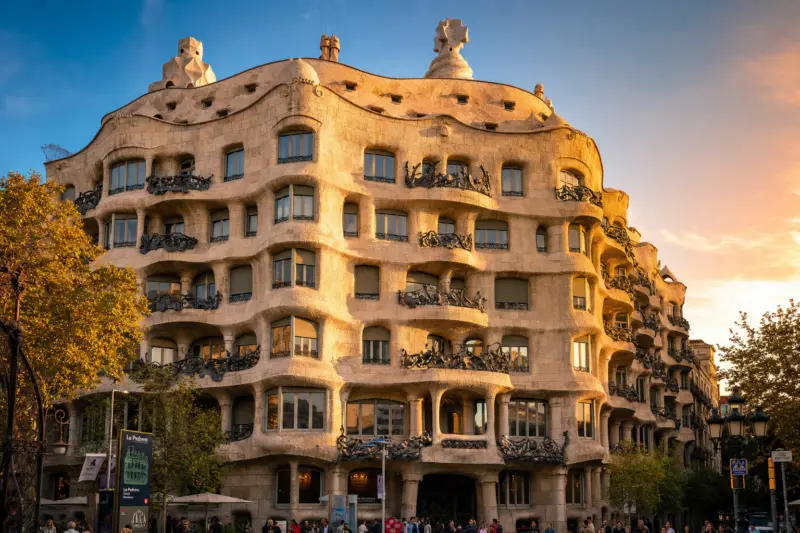
La Pedrera — Casa Milà
Barcelona
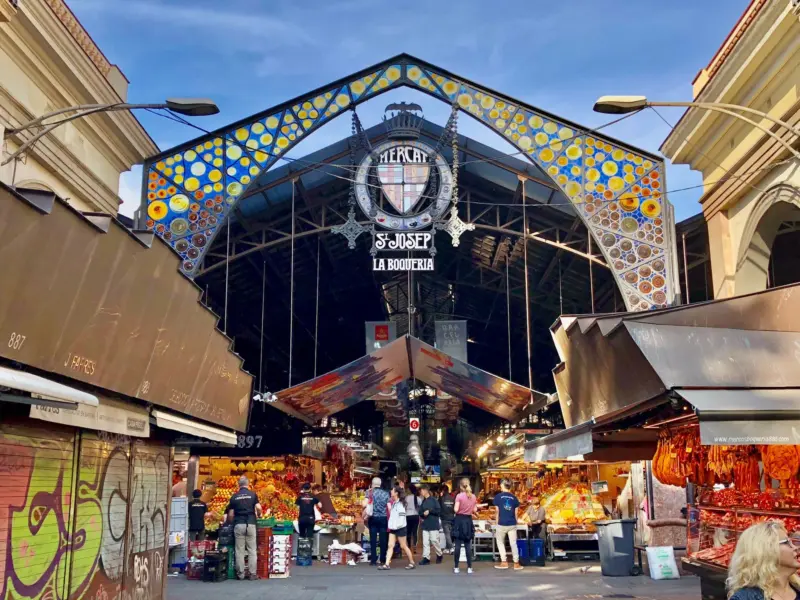
Marché de la Boqueria
Barcelona
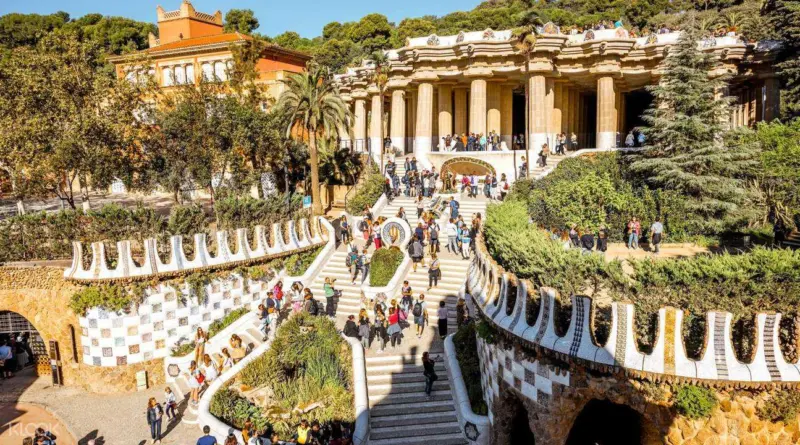
Parc Güell
Barcelona
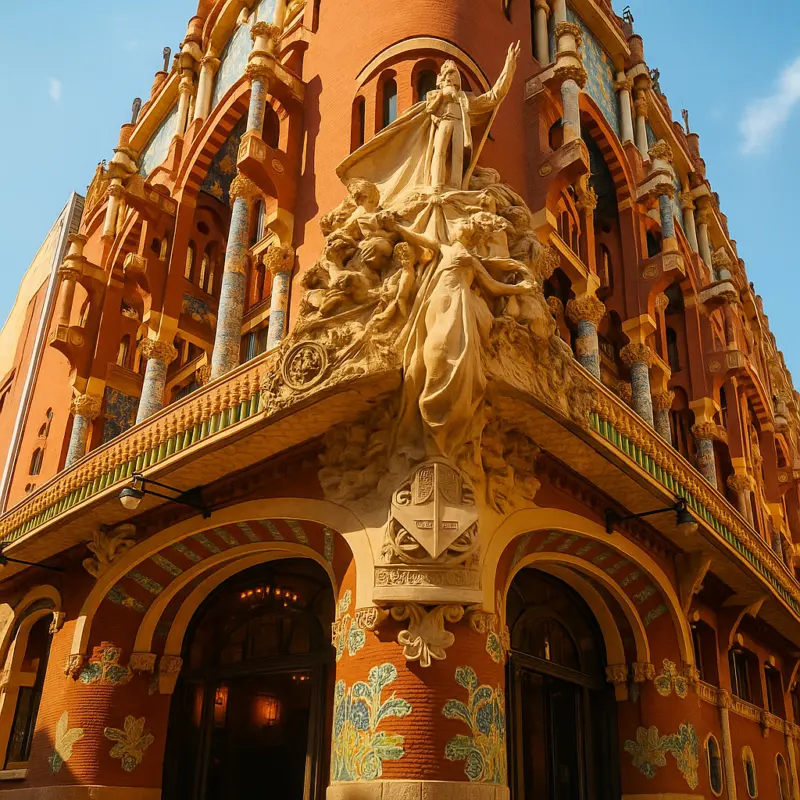
Palais de la Musique Catalane.
Barcelona
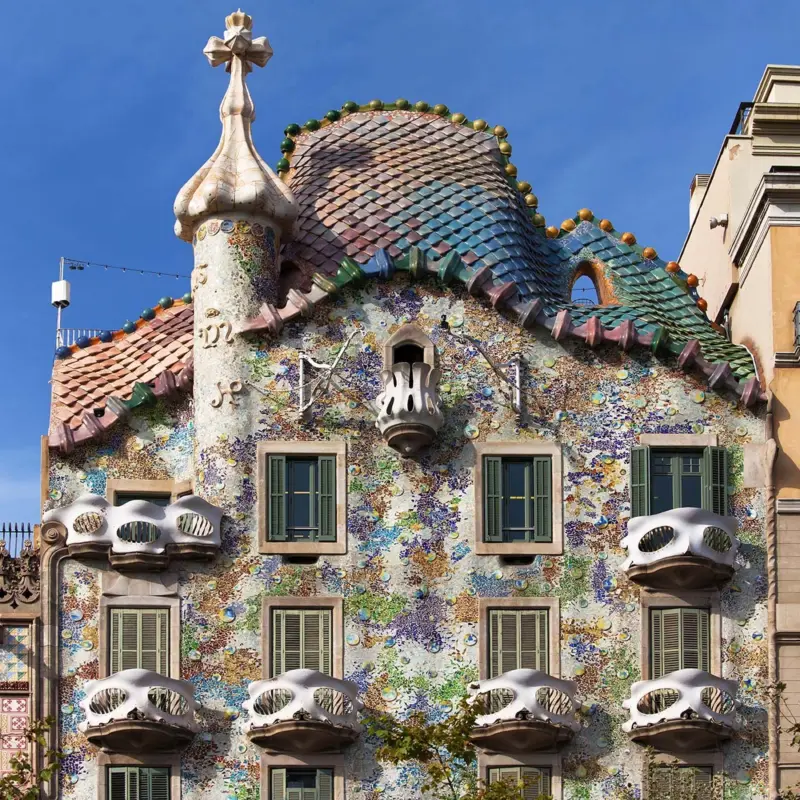
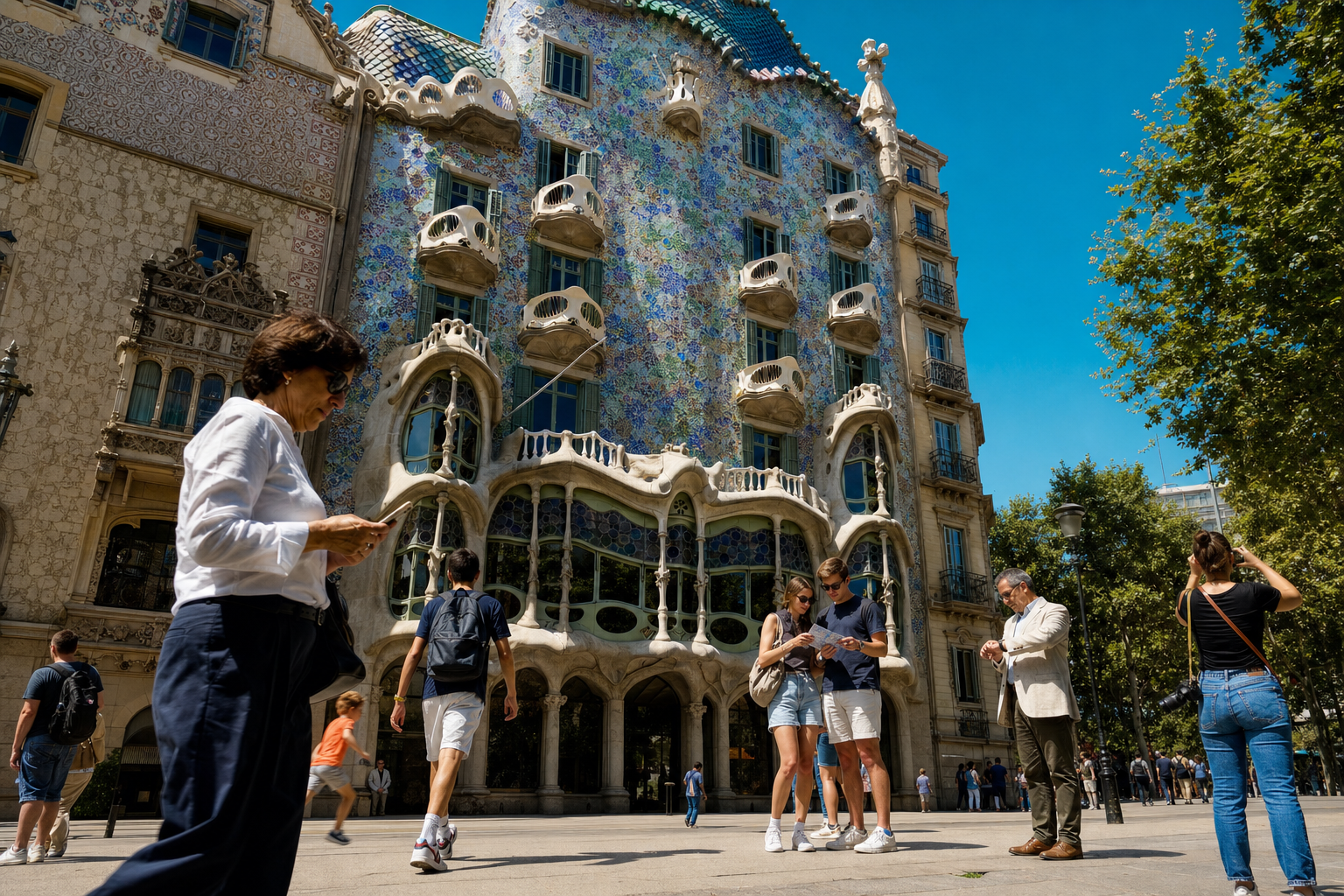
Casa Batlló.
Barcelona
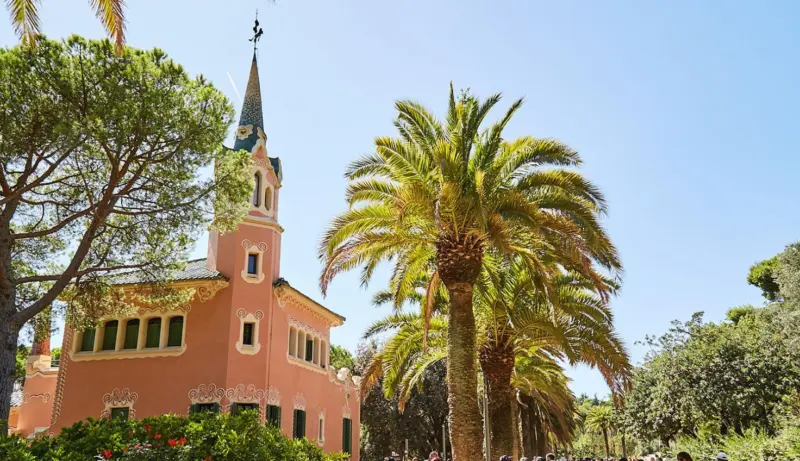
Maison Musée Gaudí.
Barcelona
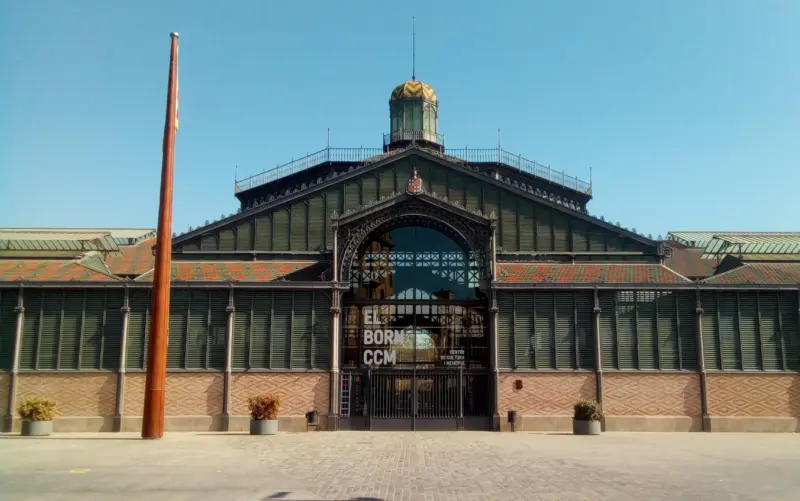
Centre de la Culture et de la Mémoire d'El Born
Barcelona
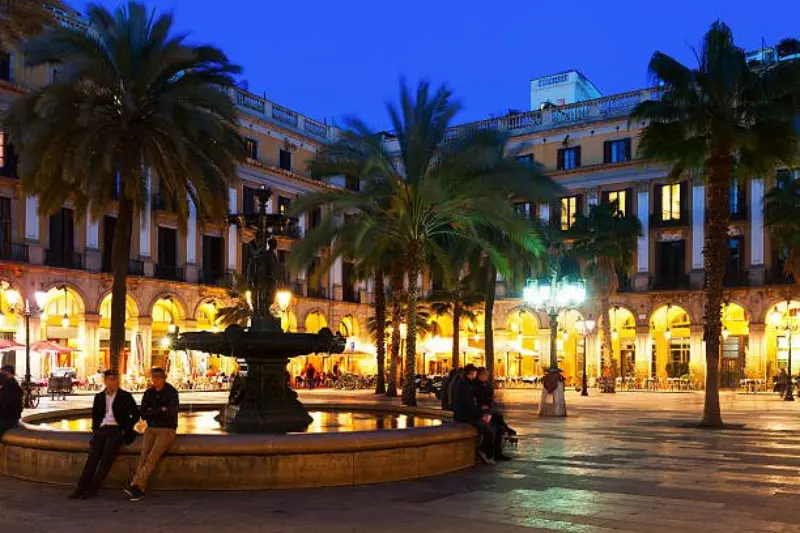
Plaza Real (Place Royale)
Barcelona
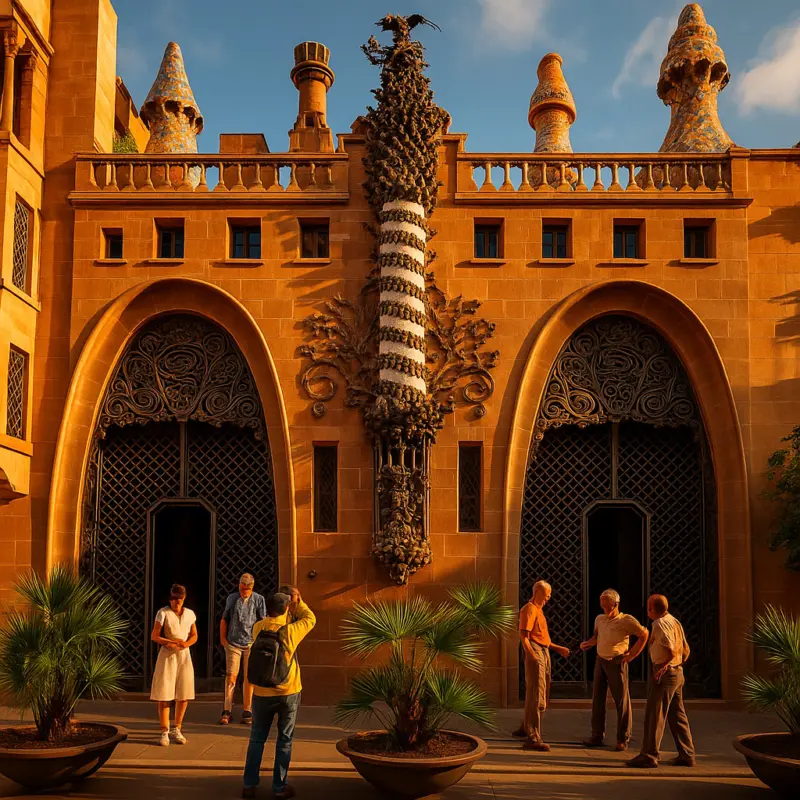
Palau Guell - Une œuvre maîtresse de l'architecture moderniste à Barcelone
Barcelona
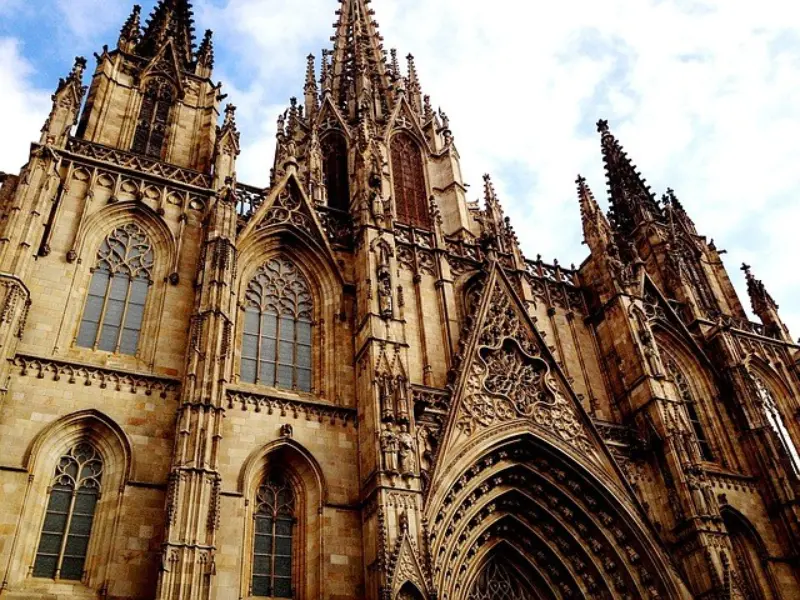
Cathédrale de Barcelone - Une fenêtre sur le riche patrimoine de la ville
Barcelona
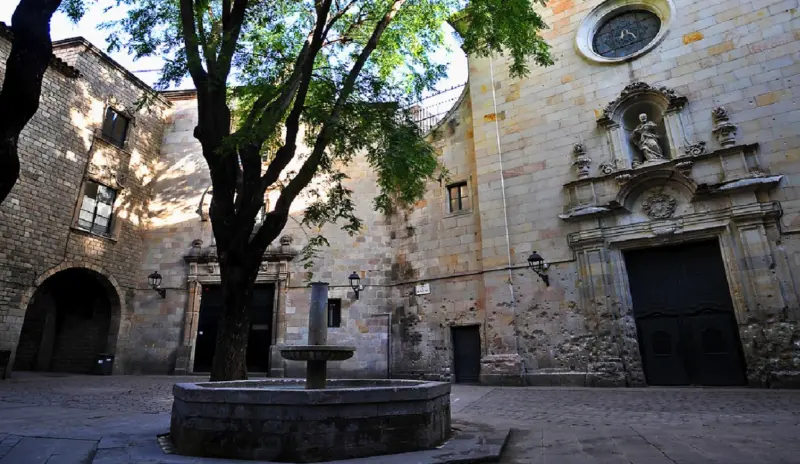
Place Sant Felip Neri - un joyau caché du quartier historique de Barcelone
Barcelona
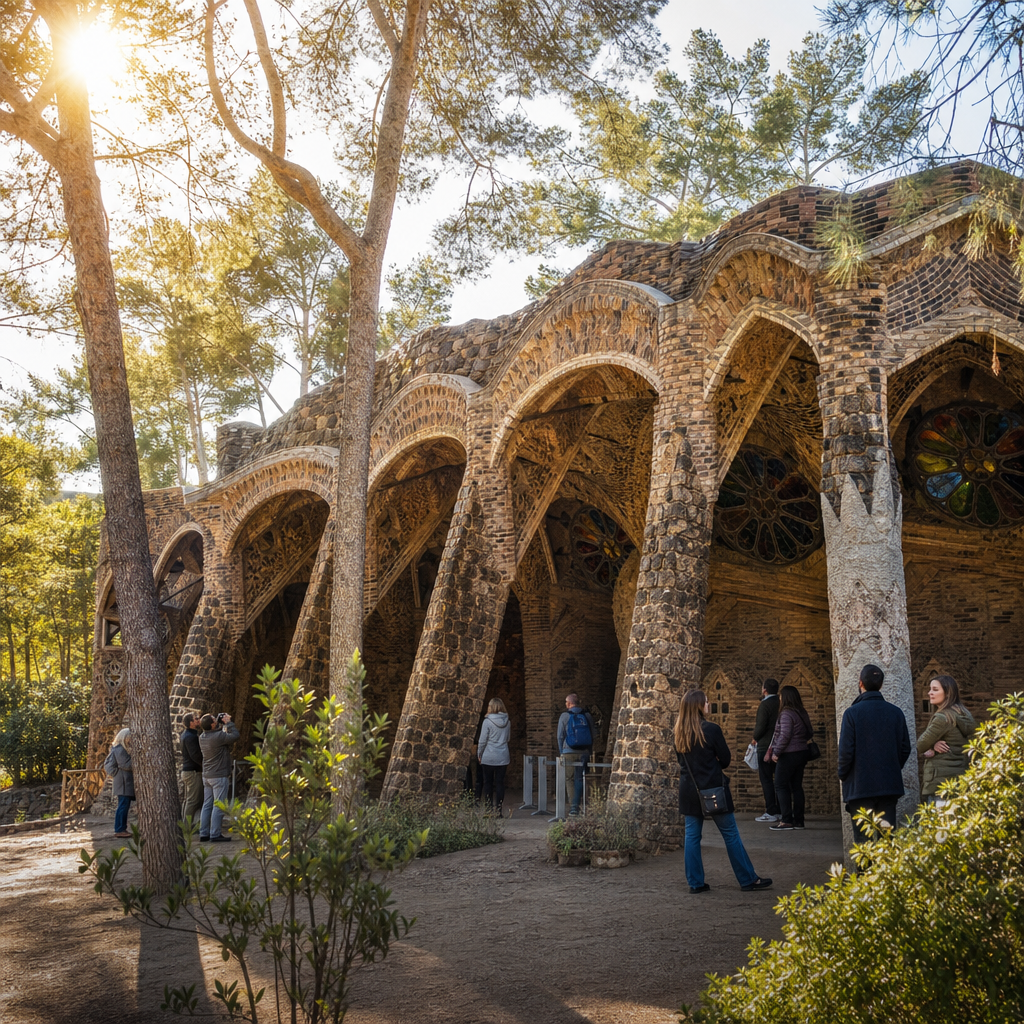
The Visionary Patron and the Workers' Utopia That Defied Industrial Barcelona
Eusebi Güell i Bacigalupi was Barcelona's most consequential patron of the arts, but he was also a genuinely progressive industrialist — a rare and contradictory combination in Restoration-era Spain. In 1890, frustrated by urban overcrowding, labour unrest, and the catastrophic conditions of Barcelona's working-class Raval district, Güell transferred his cotton-weaving business, the Vapor Vell de Sants, to a purpose-built settlement in Santa Coloma de Cervelló. The relocation was not altruistic theatre: Güell believed that a healthy, housed, and educated workforce would be a more productive one. He was influenced by the paternalistic industrial towns of England — Owen's New Lanark, Lever's Port Sunlight — but he wanted to give his version a distinctly Catalan soul.
Construction of the colony began in earnest in the mid-1890s. By the early 1900s, Colonia Güell comprised around 400 workers and their families — nearly 2,000 people — living in terraced houses designed by the architect Francesc Berenguer, Gaudí's closest collaborator and lifelong friend. Berenguer, who never obtained his official architect's title, designed the majority of the colony's buildings: the workers' quarters, the casino-theatre, the school (inaugurated in 1895), and the cooperative shop where residents could buy goods at below-market rates. The colony even had its own brass band and a lending library — revolutionary amenities for industrial workers of that era.
Güell's relationship with Gaudí was one of the defining creative partnerships of European modernisme. He had already commissioned Gaudí for the Palau Güell on Carrer Nou de la Rambla (built 1886–1890) and Park Güell (begun 1900). For his model colony, he wanted Gaudí to design its crown jewel: a church that would serve the spiritual life of the community. On the Gaudí Unexpected Private Tour, guides bring this patron-architect relationship vividly to life, connecting Colonia Güell with the lesser-known Casa Vicens to trace the full arc of Gaudí's genius.