7 hrs
Valencia
Private Albufera Day Trip: Paella, Boat Ride and Nature Trek
✓ Free cancellation Kids friendly
5.0(30 reviews)
From €445/ person
Book Now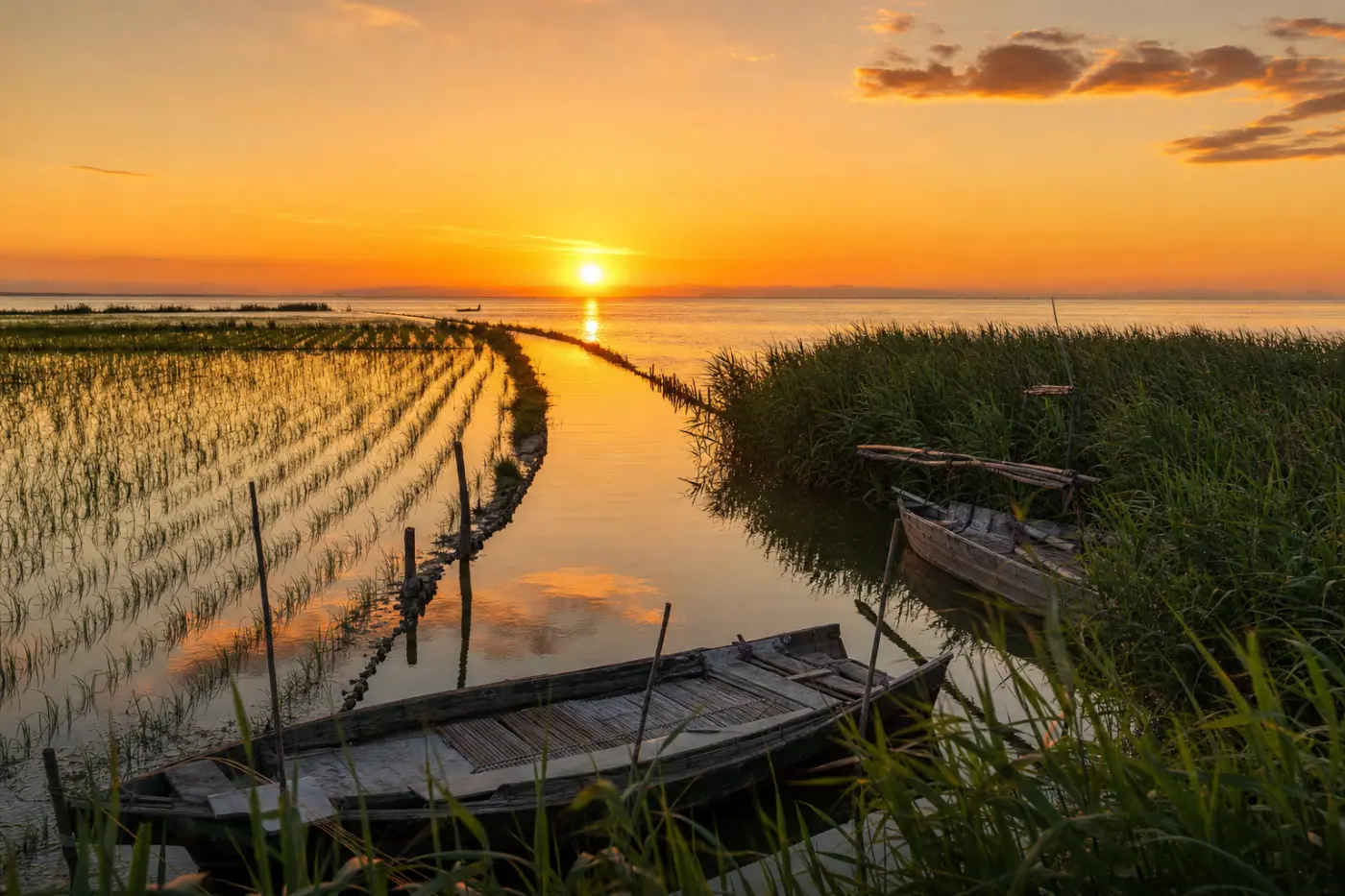
Tourist attraction
L'Albufera de Valencia is a vast freshwater lagoon and protected natural park stretching across 21,000 hectares of wetlands, rice paddies, and Mediterranean dune forest just 10 kilometres south of Valencia city. Its name derives directly from the Arabic al-buhayra, meaning "the little sea" — a linguistic relic of Moorish rule that accurately describes what this place once was. Between 5,000 and 6,000 years ago, the site was an open bay of the Mediterranean. Centuries of sediment deposited by the Turia and Júcar rivers, combined with longshore marine drift, built up a sandy coastal barrier that slowly sealed the bay off from the sea, creating the lagoon visible today. By the time of King Jaume I's Christian reconquest of Valencia in 1238, the Albufera was already a prized royal hunting ground, and the surrounding wetlands had been cultivated for rice for centuries under Arab irrigation systems.
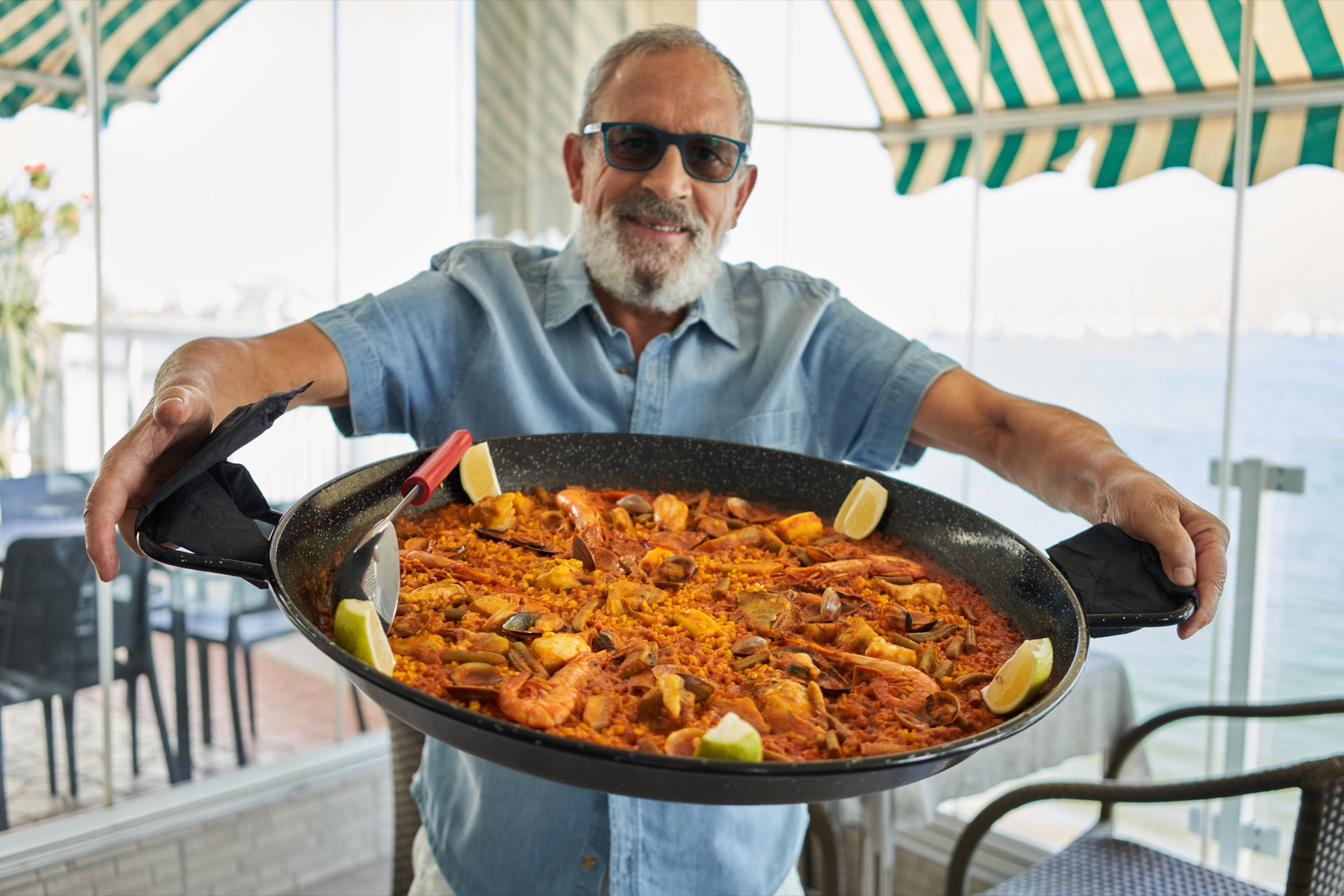
The lake's most consequential cultural legacy is its role as the birthplace of Valencian paella. The shallow, mineral-rich waters produced an ideal short-grain rice — later known as varieties such as Bomba and Senia — while the surrounding farmland supplied rabbit, chicken, and fresh vegetables. The first documented references to paella as a local dish date to the 18th century, cooked in the flat iron pans still used today over open fires of orange wood. The village of El Palmar, sitting on an island within the lagoon, remains the region's most celebrated destination for authentic paella and all i pebre, a garlic-and-paprika eel stew with pre-Roman roots. The park was formally declared a Natural Park in 1986 and later designated a Ramsar Wetland of International Importance, recognising its critical role as a stopover for hundreds of bird species migrating between Europe and Africa. Flamingos, herons, marsh harriers, and the endangered whiskered tern are regularly recorded here.
Visitors arriving at the lake can experience it at several scales. Flat-bottomed wooden boat tours depart from El Palmar and El Saler, gliding through reed channels into open water where the horizon dissolves into a mirror of sky — particularly spectacular at sunset, when the lagoon turns amber and deep rose. The 26-kilometre cycling route that circles the lake passes through El Saler's UNESCO-listed pine dunes, the restored rice paddies of Tancat de la Pipa (a bird-rehabilitation wetland), and the 18th-century sluice gates known as ullals that farmers still use to regulate water levels for rice cultivation between April and November.
The park is accessible year-round, but late autumn and winter bring the densest concentrations of migratory waterfowl, while spring sees the rice paddies flooded and intensely green. EMT bus lines 24 and 25 run from Valencia city centre to El Palmar and El Saler respectively, making a car unnecessary. The Mirador del Pujol viewpoint, reachable by bike or on foot from El Saler, offers the most expansive panorama over the lake. Arrive early to avoid midday heat and to catch the light before it flattens — the Albufera rewards patience above all else.
Private tours with a local guide, at your own pace.
Valencia
Valencia
Valencia
Valencia
Valencia
Valencia
Valencia
Valencia
We use a single cookie, to remember this choice. We do not use analytics or advertising cookies. Read our cookie policy.