3 hrs
Milan
Milan: Private Navigli Local Food & Drinks Tour with Canal Stories
✓ Free cancellation Kids friendly
4.7(8 reviews)
From €263/ person
Book Now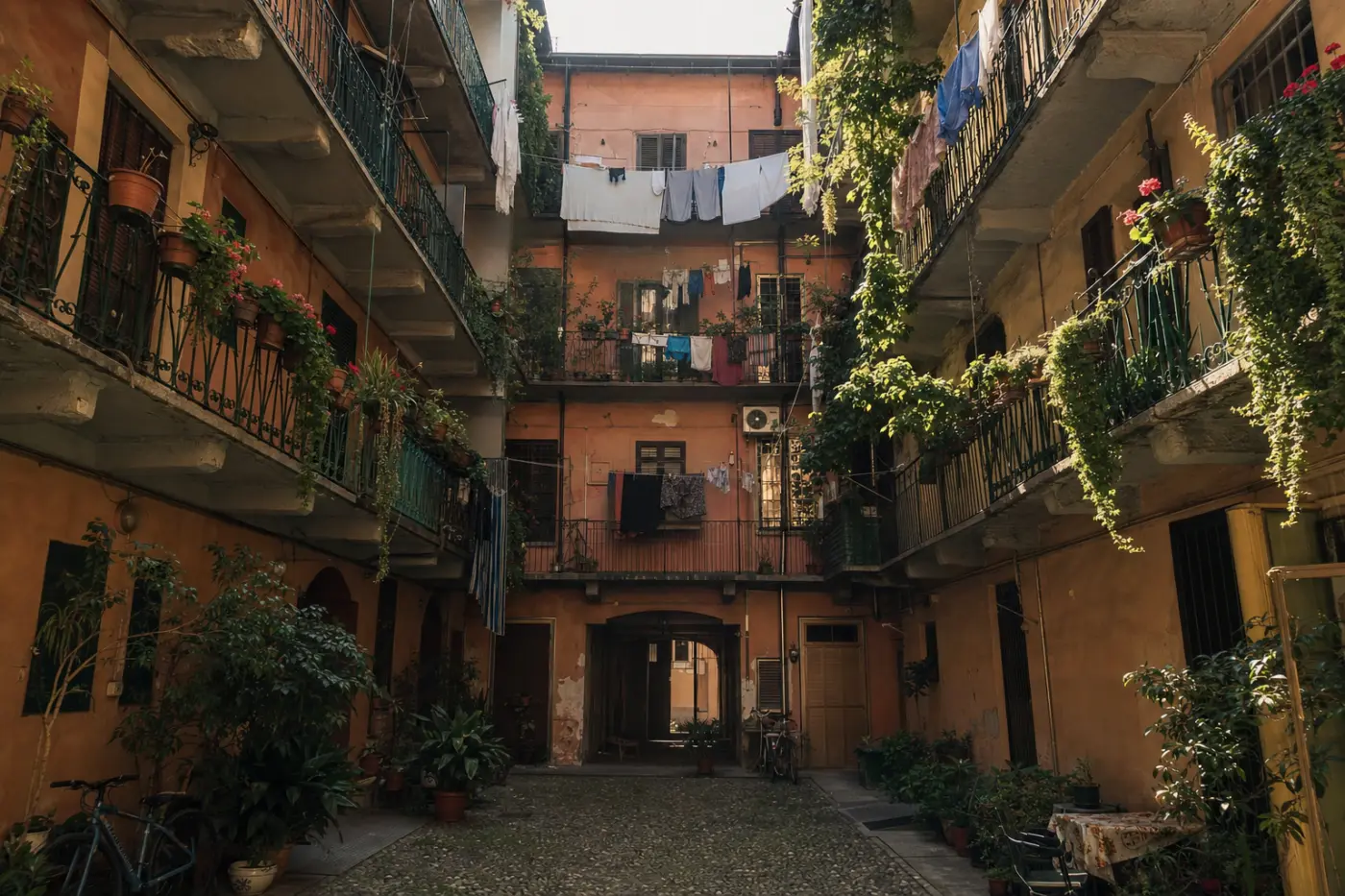
Tourist attraction
A casa di ringhiera is a multi-storey residential building arranged around a central courtyard, with continuous open-air balconies — the ringhiere, meaning railings or balustrades — running the full width of each floor and connected by shared staircases. These balconies served not as private terraces but as the sole access corridor to every apartment on a given floor, making them a semi-public artery of daily life. Built primarily from the late 19th century through the early decades of the 20th century, they were conceived as workers' dormitories to house the flood of industrial laborers migrating into Milan as its textile mills, metalworks, and manufacturing districts expanded rapidly. The neighborhoods of Isola, Ticinese, Porta Romana, and Corso Como still contain some of the most intact surviving examples.
The original floor plans were deliberately spare. Each apartment consisted of a front room facing the shared balcony — where cooking, washing, and socializing spilled into plain view of neighbors — and a single back room used as a bedroom. Private bathrooms did not exist; toilet facilities were communal, positioned at the ends of the balconies and shared among all households on that level. Running water was absent from the flats themselves and had to be collected from a shared courtyard tap. These constraints made the ringhiera not just an architectural feature but a social institution: it was the place where disputes were settled, children were supervised, laundry was hung, and neighborhood gossip circulated. The courtyard below functioned as an extension of the home, used by residents of all floors simultaneously.
By the postwar decades, many case di ringhiera had been modernized — bathrooms added within apartments, water plumbing installed — but the defining structure remained. During the 1960s and 1970s, Milan's urban renewal programs demolished large numbers of these buildings to make way for modern residential blocks, triggering a cultural backlash that eventually elevated the surviving examples to symbols of authentic Milanese identity. The writer Carlo Porta and later the filmmaker Luchino Visconti drew on the social world of these courtyards; the film Rocco e i suoi fratelli (1960) famously captured the raw communal life of such buildings during the southern migration north.
Visitors today can explore surviving clusters on foot, particularly around Via Pichi, Via Bramante, and the Isola district north of Stazione Garibaldi. Many buildings retain their original wrought-iron or cast-iron railings, terracotta floor tiles on the balconies, and hand-painted courtyard walls draped in cascading ivy and potted geraniums. Because these remain active residential buildings, access to courtyards is not always guaranteed, but ground-floor archways are frequently open during the day. The best time to visit is mid-morning or late afternoon on a weekday, when residents are present and the balconies display the layered, lived-in texture that no restoration project could manufacture.
Private tours with a local guide, at your own pace.
Milan
Milan
Milan
Milan
Milan

Milan
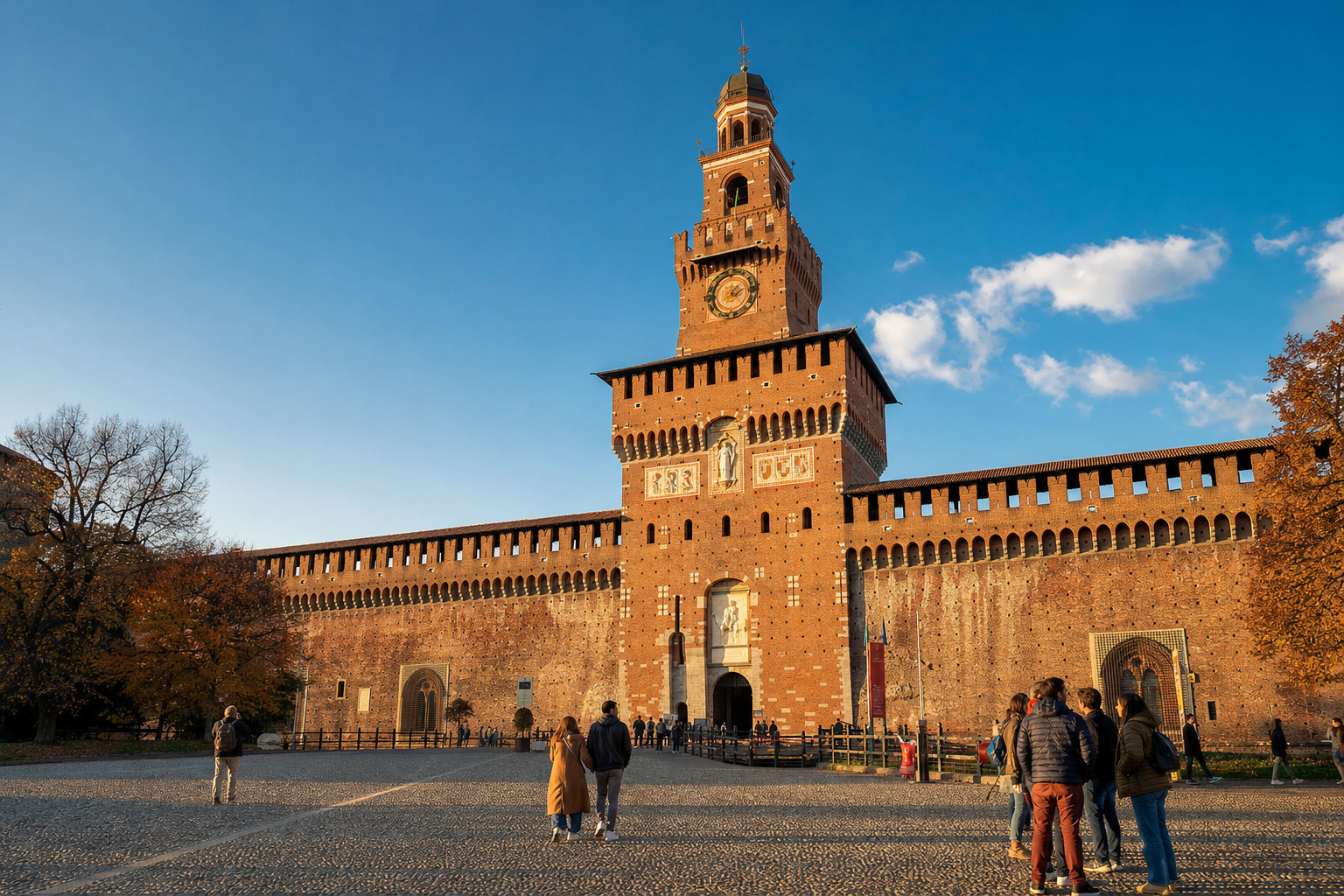
In 1499, when French troops marched into Milan and Ludovico Sforza fled the city he had ruled for nearly two decades, he left behind a castle so vast and so layered with art that it would take another four centuries — and a meticulous neo-Renaissance restoration by architect Luca Beltrami — to make it fully accessible to the public. Today, Castello Sforzesco is one of the largest medieval fortresses in Europe, housing seven distinct museums behind a single €5 ticket. Yet the ticketing system is genuinely confusing: the courtyards are free, the museums are paid, some exhibitions carry a surcharge, and the half-price evening rate is almost entirely unknown to first-time visitors. This guide cuts through every layer — what you'll pay, when to go, which museum room to prioritise above all others, and why Michelangelo's last sculpture, abandoned at his death in 1564, is reason enough on its own to buy a ticket to one of Milan's most underrated cultural treasures.
Read more →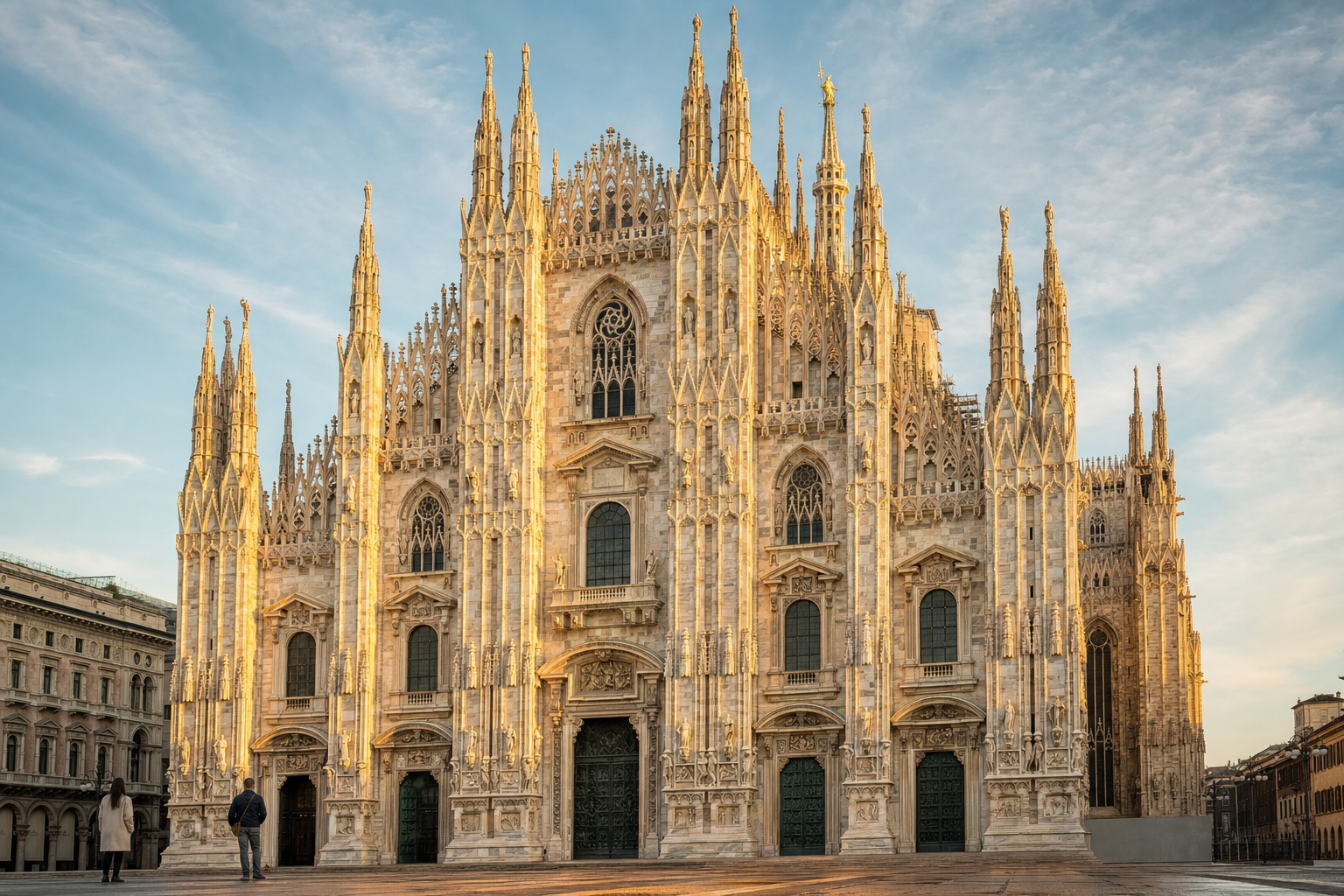
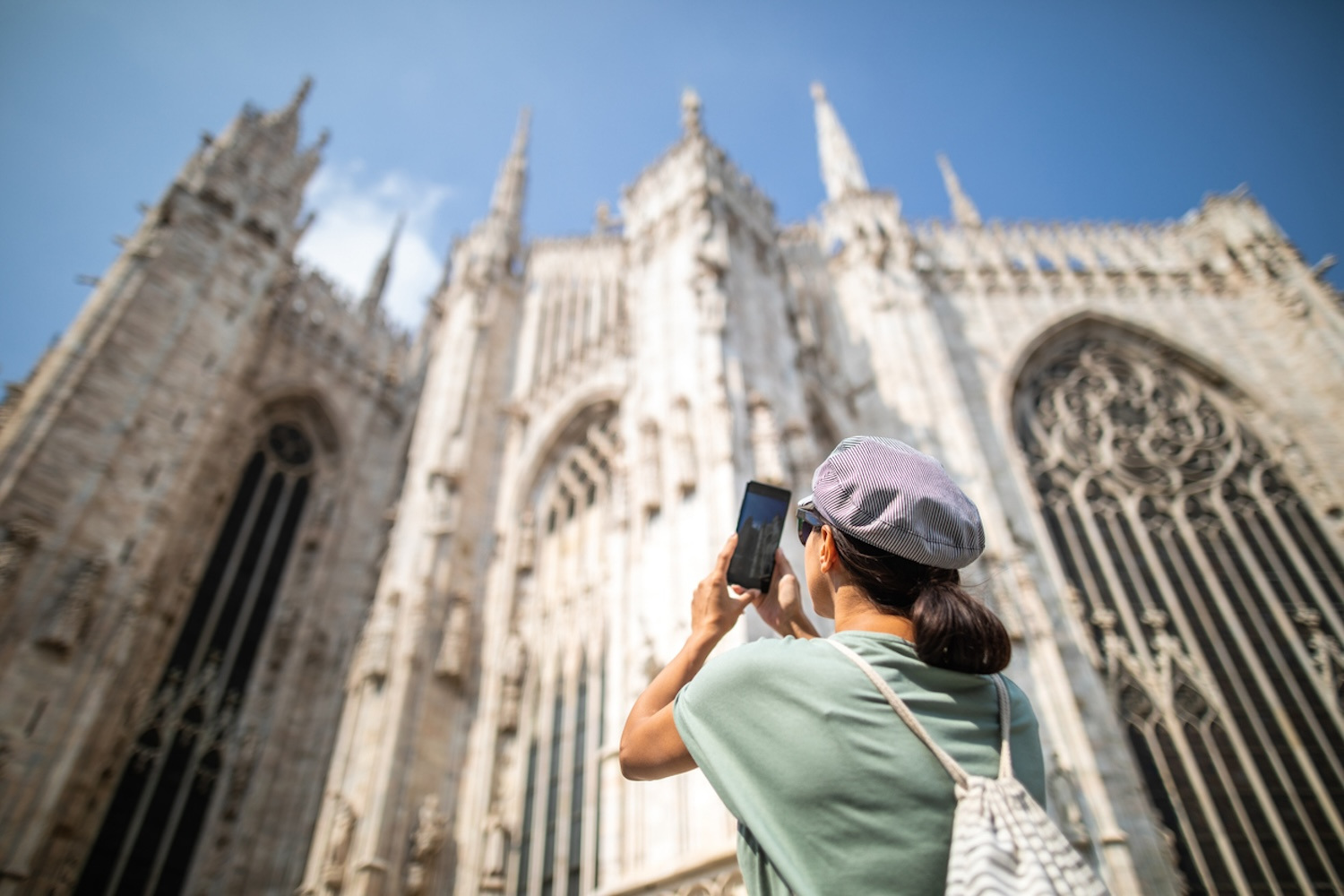
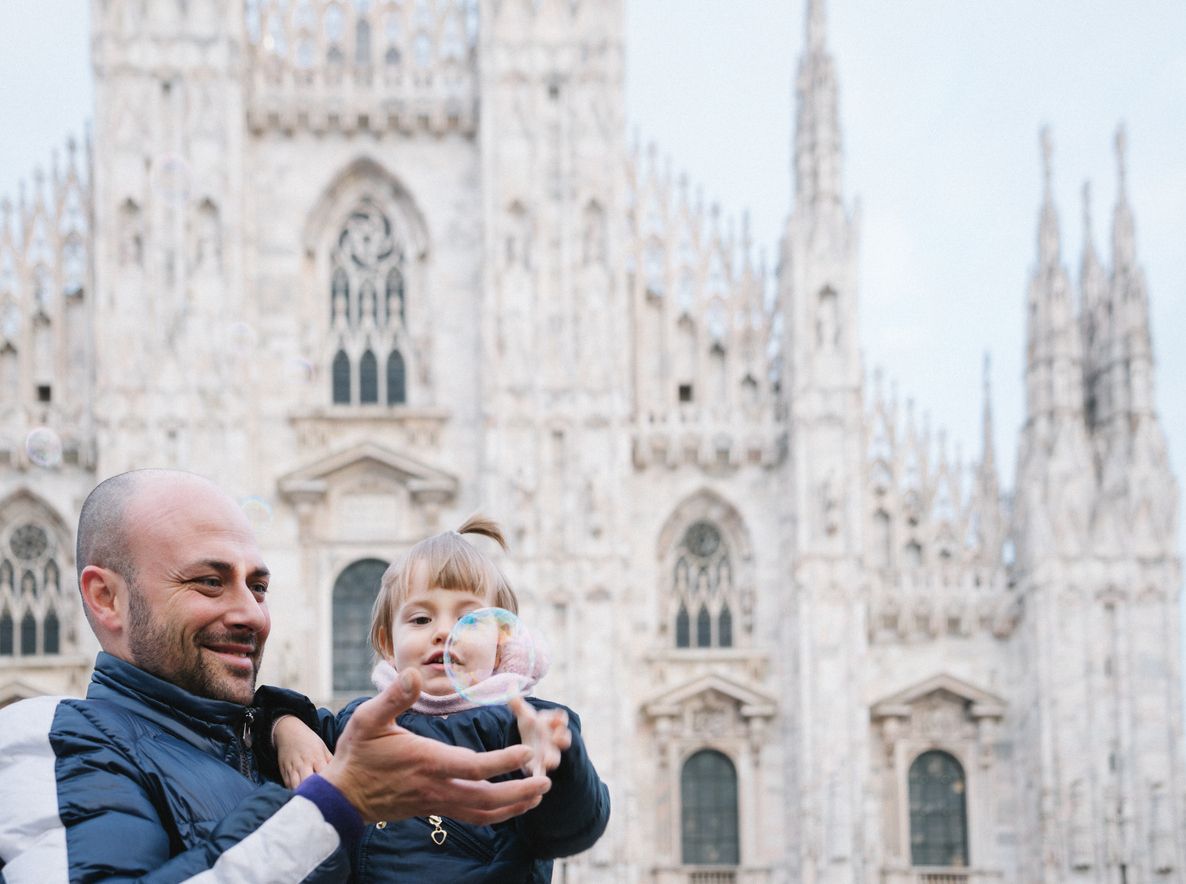
On 26 December 1386, Duke Gian Galeazzo Visconti broke ground on a cathedral so outrageously ambitious that it would take 579 years to finish. The last bronze door of the Duomo di Milano was installed not in the medieval era, not in the Renaissance, but in 1965 — the same decade the Beatles released their first album. That timeline alone tells you something about the scale of what stands at the heart of Piazza del Duomo. With 3,400 statues, 135 spires, and 96 gargoyles and grotesques crowding every surface, it is the most statue-dense Gothic cathedral on earth — a building that rewards not a single glance upward but an hour of slow, deliberate looking. This guide gives you the historical depth, architectural detail, and practical knowledge to experience the Duomo the way it deserves: not as a box to tick, but as the living centre of six centuries of Milanese ambition.
Read more →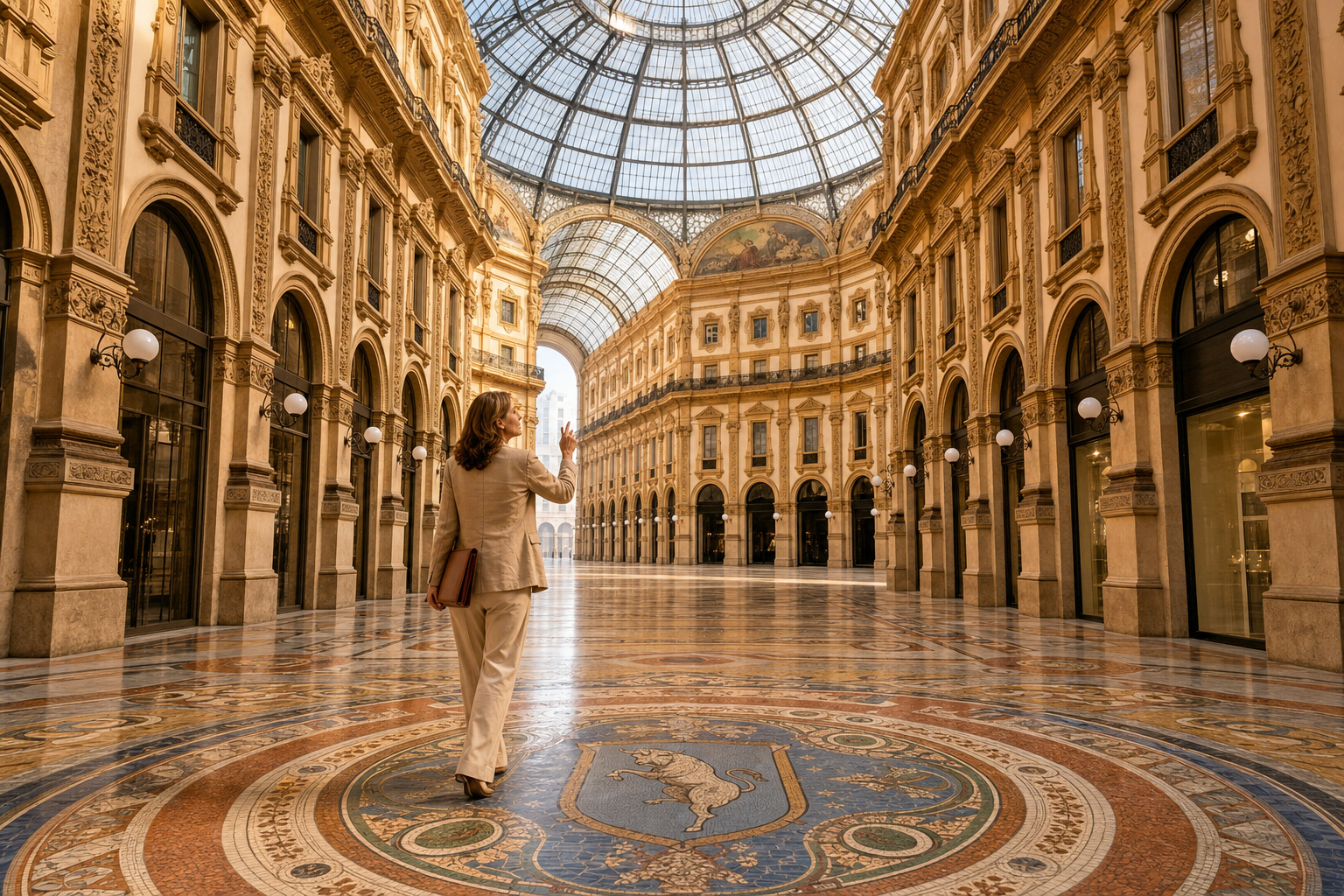
In 1495, Leonardo da Vinci picked up a brush inside a modest refectory on the western edge of Milan and began what would become the most studied painting in human history. He had already been living in the city for over a decade, redesigning its canal network, sketching flying machines, and reshaping the skyline under the patronage of Ludovico Sforza. That single fact — that the world's most famous artist spent nearly 18 years calling Milan home — tells you everything about why this city refuses to be summarised by fashion week headlines or a single Gothic cathedral. Milan is a city of accumulated depth: Roman street grids, Renaissance courts, Napoleonic museums, and a food culture that predates Vienna's most famous dish by centuries. The problem is that most visitors never reach that depth. A private tour guided by someone who actually lives and breathes the city changes that entirely — turning what could be a highlight reel into a genuine encounter with one of Europe's most underrated capitals.
Read more →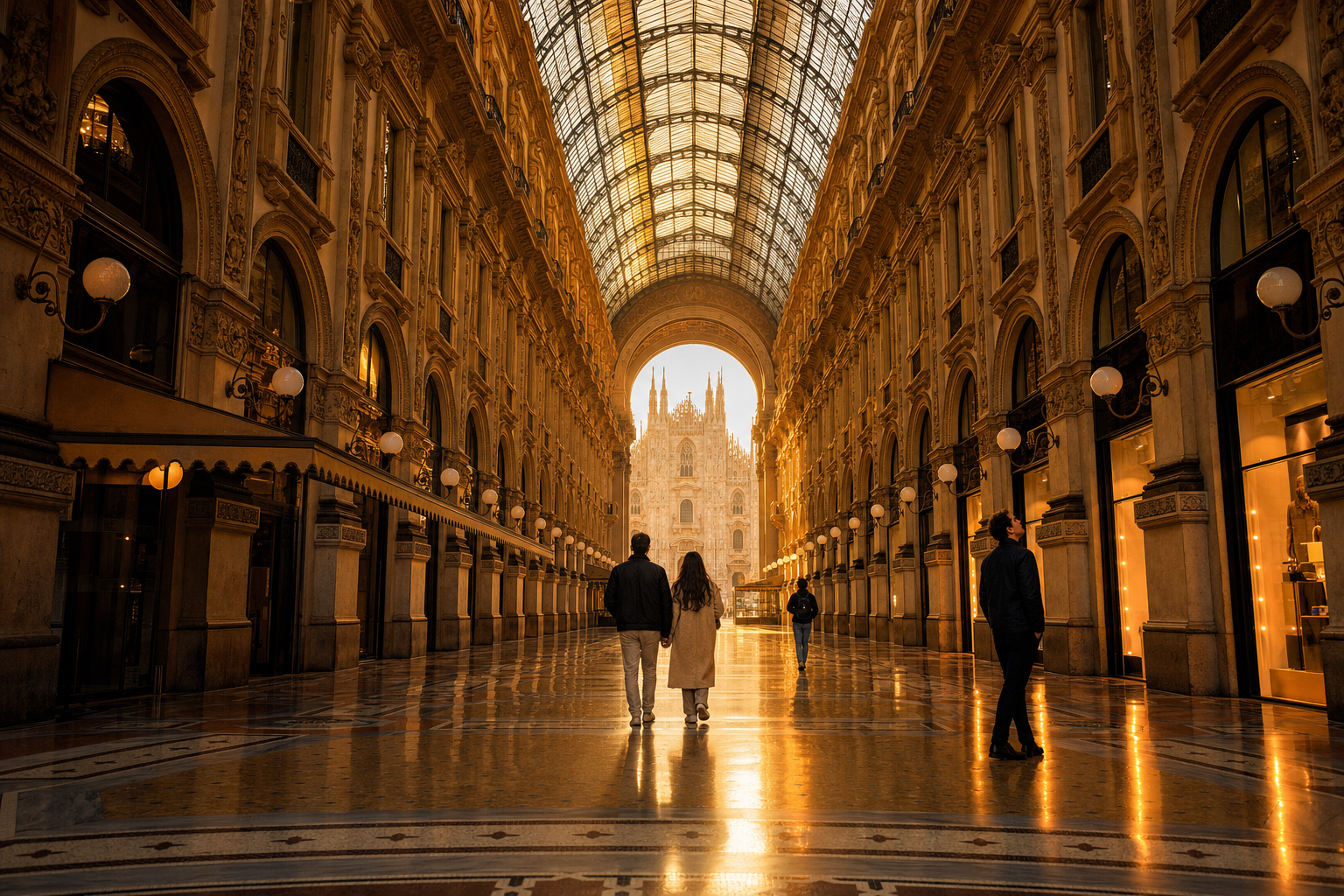
In 1386, the first stone of Milan's cathedral was laid on the orders of Gian Galeazzo Visconti — and the city has been building on ambition ever since. The Duomo di Milano would take 579 years to complete, its façade finally finished in 1965, making it one of the longest construction projects in human history. That tension between ancient foundations and relentless forward momentum is what makes Milan unlike any other Italian city. It is simultaneously the country's financial engine (its metropolitan area accounts for roughly 20% of national GDP), the global headquarters of fashion and design, and the custodian of two UNESCO World Heritage Sites. A well-planned Milan itinerary unlocks all of this — the Gothic spires and the aperitivo bars, Leonardo's fragile mural and the Navigli canals he helped engineer, the Renaissance castle and the Quadrilatero della Moda. Whether you have 2 days on a layover or 5 days to go deep, this guide gives you the structure — and the specific details — to make every hour count.
Read more →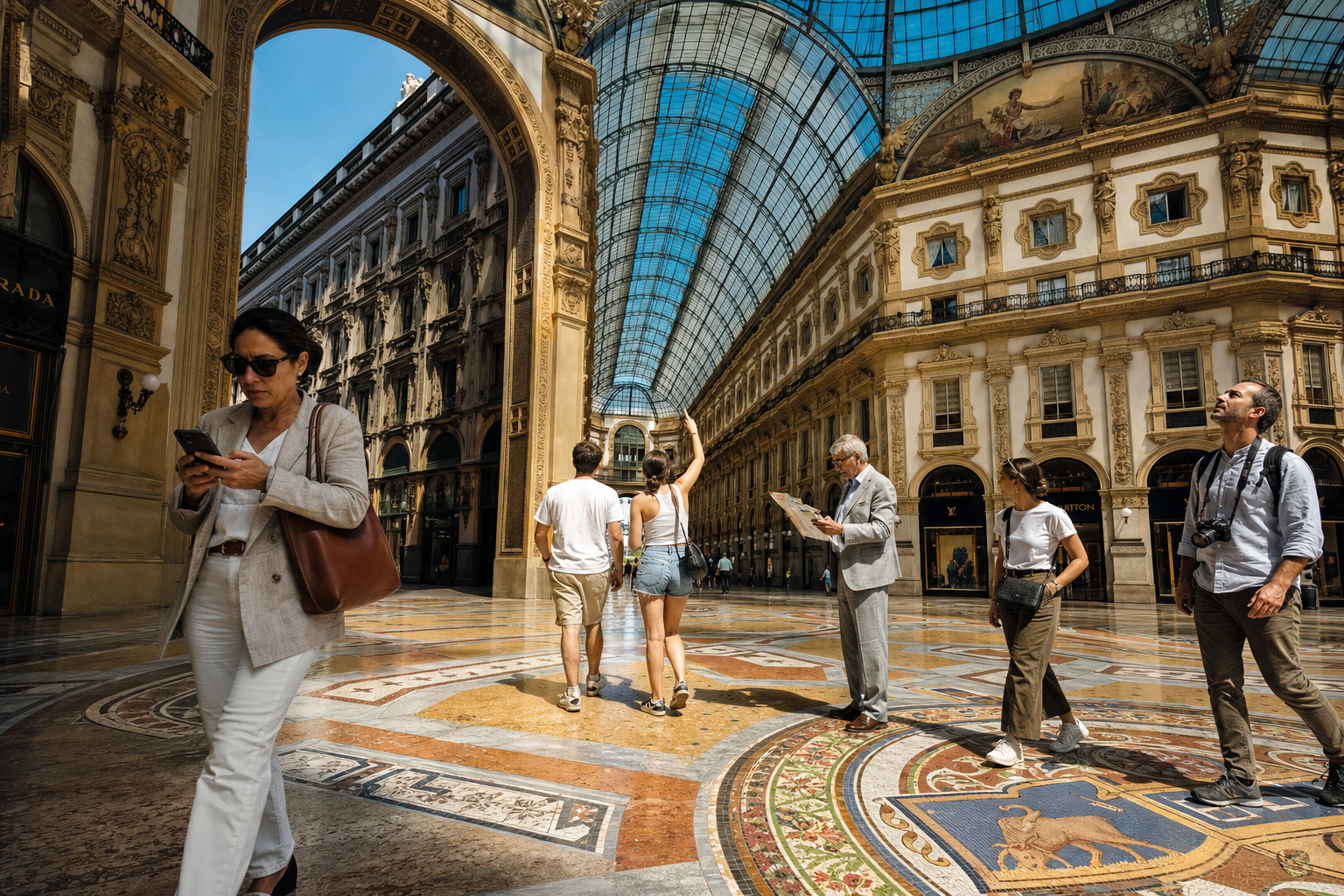
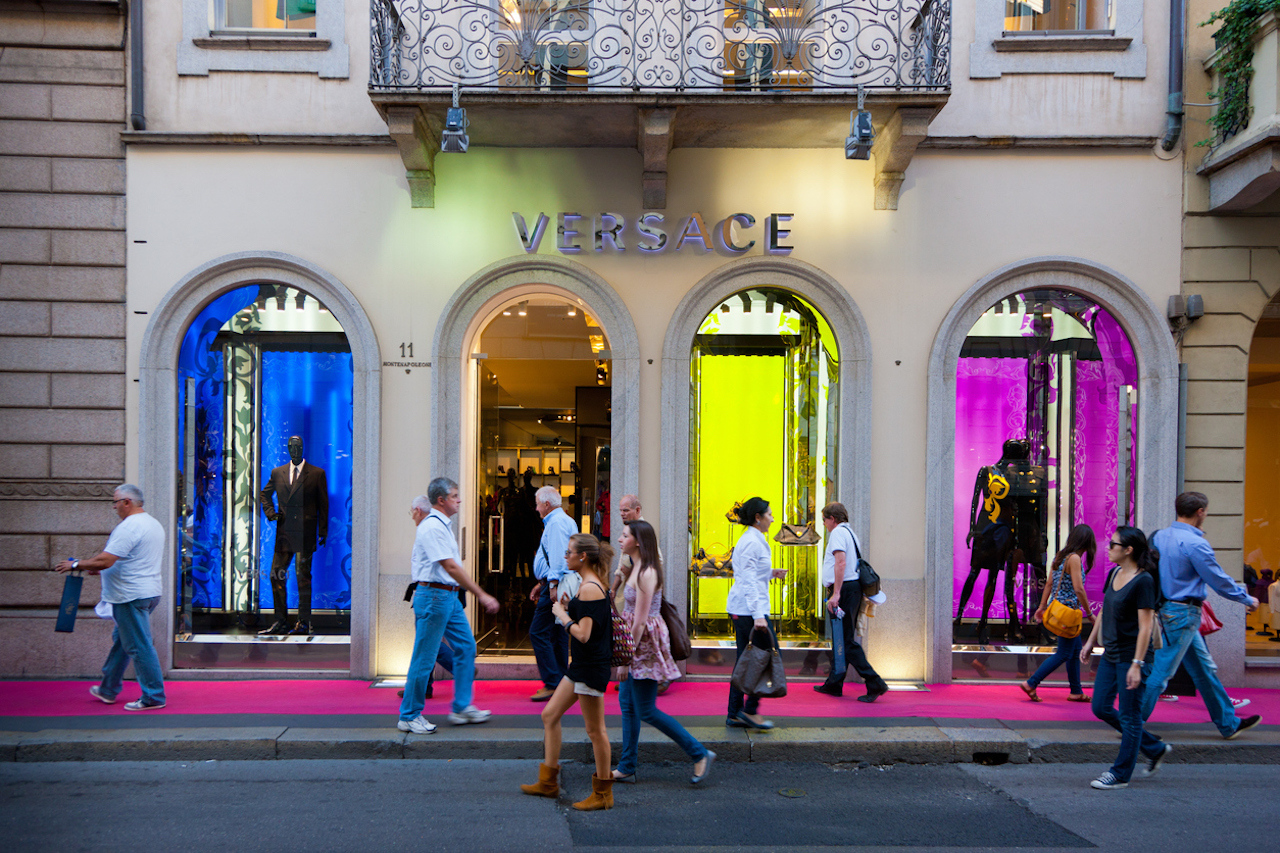
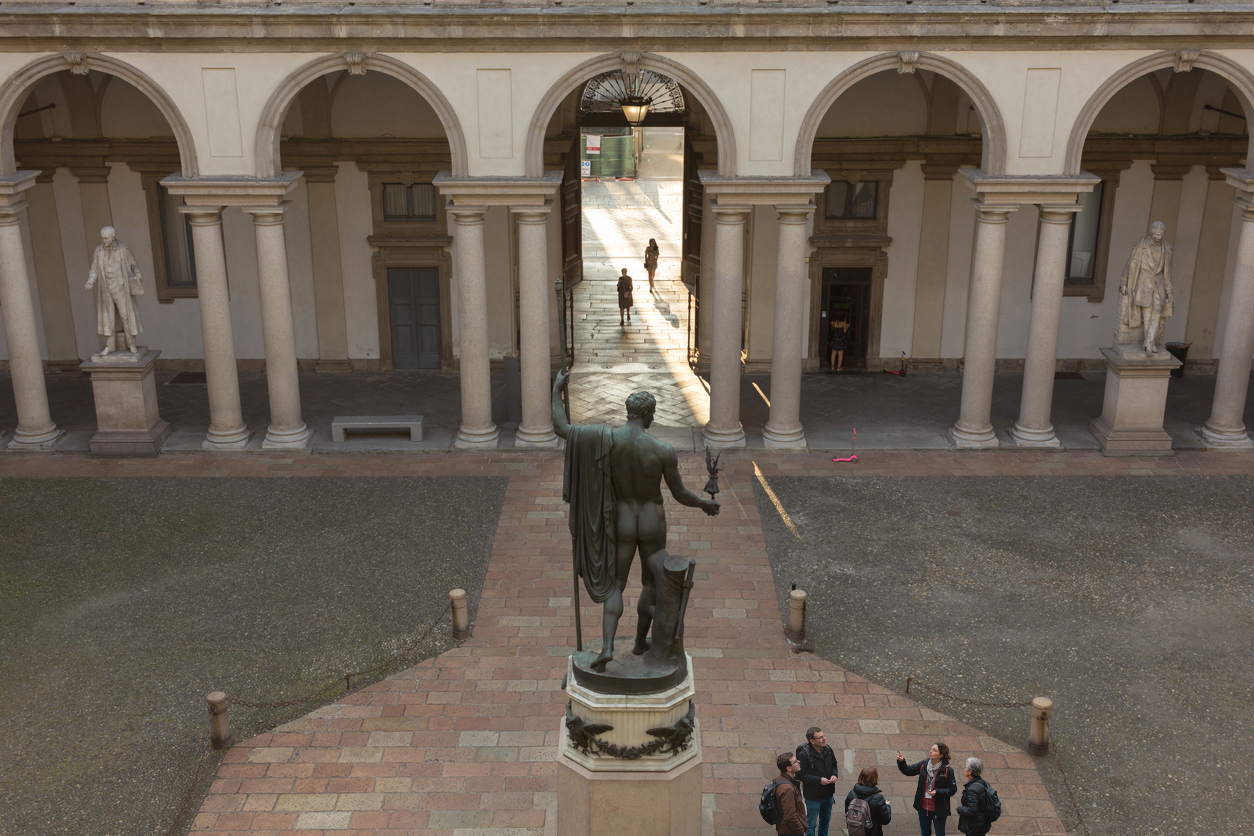
In 1386, the first stone of the Duomo di Milano was laid under the orders of Gian Galeazzo Visconti — and the cathedral wouldn't be officially completed until 1965, nearly six centuries later. That single fact tells you everything you need to know about Milan: this is a city that operates on a scale most visitors underestimate. Milan is Italy's financial capital, its fashion capital, and — if you know where to look — one of its most historically layered cities. The same streets where Leonardo da Vinci engineered a network of canals in the 1490s now host the country's most vibrant aperitivo scene. The neighborhood where Empress Maria Theresa founded an art academy in 1776 is today lined with contemporary galleries and some of the best restaurants in northern Italy. Milan doesn't announce itself the way Rome or Florence do. It rewards curiosity, local knowledge, and a willingness to step past the obvious. This guide cuts through the noise and tells you exactly what's worth your time — and what isn't.
Read more →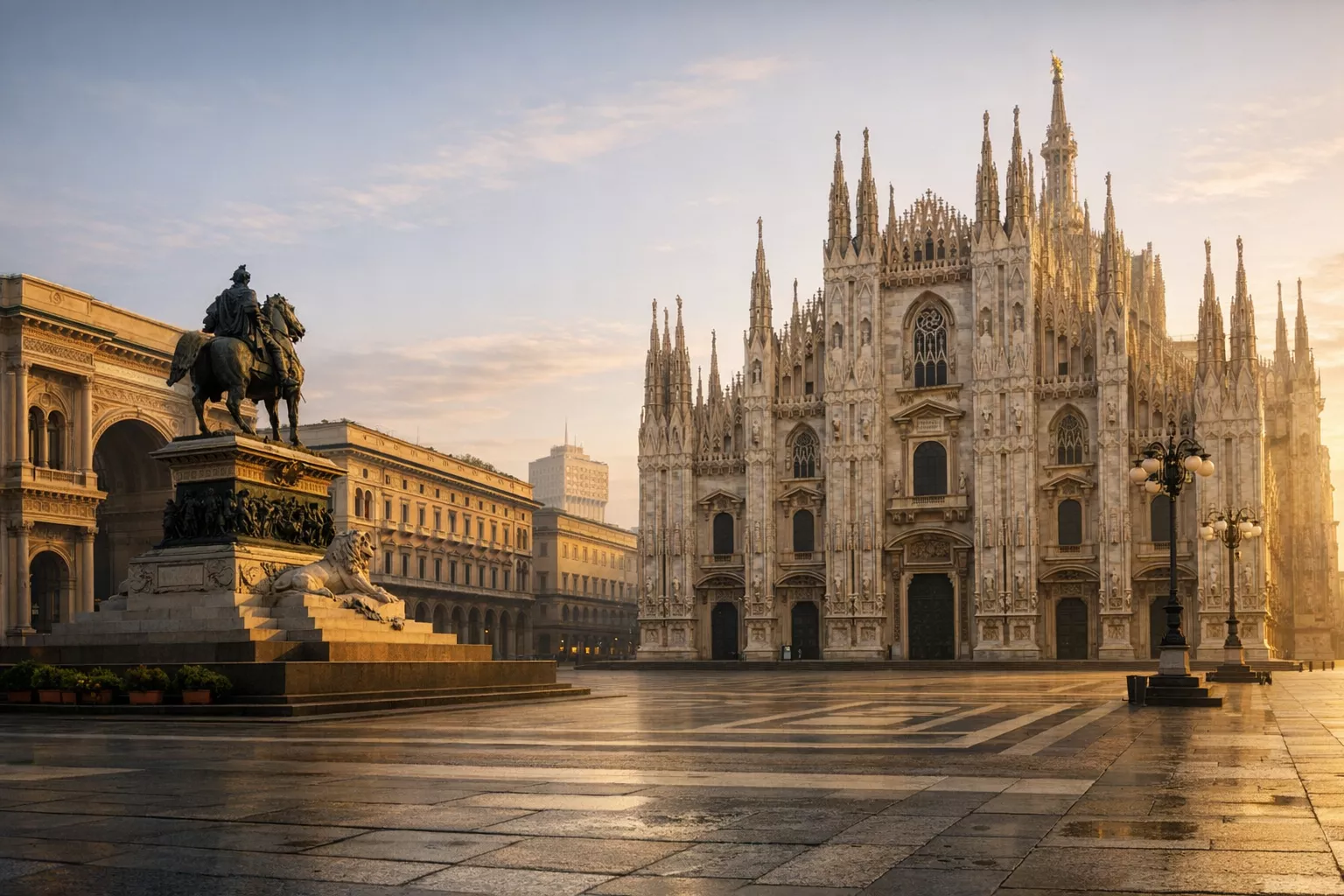
Milan, the vibrant heart of Italy, offers a captivating mix of history, art, fashion, and delicious cuisine. Whether you're a first-time visitor or a seasoned traveler, this city has something for everyone. Dive into its remarkable landmarks and hidden gems, and savor the local flavors. Here’s what to do in Milan, featuring exclusive tours that can enhance your experience.
Read more →We use a single cookie, to remember this choice. We do not use analytics or advertising cookies. Read our cookie policy.