7 hrs
Paris
Paris Private Full Day Tour: Montmartre, Sights & Eiffel Tower
✓ Free cancellation Kids friendly
4.6(109 reviews)
From €353/ person
Book Now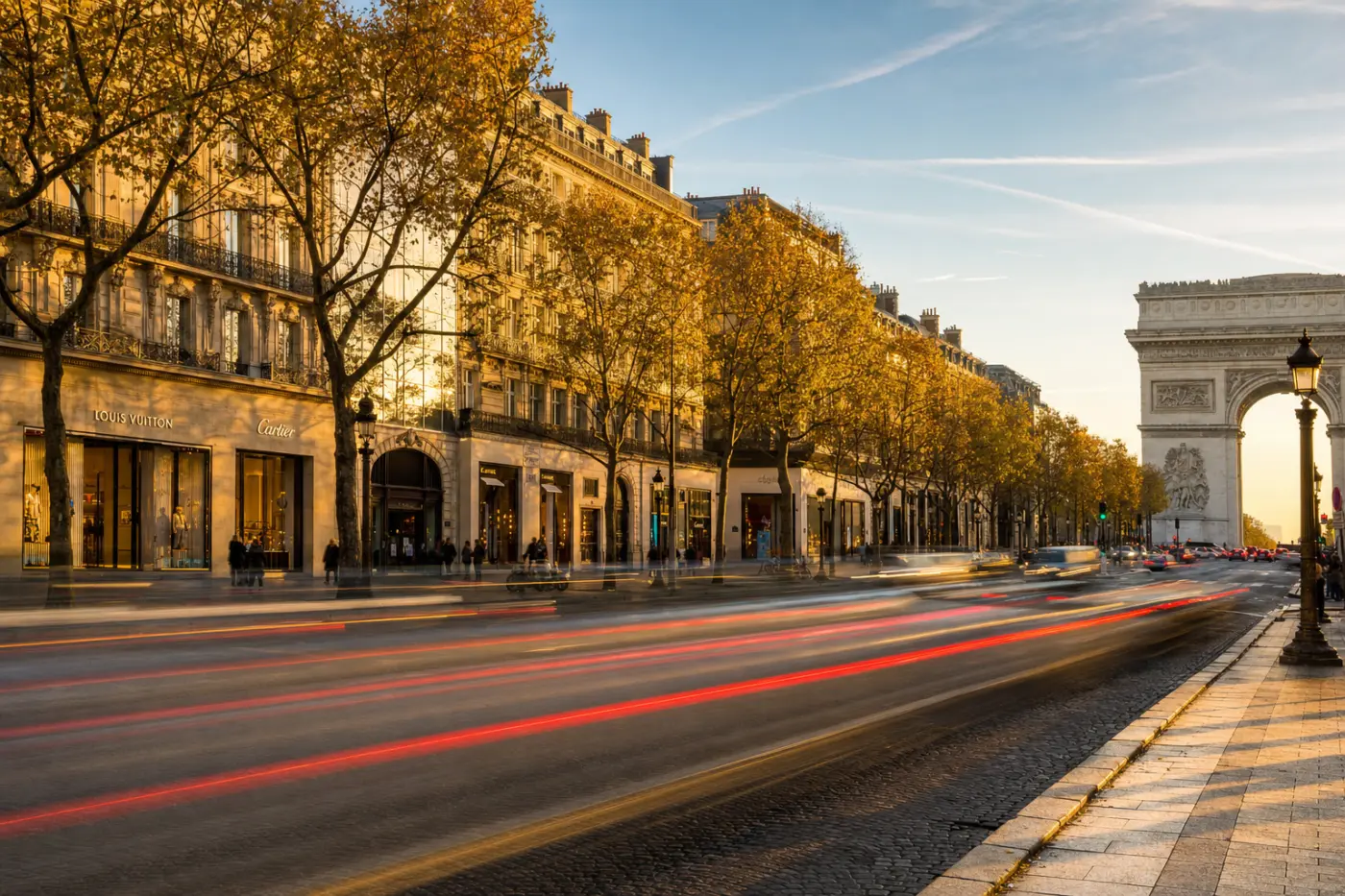
Tourist attraction
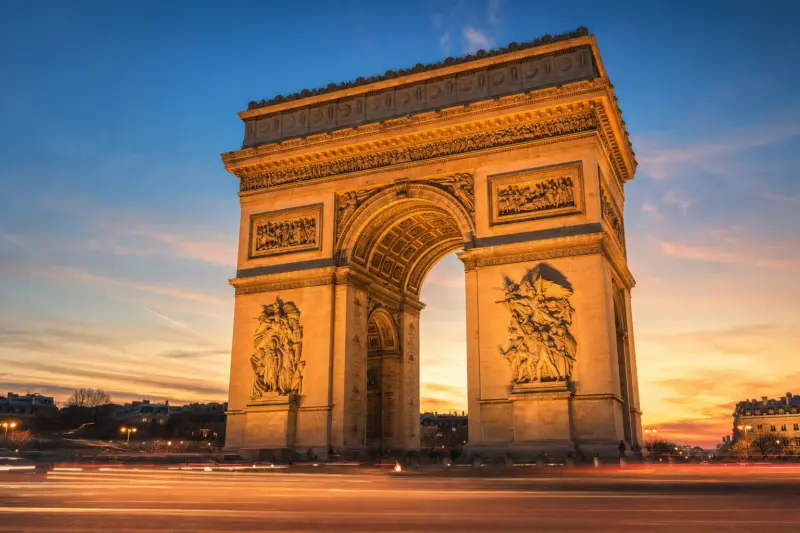
The Avenue des Champs-Élysées stretches 1.9 kilometres through Paris's 8th arrondissement, running in a straight, ceremonial line from the Place de la Concorde in the east to the Place Charles de Gaulle — home of the Arc de Triomphe — in the west. Its name translates from French as "Elysian Fields," the paradise of Greek mythology, a title chosen to reflect the avenue's aspirational grandeur. The boulevard is divided roughly at its midpoint by the Rond-Point des Champs-Élysées into two distinct halves: the lower section near the Concorde is flanked by formal gardens and cultural institutions including the Grand Palais and Petit Palais, while the upper section hosts the concentration of flagship luxury boutiques, cinemas, and brasseries that define its modern identity.
The avenue's origins date to 1667, when royal gardener André Le Nôtre — already famous for designing the gardens of Versailles — extended the central axis of the Tuileries Palace westward through open marshland, creating an allée of trees known as the Grand Cours. The route was widened, renamed, and progressively urbanised through the 18th and 19th centuries. Baron Haussmann's sweeping transformation of Paris under Napoleon III in the 1850s and 1860s reinforced the Champs-Élysées as the city's primary ceremonial axis. Its symbolic weight was confirmed in August 1944, when General Charles de Gaulle led the Liberation of Paris parade down the avenue just days after the Allied forces entered the city — one of the defining images of 20th-century French history.
Today the Champs-Élysées serves as the stage for France's most significant public events. The annual Bastille Day military parade on 14 July, the largest in Europe, moves the length of the boulevard from the Arc de Triomphe toward the Place de la Concorde, featuring thousands of troops, cavalry, and military aircraft. Each July, the Tour de France concludes its three-week, roughly 3,400-kilometre race with a final sprint stage along the Champs-Élysées, a tradition established in 1975. On the first Sunday of every month since 2016 — following an initiative by Mayor Anne Hidalgo — the avenue is closed to motor vehicles and given over entirely to pedestrians and cyclists.
Visitors walking the full length of the boulevard should plan at least two to three hours to absorb both halves properly. The lower gardens section near the Concorde is quieter and offers a clear sightline toward the Obelisk of Luxor, an Egyptian monument gifted to France in 1833. The upper commercial stretch houses the flagships of Louis Vuitton, Cartier, and dozens of other luxury maisons alongside the flagship Publicis drugstore and the historic Lido cabaret venue. Metro lines 1, 2, and 6 serve the avenue at multiple stops, with George V and Champs-Élysées–Clemenceau being the most central. Weekday mornings offer the least crowded conditions for photography from the Arc de Triomphe's rooftop observation deck, which frames the entire boulevard in a single unbroken view.
Private tours with a local guide, at your own pace.
Paris
Paris
Paris
Paris
Paris
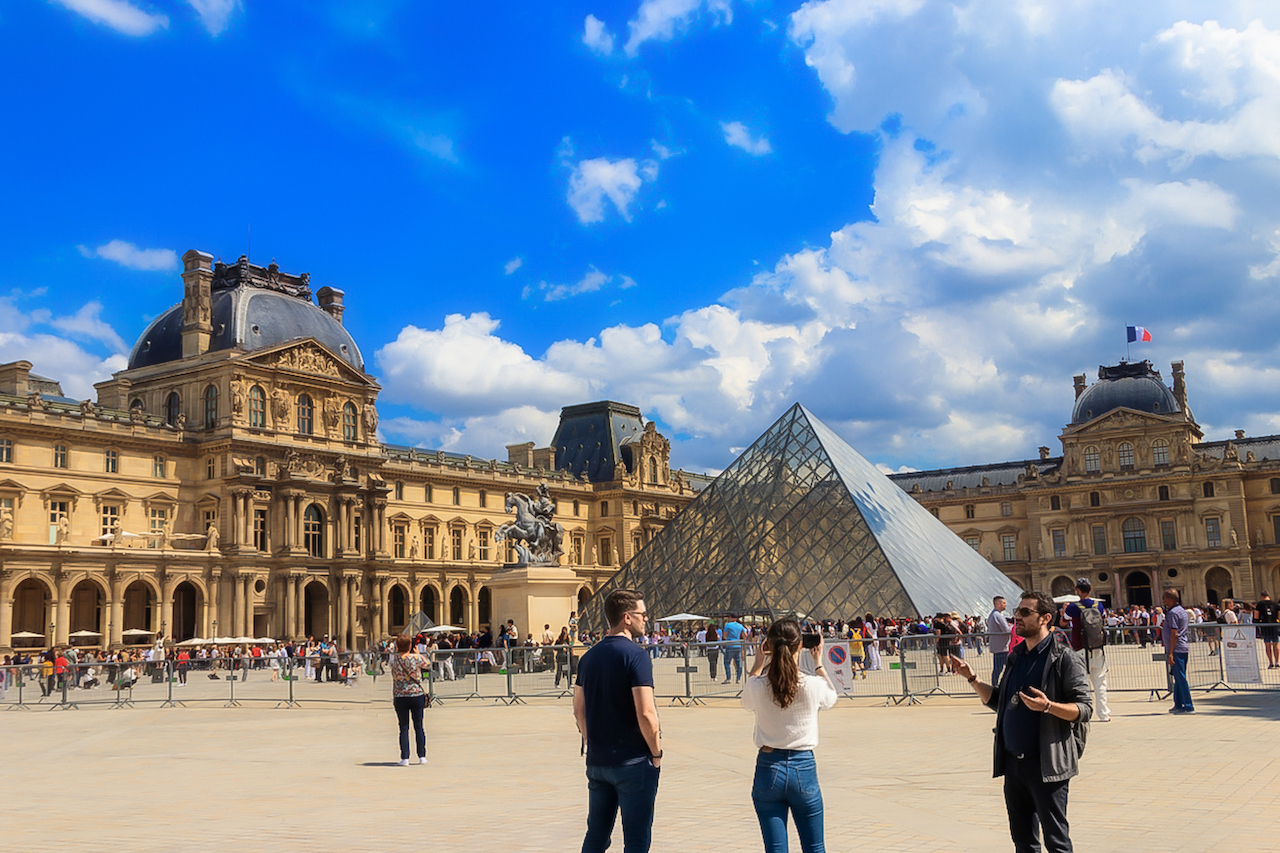
Paris
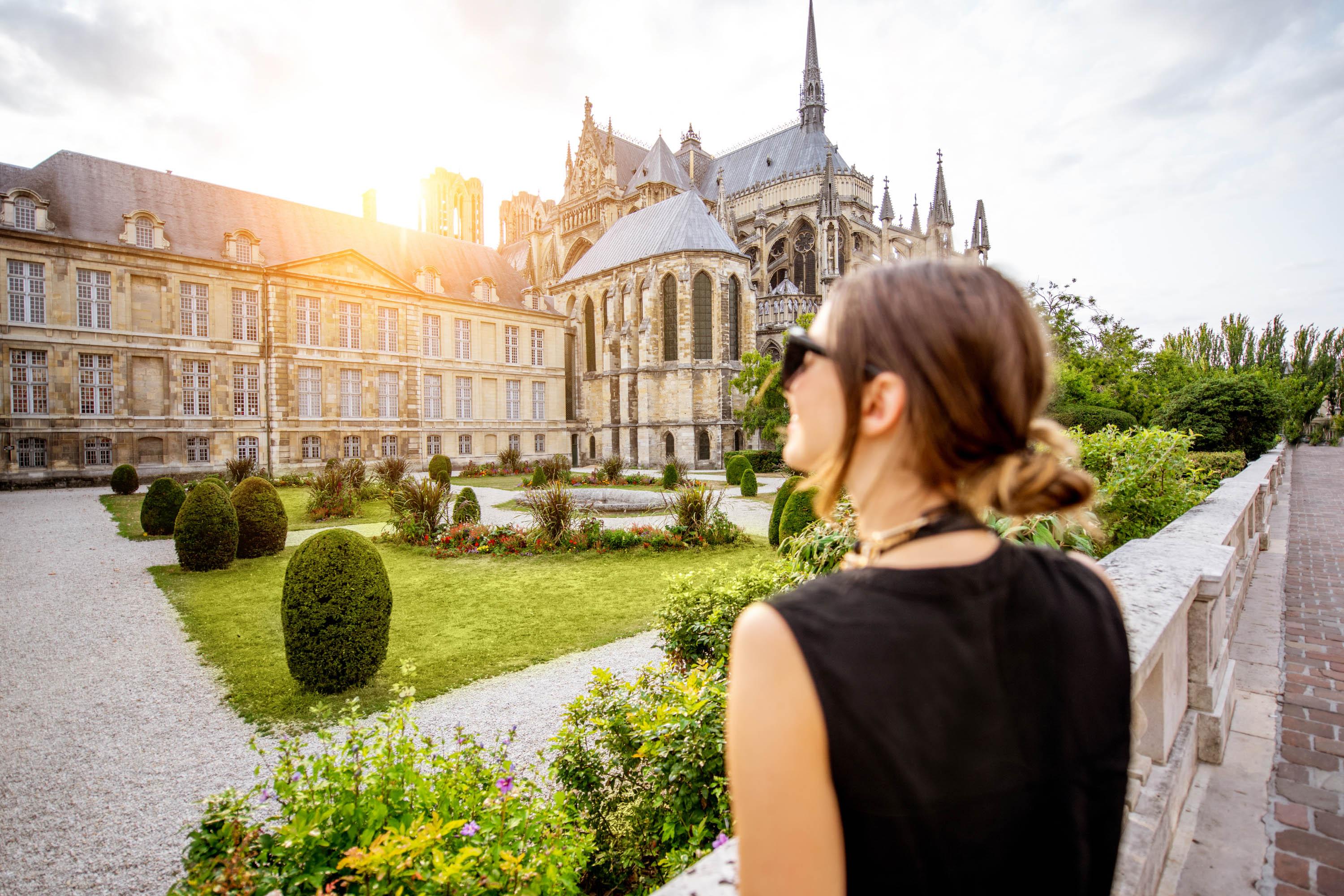
Paris
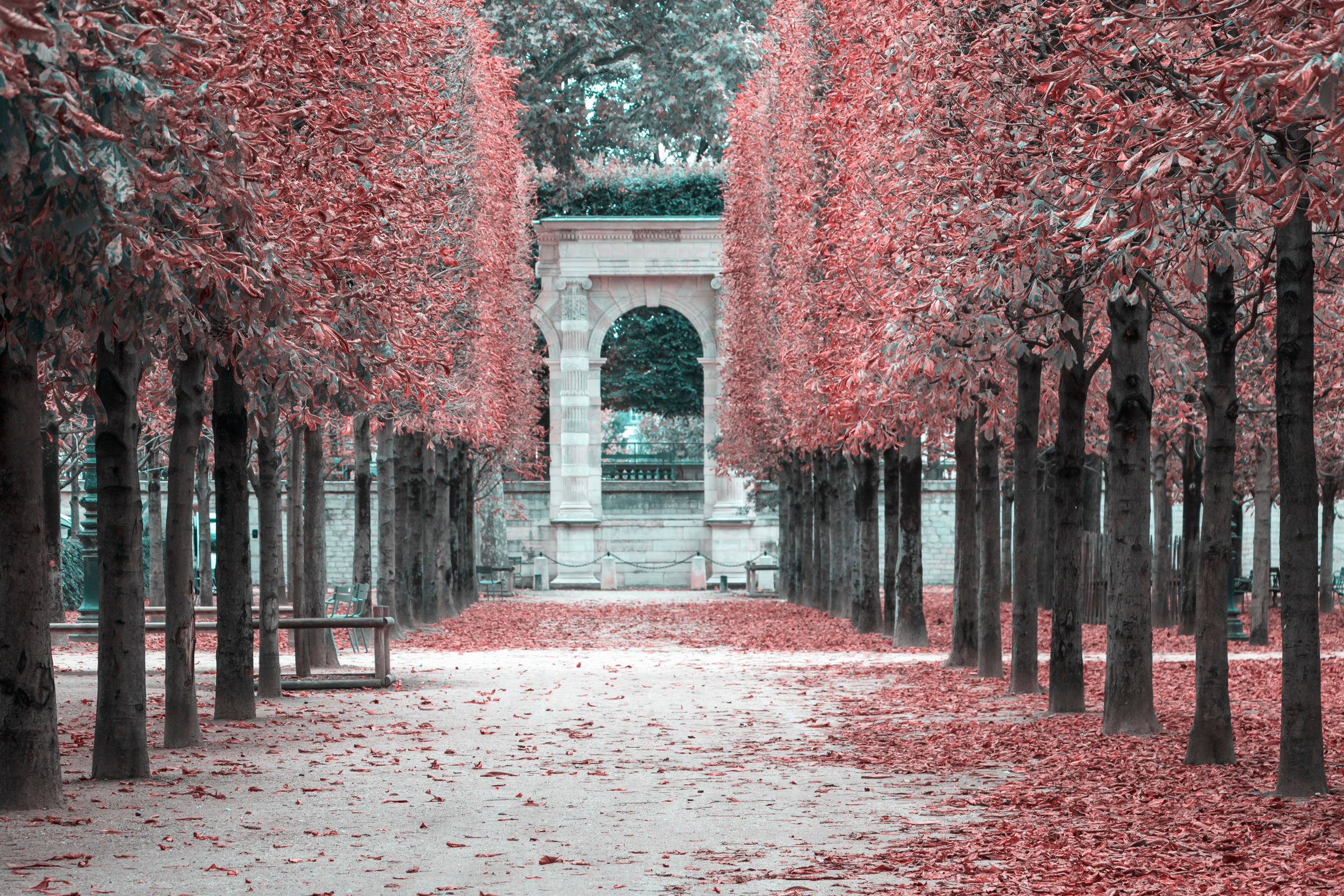
Paris
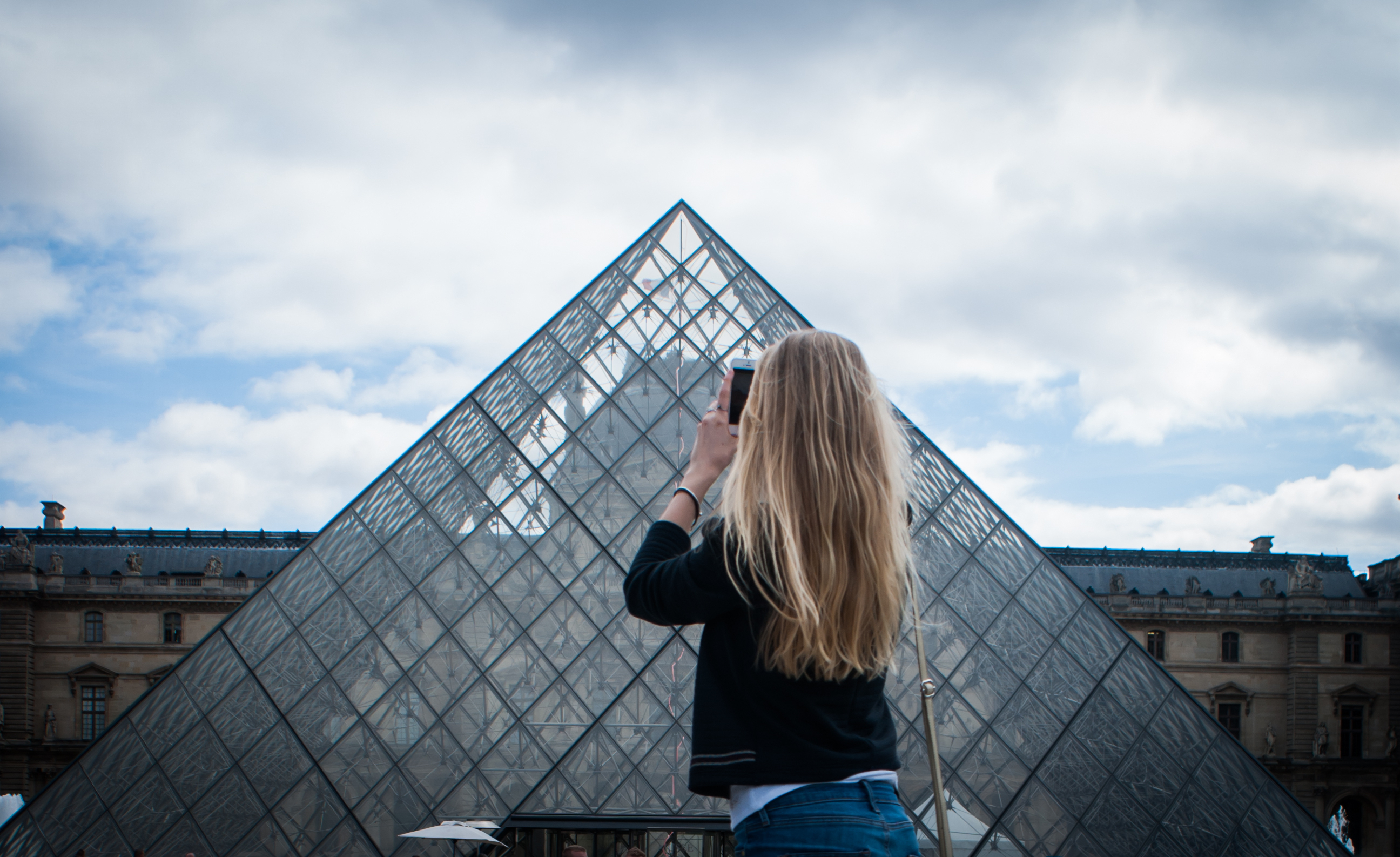
Paris
We use a single cookie, to remember this choice. We do not use analytics or advertising cookies. Read our cookie policy.