7 hrs
Paris
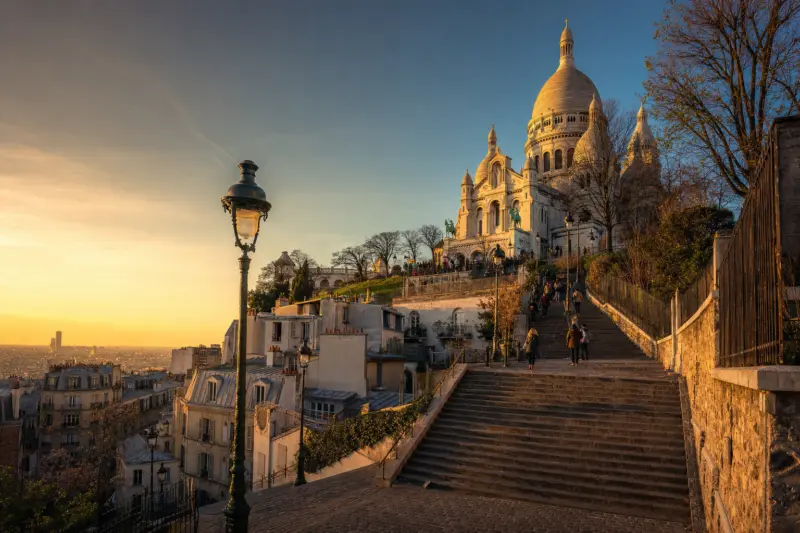
Paris Private Full Day Tour: Montmartre, Sights & Eiffel Tower
✓ Free cancellation Kids friendly
4.6(109 reviews)
From €353/ person
Book Now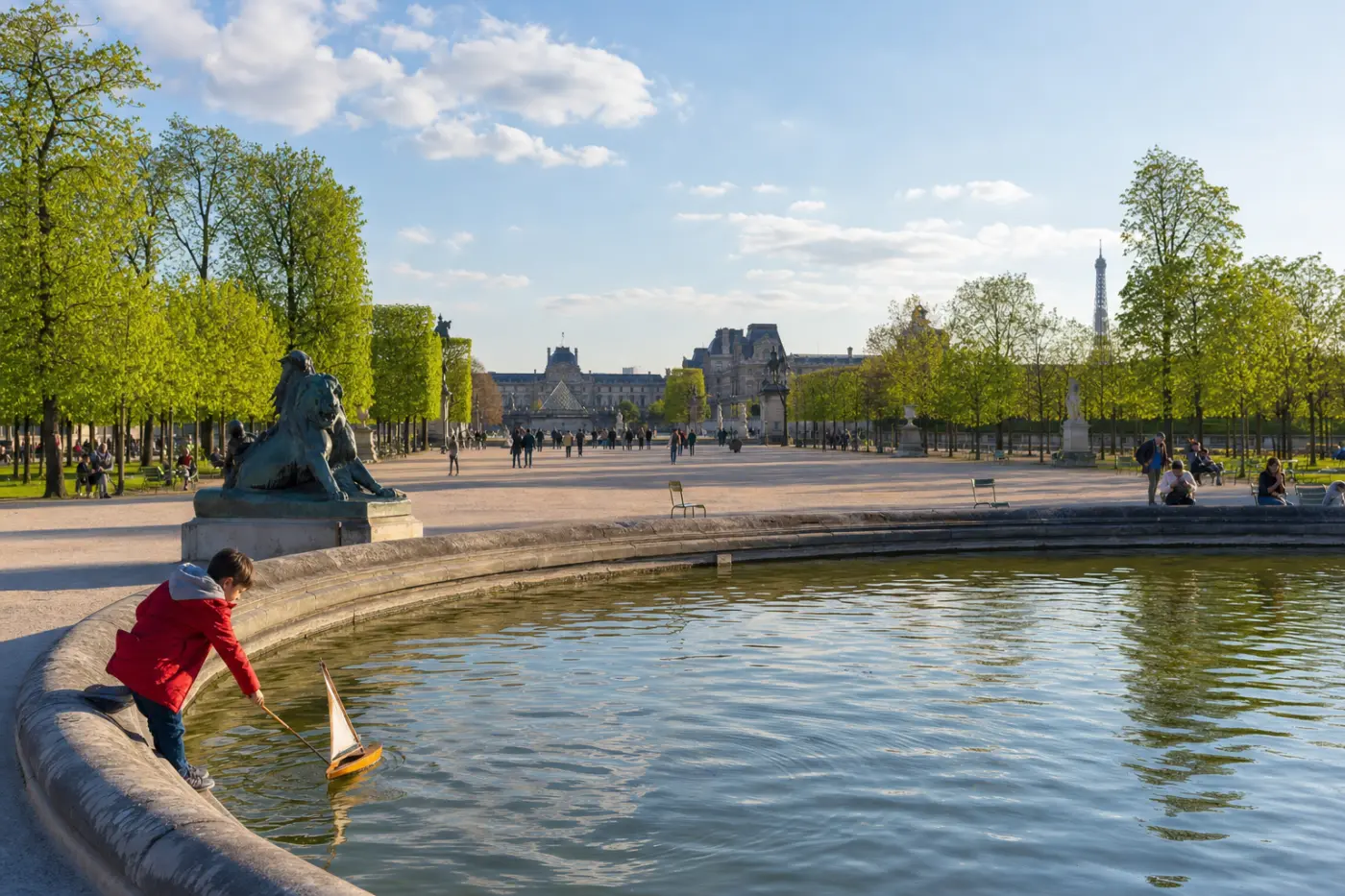
Tourist attraction
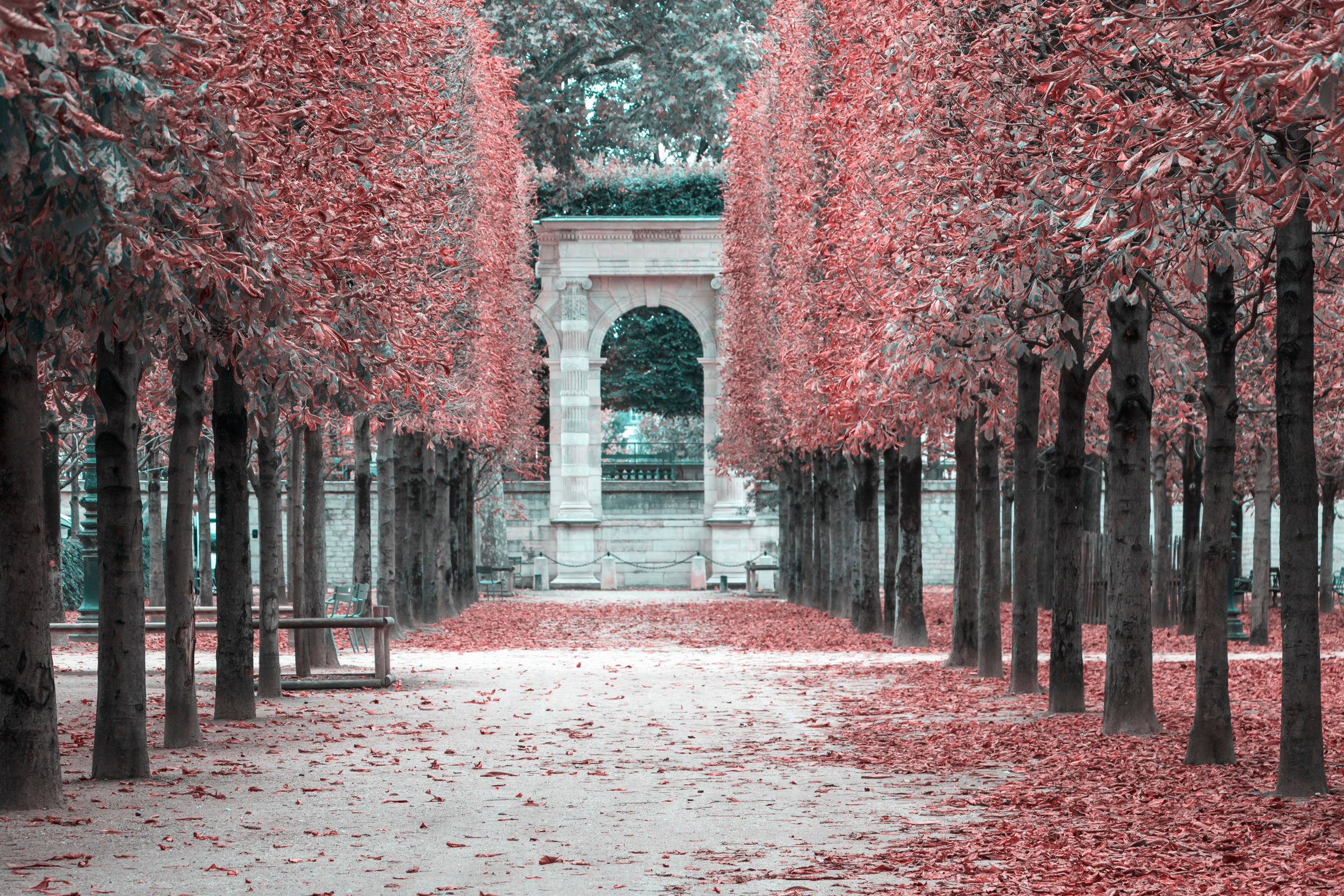
The Jardin des Tuileries was commissioned in 1564 by Catherine de Medici, the Florentine-born queen consort of Henri II, as the private grounds of the Tuileries Palace — a royal residence that once stood at the western end of the Louvre complex. Landscape architect André Le Nôtre, later famous for the gardens of Versailles, redesigned the garden in 1664 into the rigorous French formal style it retains today: perfectly symmetrical allées, clipped hornbeam hedges, round basins, and terraces aligned along a precise east-west axis. In 1667, the garden became the first in France to open its gates to the general public, predating any comparable European urban park. The Tuileries Palace itself was burned during the Paris Commune uprising of 1871 and demolished in 1882, leaving the garden as the sole surviving element of that royal ensemble.
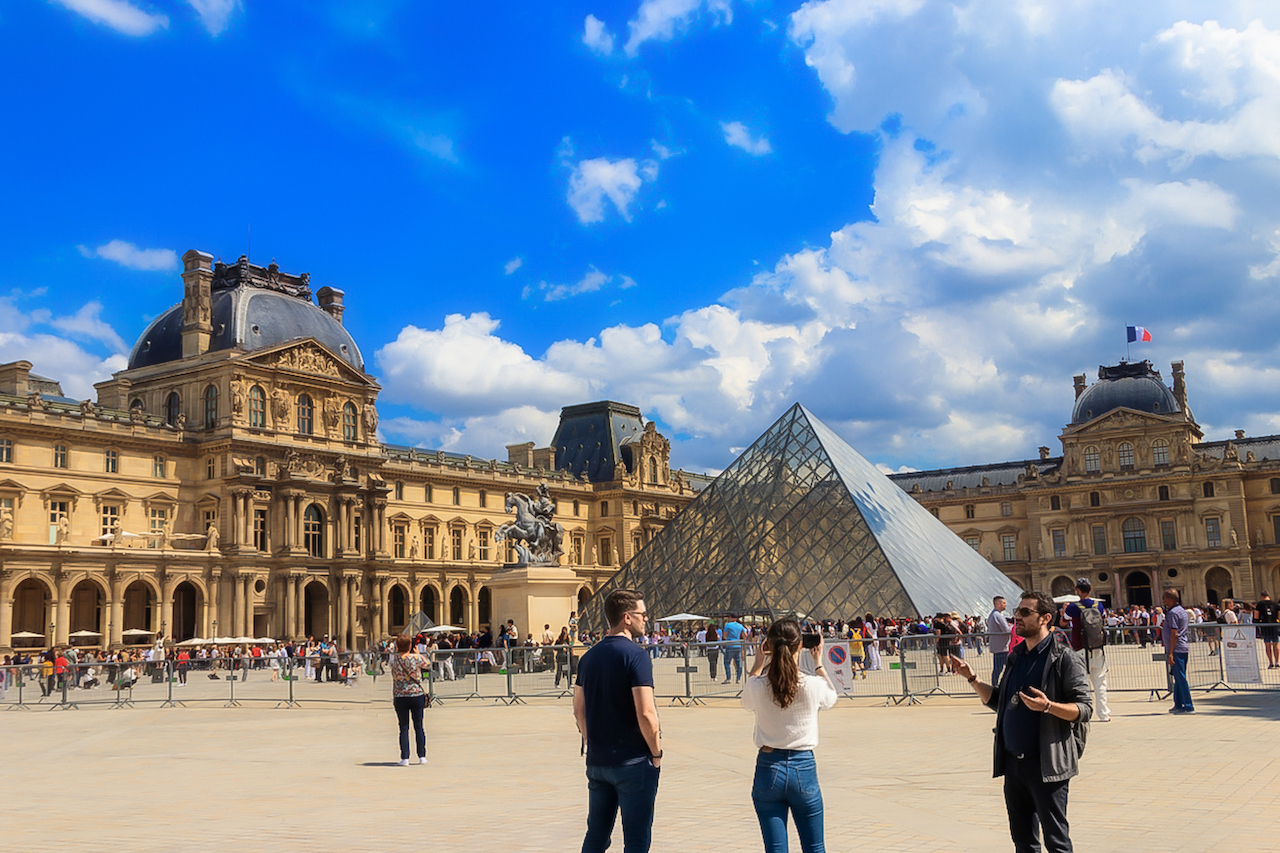
Covering approximately 28 hectares between the Louvre Museum to the east and the Place de la Concorde to the west, the garden forms a critical link in Paris's grand historic axis — the same straight line that continues through the Champs-Élysées to the Arc de Triomphe and beyond to the Grande Arche de la Défense. Two large octagonal basins anchor the central terrace, where Parisians have set out folding metal chairs and read beside the water since the 17th century. The garden holds over 100 sculptures on permanent outdoor display, including works by Auguste Rodin, Aristide Maillol, and Alberto Giacometti, making it one of the world's most significant open-air sculpture collections. The Musée de l'Orangerie, housing Monet's monumental Nymphéas murals, and the Galerie nationale du Jeu de Paume, a contemporary photography museum, occupy two 19th-century pavilions at the garden's western corners.
Visiting the Tuileries is a layered sensory and historical experience. In spring, the chestnut trees lining the main allée bloom overhead while children sail toy wooden boats on the central basins — a tradition documented since the late 1800s. In summer, a large funfair with a Ferris wheel occupies the western lawn. Year-round, the gravel paths fill with joggers, students from the nearby École du Louvre, and tourists pausing between the Louvre's galleries and the Musée d'Orsay across the Seine. Benches and green metal chairs are freely available and strategically placed near every fountain and sculpture cluster.
Entry to the garden is free and the grounds are open every day of the year, with hours extending to 11 p.m. in summer and closing at 7:30 p.m. in winter. The closest Métro stations are Tuileries (Line 1) and Palais Royal–Musée du Louvre (Lines 1 and 7). Wear comfortable shoes — the main allée alone stretches nearly 900 metres from end to end — and allow at least 90 minutes to walk the perimeter terraces, examine the sculpture installations, and linger at the basins as Parisians have done for more than three and a half centuries.
Private tours with a local guide, at your own pace.
Paris

Paris
Paris
Paris

Paris
Paris
Paris
Paris
Paris