7 hrs
Paris
Paris Private Full Day Tour: Montmartre, Sights & Eiffel Tower
✓ Free cancellation Kids friendly
4.6(109 reviews)
From €353/ person
Book Now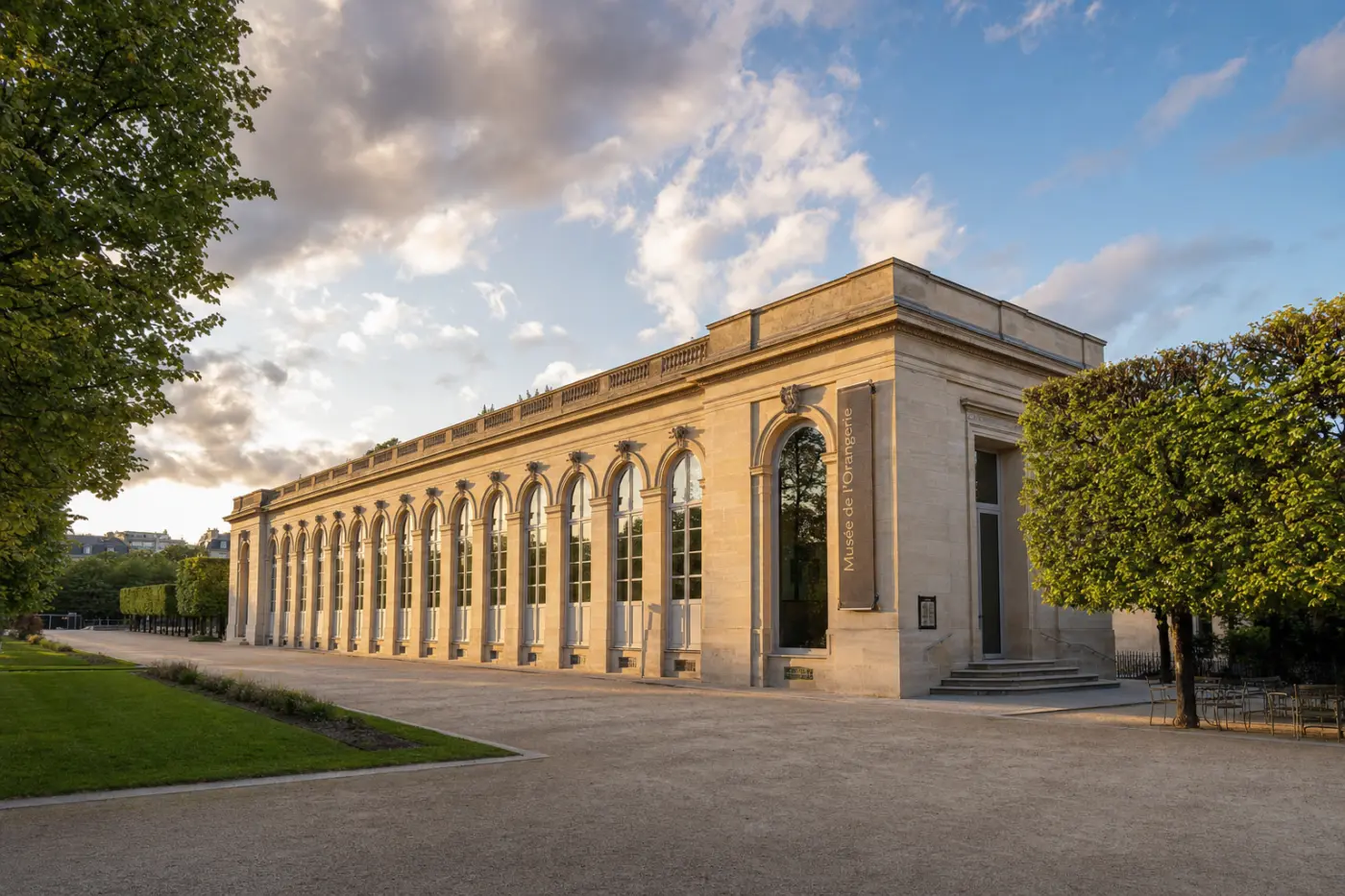
Tourist attraction
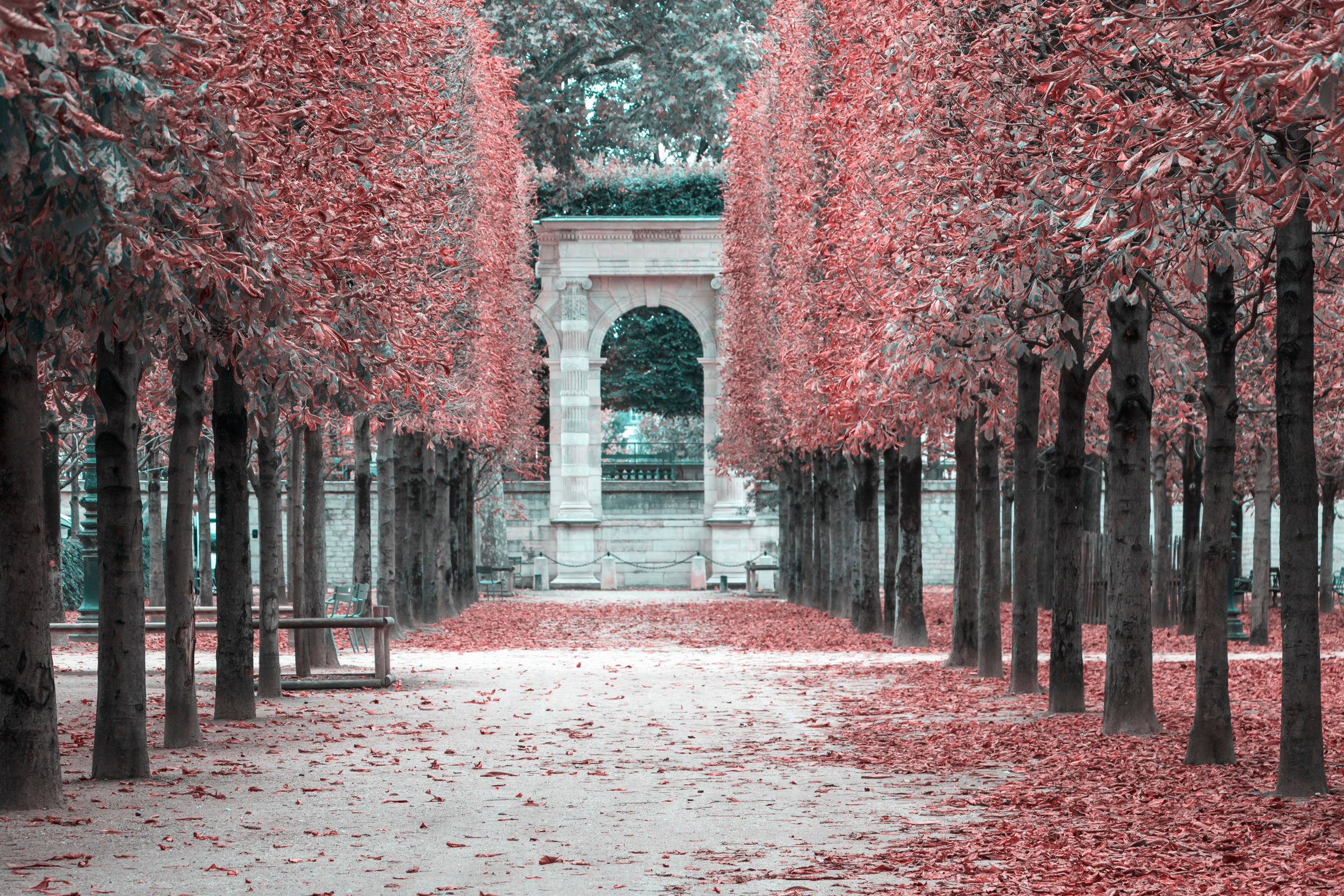
The Musée de l'Orangerie stands at the western edge of the Tuileries Garden in central Paris, a long, classically restrained pavilion built in the mid-19th century under Napoleon III to shelter citrus trees through Parisian winters. Its generous south-facing windows and measured proportions were conceived for light and air — qualities that would later make it the perfect vessel for a very different kind of cultivation. After World War I, the French state negotiated with Claude Monet to gift his monumental late cycle of paintings to the nation, and the Orangerie was selected and adapted to house them. The two specially designed oval rooms — built to Monet's own specifications and opened in 1927, the year after his death — transformed a garden utility building into one of the most emotionally singular spaces in European art.
The centerpiece of the museum is Monet's eight large-scale Nymphéas (Water Lilies) murals, arranged across the curved walls of the two elliptical ground-floor rooms. Together the panels span nearly 100 meters in total length and were conceived by Monet not as individual paintings but as a single immersive environment — a "circular panorama of water," in his words — representing the surface of his pond at Giverny across different times of day and seasons. Daylight enters through diffused skylights overhead, exactly as Monet demanded, allowing the colors — lavender, jade, rust, and white — to shift with the hours. The effect is less like viewing paintings than inhabiting a landscape.
The lower level houses the Walter-Guillaume Collection, assembled by dealer Paul Guillaume and later completed by his widow Domenica with architect Jean Walter. This collection of 144 works, bequeathed to the state in 1959 and 1963, includes major canvases by Cézanne, Matisse, Picasso, Renoir, Henri Rousseau, Soutine, and Derain — representing nearly every significant tendency in French modernism from the 1880s through the 1930s. Cézanne is represented by five of his monumental Bathers compositions; Picasso by works spanning his Blue, Rose, and Neoclassical periods. The scale of the collection is intimate rather than encyclopedic, which gives each room a focused, almost residential quality rare in Parisian museums.
The museum is open Wednesday through Monday, 9:00 AM to 6:00 PM (closed Tuesdays), and is located at Jardin des Tuileries, Place de la Concorde, 75001 Paris. Booking tickets in advance online is strongly recommended, as the oval rooms have a timed capacity limit that can result in queues, especially in summer. Early morning visits on weekdays offer the best conditions for spending extended time in the Nymphéas rooms. The museum is a short walk from the Concorde Métro station (lines 1, 8, 12) and sits directly across the Tuileries axis from the Musée du Jeu de Paume, making a combined visit practical for a full day in this western corner of the 1st arrondissement.
Private tours with a local guide, at your own pace.
Paris

Paris
Paris
Paris

Paris
Paris
Paris
Paris
Paris