3 hrs
Valencia
Valencia Private Family Tour: Churros, Parks & Science Museum
✓ Free cancellation Kids friendly
5.0(18 reviews)
From €159/ person
Book Now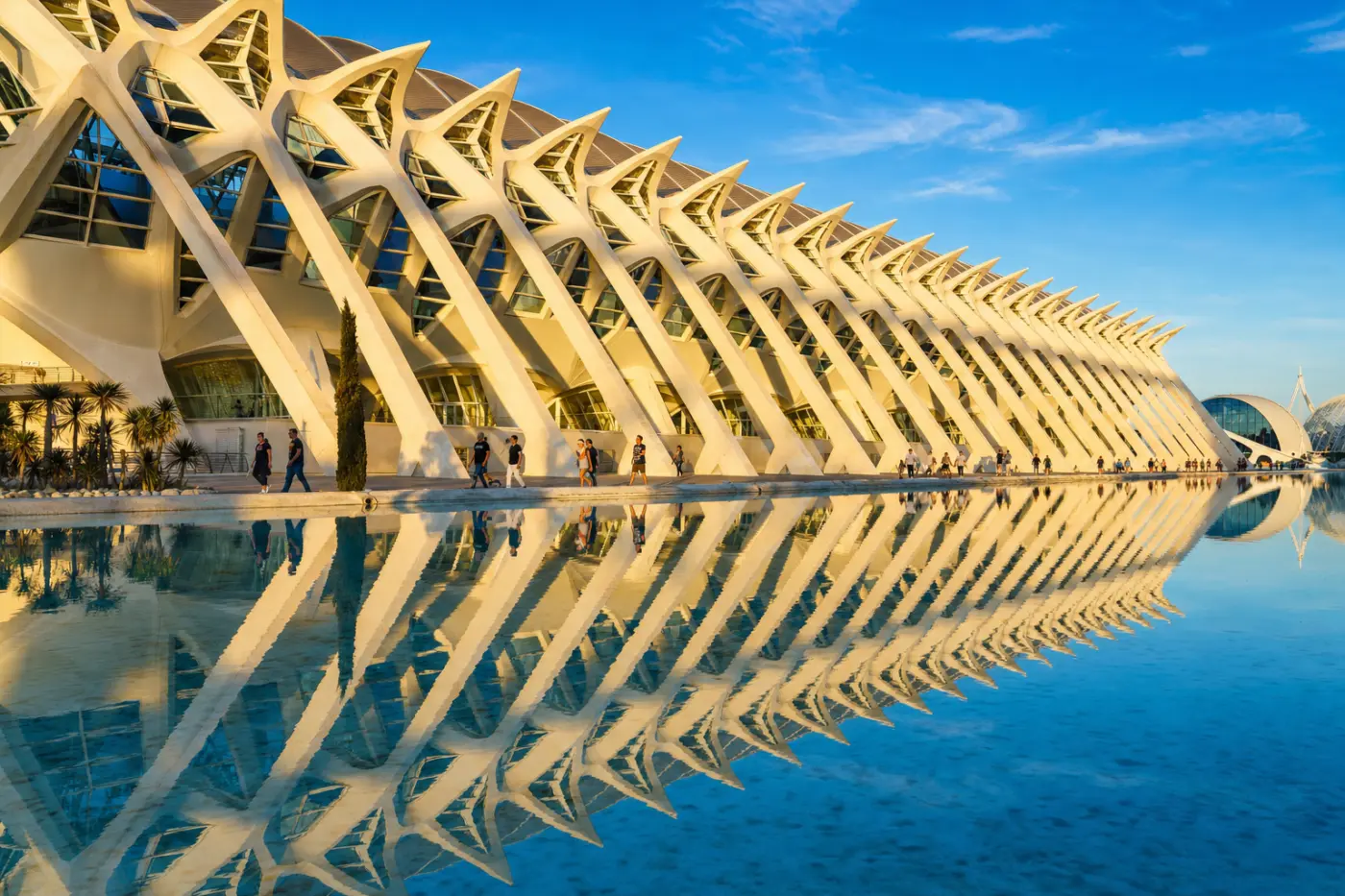
Tourist attraction
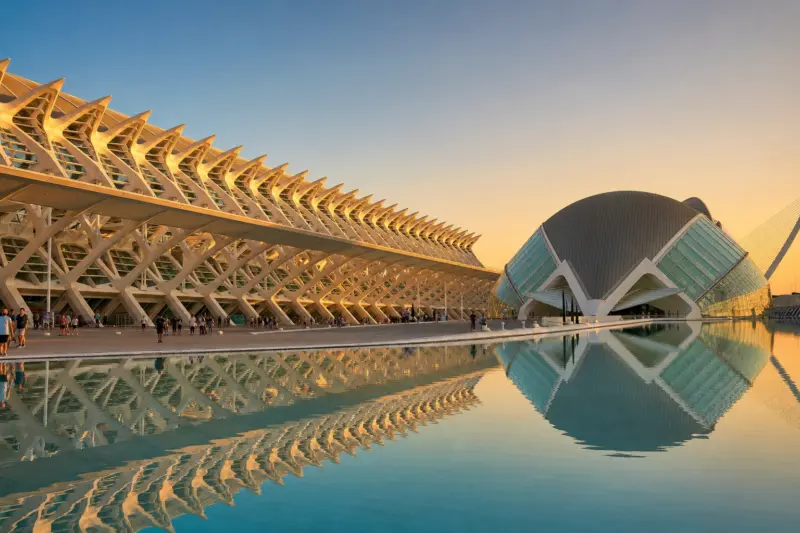
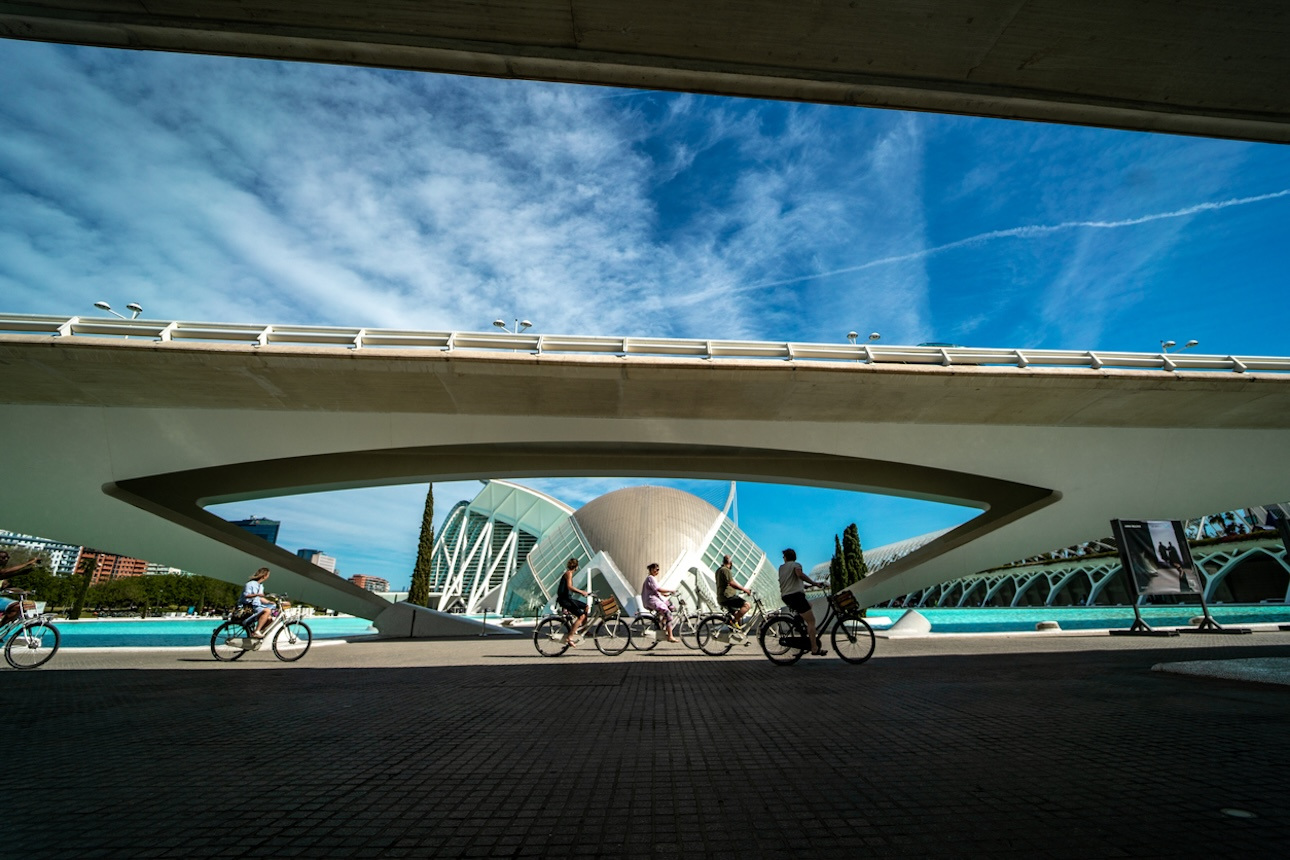
The Museo de Ciencias Príncipe Felipe (Museu de les Ciències Príncep Felip in Valencian) is a landmark interactive science museum set within the City of Arts and Sciences complex in Valencia, Spain. Designed by Valencian-born architect Santiago Calatrava and opened in November 2000, the building's most immediately striking feature is its structural form: a soaring white exoskeleton modelled on the ribcage of a whale, stretching roughly 240 metres in length and clad in the same trencadís-influenced white concrete and glass that defines the entire complex. The structure sits beside a shallow reflecting pool, so its arching forms double in the water — an effect that shifts dramatically from bright midday sun to the golden tones of late afternoon. With over 26,000 square metres of exhibition space spread across three main floors, it is one of the largest science museums in Spain.
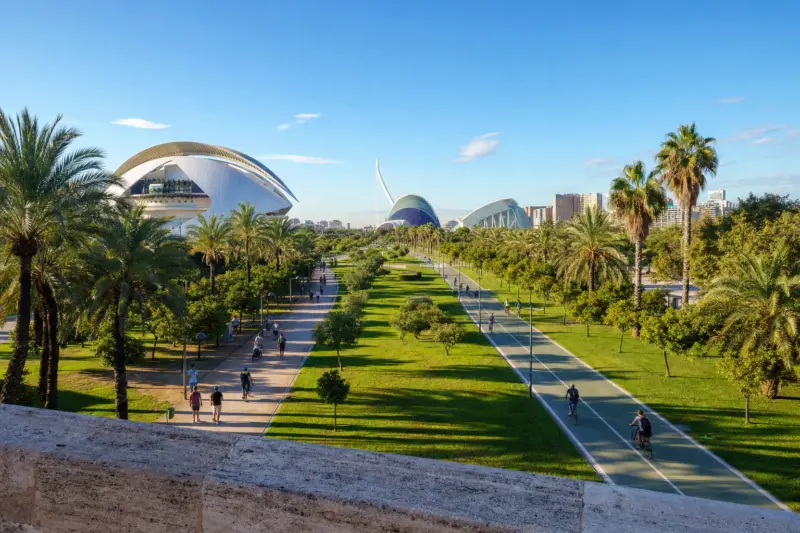
The museum is the centrepiece of the City of Arts and Sciences, a €1.3 billion urban regeneration project that transformed the dry bed of the diverted Turia River into a cultural corridor. That diversion itself was an engineering feat of the 1960s, ordered after the catastrophic 1957 Turia flood that killed over 80 people and inundated large parts of the city. Calatrava, who also designed the complex's Palau de les Arts opera house and the Assut de l'Or bridge nearby, conceived the science museum as a monument to curiosity — its guiding philosophy, displayed at the entrance, is blunt: "Not touching, not feeling, not thinking is prohibited." This rejection of the passive museum experience was deliberate, positioning the museum as a space of active scientific engagement from its first day of operation.
Exhibits are organised across permanent and temporary collections covering physics, biology, technology, and the human body. Visitors can operate mechanical models demonstrating principles of leverage and inertia, explore immersive installations on DNA and genetics, and engage with large-scale replicas of spacecraft and industrial machinery. A dedicated section focuses on the history of science and technology in the Valencian Community, grounding the global story of scientific progress in a regional context. The museum also hosts rotating temporary exhibitions that have covered topics from climate science to artificial intelligence, drawing in repeat visitors throughout the year. A particular draw for families is the hands-on nature of virtually every installation — passive display cases are the exception, not the rule.
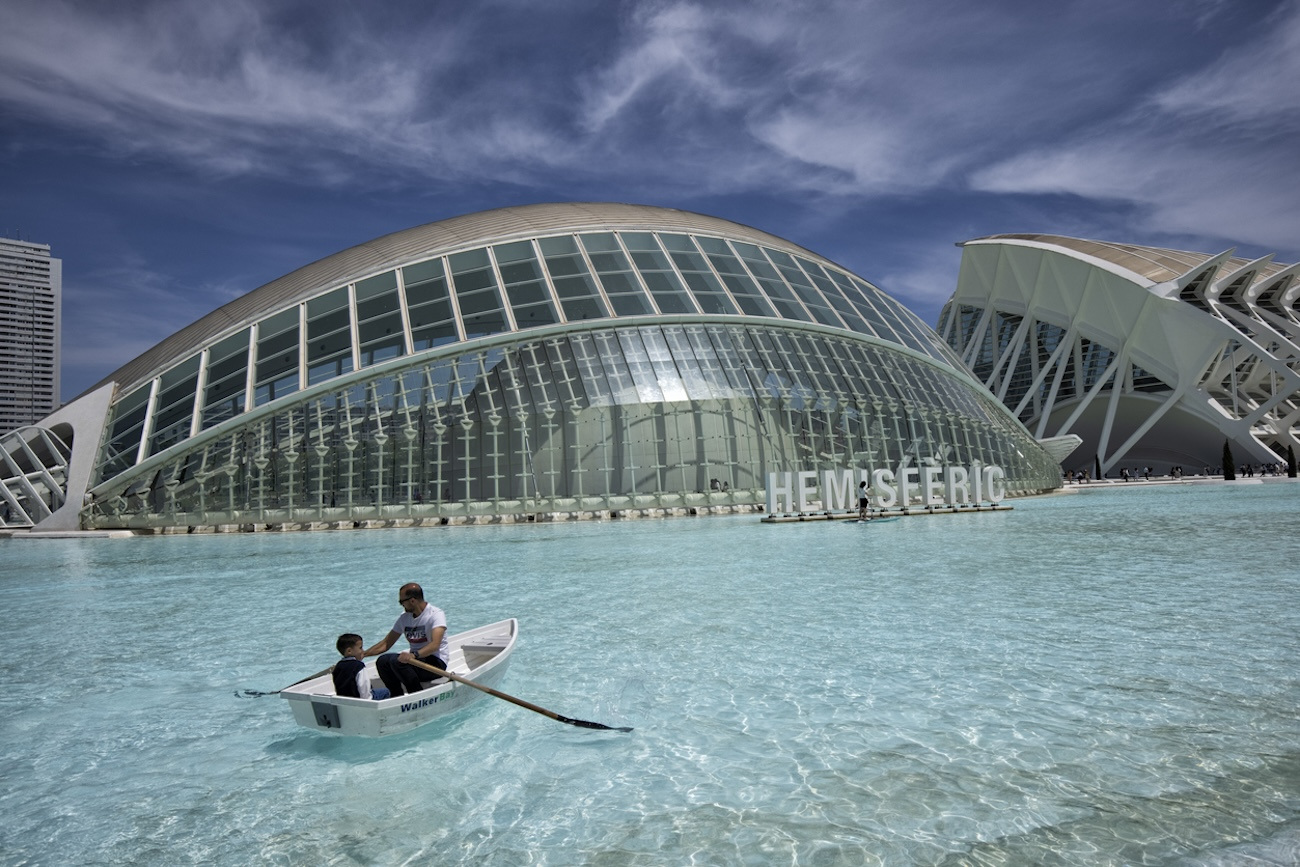
Practically, the museum is located at Av. del Professor López Piñero, 7, in the southeastern part of the city, easily reachable by tram (line T1 and T2, Serreria stop) or on foot from the Turia Gardens. Combined tickets covering multiple City of Arts and Sciences venues — the L'Oceanogràfic aquarium, the L'Hemisfèric IMAX dome, and the science museum — offer meaningful savings over individual entry prices. The museum typically opens daily from 10:00 to 18:00 (with extended summer hours), and the best time to visit is on a weekday morning to avoid school-group congestion. Allow at least three to four hours to do the permanent collection justice, and check the official cac.es website for current temporary exhibitions before visiting.
Private tours with a local guide, at your own pace.
Valencia
Valencia

Valencia

Valencia
Valencia

Valencia

Valencia
Valencia
We use a single cookie, to remember this choice. We do not use analytics or advertising cookies. Read our cookie policy.