2 hrs
Milan
Milan Must-Sees: 2-Hour Private Tour for Newcomers
✓ Free cancellation Kids friendly
5.0(20 reviews)
From €158/ person
Book Now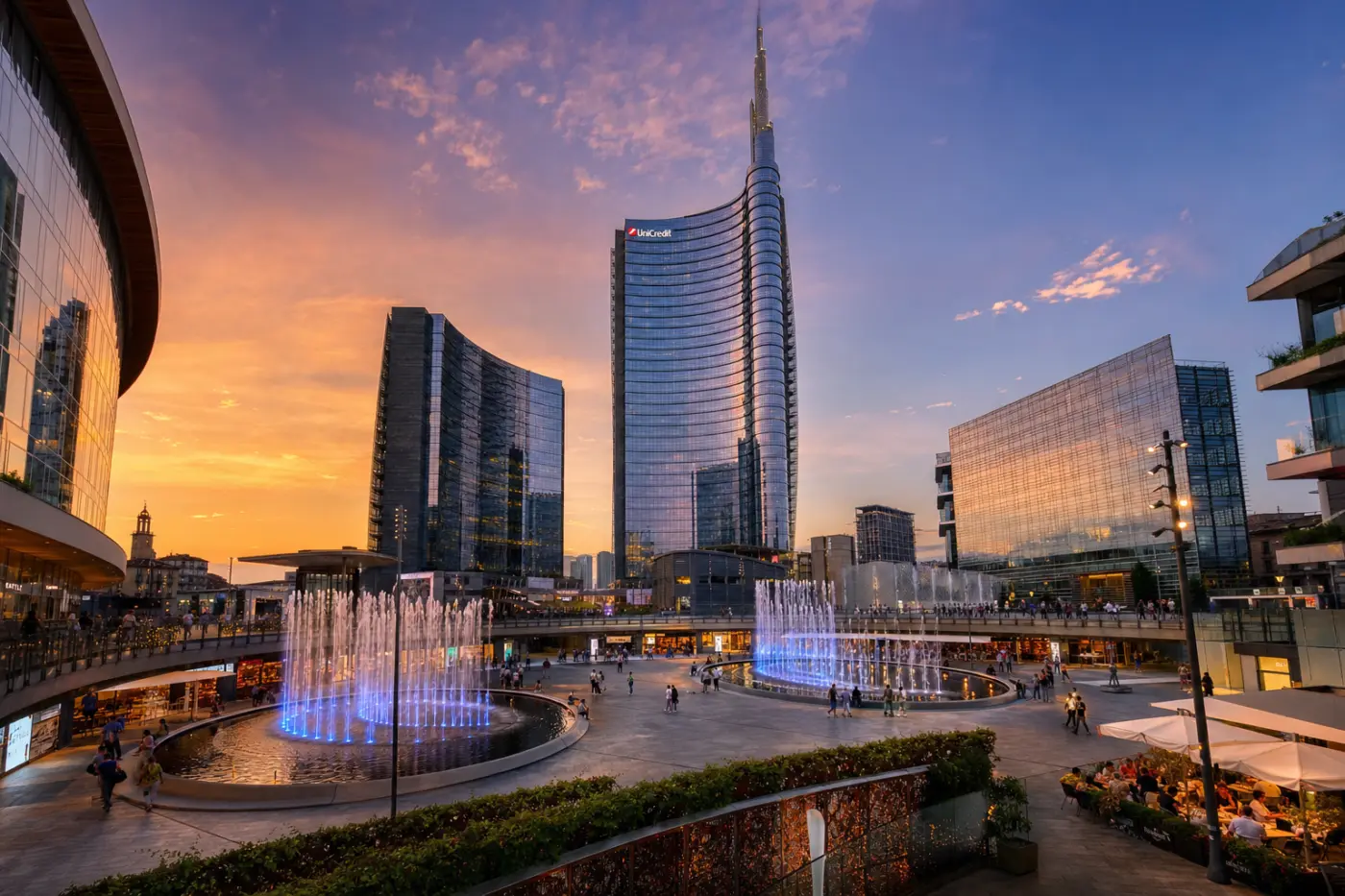
Tourist attraction
Piazza Gae Aulenti is a circular elevated public square at the heart of Milan's Porta Nuova district, inaugurated in 2012 as the centrepiece of one of Europe's largest urban regeneration projects. The square sits above street level on a raised platform, connected to the surrounding neighbourhood by sweeping pedestrian ramps and walkways that bridge the old rail yards and boulevard infrastructure below. Designed by the Argentine-American firm Cesar Pelli & Associates — the same practice responsible for the Petronas Towers in Kuala Lumpur — the piazza was conceived as a public living room for a reborn quarter of Milan, replacing decades of post-industrial vacancy with a dense, walkable urban core. It was named in honour of Gaetana Emilia "Gae" Aulenti (1927–2012), the Milanese architect and designer celebrated for transforming the Gare d'Orsay in Paris into the Musée d'Orsay (opened 1986) and for the Palazzo Grassi renovation in Venice. Aulenti passed away in October 2012, just months after the square bearing her name was unveiled.
The piazza is defined above all by the UniCredit Tower, which at 231 metres became Italy's tallest skyscraper upon its completion in 2012. Designed by César Pelli, its tapered spire rises from a cluster of three interconnected towers clad in glass and steel, and the entire ensemble frames the north end of the square with a dramatic vertical accent. Surrounding it are further towers housing offices, residences, and the headquarters of major financial institutions, collectively giving the Porta Nuova district a skyline that reads unmistakably as 21st-century Milan. Two large interactive fountains occupy the centre of the piazza, their jets choreographed to light displays after dark, and rotating installations of public art commissioned throughout the year have included large-scale sculptures and light works by international artists.
Visitors arriving from Piazza della Repubblica via the tree-lined Viale della Liberazione encounter the square as a sudden shift in urban register — the noise of traffic gives way to the sound of water, and the low nineteenth-century fabric of the city is replaced by glass facades reflecting the sky. The ground floor of the surrounding towers contains a curated mix of restaurants, aperitivo bars, and concept retail spaces, making the piazza a natural stop on Milan's evening passeggiata. The adjacent Biblioteca degli Alberi (Library of Trees), a 95,000-square-metre botanical park opened in 2018 and designed by Inside Outside (Petra Blaisse), extends the public realm northward with over 400 species of trees, meadows, and seasonal flowering circles, turning the entire Porta Nuova precinct into a coherent green-and-glass urban district.
The square is directly accessible from Porta Garibaldi FS railway station, which serves regional, intercity, and Frecciarossa high-speed trains, as well as metro lines M2 (green) and M5 (lilac). This makes it one of the easiest major sights in Milan to reach without a car. The fountains are particularly atmospheric at dusk, when the tower facades catch the last western light and the aperitivo crowd fills the terraces. Avoid midday in summer — the elevated stone platform offers limited shade and can become very hot. The piazza itself is open around the clock and free to enter.
Private tours with a local guide, at your own pace.
Milan
Milan
Milan
Milan

Milan
Milan
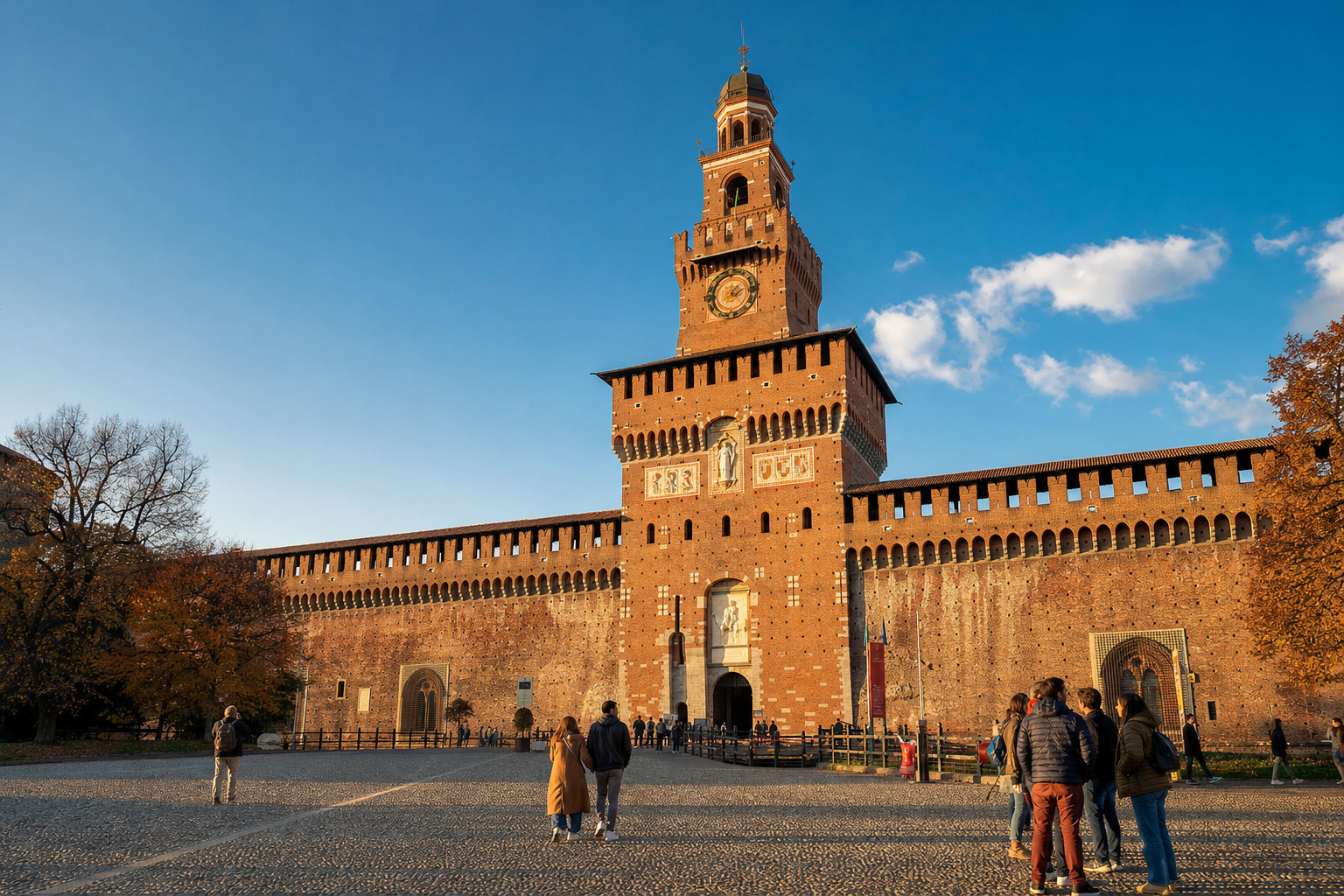
In 1499, when French troops marched into Milan and Ludovico Sforza fled the city he had ruled for nearly two decades, he left behind a castle so vast and so layered with art that it would take another four centuries — and a meticulous neo-Renaissance restoration by architect Luca Beltrami — to make it fully accessible to the public. Today, Castello Sforzesco is one of the largest medieval fortresses in Europe, housing seven distinct museums behind a single €5 ticket. Yet the ticketing system is genuinely confusing: the courtyards are free, the museums are paid, some exhibitions carry a surcharge, and the half-price evening rate is almost entirely unknown to first-time visitors. This guide cuts through every layer — what you'll pay, when to go, which museum room to prioritise above all others, and why Michelangelo's last sculpture, abandoned at his death in 1564, is reason enough on its own to buy a ticket to one of Milan's most underrated cultural treasures.
Read more →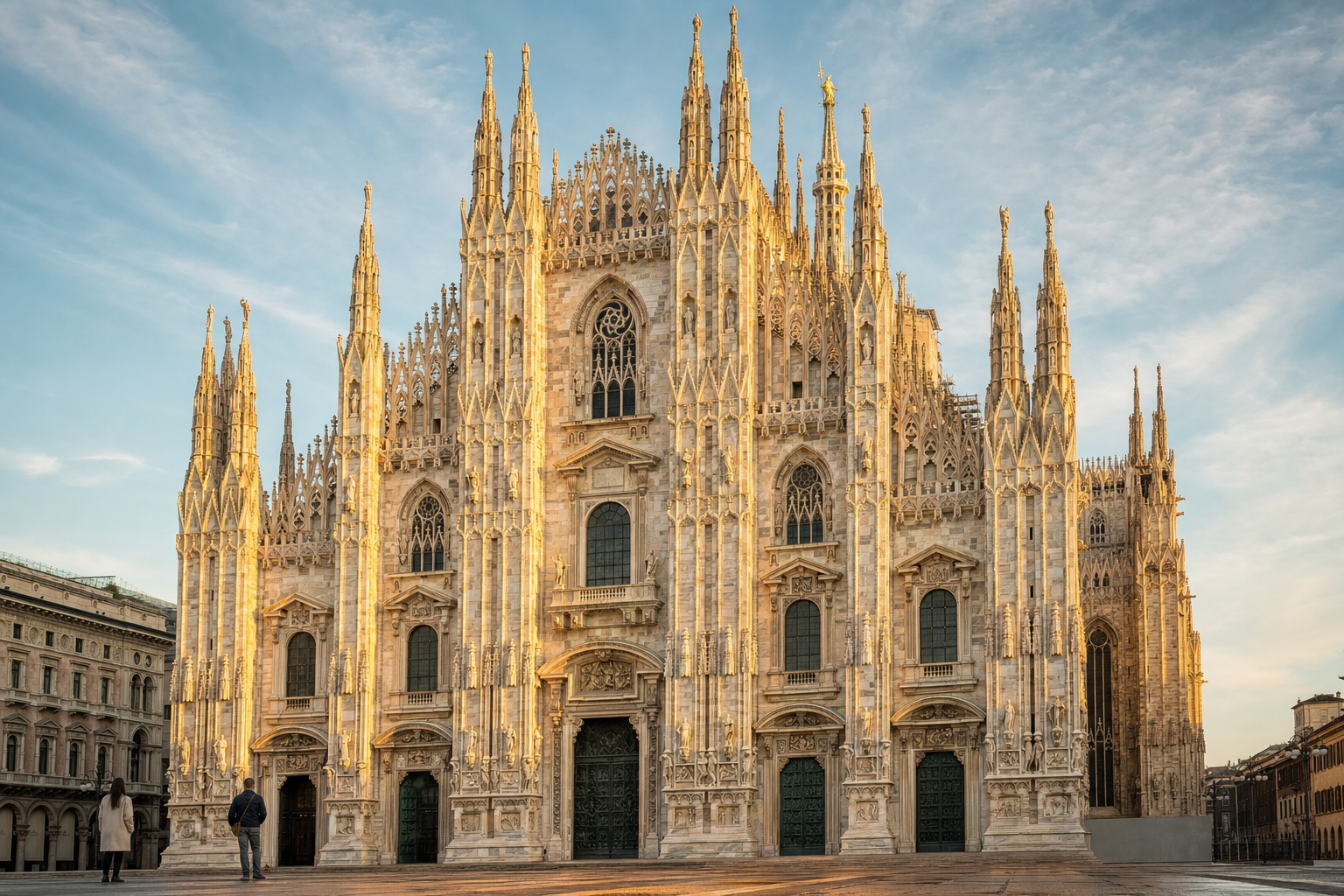
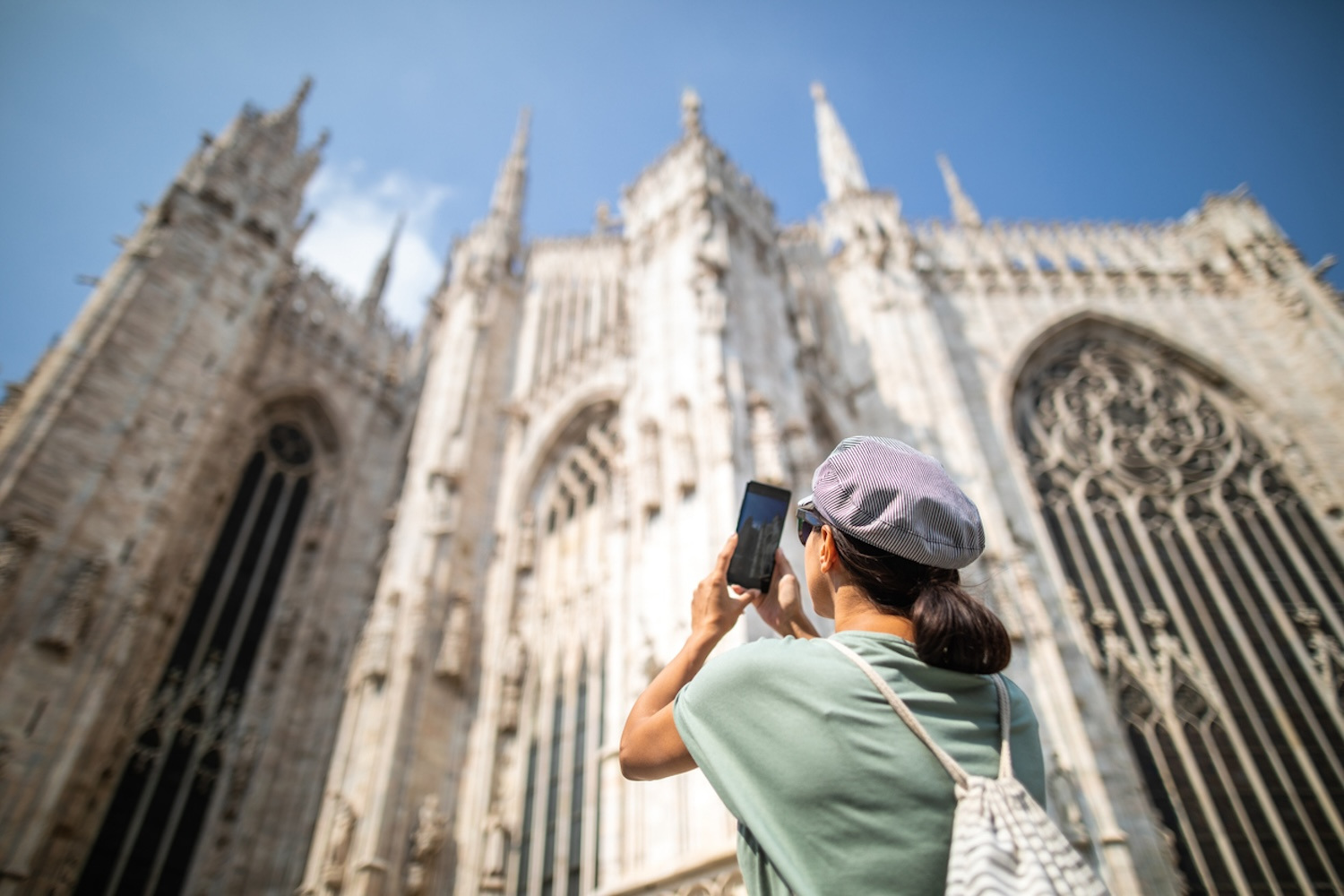
On 26 December 1386, Duke Gian Galeazzo Visconti broke ground on a cathedral so outrageously ambitious that it would take 579 years to finish. The last bronze door of the Duomo di Milano was installed not in the medieval era, not in the Renaissance, but in 1965 — the same decade the Beatles released their first album. That timeline alone tells you something about the scale of what stands at the heart of Piazza del Duomo. With 3,400 statues, 135 spires, and 96 gargoyles and grotesques crowding every surface, it is the most statue-dense Gothic cathedral on earth — a building that rewards not a single glance upward but an hour of slow, deliberate looking. This guide gives you the historical depth, architectural detail, and practical knowledge to experience the Duomo the way it deserves: not as a box to tick, but as the living centre of six centuries of Milanese ambition.
Read more →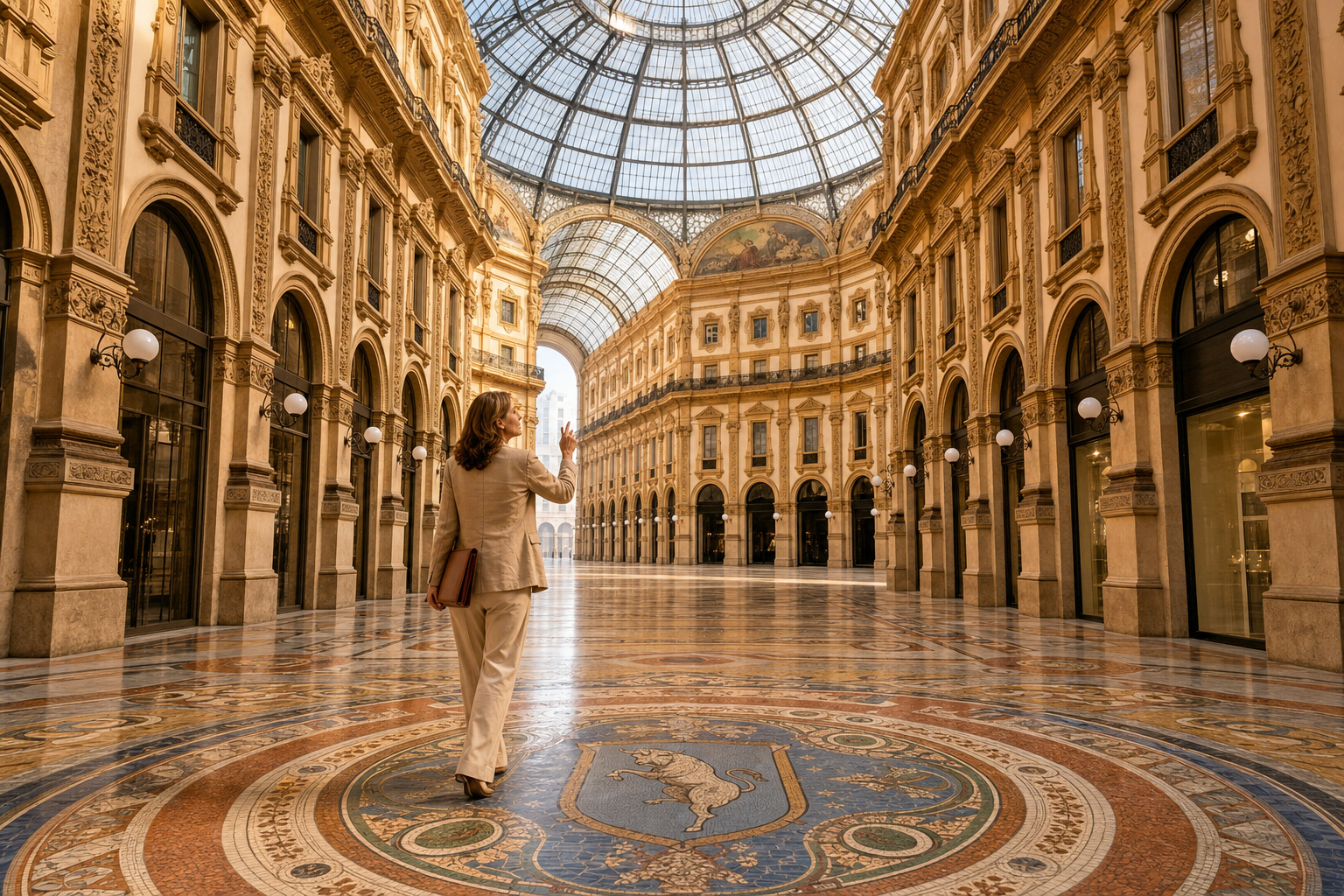
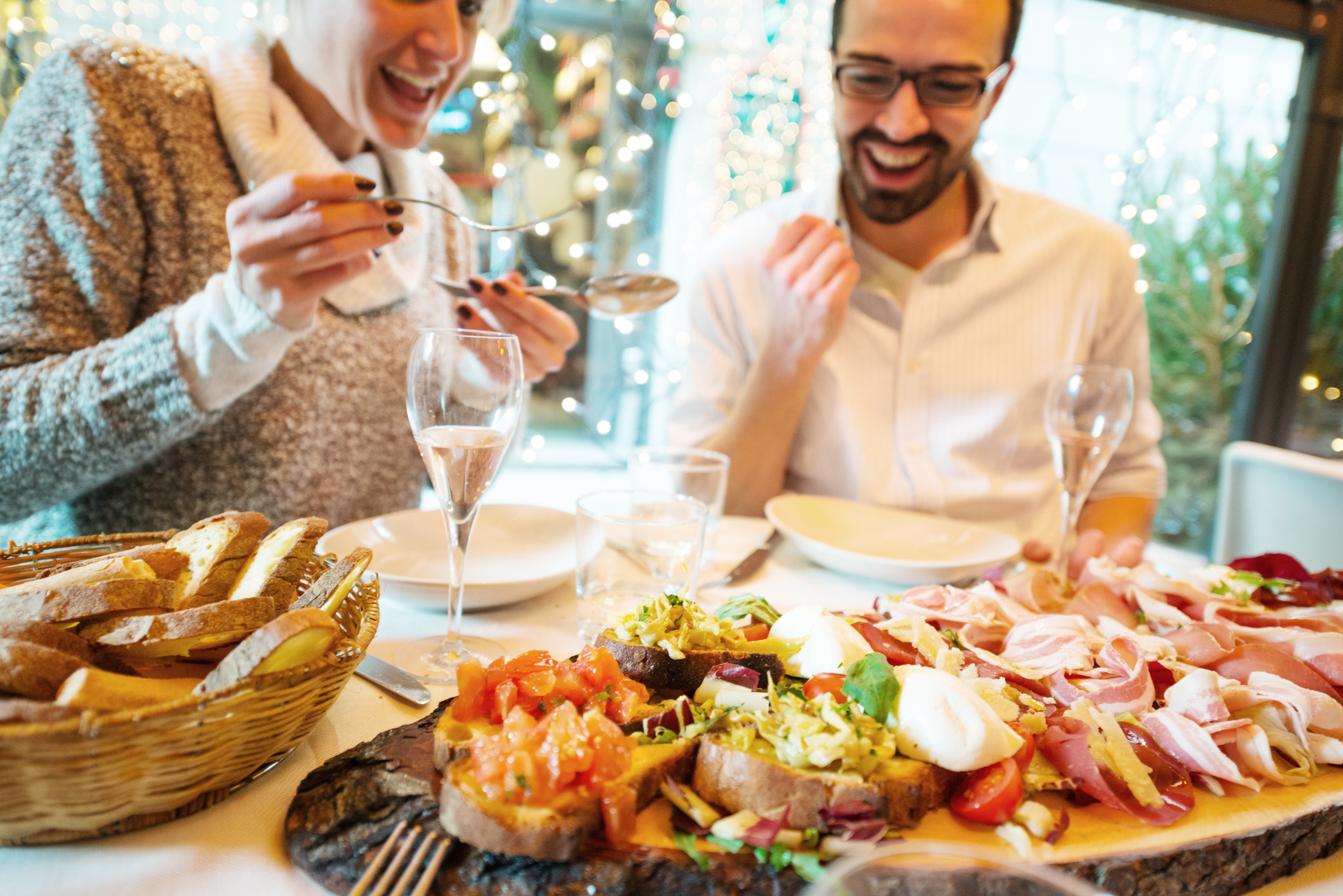
In 1495, Leonardo da Vinci picked up a brush inside a modest refectory on the western edge of Milan and began what would become the most studied painting in human history. He had already been living in the city for over a decade, redesigning its canal network, sketching flying machines, and reshaping the skyline under the patronage of Ludovico Sforza. That single fact — that the world's most famous artist spent nearly 18 years calling Milan home — tells you everything about why this city refuses to be summarised by fashion week headlines or a single Gothic cathedral. Milan is a city of accumulated depth: Roman street grids, Renaissance courts, Napoleonic museums, and a food culture that predates Vienna's most famous dish by centuries. The problem is that most visitors never reach that depth. A private tour guided by someone who actually lives and breathes the city changes that entirely — turning what could be a highlight reel into a genuine encounter with one of Europe's most underrated capitals.
Read more →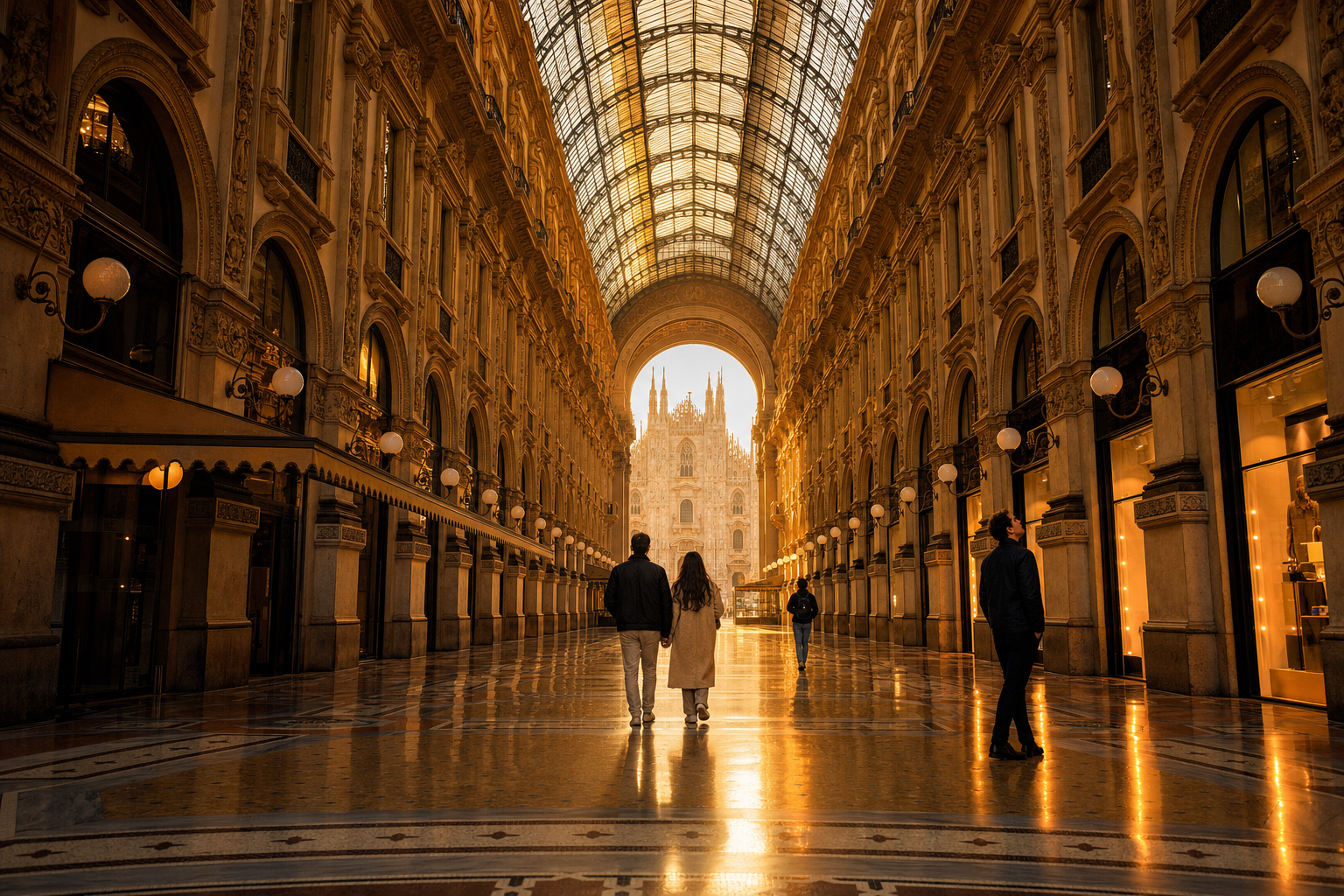
In 1386, the first stone of Milan's cathedral was laid on the orders of Gian Galeazzo Visconti — and the city has been building on ambition ever since. The Duomo di Milano would take 579 years to complete, its façade finally finished in 1965, making it one of the longest construction projects in human history. That tension between ancient foundations and relentless forward momentum is what makes Milan unlike any other Italian city. It is simultaneously the country's financial engine (its metropolitan area accounts for roughly 20% of national GDP), the global headquarters of fashion and design, and the custodian of two UNESCO World Heritage Sites. A well-planned Milan itinerary unlocks all of this — the Gothic spires and the aperitivo bars, Leonardo's fragile mural and the Navigli canals he helped engineer, the Renaissance castle and the Quadrilatero della Moda. Whether you have 2 days on a layover or 5 days to go deep, this guide gives you the structure — and the specific details — to make every hour count.
Read more →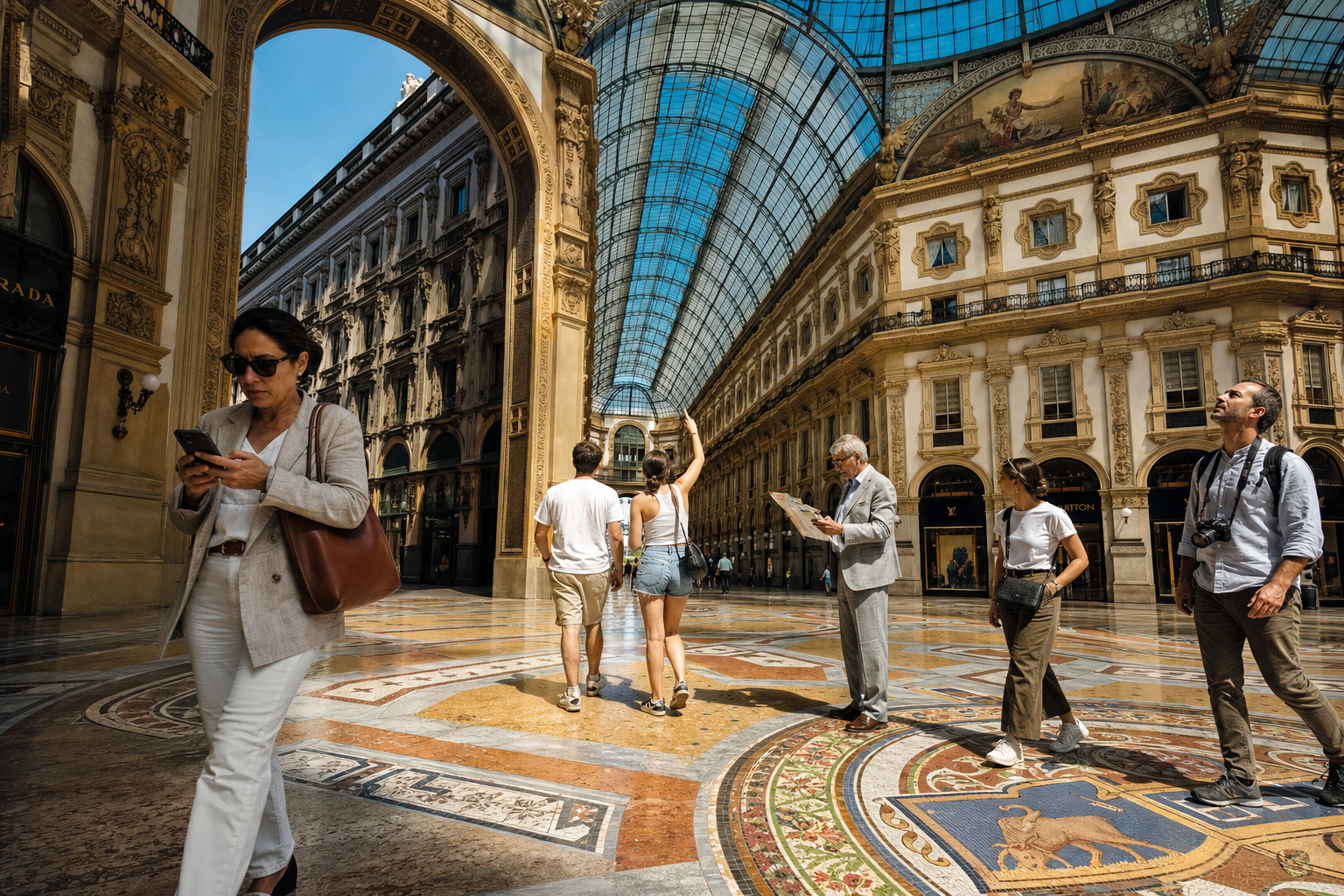
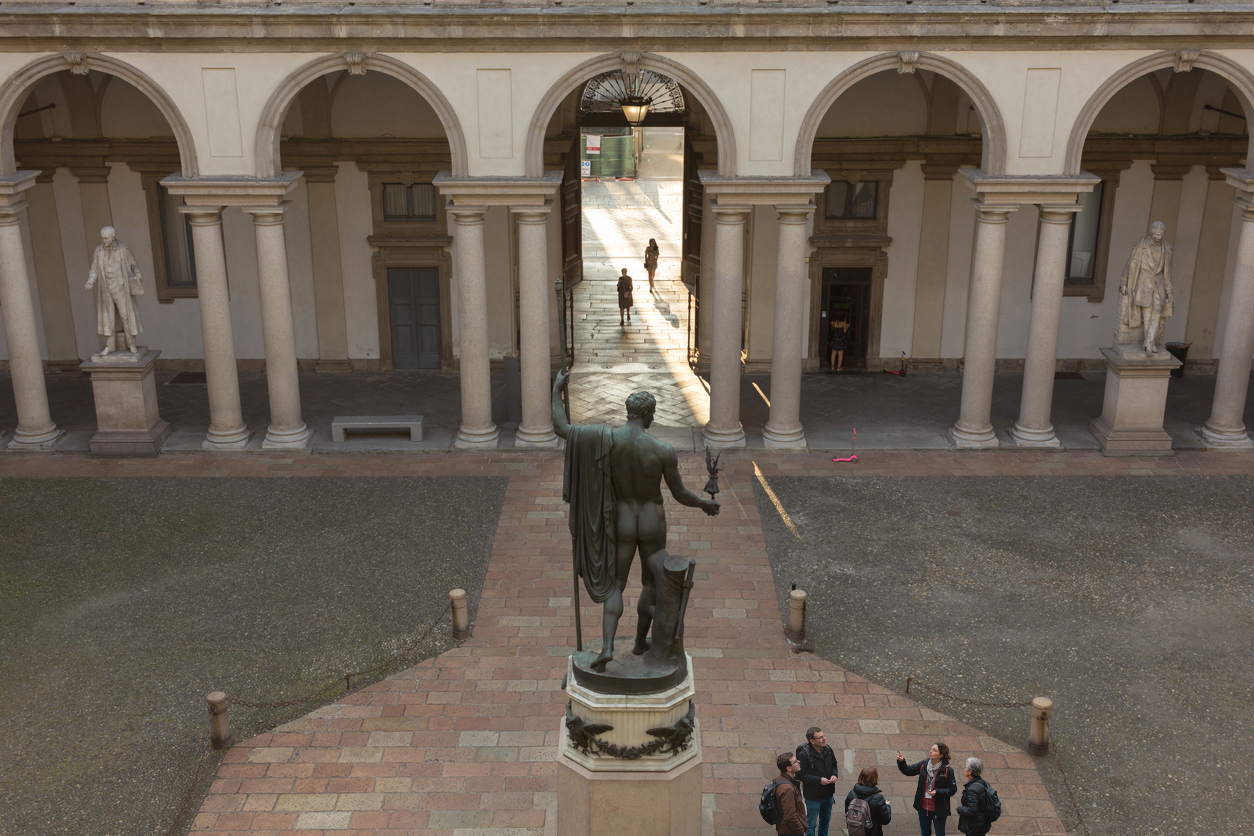
In 1386, the first stone of the Duomo di Milano was laid under the orders of Gian Galeazzo Visconti — and the cathedral wouldn't be officially completed until 1965, nearly six centuries later. That single fact tells you everything you need to know about Milan: this is a city that operates on a scale most visitors underestimate. Milan is Italy's financial capital, its fashion capital, and — if you know where to look — one of its most historically layered cities. The same streets where Leonardo da Vinci engineered a network of canals in the 1490s now host the country's most vibrant aperitivo scene. The neighborhood where Empress Maria Theresa founded an art academy in 1776 is today lined with contemporary galleries and some of the best restaurants in northern Italy. Milan doesn't announce itself the way Rome or Florence do. It rewards curiosity, local knowledge, and a willingness to step past the obvious. This guide cuts through the noise and tells you exactly what's worth your time — and what isn't.
Read more →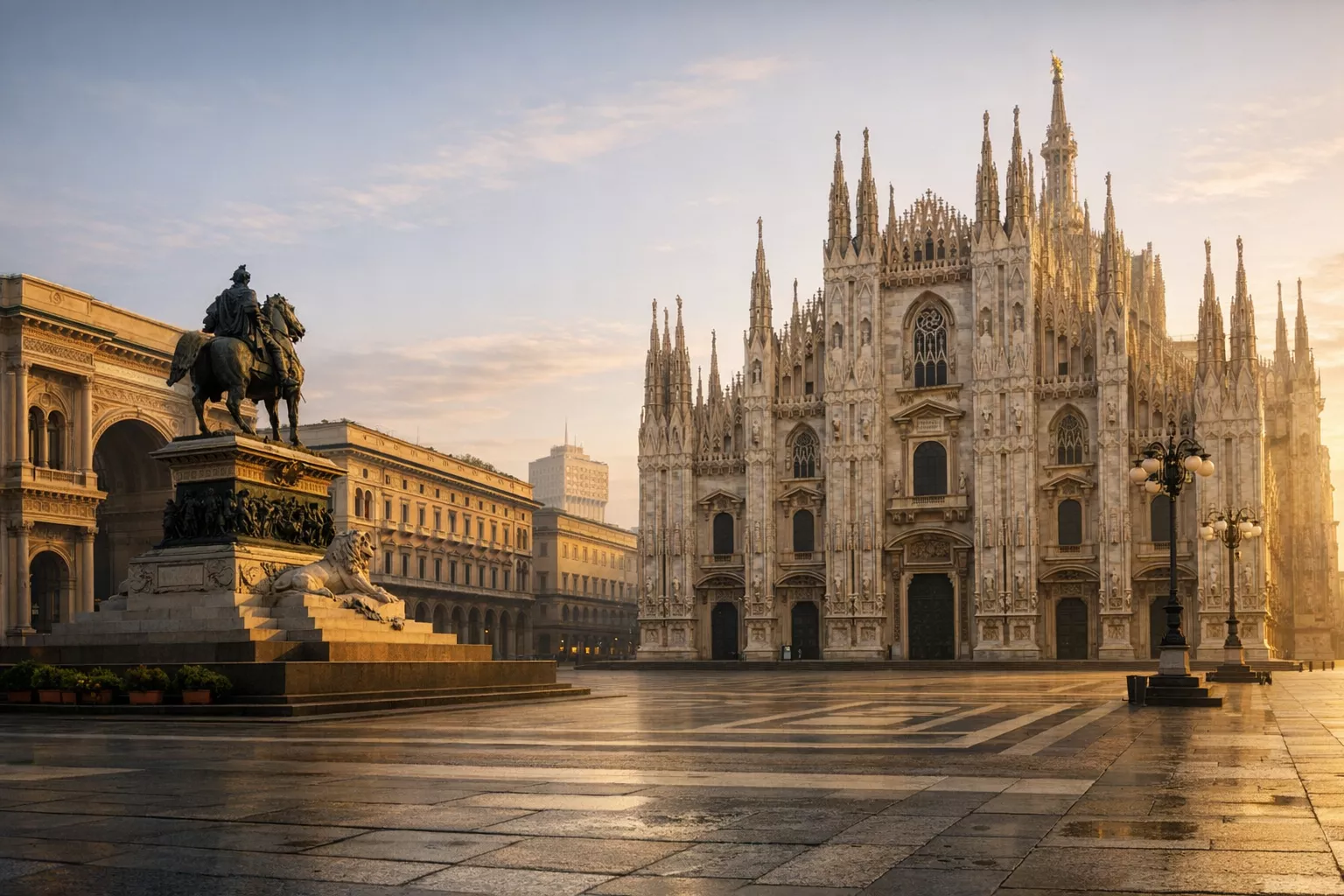
Milan, the vibrant heart of Italy, offers a captivating mix of history, art, fashion, and delicious cuisine. Whether you're a first-time visitor or a seasoned traveler, this city has something for everyone. Dive into its remarkable landmarks and hidden gems, and savor the local flavors. Here’s what to do in Milan, featuring exclusive tours that can enhance your experience.
Read more →We use a single cookie, to remember this choice. We do not use analytics or advertising cookies. Read our cookie policy.