3 hrs
Valencia
Valencia Private Family Tour: Churros, Parks & Science Museum
✓ Free cancellation Kids friendly
5.0(18 reviews)
From €159/ person
Book Now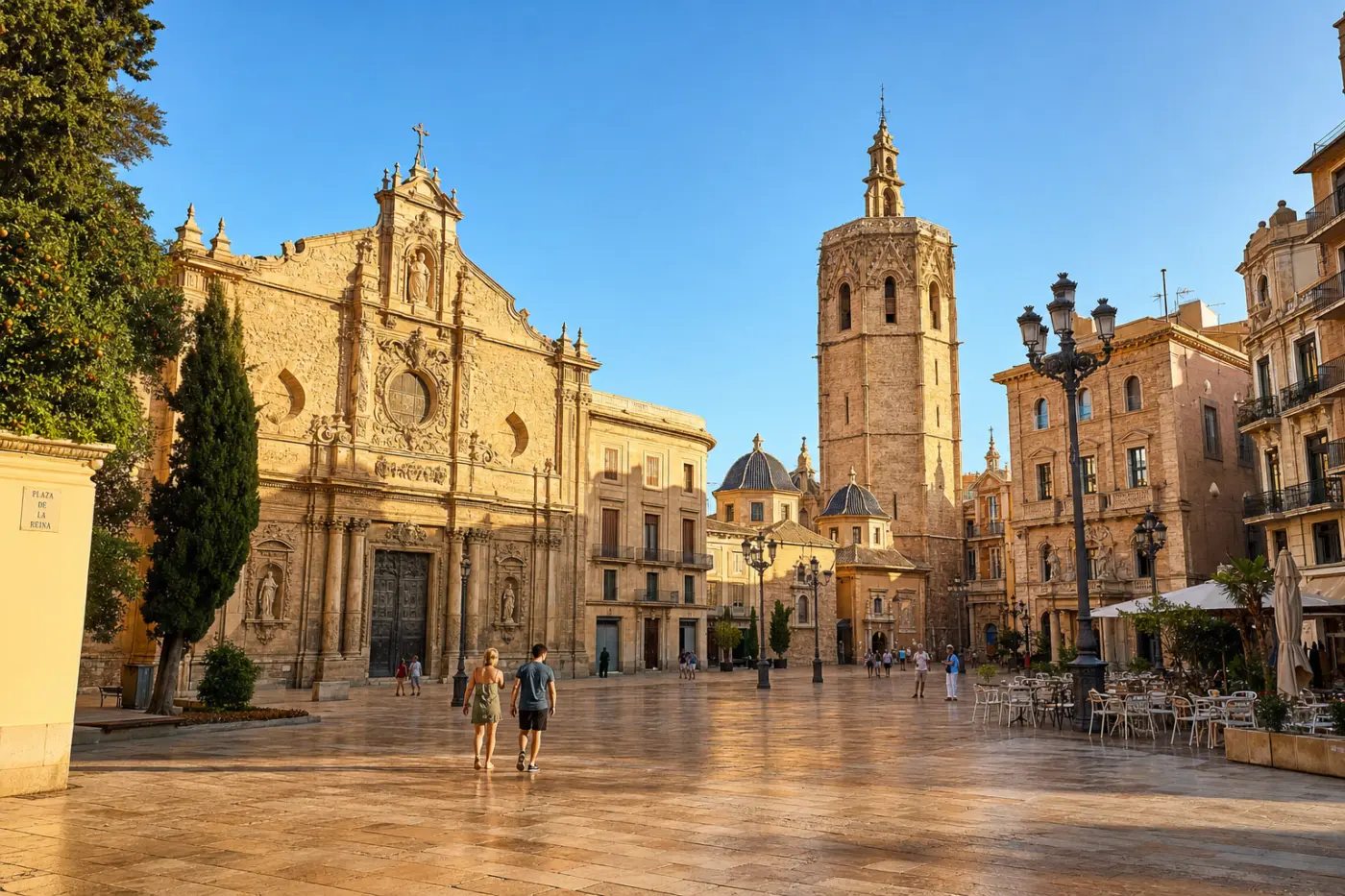
Tourist attraction
Plaza de la Reina is Valencia's designated Kilometre Zero — the civic anchor from which all road distances across the city's network are measured. The square was carved out in 1868 through the deliberate demolition of the Convent of Santa Tecla and a cluster of surrounding buildings, an act of urban renewal intended to open up the new Calle de la Paz. The square received its official name in 1878 in honour of Queen María de las Mercedes, wife of King Alfonso XII, to commemorate their royal marriage — though it has carried other names over the decades, including Plaza de la Región Valenciana during the Second Spanish Republic and briefly Plaza de Zaragoza. Its full official Valencian name remains Plaça de la Reina Maria de la Mercè. Its roots, however, run far deeper: the site sits on what was once part of the Via Augusta, the Roman road network laid under Emperor Augustus, in a city — Valentia — founded as a Roman colony in 138 BC.
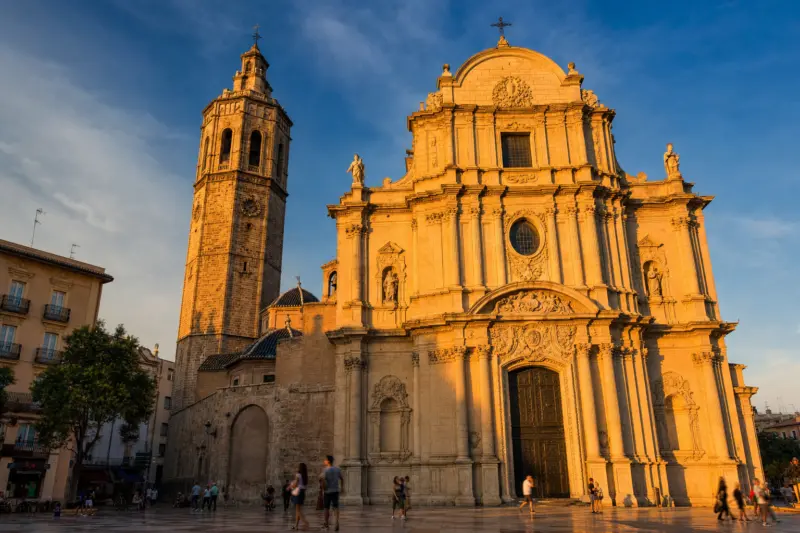
The square's architectural perimeter reads like a compressed timeline of Valencia's history. To the north, the main facade of Valencia Cathedral presents its dramatic Baroque Puerta de los Hierros (Door of the Irons), completed in 1703. Flanking it is the 14th-century Gothic Miguelete Tower — 51 metres tall, climbed via 207 stone steps — whose summit rewards visitors with an unbroken panorama of the old town's terracotta rooflines and the Mediterranean horizon beyond. On the southern edge stands the Church of Santa Catalina, a Gothic structure whose interior dates from the 13th century but whose slender, ornate Baroque bell tower was added in the 17th century. Completing the ensemble is the eclectic Monforte Building of 1895, whose Renaissance-inspired arcades and decorative cast-iron details frame the square's southwestern corner. The plaza was significantly enlarged through demolitions carried out between the 1940s and 1960s, and remodelled in 1970 to include an underground car park beneath its present paved expanse.
The square has been a site of commerce and community since at least the 14th century, when the L'Escuraeta flea market was established here by Valencia's potters' guild — making it one of the oldest craft markets in Europe. Some historians trace its origins even further back to a Moorish souk near a mosque that once stood on the site before the Christian reconquest of 1238. Today, L'Escuraeta runs from the second Sunday in May through Corpus Christi, specialising in traditional Valencian ceramics, earthenware utensils, and hand-painted clay whistles known as xiulets, used in local festivals. The square also hosts major city events including Fallas celebrations and outdoor concerts, its wide paved surface easily absorbing thousands of people.
Visitors arriving on foot will find the square immediately accessible from the pedestrianised old town and well connected to the Plaça de la Verge and the Palau de la Generalitat to the north. The 19th-century Horchatería Santa Catalina, tucked into the square's southern arcade, is an essential stop — it has served horchata de chufa (tiger nut milk) alongside fartons (soft glazed pastries) for well over a century, making it one of Valencia's most storied refreshment institutions. The Miguelete Tower opens daily to climbers and closes by early evening; arriving before midday avoids the longest queues. The square itself is free, open at all hours, and best photographed in the golden morning light when the cathedral's Baroque facade glows without the cover of tour groups.
Private tours with a local guide, at your own pace.
Valencia
Valencia
Valencia
Valencia
Valencia
Valencia
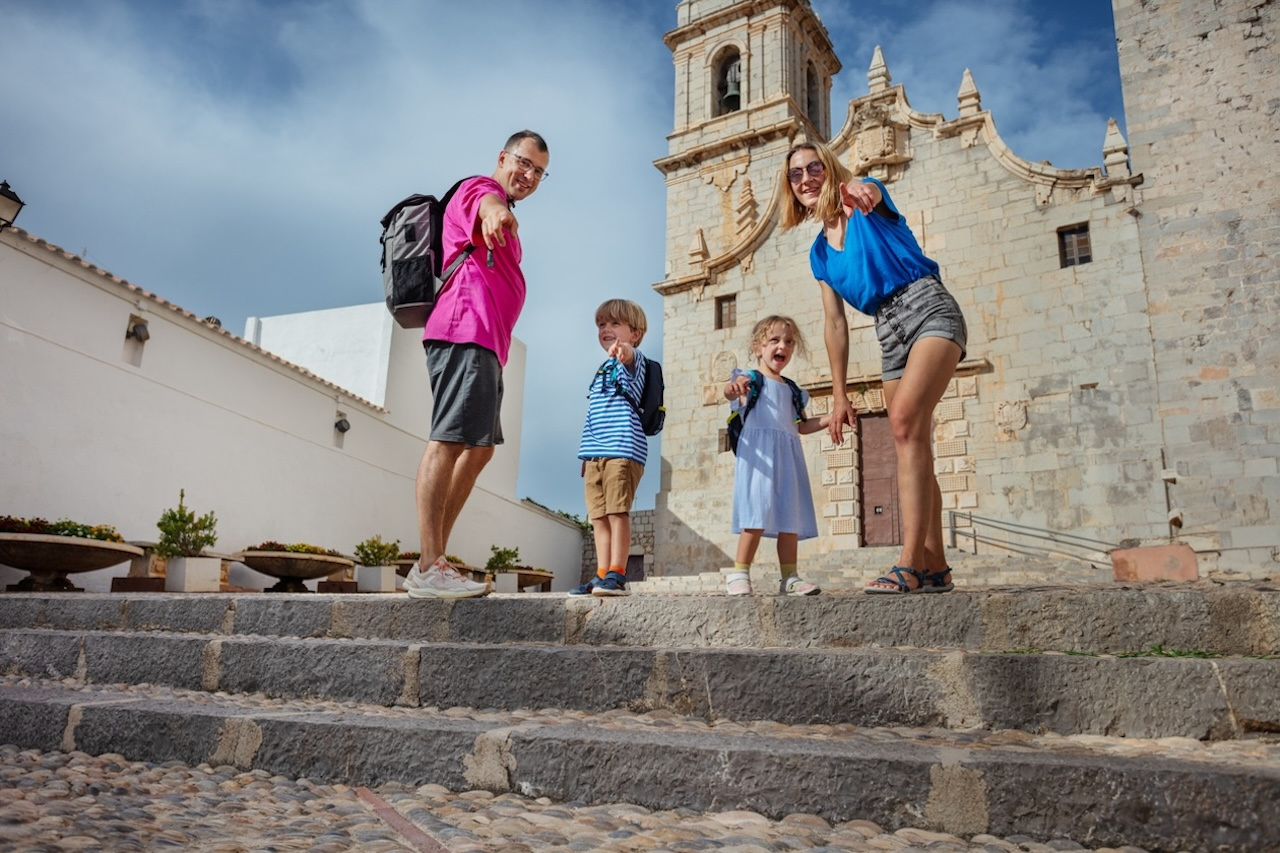
Valencia
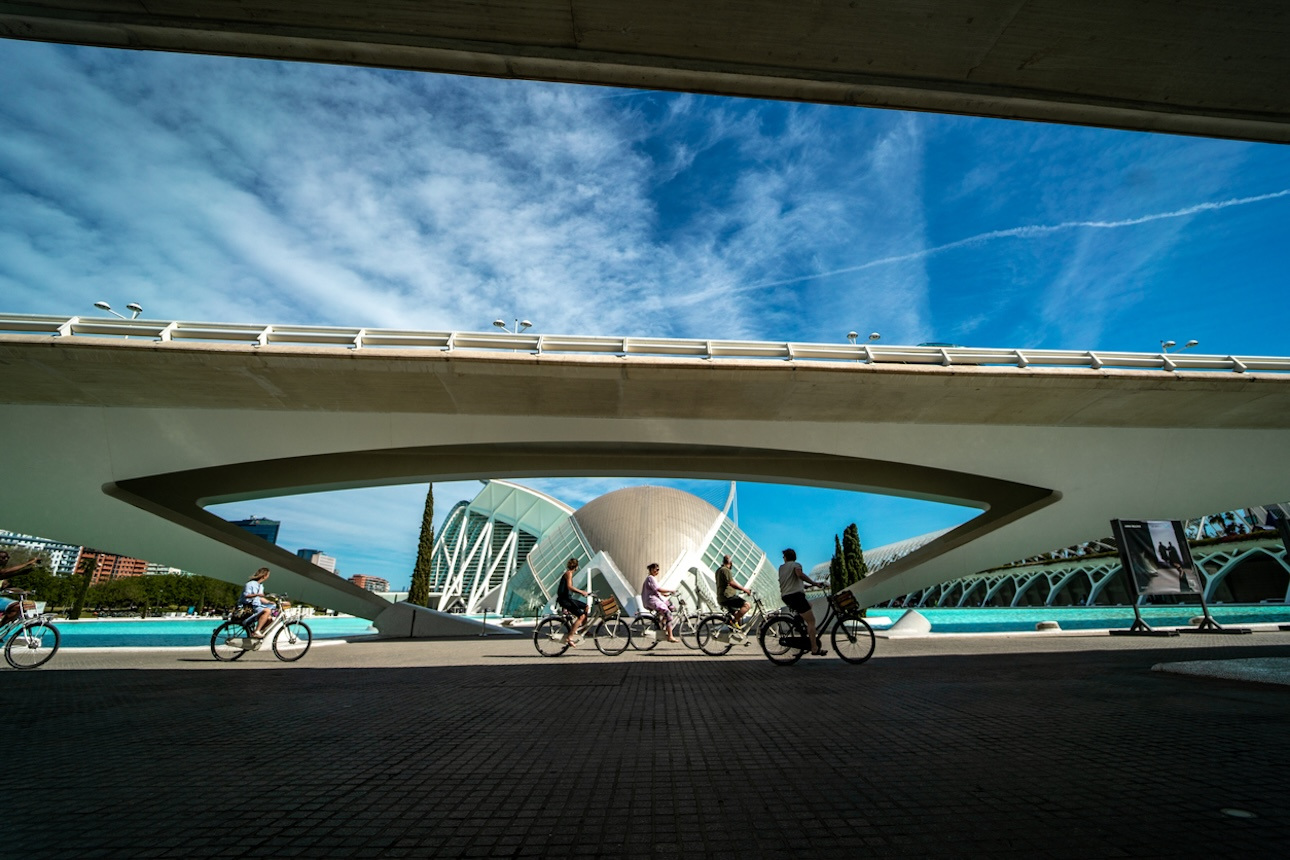
Valencia
We use a single cookie, to remember this choice. We do not use analytics or advertising cookies. Read our cookie policy.