3 hrs
Valencia
Valencia Art Nouveau Private Tour with Oceanográfic Option
✓ Free cancellation Kids friendly
4.5(45 reviews)
From €121/ person
Book Now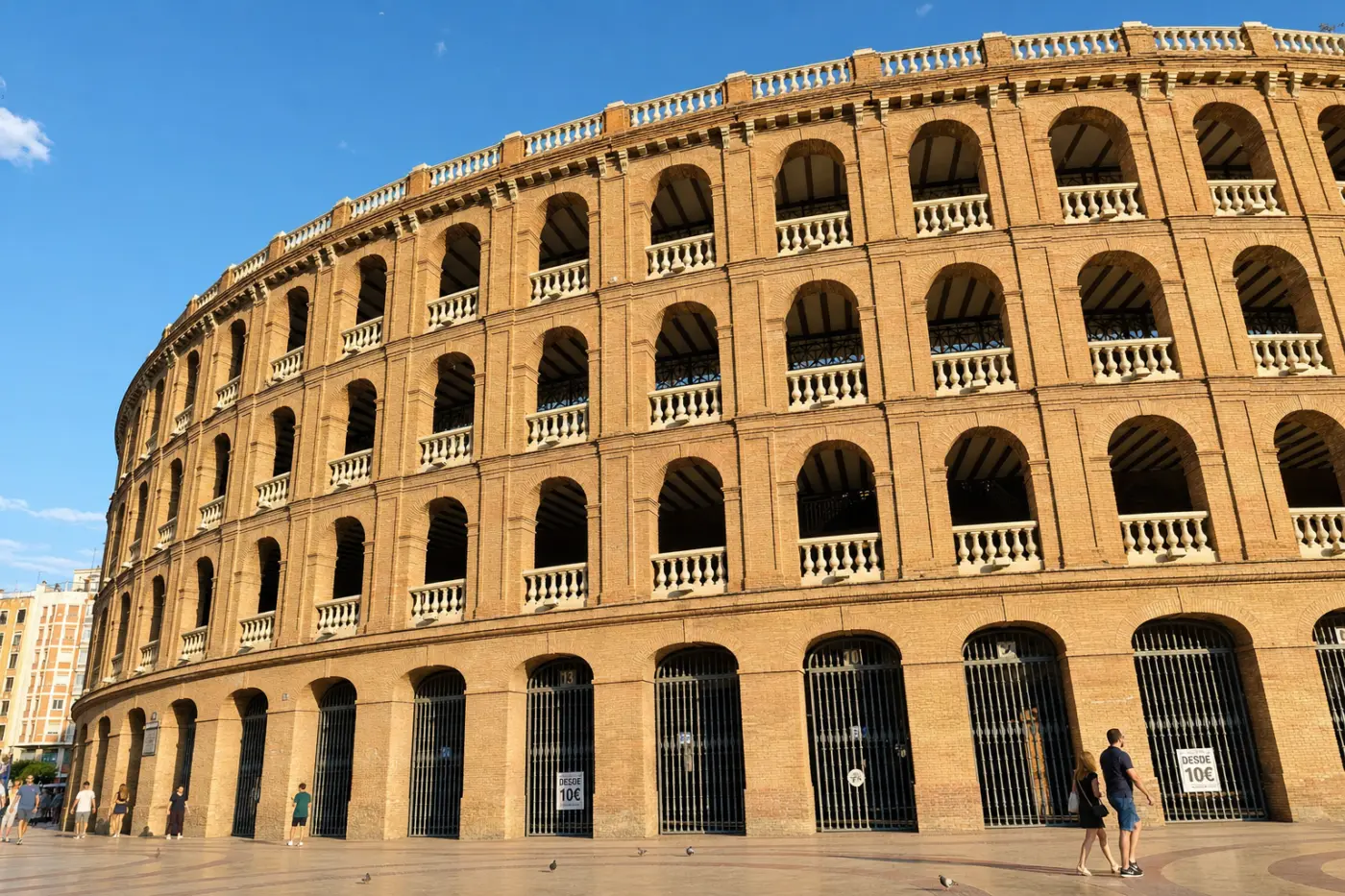
Tourist attraction
Inaugurated on 22 June 1859, the Plaza de Toros de Valencia is one of Spain's most architecturally distinguished bullrings, designed by Valencian architect Sebastián Monleón Estellés and constructed over the course of a decade between 1850 and 1860. Monleón drew explicit inspiration from Roman amphitheaters — most notably the Colosseum — producing a circular Neoclassical structure that rises 17.65 meters across four tiered levels of brick arches and painted wooden balustrades. The arena itself spans 52 meters in diameter, and the ring accommodates between 10,500 and 12,800 spectators. The exterior presents a commanding rhythm of semicircular arched openings framed in ochre brick, lending the building a monumental gravity that holds its own against the adjacent Estación del Norte, Valencia's ornate Art Nouveau railway station completed in 1917.
The bullring sits at the southeastern boundary of Valencia's Old Town, occupying a symbolic urban threshold between the medieval historic center and the 19th-century Eixample expansion. From its inauguration, it became the fixed stage for the city's most charged cultural ritual: the corrida de toros. Its most electrically anticipated season falls during Las Fallas in March, when Valencia's explosive week-long festival of fire and gunpowder draws crowds to the ring for a concentrated series of corridas that have featured some of the most celebrated matadors in Spanish history. The building was declared a protected monument, anchoring it as a permanent fixture in Valencia's architectural heritage despite the ongoing national debate over bullfighting's future.
Visitors who attend a guided museum tour — available year-round for €2 to €6.50 — gain access to the ring's interior, the toril (the gate through which bulls enter the arena), the chapel where matadors pray before a fight, the infirmary, and a museum housing capes, suits of lights, historical photographs, and mounted bull heads commemorating particularly significant corridas. The layered materiality of the space — worn sand, dark timber, faded ceremonial textiles — communicates a history that no exhibition panel fully captures. Standing on the sand of the arena floor, with four tiers of empty stone seating rising around you, the scale of the spectacle becomes viscerally immediate.
Bullfighting event tickets range from €15 to €40 depending on seat location and sun exposure — seats in the shade (sombra) cost considerably more than those in full sun (sol). The arena is a two-minute walk from Xàtiva metro station (Lines 3 and 5), which makes it one of the most accessible major monuments in central Valencia. For visitors interested in architecture and cultural history rather than the corridas themselves, the museum visit alone is worth the modest entry fee and rarely takes more than an hour.
Private tours with a local guide, at your own pace.
Valencia
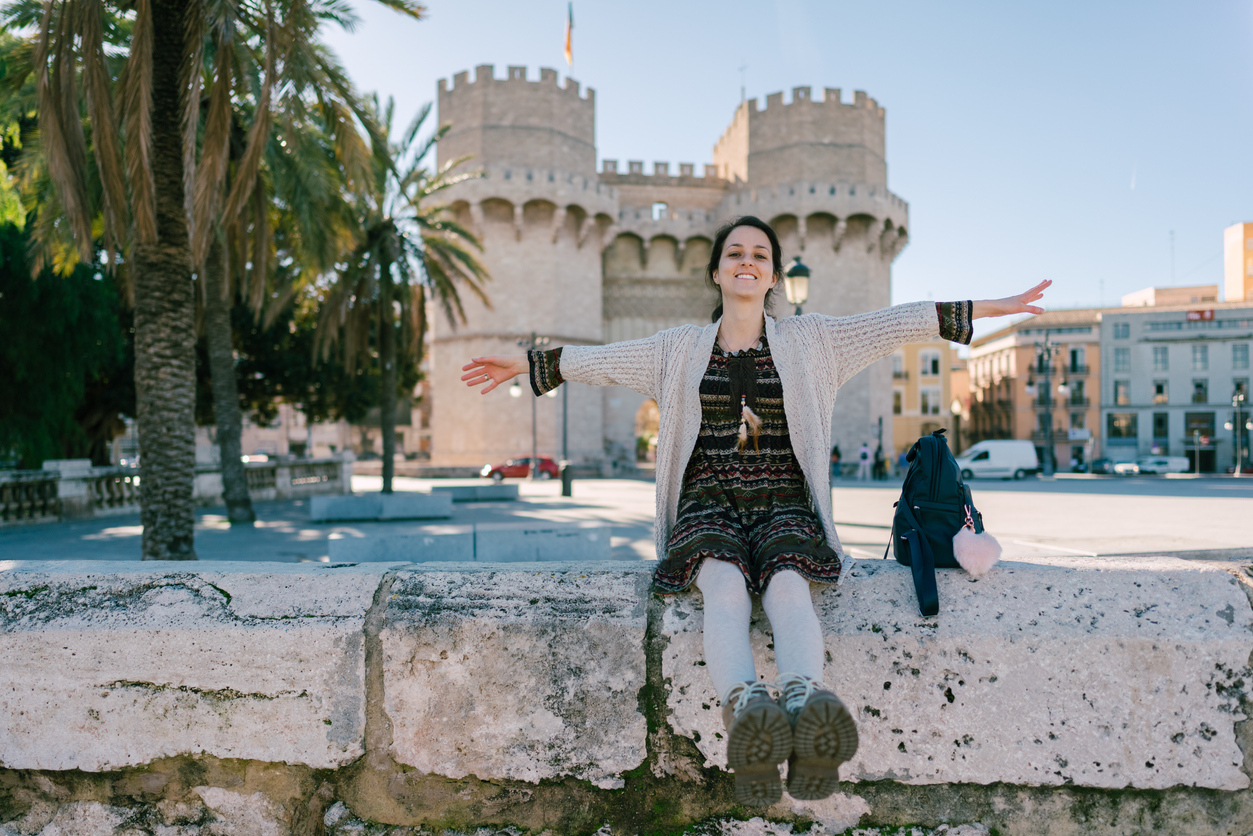
Valencia
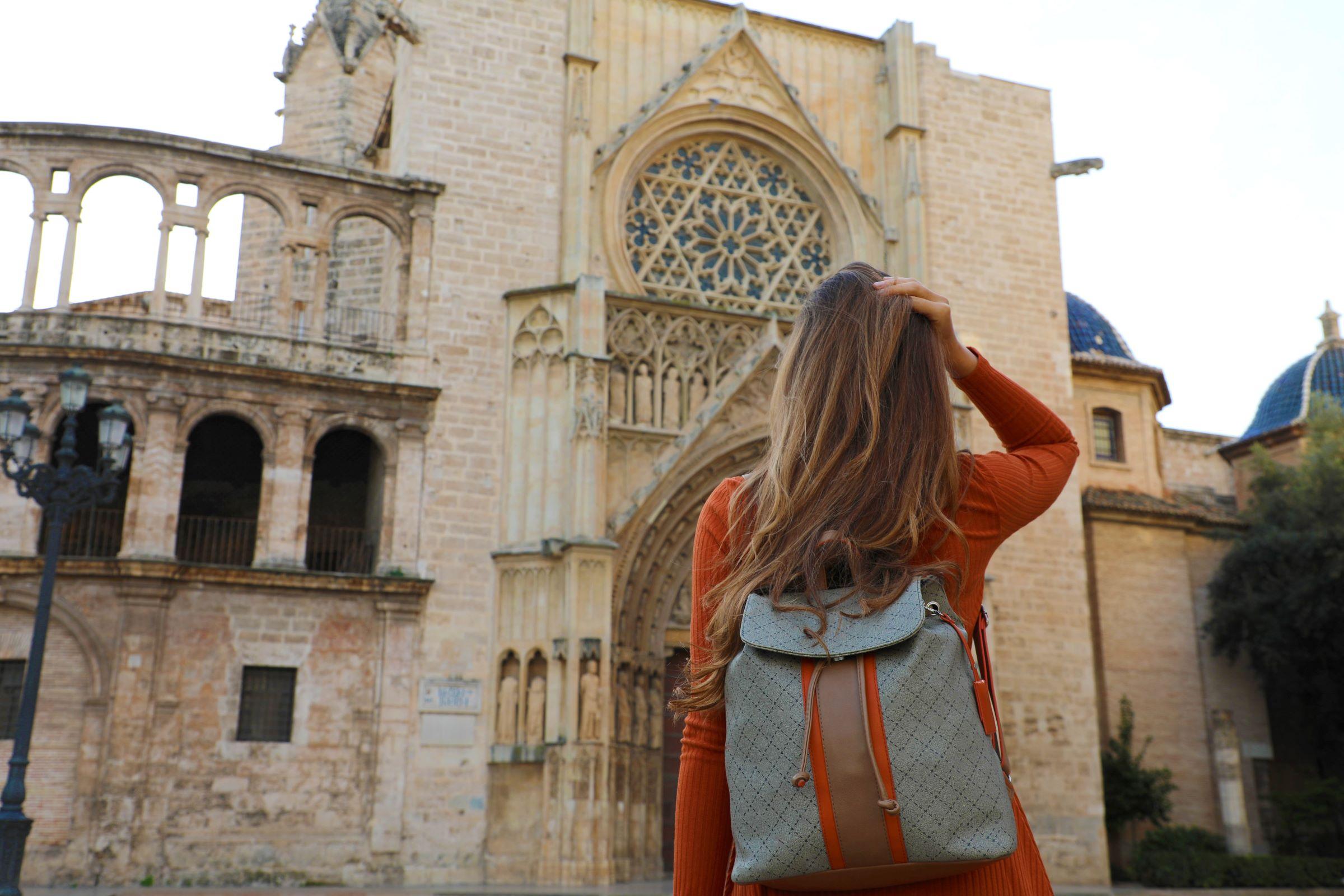
Valencia

Valencia
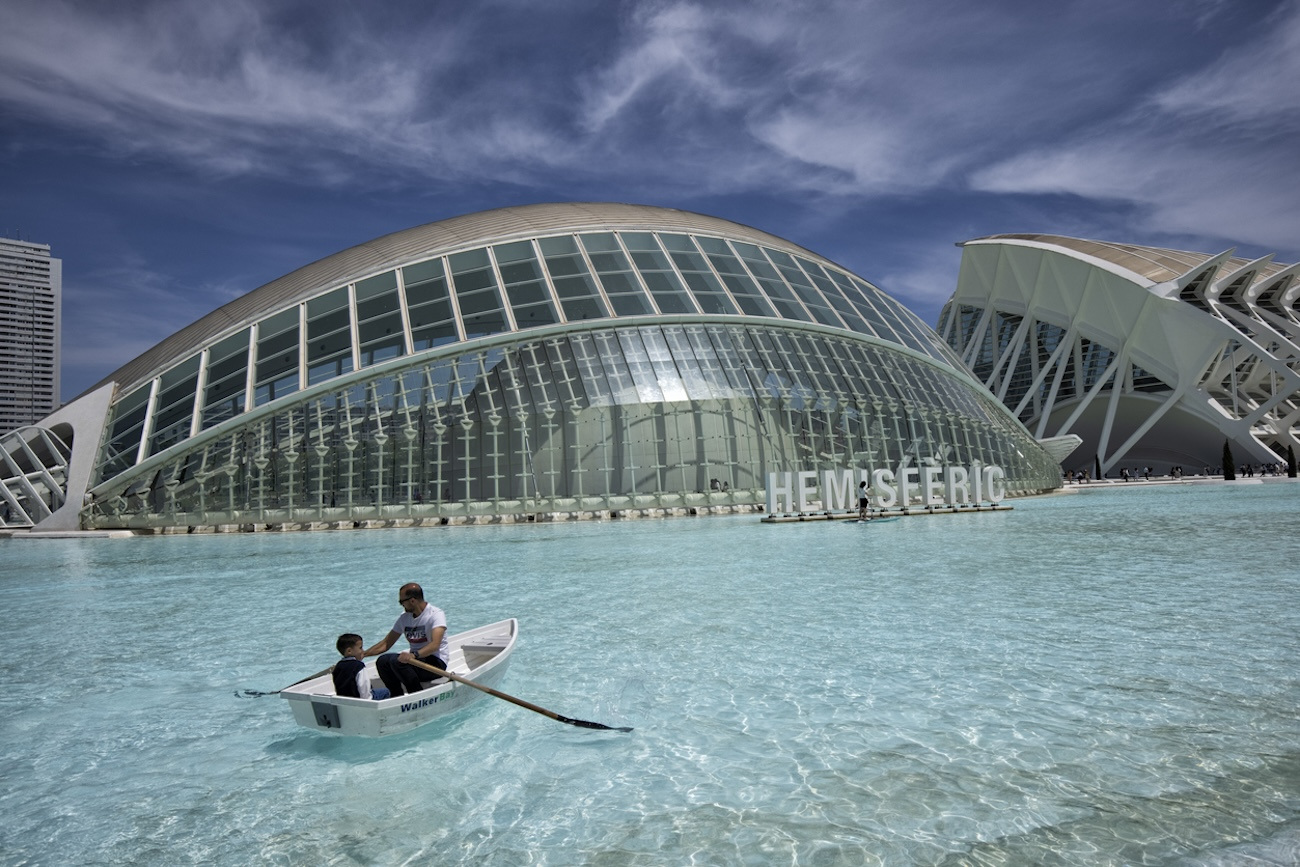
Valencia
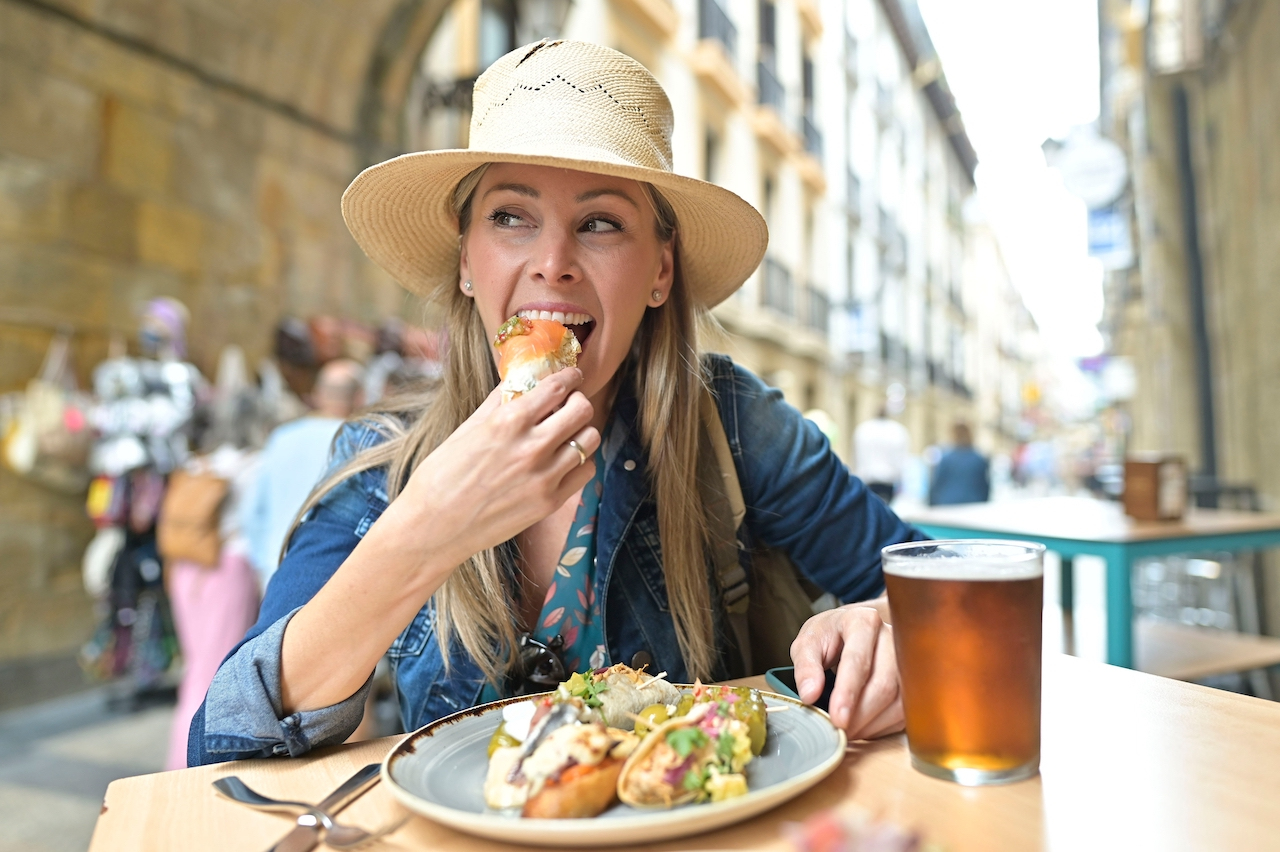
Valencia
Valencia
Valencia
We use a single cookie, to remember this choice. We do not use analytics or advertising cookies. Read our cookie policy.