3 - 4 hrs
Paris
Paris Private Tour to Louvre Museum & French Crepes
✓ Free cancellation Kids friendly
5.0(26 reviews)
From €215/ person
Book Now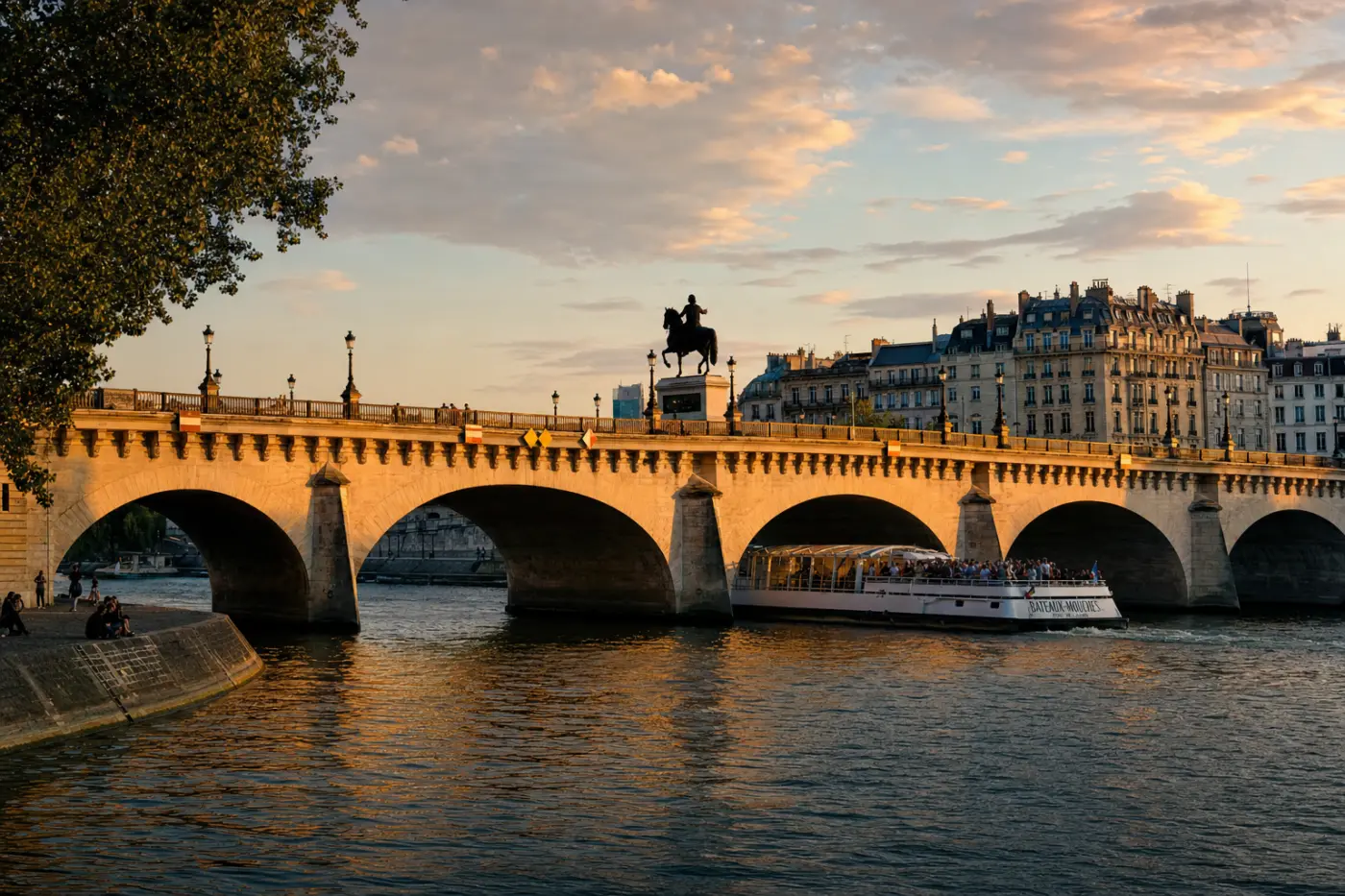
Tourist attraction
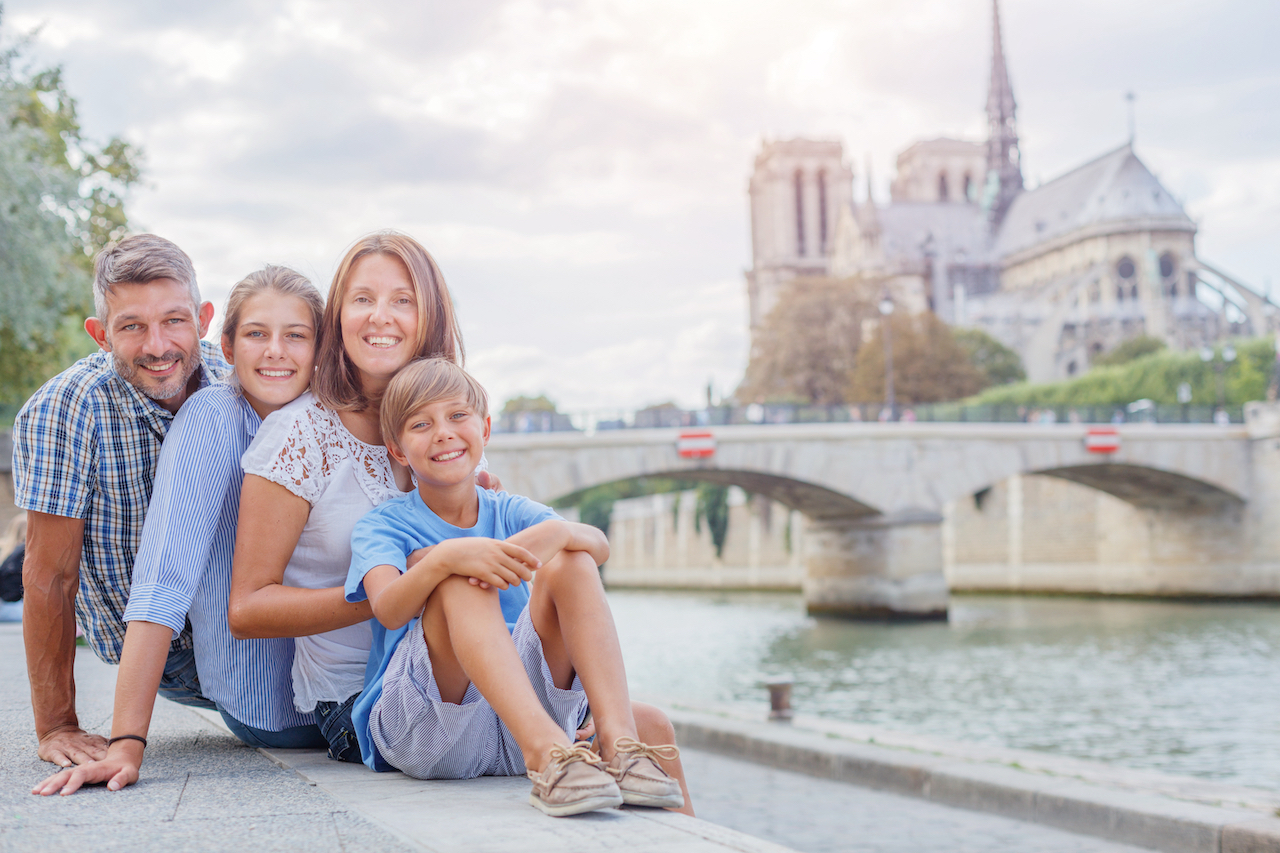
Pont Neuf — literally "New Bridge" — is a study in paradox: it is the oldest standing bridge in Paris, yet it earned its name because it was radically new in design when construction began under Henri III in 1578. Work stalled repeatedly due to the Wars of Religion and financial shortfalls, and the bridge was not completed and inaugurated until 1607, when Henri IV famously rode across it on horseback. Stretching 232 metres across the Seine and resting on 12 arches, it was the first Parisian bridge built without houses lining its edges — a revolutionary concept that gave pedestrians an open, panoramic view of the river for the first time. It also introduced raised stone footpaths separated from carriage traffic, making it one of the earliest examples of dedicated pedestrian infrastructure in European urban design.
From the moment it opened, Pont Neuf became the social and commercial heart of Paris. Street vendors, tooth-pullers, booksellers, and charlatans set up stalls across its wide footpaths, while the 381 sculpted mascarons — grotesque human faces carved into the bridge's cornices — watched over the daily spectacle. At the centre of the bridge, on the triangular Place Dauphine promontory of the Île de la Cité, stands the equestrian statue of Henri IV. The original bronze was melted down during the Revolution in 1792; the current statue, cast in 1818 from bronze taken partly from a Napoleonic statue, is said to contain a hollow cavity in which a manuscript of Voltaire's works and a miniature portrait of Napoleon were secretly concealed during its casting.
Pont Neuf has been a canvas for artistic intervention as well as historical memory. In 1985, the conceptual artist Christo — with his partner Jeanne-Claude — wrapped the entire bridge in 40,876 square metres of golden sandstone-coloured fabric, a project that had taken a decade to gain governmental approval. The installation, titled The Pont Neuf Wrapped, attracted over three million visitors in just fourteen days. The bridge has also appeared in paintings by Claude Monet and Auguste Renoir, and in films by directors including Jean-Luc Godard and Leos Carax, whose 1991 film Les Amants du Pont-Neuf made it an emblem of Parisian romanticism.
Visiting Pont Neuf today, you approach it most directly from the Pont Neuf Métro station (Line 7) on the Right Bank, or from the Saint-Michel area on the Left Bank. The best vantage point is from the small square at the tip of the Île de la Cité, where you can descend stone steps to the lower quay — the Square du Vert-Galant — and look back up at the full span of the bridge reflected in the Seine. Early morning visits reward you with soft light on the pale stone arches and almost no crowds. The bridge is at its most dramatic at dusk, when the carved mascarons cast long shadows and the river catches the last of the western sky.
Private tours with a local guide, at your own pace.
Paris
Paris
Paris
Paris
Paris
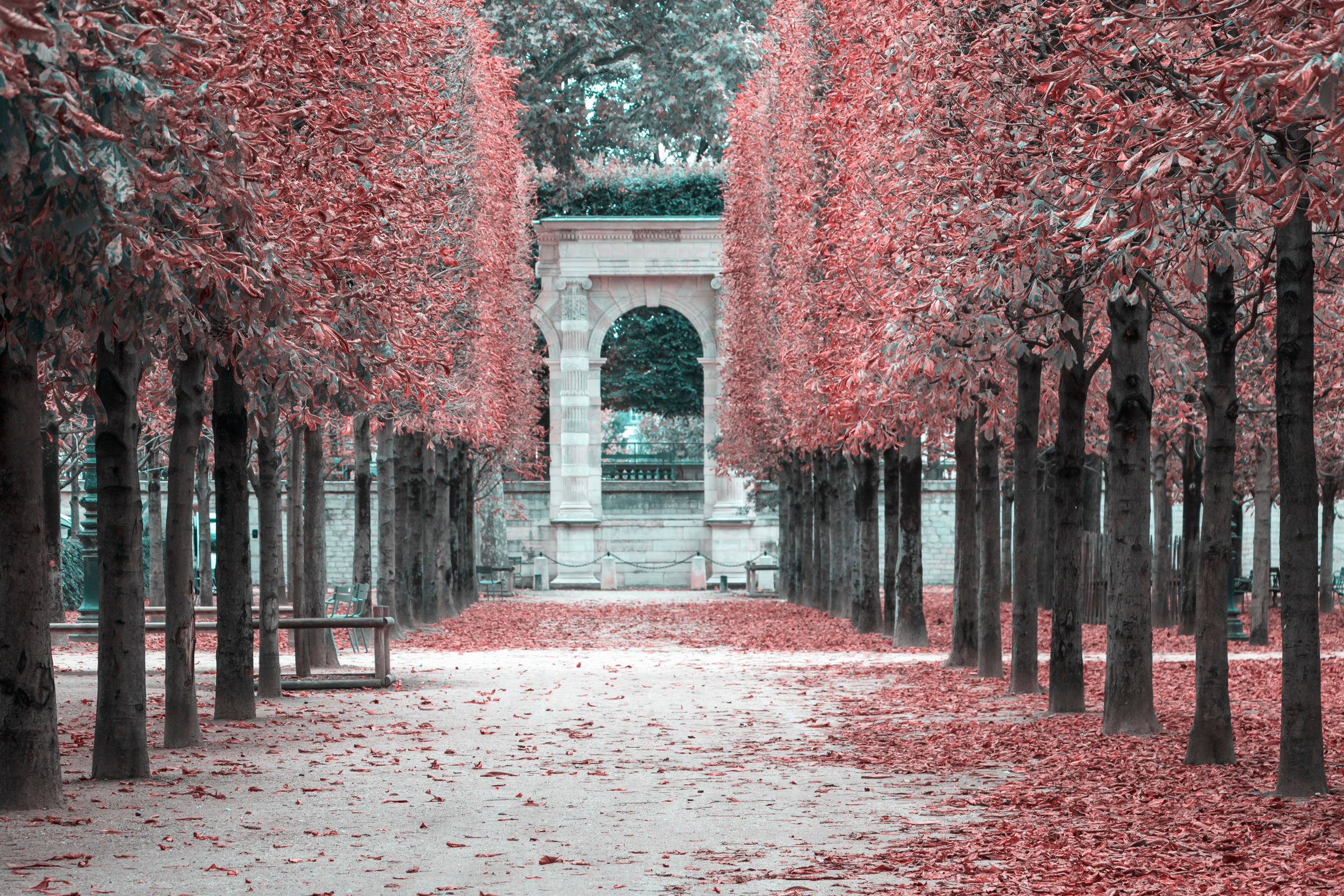
Paris
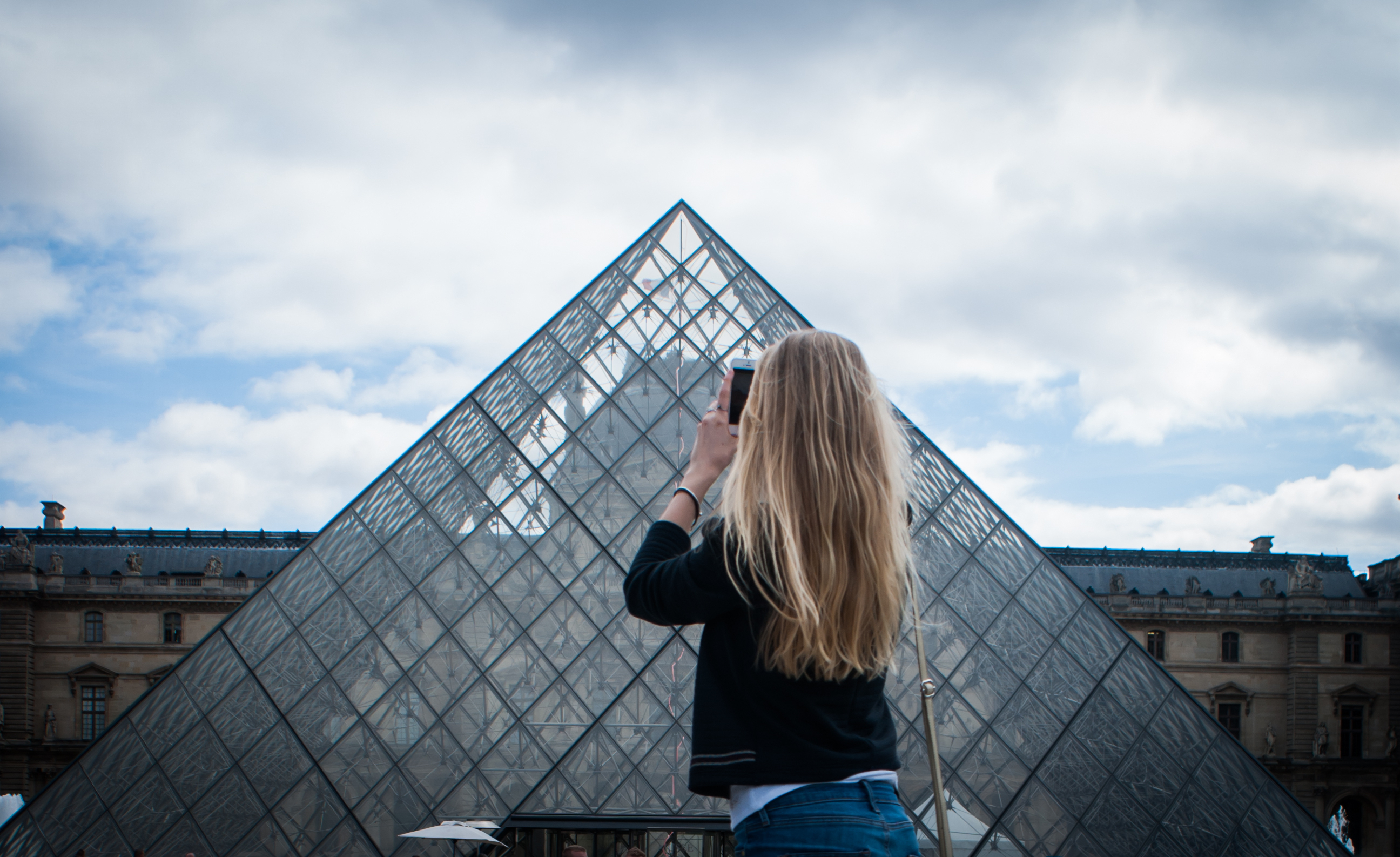
Paris
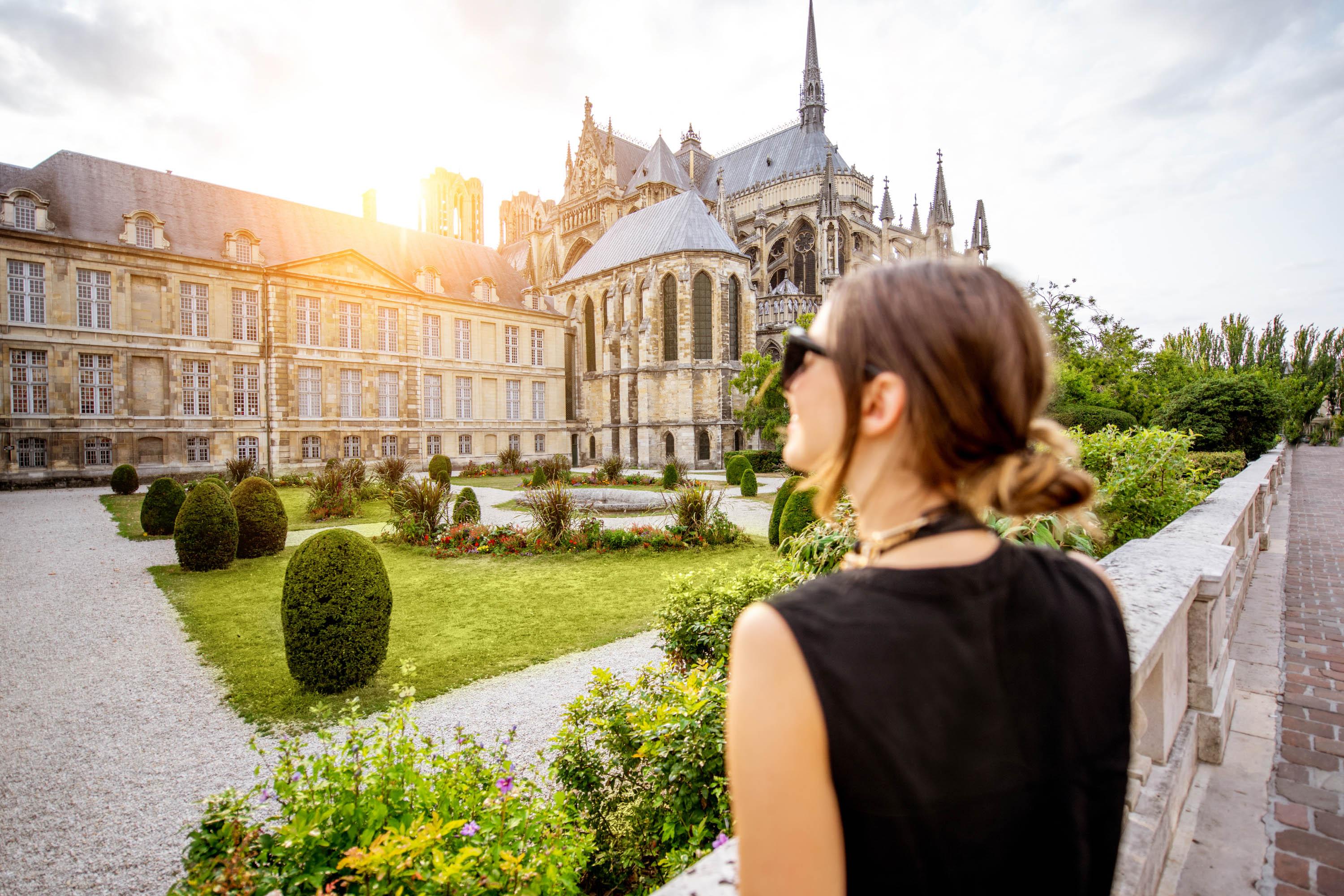
Paris
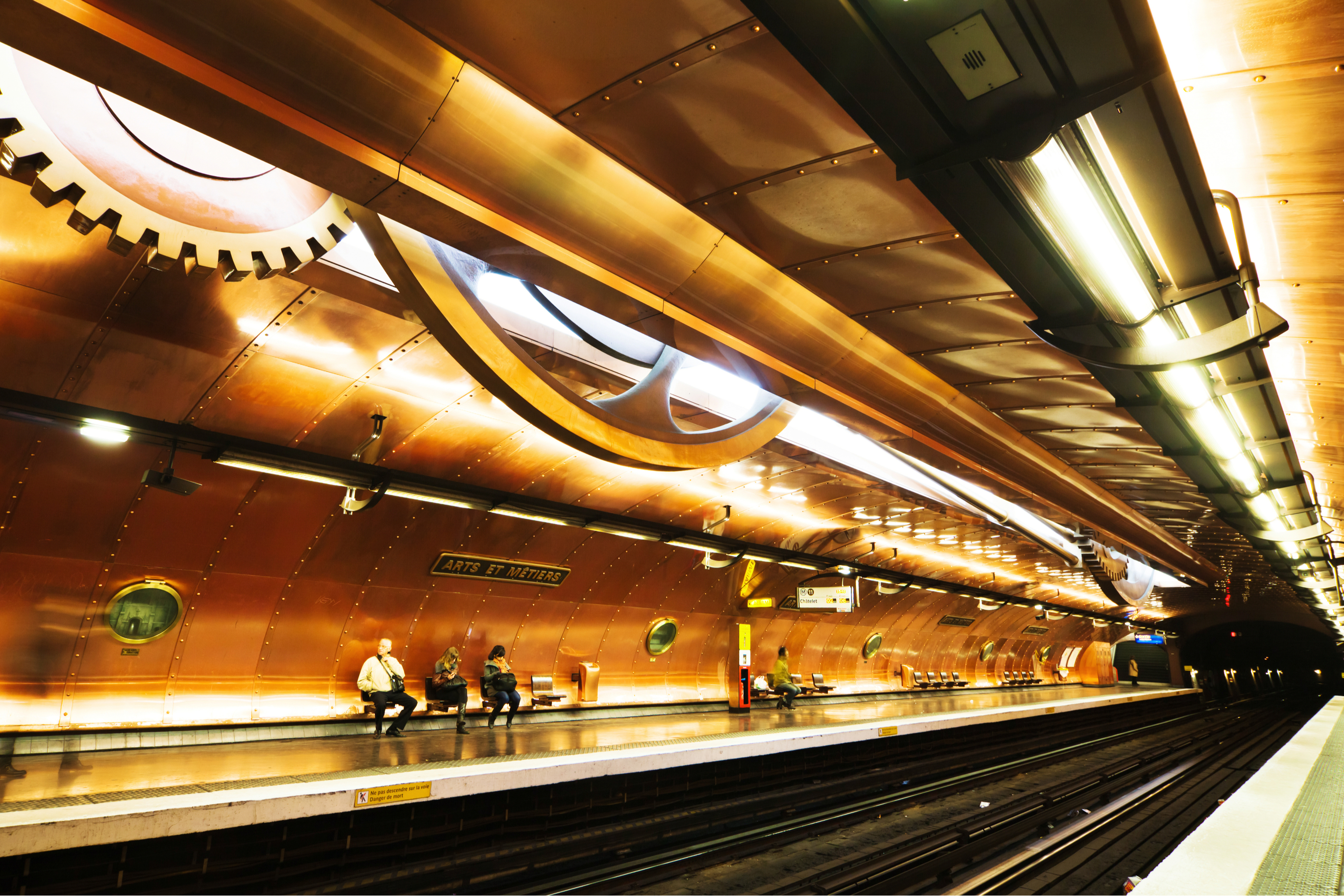
Paris
We use a single cookie, to remember this choice. We do not use analytics or advertising cookies. Read our cookie policy.