3 hrs
Milan
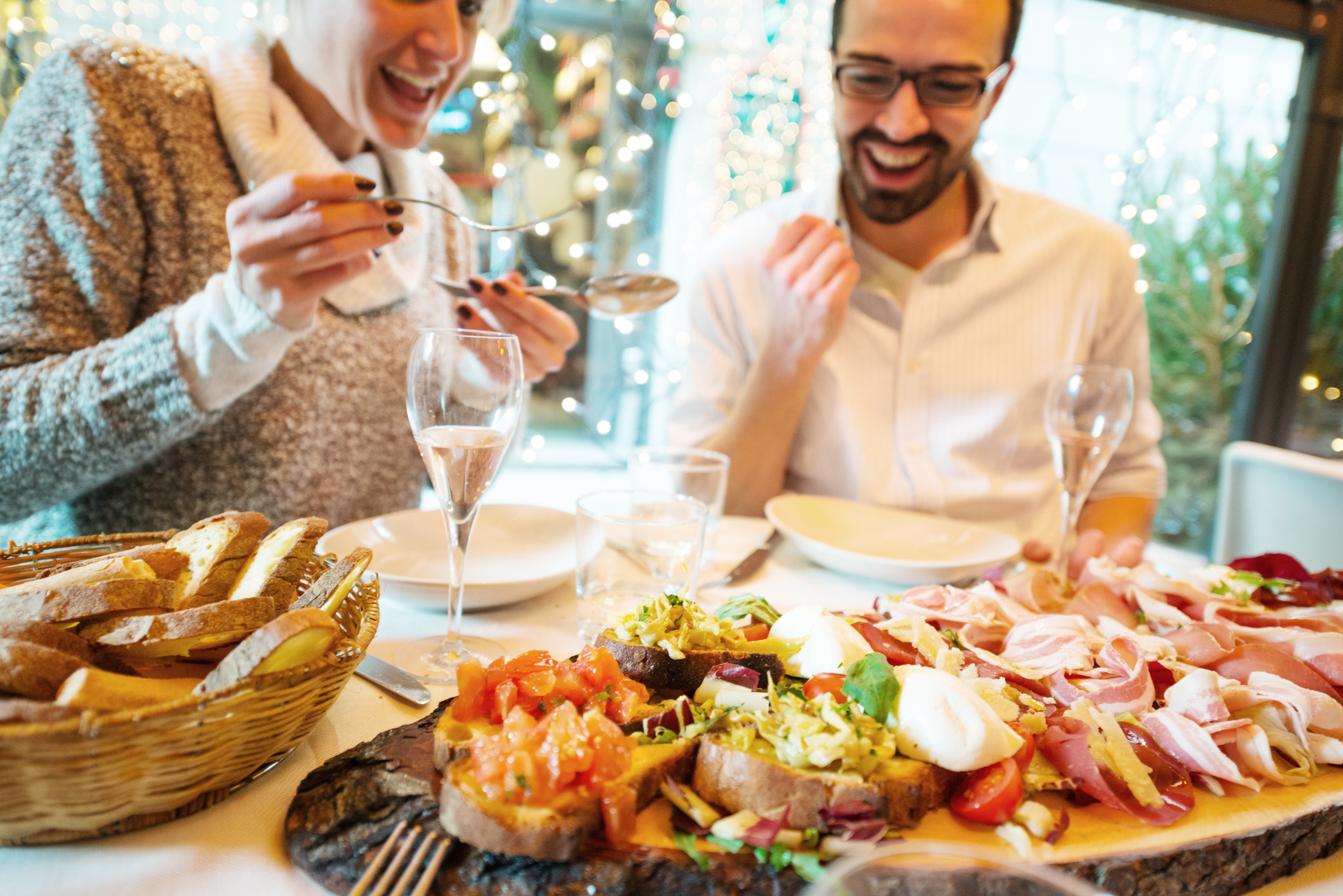
Milan: Private Navigli Local Food & Drinks Tour with Canal Stories
✓ Free cancellation Kids friendly
4.7(8 reviews)
From €263/ person
Book Now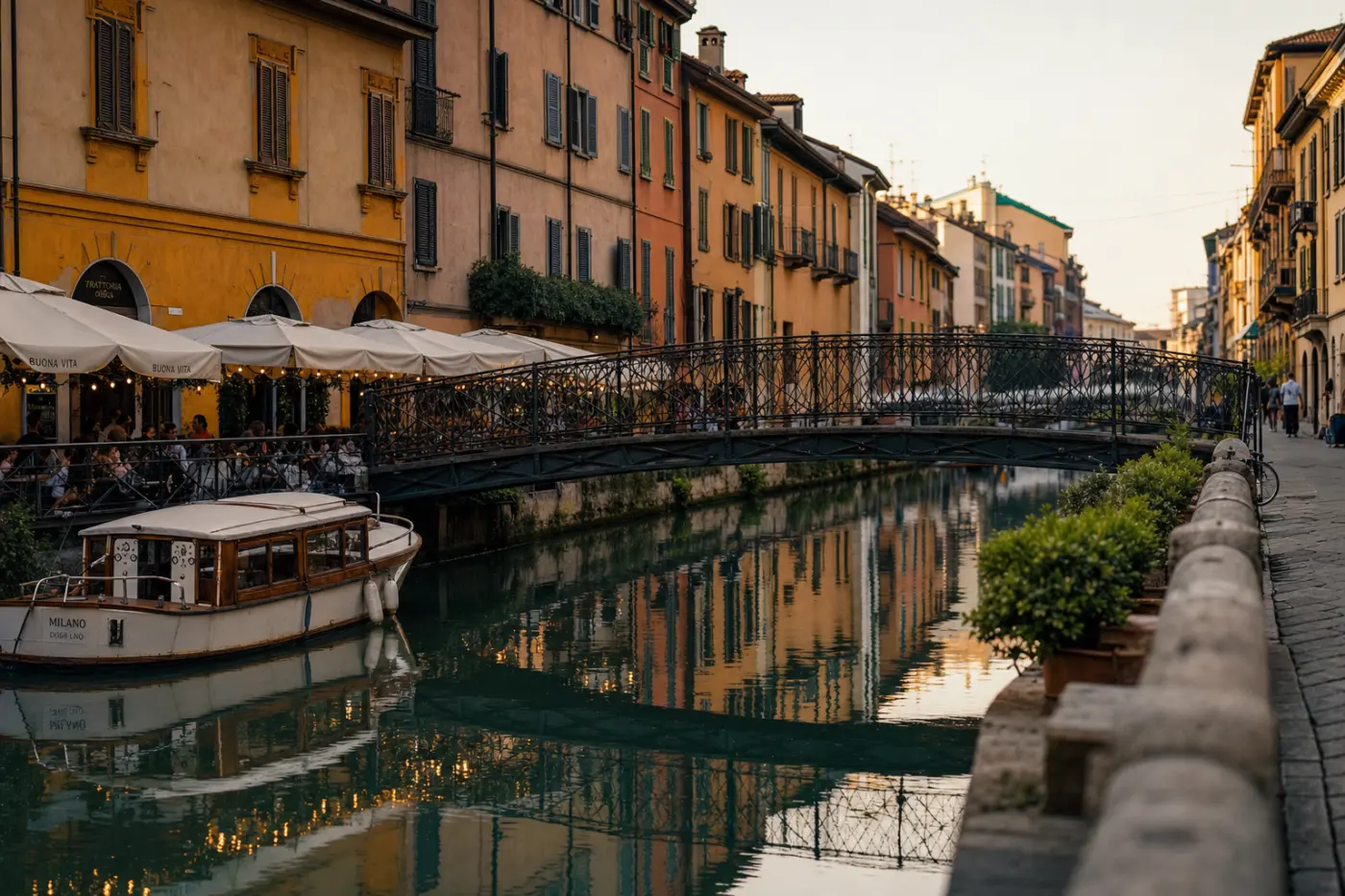
Tourist attraction
Ponte Enrico Molteni is a small iron pedestrian bridge spanning the Naviglio Grande canal in Milan's vibrant Navigli district, sitting along the Alzaia Naviglio Grande embankment flanked by bistros, cafés, and artist studios. The bridge itself is a modest but characterful piece of industrial-era ironwork, typical of the functional crossings built to serve the working canal community that once loaded and unloaded goods along this 49.9-kilometre waterway connecting the Ticino river near Tornavento to the Darsena dock at Porta Ticinese. The Naviglio Grande holds the distinction of being the first major canal engineering project of its kind in Europe after the mid-12th century, making every bridge and landing along its banks a small chapter in a very long story.
The bridge's unofficial name has an entirely contemporary origin. During the Covid-19 lockdowns of 2020, when Milan's streets and canal-side promenades fell silent, local residents began informally naming familiar landmarks after their neighbours. Enrico Molteni — an Italian musician and record producer born in 1976, best known for his work in the indie-pop scene and his longtime collaboration with the band Baustelle — lives just a few steps from this bridge. The name stuck, spread through social media and word of mouth, and by 2024 had become popularly, if unofficially, recognised. It is a rare example of a living person lending their name to a piece of urban infrastructure through affection rather than civic decree.
Visitors crossing the bridge today step into the dual character of the Navigli neighbourhood: by day, a quarter still dotted with craftsmen's workshops and painters' ateliers carrying on a tradition that flourished here from the 19th century onward; by evening, one of Milan's most animated nightlife corridors, where restaurants, bars, and clubs draw crowds from across the city. Tour boats departing from the Darsena pass beneath the bridge, offering a canal-level perspective on the iron spans and the colourful facades stacked along the embankment.
The bridge is best visited in the early morning, when the canal reflects the terracotta and ochre of the surrounding buildings without the evening crowds, or at aperitivo hour — roughly 6 to 9 pm — when the adjacent bars spill onto the towpath and the Navigli comes fully alive. There is no admission charge; the bridge is freely accessible at all times. The nearest tram stop is on Corso di Porta Ticinese, and the area is easily reached on foot from the Porta Genova FS metro station on Line 2.
Private tours with a local guide, at your own pace.
Milan
Milan
Milan
Milan
Milan

Milan
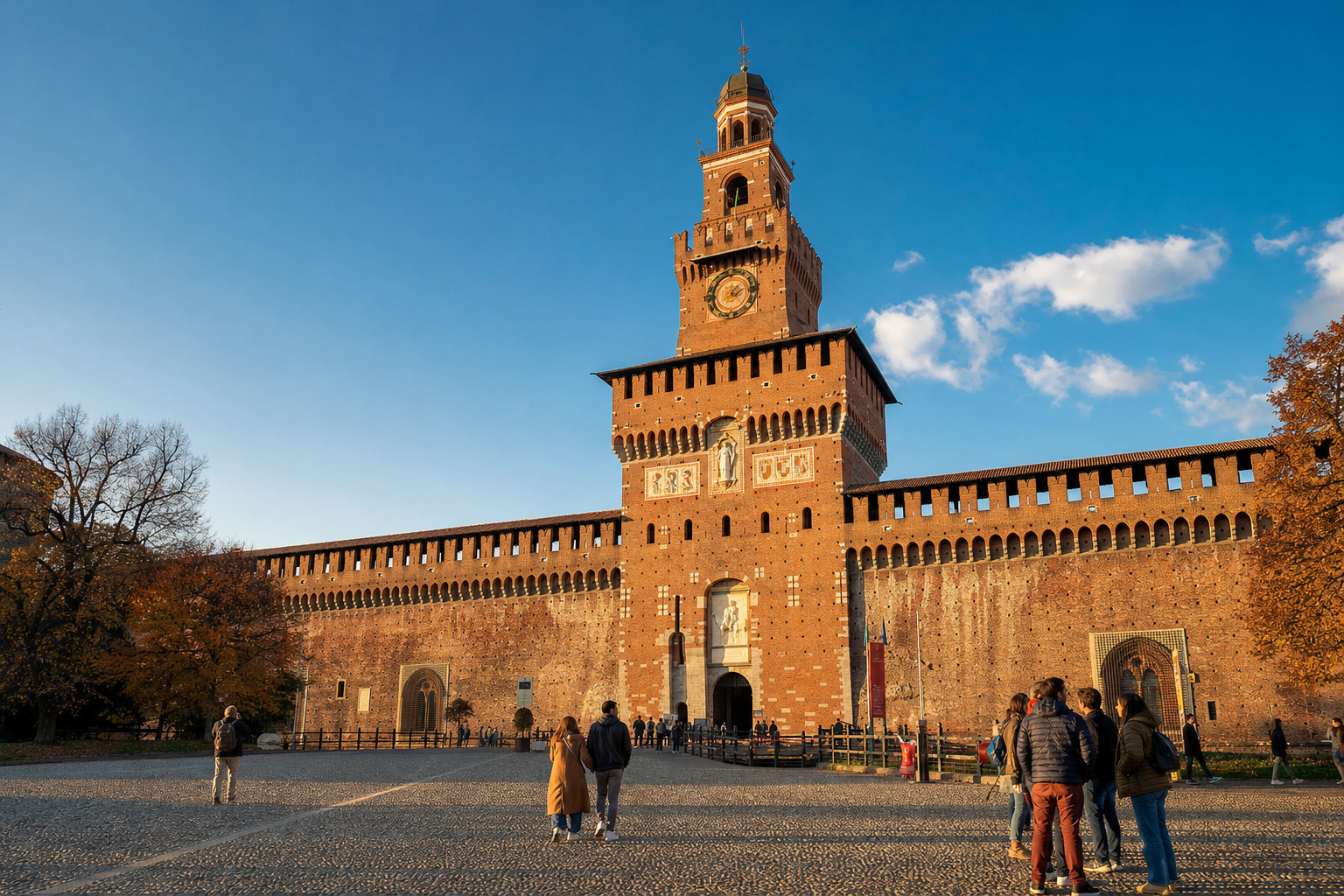
In 1499, when French troops marched into Milan and Ludovico Sforza fled the city he had ruled for nearly two decades, he left behind a castle so vast and so layered with art that it would take another four centuries — and a meticulous neo-Renaissance restoration by architect Luca Beltrami — to make it fully accessible to the public. Today, Castello Sforzesco is one of the largest medieval fortresses in Europe, housing seven distinct museums behind a single €5 ticket. Yet the ticketing system is genuinely confusing: the courtyards are free, the museums are paid, some exhibitions carry a surcharge, and the half-price evening rate is almost entirely unknown to first-time visitors. This guide cuts through every layer — what you'll pay, when to go, which museum room to prioritise above all others, and why Michelangelo's last sculpture, abandoned at his death in 1564, is reason enough on its own to buy a ticket to one of Milan's most underrated cultural treasures.
Read more →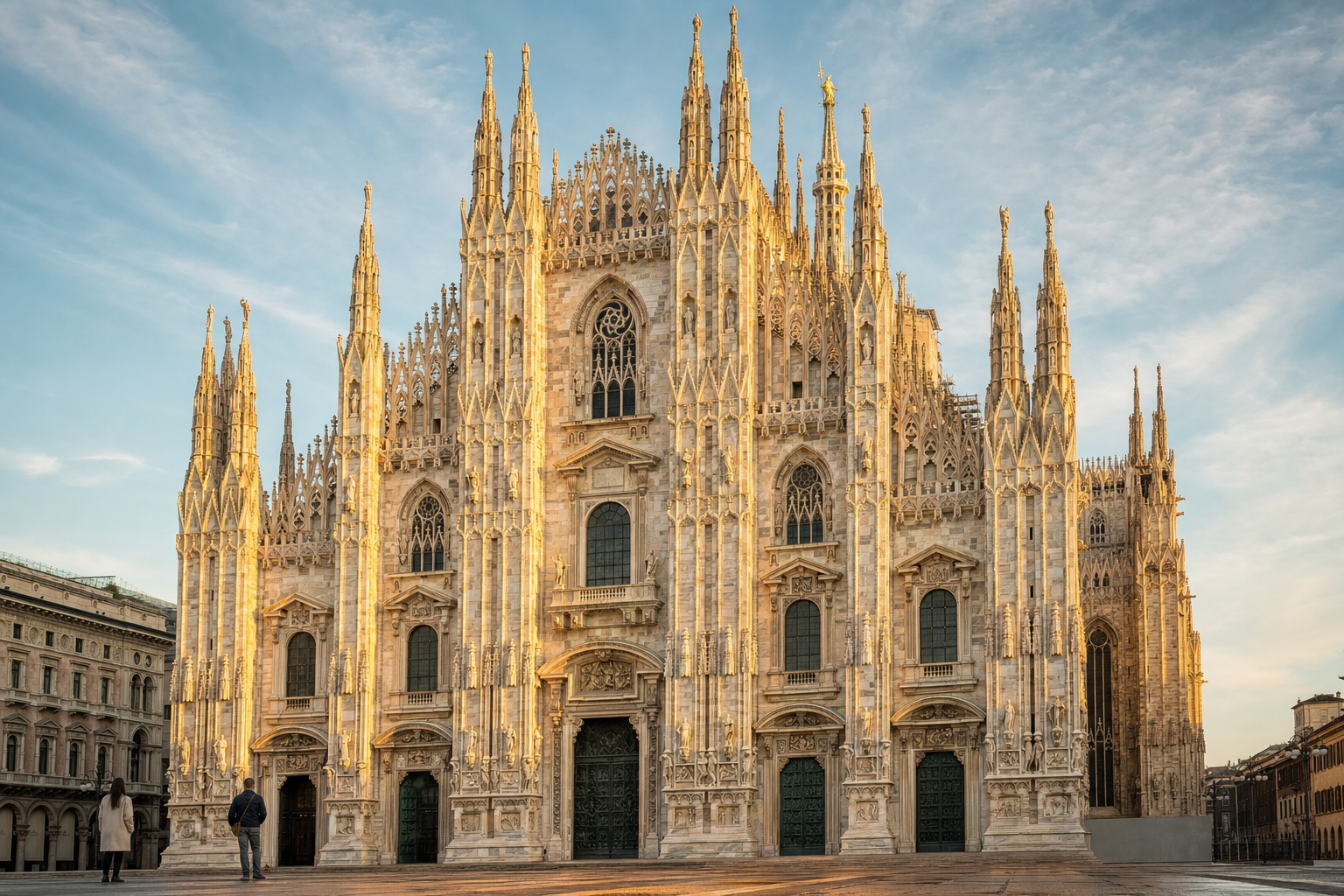
On 26 December 1386, Duke Gian Galeazzo Visconti broke ground on a cathedral so outrageously ambitious that it would take 579 years to finish. The last bronze door of the Duomo di Milano was installed not in the medieval era, not in the Renaissance, but in 1965 — the same decade the Beatles released their first album. That timeline alone tells you something about the scale of what stands at the heart of Piazza del Duomo. With 3,400 statues, 135 spires, and 96 gargoyles and grotesques crowding every surface, it is the most statue-dense Gothic cathedral on earth — a building that rewards not a single glance upward but an hour of slow, deliberate looking. This guide gives you the historical depth, architectural detail, and practical knowledge to experience the Duomo the way it deserves: not as a box to tick, but as the living centre of six centuries of Milanese ambition.
Read more →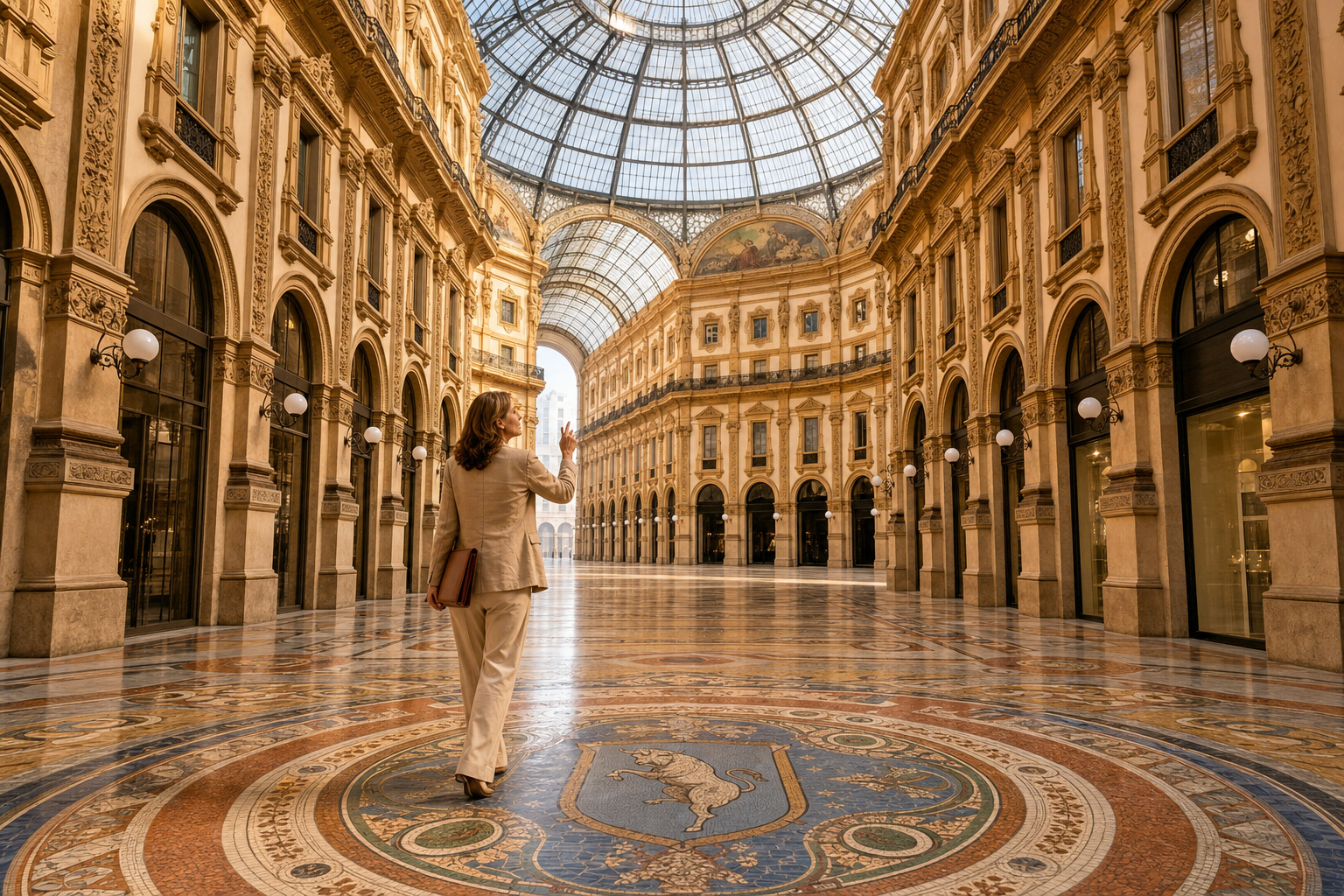
In 1495, Leonardo da Vinci picked up a brush inside a modest refectory on the western edge of Milan and began what would become the most studied painting in human history. He had already been living in the city for over a decade, redesigning its canal network, sketching flying machines, and reshaping the skyline under the patronage of Ludovico Sforza. That single fact — that the world's most famous artist spent nearly 18 years calling Milan home — tells you everything about why this city refuses to be summarised by fashion week headlines or a single Gothic cathedral. Milan is a city of accumulated depth: Roman street grids, Renaissance courts, Napoleonic museums, and a food culture that predates Vienna's most famous dish by centuries. The problem is that most visitors never reach that depth. A private tour guided by someone who actually lives and breathes the city changes that entirely — turning what could be a highlight reel into a genuine encounter with one of Europe's most underrated capitals.
Read more →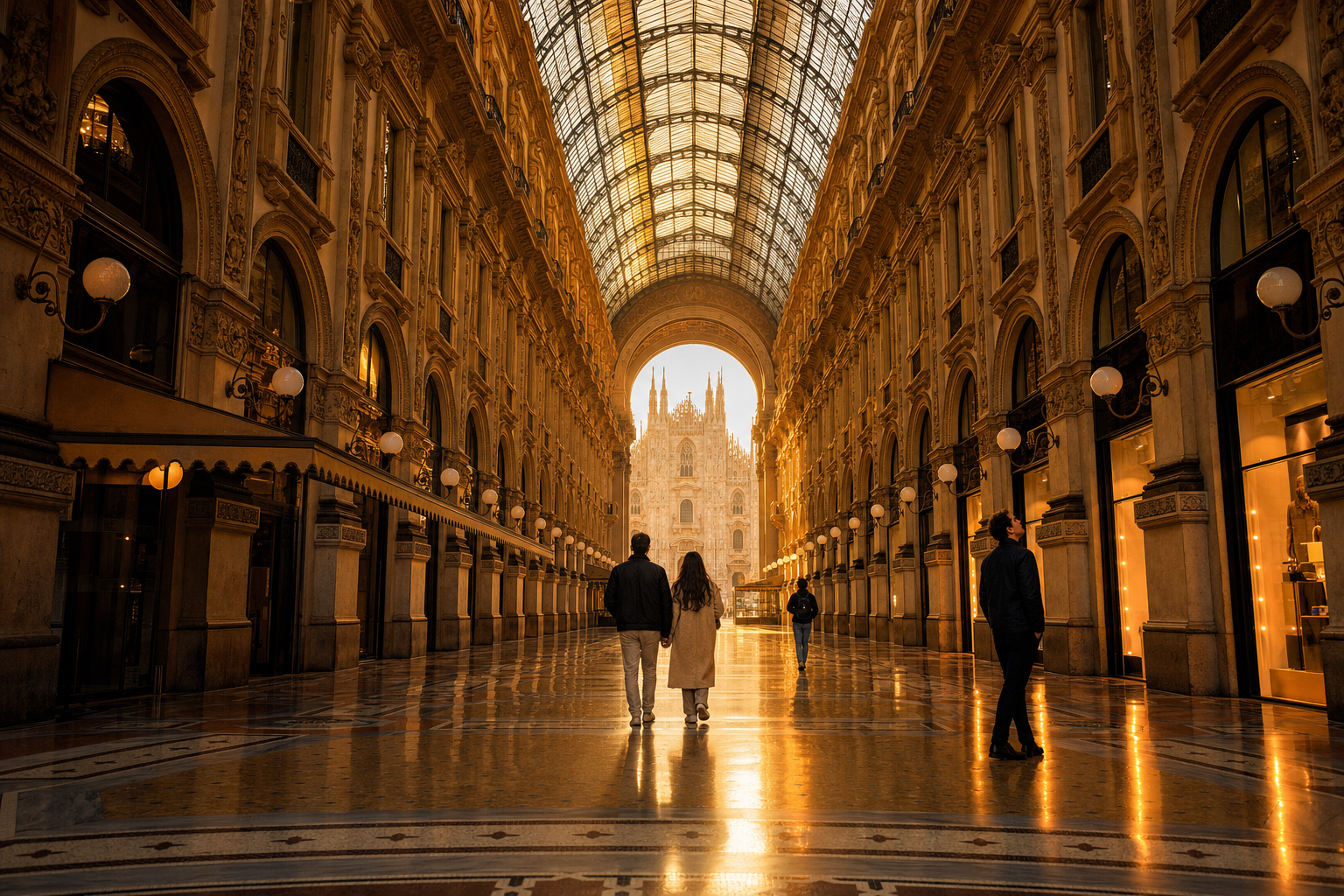
In 1386, the first stone of Milan's cathedral was laid on the orders of Gian Galeazzo Visconti — and the city has been building on ambition ever since. The Duomo di Milano would take 579 years to complete, its façade finally finished in 1965, making it one of the longest construction projects in human history. That tension between ancient foundations and relentless forward momentum is what makes Milan unlike any other Italian city. It is simultaneously the country's financial engine (its metropolitan area accounts for roughly 20% of national GDP), the global headquarters of fashion and design, and the custodian of two UNESCO World Heritage Sites. A well-planned Milan itinerary unlocks all of this — the Gothic spires and the aperitivo bars, Leonardo's fragile mural and the Navigli canals he helped engineer, the Renaissance castle and the Quadrilatero della Moda. Whether you have 2 days on a layover or 5 days to go deep, this guide gives you the structure — and the specific details — to make every hour count.
Read more →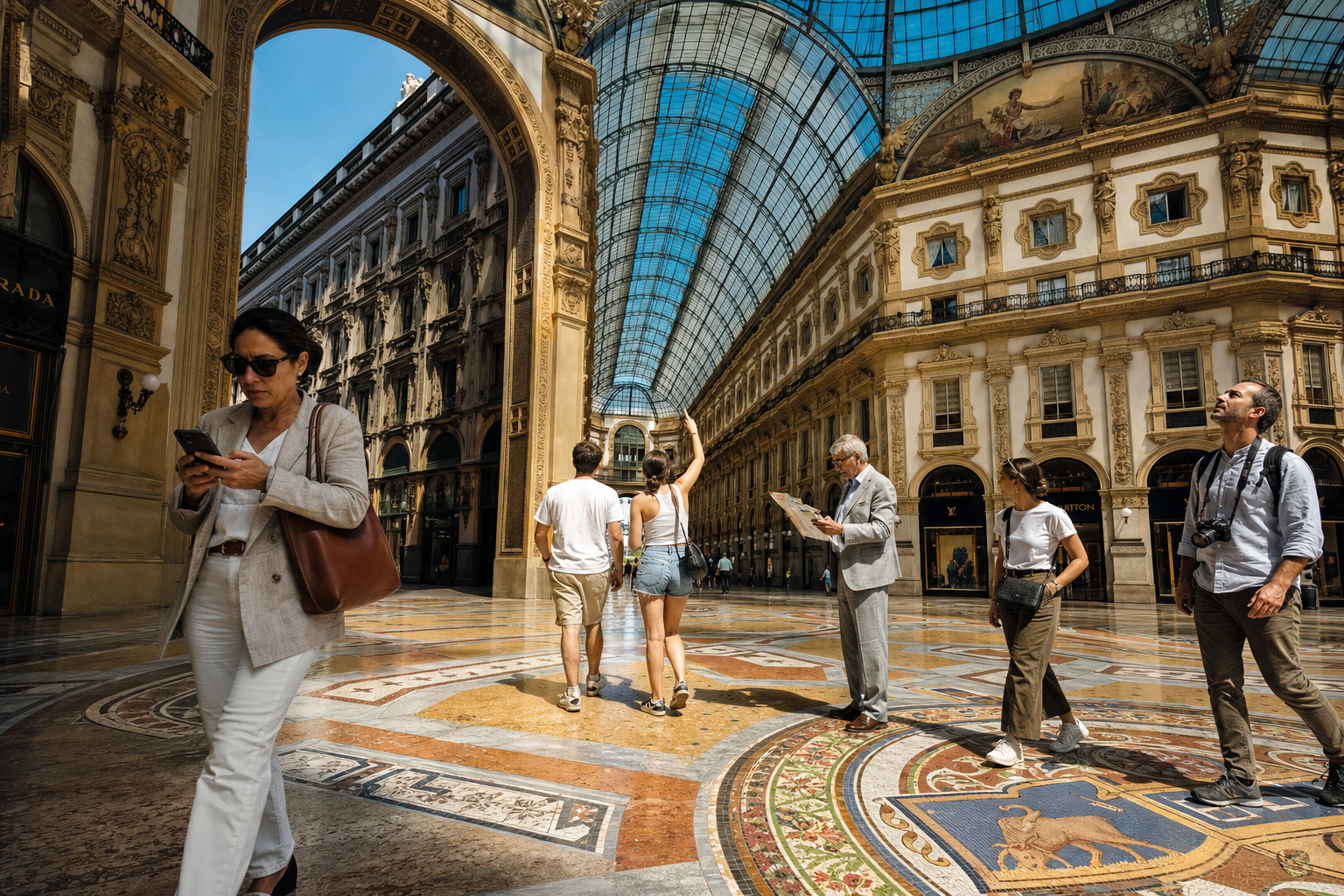
In 1386, the first stone of the Duomo di Milano was laid under the orders of Gian Galeazzo Visconti — and the cathedral wouldn't be officially completed until 1965, nearly six centuries later. That single fact tells you everything you need to know about Milan: this is a city that operates on a scale most visitors underestimate. Milan is Italy's financial capital, its fashion capital, and — if you know where to look — one of its most historically layered cities. The same streets where Leonardo da Vinci engineered a network of canals in the 1490s now host the country's most vibrant aperitivo scene. The neighborhood where Empress Maria Theresa founded an art academy in 1776 is today lined with contemporary galleries and some of the best restaurants in northern Italy. Milan doesn't announce itself the way Rome or Florence do. It rewards curiosity, local knowledge, and a willingness to step past the obvious. This guide cuts through the noise and tells you exactly what's worth your time — and what isn't.
Read more →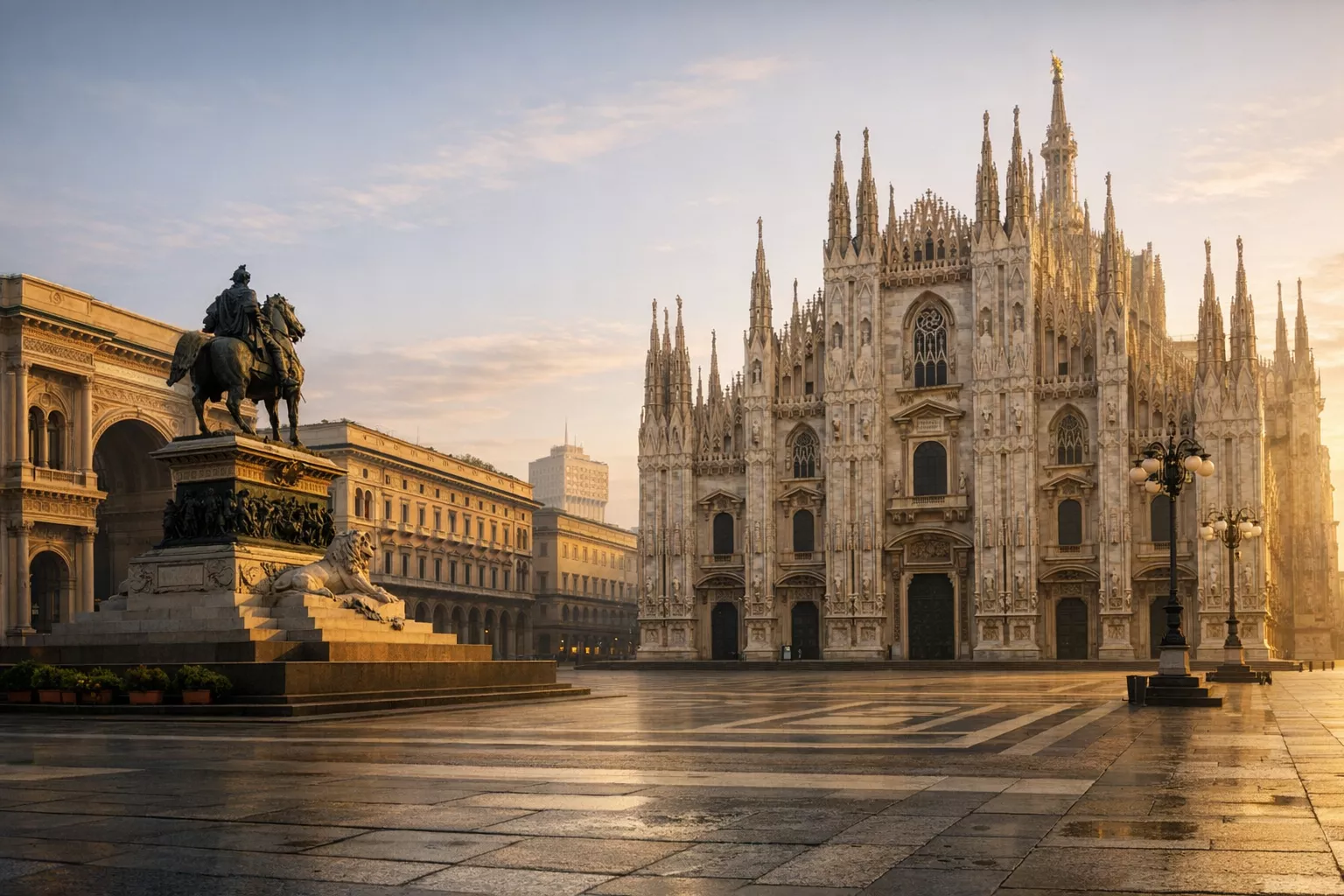
Milan, the vibrant heart of Italy, offers a captivating mix of history, art, fashion, and delicious cuisine. Whether you're a first-time visitor or a seasoned traveler, this city has something for everyone. Dive into its remarkable landmarks and hidden gems, and savor the local flavors. Here’s what to do in Milan, featuring exclusive tours that can enhance your experience.
Read more →We use a single cookie, to remember this choice. We do not use analytics or advertising cookies. Read our cookie policy.