3 - 4 hrs
Paris
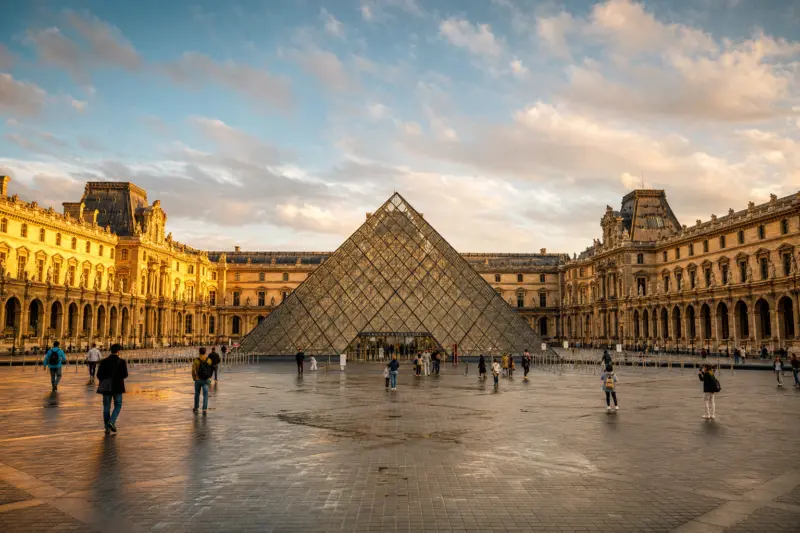
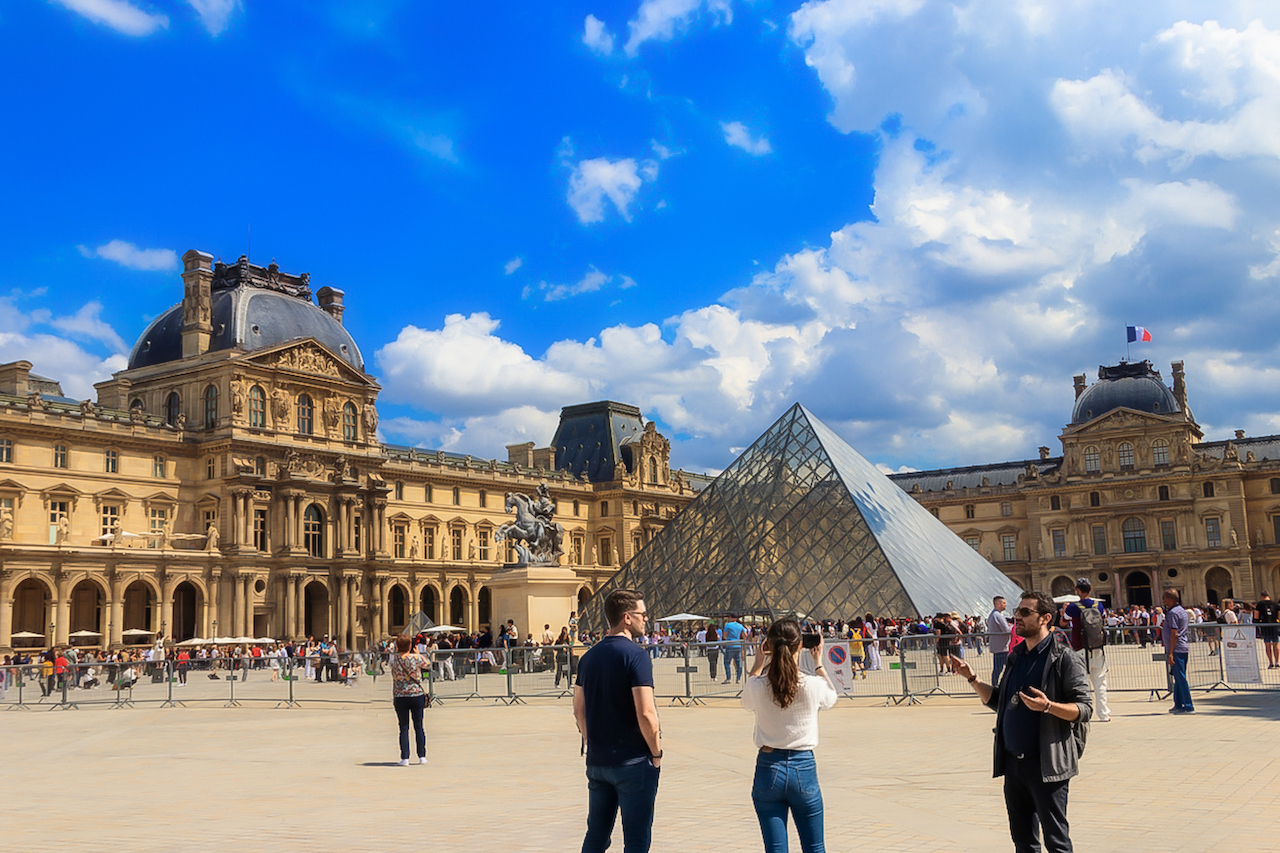
Paris Private Tour to Louvre Museum & French Crepes
✓ Free cancellation Kids friendly
5.0(26 reviews)
From €215/ person
Book Now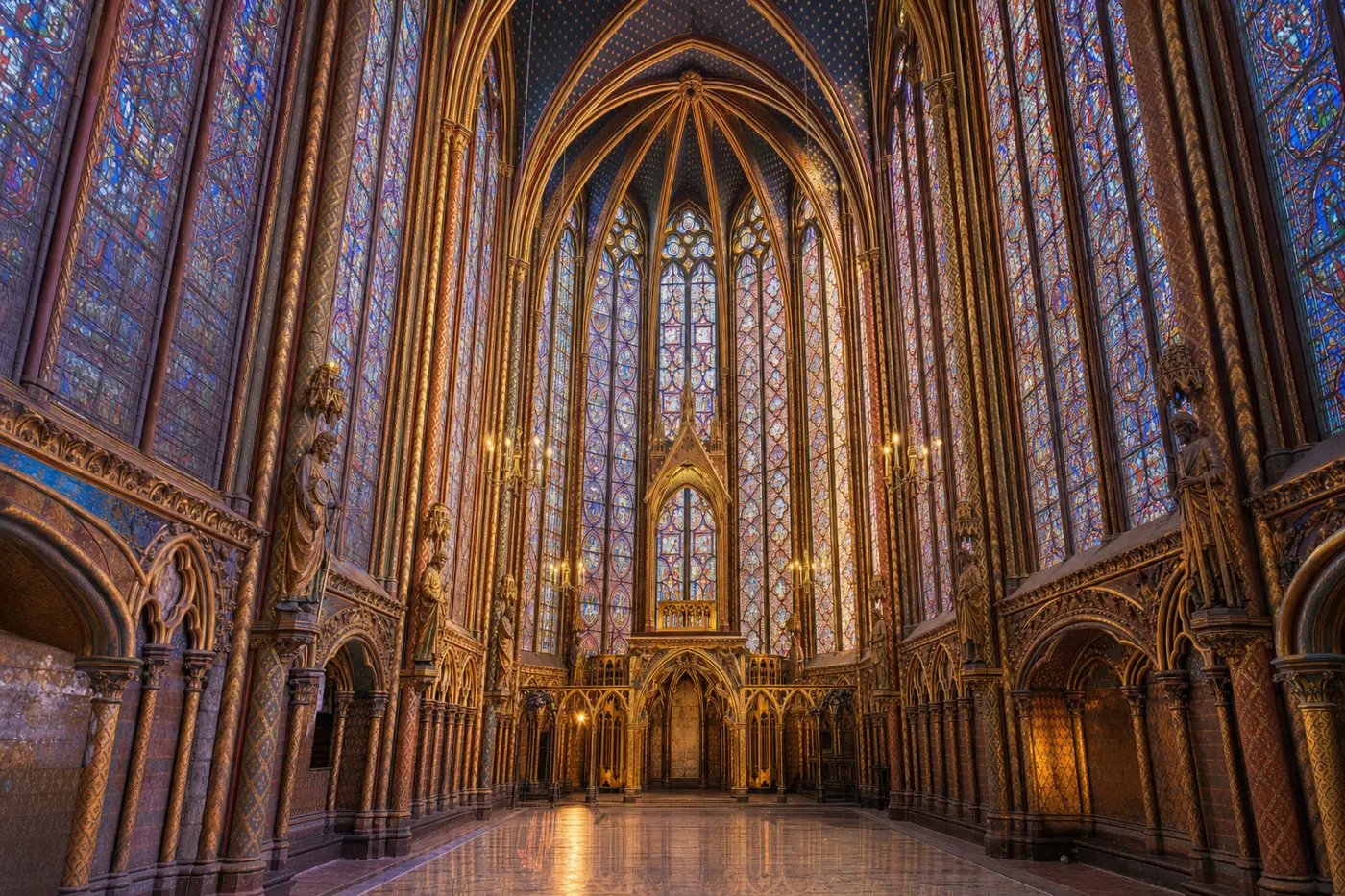
Tourist attraction
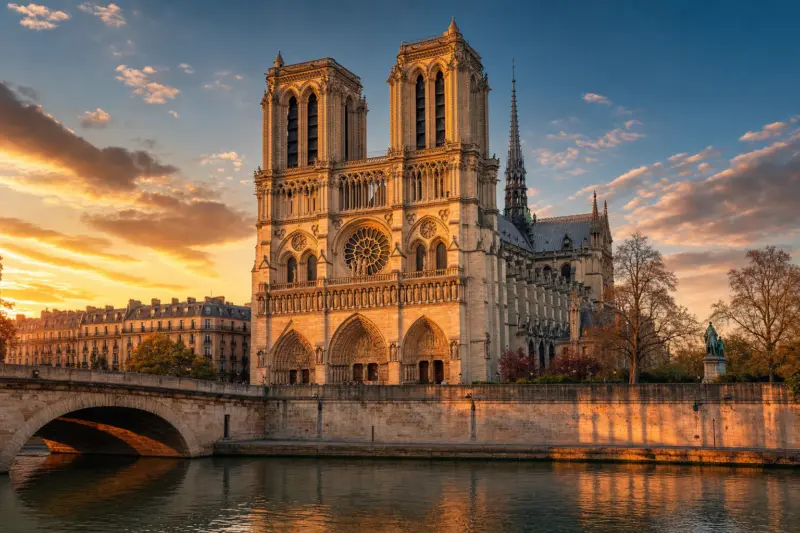
Sainte-Chapelle is a royal Gothic chapel built between 1242 and 1248 on the Île de la Cité, commissioned by King Louis IX — later canonized as Saint Louis — to house the most prized relics in Christendom. Having purchased Christ's Crown of Thorns from the Latin Emperor of Constantinople, Baldwin II, for the staggering sum of 135,000 livres (nearly three times the annual revenue of the French crown), Louis needed a monument worthy of the acquisition. The result was a chapel whose construction cost a comparatively modest 40,000 livres, a deliberate statement that the relics themselves were the true treasure. The Crown of Thorns, along with a fragment of the True Cross, was kept in the upper chapel until the French Revolution, when the relics were transferred to Notre-Dame Cathedral, where they remain today.
Architecturally, Sainte-Chapelle stands as the supreme expression of the Rayonnant Gothic style — a period defined by the dissolution of solid walls in favor of vast, luminous glazing. The upper chapel's 15 floor-to-ceiling windows, each reaching 15 meters in height, contain 1,113 individual scenes rendered across 600 square meters of stained glass, depicting narratives from Genesis through the Apocalypse of John, as well as the story of Louis IX acquiring the relics. Approximately two-thirds of the original 13th-century glass survives intact, making this the largest preserved medieval glazing program in existence. The window depicting the Book of Revelation alone contains 119 individual panels. Stone was reduced to a structural minimum — slender piers and delicate tracery — so that the walls appear to be composed entirely of color and light.
The chapel is divided into two levels reflecting the strict social hierarchy of medieval court life. The lower chapel, with its painted stone columns and low vaulted ceiling, served the palace servants and staff. The upper chapel, accessible by a spiral staircase, was reserved for the royal family and court, who could enter directly from the adjacent Palais de la Cité — the first royal palace of France, which also housed La Conciergerie. Standing in the upper chapel on a sunny morning, when light filters through the deep blues, reds, and golds of the medieval glass, the entire stone structure seems to dematerialize, replaced by a continuous luminous skin of biblical narrative.
Sainte-Chapelle is located at 10 Boulevard du Palais, Paris 75001, within the courtyard of the Palais de Justice. The nearest Métro is Cité on Line 4. Entry costs €13, and timeslot reservation is mandatory — booking online in advance is strongly recommended, as queues can be long. The chapel opens daily at 9am (closing at 5pm October through March, and 7pm April through September). Between March and November, the chapel hosts acclaimed classical music concerts in the evenings — hearing Mozart or Vivaldi performed beneath these windows is an experience that justifies a trip to Paris on its own.
Private tours with a local guide, at your own pace.
Paris
Paris
Paris
Paris
Paris
Paris
Paris
Paris
Paris
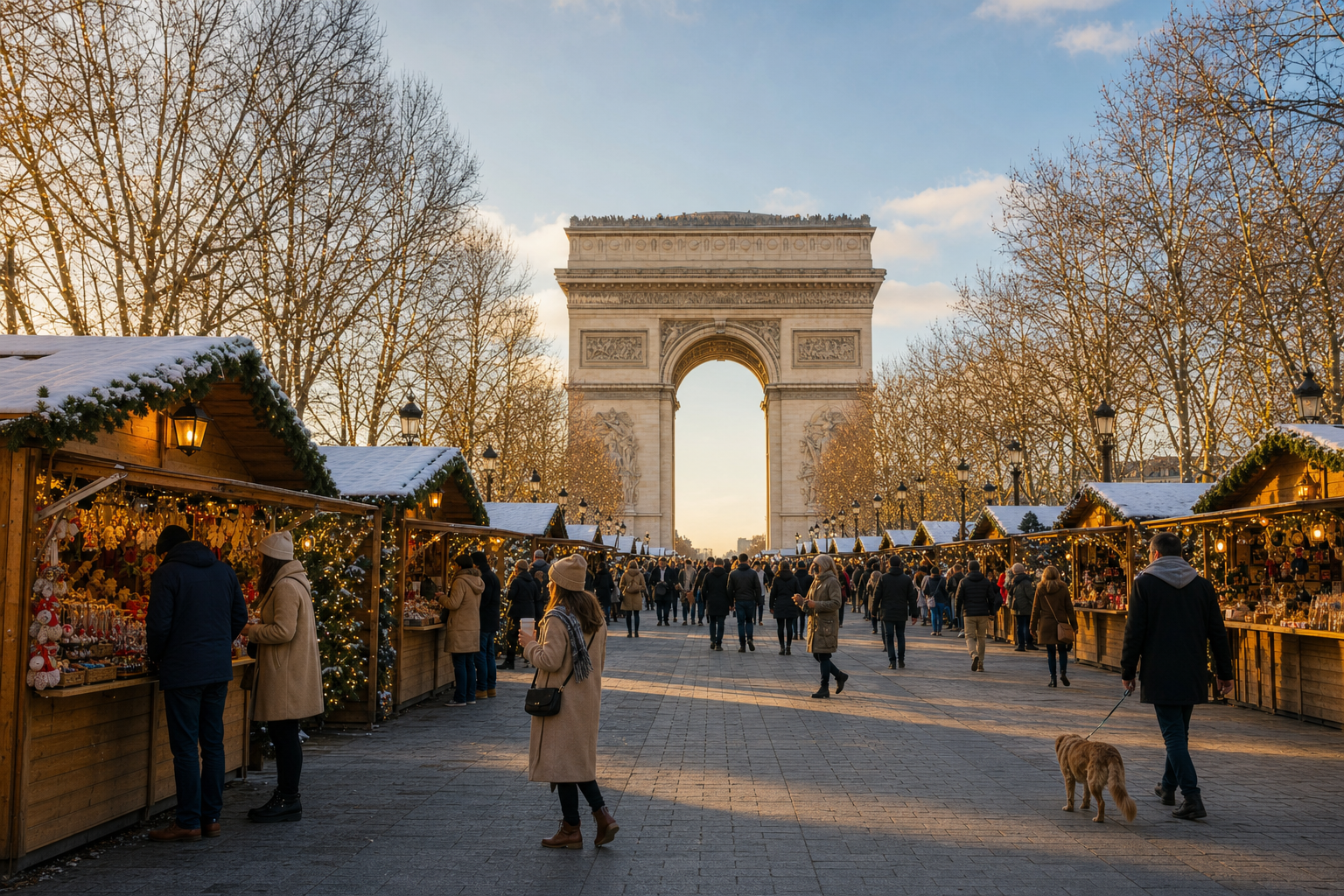
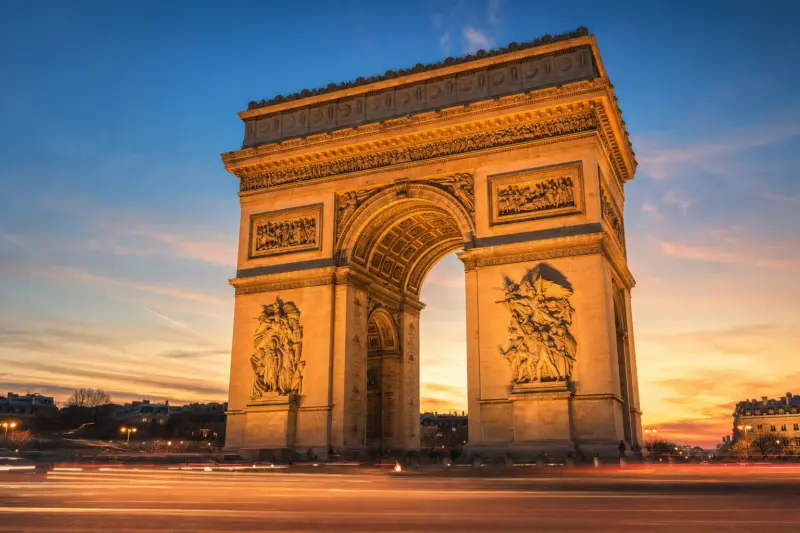
Every year in late November, the Avenue des Champs-Élysées transforms into one of Europe's most iconic holiday promenades — roughly 170 wooden chalets strung with warm lights stretching from the Rond-Point all the way toward the Arc de Triomphe. The tradition dates back to the city's earliest marchés de Noël in the 1990s, inspired by Alsatian markets that have been running since the 15th century. But Paris in December 2026 is more than one market: it is a layered experience of mulled wine, hand-thrown ceramics, roasted chestnuts, and illuminated monuments that draws over 15 million visitors to the city across the festive season. Knowing which markets to visit, in what order, and how to weave them into a broader exploration of Paris is what separates a memorable trip from an exhausting one. This guide gives you the facts, the insider angles, and the best ways to combine Christmas market crawls with expertly led tours of the city's landmarks.
Read more →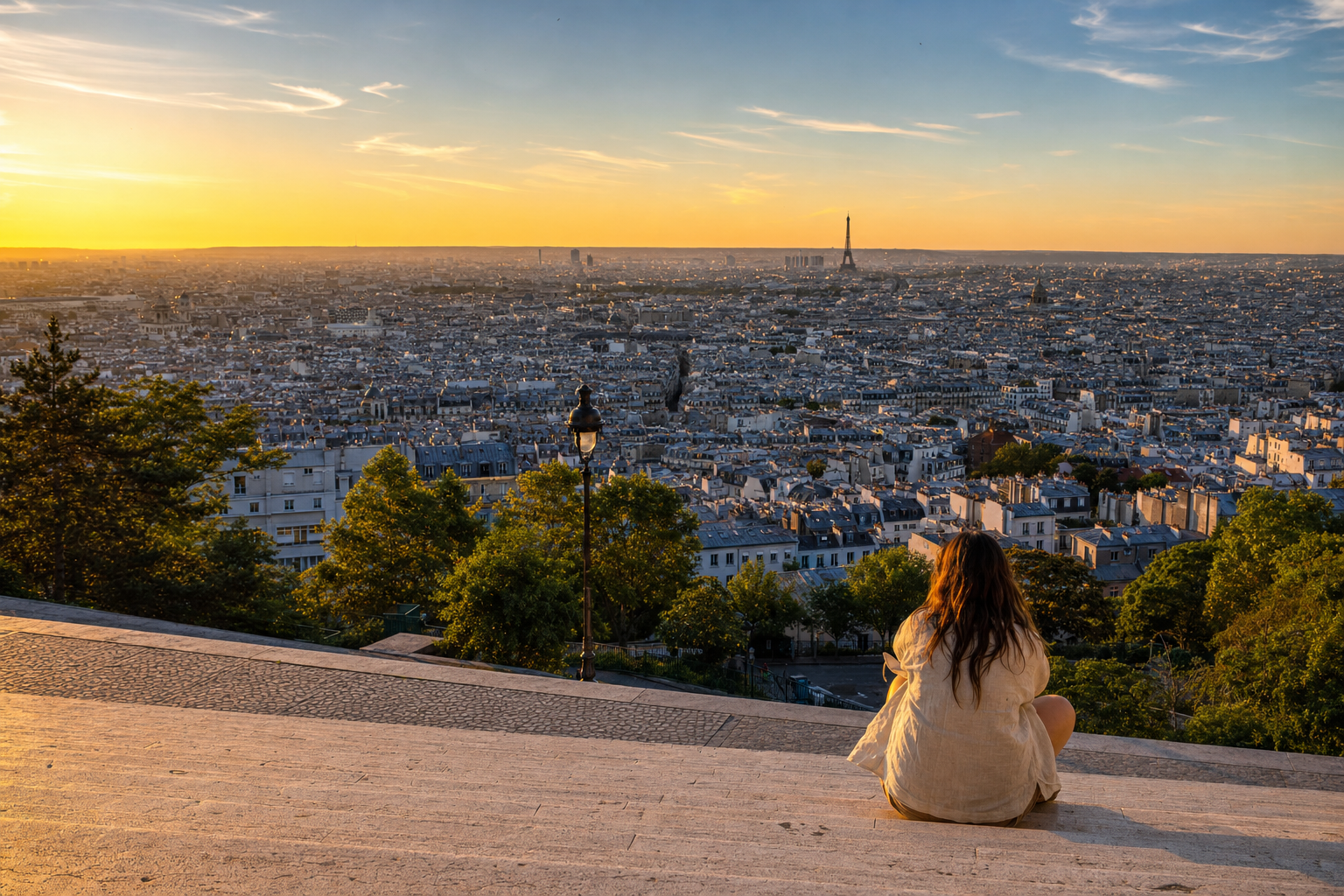
In 1860, Napoleon III and his chief urban planner Baron Haussmann redrew the map of Paris overnight — annexing 11 surrounding communes, bulldozing medieval lanes, and expanding the city from 12 to 20 arrondissements in a single administrative stroke. That decision still shapes every walk you take today. The arrondissement boundaries you follow on Google Maps are not neutral postal zones — they are the fossilised outlines of political ambition, class conflict, and architectural ego that stretch back nearly two centuries. Paris covers just 105.4 km², yet within that compact space, a ten-minute walk can move you from a 17th-century royal garden to a 21st-century street-art corridor. That contrast is not accidental. Understanding why these neighborhoods exist — who built them, who was meant to live in them, and who fought over them — transforms a standard Paris trip into something far richer. This guide cuts through the landmark checklist and gives you the geographic and historical logic that makes every corner of the city legible.
Read more →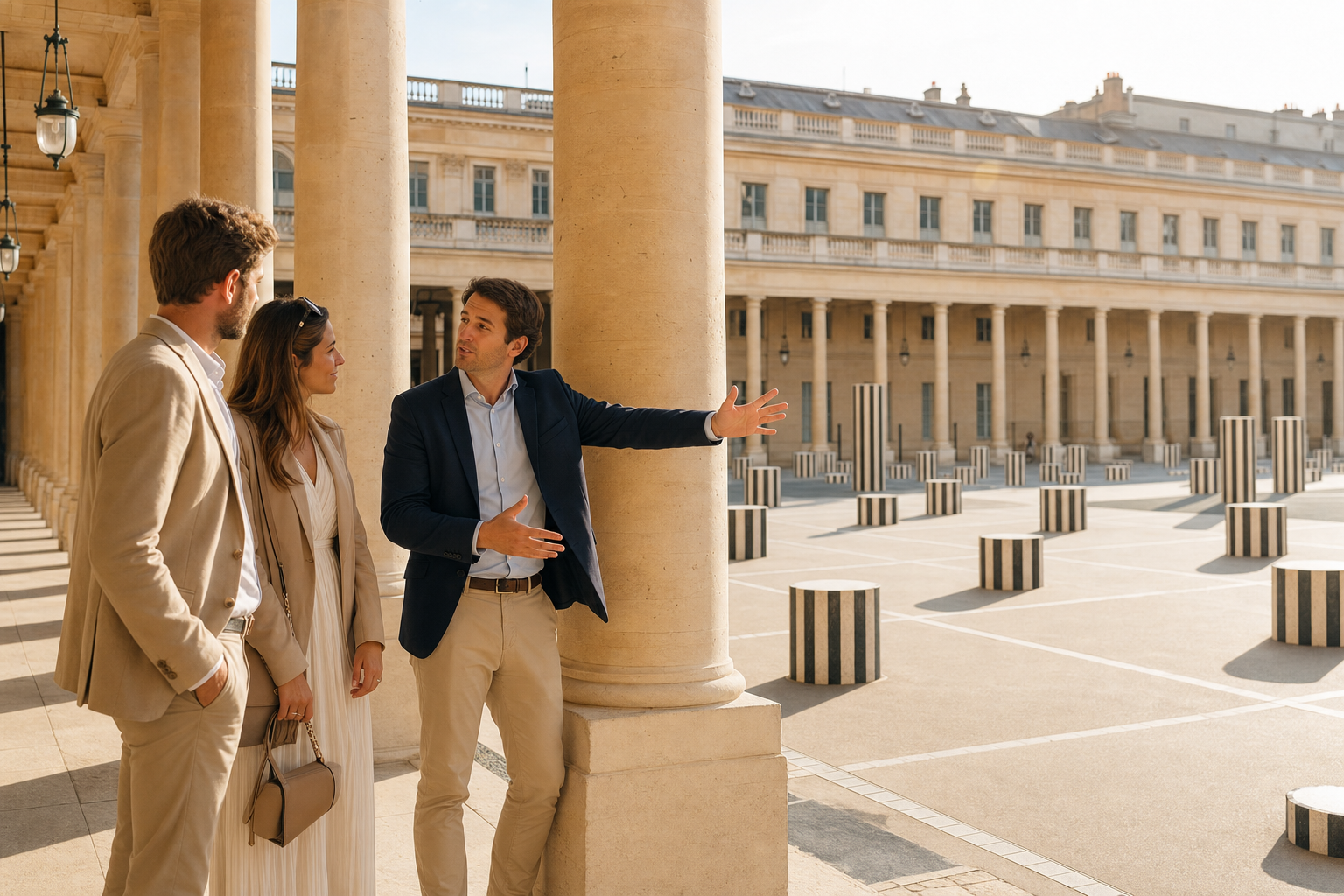
Around 250 BC, a Celtic tribe called the Parisii paddled out to a small marshy island in the Seine and built the settlement that would eventually become the most visited city on earth. Two thousand and some years later, that same island — the Île de la Cité — sits at the geographic and spiritual heart of a metropolis that receives roughly 38 million international visitors a year, many of whom leave having seen surprisingly little of what actually makes it extraordinary. The paradox of Paris is that its fame is also its greatest obstacle. Visitors arrive with a mental checklist assembled from a century of postcards and Instagram feeds, and they work through it efficiently and joylessly, photographing things they don't yet understand. Private tours in Paris exist precisely to break that pattern — not by moving faster through the same checklist, but by fundamentally reframing what you're looking at and why it matters. This guide explains which tours are worth your time, what the numbers genuinely justify, and how to build a Paris experience that earns its memories.
Read more →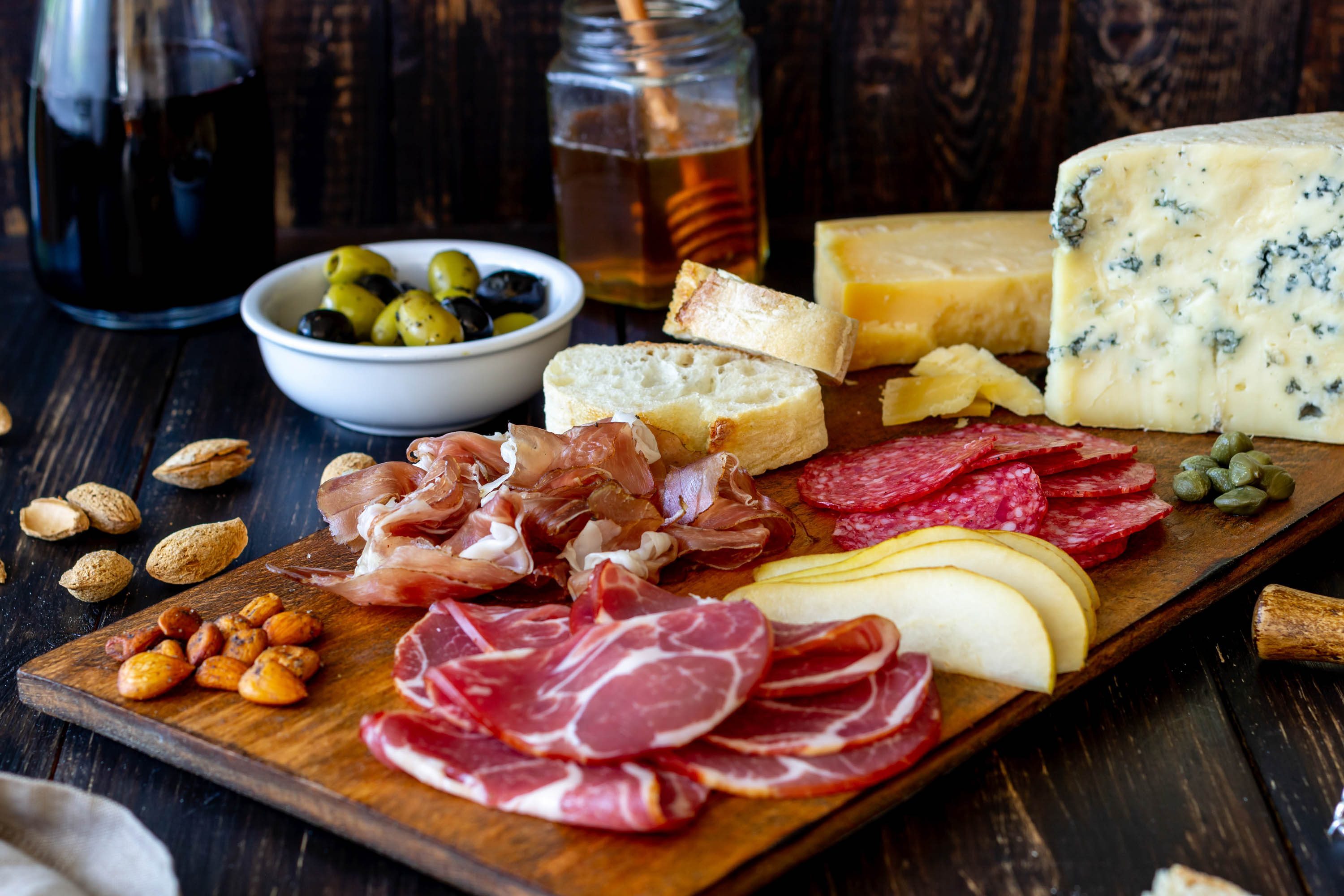
French cuisine and wines have had a profound impact on international cuisine, influencing the way that food and drink are prepared, enjoyed, and perceived all over the world. From classical cooking techniques to the finest wines, the influence of French food and drink can be seen in kitchens and dining rooms the world over.
Read more →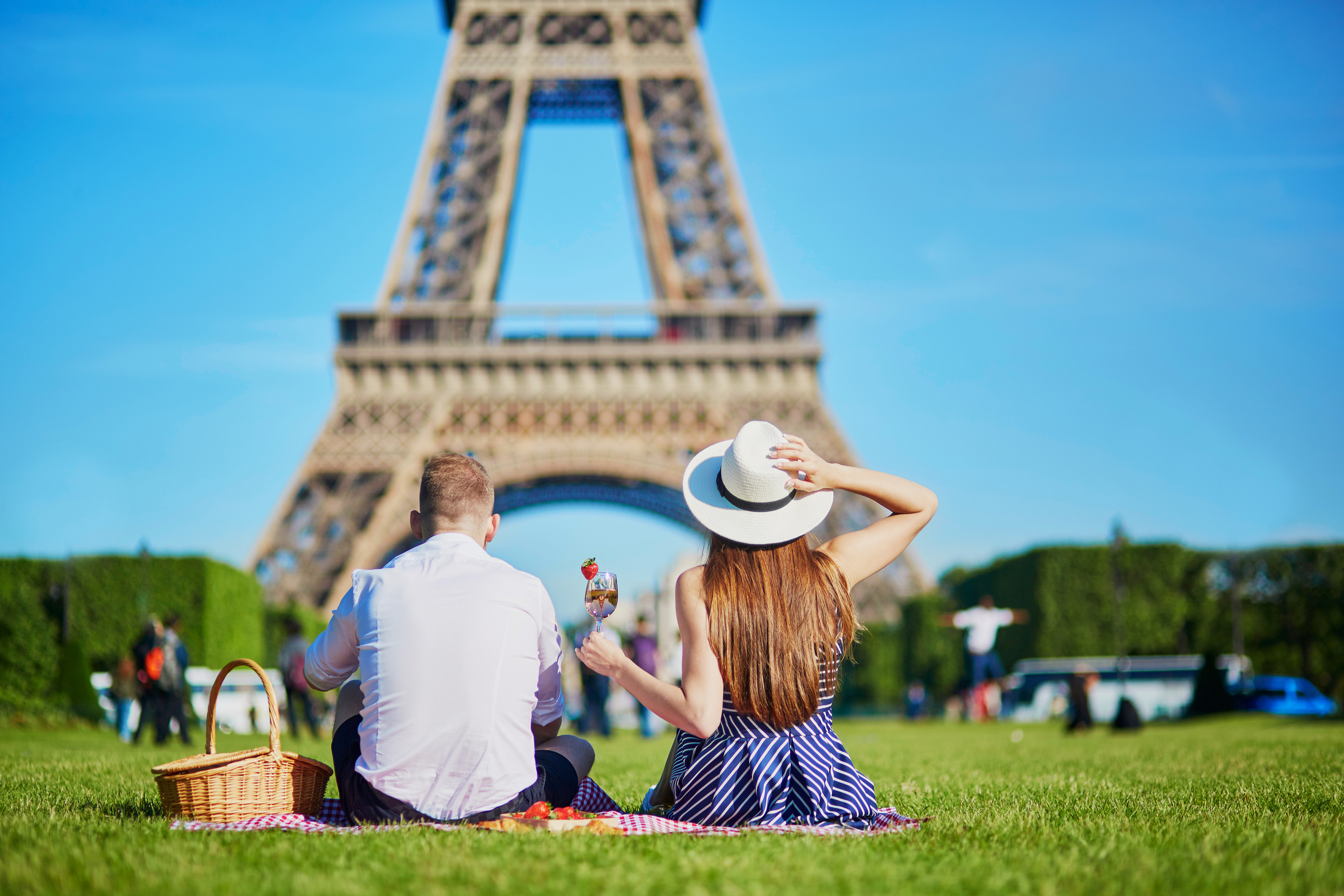
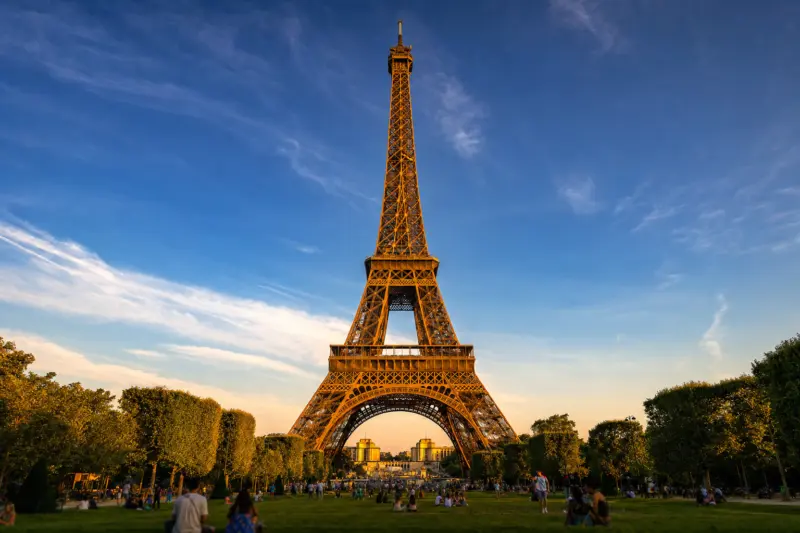
As everyone knows, the Eiffel Tower is the most famous monument of Paris, and symbol of the French capital... although it hides many secrets! The city of love, is one of the most beautiful and visited in the world. It radiates splendor and art at every step and along the Seine run ships in which hundreds of lovers travel every day. And it is on the banks of the Seine that we find the highest Parisian monument: the Eiffel Tower.
Read more →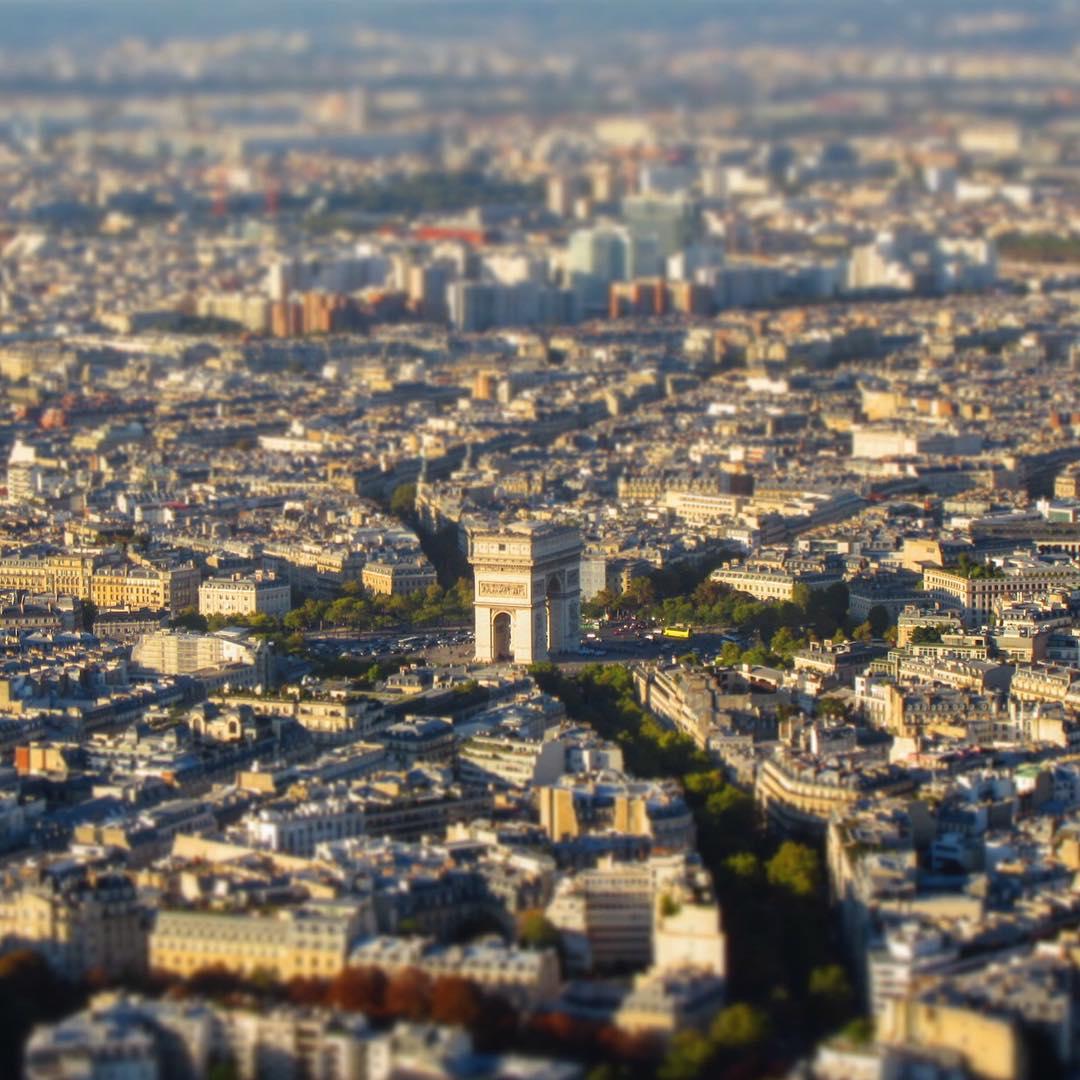
Paris did not always have the grand and stately look that so characterizes it today. At the beginning of the 19th century, the bourgeoisie was becoming the new political force in the country. This new social situation demanded certain objective needs, such as population growth, cleanliness and hygiene in the face of disease and epidemics, and new forms of transport in the cities, such as the use of the railroads. In 1852, Napoleón III gave the official Haussmann the task of 'modernizing' Paris and making it safer, healthier, more hospitable and more passable. Streets were removed, old houses and buildings were demolished, and almost 60% of the city and its buildings were remodeled. The main characteristics of this remodeling of the city were the construction of large avenues and boulevards, like Champs Elysees, with extensive gardens, that have made famous the Paris of today, like the Tuileries Gardens. It unified the characteristics of the buildings such as the height and certain elements of the facades and created landmarks in the city such as the Arc de Triomphe or the Grand Palace of the Opera. Another political advantage was the fact that it made any kind of revolt or barricade more difficult, something that with the old narrow streets was simple, but that the wide avenues not only complicated it but also facilitated the movement of troops, battalions, and even artillery through the city if necessary. Private businesses provided the boulevards with social life when they began to fill up with cafes and stores on the first floors of the buildings. Buildings whose rents were highly elevated and whose construction required a series of architectural rules such as height, 6 floors, one house per level, and a maximum of 20 meters, including mezzanines and roofs. Roofs that had to be made of zinc or lead, with a 45º slope and have mansard. With so many guidelines and little margin to show off on the part of the architects, a style was created given the similarity of all the buildings, the Haussmann Style. In general, the house on the second floor was reserved for the richest families, especially until the appearance of the elevator in 1870 and the ceilings of the house were higher than the rest of the floors, as well as the most ornate windows with the balconies running along the entire facade. The balcony on the 5th floor was simpler since its purpose was to give balance to the facade and give it uniformity. The last floor, the 6th, was reserved for the service, it was divided into many small rooms and a common toilet and the access was a service staircase that led to the kitchens of the apartments of the building.
Read more →We use a single cookie, to remember this choice. We do not use analytics or advertising cookies. Read our cookie policy.