3.5 hrs
copenhagen
Copenhagen Alternative Private Tour: Vesterbro & Christianshavn
✓ Free cancellation Kids friendly
4.7(0 reviews)
From €311/ person
Book Now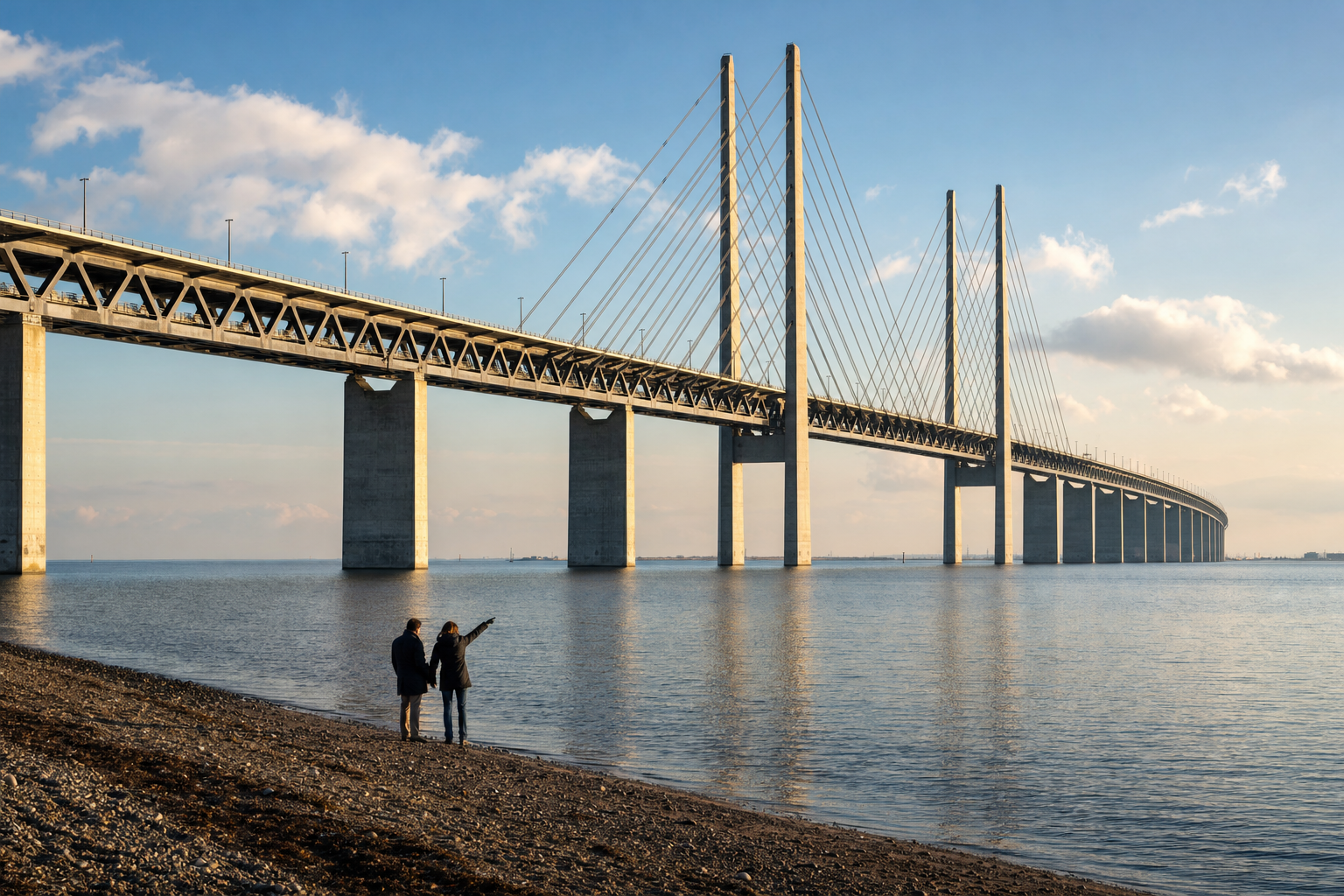
The fastest, most comfortable way to make a Malmö day trip from Copenhagen is the Øresundståg regional train, which runs directly from København H (Copenhagen Central Station) to Malmö Centralstation in approximately 35–40 minutes with no changes required. Trains depart every 20 minutes throughout the day, making this one of the most flexible cross-border connections in Europe. Tickets can be bought at the station ticket machines, via the DSB app (on the Danish side), or through Skånetrafiken on the Swedish side. Prices start from around 99 DKK (roughly €13–14) for a single journey, though promotional fares can dip lower. Note a mild cross-border quirk: ticket machines at København H dispense prices in DKK, while Malmö C machines quote SEK — both are valid for the same journey.
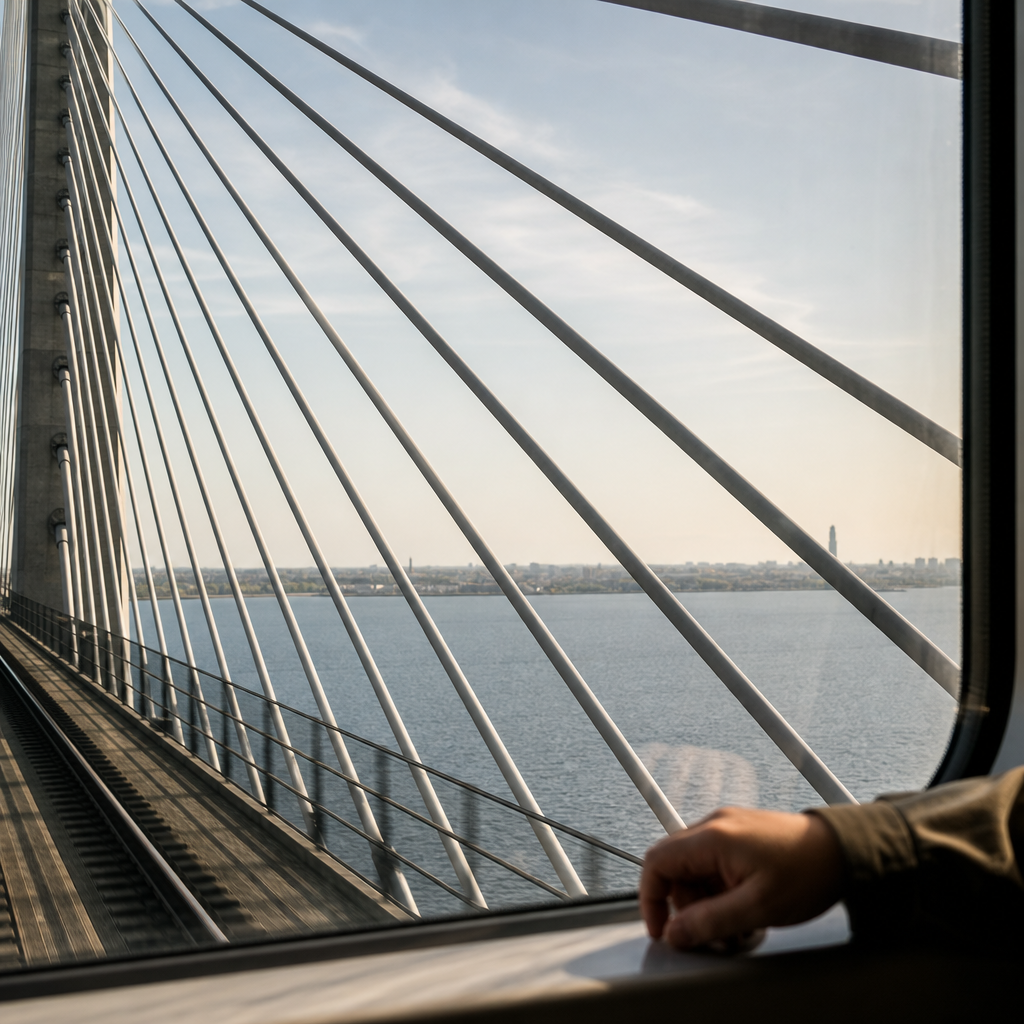
No passport is required, as both Denmark and Sweden are Schengen Area members, but it is worth carrying a photo ID: spot checks on the Øresund route have occurred periodically since 2016, when Sweden temporarily reintroduced border controls. The train journey itself is an attraction — roughly half the ride crosses the iconic Øresund Bridge, offering wide views across the strait.
That bridge is an engineering landmark in its own right. The fixed link comprises three sections: a 4-kilometre underwater tunnel from Copenhagen's Kastrup (starting at the artificial peninsula of Peberholm), a 4-kilometre artificial island called Peberholm, and an 8-kilometre cable-stayed bridge stretching to the Swedish shore — 16 kilometres in total. It opened to traffic on 1 July 2000. By bus, the same journey takes around 55 minutes and costs from €8, but the schedule is less frequent. Driving is possible but adds toll costs (currently around 460 SEK / 310 DKK each way for a standard car). The train wins on every count. For a fully guided experience across the bridge and into the city, consider the Malmö Full Day Private Trip with Swedish Lunch — the stress-free way to do it properly.
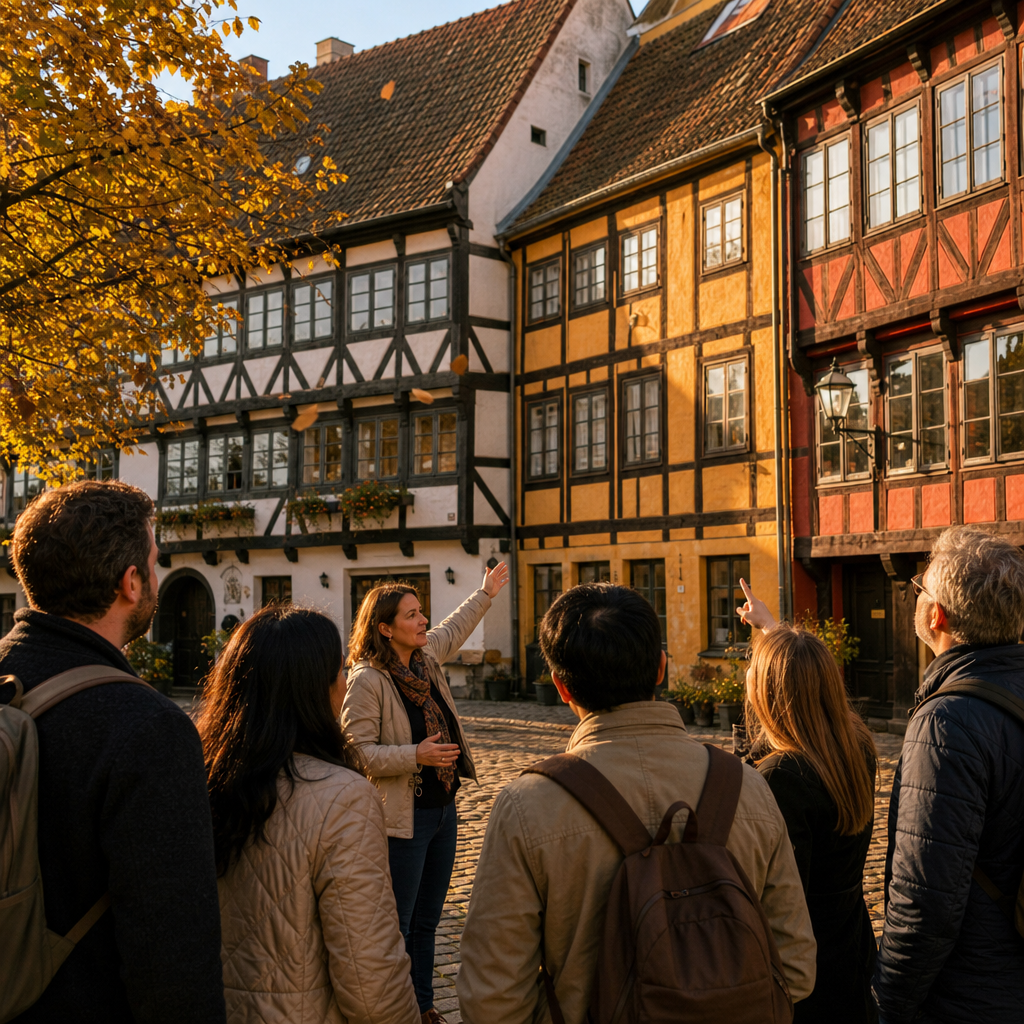
Malmö's identity was forged in heavy industry. For most of the 20th century the city was dominated by the Kockums shipyard, one of the largest in the world, which at its peak employed tens of thousands of workers and built supertankers visible from across the strait. When Kockums closed in the 1980s, the economic blow was severe — but it triggered one of Scandinavia's most ambitious urban reinventions, turning former docklands into the showpiece Western Harbour (Västra Hamnen) district.
The most dramatic symbol of that reinvention stands 190 metres above the harbour: the Turning Torso, completed in 2005 and designed by Spanish architect Santiago Calatrava. Sweden's tallest residential building twists 90 degrees from base to top, inspired directly by Calatrava's earlier marble sculpture Twisting Torso (1999). It remains one of the most recognisable skyscrapers in Northern Europe and is visible from much of the city.
Malmö's older layers are just as rewarding. Stortorget, the main square in Gamla Staden (Old Town), is flanked by the Renaissance-style Town Hall (1546) and anchored by an equestrian statue of King Karl X Gustav. Just behind it stands St. Peter's Church, a brick Gothic cathedral consecrated in 1319 — one of the oldest and finest examples of Baltic brick Gothic in Scandinavia, with a 15th-century sacristy containing exceptionally well-preserved medieval frescoes. A short walk away, Lilla Torg is a cobblestoned 16th-century market square enclosed by half-timbered merchant houses that now shelter independent bars and cafés.
Malmöhus Castle, completed in 1537 on the orders of King Christian III of Denmark (Malmö was Danish until 1658), is the oldest surviving Renaissance castle in Scandinavia. Today it functions as the city's main museum, covering art, natural history, and the castle's own layered history. Malmö's population of roughly 175 nationalities gives every neighbourhood a distinct character — something that comes alive on a guided visit like the Malmö Full Day Private Trip with Swedish Lunch.
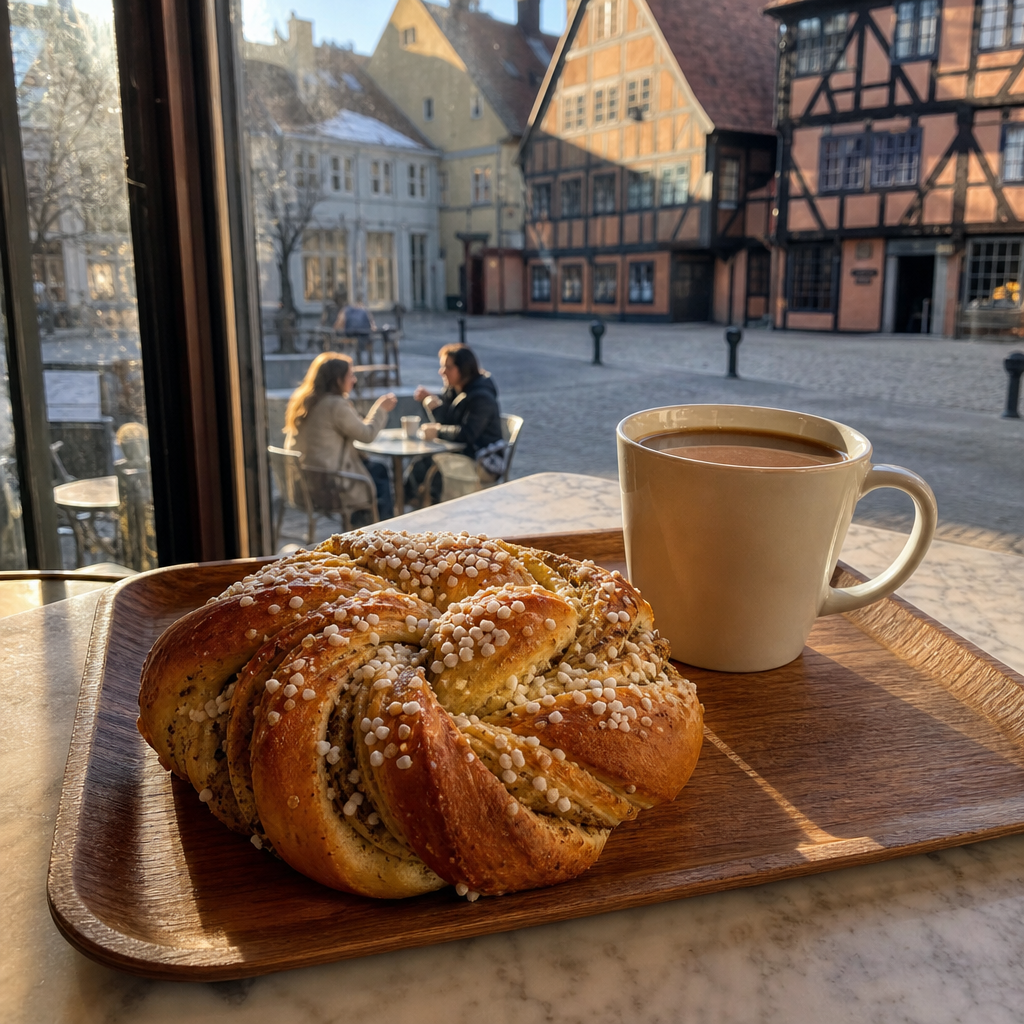
No day in Sweden is complete without fika — the deeply ingrained coffee-and-pastry ritual that is less a coffee break and more a social institution. In Malmö, Lilla Torg is the natural spot to sit down with a cardamom bun or a classic kanelbulle (cinnamon roll) and a cup of strong filter coffee. Swedes take their fika seriously: the buns are made with real butter, and the coffee is brewed dark and served without ceremony.
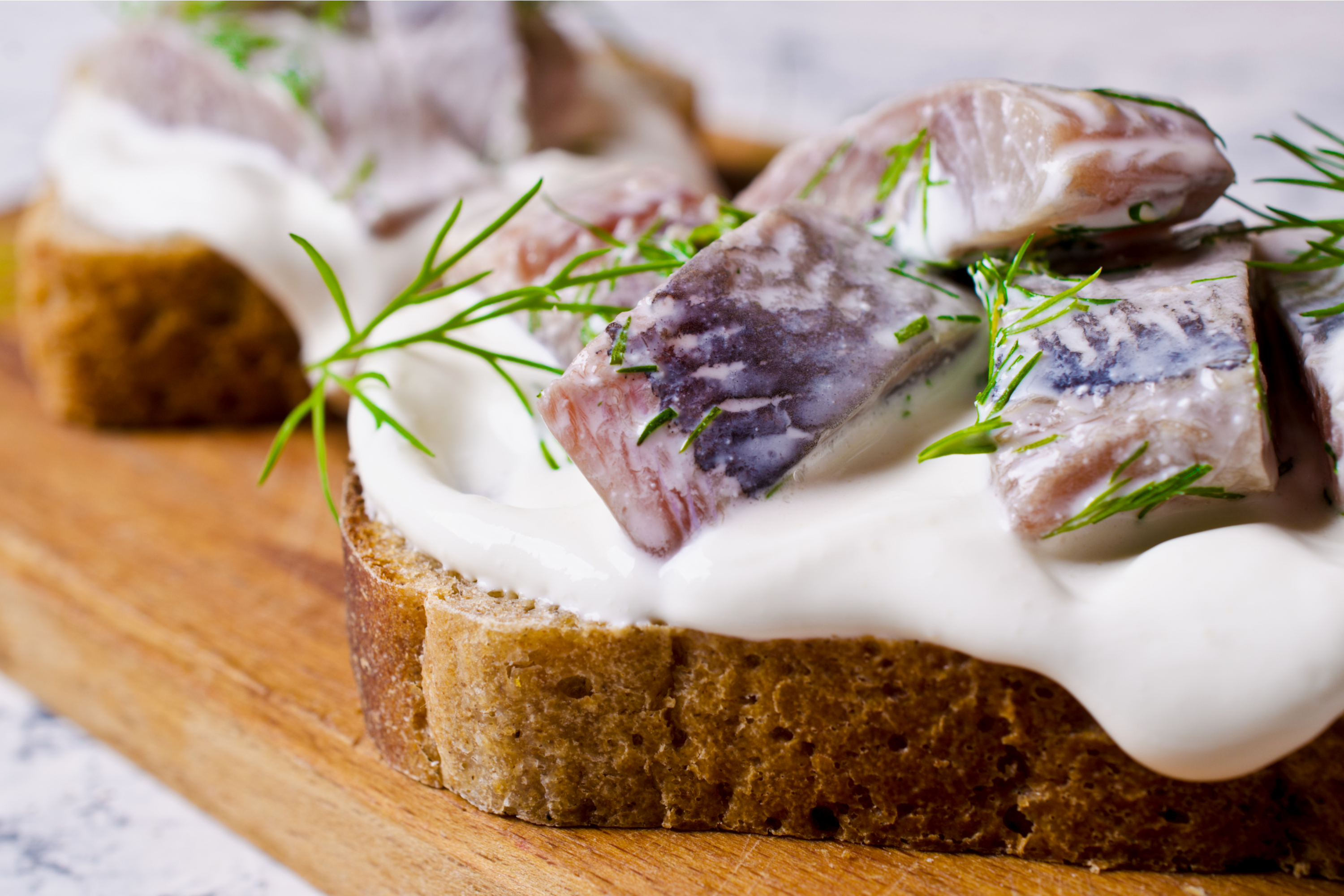
For a proper meal, Saluhallen — Malmö's indoor market hall, which opened in 1903 — is the city's most atmospheric food stop. Stalls sell Swedish meatballs, pickled herring in a dozen varieties, aged local cheeses, and open sandwiches (smörgås) piled with gravlax or prawn. For something more international, head to Möllevångstorget (known locally as Möllan), a multicultural market square in the south of the city where Middle Eastern bakeries, South American street-food stalls, and Asian grocers sit side by side — a direct reflection of Malmö's diverse population.
A practical day-trip timeline: catch a morning train from Copenhagen Central (aim for 9:00–9:30), spend the first half of the day in Gamla Staden — Stortorget, St. Peter's Church, and Malmöhus Castle — then take a fika break at Lilla Torg before lunch at Saluhallen or Möllan. The afternoon works well for the walk out to Turning Torso and the Western Harbour waterfront. Allow yourself to be back at Malmö C by 17:30 at the latest; evening trains toward Copenhagen fill up fast and standing room only is a real possibility. If time allows, Lund is just 10–15 minutes further by train — a compact medieval university town centred on a Romanesque cathedral dating to the 12th century, worth an hour of exploration.
For travellers who want someone else to handle the planning entirely, the Malmö Full Day Private Trip with Swedish Lunch and the Copenhagen Full Day Tour with Hygge, Walking & Lunch can be combined across two days for a complete Øresund region experience.
A day trip to Malmö is one of the best additions to any Copenhagen itinerary — and doing it with a knowledgeable local guide makes the difference between ticking off landmarks and actually understanding a city. Local Cool Tour's Malmö Full Day Private Trip with Swedish Lunch is 100% customisable, privately guided, and comes with free cancellation — so you can plan ahead without risk.
Spending more days in the Danish capital? Our Copenhagen tours cover every angle: the hidden backstreets and local haunts on the Copenhagen Like a Local tour, the essential landmarks and lesser-known secrets on Highlights & Secrets of Copenhagen, the city's remarkable food and drink culture on the Copenhagen Food & Drink tour, and a full immersive day — including a hygge lunch — on the Copenhagen Full Day Tour. Browse the full selection on our Copenhagen tours page and find the experience that fits your trip.
Explore the city with a local guide
copenhagen
copenhagen
copenhagen

copenhagen
copenhagen
We use a single cookie, to remember this choice. We do not use analytics or advertising cookies. Read our cookie policy.