2.5 hrs
Brussels
Brussels Private Food Tour: Waffles, Fries, Beer & Local History
✓ Free cancellation Kids friendly
4.5(20 reviews)
From €206/ person
Book Now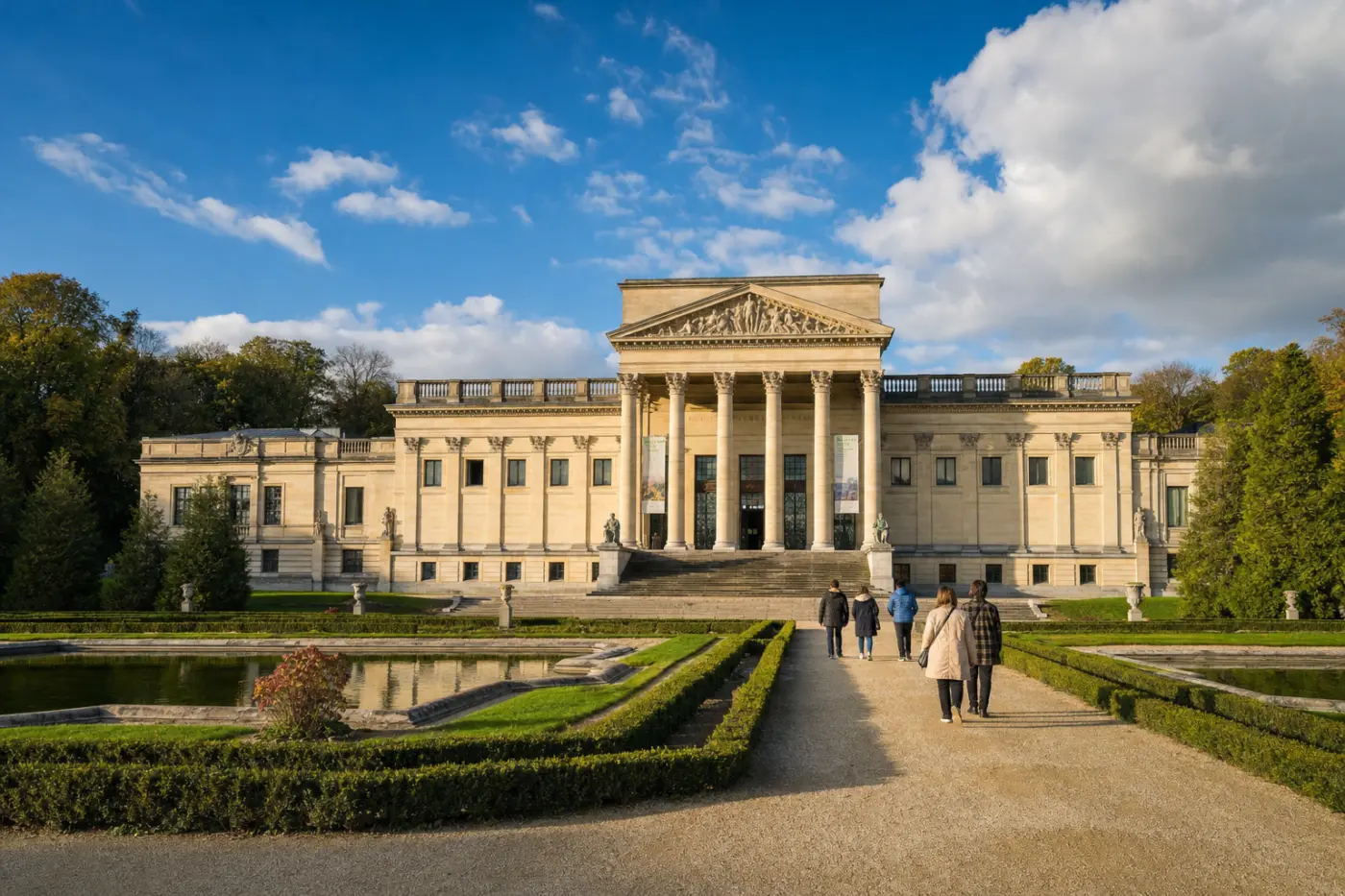
Tourist attraction
Situated in Tervuren — a forested commune on Brussels' eastern edge, reachable by tram 44 from Montgomery station — the Royal Museum for Central Africa was founded in 1898 by King Leopold II as a showcase for his personally owned Congo Free State. Leopold commissioned the neoclassical palace-museum from French architect Charles Girault, the same architect behind Paris's Petit Palais, and it opened to the public in its permanent form in 1910. The building's colonnaded stone façade, grand entrance rotunda, and formal French gardens were designed to project imperial prestige; the institution was intended, in Leopold's own framing, to bring "civilisation" to Central Africa — a self-justifying narrative the museum now directly interrogates. For most of the 20th century the collection grew to encompass over 180,000 ethnographic objects, 250,000 natural history specimens, and one of the world's largest archives of Central African cultural material, assembled largely without the consent of the people whose heritage it represents.
After five years of closure and a €66 million renovation led by the Belgian architecture firm Stéphane Beel Architects, the AfricaMuseum reopened in December 2018. The renovation added a subterranean glass-and-steel entrance pavilion that connects to the historic building without altering its exterior, while the interiors were stripped of their uncritical colonial staging. The permanent exhibition is now divided into five thematic zones — covering biodiversity, natural resources, colonial history, Congolese societies, and contemporary Central Africa — and incorporates voices of Congolese and Rwandan scholars, diaspora communities, and postcolonial critics throughout. A dedicated gallery confronts the violence and extractive economy of the Congo Free State (1885–1908), during which an estimated 10 million Congolese died. The museum does not shy from naming this history, displaying Leopold's personal correspondence alongside oral testimonies and photographic evidence of atrocities documented by early human rights campaigners Edmund Morel and Alice Seeley Harris.
Visitors move through rooms where Kuba royal regalia, Luba memory boards (lukasa), Songye power figures (nkisi), and a 5,000-piece musical instrument collection sit alongside natural history dioramas, geological maps, and living-science research stations. The taxidermy hall — with its enormous African forest elephant mounts dating to the early 1900s — has been retained as a historical document of the museum's original display philosophy, contextualised with critical labels. The surrounding 37-hectare park, originally designed by Édouard Linden for the 1897 Tervuren International Exhibition, contains sculpture trails and a rose garden, making the grounds worth at least an hour of exploration after the museum itself.
Plan two to three hours for the permanent collection; temporary exhibitions change roughly every six months and frequently feature contemporary African and diaspora artists. The museum accepts the Brussels Card and the museumpassmusées. Tram 44 from Brussels' Montgomery metro station runs directly to the museum gate in approximately 25 minutes, making a car unnecessary. The on-site Africafé serves lunch and light meals. Audio guides and guided tours in English are available and strongly recommended for visitors unfamiliar with the colonial context — the layered narratives reward depth of engagement far more than a quick walk-through.
Private tours with a local guide, at your own pace.
Brussels
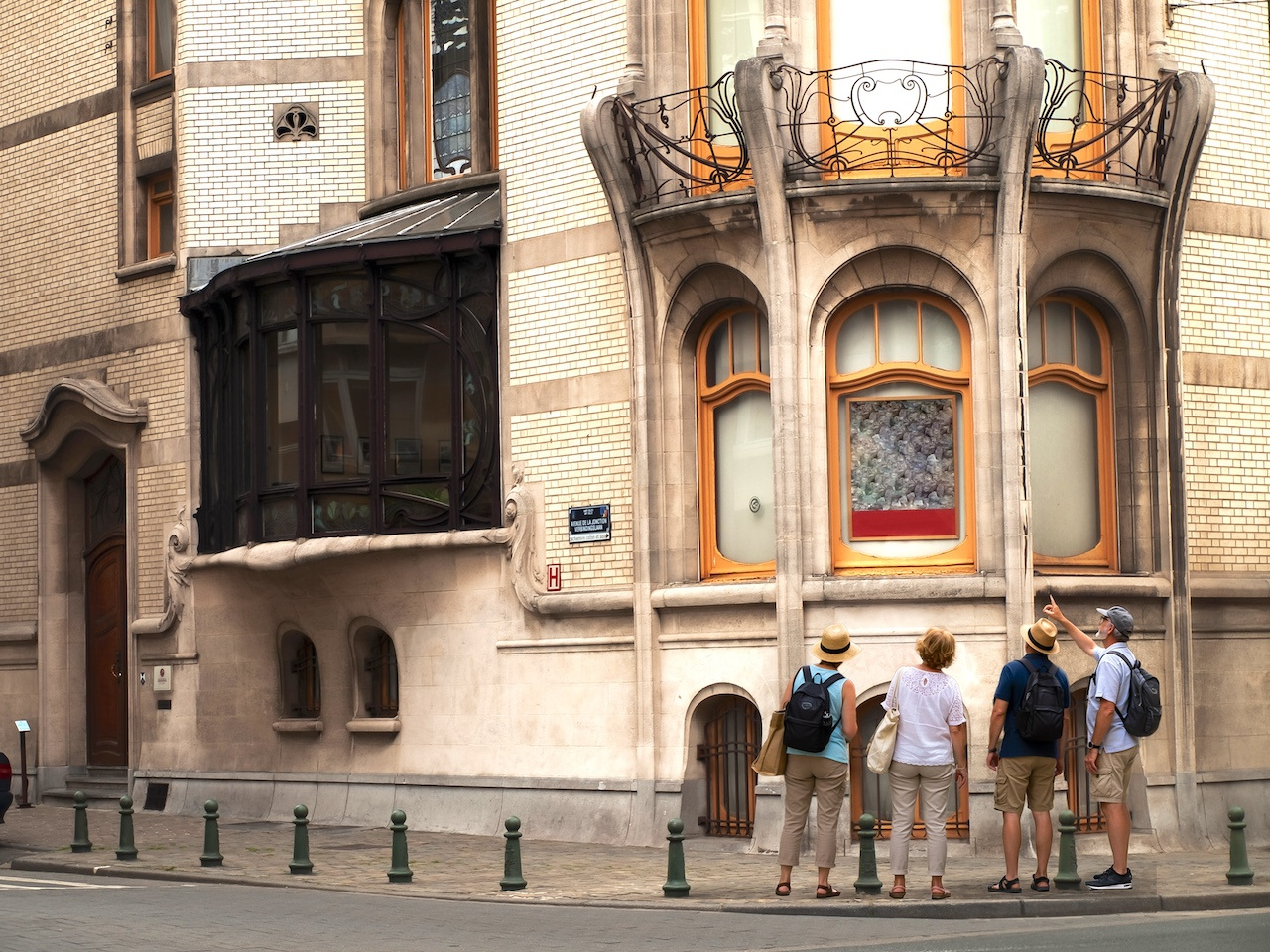
Brussels
Brussels
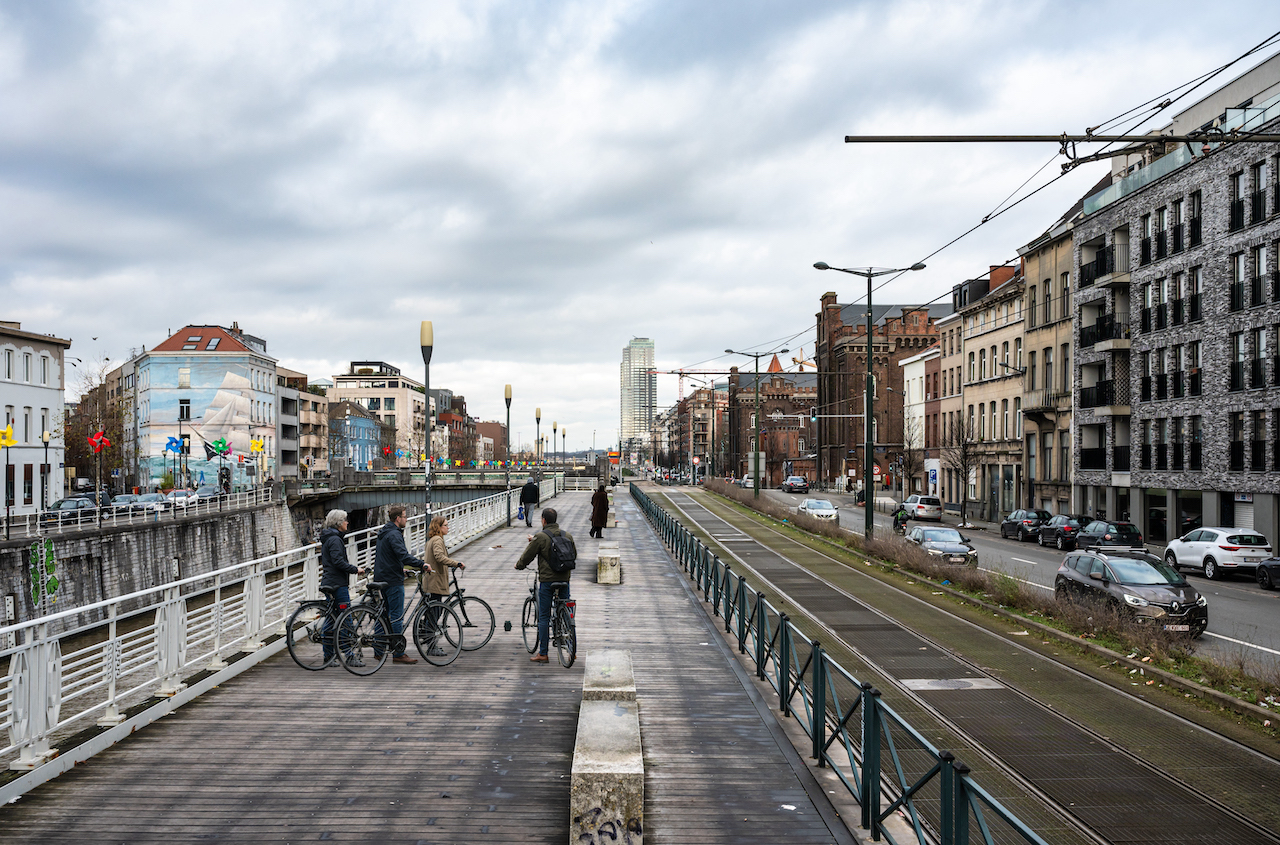
Brussels
Brussels
Brussels
Brussels