3 hrs
Brussels
Brussels Private Bike Tour: Highlights, Parks & Drinks
✓ Free cancellation
5.0(10 reviews)
From €232/ person
Book Now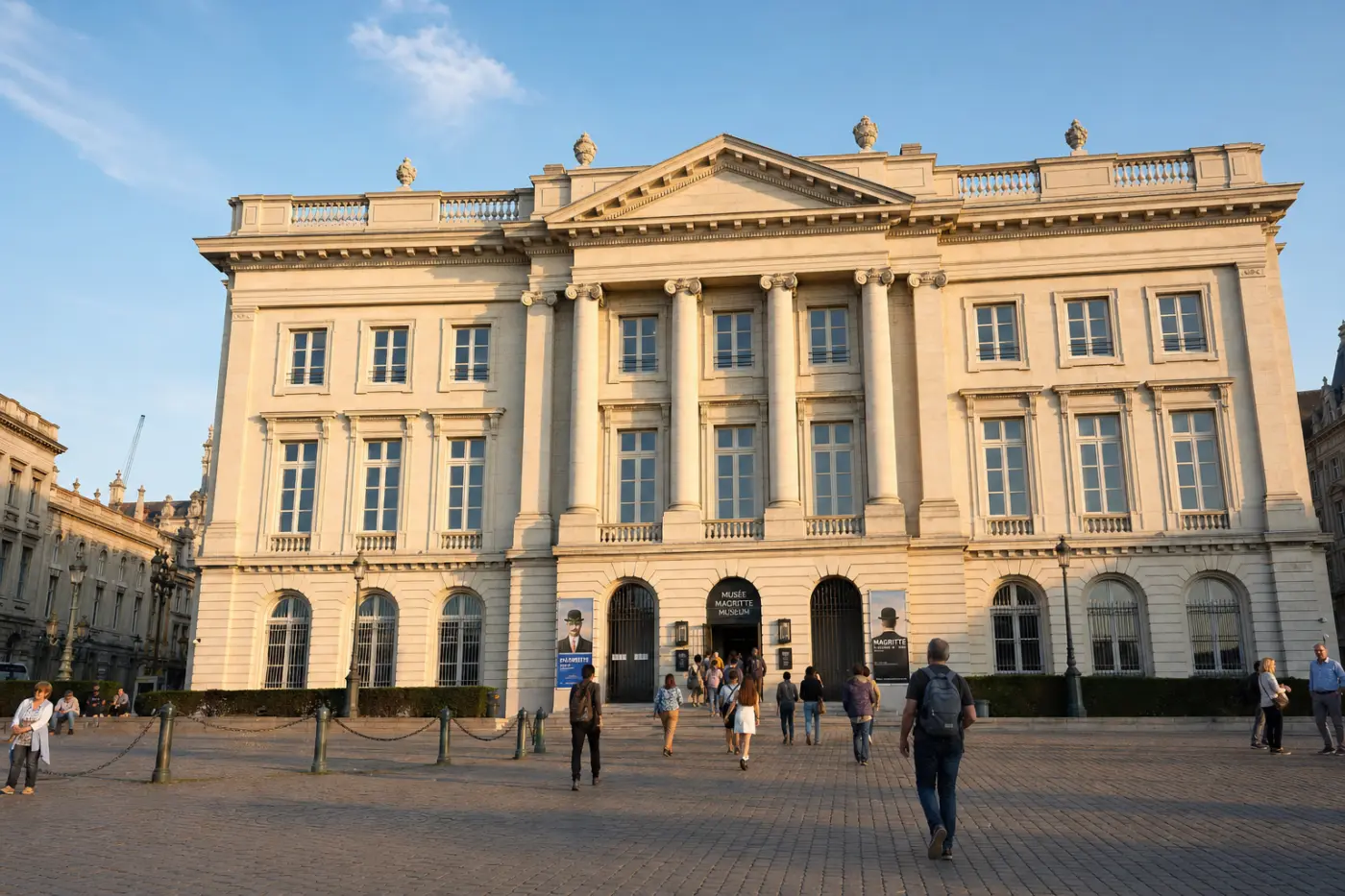
Tourist attraction
The Magritte Museum, inaugurated on June 2, 2009, occupies the Hotel Altenloh — a neoclassical 18th-century mansion on the Place Royale in the heart of Brussels — and forms part of the Royal Museums of Fine Arts of Belgium complex. Dedicated entirely to René Magritte (1898–1967), the Belgian painter who became one of Surrealism's defining voices, the museum holds the world's largest collection of his works: over 200 original paintings, drawings, gouaches, sculptures, and archival objects spanning all five decades of his career. Magritte himself lived in Brussels for most of his adult life, working from an unassuming terraced house in the Jette district, and the city's bourgeois quietude permeates much of the unsettling domesticity in his canvases.
The collection is organized across five floors and three thematic periods. The ground floor introduces Magritte's early commercial work — advertising posters and wallpaper designs from the 1920s that funded his fine art practice — before ascending into the fully realized Surrealist vocabulary that brought him international recognition. Centerpiece works include The Dominion of Light (a series begun in 1948 depicting a daylit sky over a nocturnal street, which sold at auction in 2022 for £59.4 million), The Treachery of Images study works, and numerous versions of the bowler-hatted anonymous man that became his signature motif. The top floor is dedicated to his final period and includes rarely exhibited sketches and correspondence with André Breton and other Surrealist contemporaries.
Visitors move through rooms that deliberately resist chronological rigidity, instead grouping works by recurring themes — duality of day and night, concealment of the human face, the tension between language and image. This curatorial approach mirrors Magritte's own insistence that his paintings were not puzzles to be solved but questions to be lived with. Audio guides (available in eight languages) quote extensively from Magritte's own essays and letters, giving the experience an unusual biographical density. An on-site research library holds over 4,000 documents including original correspondence and film footage of the artist at work.
The museum is open Tuesday through Sunday, 10:00–17:00, with extended hours until 20:00 on the first Wednesday evening of each month. It is closed on Mondays and on January 1, the first Thursday of January, May 1, November 1, and December 25. Tickets cost €10 for adults, with reductions for seniors, students, and children; a combined ticket covering all five Royal Museums of Fine Arts buildings is available for €15 and represents excellent value. The Place Royale entrance is a short walk from the Brussels Central and Brussels-Luxembourg train stations, and the museum is fully wheelchair accessible via a dedicated entrance on Rue du Musée.
Private tours with a local guide, at your own pace.
Brussels
Brussels
Brussels
Brussels
Brussels
Brussels
Brussels
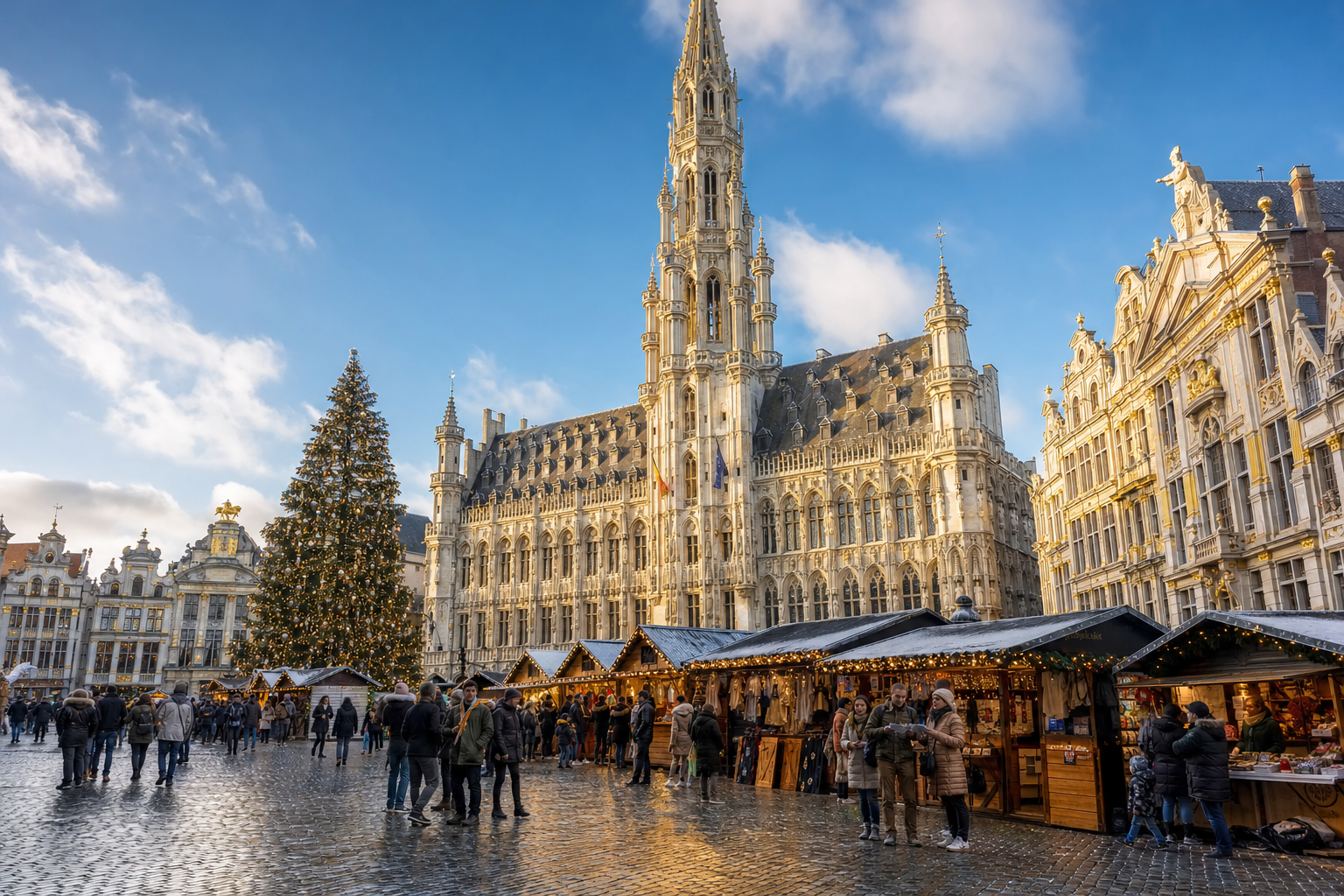
Every year, Brussels does something that most European cities can only approximate: it turns its entire historic centre into a Christmas festival so large and so layered that first-time visitors routinely underestimate it. Winter Wonders 2026 runs from Friday 27 November to Sunday 3 January 2027 — 38 consecutive days across six interconnected zones, from the UNESCO-listed Grand-Place to the medieval fish market streets of Sainte-Catherine. The event is free to enter, open daily from noon to 10 PM (closing at 6 PM on Christmas Eve and New Year's Eve), and set against some of the most architecturally dense streetscapes in northern Europe. This guide covers everything that most Christmas market round-ups skip: the real geography of the event, which zones are worth your time, where locals actually eat and drink, and how a private guided tour can turn a pleasant evening stroll into a genuinely memorable Brussels experience.
Read more →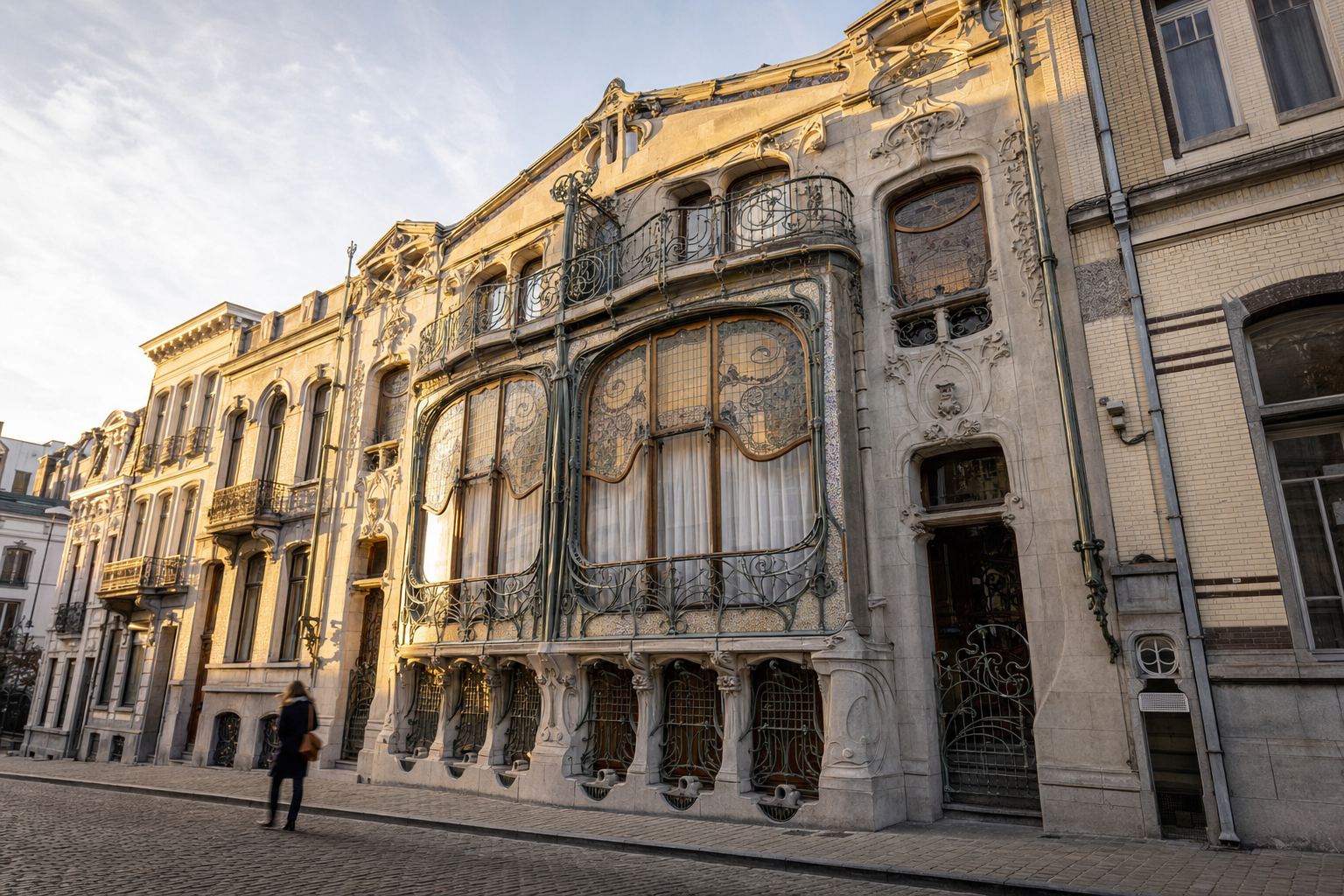
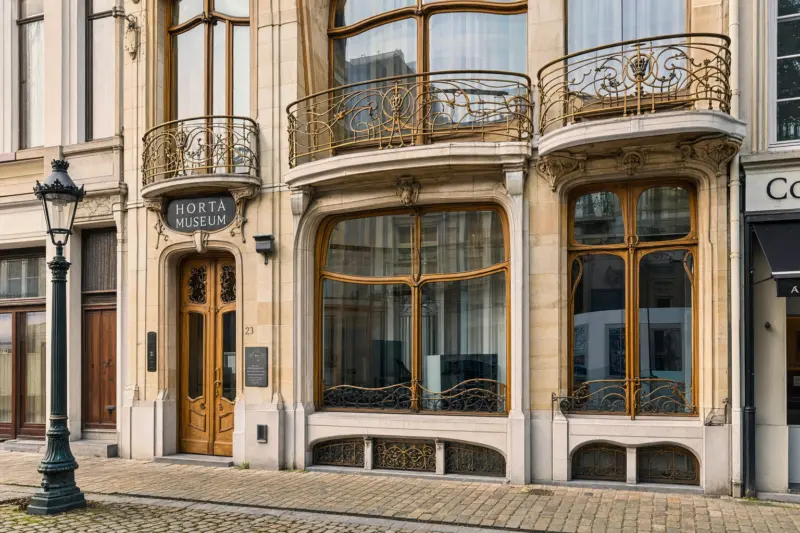
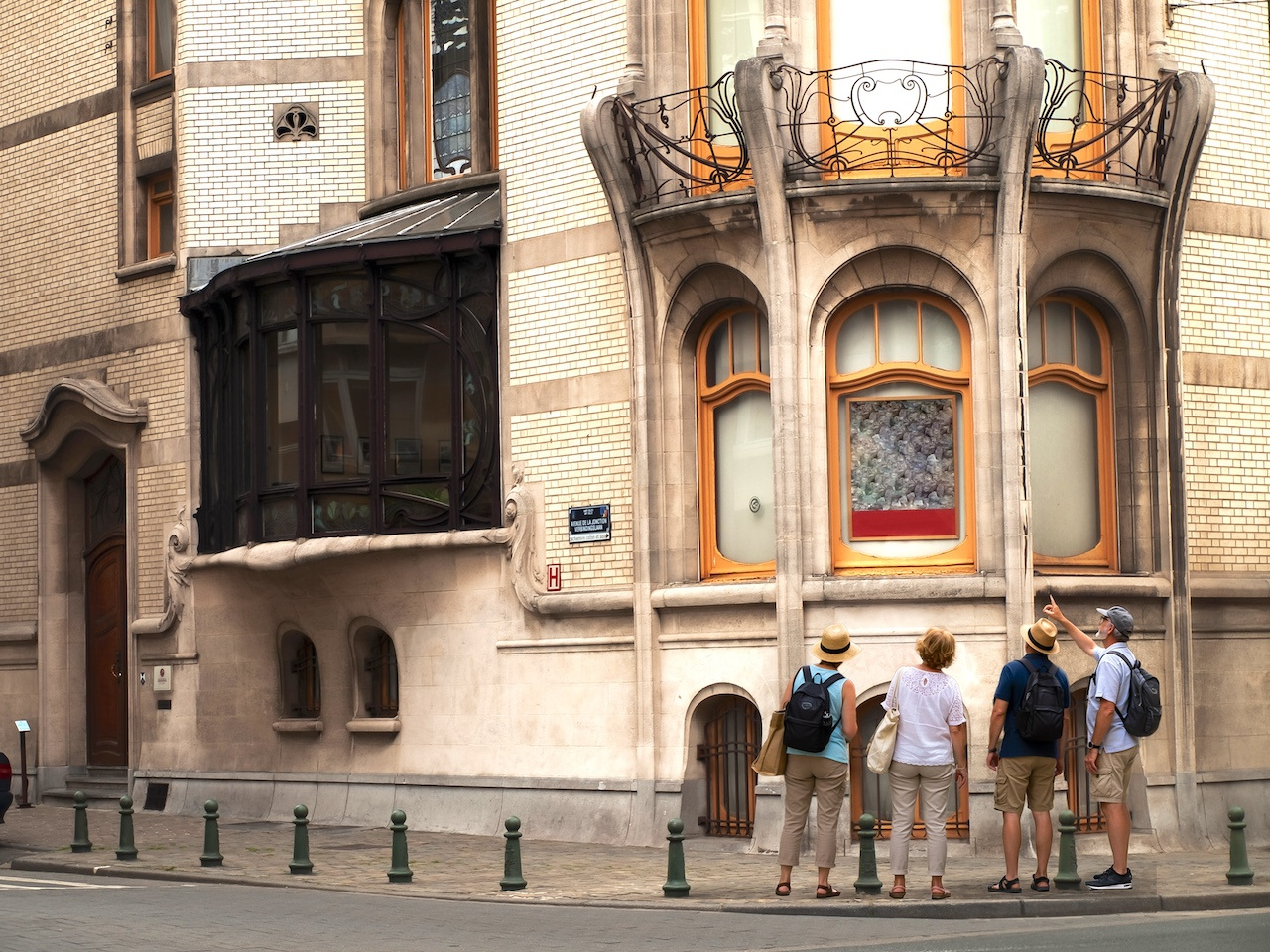
In 1893, on a quiet street in the Ixelles neighbourhood of Brussels, an architect named Victor Horta completed a private townhouse for lawyer Émile Tassel — and, without entirely realising it, broke the history of architecture in two. The Hôtel Tassel at Rue Paul-Émile Janson 6 is now widely recognised as the world's first true Art Nouveau building: a structure where sinuous ironwork, mosaic floors, and organic ornamentation replaced centuries of neo-classical rigidity in one audacious stroke. What followed over the next two decades was an explosion of creative energy concentrated in a single European capital. Today, Brussels holds more Art Nouveau buildings per square kilometre than any other city on earth — a density that earned four of its finest examples a UNESCO World Heritage inscription in 2000. This is not a city that merely hosted a movement. Brussels invented it, refined it, and, after a painful episode of 1960s demolition, now fights fiercely to preserve what remains.
Read more →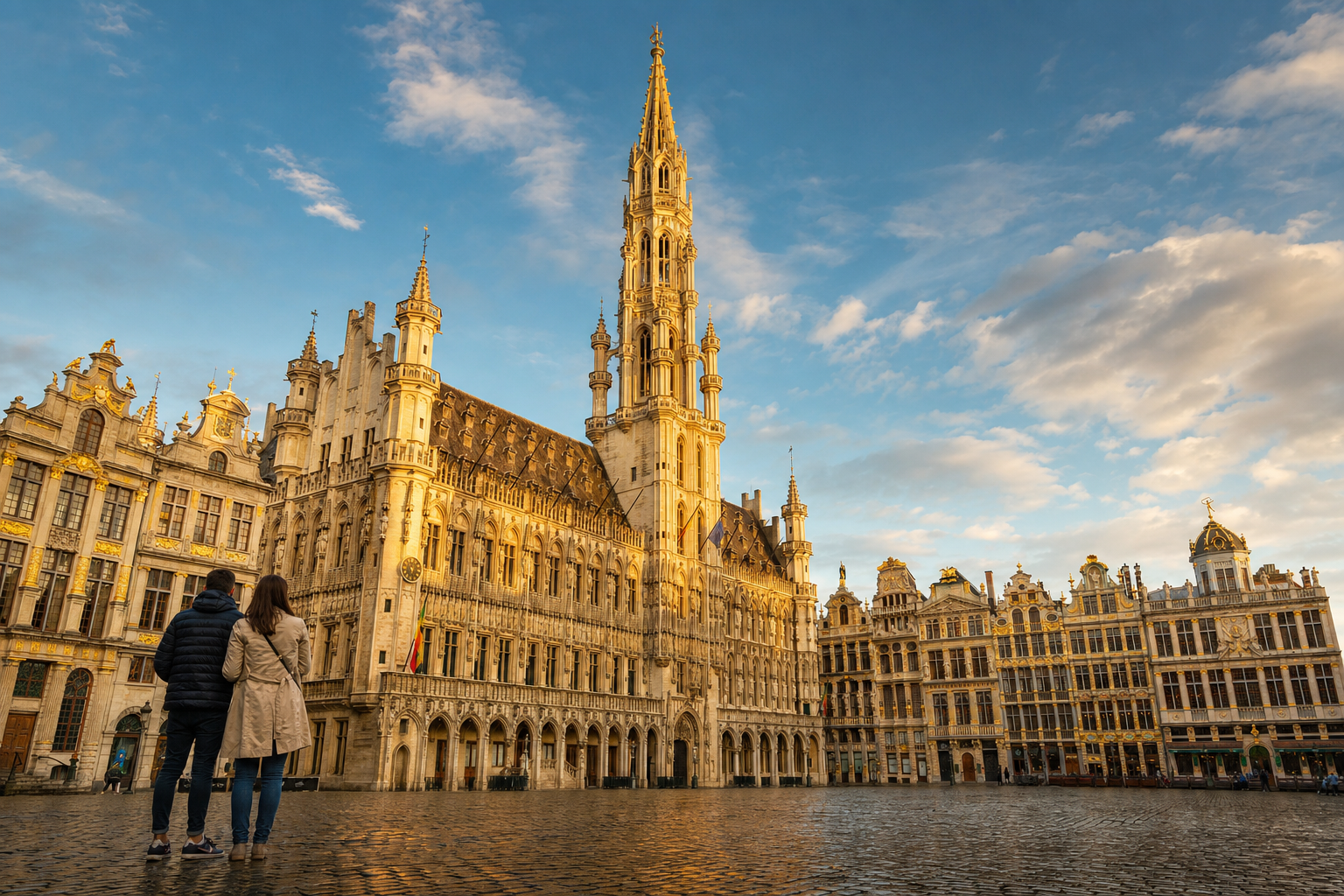
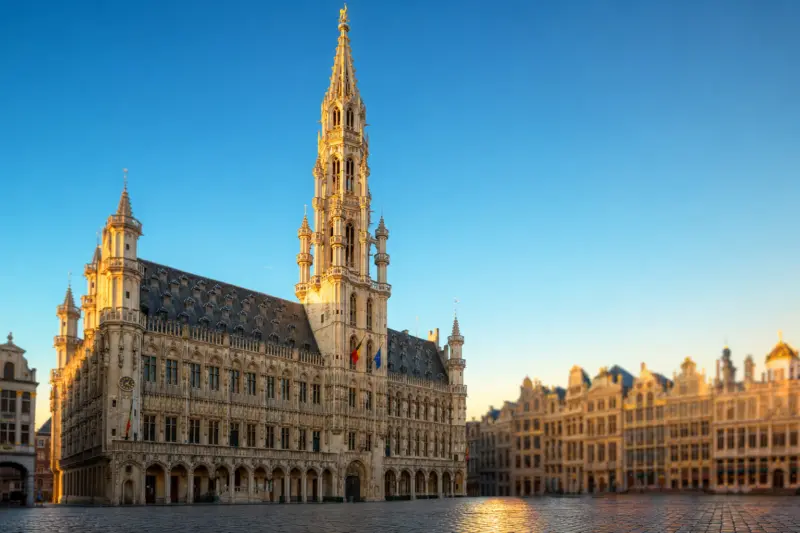
In August 1695, French Marshal de Villeroy trained his cannons on Brussels for three straight days on Louis XIV's orders, reducing the Grand Place's timber guild houses to ash. Within four years, the guilds had rebuilt everything — in ornate Baroque stone. That act of defiant reinvention tells you almost everything you need to know about Brussels. This is a city that has been underestimated, bulldozed, bureaucratised, and caricatured for centuries, yet it keeps reasserting its own dazzling identity. It is simultaneously a 900-year-old medieval capital, the administrative nerve centre of the European Union, a laboratory of Art Nouveau architecture, and a place whose most cherished civic symbol is a 61-centimetre bronze boy relieving himself into a fountain. A Brussels private tour doesn't just show you these layers — it helps you understand why they exist side by side, and why that contradiction is precisely what makes this city one of Europe's most rewarding destinations to explore slowly, curiously, and with someone who genuinely knows its streets.
Read more →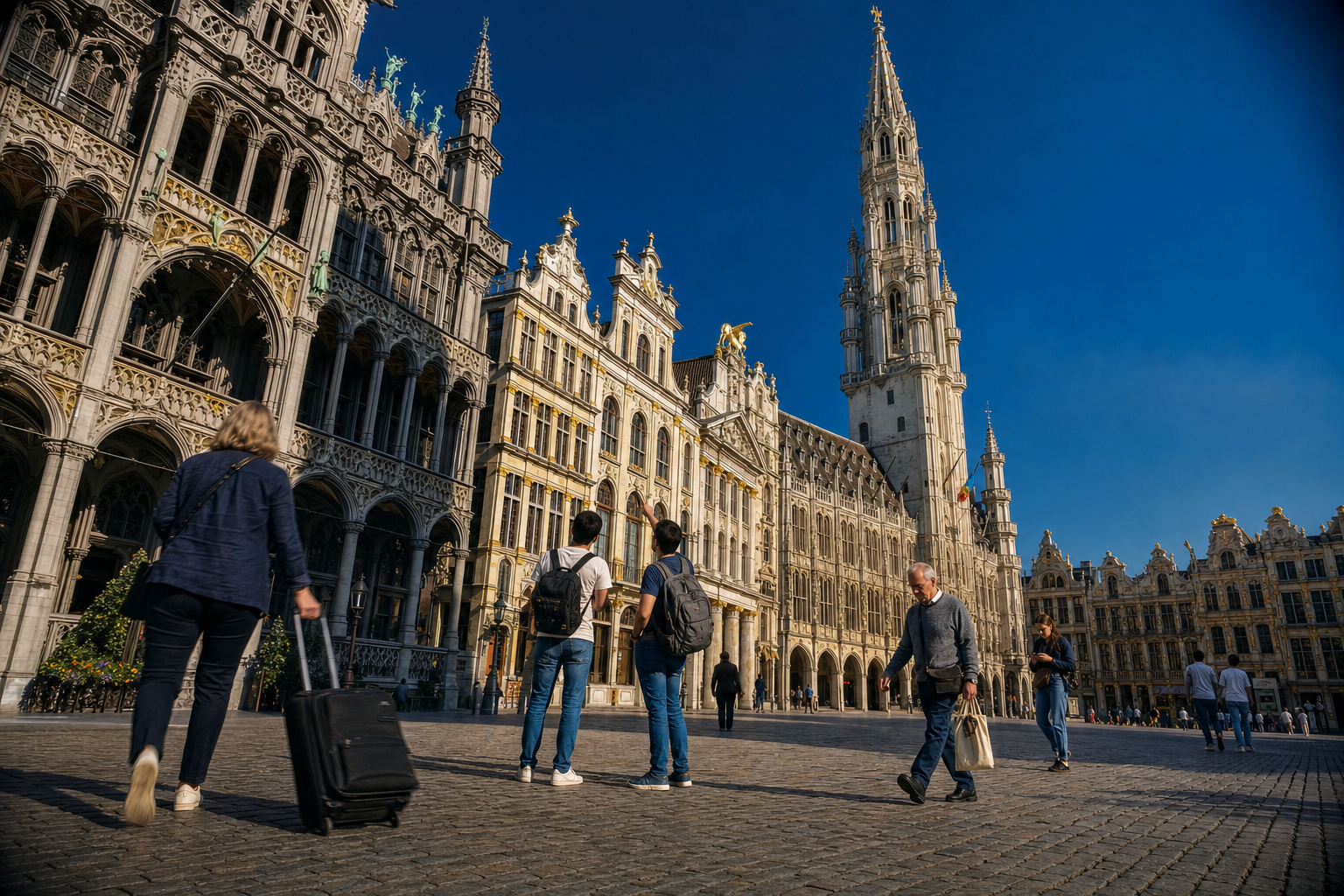
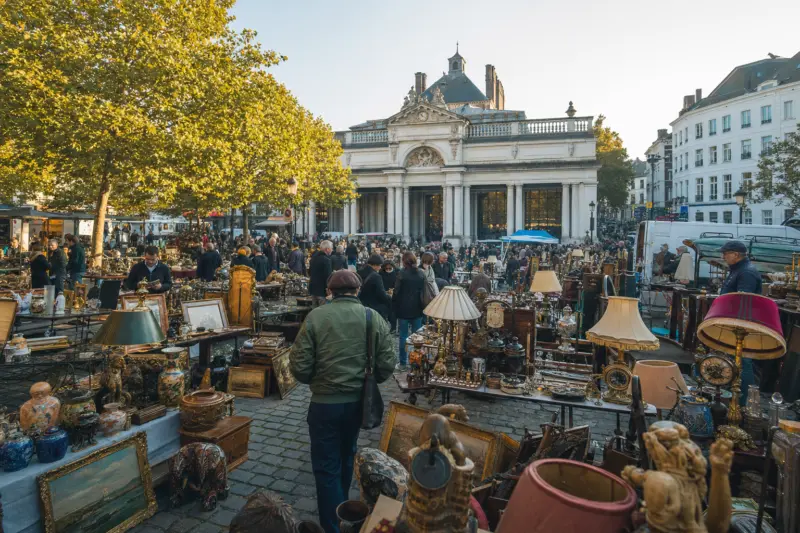
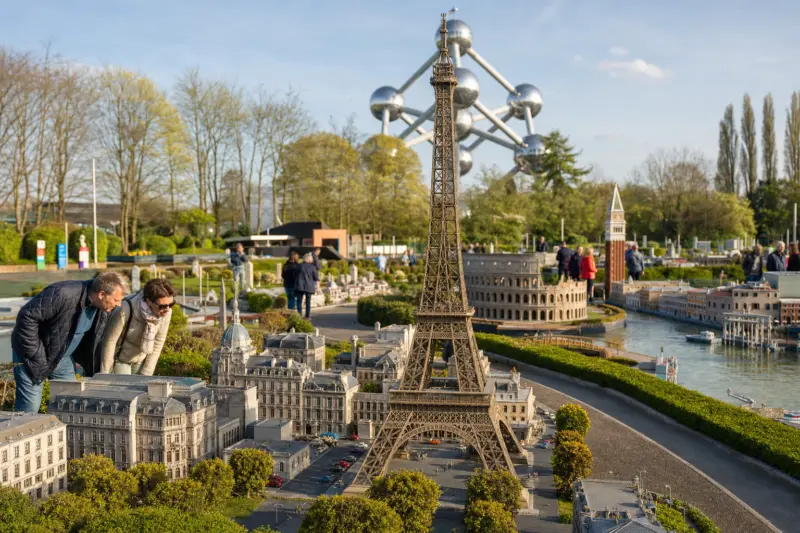
In 1958, Brussels built a full-scale replica of a crystal atom magnified 165 billion times and placed it on the edge of the city. Today, you can walk beneath it for free. That kind of magnificent, slightly absurd generosity runs deep in Brussels — a city that contains more Art Nouveau buildings per square kilometre than anywhere else on earth, hosts one of Europe's grandest medieval squares, and ferments some of the world's most complex beers, yet somehow manages to offer travellers an extraordinary wealth of experiences that cost absolutely nothing. Brussels is the de facto capital of the European Union, home to NATO headquarters, and a city of 1.2 million people spread across 19 municipalities — yet it punches far above its weight in free cultural offerings. Whether you're wandering the cobblestoned lanes of the Marolles neighbourhood, standing slack-jawed before Victor Horta's iron-and-glass facades, or grazing an open-air antiques market for a few misty morning hours, Brussels rewards the curious traveller who knows where to look. Here is your definitive guide to the free things to do in Brussels.
Read more →We use a single cookie, to remember this choice. We do not use analytics or advertising cookies. Read our cookie policy.