3 hrs
Brussels
Brussels Private Bike Tour: Highlights, Parks & Drinks
✓ Free cancellation
5.0(10 reviews)
From €232/ person
Book Now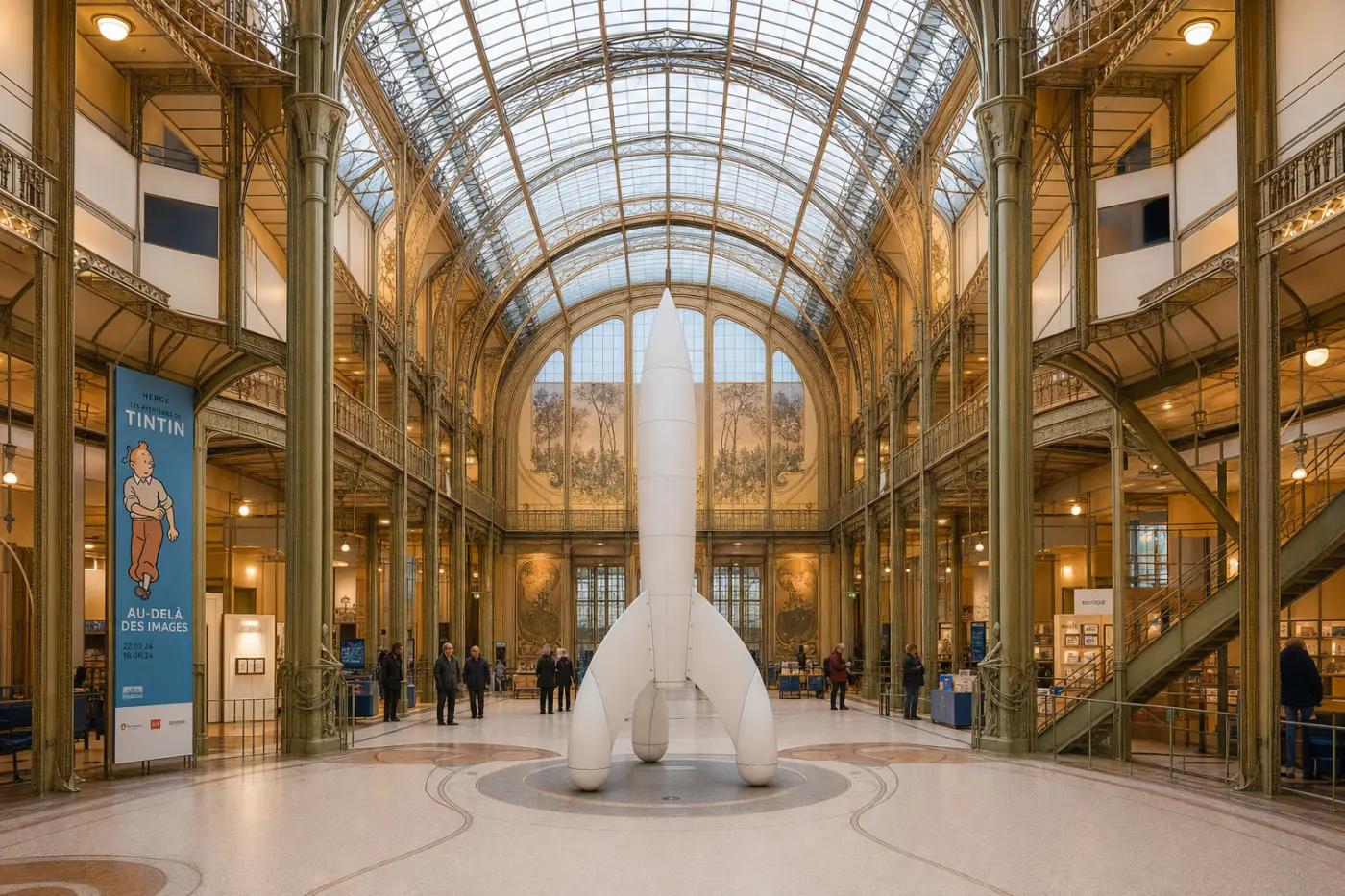
Tourist attraction
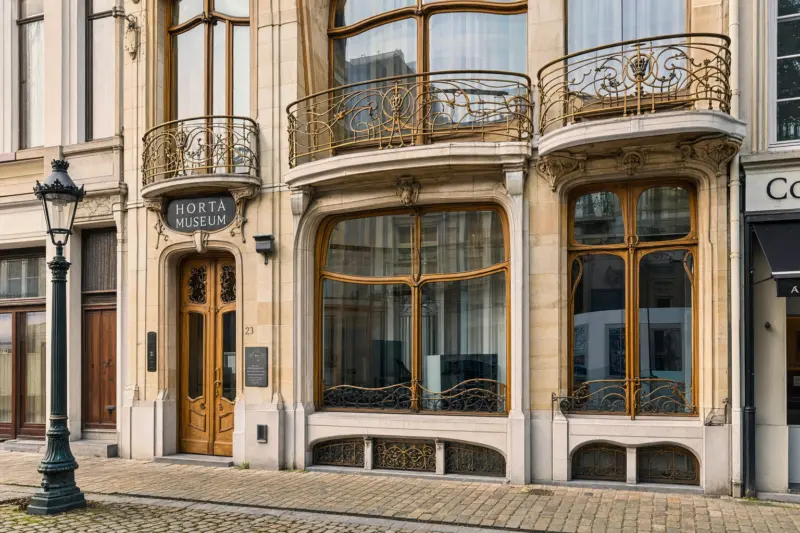
The Centre Belge de la Bande Dessinée — known in English as the Belgian Comic Strip Center — is Brussels' definitive museum dedicated to bande dessinée, the Franco-Belgian tradition of sequential art long regarded as the "ninth art." The museum occupies the former Waucquez fabric warehouse, a building commissioned in 1906 and designed by Victor Horta, the architect who essentially invented the Art Nouveau style. Horta's signature ironwork curves, glass-vaulted atrium, and fluid organic ornamentation make the building itself as much an attraction as the collection it houses. The structure was nearly demolished in the 1960s before being rescued and repurposed as a cultural monument, opening as a comic strip museum in 1989.
Belgium's outsized contribution to world comics is the museum's core thesis. The permanent collection traces the arc of Belgian comics from the pioneering years between 1929 and 1958, opening with Hergé — creator of Tintin, who first appeared in the children's supplement Le Vingtième Siècle on January 10, 1929 — and closing with Peyo, the artist who gave the world the Smurfs in 1958. Special focus is given to the legendary comics magazines Spirou and Tintin, which launched dozens of beloved characters and shaped the visual grammar of the medium across Europe. Each featured artist is honored with a dedicated room, designed thematically to reflect the mood and universe of their work rather than as a standard archive display.
Beyond the Belgian golden age, the museum provides a scholarly grounding in the broader history and craft of comics. A section on the mechanics of comic creation — from rough thumbnail sketches through inking, coloring, and lettering — offers genuine insight into the labor behind a finished page. An extensive gallery organizes original print plates chronologically by genre and style, situating Belgian work within global movements. Characters like Lucky Luke, Spirou, and the Smurfs are presented not merely as pop-culture icons but as products of specific postwar cultural moments, with original artwork, publisher correspondence, and production materials on display.
The museum is located on Rue des Sables 20, a short walk from the Gare Centrale and the Grand-Place. Plan for at least two hours to move through the permanent galleries at a comfortable pace; the upper floors dedicated to rotating temporary exhibitions often feature contemporary Belgian illustrators alongside international guests. The ground-floor atrium, anchored by a life-size model of Tintin's rocket from Destination Moon, is worth revisiting on the way out. A well-stocked shop sells original prints and hard-to-find editions, and the in-house brasserie occupies the original wrought-iron mezzanine — one of the finest lunching spots in the city for architecture lovers.
Private tours with a local guide, at your own pace.
Brussels
Brussels
Brussels
Brussels
Brussels
Brussels
Brussels
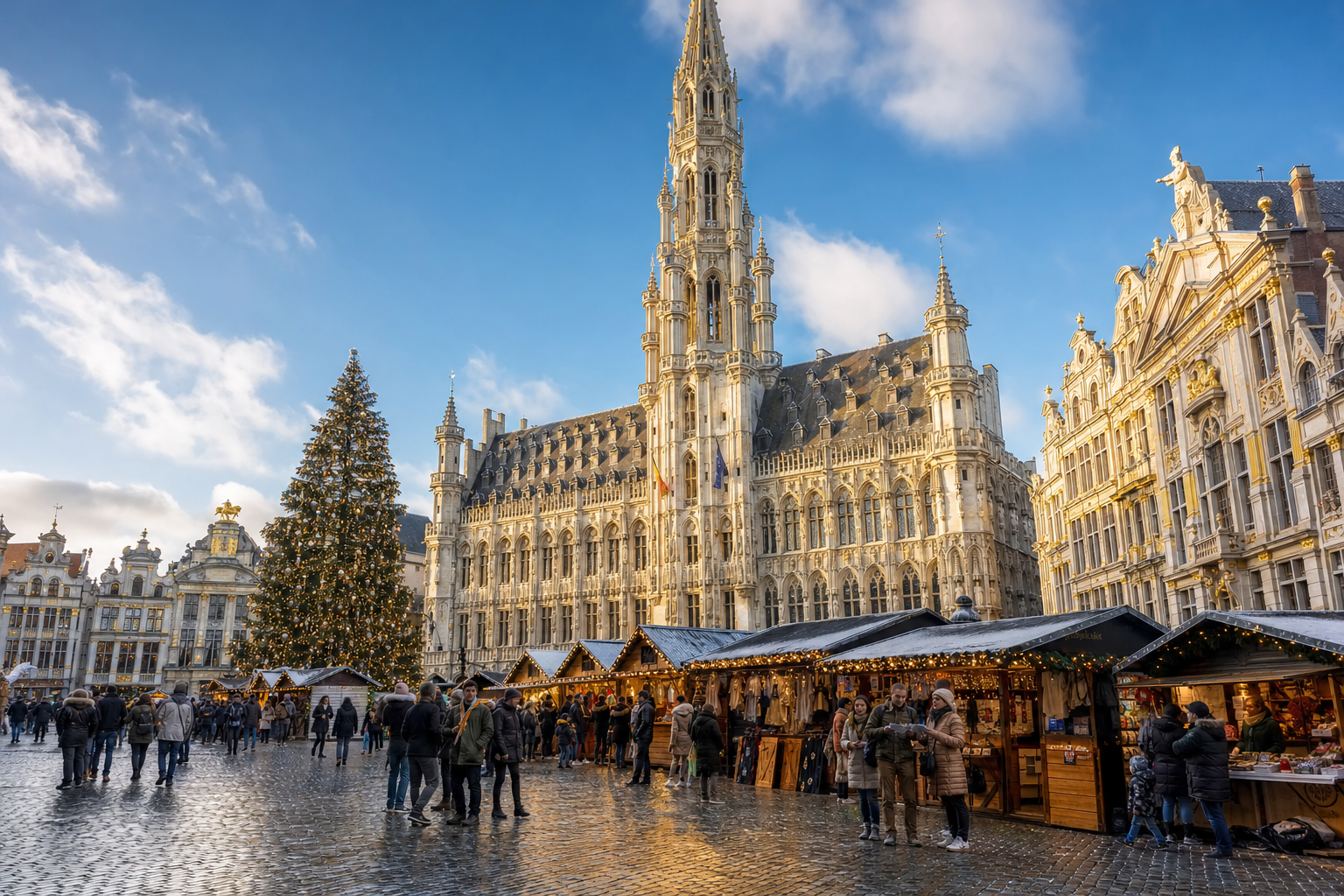
Every year, Brussels does something that most European cities can only approximate: it turns its entire historic centre into a Christmas festival so large and so layered that first-time visitors routinely underestimate it. Winter Wonders 2026 runs from Friday 27 November to Sunday 3 January 2027 — 38 consecutive days across six interconnected zones, from the UNESCO-listed Grand-Place to the medieval fish market streets of Sainte-Catherine. The event is free to enter, open daily from noon to 10 PM (closing at 6 PM on Christmas Eve and New Year's Eve), and set against some of the most architecturally dense streetscapes in northern Europe. This guide covers everything that most Christmas market round-ups skip: the real geography of the event, which zones are worth your time, where locals actually eat and drink, and how a private guided tour can turn a pleasant evening stroll into a genuinely memorable Brussels experience.
Read more →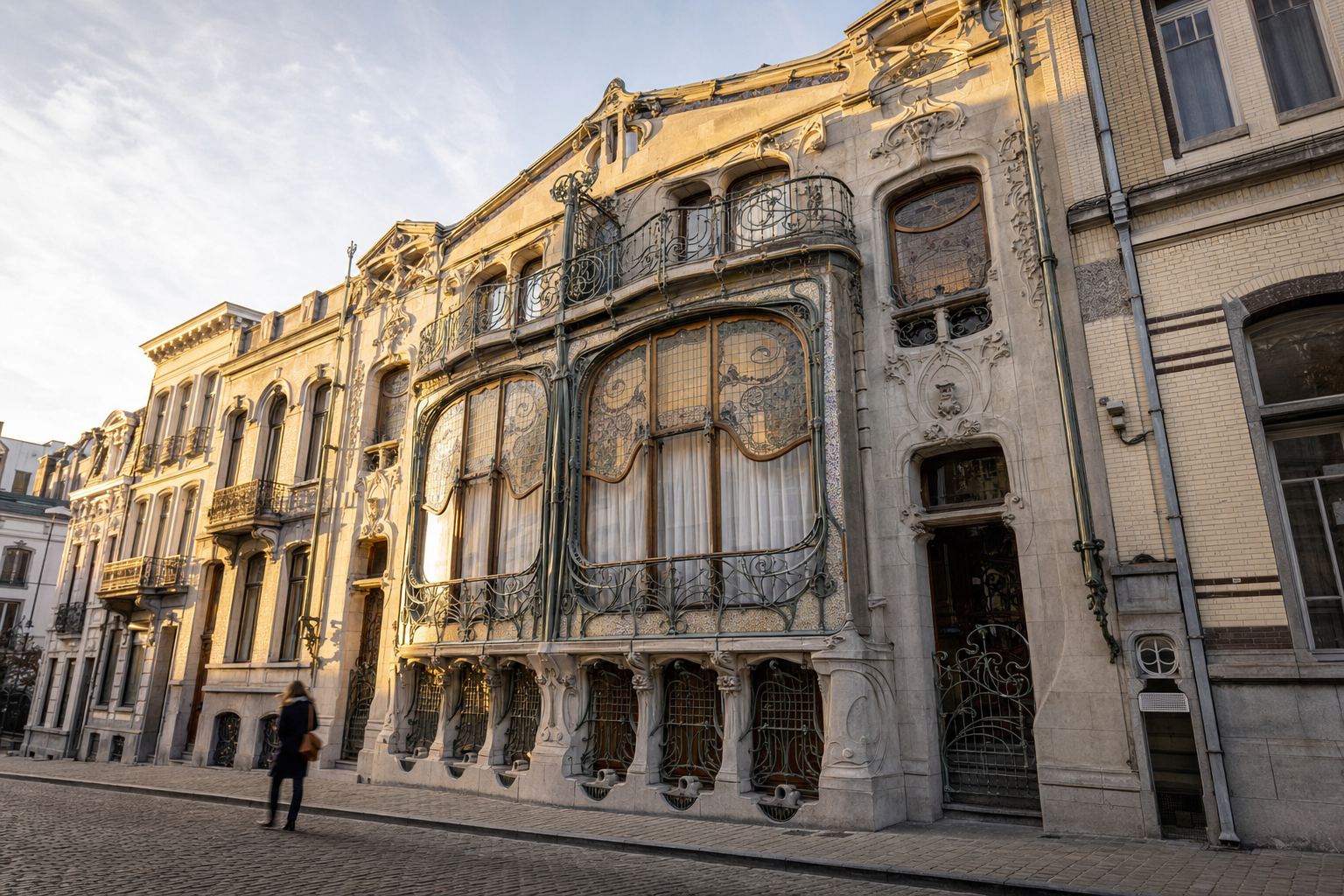
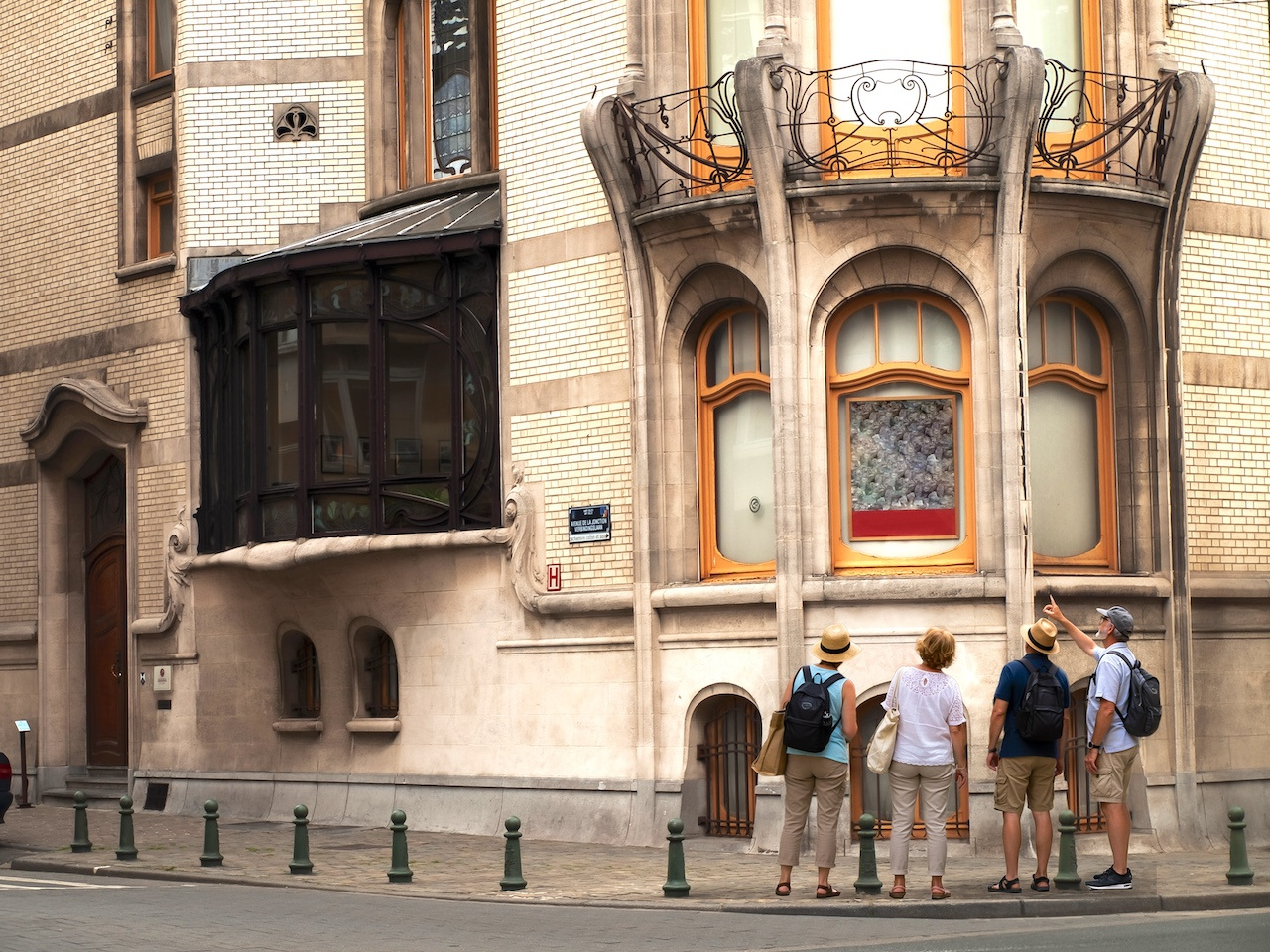
In 1893, on a quiet street in the Ixelles neighbourhood of Brussels, an architect named Victor Horta completed a private townhouse for lawyer Émile Tassel — and, without entirely realising it, broke the history of architecture in two. The Hôtel Tassel at Rue Paul-Émile Janson 6 is now widely recognised as the world's first true Art Nouveau building: a structure where sinuous ironwork, mosaic floors, and organic ornamentation replaced centuries of neo-classical rigidity in one audacious stroke. What followed over the next two decades was an explosion of creative energy concentrated in a single European capital. Today, Brussels holds more Art Nouveau buildings per square kilometre than any other city on earth — a density that earned four of its finest examples a UNESCO World Heritage inscription in 2000. This is not a city that merely hosted a movement. Brussels invented it, refined it, and, after a painful episode of 1960s demolition, now fights fiercely to preserve what remains.
Read more →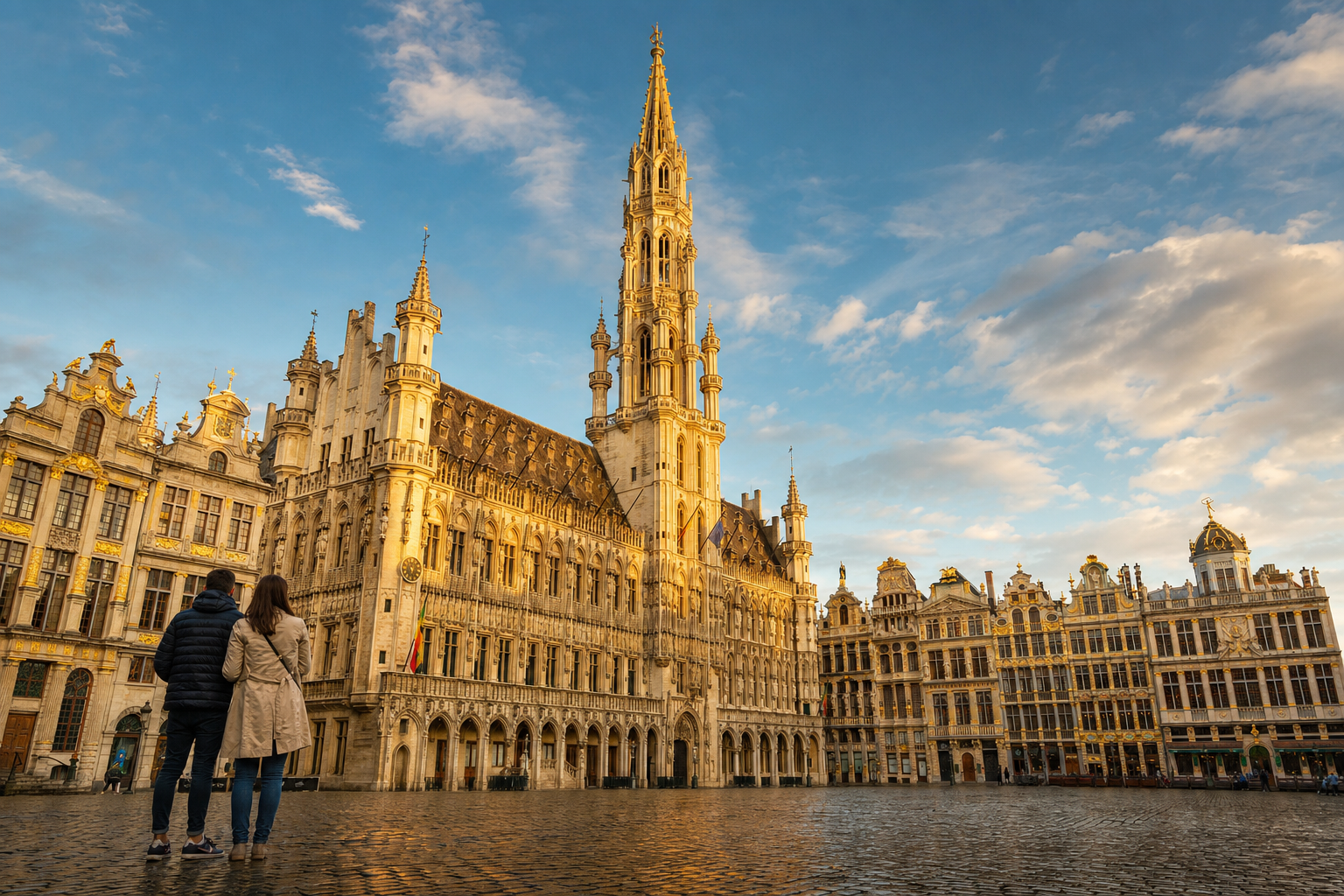
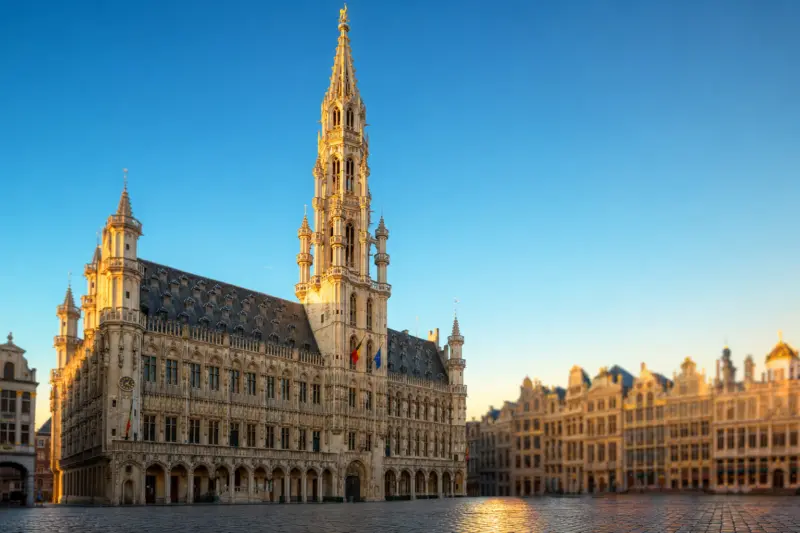
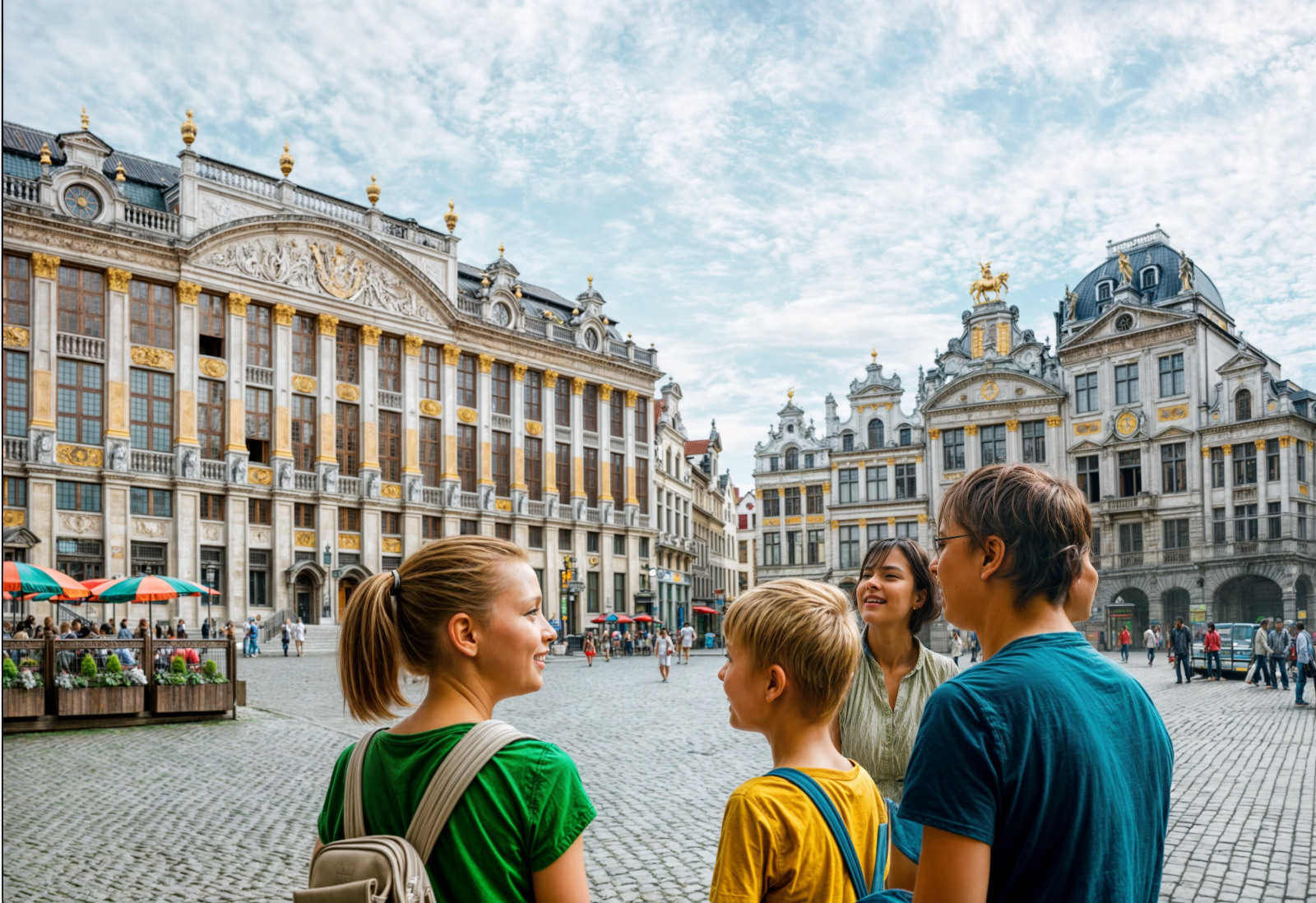
In August 1695, French Marshal de Villeroy trained his cannons on Brussels for three straight days on Louis XIV's orders, reducing the Grand Place's timber guild houses to ash. Within four years, the guilds had rebuilt everything — in ornate Baroque stone. That act of defiant reinvention tells you almost everything you need to know about Brussels. This is a city that has been underestimated, bulldozed, bureaucratised, and caricatured for centuries, yet it keeps reasserting its own dazzling identity. It is simultaneously a 900-year-old medieval capital, the administrative nerve centre of the European Union, a laboratory of Art Nouveau architecture, and a place whose most cherished civic symbol is a 61-centimetre bronze boy relieving himself into a fountain. A Brussels private tour doesn't just show you these layers — it helps you understand why they exist side by side, and why that contradiction is precisely what makes this city one of Europe's most rewarding destinations to explore slowly, curiously, and with someone who genuinely knows its streets.
Read more →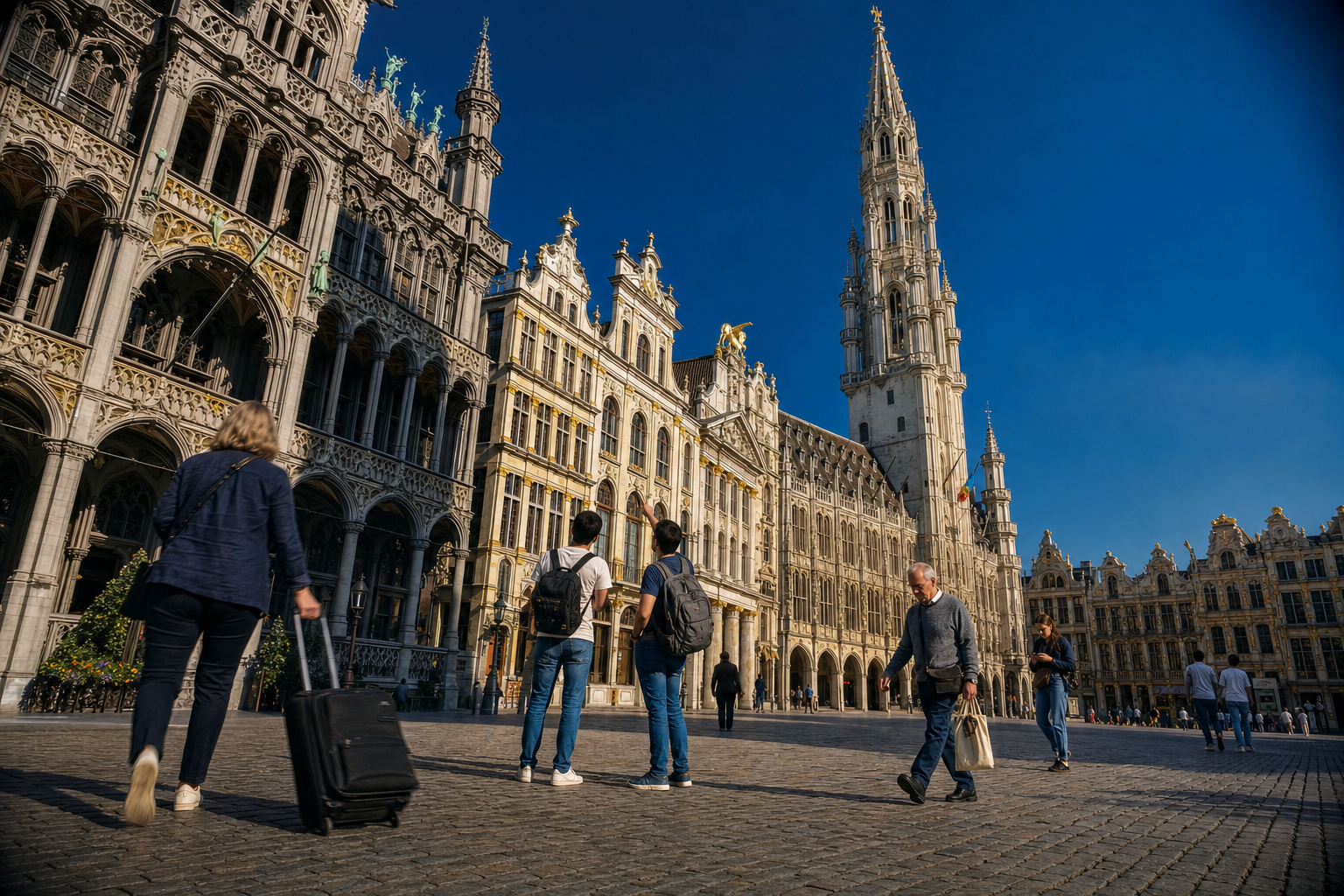
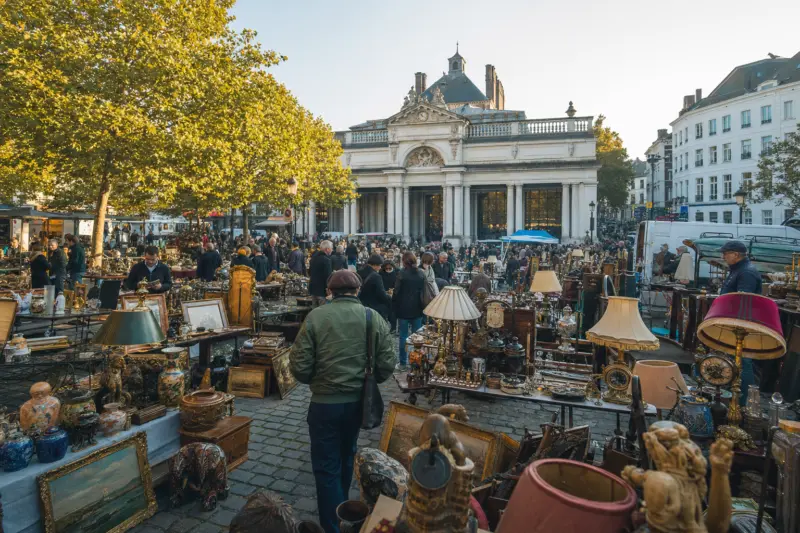
In 1958, Brussels built a full-scale replica of a crystal atom magnified 165 billion times and placed it on the edge of the city. Today, you can walk beneath it for free. That kind of magnificent, slightly absurd generosity runs deep in Brussels — a city that contains more Art Nouveau buildings per square kilometre than anywhere else on earth, hosts one of Europe's grandest medieval squares, and ferments some of the world's most complex beers, yet somehow manages to offer travellers an extraordinary wealth of experiences that cost absolutely nothing. Brussels is the de facto capital of the European Union, home to NATO headquarters, and a city of 1.2 million people spread across 19 municipalities — yet it punches far above its weight in free cultural offerings. Whether you're wandering the cobblestoned lanes of the Marolles neighbourhood, standing slack-jawed before Victor Horta's iron-and-glass facades, or grazing an open-air antiques market for a few misty morning hours, Brussels rewards the curious traveller who knows where to look. Here is your definitive guide to the free things to do in Brussels.
Read more →We use a single cookie, to remember this choice. We do not use analytics or advertising cookies. Read our cookie policy.