6 hrs
Brussels
Private Brussels Full-Day Tour with Atomium Entry & Lunch
✓ Free cancellation Kids friendly
4.5(8 reviews)
From €297/ person
Book Now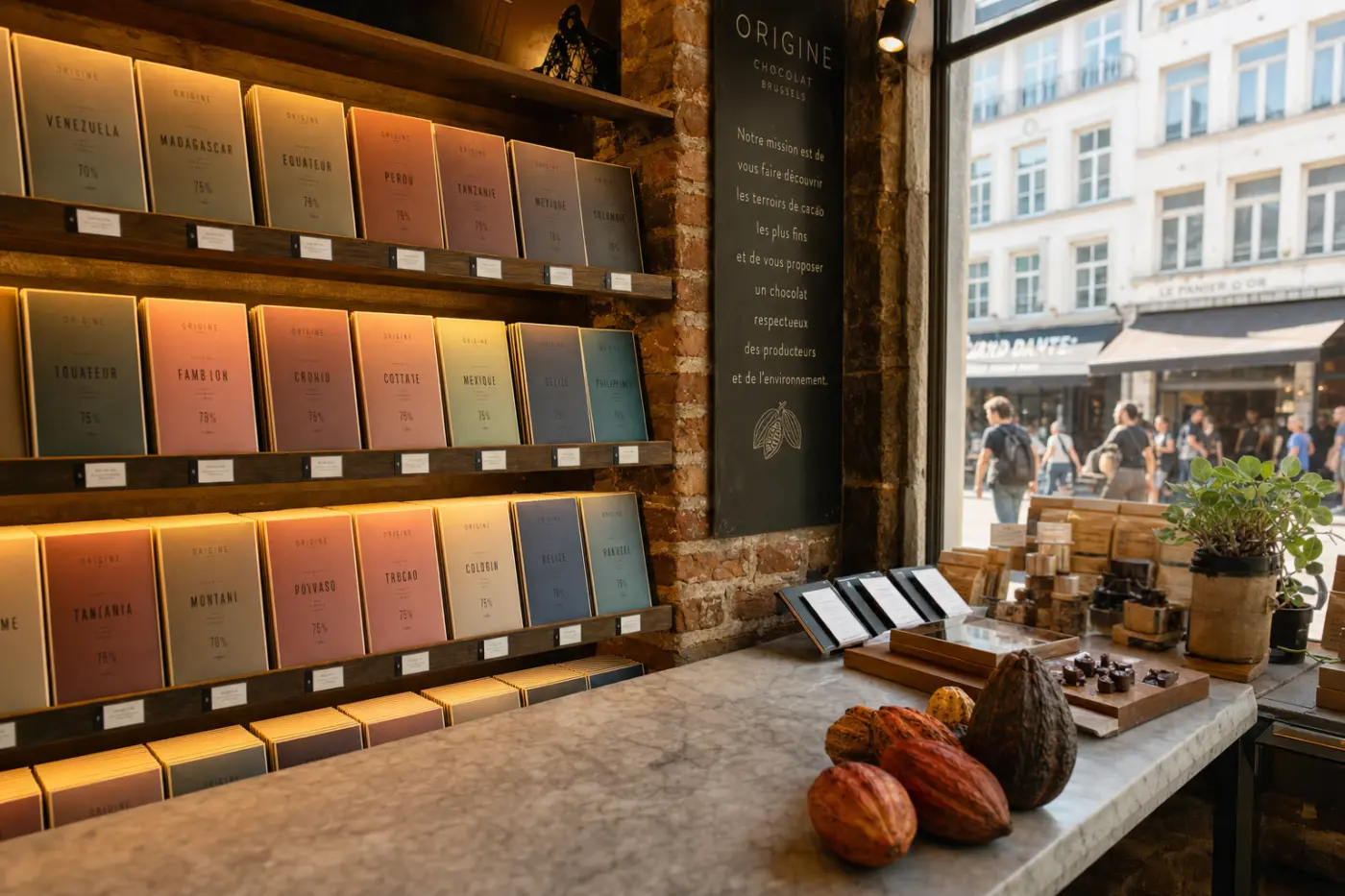
Tourist attraction
Atelier Sainte-Catherine is a Brussels-based bean-to-bar chocolate maker named after the city's storied Place Sainte-Catherine neighbourhood — a quarter whose identity has been shaped since the 13th century by trade, water, and market life. The atelier takes its philosophical cue from that history of provenance: every bar is made from native cocoa beans sourced from clearly identified single origins, primarily from the Amazon rainforest basin in Peru, without added emulsifiers, flavourings, or substitute fats. The percentage printed on each wrapper represents the whole cocoa bean content — nothing else. This radical transparency is a direct counter-statement to the industrial chocolate model that has dominated Belgian confectionery since the late 19th century.
The workshop's signature collection revolves around three exceptional single-origin creations. Amazonas is built on Chuncho cocoa, a variety selected for generations by indigenous Amazonian communities and noted in recent genetic studies for its extraordinary aromatic diversity. Solo Cacao, also made from old-tree Chuncho beans, applies a strict zero-addition philosophy: the natural complexity of the bean is left entirely unmasked, producing a tasting experience free of bitterness despite a high cocoa content. Cacao Blanco uses Porcelana-type beans — a white-seeded genetic rarity considered among the most coveted grands crus in the world — valued for their porcelain-pale colour and exceptionally fine, elegant flavour profile. The beans used across all three lines rank among the rarest commercially available.
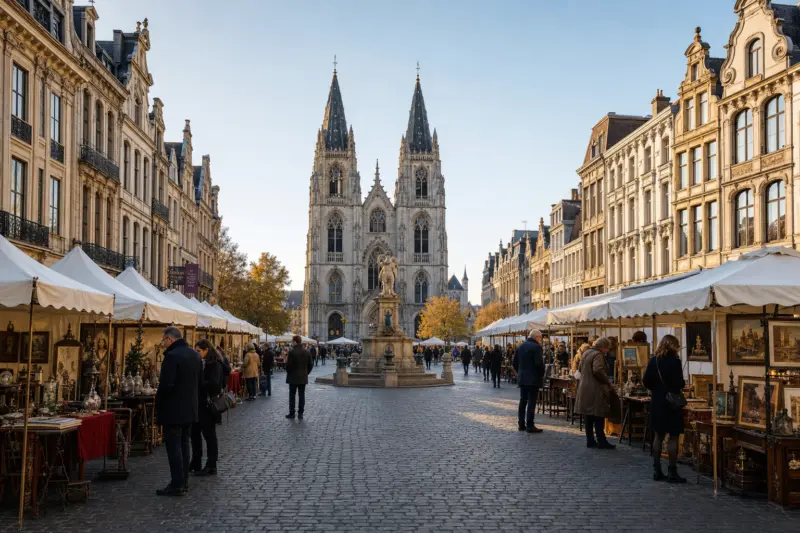
The neighbourhood in which the atelier operates carries its own layered past. Place Sainte-Catherine and its surrounding quays — the Quai aux Briques and Quai au Bois à Brûler — occupy the site of Brussels' former inner-city port, whose dock was progressively filled in during the 19th and 20th centuries. From 1884 to 1955, the city's fish market operated here, lending the area its enduring nickname among locals: le Vismet. The Church of Sainte-Catherine, designed by Joseph Poelaert (the architect of the Palace of Justice) in a deliberate compromise between Gothic proportions and liberal austerity, anchors one end of the square. At the other stands the Anspach Fountain, relocated from Place de Brouckère after metro construction in 1973 and rebuilt here in 1981. This layering of displaced monuments within a living neighbourhood mirrors the atelier's own practice of tracing origins with precision while reinterpreting them in a new context.
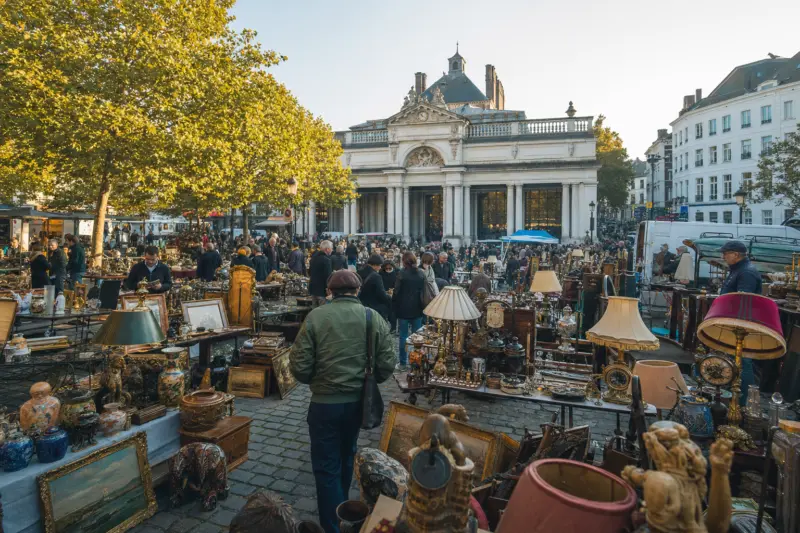
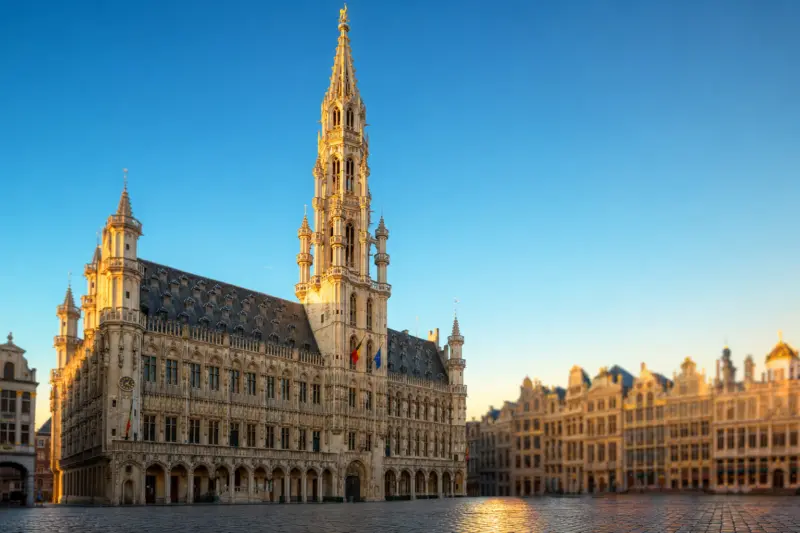
Visitors to Atelier Sainte-Catherine can explore the full product range in-store and purchase the flagship trio as well as the discovery coffret — a set of 16 single-origin mini bars spanning three distinct Peruvian terroirs. The shop operates in French, Dutch, and English, reflecting the multilingual fabric of central Brussels. The Place Sainte-Catherine quarter is easily walkable from the Grand-Place (roughly 10 minutes on foot) and is well served by tram and metro connections. Plan a visit in the morning when the surrounding market stalls are active for the fullest experience of the neighbourhood's mercantile character.
Private tours with a local guide, at your own pace.
Brussels
Brussels
Brussels
Brussels
Brussels
Brussels
Brussels
We use a single cookie, to remember this choice. We do not use analytics or advertising cookies. Read our cookie policy.