Lisboa
Highlights & Secrets of Lisbon Private Walking Tour
✓ Free cancellation Kids friendly
4.8(22 reviews)
From €124/ person
Book Now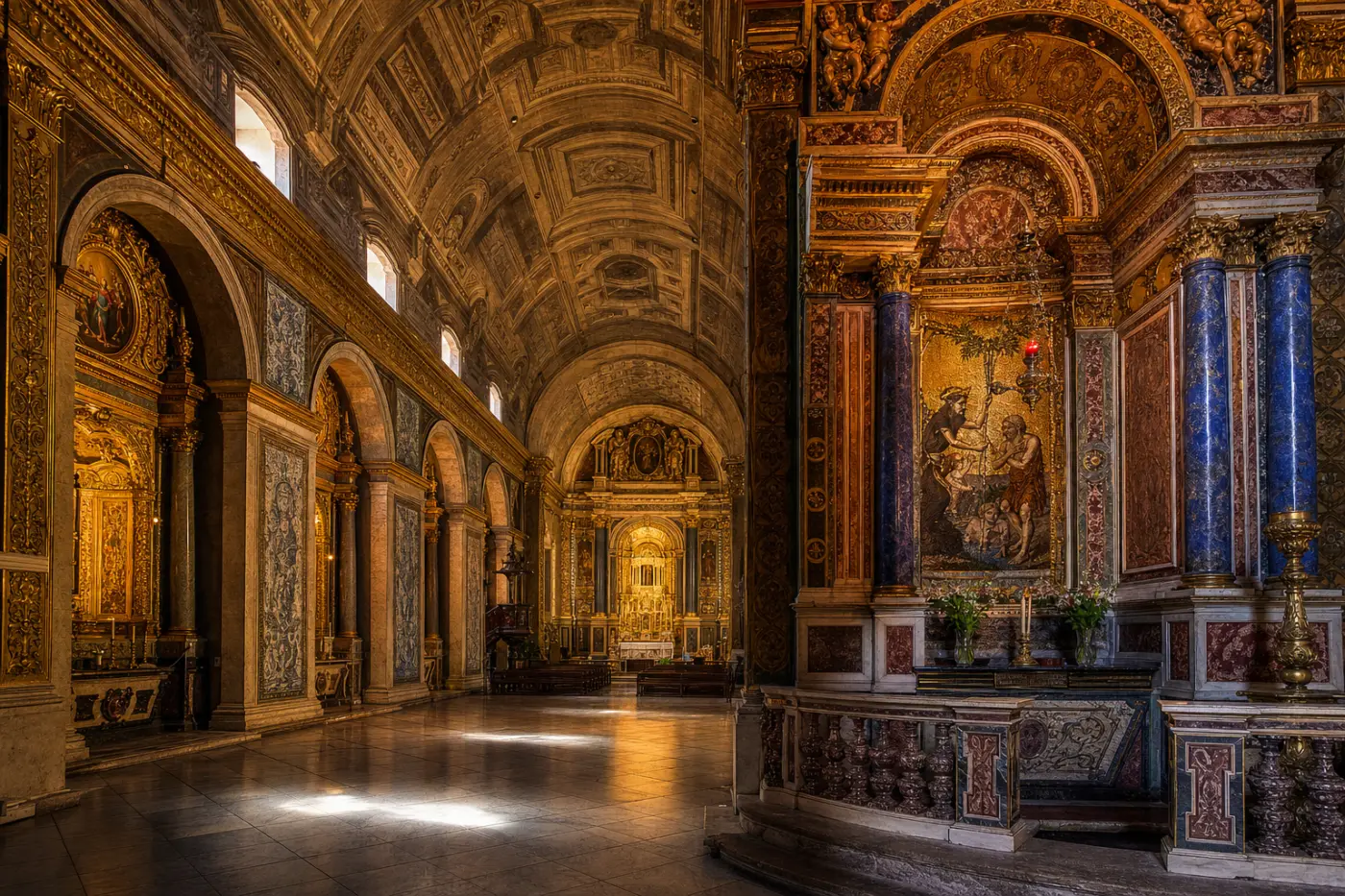
Tourist attraction
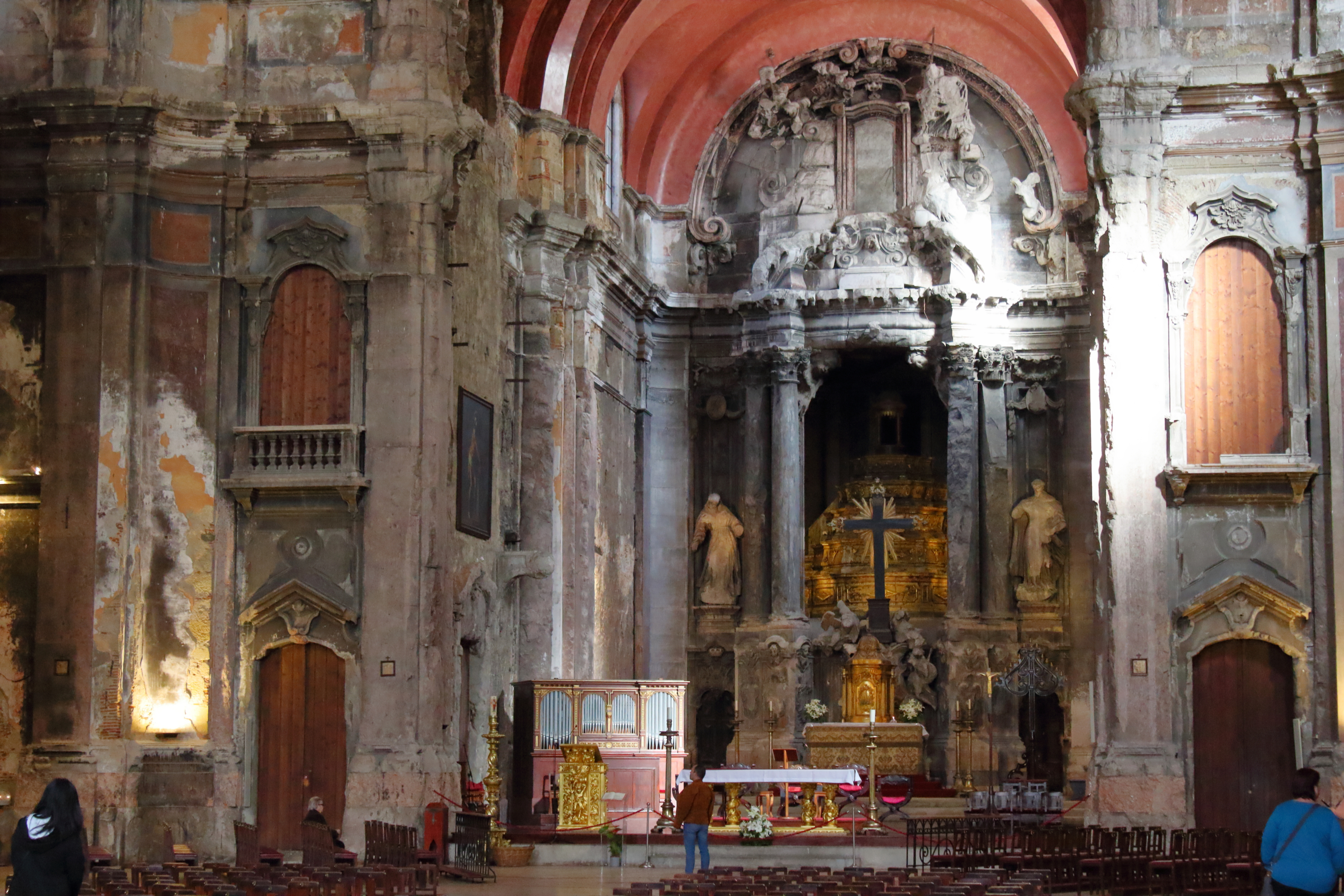
The Igreja de São Roque stands on the edge of Bairro Alto, its whitewashed, almost featureless facade giving nothing away about what lies within. The site began as a modest shrine erected by King Manuel I in the early 16th century to house a relic of Saint Roch (São Roque, c. 1295–1327), a French-born pilgrim canonized for nursing plague victims across northern Italy. Manuel believed the relic would shield Lisbon from the Black Death, a hope that proved tragically unfounded. The shrine's significance shifted dramatically in the latter half of the 16th century when the Society of Jesus — the Jesuits — adopted it as their primary base in Portugal. What followed was the construction of the first Jesuit church built on Portuguese soil, and among the earliest anywhere in the world, a building that would serve as the order's spiritual headquarters in Lisbon for more than two centuries.
The interior is a masterclass in layered Catholic devotion. The wide single nave, a structural form favored by the Jesuits for its unobstructed preaching sight lines, is crowned by a trompe-l'œil painted wooden ceiling that mimics a stone barrel vault — an optical illusion that continues to deceive visitors at first glance. The side chapels accumulate across decades and patrons: gilded baroque woodwork sits beside Florentine mosaics, hand-painted azulejo tile panels, and intricate marble inlays. The church survived the catastrophic earthquake of 1 November 1755 with only limited damage, an extraordinary fact given that vast stretches of Lisbon's western districts were reduced to rubble. That survival preserved an interior of unusual continuity and completeness, making São Roque one of the most authentic repositories of pre-earthquake Jesuit sacred art in Europe. When the Marquis of Pombal expelled the Jesuits from Portugal in 1759, the complex was transferred in 1768 to the Santa Casa da Misericórdia de Lisboa, which has administered it ever since.
The undisputed centerpiece is the Chapel of Saint John the Baptist (Capela de São João Baptista), commissioned in 1742 by King João V (John V) and built entirely in Rome under the supervision of architects Luigi Vanvitelli and Nicola Salvi. Its materials — rare polychrome marbles, gilded bronze, ivory inlays, lapis lazuli columns, and extraordinarily fine micro-mosaic panels produced by Vatican craftsmen — were assembled to the highest European standard of the era. Pope Benedict XIV consecrated the chapel in the church of Sant'António dei Portoghesi in Rome in 1747, after which it was completely dismantled, packed into 34 crates, shipped to Lisbon, and meticulously rebuilt inside São Roque. The total cost to the Portuguese crown has been estimated at the equivalent of tens of millions of euros in today's value, making it widely cited as one of the most expensive single chapels ever commissioned in Europe. Standing before it, the density of craftsmanship — especially the mosaic panels that at close range reveal themselves as thousands of minute glass tesserae, not paint — is genuinely arresting.
Visitors enter the church free of charge, daily from 9:30 to 17:00. The adjoining Museu de São Roque, opened in its modern form in 1905 as the Museum of the Treasure of the Chapel of Saint John the Baptist, houses the portable treasures: vestments, reliquaries, monstrances, and the original drawings and correspondence relating to the chapel's Roman construction. The museum is open Tuesday to Sunday, 10:00–18:00, with extended Thursday hours until 21:00; admission is €2.50, free on Sundays before 14:00. The nearest metro is Baixa-Chiado (Blue and Green lines), though the climb up through Chiado is steep — the Elevador da Glória funicular from Restauradores deposits visitors directly at the church's doorstep. Allow at minimum 45 minutes inside the church and another 30 for the museum; neither rewards a rushed visit.
Private tours with a local guide, at your own pace.
Lisboa
Lisboa
Lisboa
Lisboa

Lisboa
Lisboa

Lisboa
Lisboa
Lisboa
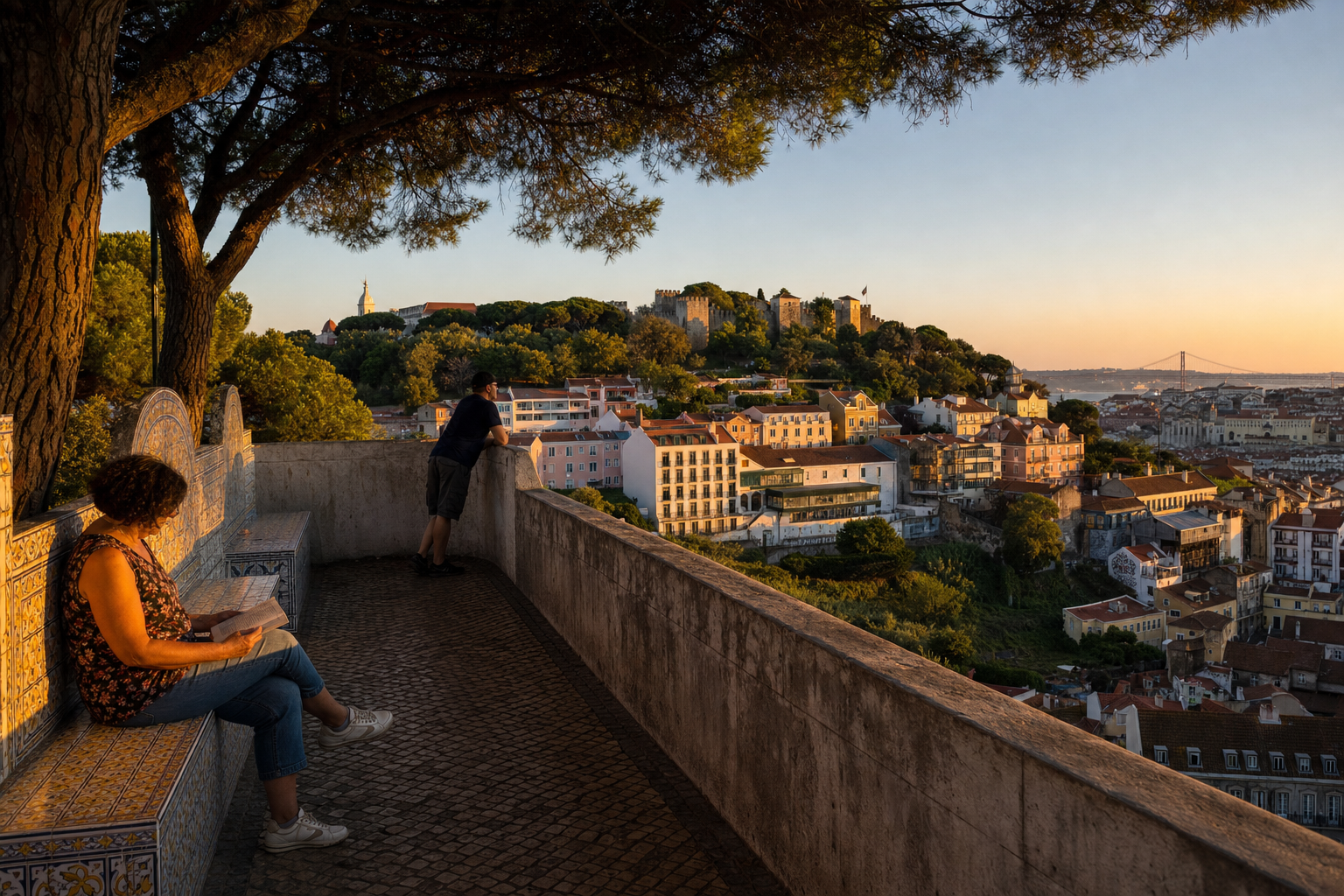
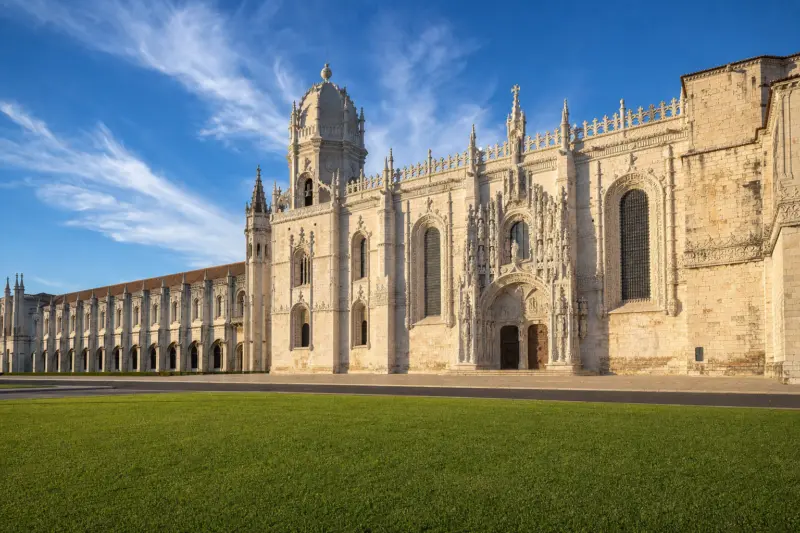
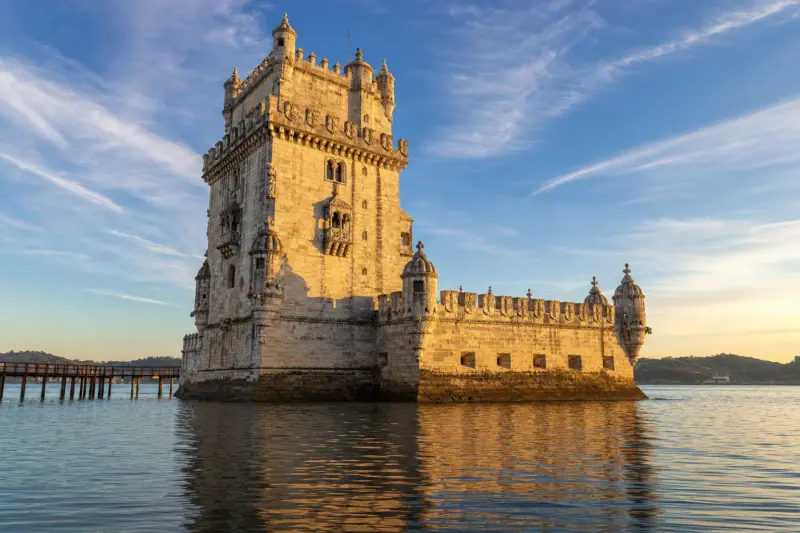
On the morning of 1 November 1755 — All Saints' Day — a catastrophic earthquake followed by a tsunami and fire destroyed roughly 85% of Lisbon. What you walk through today is, in large part, a city deliberately rebuilt from scratch. But not all of it. Alfama, clinging to its bedrock ridge above the Tagus, survived almost untouched. Mouraria, pressed against the castle hill, kept its labyrinthine medieval lanes. Belém, several kilometres west, was far enough from the epicentre to preserve its extraordinary Manueline monuments. These geological and historical accidents shaped the city's character as profoundly as any monarch or architect — and they explain why Lisbon's neighborhoods feel so radically different from one another, even when separated by a ten-minute walk. This guide goes beyond the postcard version. It digs into the specific histories, architectural DNA, and cultural layers that make each district genuinely distinct — and tells you what you'd actually miss if you only followed the crowds.
Read more →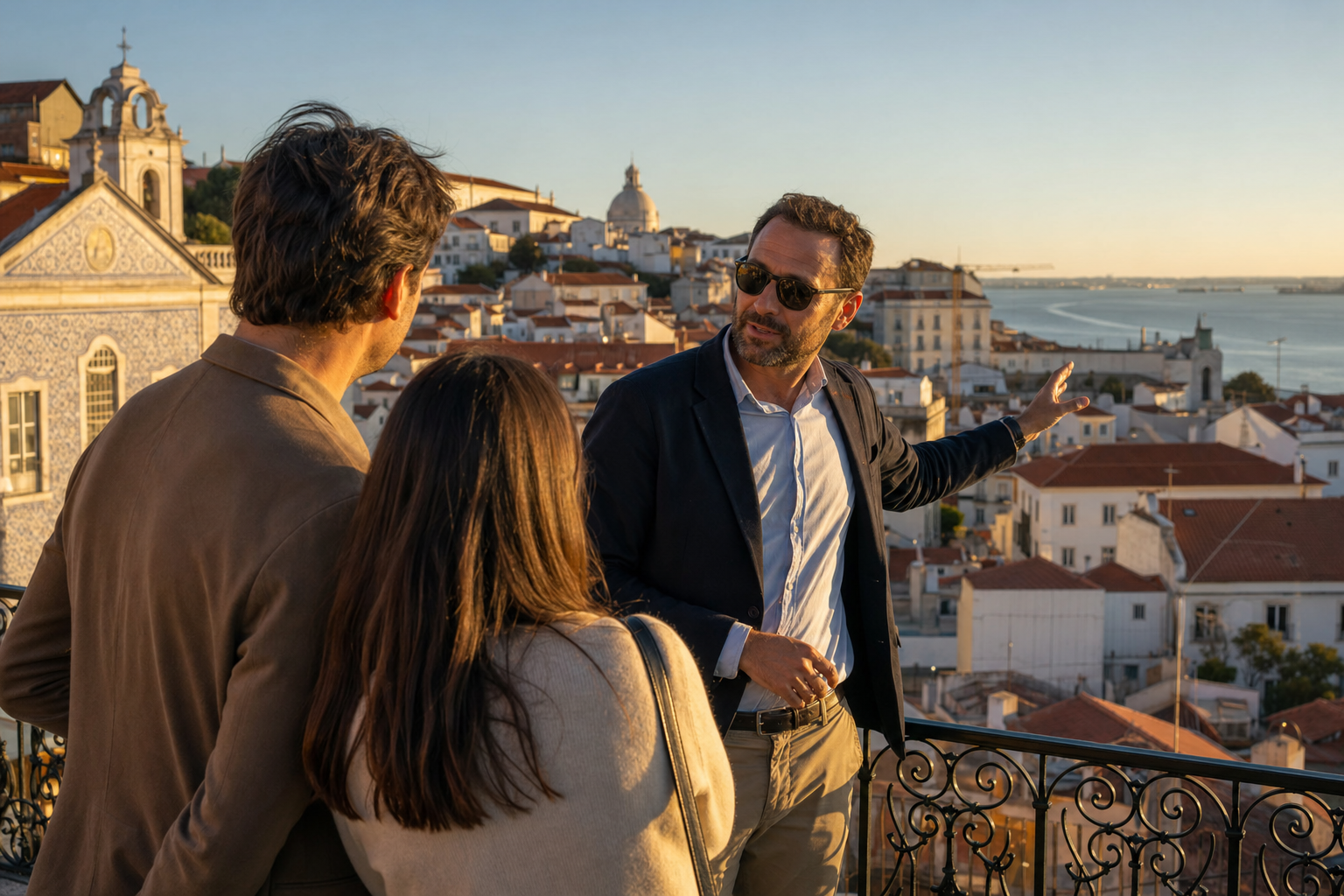
On the morning of 1 November 1755 — All Saints' Day — a catastrophic earthquake, followed by a tsunami and firestorm, killed between 30,000 and 40,000 people and erased the medieval centre of Lisbon in under six minutes. The city that rose from the rubble was rebuilt on an entirely different logic: the rational Pombaline grid of Baixa, named after the Marquis of Pombal who oversaw the reconstruction. That rupture still defines every street, tile panel, and viewpoint you encounter today — but almost no group tour has the time or flexibility to explain why. Lisbon is not one city; it is at least four, stacked across seven hills, shaped by a global maritime empire, a catastrophic earthquake, and centuries of cultural layering that even most visitors who have been here before have only scratched the surface of. That is precisely why private tours in Lisbon work so differently from anywhere else in Europe — and why getting them right matters.
Read more →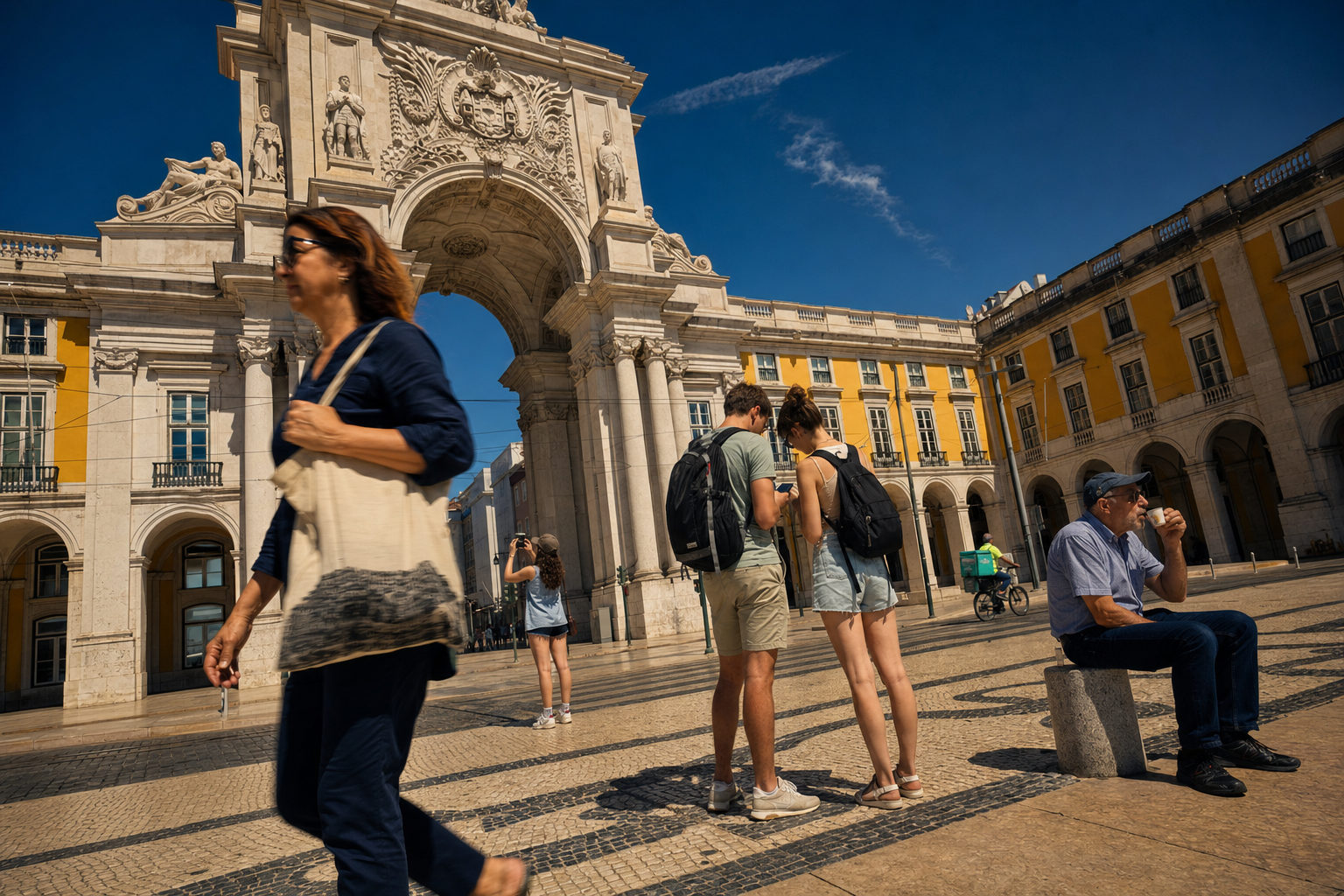
At 9:40 on the morning of 1 November 1755 — All Saints' Day, when most of Lisbon's population was inside a church — an earthquake estimated between 8.5 and 9 on the Richter scale struck the city. Three separate tremors, a tsunami, and fires that burned for five days killed between 30,000 and 40,000 people and levelled roughly 85% of the built environment. The Marquis of Pombal rebuilt the lower city from scratch on a rational Enlightenment grid — one of the first planned urban rebuilds in European history. But one neighbourhood didn't fall. Alfama, the ancient Moorish quarter, sat on solid schist bedrock and held. The street pattern you walk today is the one laid down before the 12th century. That single geological accident is the reason Lisbon feels unlike any other Western European capital: its oldest layers weren't buried under 19th-century renovation. They stayed visible, walkable, and inhabited. A long weekend in Lisbon — three full days, properly structured — is enough time to feel that depth across millennia of empire, faith, and fado. But only if you spend those days the right way.
Read more →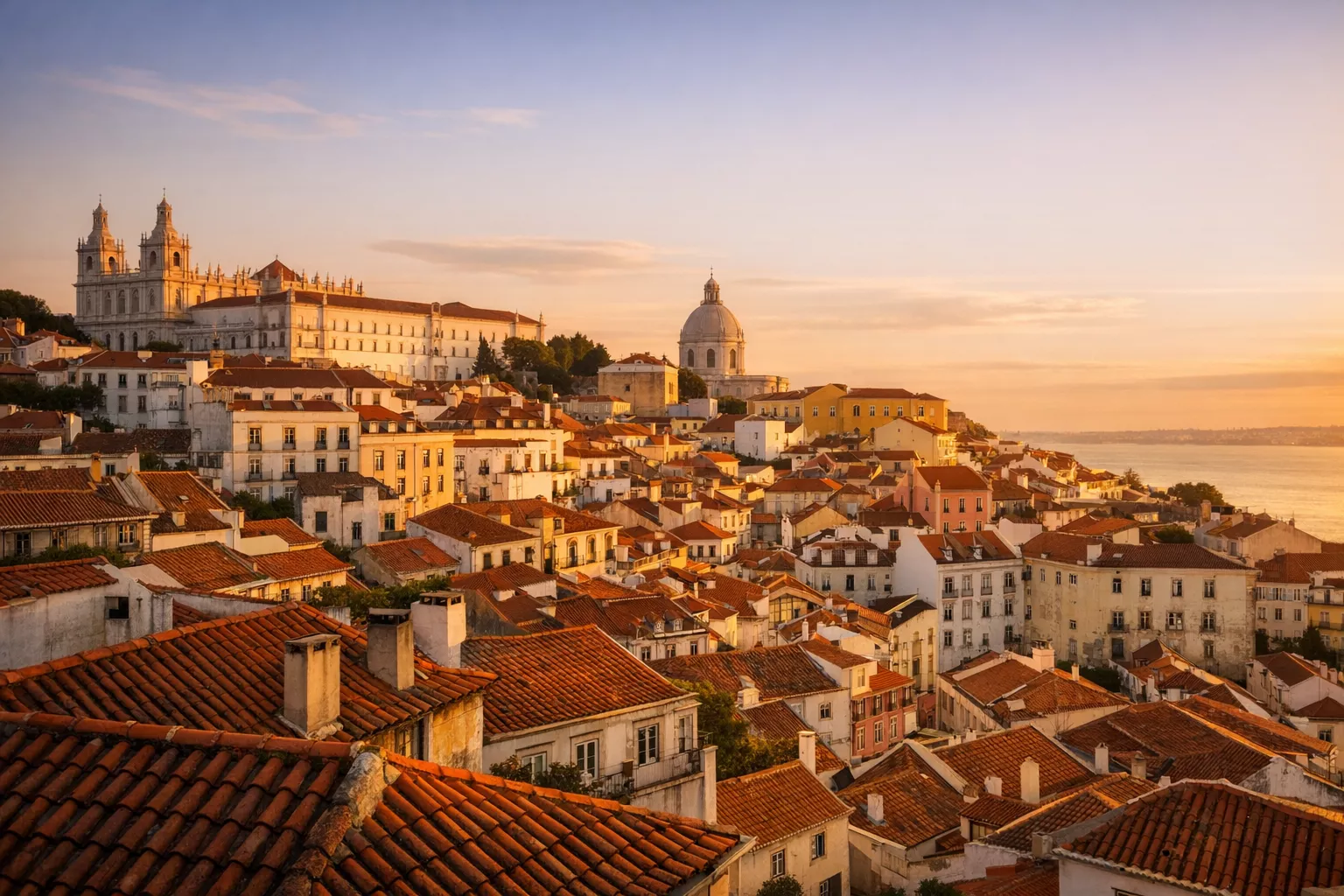
Discover the vibrant city of Lisbon, where history, culture, and gastronomy blend together perfectly. Whether you're a history buff, a foodie, or an adventurer, this guide will reveal the top things to do in Lisbon, along with links to exclusive local tours.
Read more →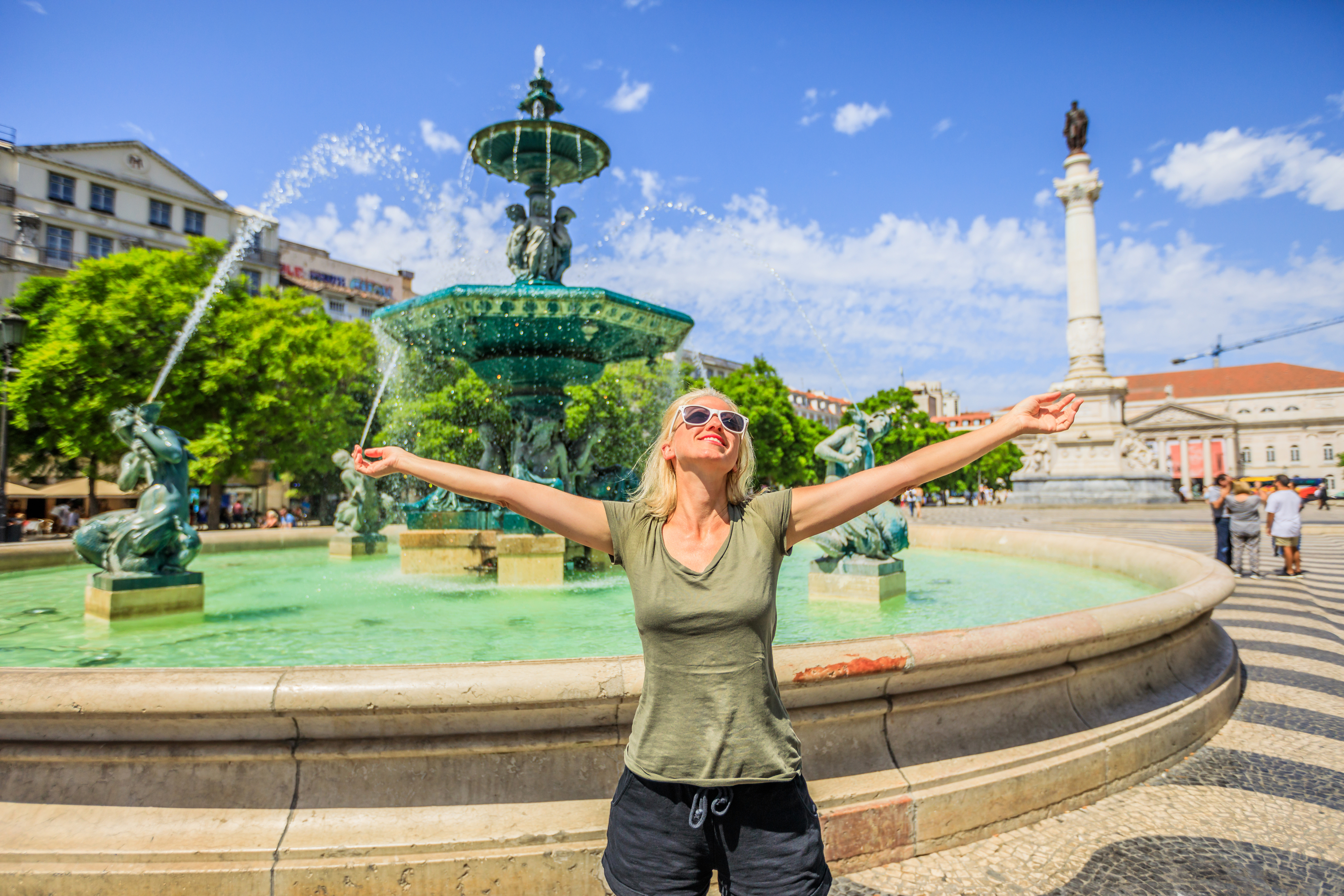
Lisbon, the capital city of Portugal, is a vibrant and enchanting destination that offers a perfect blend of history, culture, and natural beauty. From its picturesque neighborhoods to its stunning architectural landmarks, Lisbon has something to offer every traveler. Whether you have just a few days or a whole week, this city will captivate you with its charm and allure.
Read more →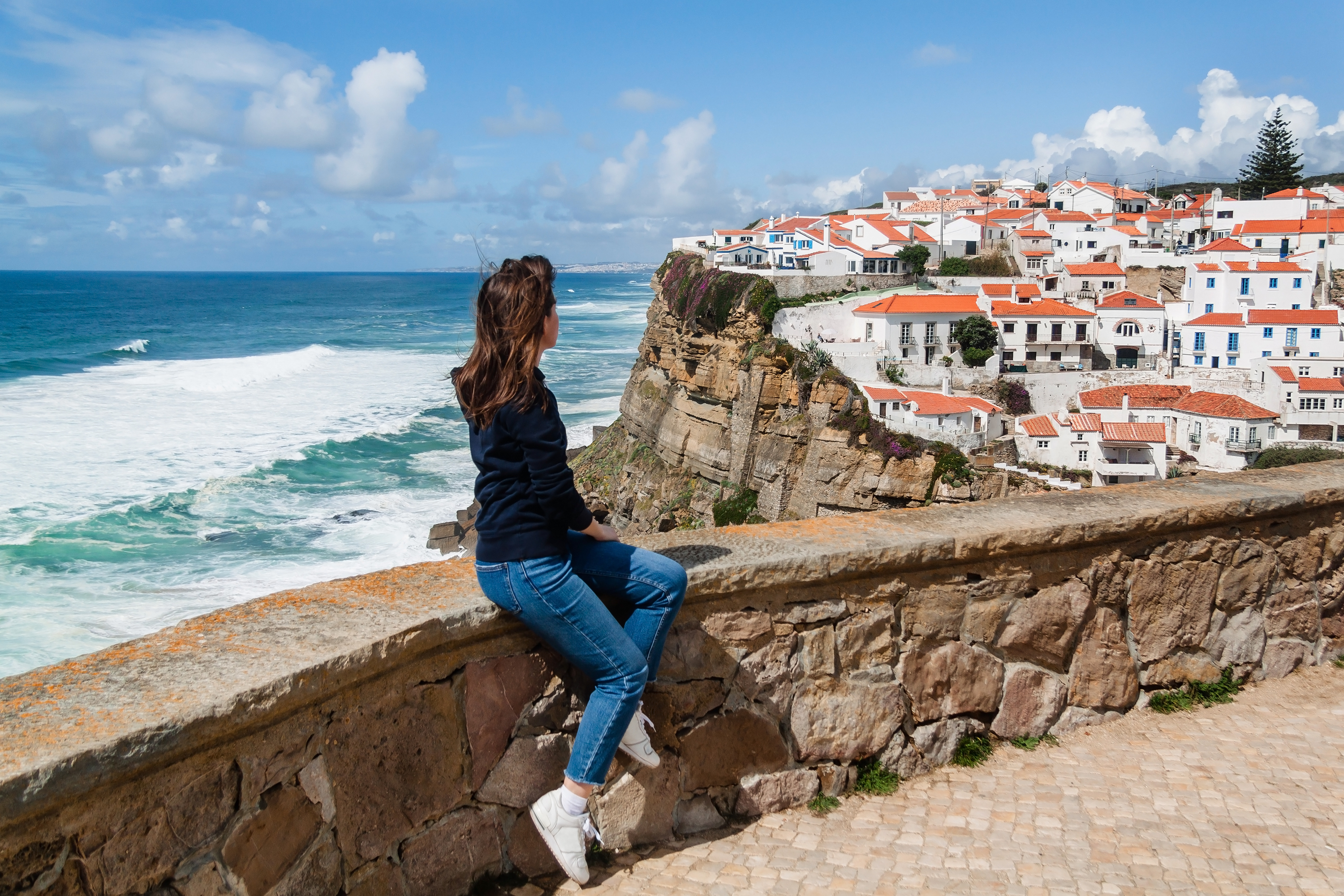
In the vicinity of Lisbon there are many beautiful villages and places to visit on day trips. At any time of the year, you can discover small towns, palaces, castles, beaches and beautiful landscapes. Signing up for a private tour with a local guide can be a very good option, so that you don't miss any detail, learn about history, while optimising time and money. Otherwise, it is also possible to do it on your own, thanks to public transport or rental cars. Which places do we recommend?
Read more →We use a single cookie, to remember this choice. We do not use analytics or advertising cookies. Read our cookie policy.