4.5 hrs
Lisboa
Belem Private Day Trip: History, Heritage & Local Tasting
✓ Free cancellation Kids friendly
5.0(31 reviews)
From €177/ person
Book Now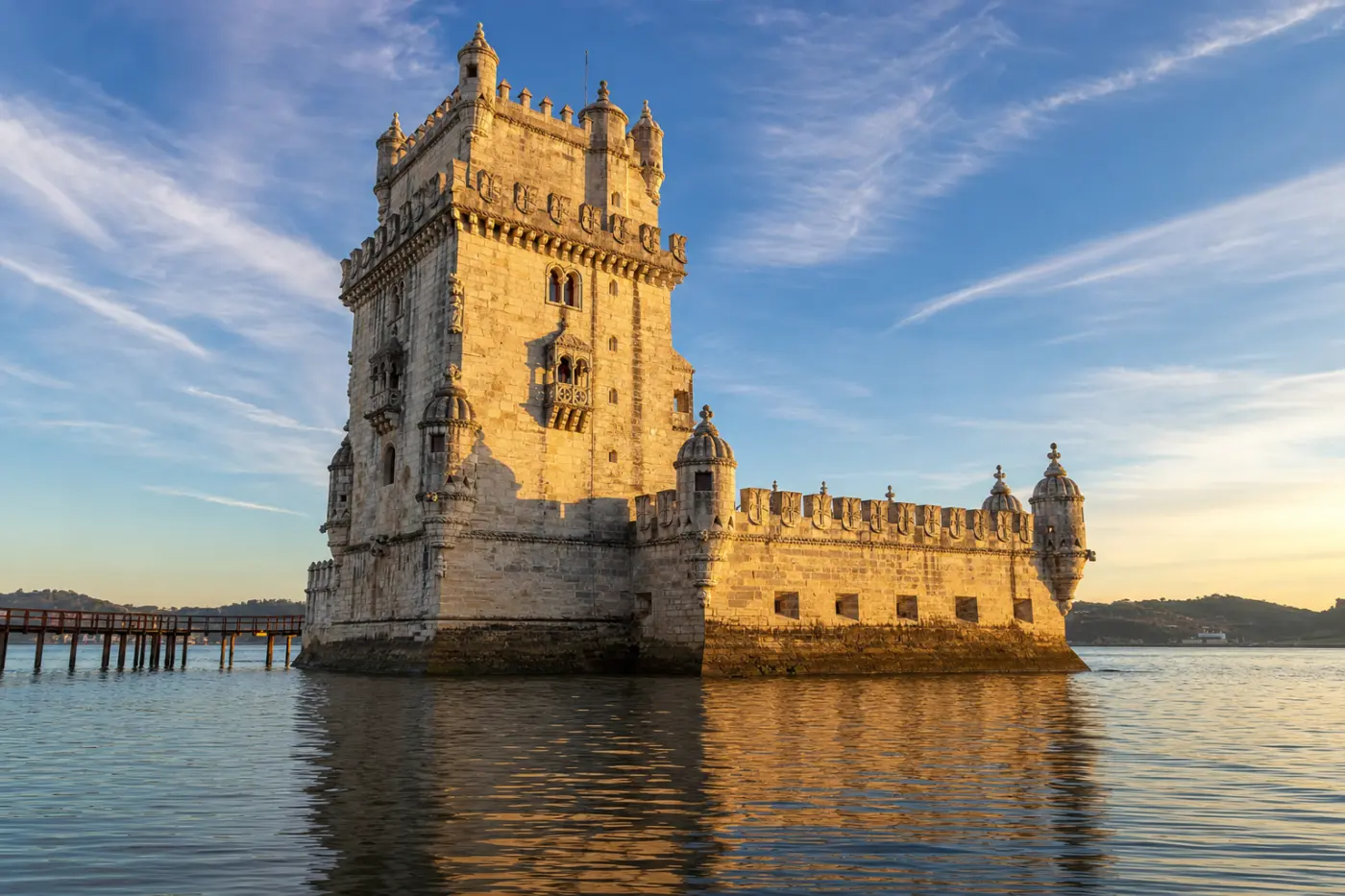
Tourist attraction
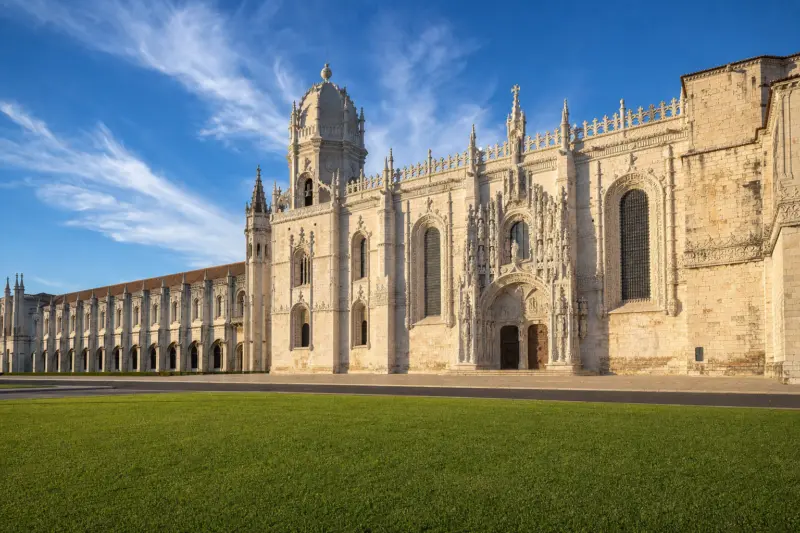
The Torre de Belém is a fortified tower and ceremonial gateway standing on a small platform in the River Tagus, in the Belém parish of Lisbon. Commissioned by King Manuel I and built between 1516 and 1519 under the direction of military architect Francisco de Arruda, the tower served simultaneously as a defensive bulwark controlling river access to Lisbon, a customs post for vessels returning from the Indies, and a symbolic portal marking the departure point of Portugal's Age of Discovery fleets — including Vasco da Gama's 1497 expedition to India. In 1983, UNESCO inscribed it as a World Heritage Site alongside the nearby Jerónimos Monastery, recognising both as supreme expressions of the Manueline style, Portugal's distinctly ornate late-Gothic idiom fused with Moorish and Renaissance motifs.
The architecture of the tower is its most astonishing feature. Its four-storey keep and hexagonal bastion are encrusted with carved limestone detail drawn directly from maritime life: twisted rope mouldings frame every arch, armillary spheres — the personal emblem of Manuel I — punctuate the balustrades, and the Cross of the Order of Christ, the crusading order that financed many voyages, appears repeatedly across the façade. The northwest corner of the bastion features one of the tower's most unusual ornamental details: a carved rhinoceros head beneath a sentry box, believed to commemorate the famous Indian rhinoceros sent as a diplomatic gift to Manuel I in 1515 — the first live rhinoceros seen in Europe since Roman antiquity. The loggia on the upper floors displays Venetian-influenced arched windows and delicate colonettes, reflecting the international cultural exchange Portugal fostered at the height of its empire.
Over its five centuries of existence, the tower has served radically different functions. During the Spanish rule of Portugal (1580–1640), it was reinforced and partly reconfigured as a prison, holding political prisoners in its damp lower chambers. After the Liberal Revolution of 1820, it was repurposed again, briefly housing a telegraph station. By the 19th century, Romantic writers and painters had transformed it into Portugal's defining national symbol; Hans Christian Andersen visited Belém in 1866 and described the tower in his travel writings. Today it is one of Portugal's most visited monuments, drawing over one million visitors annually.
Visitors enter via a drawbridge over the bastion's moat and can climb all four floors of the keep, each level progressively narrowing to a rooftop terrace that delivers panoramic views across the Tagus estuary toward the 25 de Abril Bridge and the Cristo Rei statue on the southern bank. The interiors are spare — stone vaulting, cannon embrasures, and original well shafts — which makes the contrast with the exuberant exterior all the more striking. The site is extremely busy from late morning; arriving at opening time (10:00) on a weekday, or purchasing tickets in advance online through the EGEAC portal, will save significant waiting time. The Lisboa Card covers entry and is worth considering if you plan to visit multiple monuments in the Belém district, including the Jerónimos Monastery just 800 metres to the east.
Private tours with a local guide, at your own pace.
Lisboa
Lisboa
Lisboa

Lisboa
Lisboa
Lisboa

Lisboa
Lisboa
Lisboa
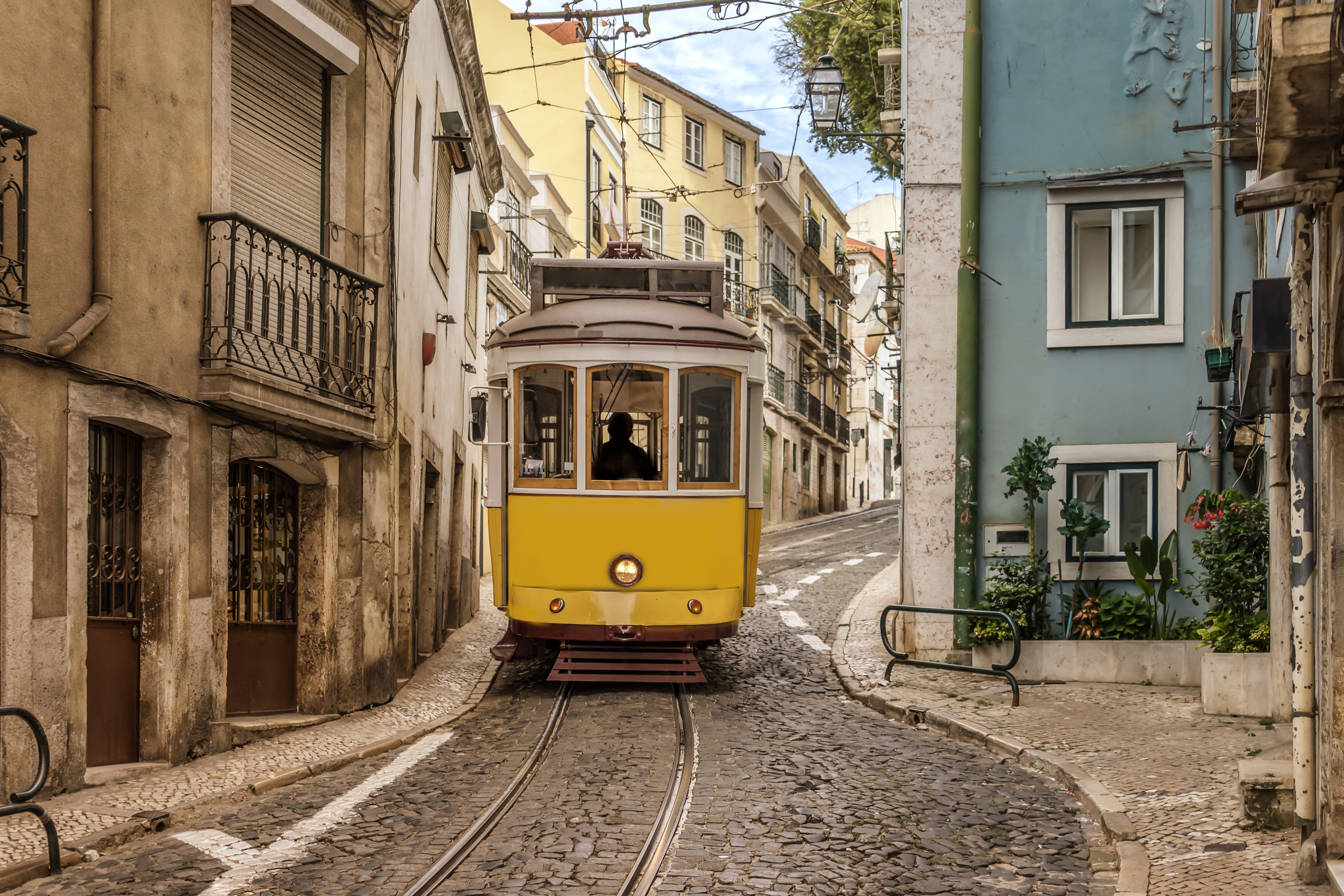
On the morning of 1 November 1755 — All Saints' Day — a catastrophic earthquake followed by a tsunami and fire destroyed roughly 85% of Lisbon. What you walk through today is, in large part, a city deliberately rebuilt from scratch. But not all of it. Alfama, clinging to its bedrock ridge above the Tagus, survived almost untouched. Mouraria, pressed against the castle hill, kept its labyrinthine medieval lanes. Belém, several kilometres west, was far enough from the epicentre to preserve its extraordinary Manueline monuments. These geological and historical accidents shaped the city's character as profoundly as any monarch or architect — and they explain why Lisbon's neighborhoods feel so radically different from one another, even when separated by a ten-minute walk. This guide goes beyond the postcard version. It digs into the specific histories, architectural DNA, and cultural layers that make each district genuinely distinct — and tells you what you'd actually miss if you only followed the crowds.
Read more →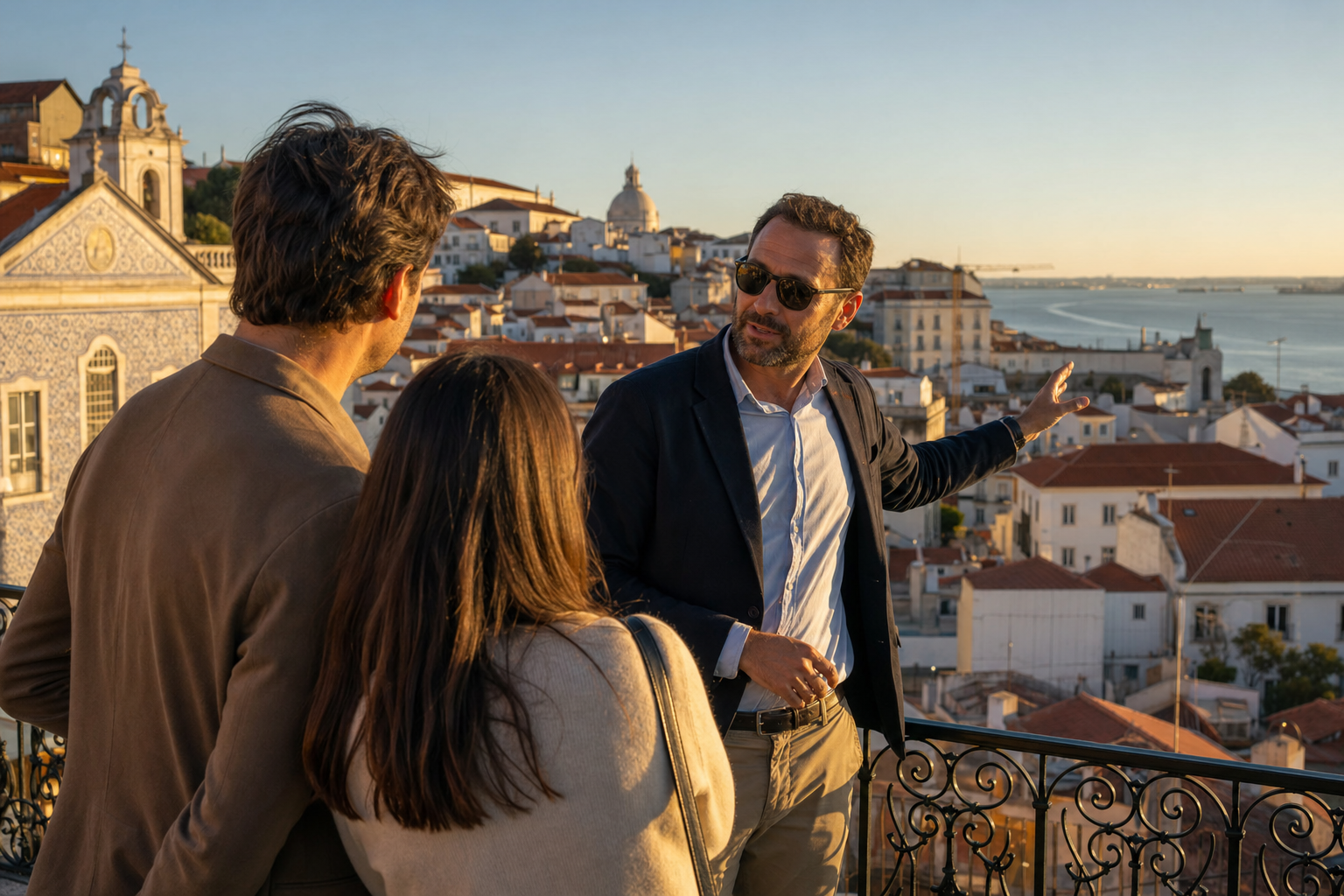
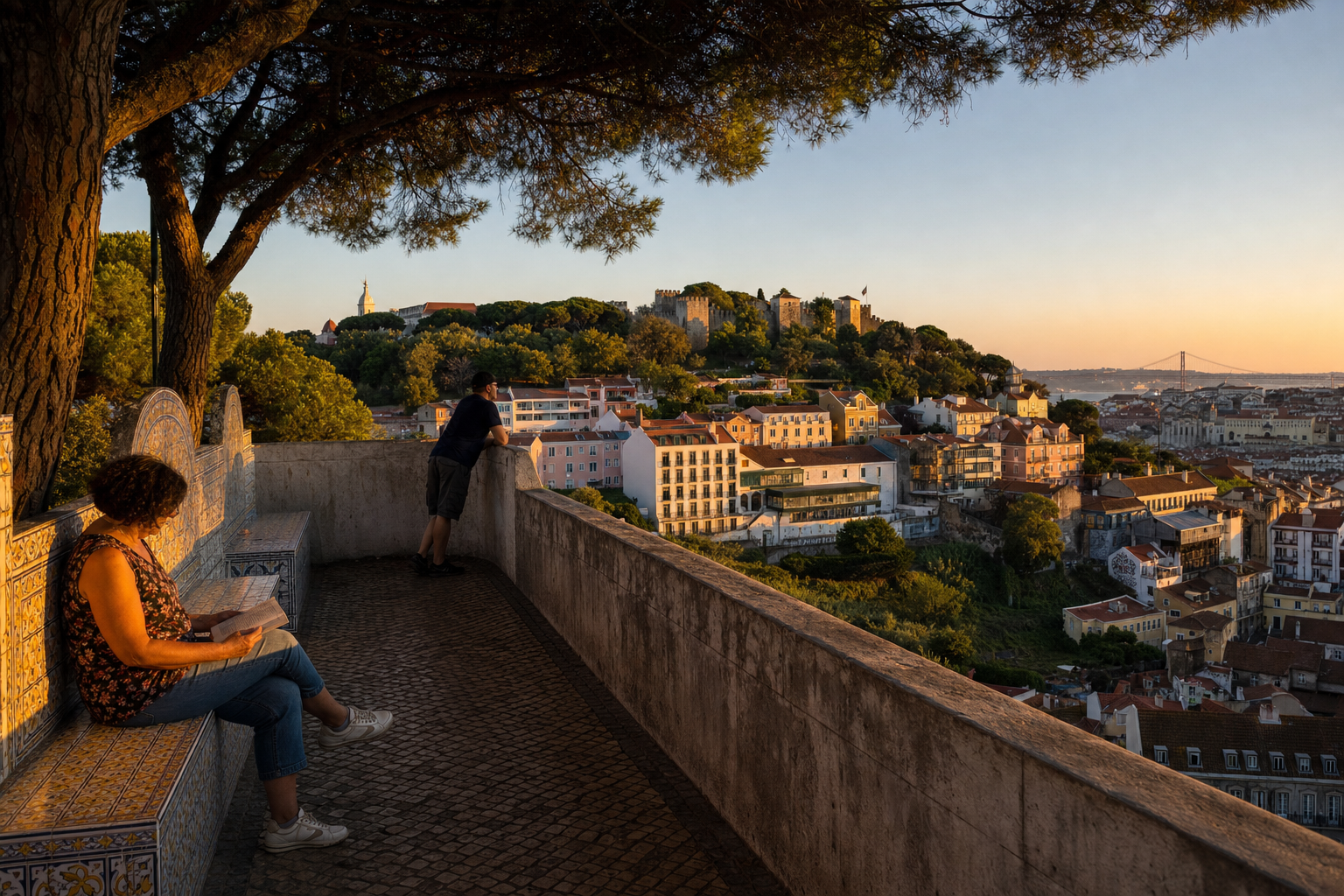
On the morning of 1 November 1755 — All Saints' Day — a catastrophic earthquake, followed by a tsunami and firestorm, killed between 30,000 and 40,000 people and erased the medieval centre of Lisbon in under six minutes. The city that rose from the rubble was rebuilt on an entirely different logic: the rational Pombaline grid of Baixa, named after the Marquis of Pombal who oversaw the reconstruction. That rupture still defines every street, tile panel, and viewpoint you encounter today — but almost no group tour has the time or flexibility to explain why. Lisbon is not one city; it is at least four, stacked across seven hills, shaped by a global maritime empire, a catastrophic earthquake, and centuries of cultural layering that even most visitors who have been here before have only scratched the surface of. That is precisely why private tours in Lisbon work so differently from anywhere else in Europe — and why getting them right matters.
Read more →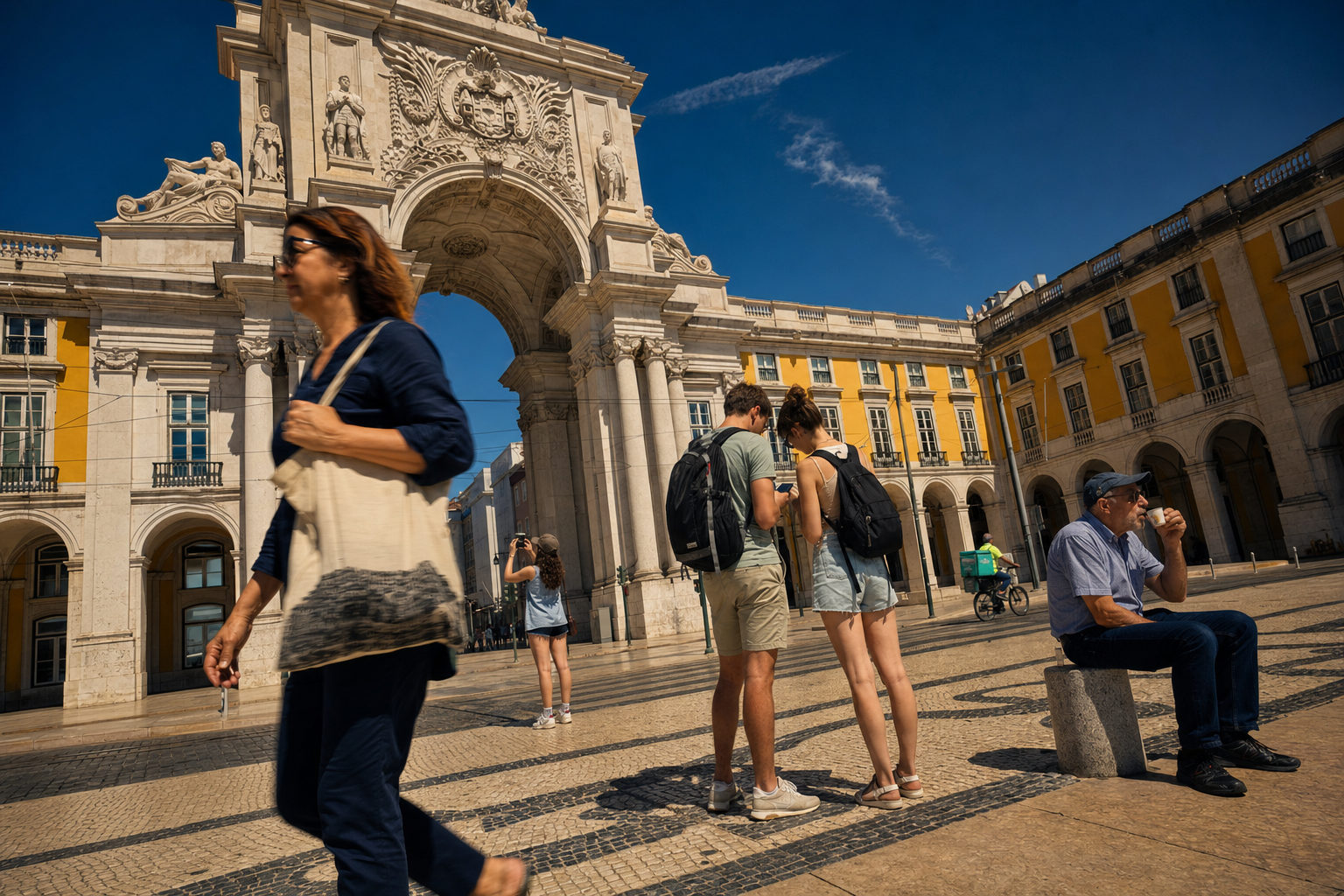
At 9:40 on the morning of 1 November 1755 — All Saints' Day, when most of Lisbon's population was inside a church — an earthquake estimated between 8.5 and 9 on the Richter scale struck the city. Three separate tremors, a tsunami, and fires that burned for five days killed between 30,000 and 40,000 people and levelled roughly 85% of the built environment. The Marquis of Pombal rebuilt the lower city from scratch on a rational Enlightenment grid — one of the first planned urban rebuilds in European history. But one neighbourhood didn't fall. Alfama, the ancient Moorish quarter, sat on solid schist bedrock and held. The street pattern you walk today is the one laid down before the 12th century. That single geological accident is the reason Lisbon feels unlike any other Western European capital: its oldest layers weren't buried under 19th-century renovation. They stayed visible, walkable, and inhabited. A long weekend in Lisbon — three full days, properly structured — is enough time to feel that depth across millennia of empire, faith, and fado. But only if you spend those days the right way.
Read more →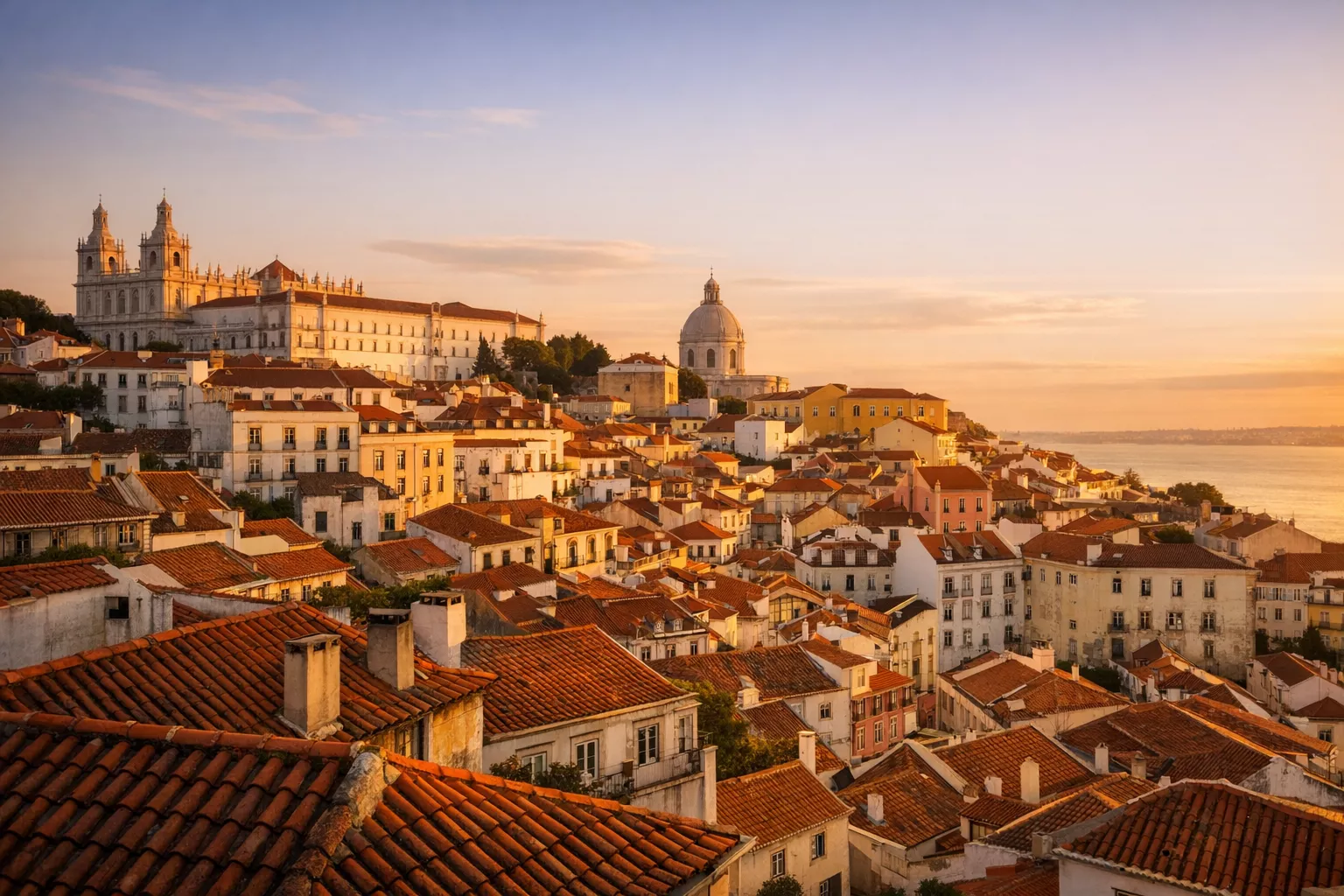
Discover the vibrant city of Lisbon, where history, culture, and gastronomy blend together perfectly. Whether you're a history buff, a foodie, or an adventurer, this guide will reveal the top things to do in Lisbon, along with links to exclusive local tours.
Read more →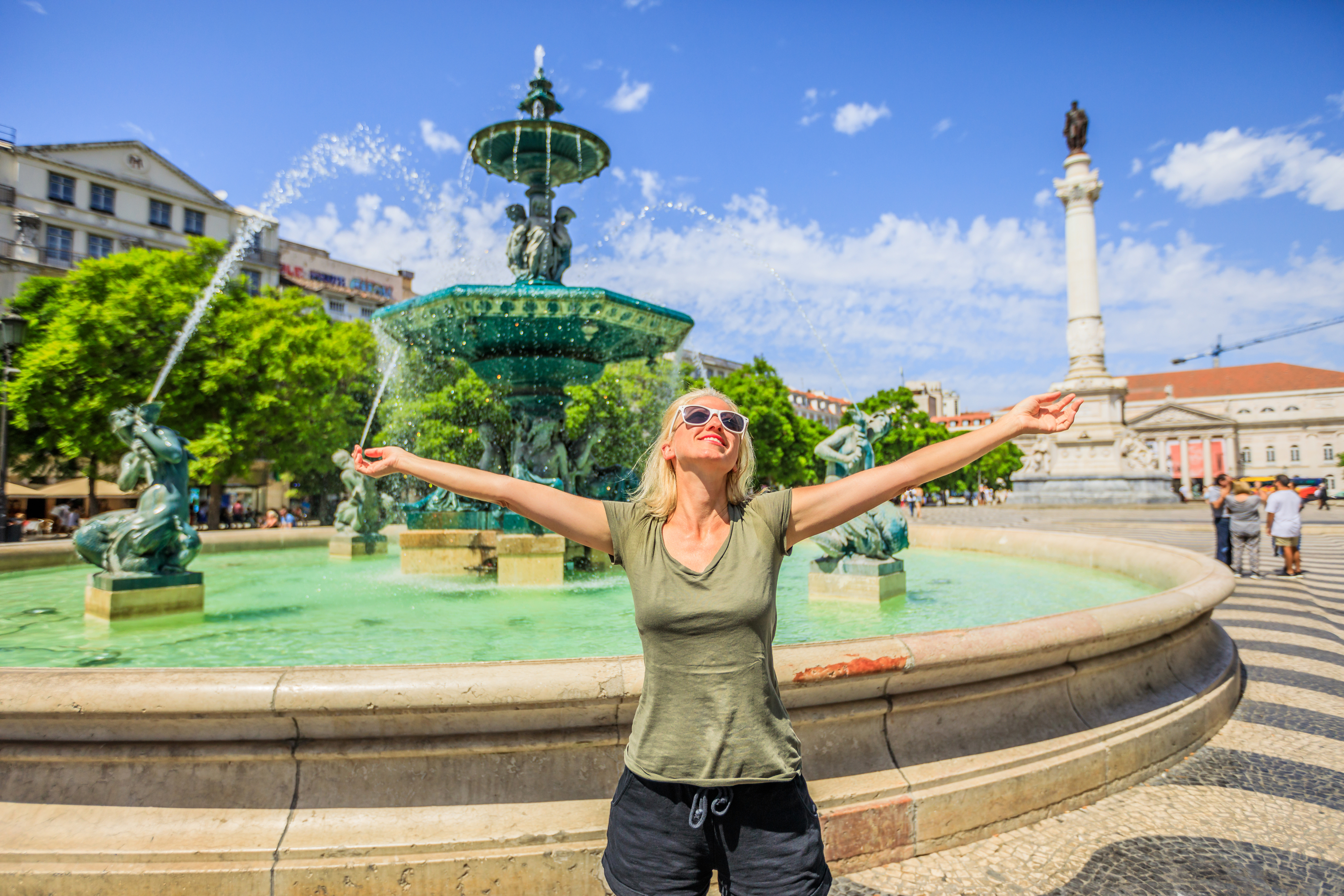
Lisbon, the capital city of Portugal, is a vibrant and enchanting destination that offers a perfect blend of history, culture, and natural beauty. From its picturesque neighborhoods to its stunning architectural landmarks, Lisbon has something to offer every traveler. Whether you have just a few days or a whole week, this city will captivate you with its charm and allure.
Read more →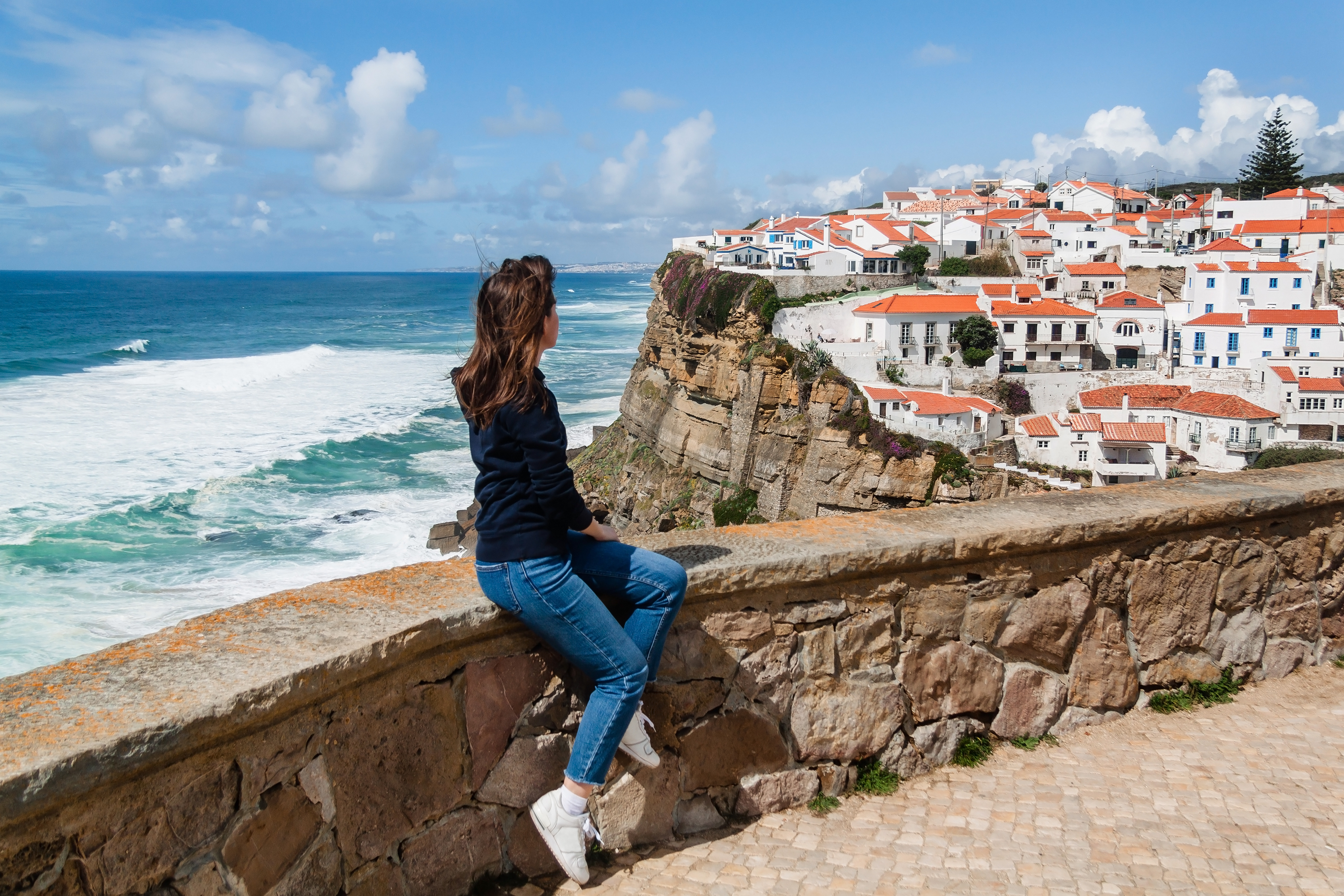
In the vicinity of Lisbon there are many beautiful villages and places to visit on day trips. At any time of the year, you can discover small towns, palaces, castles, beaches and beautiful landscapes. Signing up for a private tour with a local guide can be a very good option, so that you don't miss any detail, learn about history, while optimising time and money. Otherwise, it is also possible to do it on your own, thanks to public transport or rental cars. Which places do we recommend?
Read more →We use a single cookie, to remember this choice. We do not use analytics or advertising cookies. Read our cookie policy.