4.5 hrs
Lisboa
Belem Private Day Trip: History, Heritage & Local Tasting
✓ Free cancellation Kids friendly
5.0(31 reviews)
From €177/ person
Book Now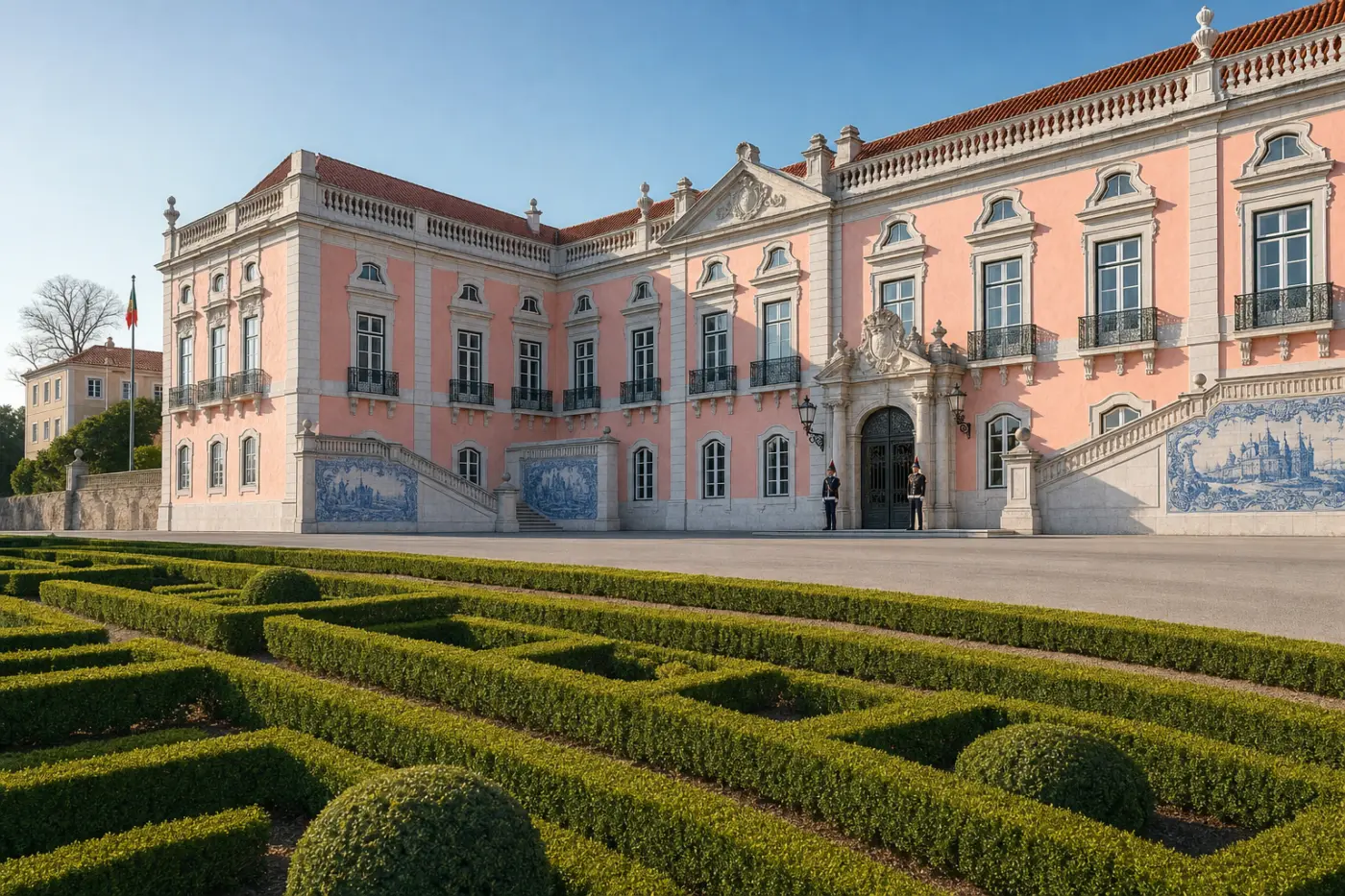
Tourist attraction
The Palácio Nacional de Belém is one of the few royal palaces in Europe that functions as an active head-of-state residence — today housing the official offices and ceremonial apartments of the President of the Portuguese Republic. Its origins lie in a 16th-century noble estate perched on a hill above the Tagus estuary in Belém, but the palace's royal chapter began decisively in 1726 when King João V purchased the property to serve as a fashionable summer retreat away from the formalities of Lisbon's Ribeira Palace. That decision proved pivotal: on the morning of 1 November 1755, the great earthquake and subsequent tsunami and fires obliterated most of Lisbon, including the Ribeira Palace entirely. Belém, sitting further west and on higher ground, survived nearly unscathed, instantly becoming the sanctuary of the traumatised royal court and the de facto seat of Portuguese governance. The palace was subsequently expanded through the late 18th and 19th centuries, acquiring the distinctive long, L-shaped facade in a style that blends restrained Mannerist geometry with Baroque decorative flourishes — all rendered in the unmistakable salmon-pink render that has become its visual signature along the Rua de Belém.
The exterior alone rewards close study. Facing the Praça Afonso de Albuquerque, the main facade is flanked by terraces adorned with extraordinary 18th-century blue-and-white azulejo tile panels depicting the mythological "Labours of Hercules" — a pictorial programme that signals both the palace's royal ambitions and the Baroque taste for classical allegory. Manicured box-hedge parterres provide a formal foreground, and at the main entrance on the Rua de Belém, sentries of the National Republican Guard (GNR) stand motionless in full ceremonial uniform year-round. On the third Sunday of every month at 11:00 am, a full Changing of the Guard ceremony unfolds before the palace gates, complete with the GNR's military band, a mounted brass band on horseback, and precision marching drills — one of Lisbon's most impressive pieces of living state pageantry and entirely free to watch.
The palace's interior remains private as a working state building, but the Museu da Presidência da República — inaugurated in 2004 within the palace complex — provides exceptional access to its history and symbolic weight. The museum chronicles every president of the Portuguese Republic since its proclamation on 5 October 1910, through official portraits, personal objects, state gifts received from world leaders, and key constitutional documents. It is particularly illuminating on Portugal's turbulent 20th century: the long Estado Novo dictatorship under António de Oliveira Salazar (1933–1968) and Marcello Caetano, the Carnation Revolution of 25 April 1974, and the transition to liberal democracy, all of which directly shaped who held power in these very rooms. The collection contextualises the palace not merely as an architectural monument but as a barometer of the Portuguese state's evolution across three centuries.
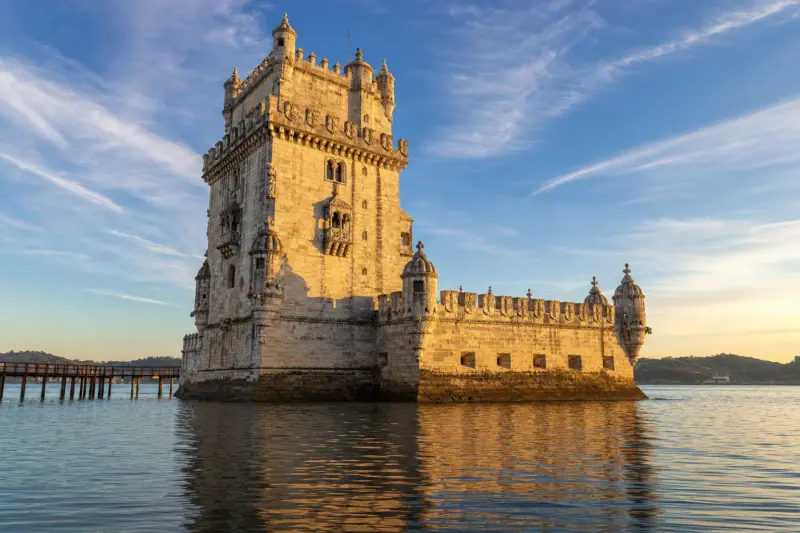
Visiting the palace complex fits naturally into a broader Belém itinerary. The Praça Afonso de Albuquerque — named after the 16th-century viceroy of Portuguese India — sits directly in front and connects the palace grounds to the neighbourhood's other monuments, including the Torre de Belém and the Mosteiro dos Jerónimos, both within a 15-minute walk. Tram 15E from Praça da Figueira and trains from Cais do Sodré stop at Belém station, a 5-minute walk east. The museum charges a modest entrance fee and is closed on Mondays; combining it with the Changing of the Guard on a third Sunday morning makes for a single, exceptionally well-rounded visit.
Private tours with a local guide, at your own pace.
Lisboa
Lisboa
Lisboa

Lisboa
Lisboa
Lisboa

Lisboa
Lisboa
Lisboa
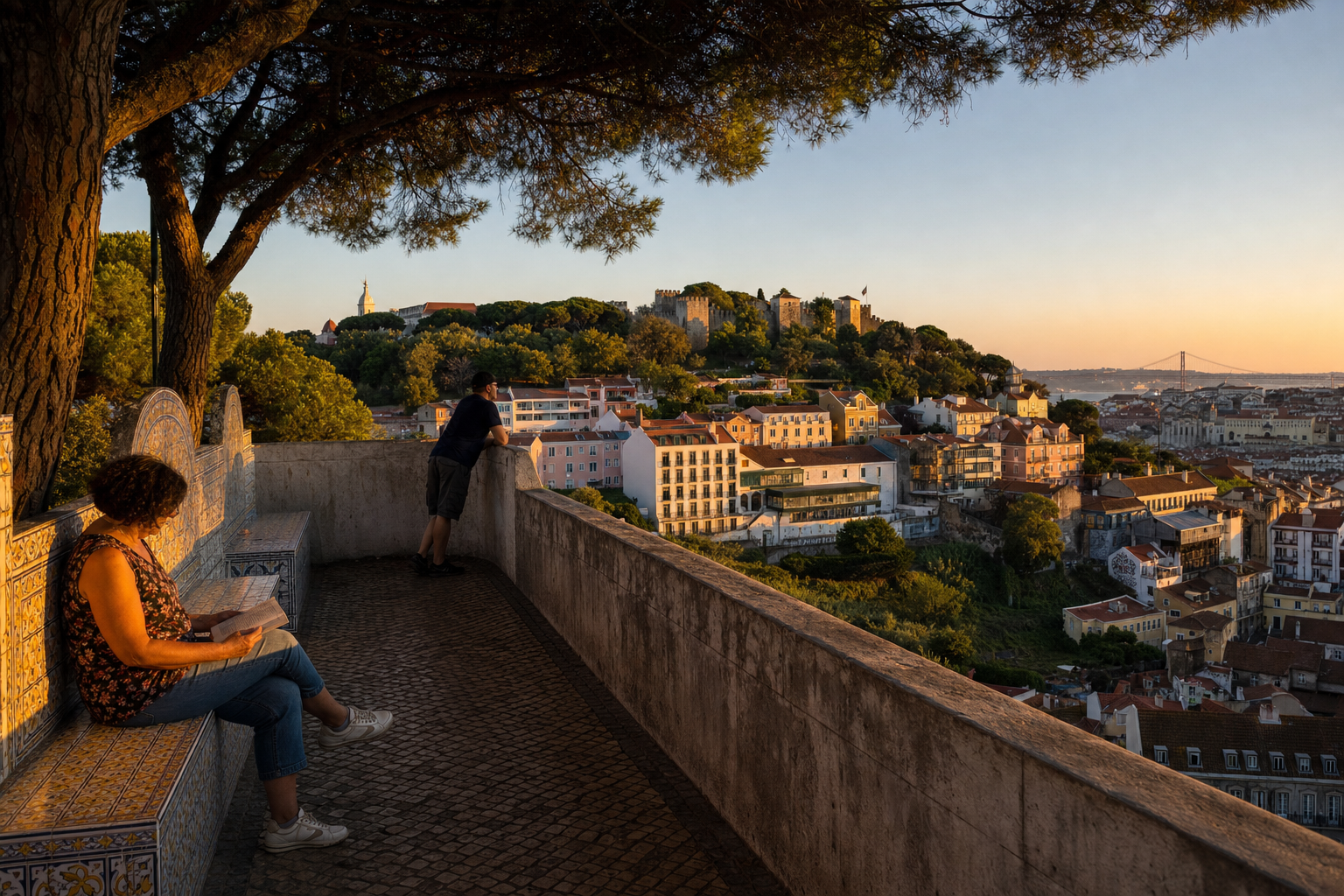
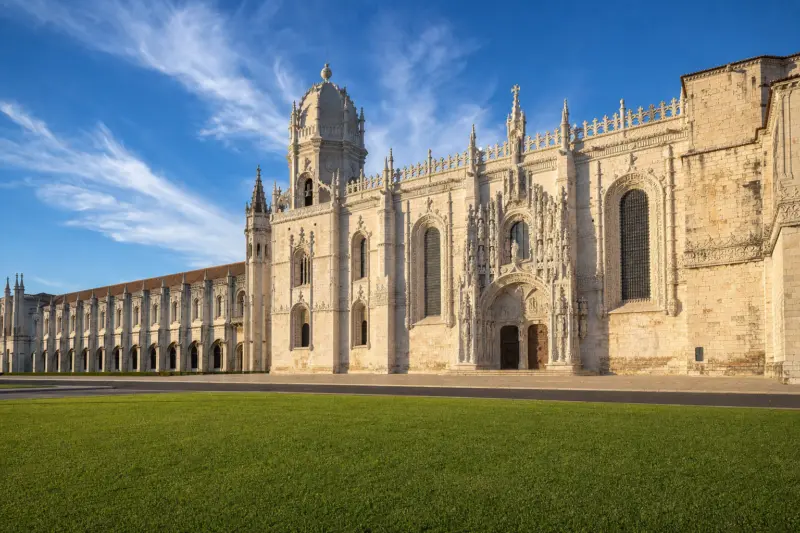
On the morning of 1 November 1755 — All Saints' Day — a catastrophic earthquake followed by a tsunami and fire destroyed roughly 85% of Lisbon. What you walk through today is, in large part, a city deliberately rebuilt from scratch. But not all of it. Alfama, clinging to its bedrock ridge above the Tagus, survived almost untouched. Mouraria, pressed against the castle hill, kept its labyrinthine medieval lanes. Belém, several kilometres west, was far enough from the epicentre to preserve its extraordinary Manueline monuments. These geological and historical accidents shaped the city's character as profoundly as any monarch or architect — and they explain why Lisbon's neighborhoods feel so radically different from one another, even when separated by a ten-minute walk. This guide goes beyond the postcard version. It digs into the specific histories, architectural DNA, and cultural layers that make each district genuinely distinct — and tells you what you'd actually miss if you only followed the crowds.
Read more →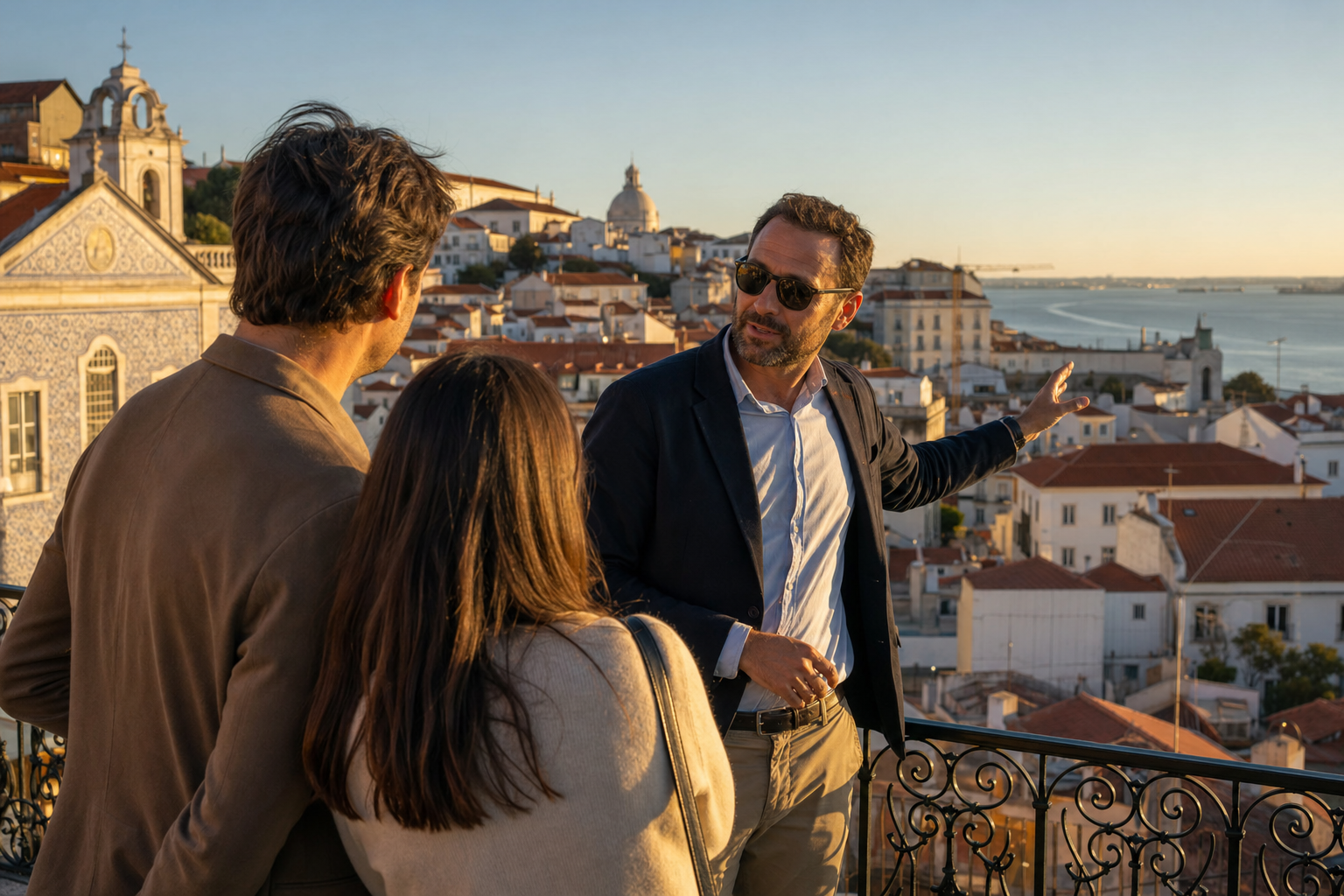
On the morning of 1 November 1755 — All Saints' Day — a catastrophic earthquake, followed by a tsunami and firestorm, killed between 30,000 and 40,000 people and erased the medieval centre of Lisbon in under six minutes. The city that rose from the rubble was rebuilt on an entirely different logic: the rational Pombaline grid of Baixa, named after the Marquis of Pombal who oversaw the reconstruction. That rupture still defines every street, tile panel, and viewpoint you encounter today — but almost no group tour has the time or flexibility to explain why. Lisbon is not one city; it is at least four, stacked across seven hills, shaped by a global maritime empire, a catastrophic earthquake, and centuries of cultural layering that even most visitors who have been here before have only scratched the surface of. That is precisely why private tours in Lisbon work so differently from anywhere else in Europe — and why getting them right matters.
Read more →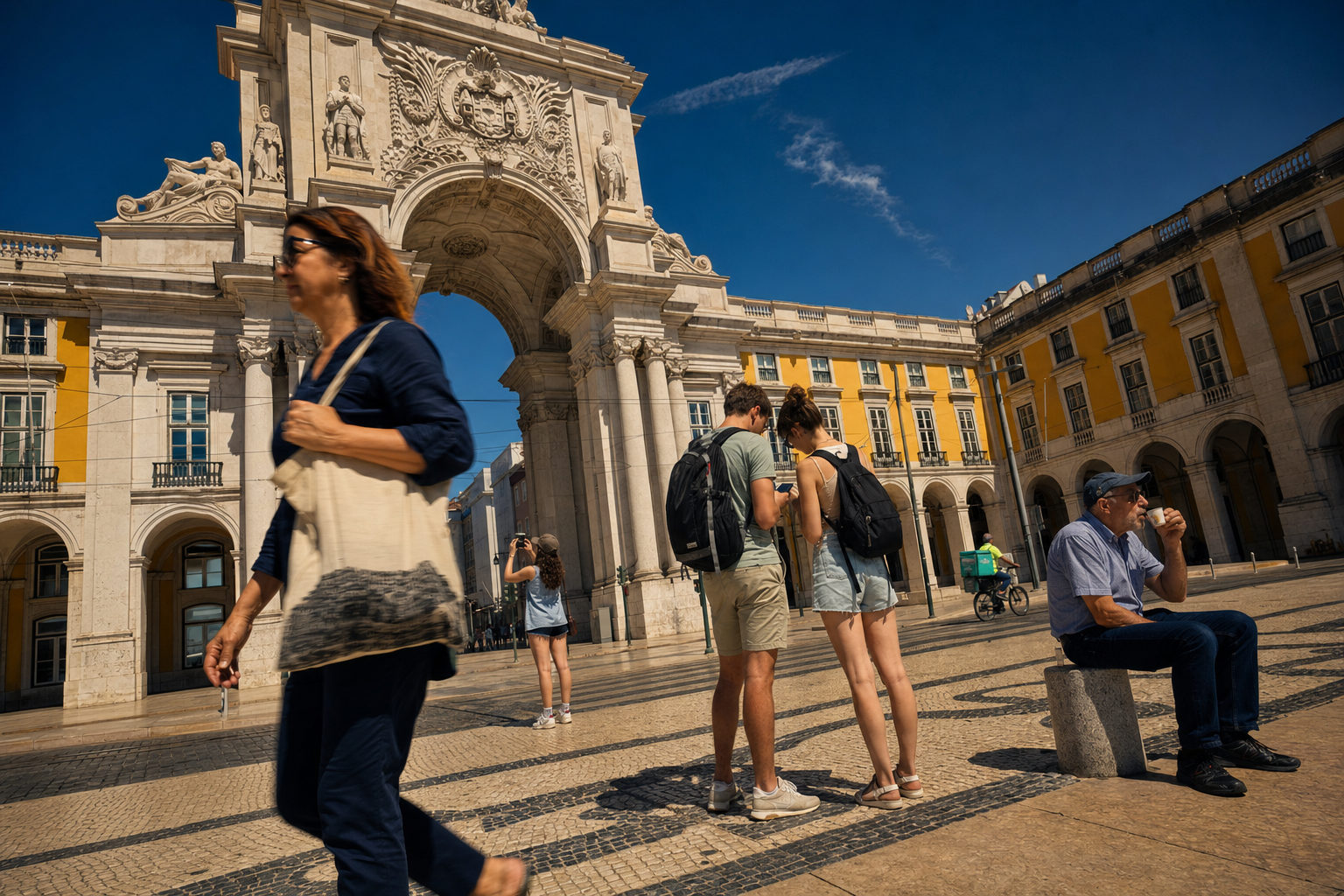
At 9:40 on the morning of 1 November 1755 — All Saints' Day, when most of Lisbon's population was inside a church — an earthquake estimated between 8.5 and 9 on the Richter scale struck the city. Three separate tremors, a tsunami, and fires that burned for five days killed between 30,000 and 40,000 people and levelled roughly 85% of the built environment. The Marquis of Pombal rebuilt the lower city from scratch on a rational Enlightenment grid — one of the first planned urban rebuilds in European history. But one neighbourhood didn't fall. Alfama, the ancient Moorish quarter, sat on solid schist bedrock and held. The street pattern you walk today is the one laid down before the 12th century. That single geological accident is the reason Lisbon feels unlike any other Western European capital: its oldest layers weren't buried under 19th-century renovation. They stayed visible, walkable, and inhabited. A long weekend in Lisbon — three full days, properly structured — is enough time to feel that depth across millennia of empire, faith, and fado. But only if you spend those days the right way.
Read more →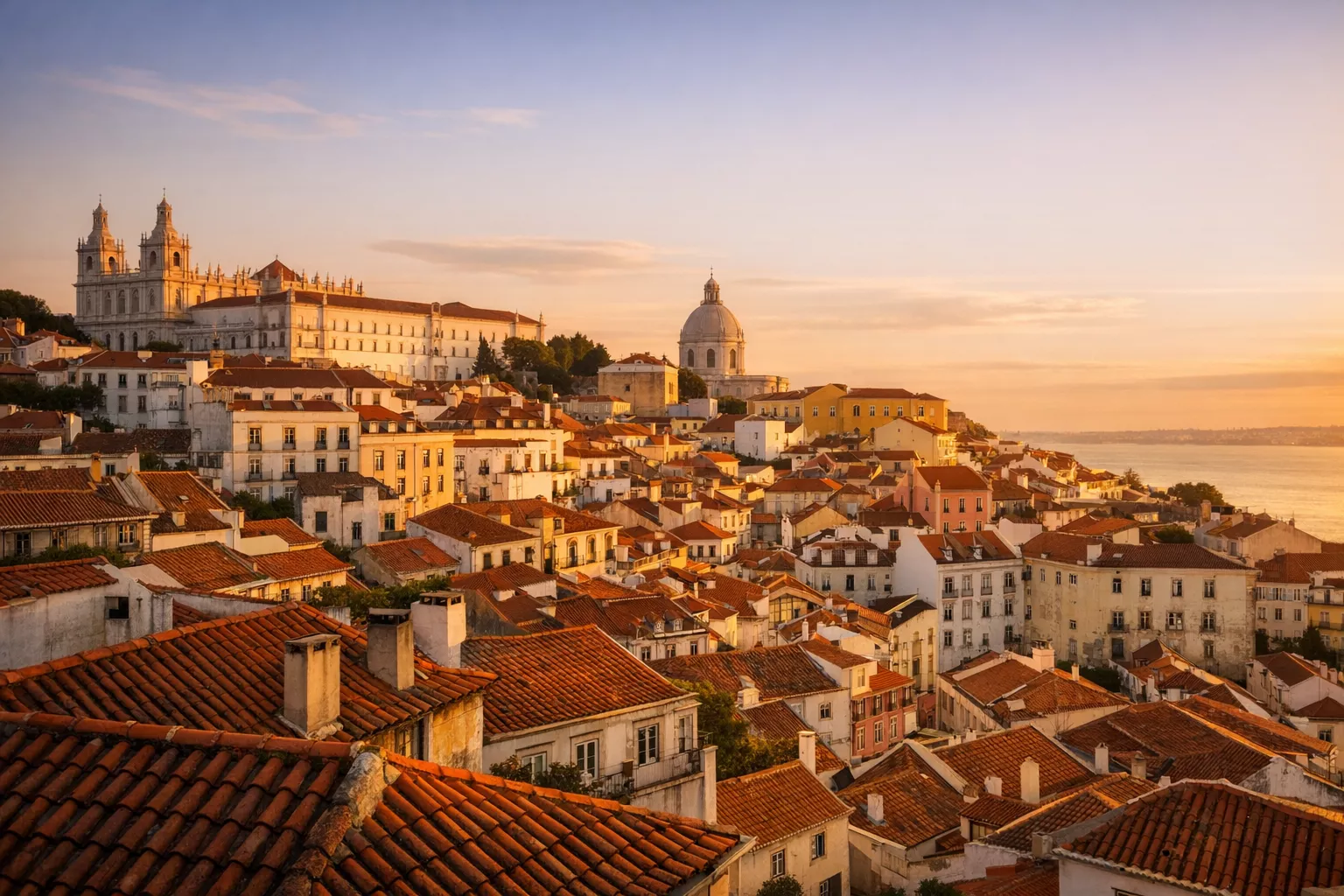
Discover the vibrant city of Lisbon, where history, culture, and gastronomy blend together perfectly. Whether you're a history buff, a foodie, or an adventurer, this guide will reveal the top things to do in Lisbon, along with links to exclusive local tours.
Read more →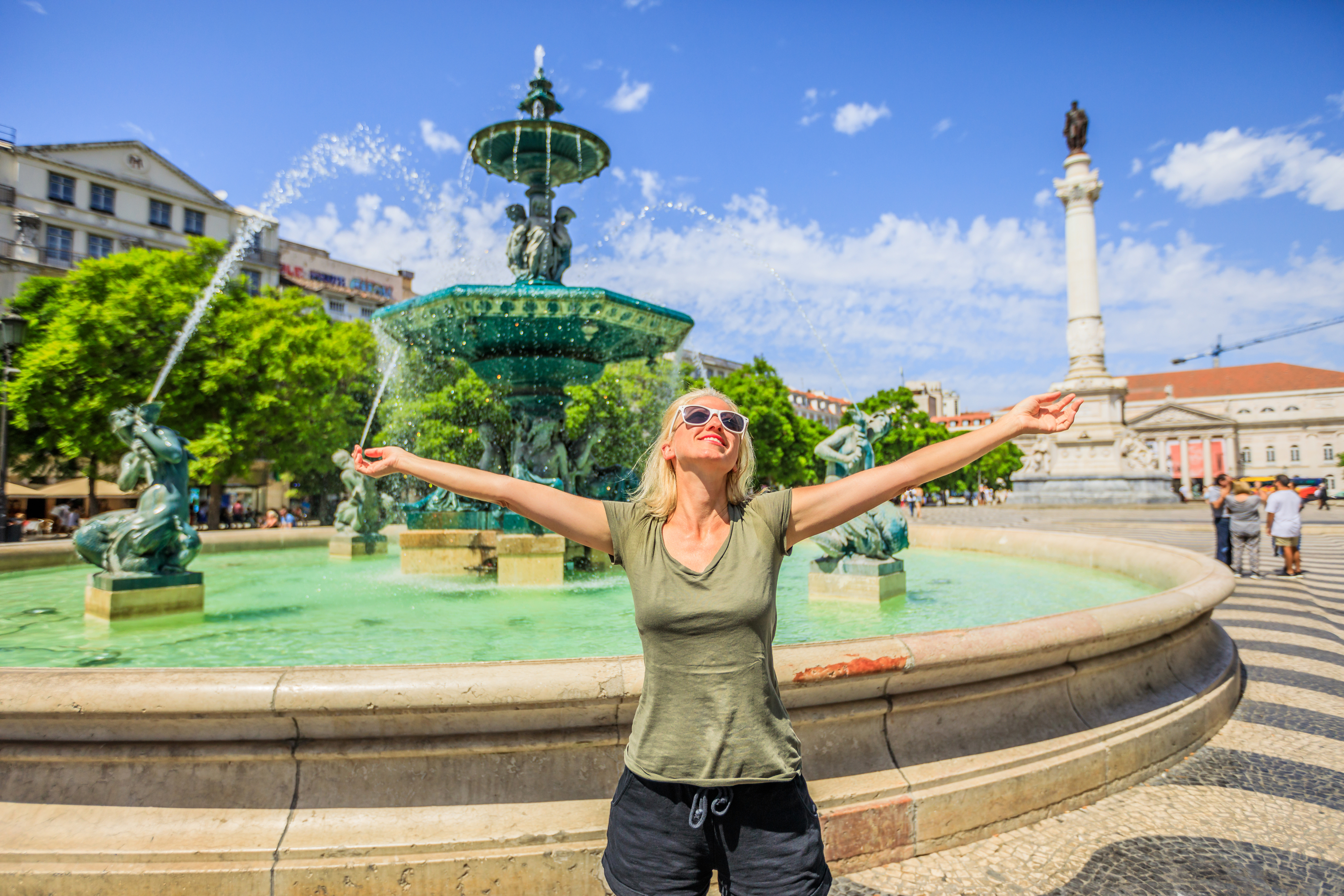
Lisbon, the capital city of Portugal, is a vibrant and enchanting destination that offers a perfect blend of history, culture, and natural beauty. From its picturesque neighborhoods to its stunning architectural landmarks, Lisbon has something to offer every traveler. Whether you have just a few days or a whole week, this city will captivate you with its charm and allure.
Read more →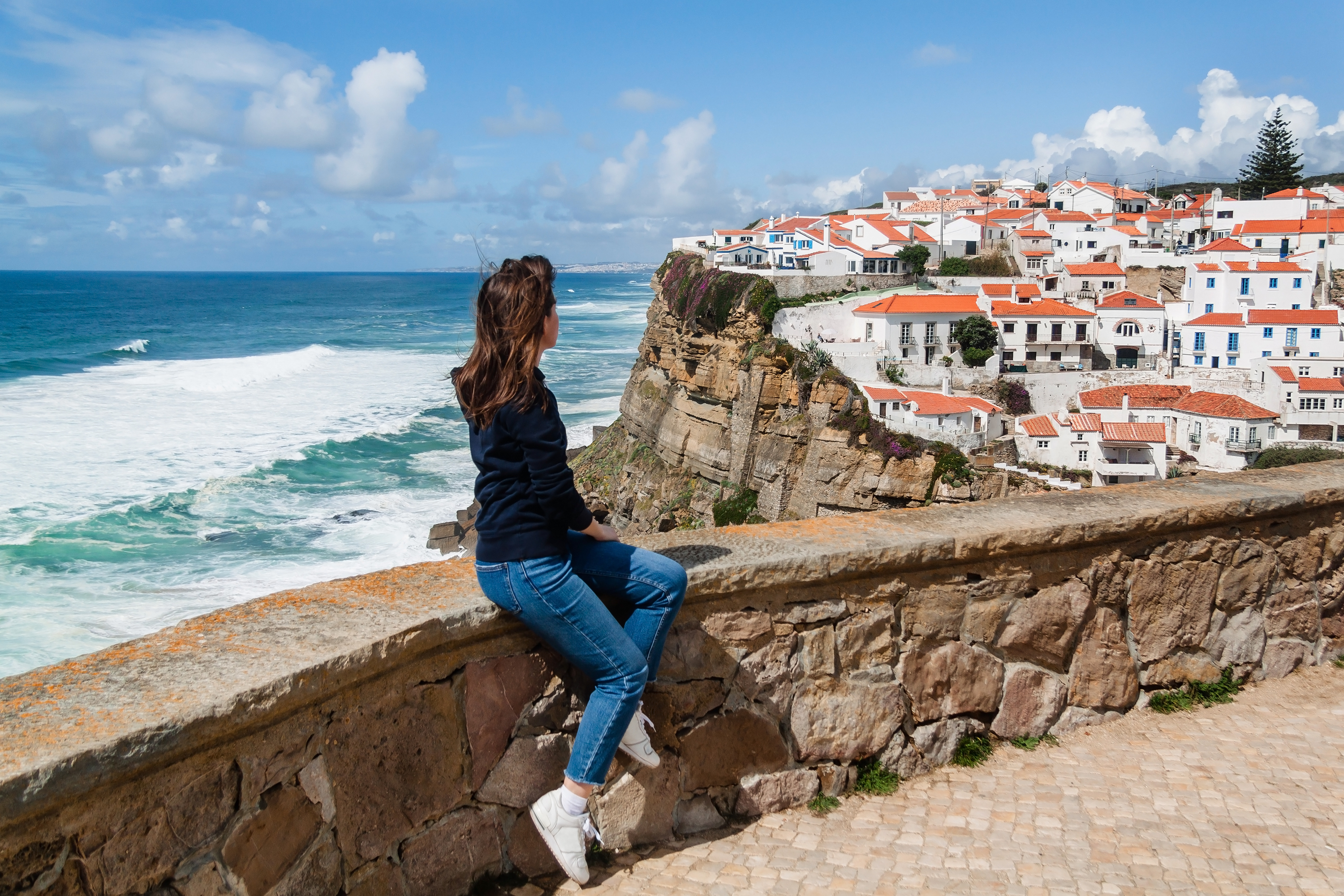
In the vicinity of Lisbon there are many beautiful villages and places to visit on day trips. At any time of the year, you can discover small towns, palaces, castles, beaches and beautiful landscapes. Signing up for a private tour with a local guide can be a very good option, so that you don't miss any detail, learn about history, while optimising time and money. Otherwise, it is also possible to do it on your own, thanks to public transport or rental cars. Which places do we recommend?
Read more →We use a single cookie, to remember this choice. We do not use analytics or advertising cookies. Read our cookie policy.