4.5 hrs
Lisboa
Belem Private Day Trip: History, Heritage & Local Tasting
✓ Free cancellation Kids friendly
5.0(31 reviews)
From €177/ person
Book Now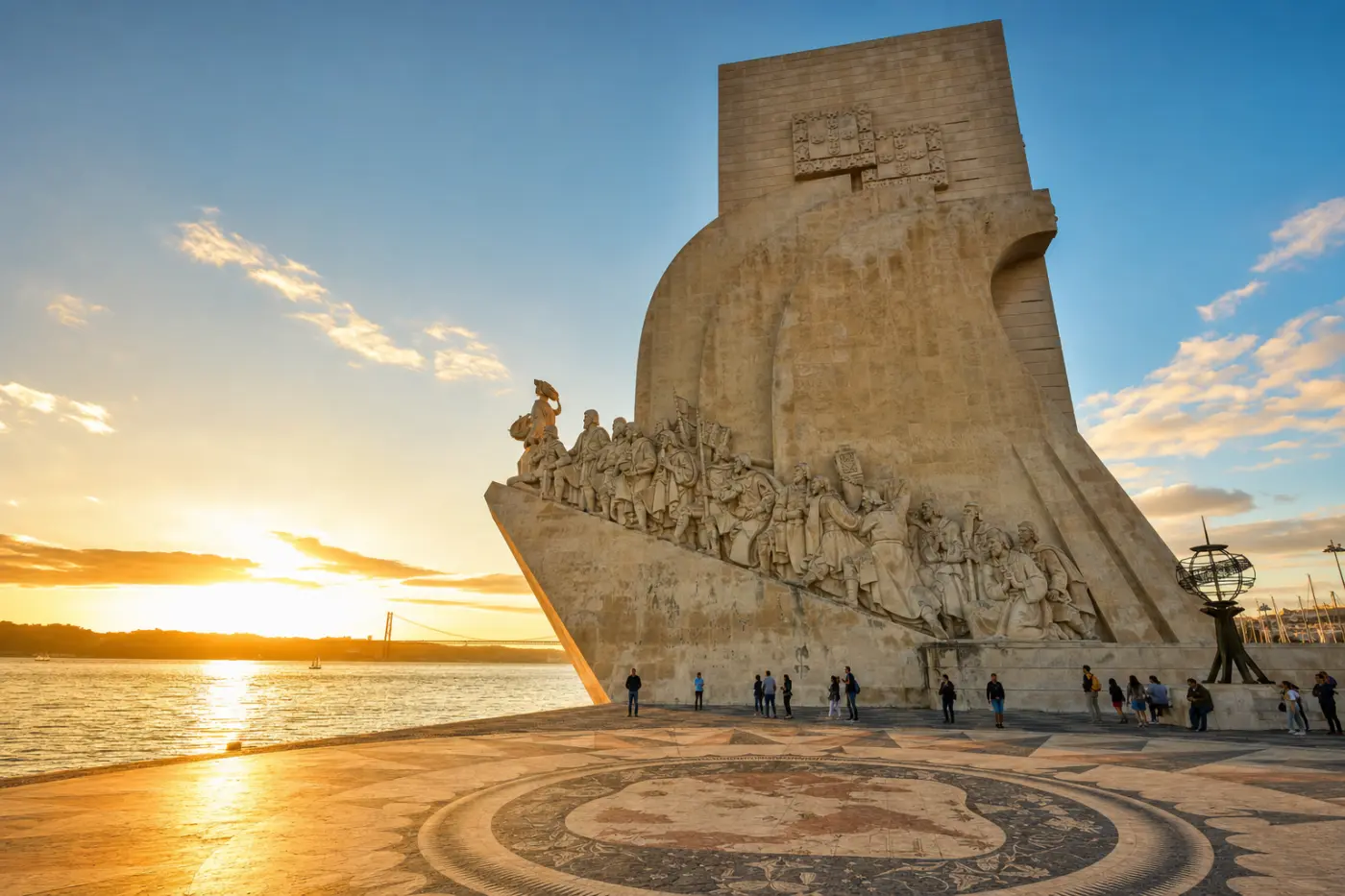
Tourist attraction
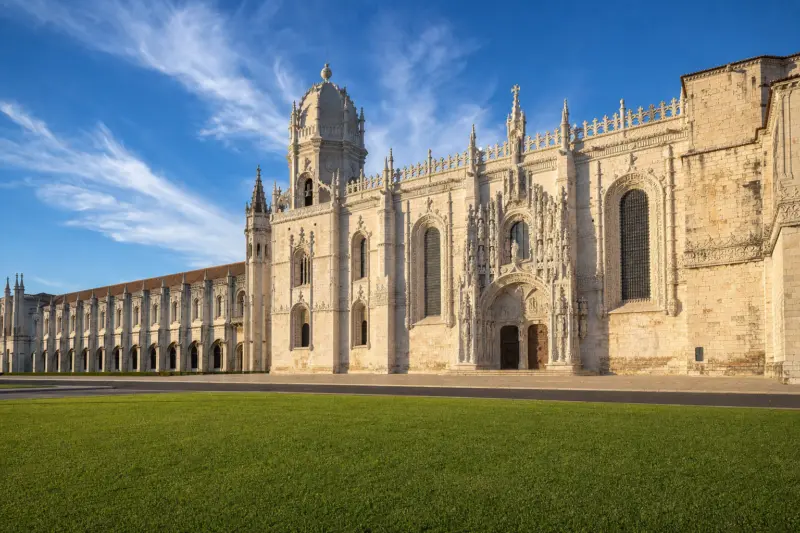
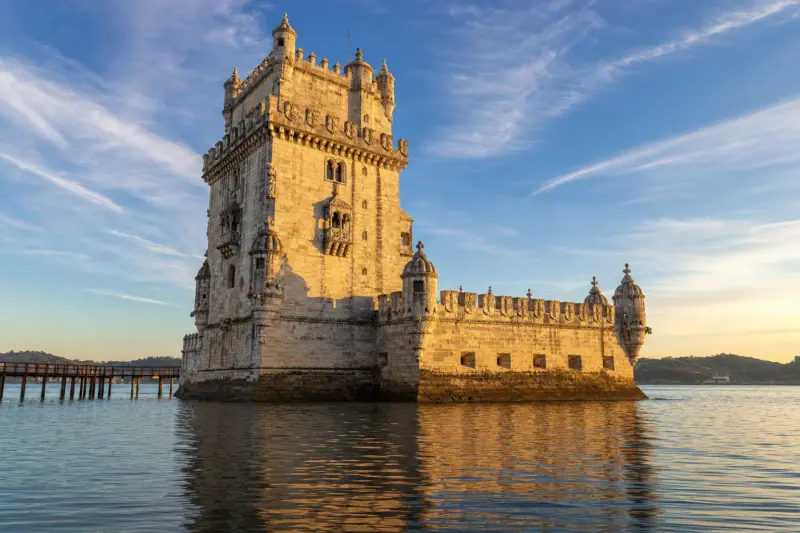
Rising 52 metres from the northern bank of the Tagus estuary in Lisbon's Belém district, the Padrão dos Descobrimentos — Monument to the Discoveries — is sculpted in the form of a caravel's prow cutting into the Atlantic. Architect Cottinelli Telmo conceived the design and sculptor Leopoldo de Almeida executed the figurative programme, producing a permanent structure inaugurated on 9 August 1960 to mark the 500th anniversary of the death of Prince Henry the Navigator. The monument is built from Lioz limestone and reinforced steel — the same pale limestone quarried from the Sintra hills that was used for the nearby Torre de Belém and Mosteiro dos Jerónimos, visually anchoring it to the great Manueline monuments a short walk away. A first, temporary timber-and-stucco version had stood on the same site for the 1940 Portuguese World Exhibition, organised under the Estado Novo regime, but it was dismantled after the fair closed. The present structure is its enduring successor.
The monument's symbolic language is precise. Seen from the river, the soaring mass clearly reads as the prow of a 15th-century caravel, the shallow-draft vessel that made Atlantic ocean exploration possible. Sweeping arched forms along its flanks represent billowing sails. On each lateral face, a carved procession of 33 figures descends in ranked steps toward the water: explorers, cartographers, astronomers, chroniclers, painters, and royal patrons who collectively drove the Age of Discovery. Prince Henry the Navigator leads the western flank, holding a model caravel in his outstretched hands. Behind him stand Vasco da Gama, who in 1498 became the first European to reach India by sea; Pedro Álvares Cabral, who made landfall on Brazil in 1500; Fernão de Magalhães (Magellan), who set out in 1519 on the first circumnavigation of the globe; and Bartolomeu Dias, who rounded the Cape of Good Hope in 1488. The eastern procession is led by King Afonso V, under whose patronage much of the West African coastline was charted. Embedded in the plaza's marble pavement at the monument's base is a large wind rose and a world map, inlaid in contrasting stone, marking the routes and dates of each major Portuguese discovery voyage.
Inside, the monument contains three floors of temporary exhibition space that rotate thematic shows on Portuguese maritime history, cartography, and the cultural legacy of the Discoveries. A lift and staircase ascend to an open viewing platform at the summit, which delivers one of Lisbon's most rewarding panoramas: Jerónimos Monastery's elaborate Manueline roofline stretches to the north-east, the Torre de Belém sits in the river to the west, the April 25th suspension bridge arcs across the horizon to the east, and the wind rose map is visible directly below. The platform is compact, so arriving early in the morning before tour groups congregate gives visitors the space to absorb the geography of a city and an empire at a single glance.
The monument is open Tuesday to Sunday from 10:00 to 19:00 between March and September, and from 10:00 to 18:00 between October and February (last admission 30 minutes before closing; closed Mondays in winter). Full admission — covering the platform, exhibitions, and interior — costs €10 for adults, €5 for visitors aged 13–25 and seniors over 65, and is free for children under 12. A reduced-price exhibition-only ticket is also available. A thorough visit takes roughly 40 minutes. The monument is a 10-minute walk west along the riverfront from the Belém railway station, served by suburban trains from Cais do Sodré. Arriving via the waterfront promenade gives the best first view: the caravel-prow silhouette emerging over the Tagus is the image the architects intended.
Private tours with a local guide, at your own pace.
Lisboa
Lisboa
Lisboa

Lisboa
Lisboa
Lisboa

Lisboa
Lisboa
Lisboa
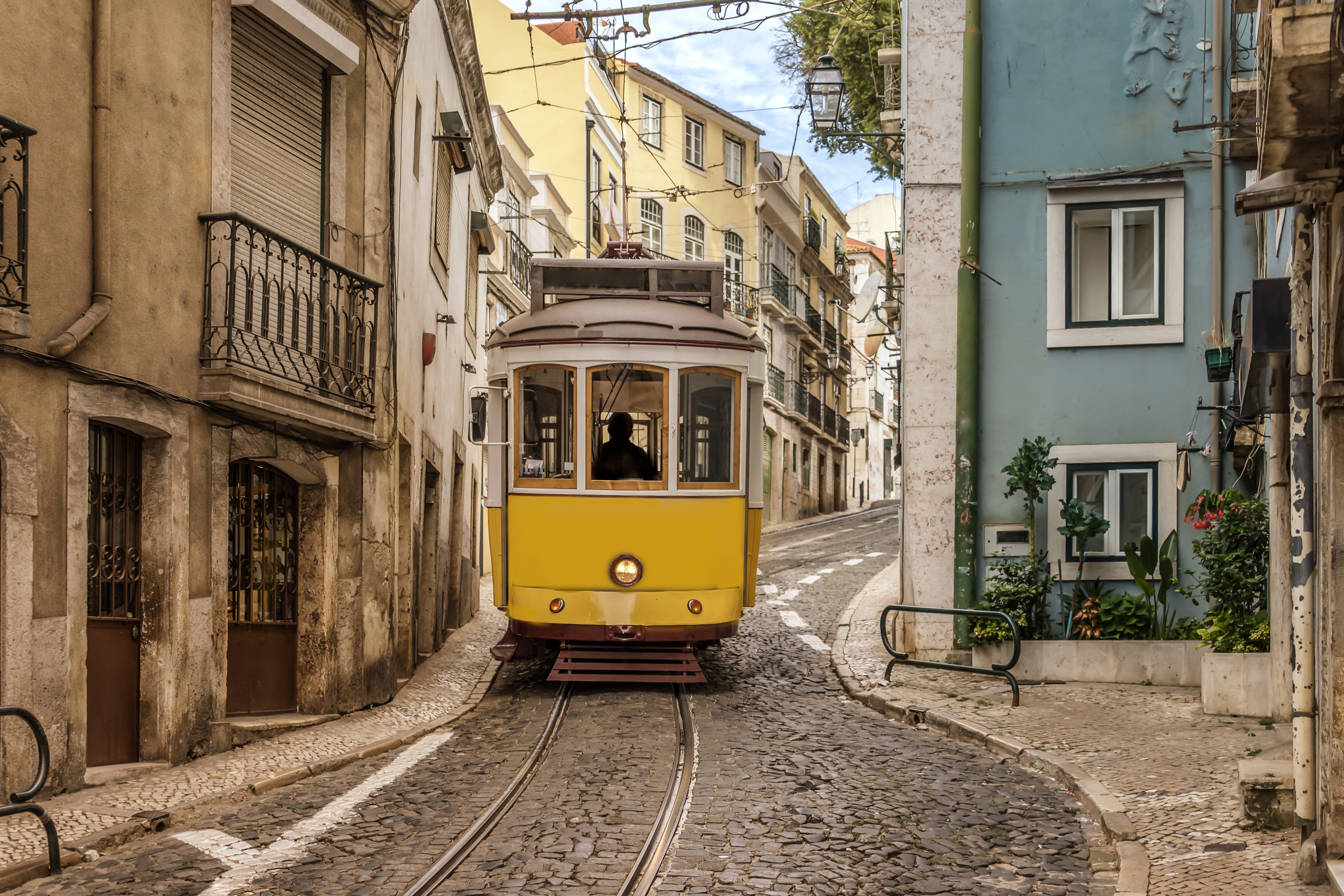
On the morning of 1 November 1755 — All Saints' Day — a catastrophic earthquake followed by a tsunami and fire destroyed roughly 85% of Lisbon. What you walk through today is, in large part, a city deliberately rebuilt from scratch. But not all of it. Alfama, clinging to its bedrock ridge above the Tagus, survived almost untouched. Mouraria, pressed against the castle hill, kept its labyrinthine medieval lanes. Belém, several kilometres west, was far enough from the epicentre to preserve its extraordinary Manueline monuments. These geological and historical accidents shaped the city's character as profoundly as any monarch or architect — and they explain why Lisbon's neighborhoods feel so radically different from one another, even when separated by a ten-minute walk. This guide goes beyond the postcard version. It digs into the specific histories, architectural DNA, and cultural layers that make each district genuinely distinct — and tells you what you'd actually miss if you only followed the crowds.
Read more →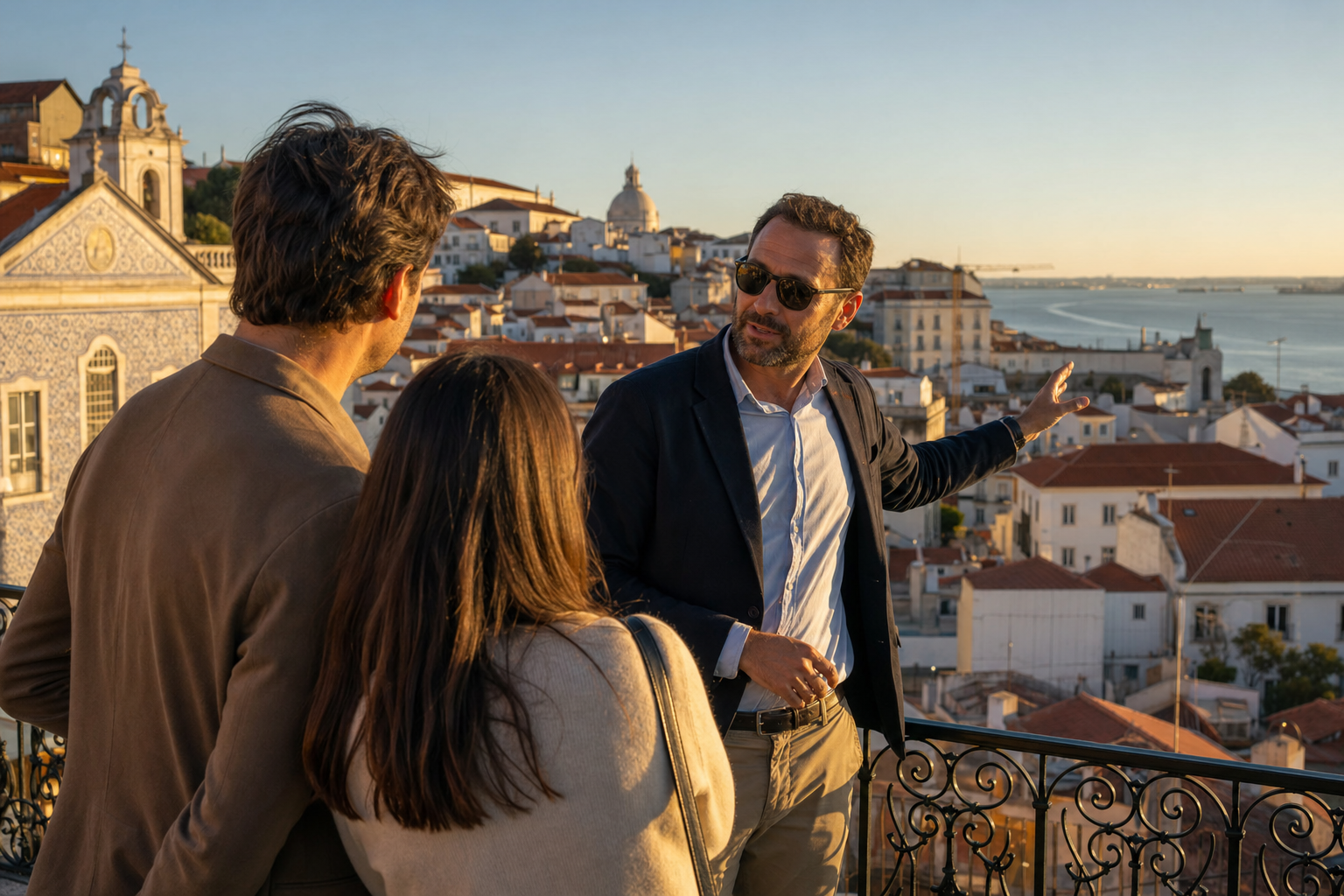
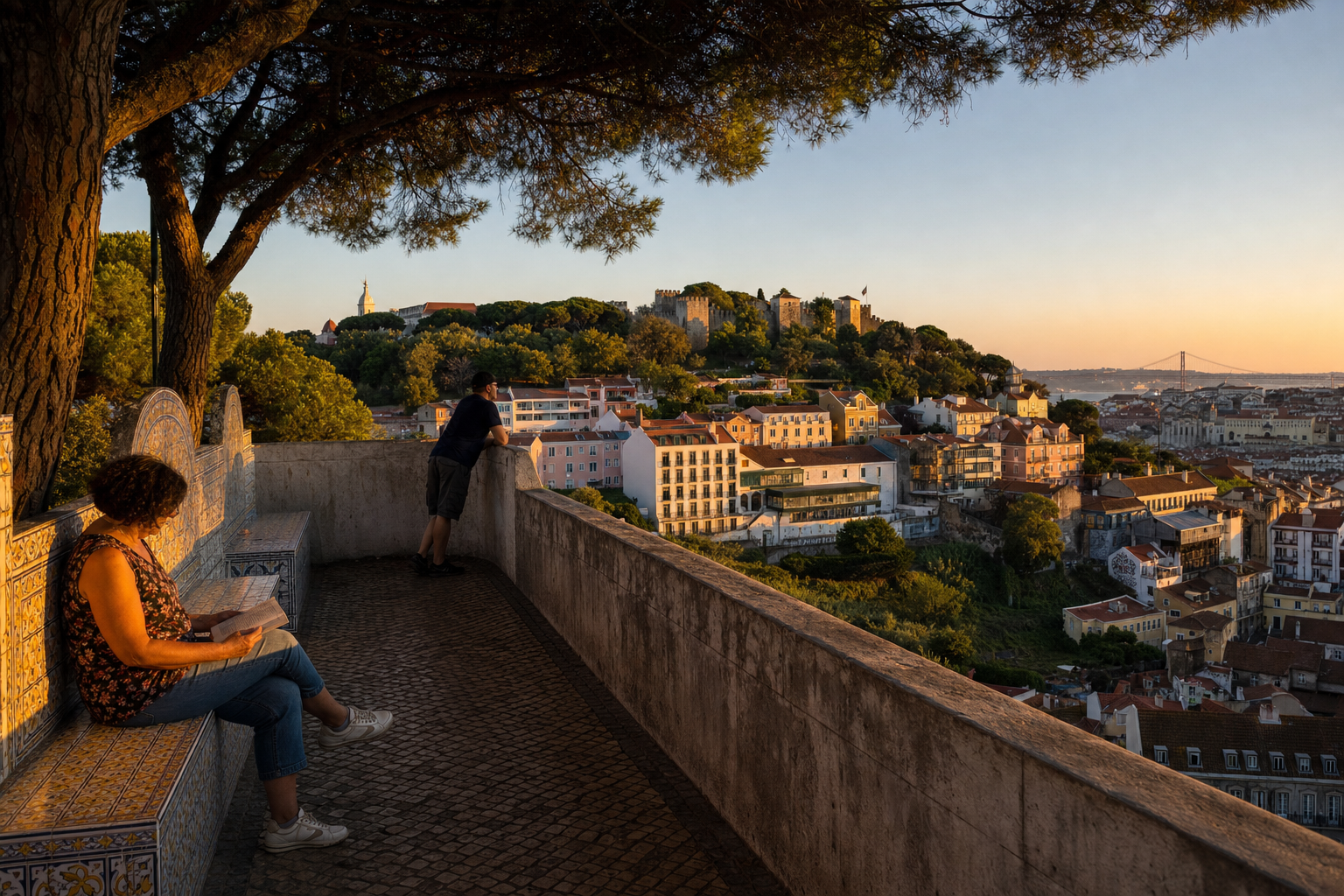
On the morning of 1 November 1755 — All Saints' Day — a catastrophic earthquake, followed by a tsunami and firestorm, killed between 30,000 and 40,000 people and erased the medieval centre of Lisbon in under six minutes. The city that rose from the rubble was rebuilt on an entirely different logic: the rational Pombaline grid of Baixa, named after the Marquis of Pombal who oversaw the reconstruction. That rupture still defines every street, tile panel, and viewpoint you encounter today — but almost no group tour has the time or flexibility to explain why. Lisbon is not one city; it is at least four, stacked across seven hills, shaped by a global maritime empire, a catastrophic earthquake, and centuries of cultural layering that even most visitors who have been here before have only scratched the surface of. That is precisely why private tours in Lisbon work so differently from anywhere else in Europe — and why getting them right matters.
Read more →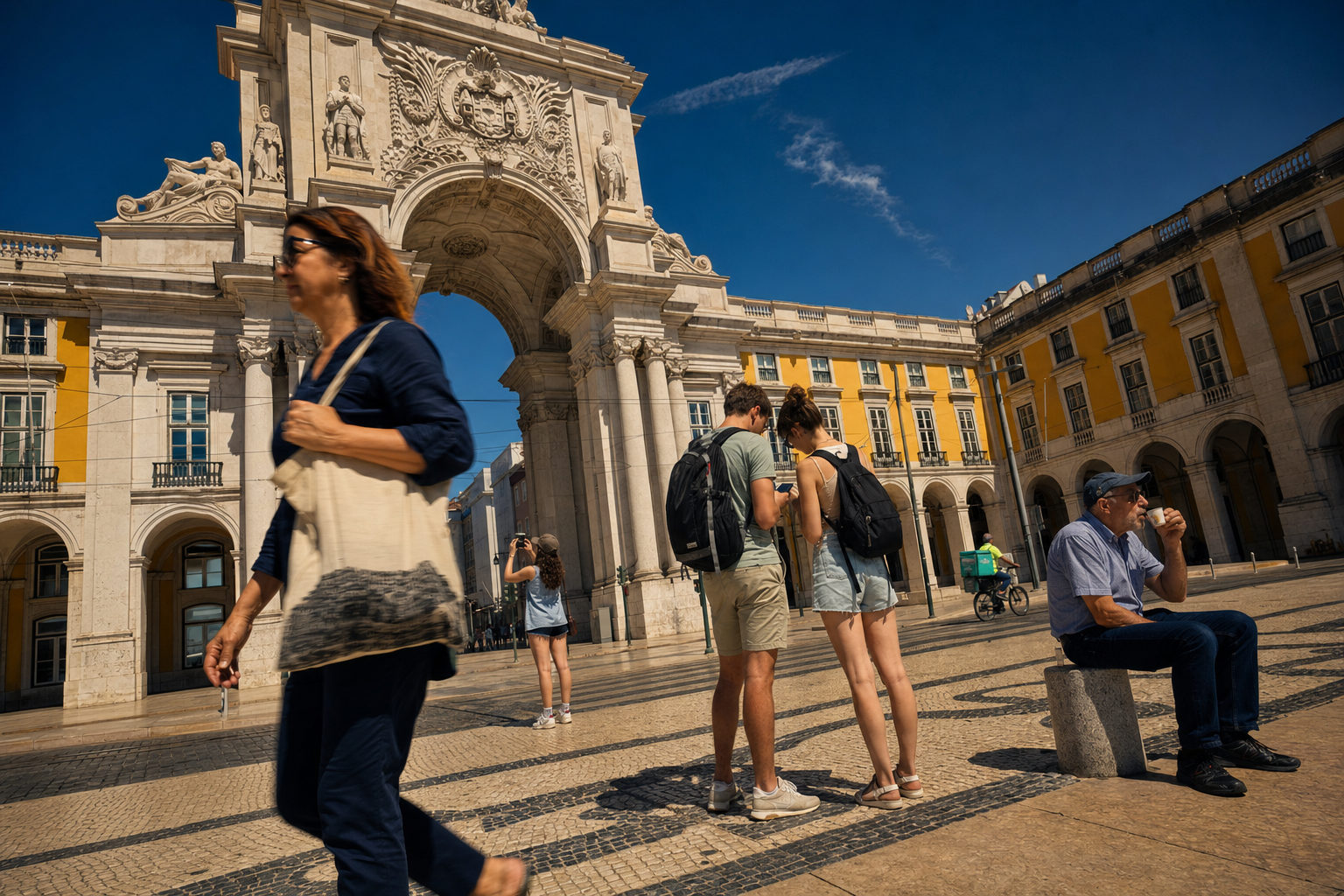
At 9:40 on the morning of 1 November 1755 — All Saints' Day, when most of Lisbon's population was inside a church — an earthquake estimated between 8.5 and 9 on the Richter scale struck the city. Three separate tremors, a tsunami, and fires that burned for five days killed between 30,000 and 40,000 people and levelled roughly 85% of the built environment. The Marquis of Pombal rebuilt the lower city from scratch on a rational Enlightenment grid — one of the first planned urban rebuilds in European history. But one neighbourhood didn't fall. Alfama, the ancient Moorish quarter, sat on solid schist bedrock and held. The street pattern you walk today is the one laid down before the 12th century. That single geological accident is the reason Lisbon feels unlike any other Western European capital: its oldest layers weren't buried under 19th-century renovation. They stayed visible, walkable, and inhabited. A long weekend in Lisbon — three full days, properly structured — is enough time to feel that depth across millennia of empire, faith, and fado. But only if you spend those days the right way.
Read more →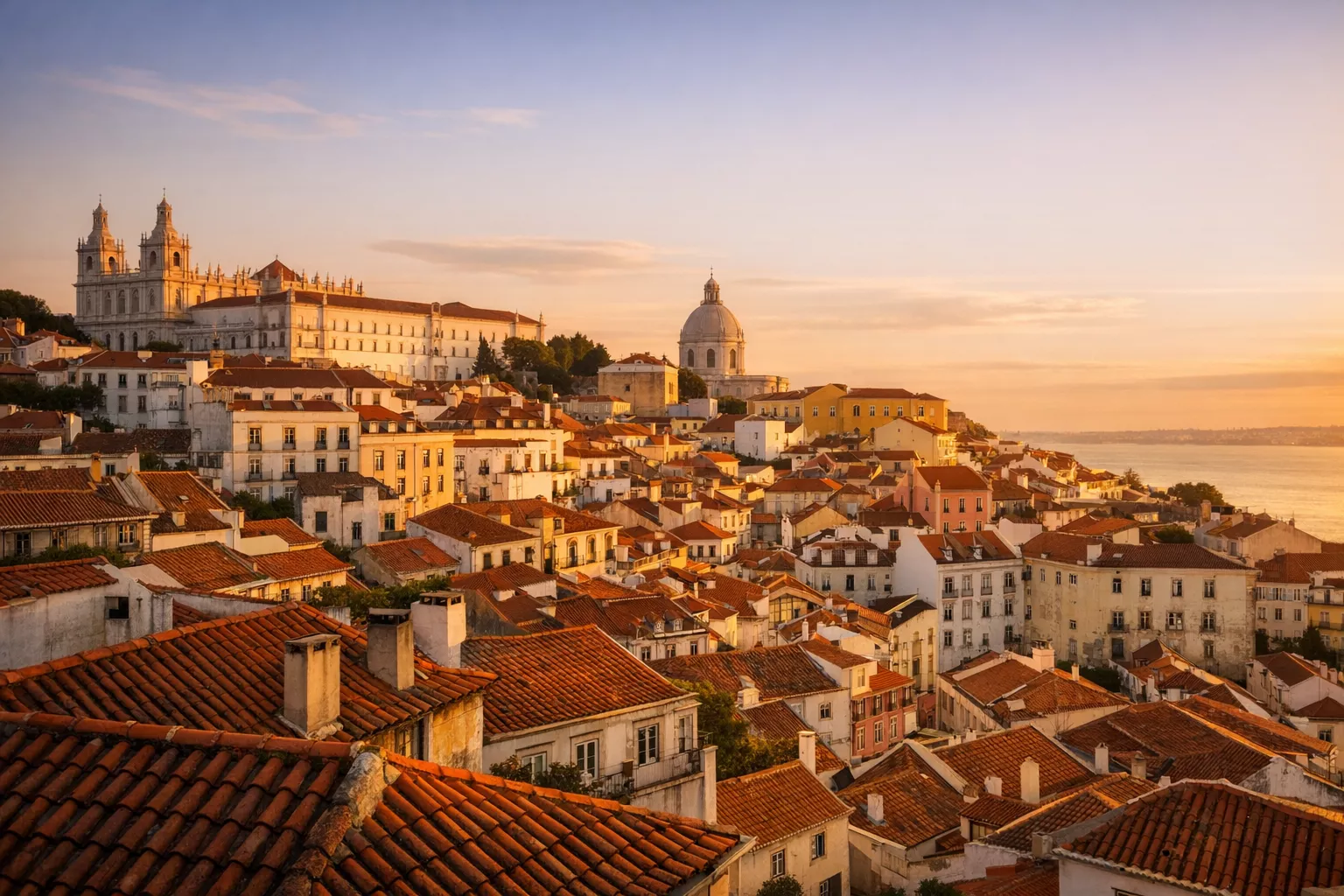
Discover the vibrant city of Lisbon, where history, culture, and gastronomy blend together perfectly. Whether you're a history buff, a foodie, or an adventurer, this guide will reveal the top things to do in Lisbon, along with links to exclusive local tours.
Read more →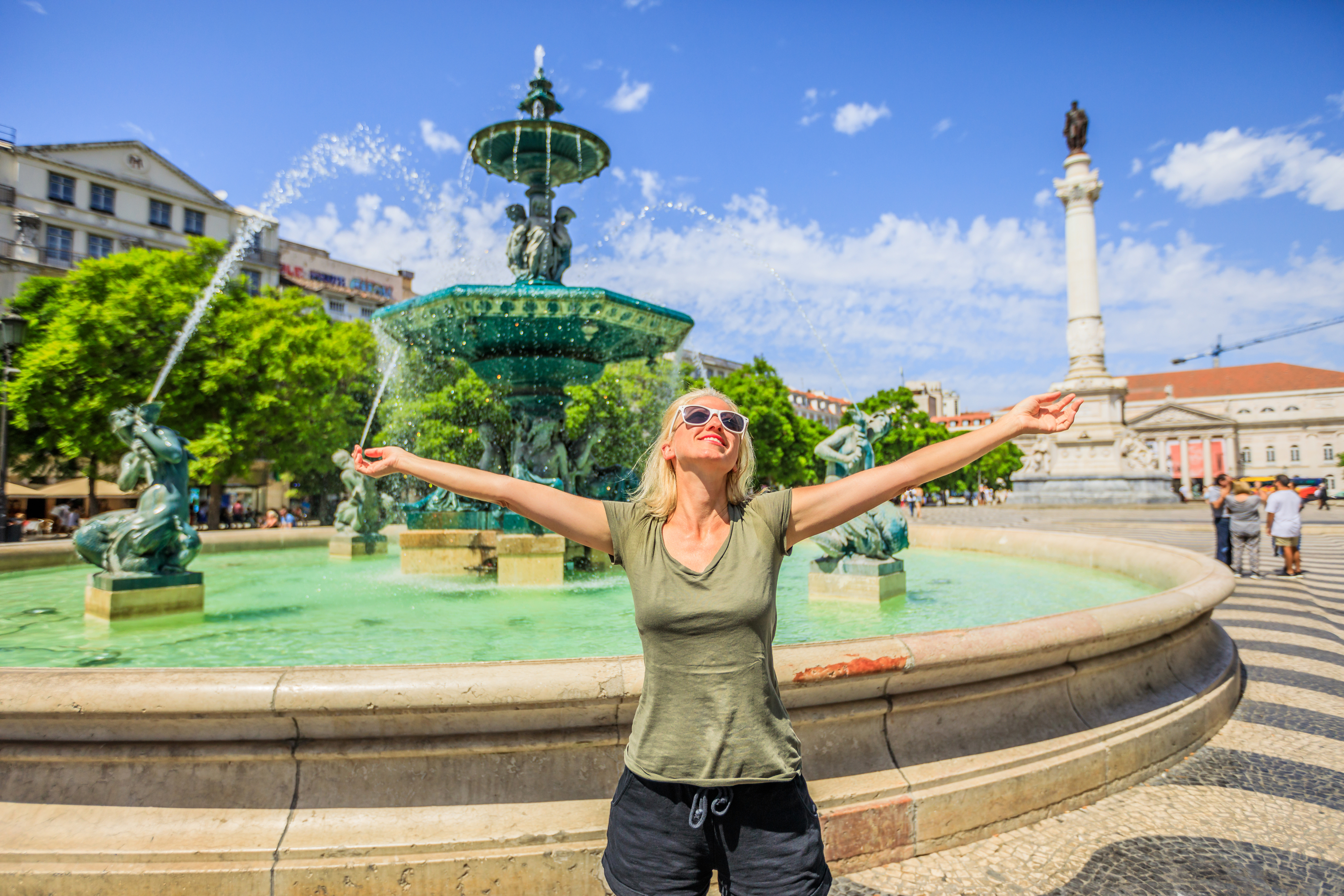
Lisbon, the capital city of Portugal, is a vibrant and enchanting destination that offers a perfect blend of history, culture, and natural beauty. From its picturesque neighborhoods to its stunning architectural landmarks, Lisbon has something to offer every traveler. Whether you have just a few days or a whole week, this city will captivate you with its charm and allure.
Read more →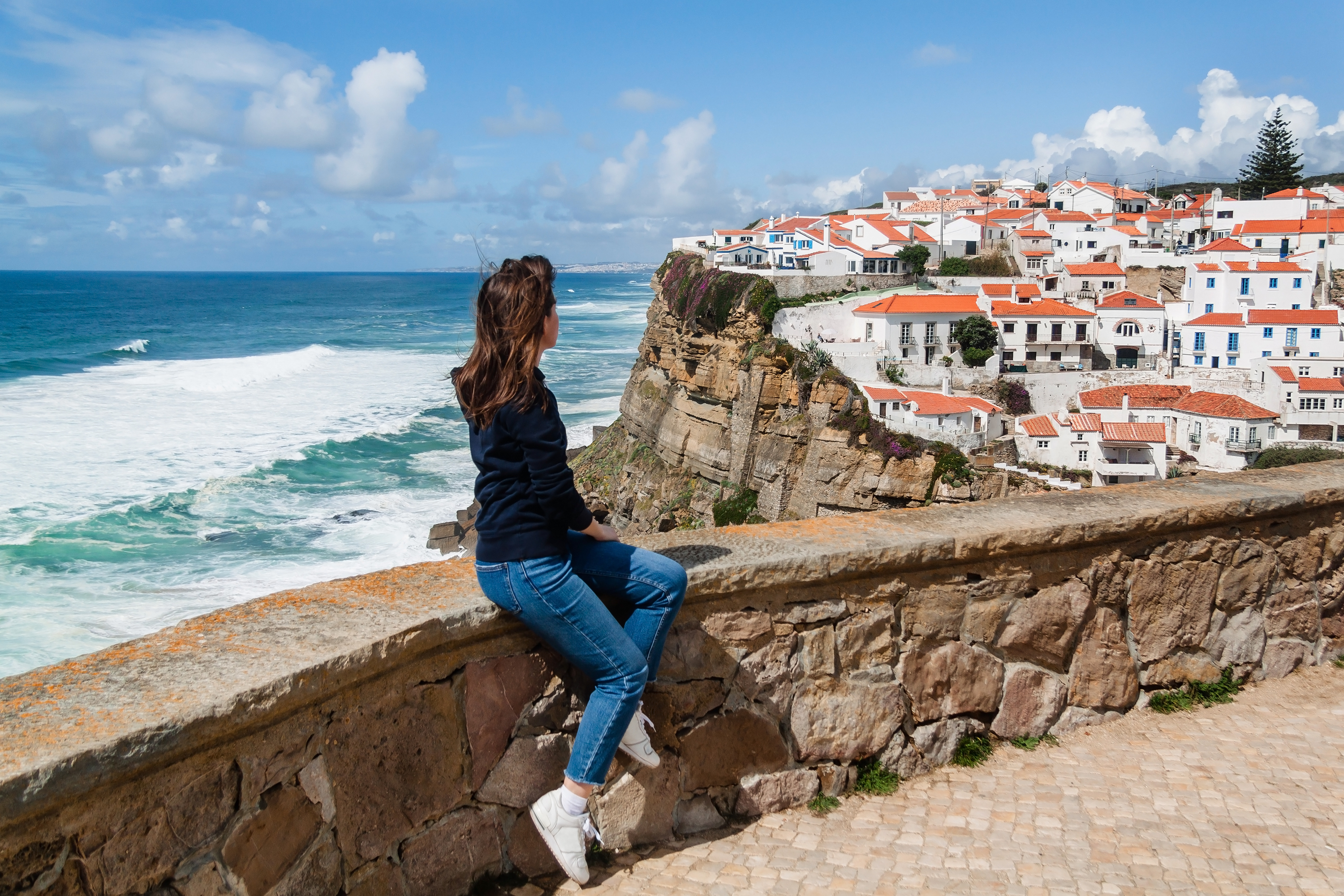
In the vicinity of Lisbon there are many beautiful villages and places to visit on day trips. At any time of the year, you can discover small towns, palaces, castles, beaches and beautiful landscapes. Signing up for a private tour with a local guide can be a very good option, so that you don't miss any detail, learn about history, while optimising time and money. Otherwise, it is also possible to do it on your own, thanks to public transport or rental cars. Which places do we recommend?
Read more →We use a single cookie, to remember this choice. We do not use analytics or advertising cookies. Read our cookie policy.