2.5 hrs
Brussels
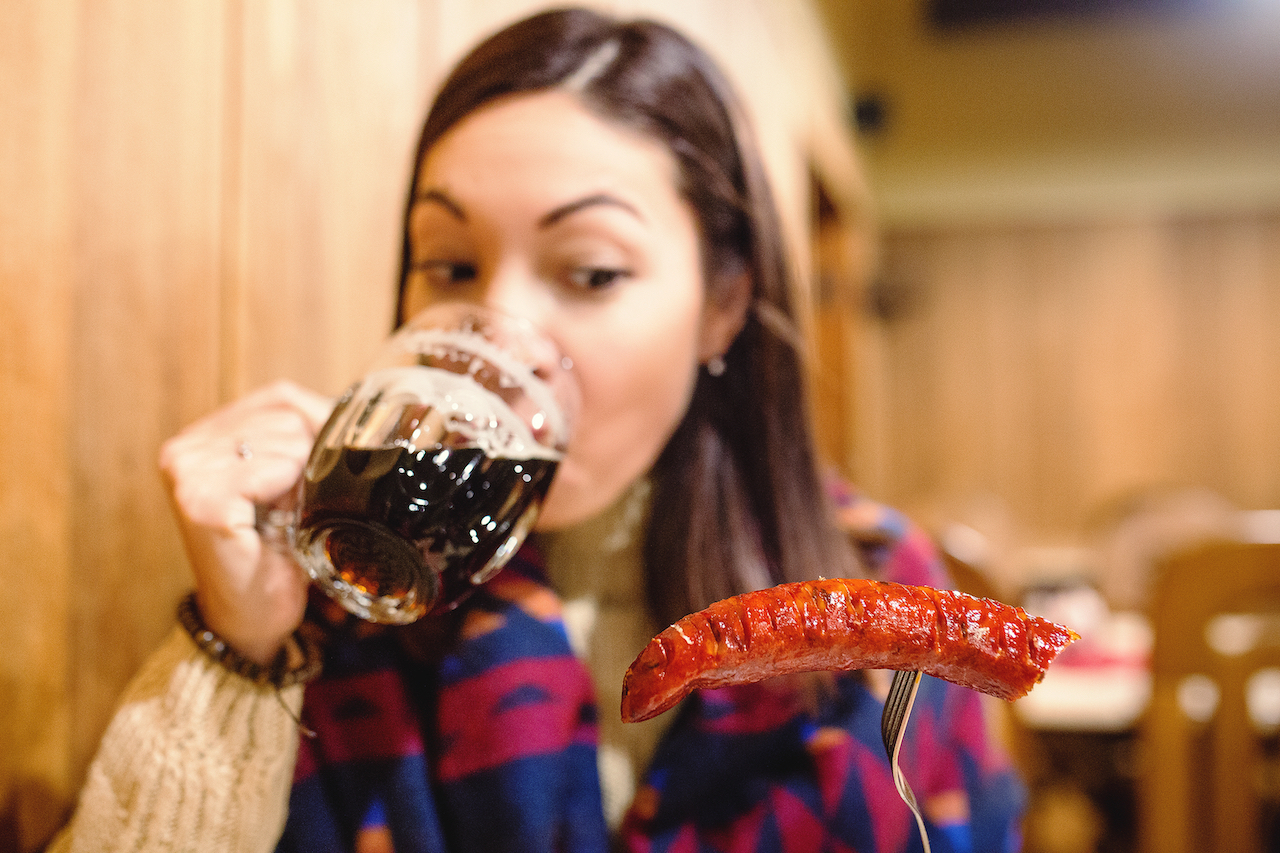
Brussels Private Food Tour: Waffles, Fries, Beer & Local History
✓ Free cancellation Kids friendly
4.5(20 reviews)
From €206/ person
Book NowTourist attraction
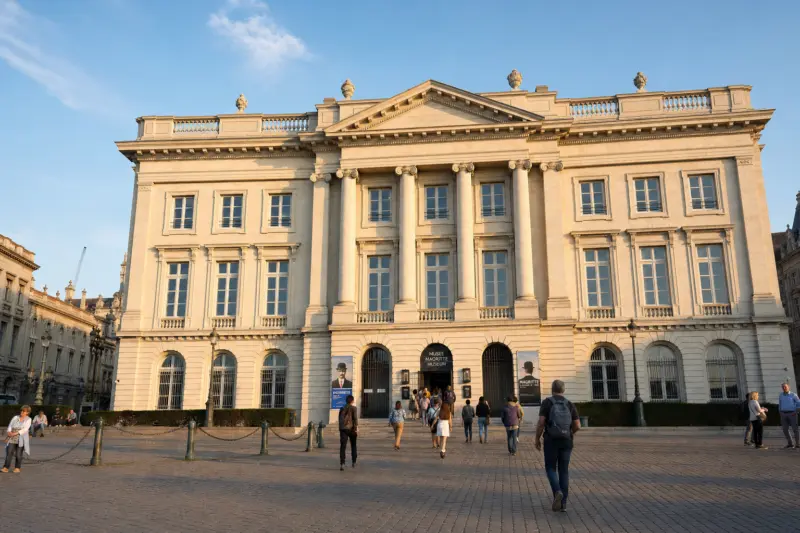
The Cinquantenaire Museum — officially part of the Royal Museums of Art and History (Musées Royaux d'Art et d'Histoire) — occupies the eastern wing of the monumental Cinquantenaire Palace in the Leopold Quarter of Brussels. King Leopold II commissioned the palace complex in 1880 to celebrate the 50th anniversary of Belgian independence, and the iconic triumphal arch connecting its two wings was finally completed in 1905 to mark the 75th. The museum itself traces its institutional roots to 1835, making it one of the oldest public museums in Belgium. Today, its permanent collection numbers over 700,000 objects, ranking it among the largest encyclopedic museums in Europe.
The collections are organized across several permanent departments that span an extraordinary chronological and geographic range. The Antiquities wing holds Egyptian mummies, canopic jars, and funerary papyri dating to the New Kingdom (circa 1550–1070 BCE), alongside Greco-Roman sculpture and Mesopotamian cylinder seals. The decorative arts galleries display Flemish and Brussels tapestries from the 15th and 16th centuries — a period when Brussels workshops rivalled those of Paris — as well as Meissen porcelain, Delftware, and Art Nouveau glasswork by Belgian craftsmen. Separate departments cover the Pre-Columbian Americas, the ancient Near East, and the national archaeology of Belgium, including remarkable Iron Age and Gallo-Roman finds excavated from Belgian soil.
Inside the grand halls, visitors move through soaring 19th-century exhibition spaces whose iron-and-glass roof structures are themselves architectural landmarks. The centerpiece of the building is the grand central hall, used for large-scale artefacts including a full-scale cast of the Trajan's Column reliefs and an assembled Roman mosaic floor transported from Apamea, Syria, measuring over 60 square metres — one of the largest ancient mosaics on public display anywhere in the world. The adjacent Pavilion of Human Passions houses Jef Lambeaux's controversial 1899 bas-relief sculpture of the same name, a visceral neoclassical work that was sealed from public view for decades after its unveiling.
The museum is open Tuesday through Friday from 9:30 to 17:00, and on weekends from 10:00 to 17:00; it is closed on Mondays. It is reachable by metro via Mérode or Schuman stations (lines 1 and 5), both within a five-minute walk. The Brussels Card grants free admission. Allow at least three hours for a meaningful visit to the permanent collections, and check the museum's website (artandhistory.museum) for rotating temporary exhibitions, which frequently draw on objects from the reserve collections not otherwise on public display.
Private tours with a local guide, at your own pace.
Brussels
Brussels
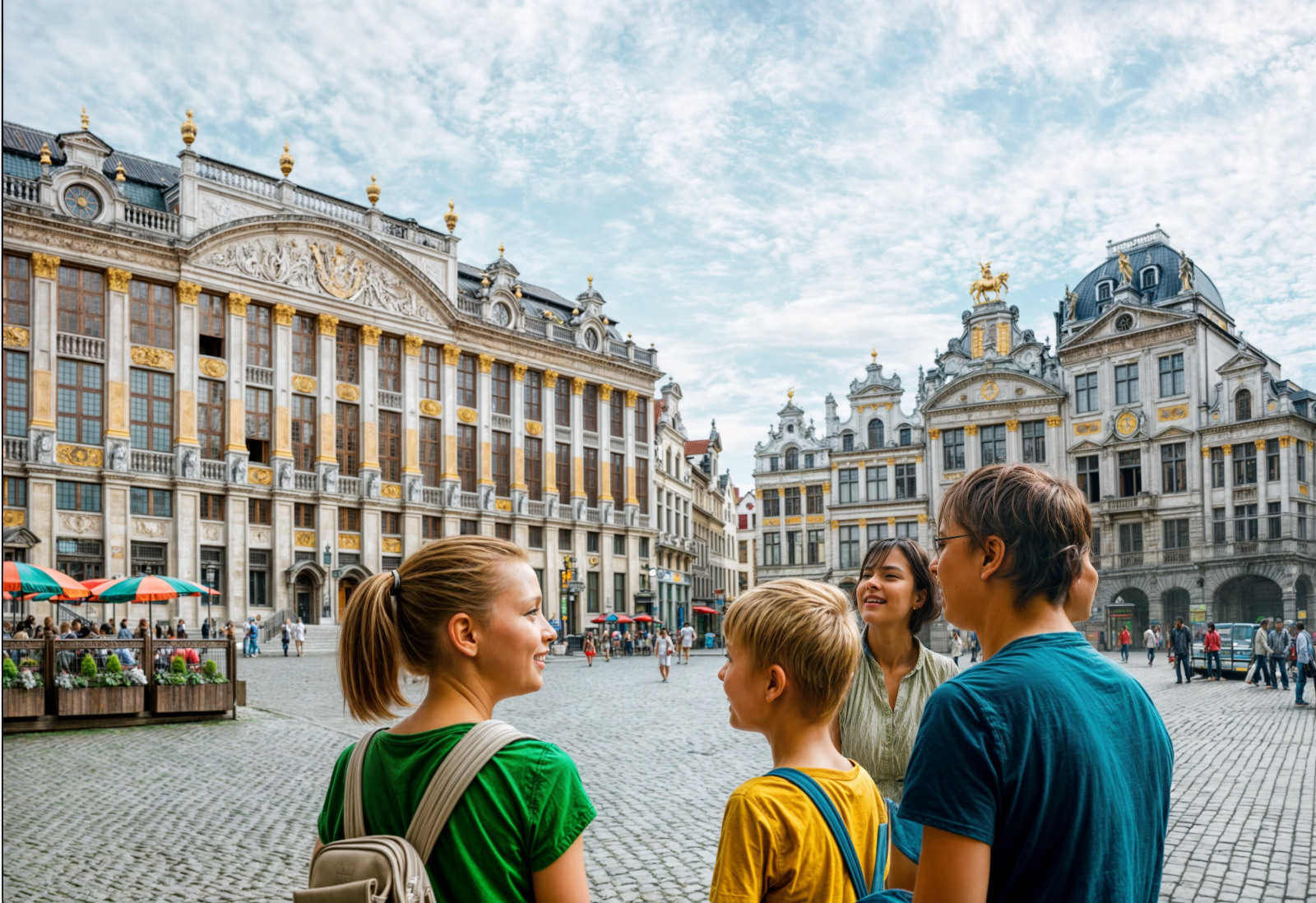
Brussels
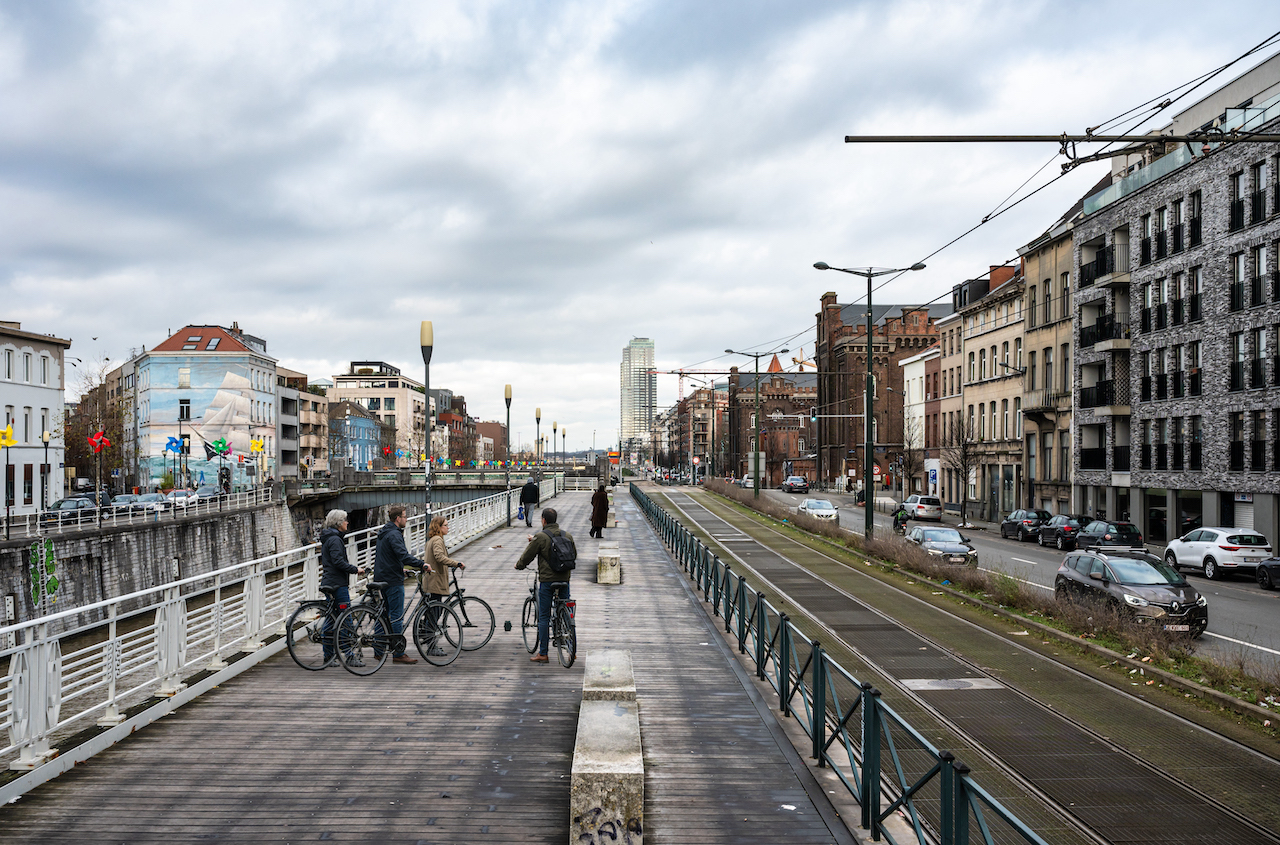
Brussels
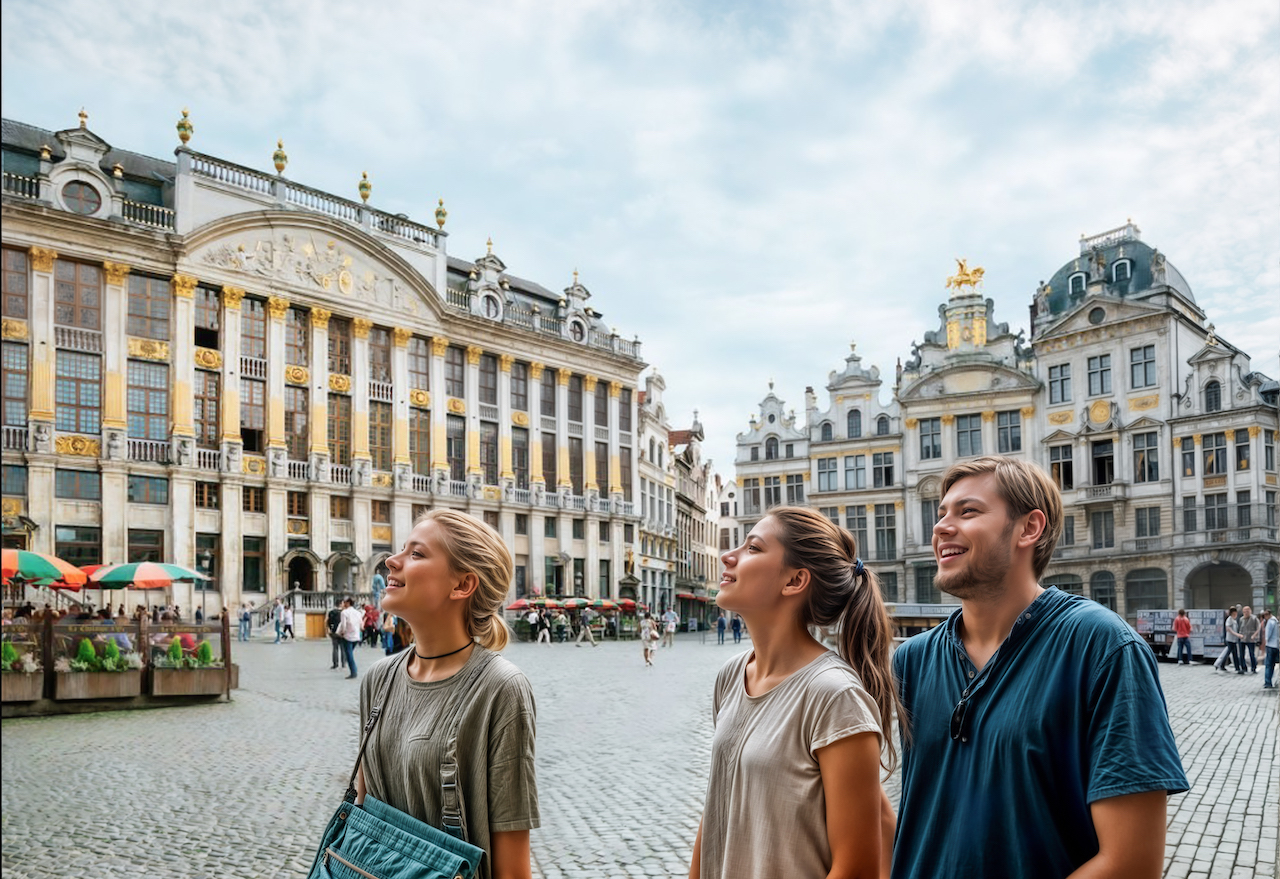
Brussels
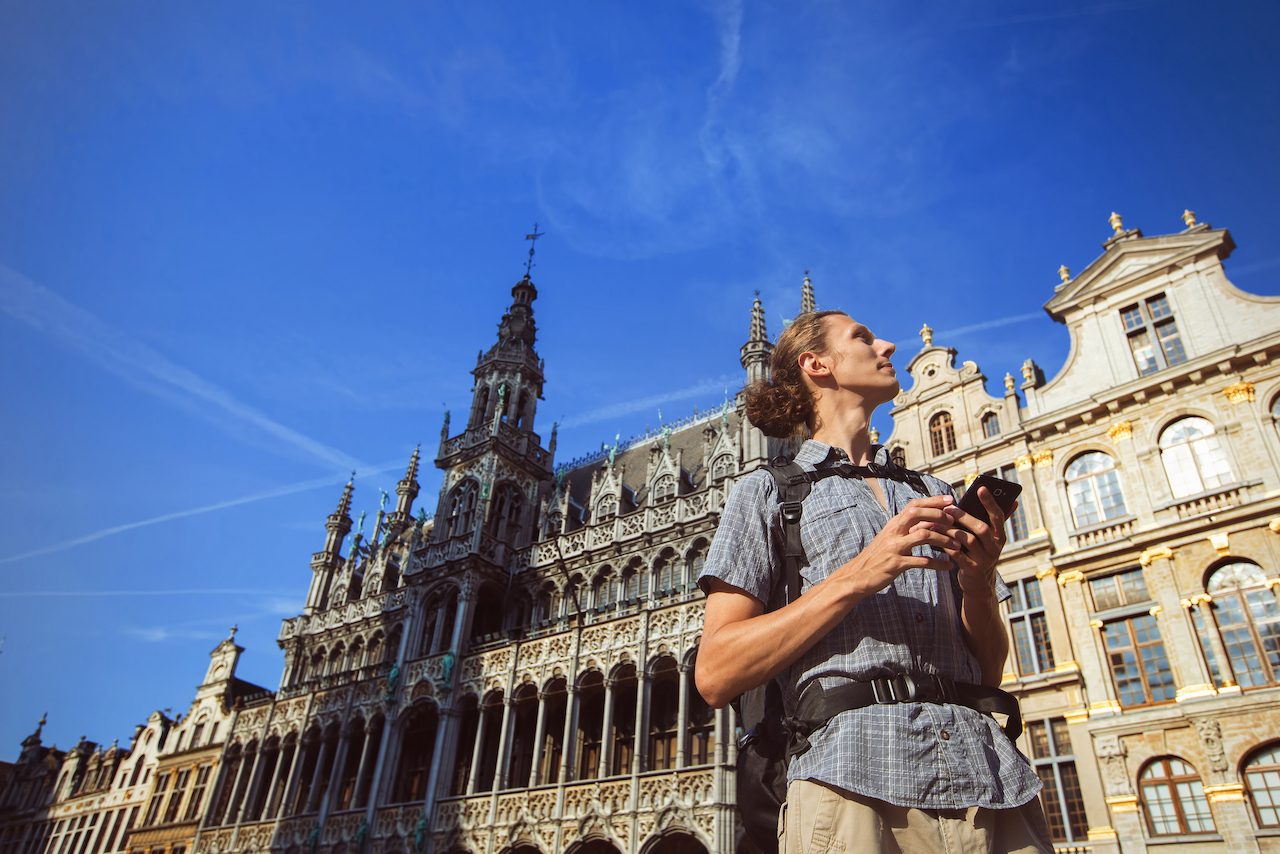
Brussels
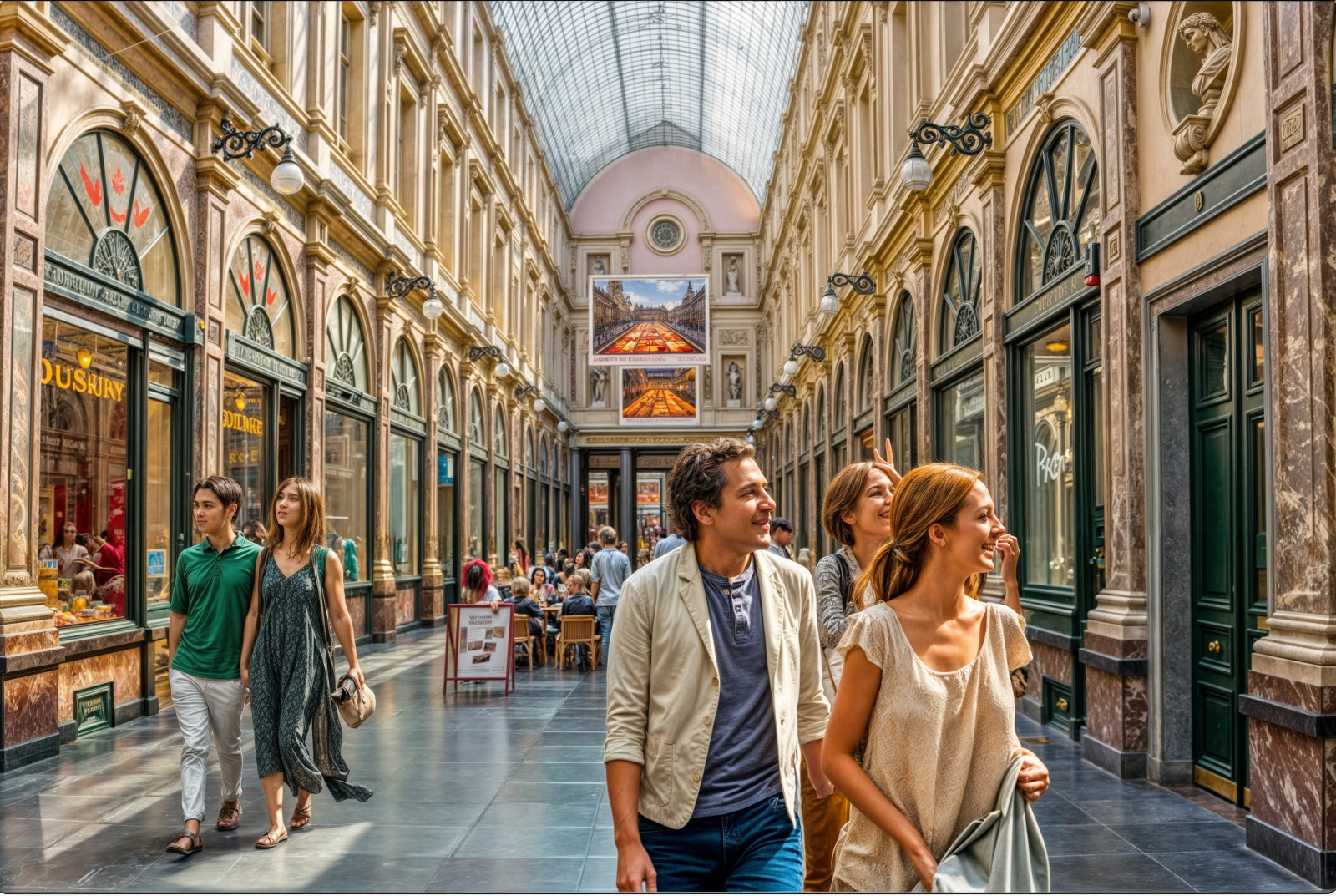
Brussels