6.5 hrs
Barcelona
Montserrat Private Day Trip. Monastery Tickets & Pick up included
✓ Free cancellation Kids friendly
4.8(313 reviews)
From €121/ person
Book Now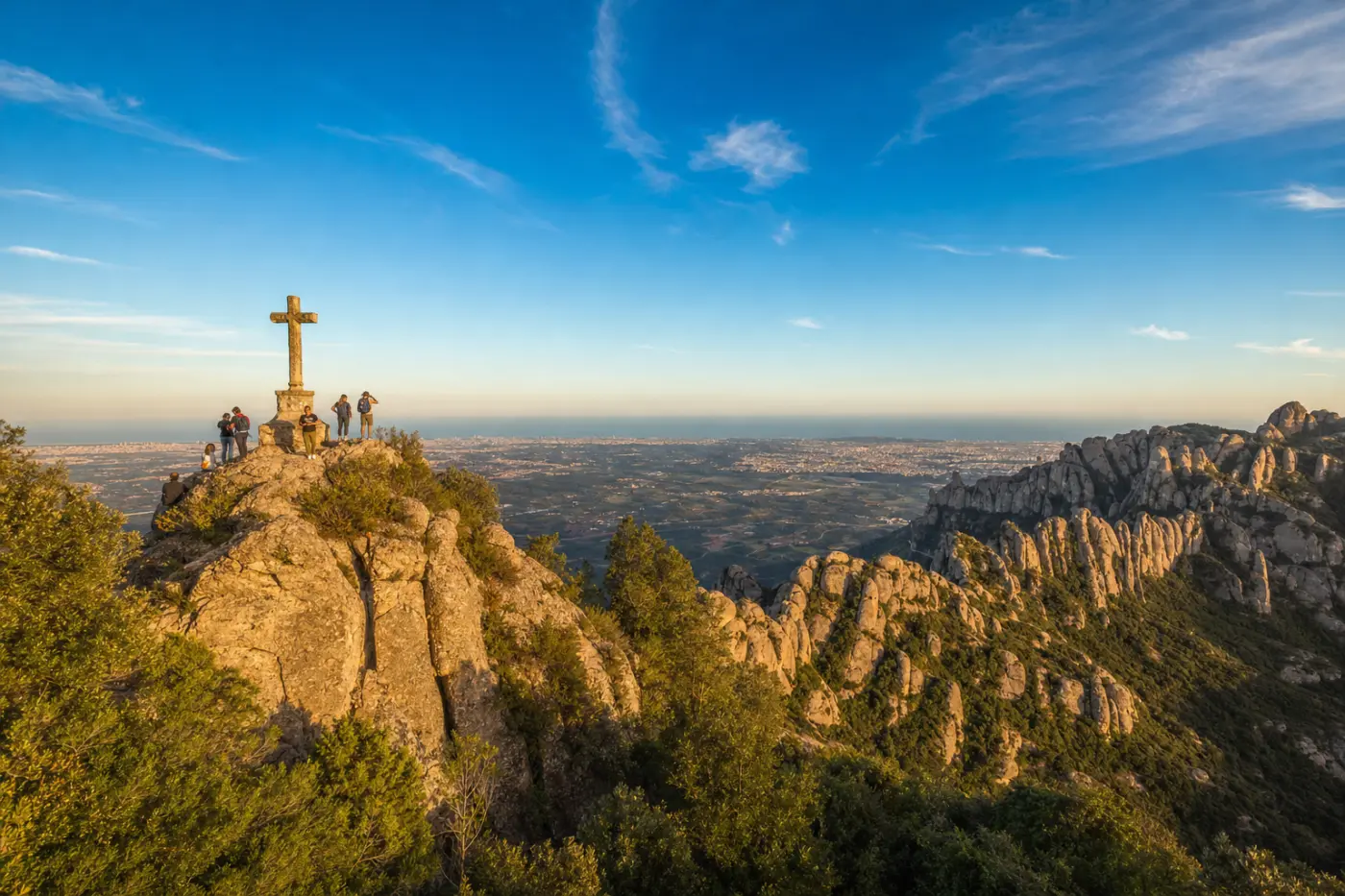
Tourist attraction
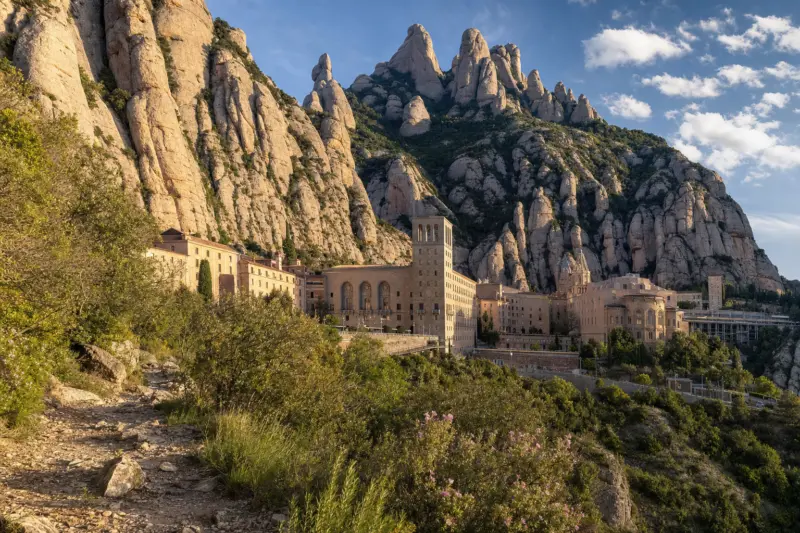
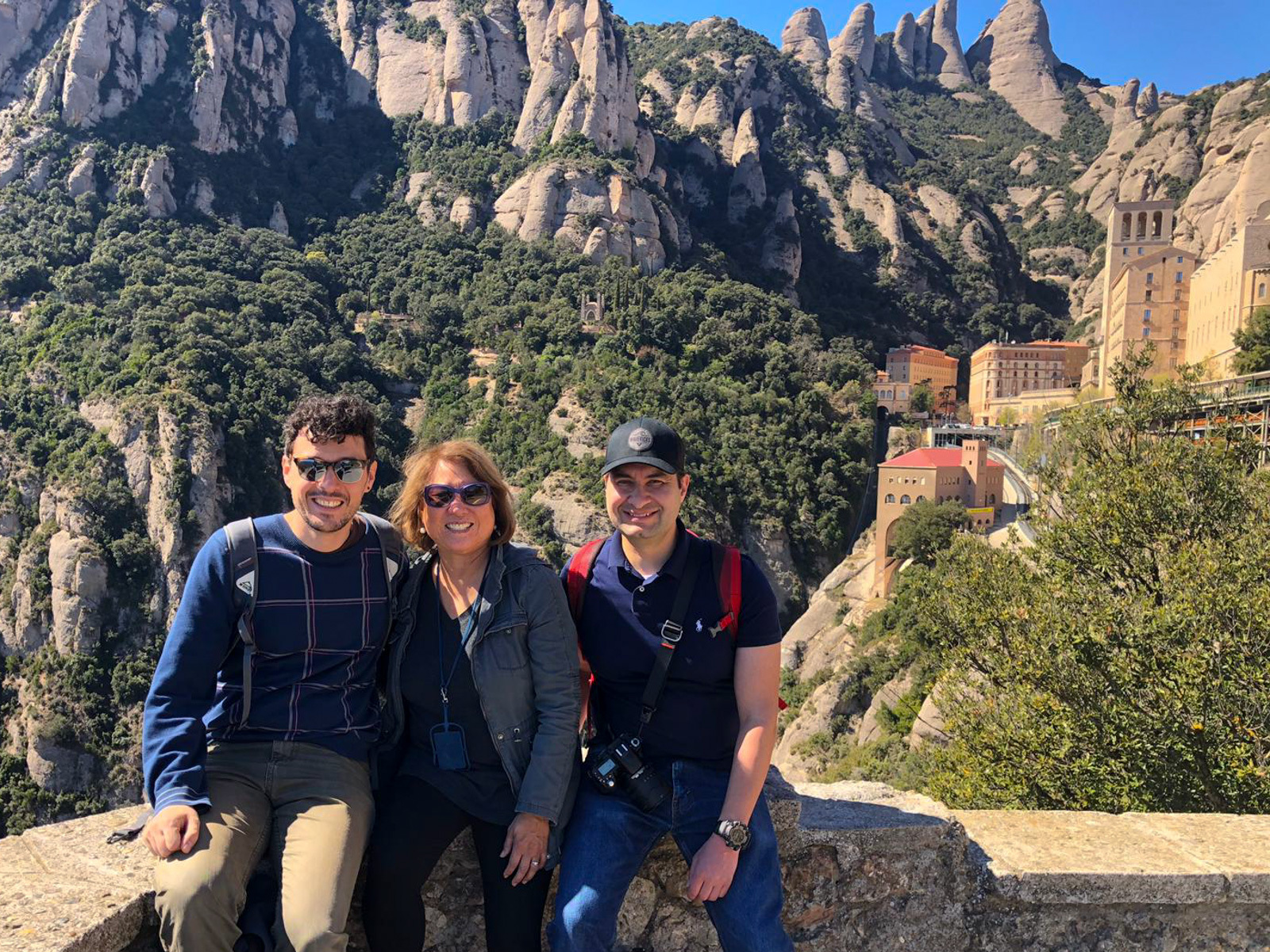
The Creu de Sant Miquel — literally "Cross of Saint Michael" — is a dramatic cliffside viewpoint perched on the jagged ridgeline of the Montserrat massif, roughly 50 kilometres northwest of Barcelona. The site takes its name from the nearby Ermita de Sant Miquel, one of the thirteen hermitages that historically dotted the mountain and served as retreat cells for Benedictine monks from the Santa Maria de Montserrat Abbey below. The abbey itself was founded in the 11th century, with documentary records dating its first stone structures to around 1025 under Abbot Oliba of the Counts of Vic, and the hermitage network — including Sant Miquel — developed across the medieval period as the site grew in religious prestige as a pilgrimage centre for the Black Madonna, La Moreneta.
The hike to the cross follows a well-maintained trail that branches off from the main Sant Joan funicular station area, reaching the viewpoint in approximately 20 to 30 minutes of moderate uphill walking. The route passes stone-cut steps, sparse pine and holm oak woodland, and a scattering of small cairns and rock sculptures left by generations of hikers — a quiet folk tradition that has accumulated over decades. The cross itself stands at a natural rock promontory, and the view it commands is genuinely extraordinary: on clear days visitors can survey the full Llobregat river valley, the coastal plain stretching to the Mediterranean, the city of Barcelona on the horizon, and deep into the interior ranges of Catalonia. At sunrise and sunset the raking light turns the characteristic conglomerate pillars of Montserrat — formed some 50 million years ago from compressed river sediment — into vivid amber and ochre tones.
Unlike the heavily visited monastery esplanade or the Sant Joan summit, the Creu de Sant Miquel trail draws a quieter, more contemplative crowd. Wildlife is notably present: Montserrat Natural Park, designated a protected natural area in 1987 and covering 3,630 hectares, supports populations of roe deer, wild boar, golden eagles, and peregrine falcons. Deer sightings along the Sant Miquel path are common, particularly in early morning. The trail also passes close to the Sant Miquel hermitage ruins, where a small chapel structure still stands, offering additional historical texture to the walk.
The viewpoint is accessible year-round and costs nothing beyond the standard Rack Railway or funicular ticket from Monistrol de Montserrat or the R5 FGC train from Barcelona's Plaça Espanya station. Wear grippy footwear as the stone path can be slick after rain. Early morning visits, ideally before 9:00 am, reward hikers with solitude and the best photographic light. Bring water — there are no facilities along the trail itself — and allocate at least two hours total for a relaxed return loop via the Sant Joan funicular station.
Private tours with a local guide, at your own pace.
Barcelona
Barcelona
Barcelona
Barcelona
Barcelona
Barcelona
Barcelona
Barcelona
Barcelona
Barcelona

Barcelona
Barcelona
Barcelona
We use a single cookie, to remember this choice. We do not use analytics or advertising cookies. Read our cookie policy.