6.5 hrs
Barcelona
Montserrat Private Day Trip. Monastery Tickets & Pick up included
✓ Free cancellation Kids friendly
4.8(314 reviews)
From €121/ person
Book Now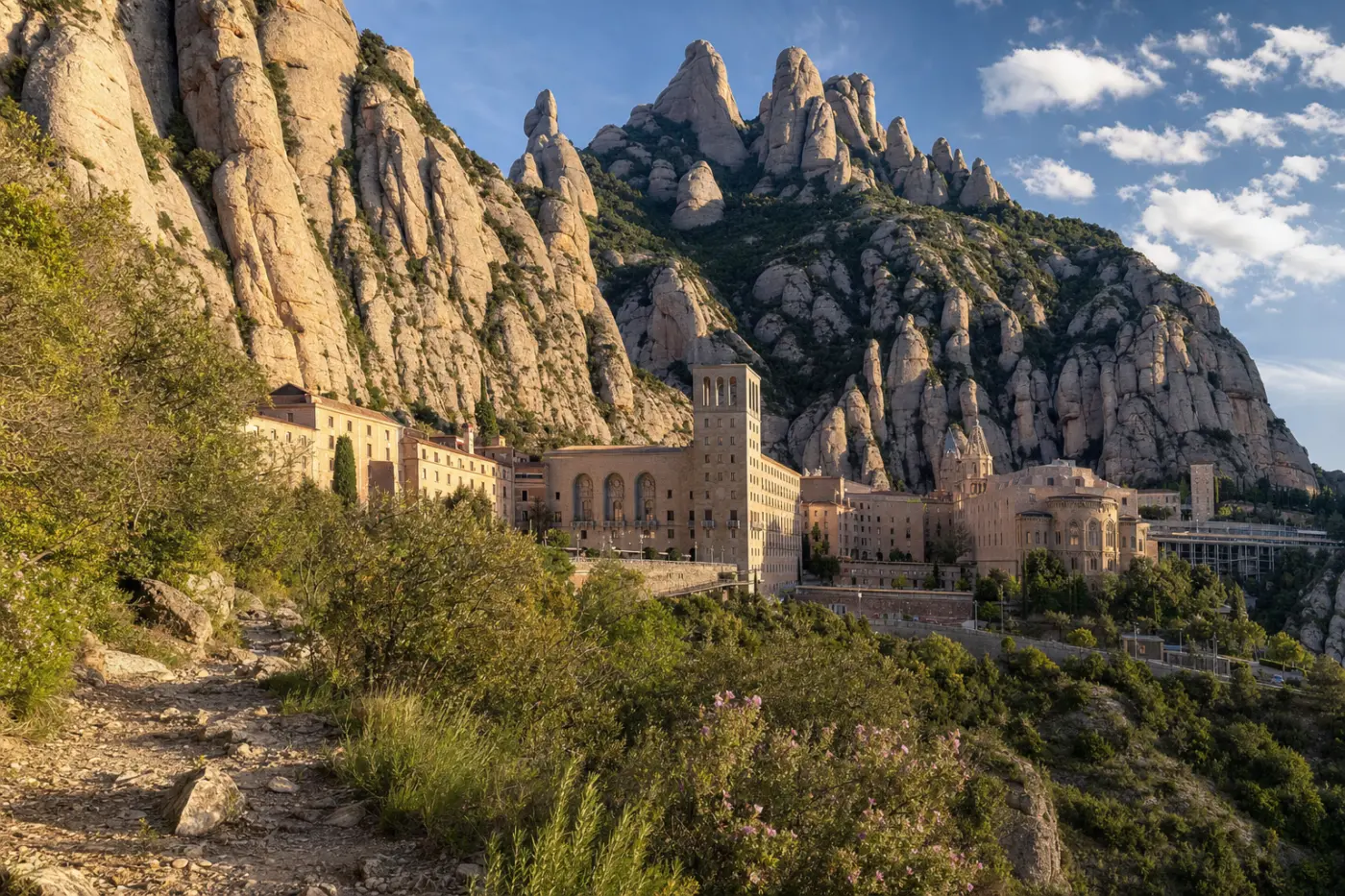
Tourist attraction
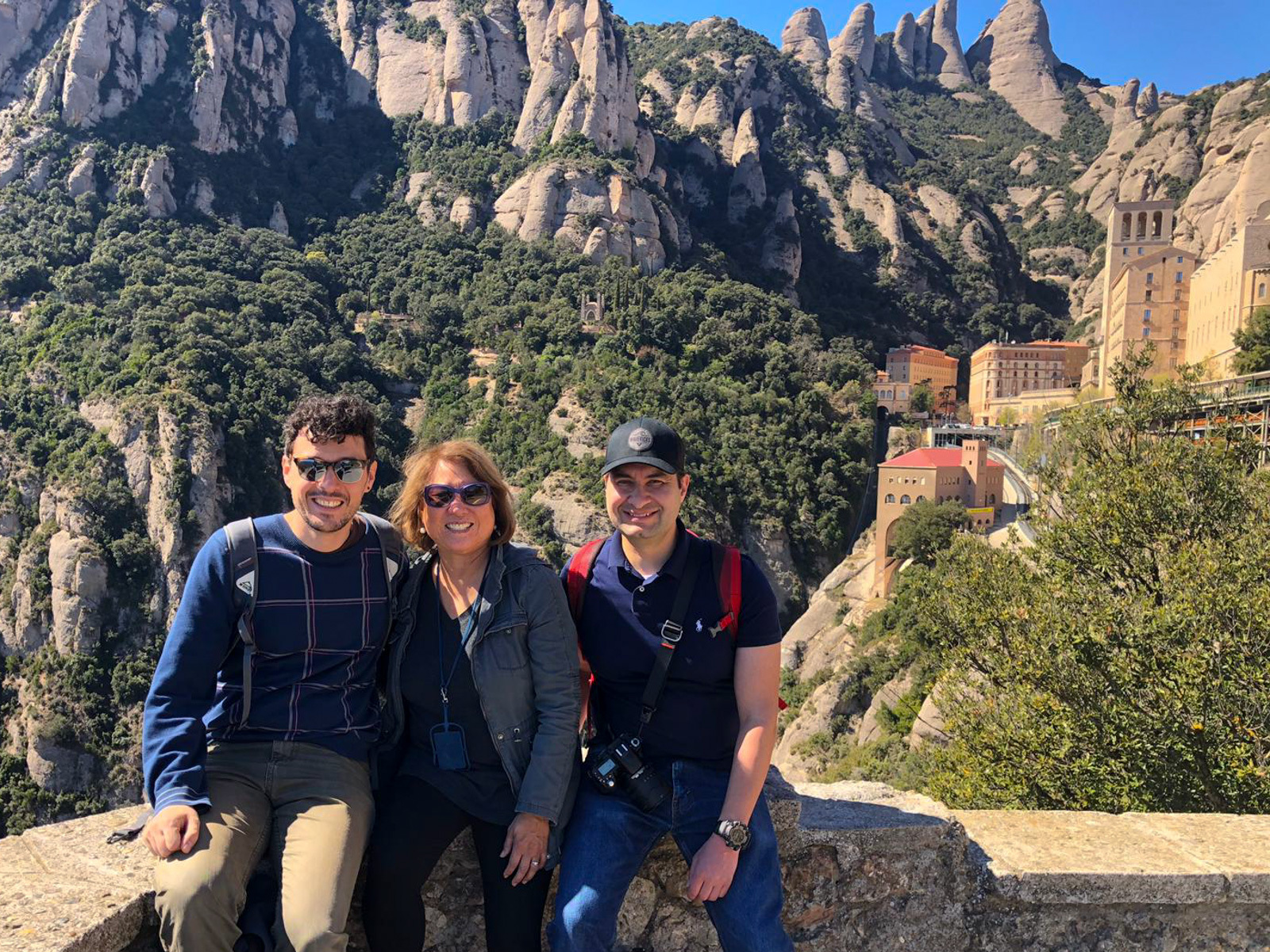
Montserrat — literally "serrated mountain" in Catalan — is a massif of conglomerate rock rising 1,236 metres above the Llobregat River valley, roughly 50 kilometres northwest of Barcelona. Its jagged, otherworldly silhouette of rounded pinnacles, sculpted by five million years of erosion, made it a site of spiritual reverence long before Christianity arrived in Iberia. The Benedictine monastery of Santa Maria de Montserrat, founded formally in 1025 by Abbot Oliba of the Abbey of Ripoll under the patronage of Count Ramon Berenguer I, clings to a natural ledge at 725 metres. It has functioned as an active monastery without interruption for nearly a thousand years, currently home to around 80 monks who follow the Rule of Saint Benedict. The complex was largely rebuilt in the 19th and early 20th centuries after Napoleonic troops devastated the original structures in 1811–1812, with the current neo-Romanesque basilica consecrated in 1592 and its façade remodelled between 1900 and 1968.
The monastery's most venerated object is La Moreneta — the Black Madonna — a Romanesque polychrome wooden sculpture of the Virgin Mary seated on a throne with the infant Jesus, dated by art historians to the late 12th century (circa 1180–1200). Legend holds it was carved by Saint Luke and brought to Spain by Saint Peter, though its actual origin is Catalan Romanesque craftsmanship. The figure's dark colouration, caused by centuries of candle smoke and varnish oxidation, gives her the Catalan name meaning "the Little Dark One." She was designated patroness of Catalonia in 1881 by Pope Leo XIII, and the site draws over 2.5 million visitors annually, making it one of the most visited pilgrimage destinations in Europe. Equally famous is the Escolania de Montserrat, one of the oldest boys' choirs in Europe — documented since the 14th century — which performs the Salve Regina and Virolai hymn daily at 1:00 PM and 6:45 PM (check seasonal schedules), offering visitors a rare chance to hear centuries-old sacred music in its original setting.
Beyond the religious complex, Montserrat is a world-class hiking and rock-climbing destination. Two rack railways — the Sant Joan funicular and the Santa Cova funicular — extend from the monastery plaza, accessing a network of over 20 marked trails across the mountain. The Sant Joan trail (approximately 1.5 hours round trip) leads to the mountain's highest hermitage ruins and panoramic views stretching on clear days to the Pyrenees, the Balearic Sea, and even Mallorca. The Santa Cova path descends to the cave where, according to tradition, shepherds discovered the Black Madonna image in the 9th century, marked today by a 17th-century baroque chapel. The Museum of Montserrat, reopened after renovation in 1997, holds a surprisingly rich collection including works by El Greco, Caravaggio, Monet, Picasso, and Dalí — a testament to centuries of patronage by Catalan nobility and clergy.
Getting to Montserrat from Barcelona is straightforward: the FGC (Ferrocarrils de la Generalitat de Catalunya) train R5 line departs from Plaça Espanya station every hour, with the journey to Monistrol de Montserrat taking 53 minutes, where it connects with the Aeri de Montserrat cable car or the rack railway (cremallera) up to the monastery. Arrive before 10:30 AM on weekdays to avoid peak crowds around the basilica and the Madonna's camarin (throne room), which often sees queues of 45 minutes or more by midday on weekends. The mountain's weather changes rapidly year-round — carry a layer regardless of the season. The monastery's main square, the Plaça de la Creu, is freely accessible at all times, as is the basilica's nave; veneration of the Black Madonna and access to her camarín requires joining the dedicated visitors' route via the lateral door on the basilica's right side.
Private tours with a local guide, at your own pace.
Barcelona
Barcelona
Barcelona
Barcelona
Barcelona
Barcelona
Barcelona
Barcelona
Barcelona
Barcelona

Barcelona
Barcelona
Barcelona
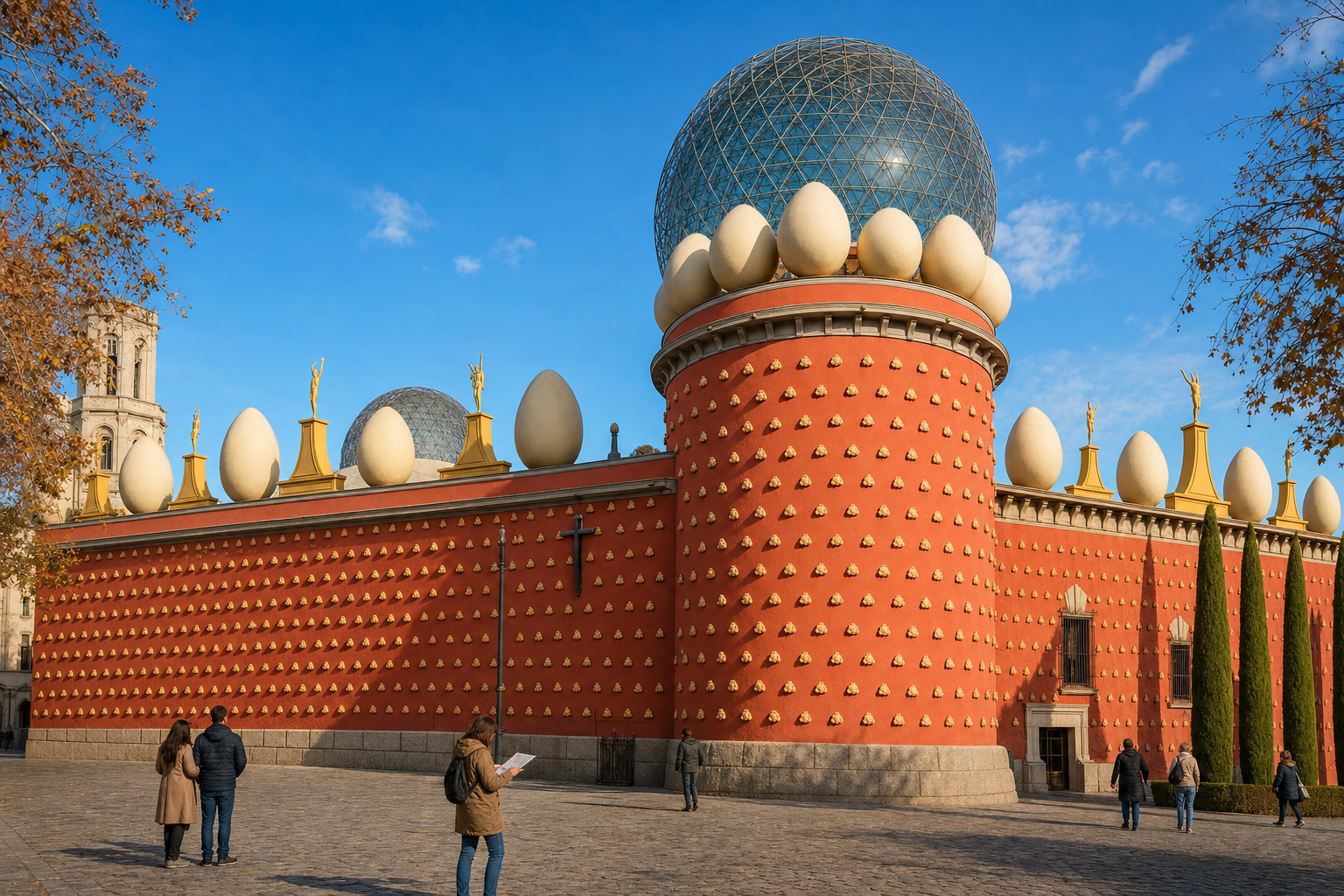
Most people know that Salvador Dalí was born in Figueres on 11 May 1904 — fewer realise that he spent the last decade of his life living inside his own museum, in a castle tower he had converted into a private apartment, refusing almost all visitors. That detail alone reframes everything you're about to see on a Costa Brava day trip from Barcelona. This isn't a sightseeing loop past pretty landmarks; it's a journey into one of the most deliberately constructed artistic universes ever assembled, set against a coastline so geologically dramatic that it physically shaped the imagery of a surrealist movement. From the geodesic dome above Figueres to the labyrinthine rooms of Portlligat, from the tramuntana-battered vines of the Empordà to the whitewashed lanes of Cadaqués, every stop carries a specific weight of history that rewards knowing before you arrive. This guide gives you that context — and shows you why adding a winery to the route isn't a detour, it's the most logical ending the day could have.
Read more →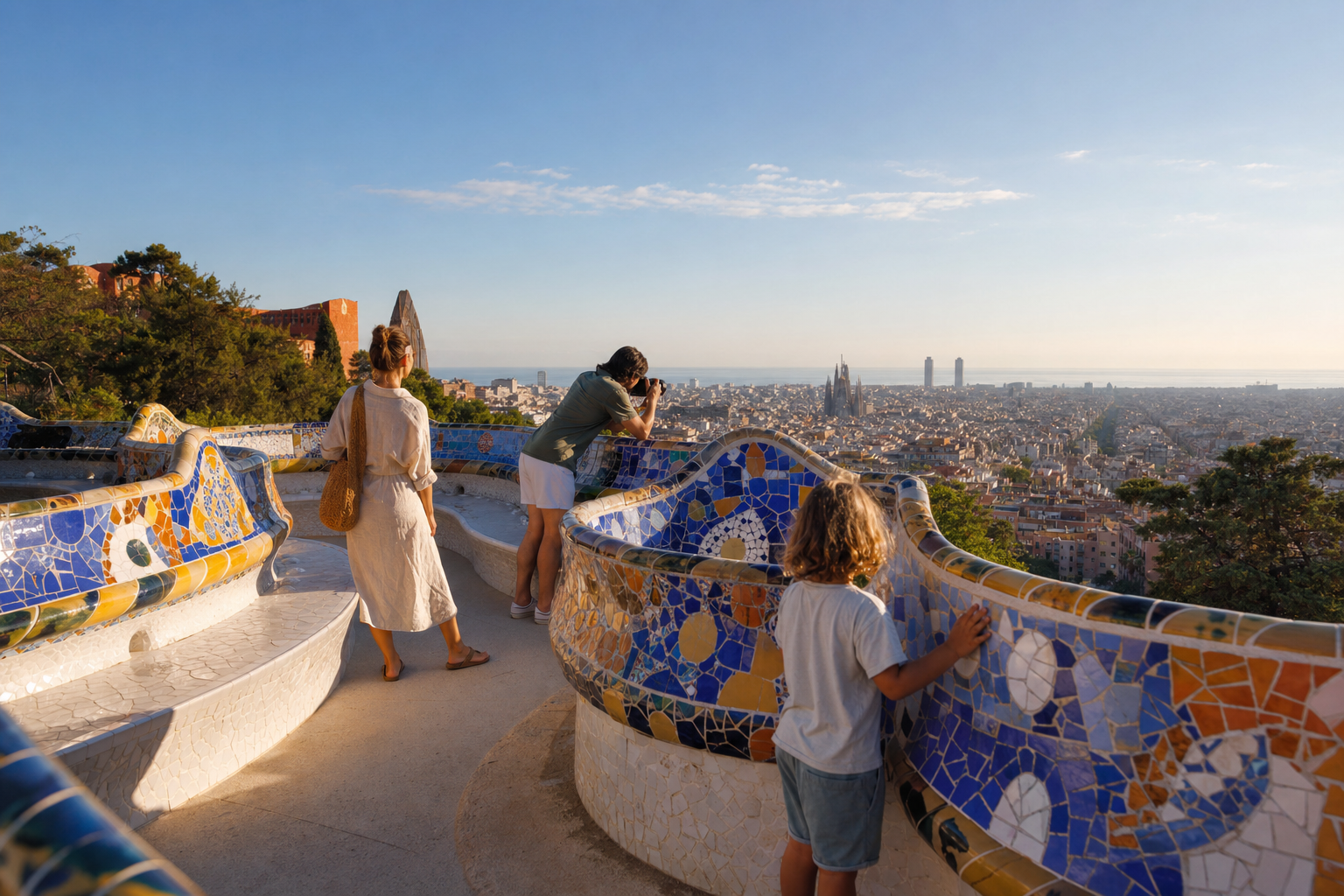
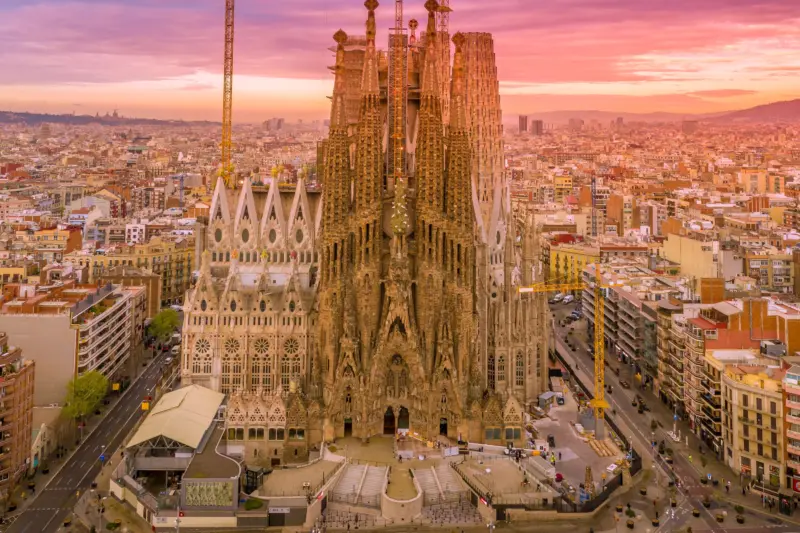
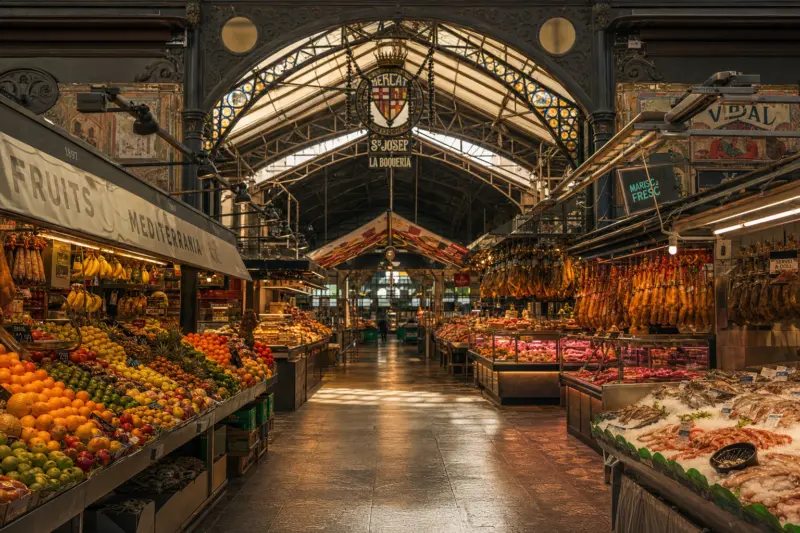
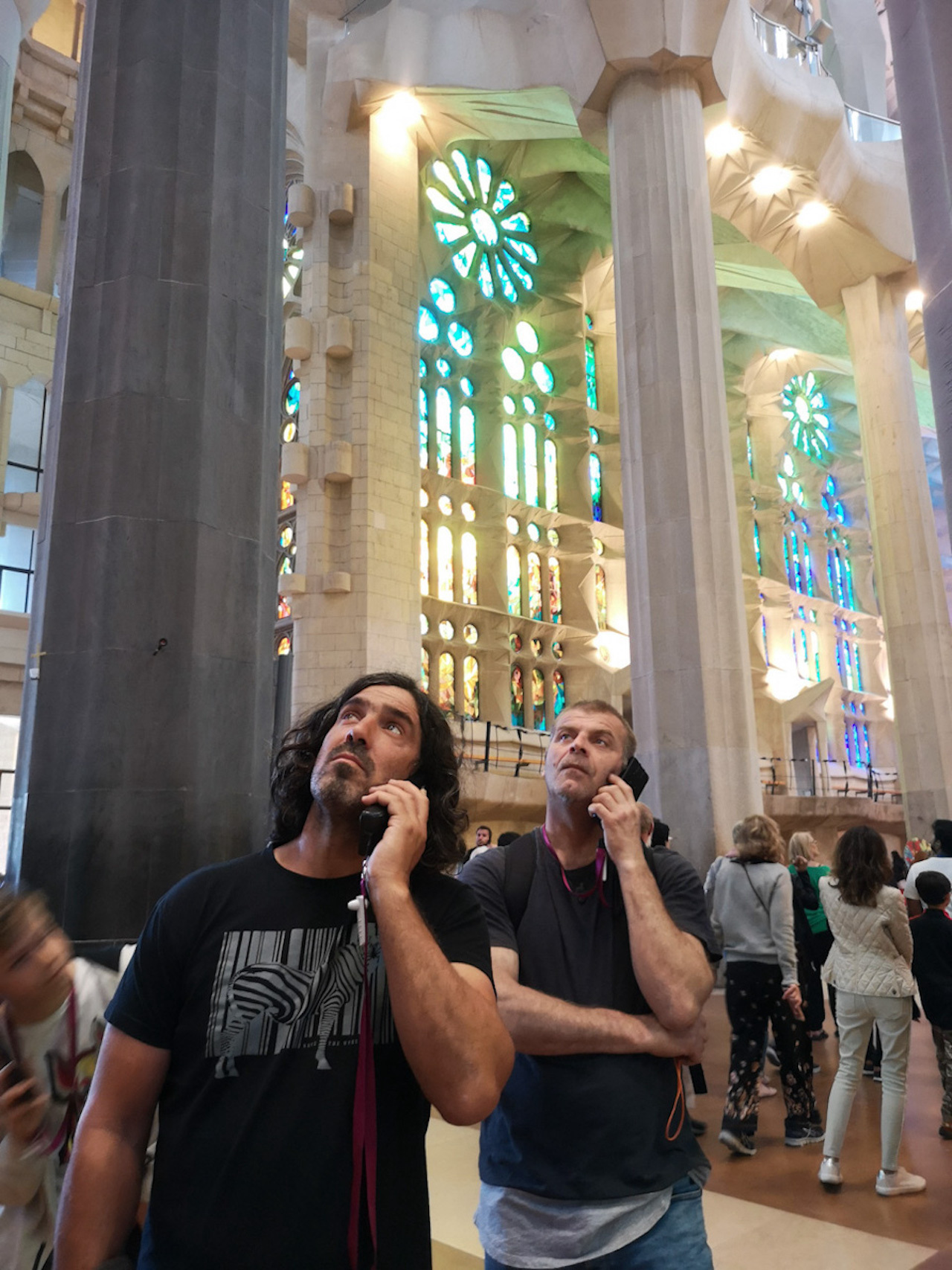
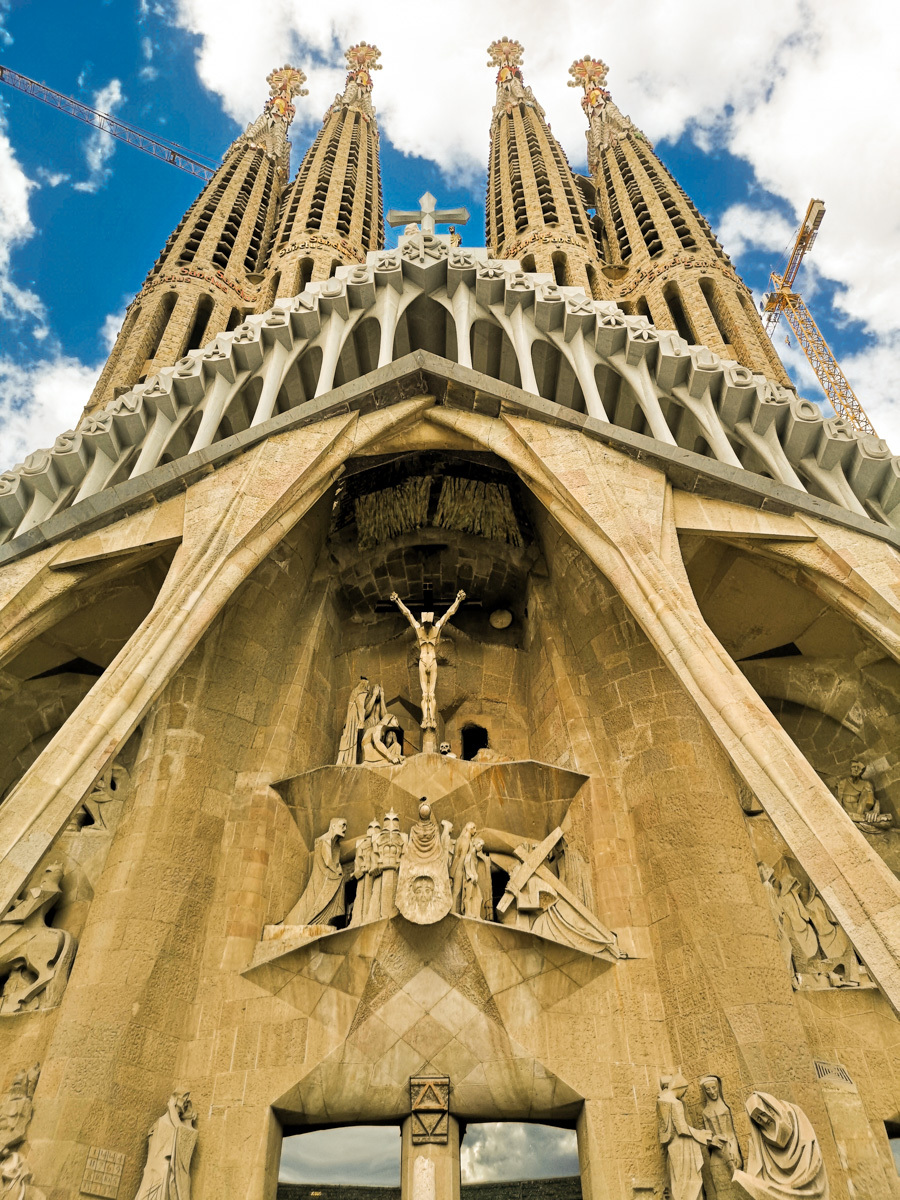
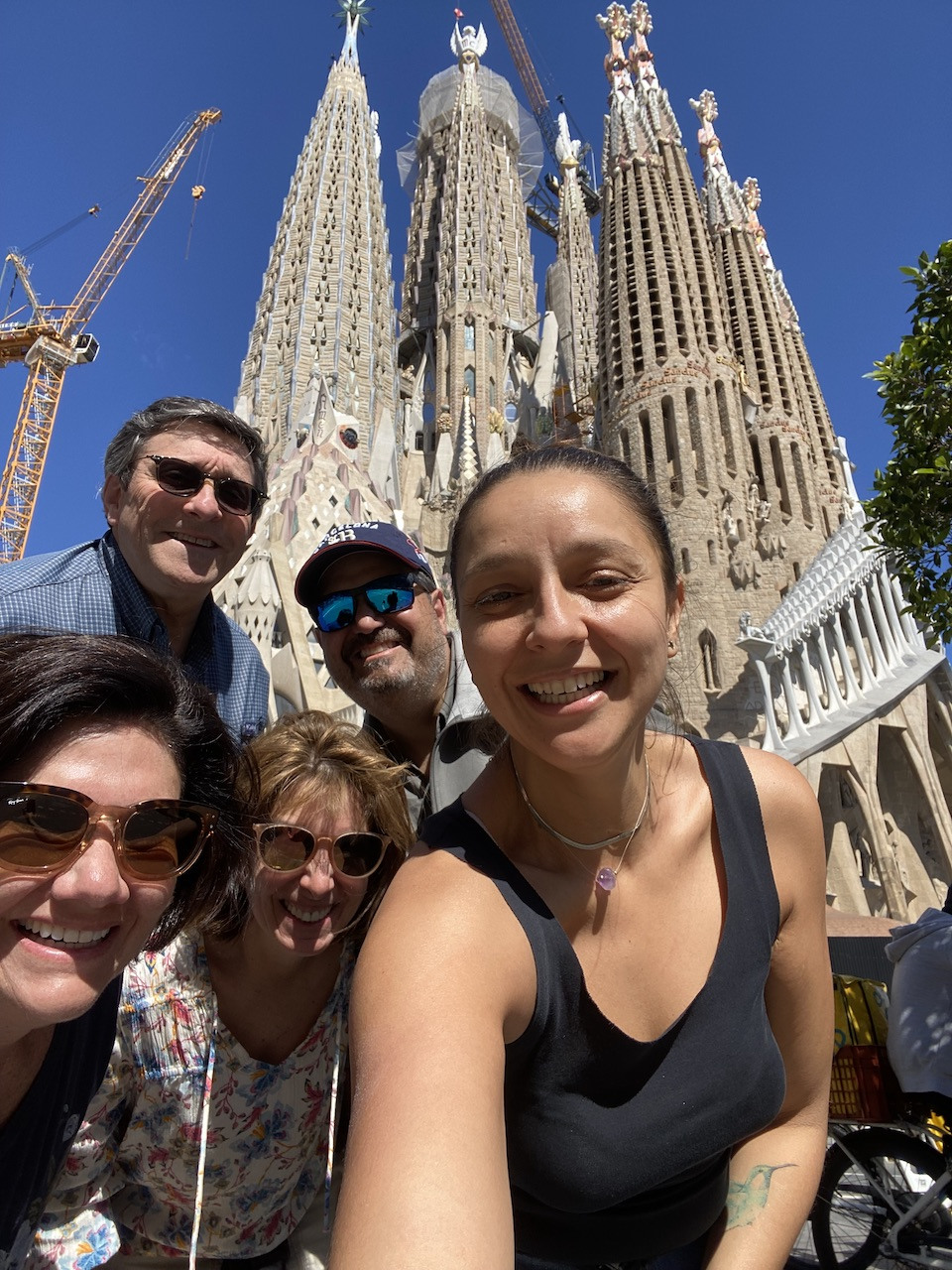
In 1883, a 31-year-old architect named Antoni Gaudí inherited a half-built church from a resigning predecessor and spent the next 43 years — until his death in 1926 — turning it into one of the most structurally radical buildings in human history. That church, the Sagrada Família, is still under construction today, and it is just one reason why Barcelona rewards curiosity more than almost any other city in Europe. But Gaudí's Barcelona is only one layer. Beneath the Gothic Quarter's cobblestones lie the preserved streets of a Roman settlement called Barcino, founded around 10 BC. In the city's markets, a food culture rooted in Catalan identity — not the generalised 'Spanish' clichés exported for tourists — plays out every single morning. Barcelona is a city that consistently offers more the deeper you look. This guide cuts past the surface to give you the historical facts, cultural context, and local knowledge that turn a good trip into an unforgettable one.
Read more →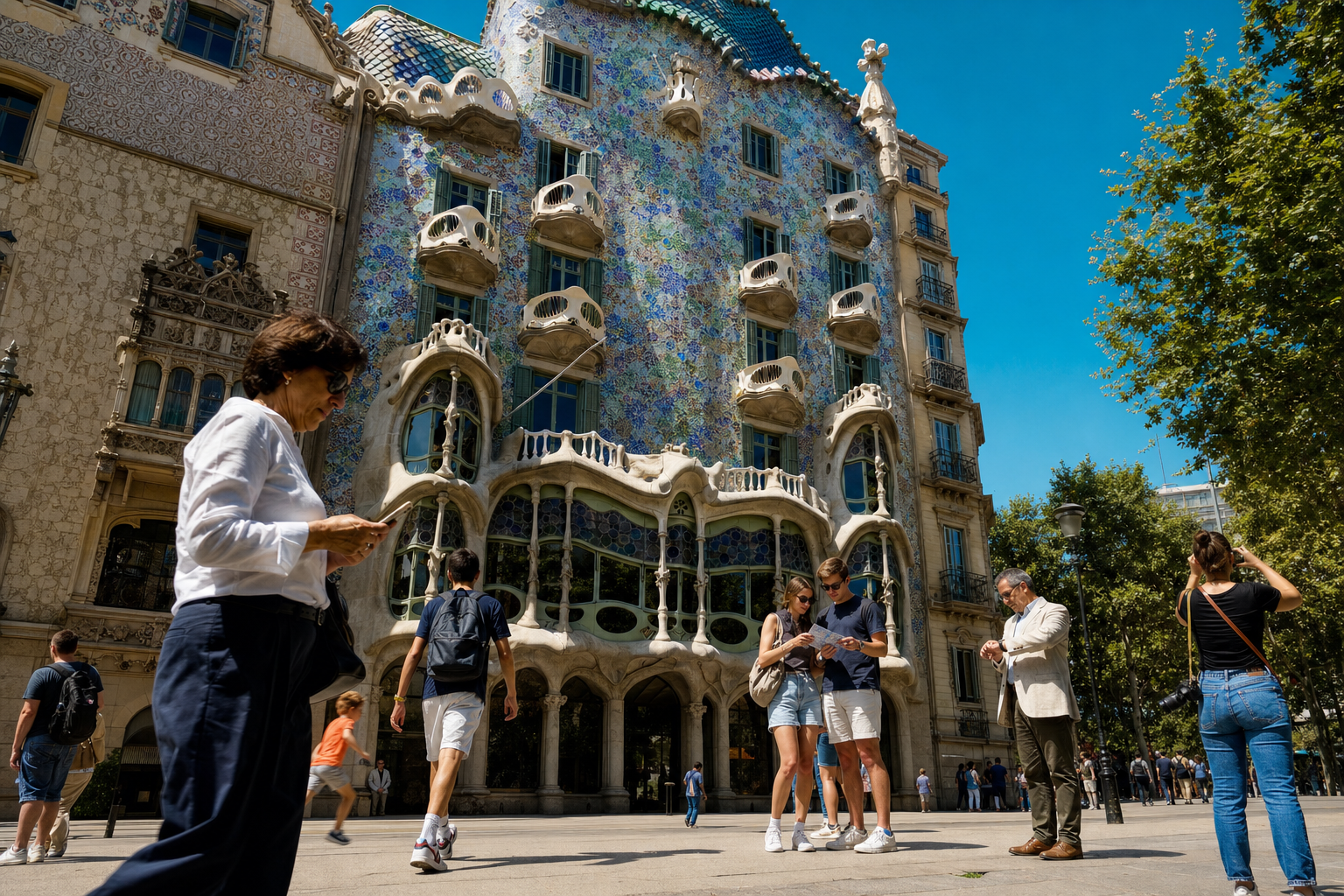
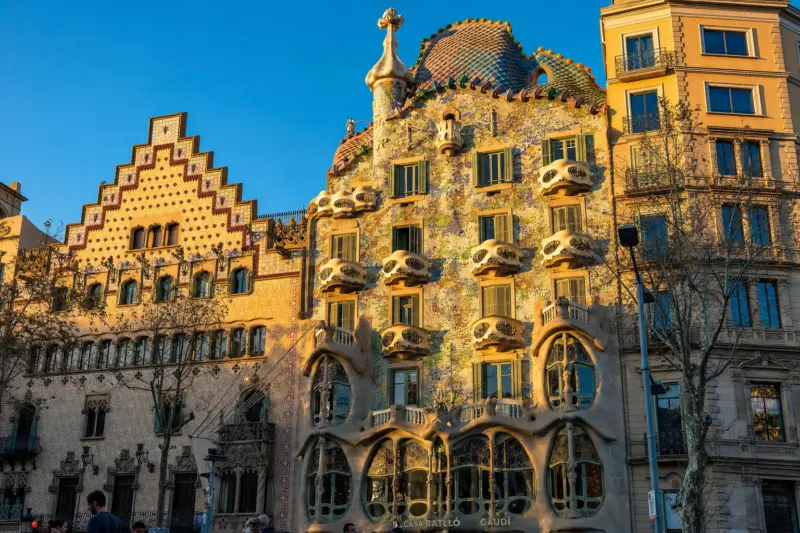
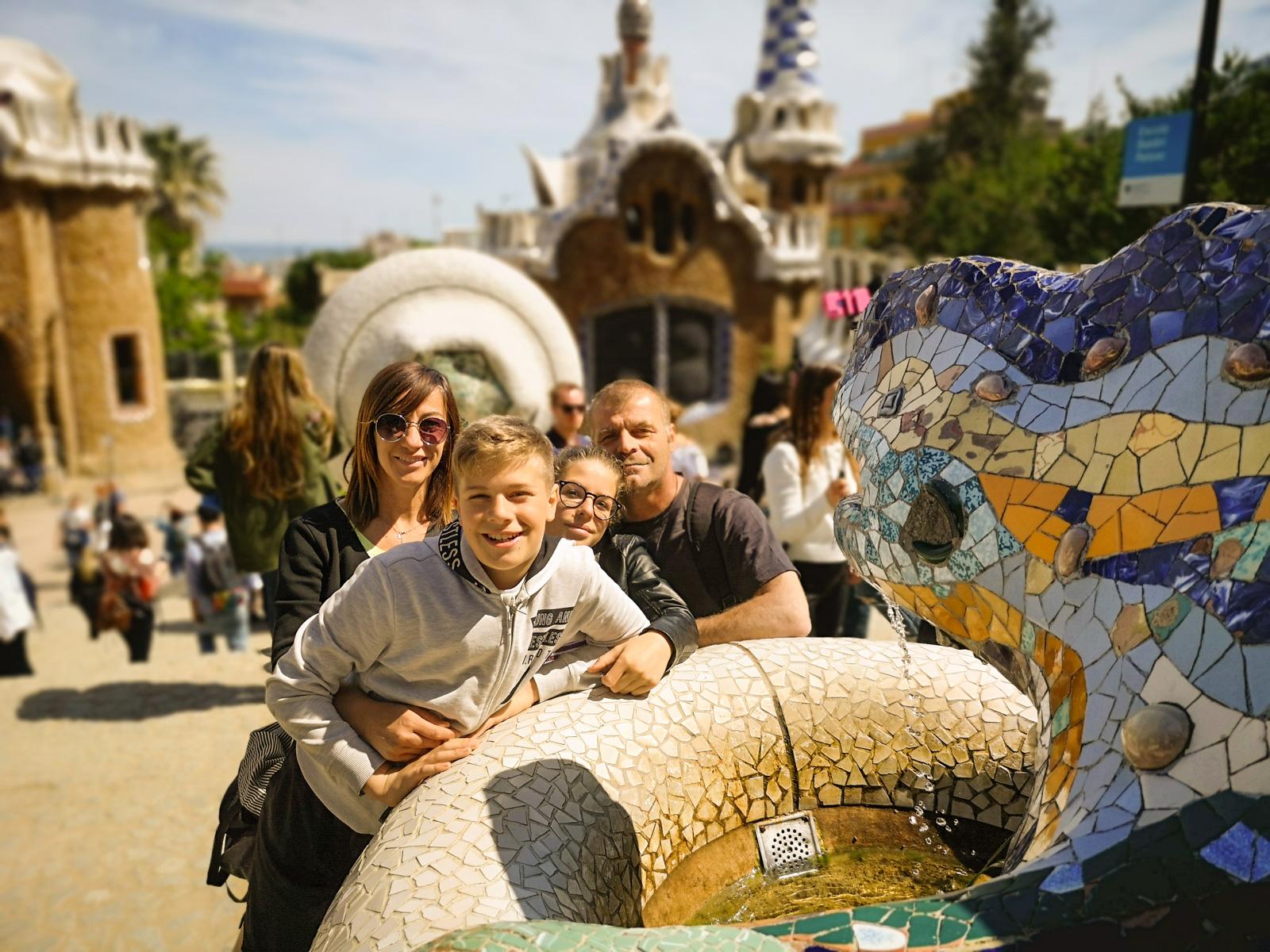
On the grandest stretch of Barcelona's Passeig de Gràcia — a boulevard so thick with Modernista jewels that locals call it the Block of Discord — one building stops every passerby cold. Casa Batlló shimmers like a living creature: scales of iridescent ceramic, a roofline that breathes, skulls carved into stone balconies. It was commissioned by a wealthy textile magnate, transformed by a visionary architect, and completed in 1906 as a statement that would redefine what a city building could be. This is its story.
Read more →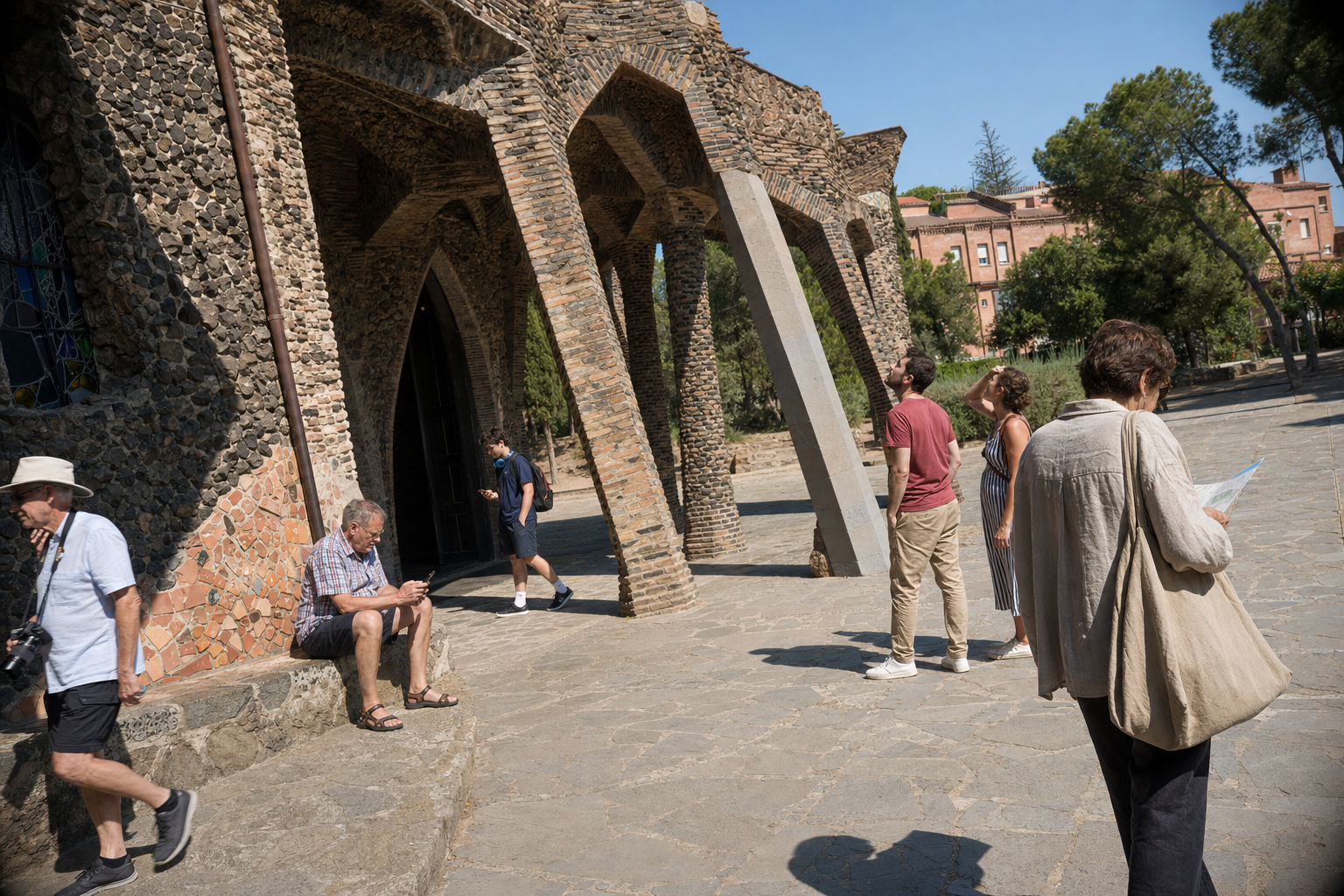
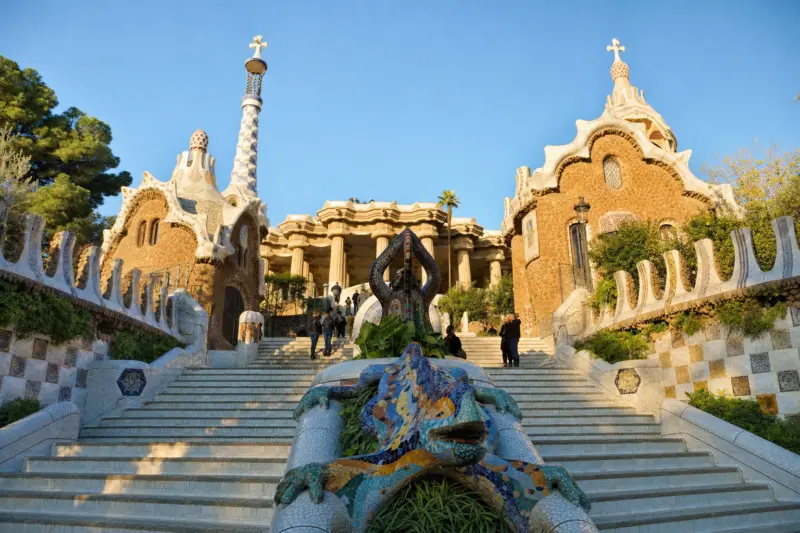
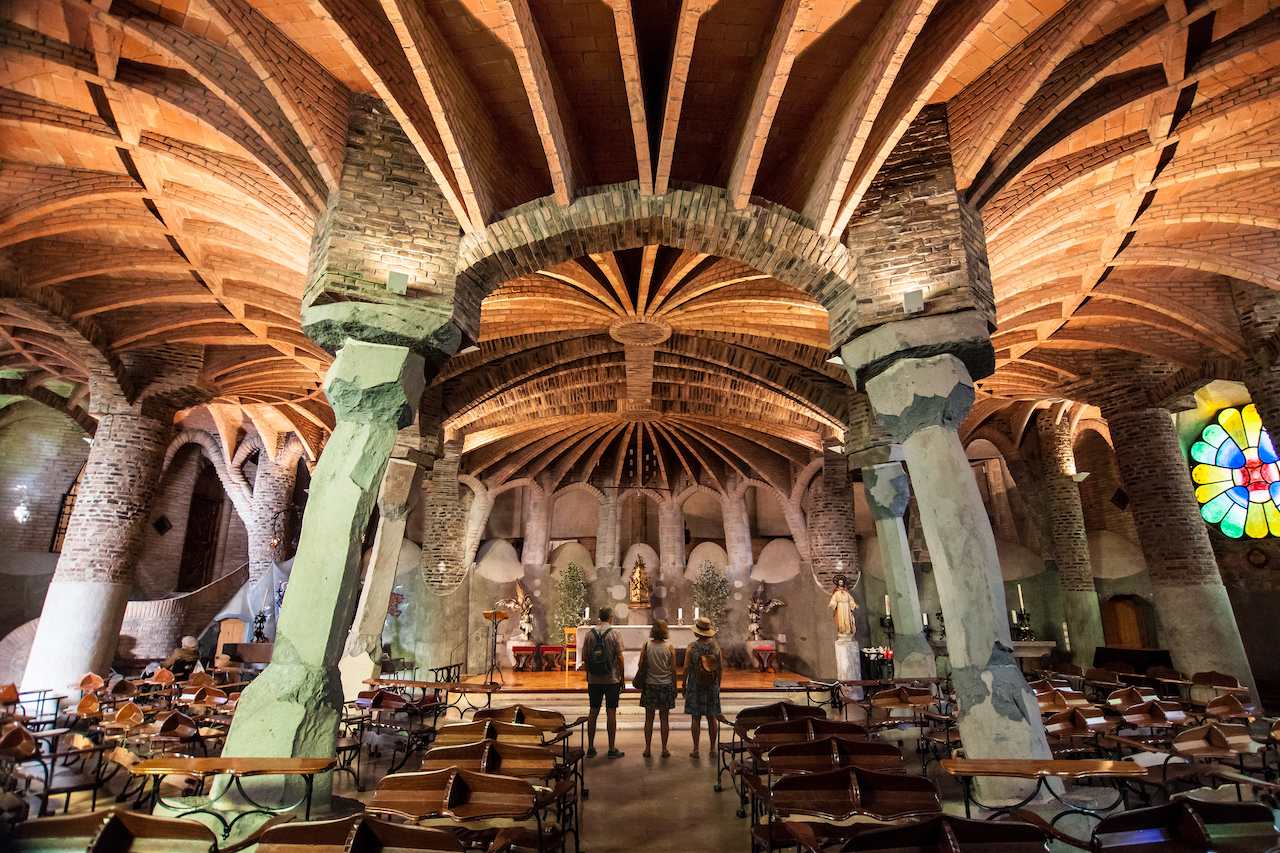
In 1890, the Catalan industrialist Eusebi Güell made a decision that was radical even by the standards of a city already electrified by modernisme: he abandoned Barcelona's choking factory districts and moved his textile mill — and his entire workforce — to a pine-forested hillside in Santa Coloma de Cervelló, just 20 kilometres southwest of the city. What he built there was not merely a factory complex but a full social experiment: a self-contained workers' village with housing, schools, a theatre, a cooperative shop, and a church that would become one of the most structurally daring buildings of the 20th century. That church was entrusted to Antoni Gaudí — and what Gaudí designed in its crypt between 1908 and 1914 was nothing less than the structural laboratory for the Sagrada Família. Colonia Güell is where the dream was tested. It draws a fraction of the crowds that queue outside Park Güell or the Sagrada Família, yet it is arguably the most intellectually fascinating Gaudí site in all of Catalonia.
Read more →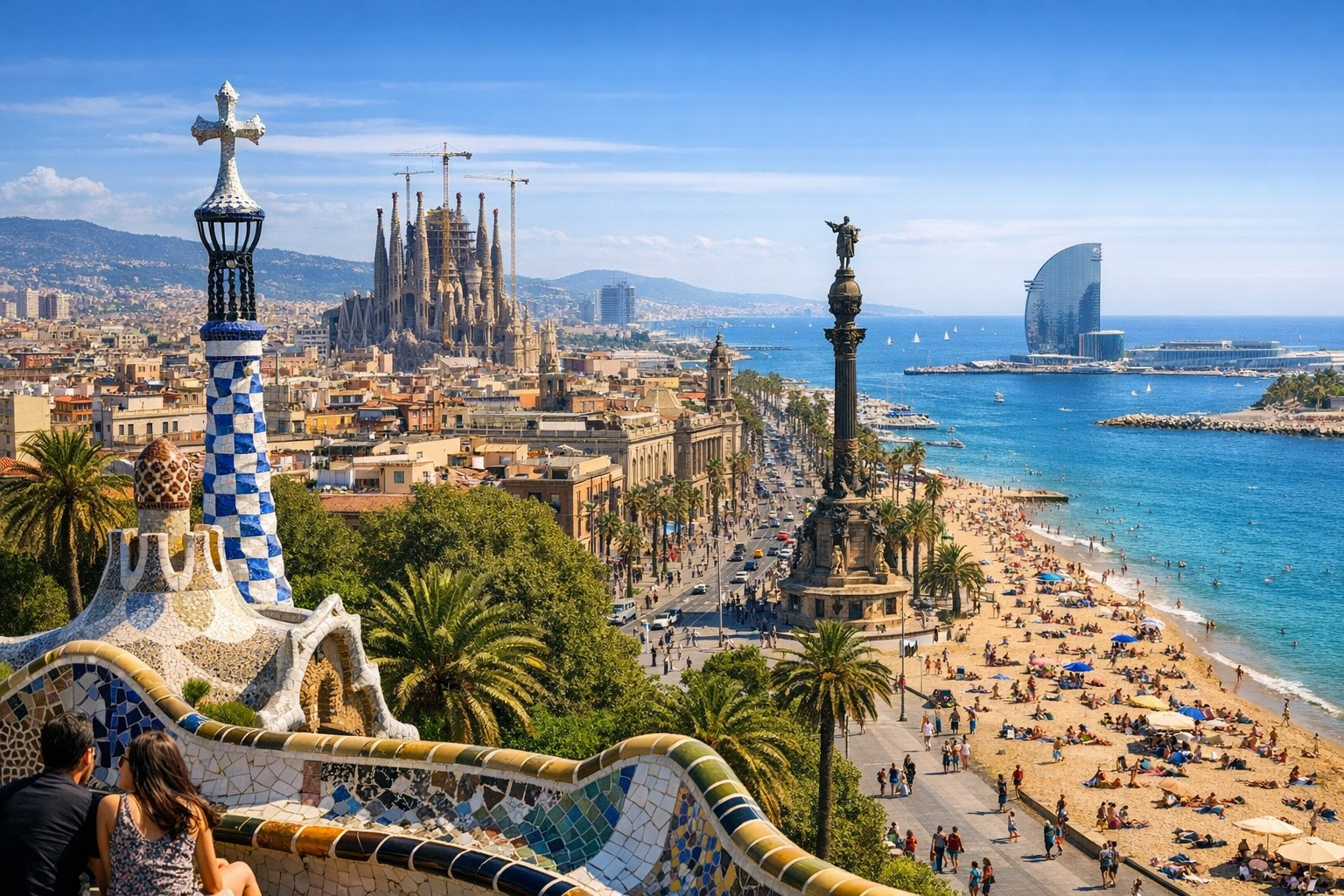
Discover the vibrant culture, stunning architecture, and culinary delights of Barcelona. From iconic landmarks to hidden gems, this guide offers the best activities to experience in the city, ensuring an unforgettable visit.
Read more →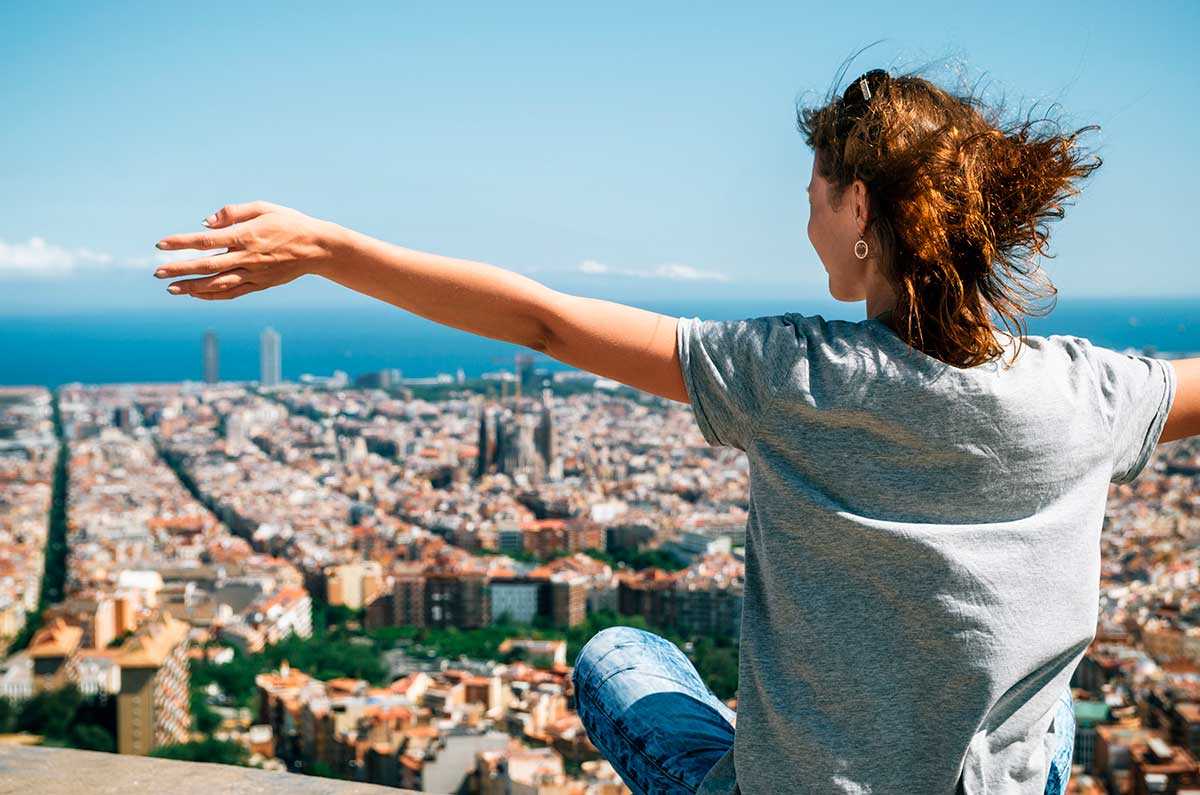
Barcelona, the enchanting coastal city in Spain, is a treasure trove of captivating attractions, historic landmarks, and awe-inspiring architecture. With so much to explore, having a well-designed attractions map can significantly enhance your sightseeing experience and ensure you make the most of your time in this vibrant destination. Whether you are an adventurous solo traveler or a family seeking a cultural getaway, a detailed map will be your faithful companion throughout your journey.
Read more →We use a single cookie, to remember this choice. We do not use analytics or advertising cookies. Read our cookie policy.