3 hrs
Barcelona
Sagrada Familia & Gaudi Tour Private or Small Group with Tickets
✓ Free cancellation Kids friendly
4.8(1403 reviews)
From €197/ person
Book Now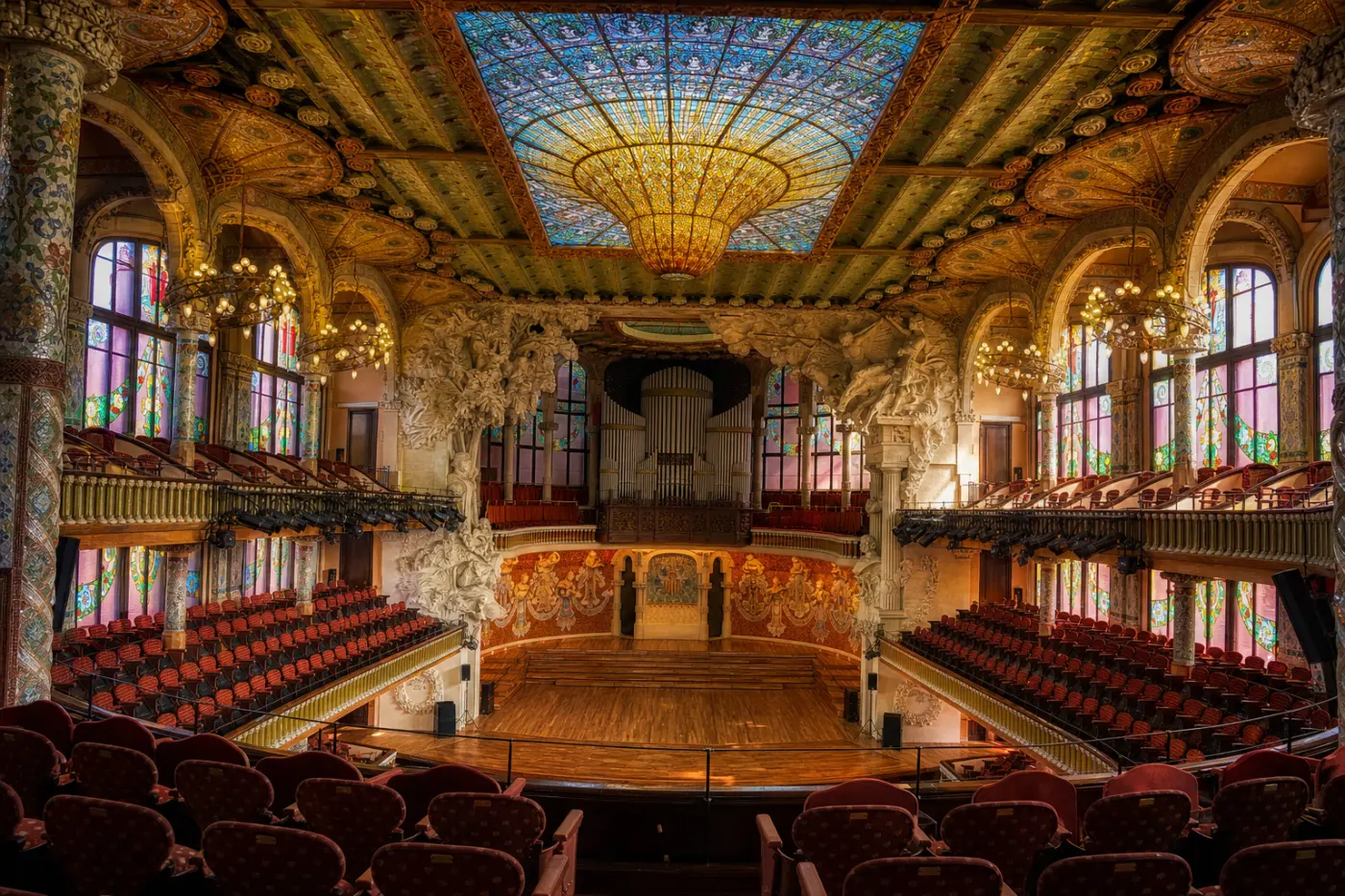
Tourist attraction
The Palau de la Música Catalana is a concert hall built between 1905 and 1908 by architect Lluís Domènech i Montaner for the Orfeó Català, a choral society founded in 1891 to champion Catalan folk music and cultural identity. The commission was as political as it was artistic: the building was intended to be a physical manifesto of the Catalan Renaixença — the 19th-century cultural revival movement — rendered in brick, iron, mosaic, and glass. Domènech i Montaner completed the structure in just three years, and the inaugural concert took place in 1908. In 1997, UNESCO inscribed it as a World Heritage Site alongside Domènech i Montaner's Hospital de Sant Pau, recognising both as the twin peaks of Catalan Modernisme.
What makes the building architecturally singular is its structural use of a steel skeleton — one of the earliest in Spain — which allowed Domènech i Montaner to replace load-bearing walls with vast expanses of stained glass. The auditorium's defining feature is the central inverted skylight: a hemispherical, sunburst dome of amber and gold stained glass that floods the horseshoe-shaped hall with natural light during daytime concerts. The stage is flanked by two monumental sculptural groups: on the left, a stone relief of Catalan folk songs personified as female figures emerging from a curved wall; on the right, a gilt-and-ceramic bust of Beethoven framed by Wagnerian Valkyries in full gallop — a deliberate pairing of local and universal musical traditions. Above the stage, the 19th-century pipe organ is framed by 18 ceramic muses, each playing a different instrument, who descend from the ceiling as though materialising from the music itself.
Visitors exploring the Palau on a guided architecture tour move through the ornate foyer with its mosaic-clad columns, out onto the Lluís Millet balcony overlooking Carrer de Sant Pere Més Alt — where the building's polychrome ceramic façade and the sculptural group La Cançó Popular are best appreciated — and into the auditorium itself. Every surface inside rewards close attention: carved roses, harps, and Catalan dragon motifs appear in the ironwork balustrades; stained-glass panels in the side galleries shift from deep blue to fiery orange depending on the time of day. In 2004, the Petit Palau was inaugurated adjacent to the original structure, adding a modern 400-seat chamber hall designed by Óscar Tusquets Blanca that extended the Palau's programming without altering the historic fabric.
Guided tours run daily in multiple languages and typically last 55 minutes, covering the main auditorium, stage, balcony, and foyer; tickets start at around €22. The Palau also hosts an active concert season year-round — from chamber recitals and choral performances by the Orfeó Català to jazz and flamenco evenings — and attending a live performance remains the most immersive way to experience the hall. Book concert tickets well in advance, especially for weekend shows. The Palau is located in the Sant Pere neighbourhood of Barcelona's Old City, a short walk from the Arc de Triomf metro station (L1, red line), and is open for tours from 9 a.m. daily.
Private tours with a local guide, at your own pace.
Barcelona
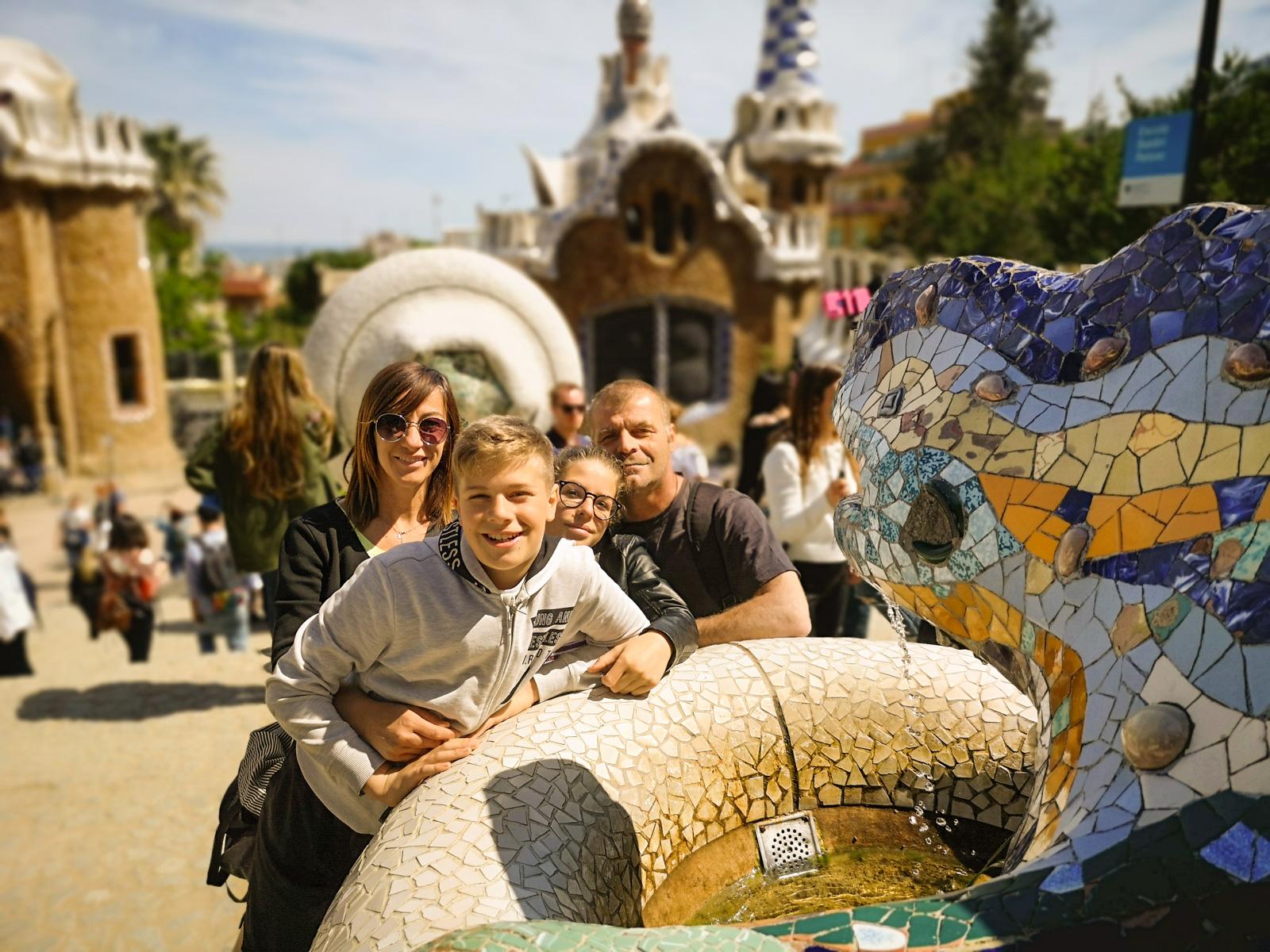
Barcelona
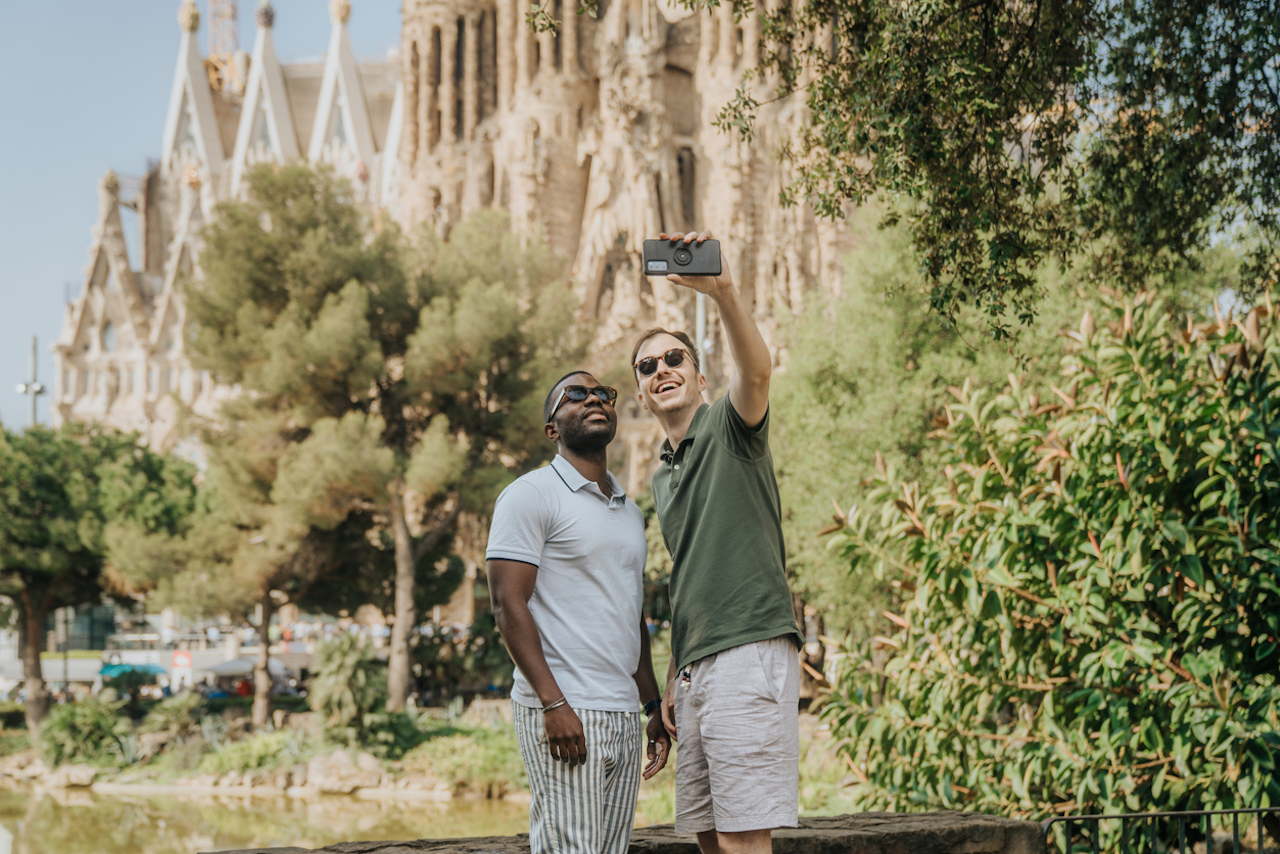
Barcelona
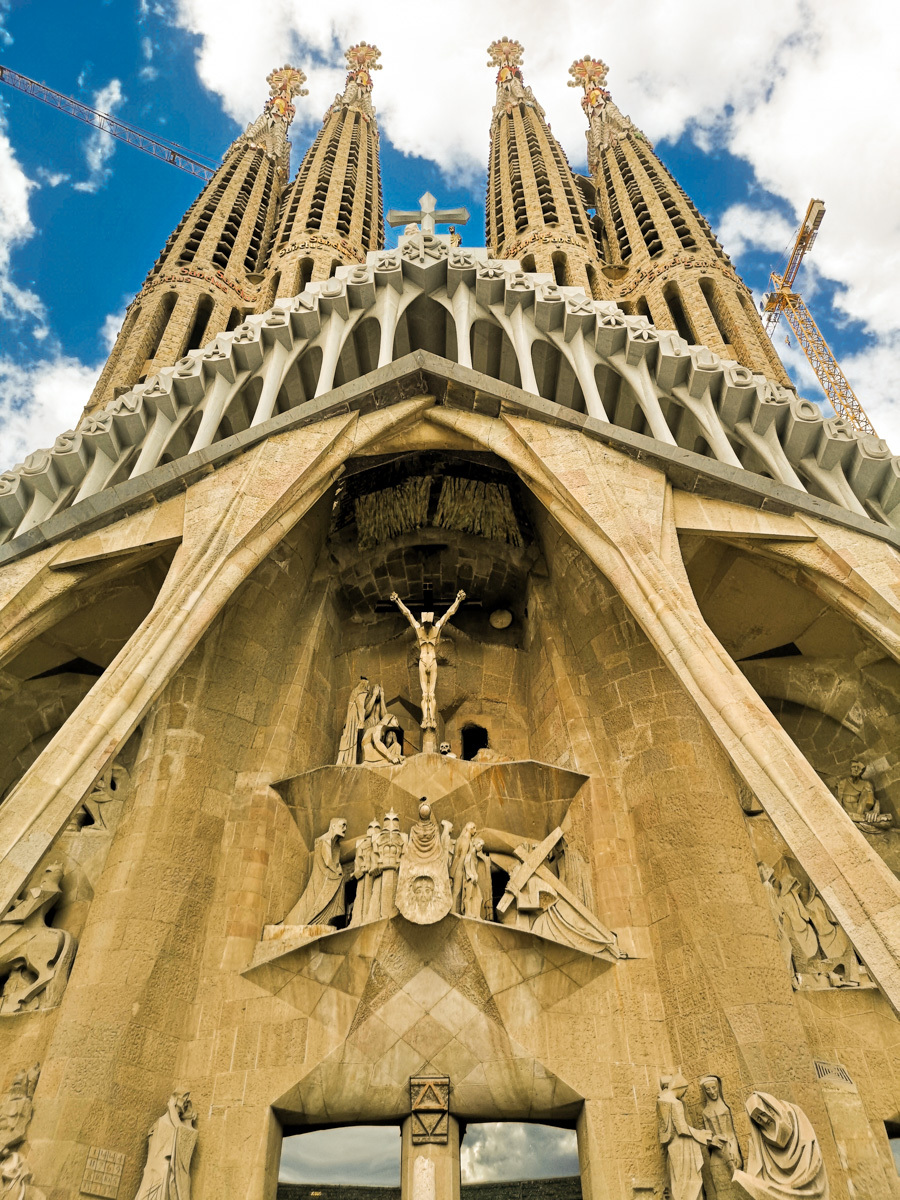
Barcelona
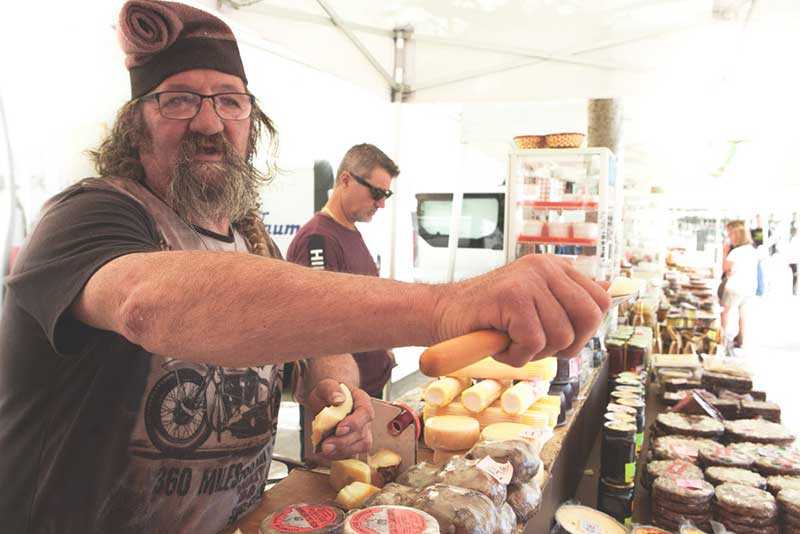
Barcelona
Barcelona
Barcelona
Barcelona
Barcelona
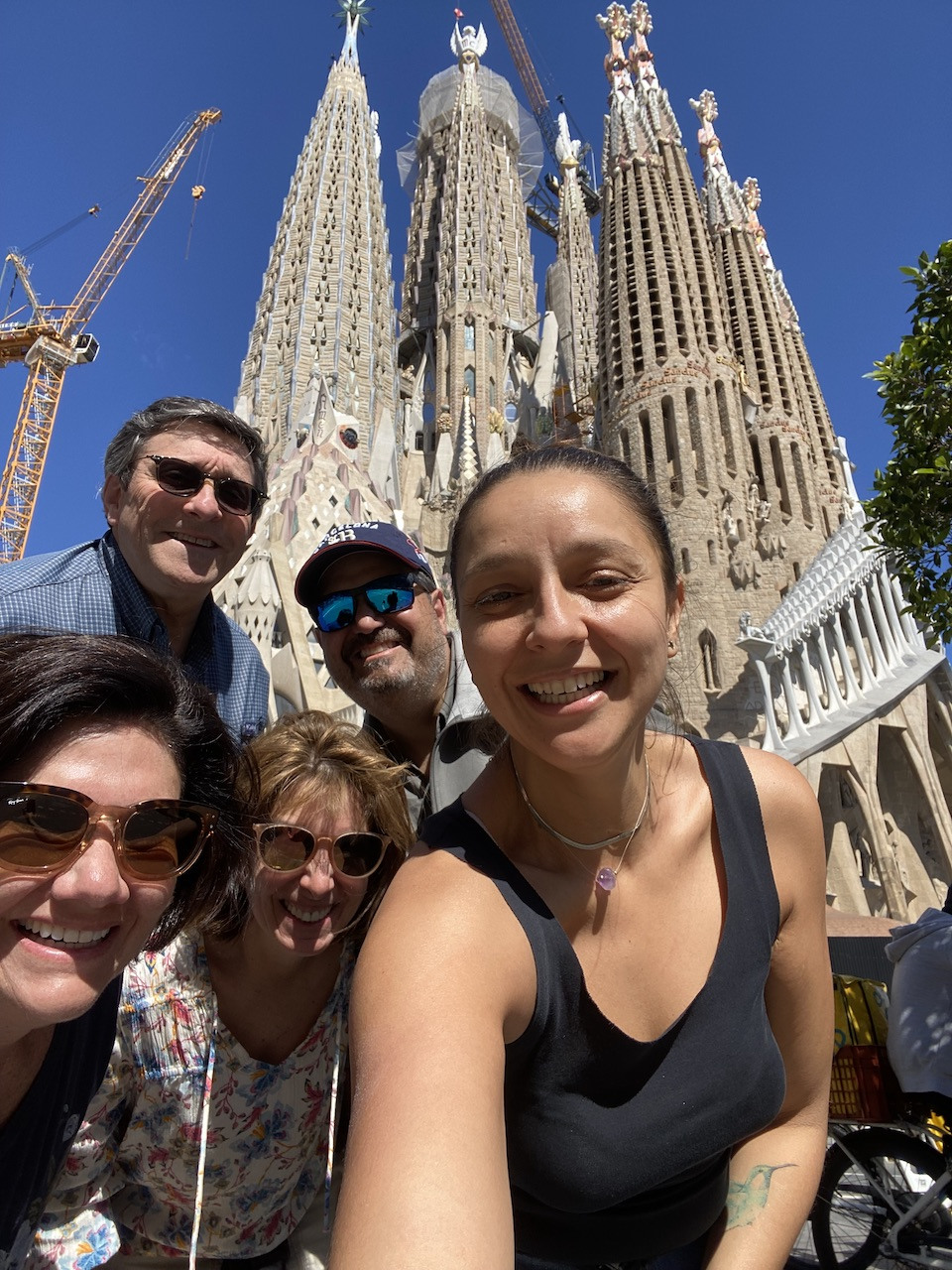
Barcelona
Barcelona
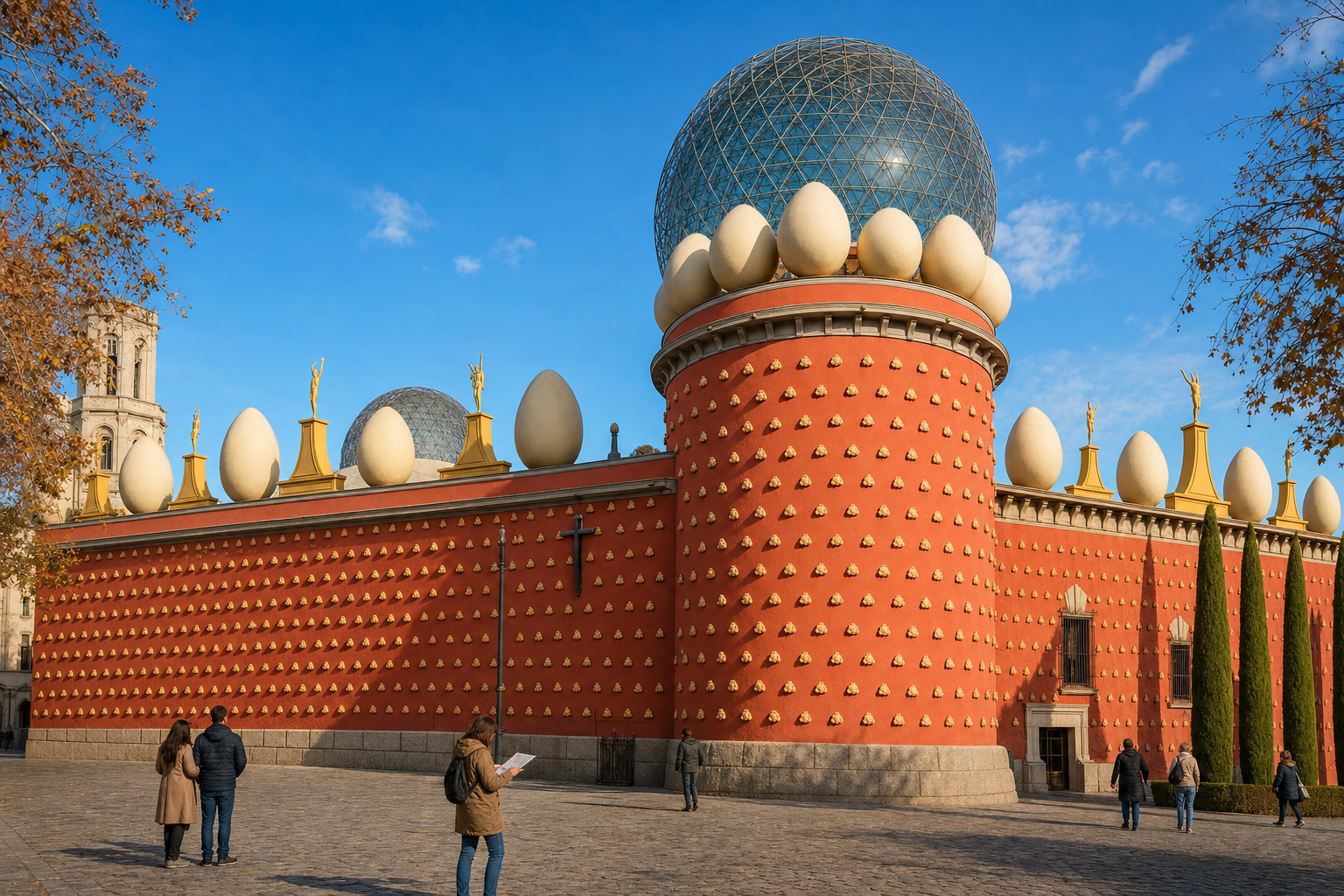
Most people know that Salvador Dalí was born in Figueres on 11 May 1904 — fewer realise that he spent the last decade of his life living inside his own museum, in a castle tower he had converted into a private apartment, refusing almost all visitors. That detail alone reframes everything you're about to see on a Costa Brava day trip from Barcelona. This isn't a sightseeing loop past pretty landmarks; it's a journey into one of the most deliberately constructed artistic universes ever assembled, set against a coastline so geologically dramatic that it physically shaped the imagery of a surrealist movement. From the geodesic dome above Figueres to the labyrinthine rooms of Portlligat, from the tramuntana-battered vines of the Empordà to the whitewashed lanes of Cadaqués, every stop carries a specific weight of history that rewards knowing before you arrive. This guide gives you that context — and shows you why adding a winery to the route isn't a detour, it's the most logical ending the day could have.
Read more →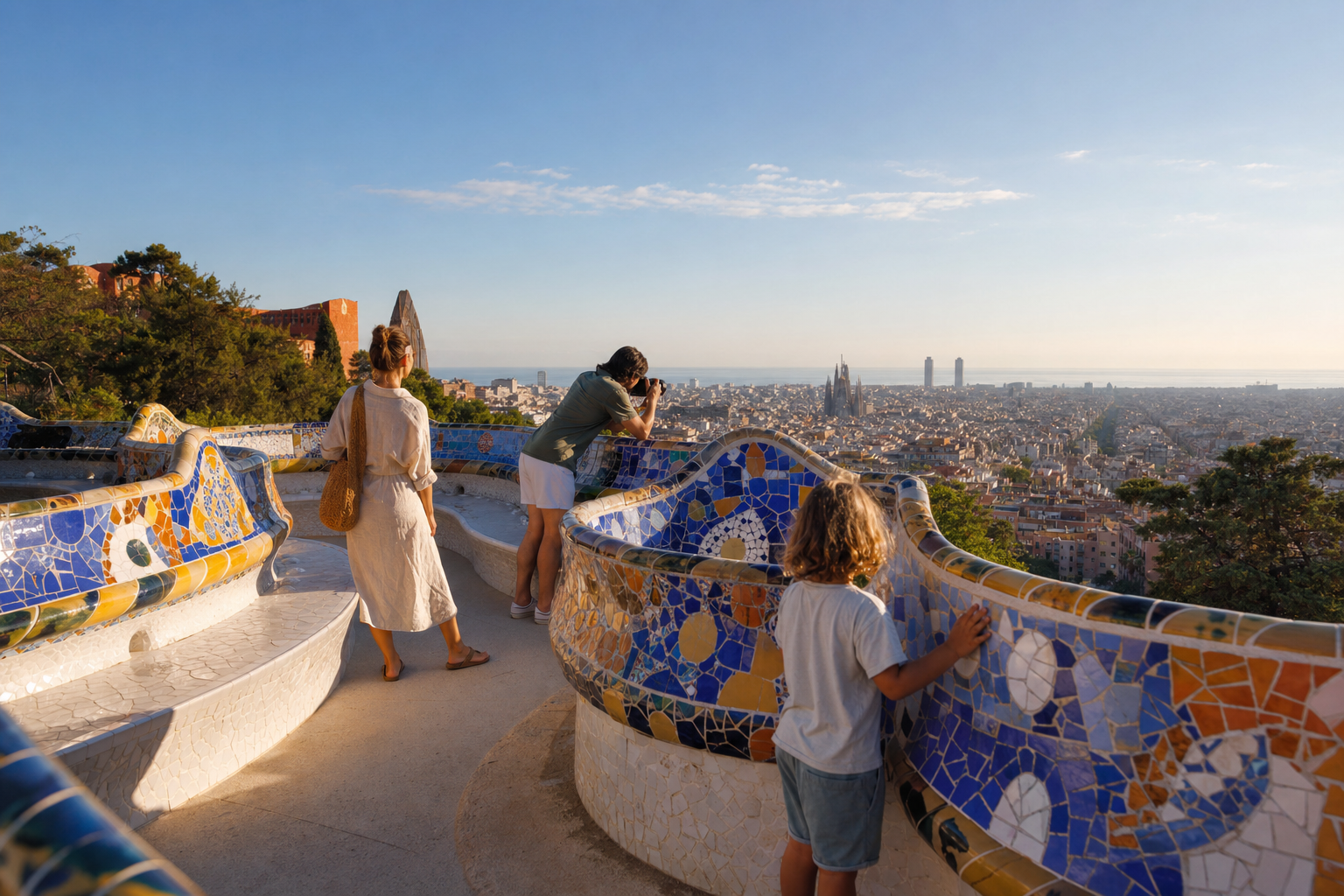
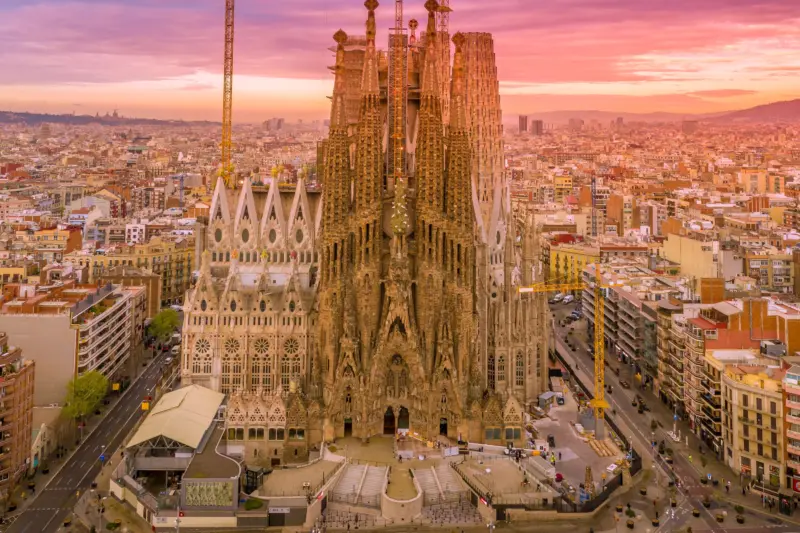
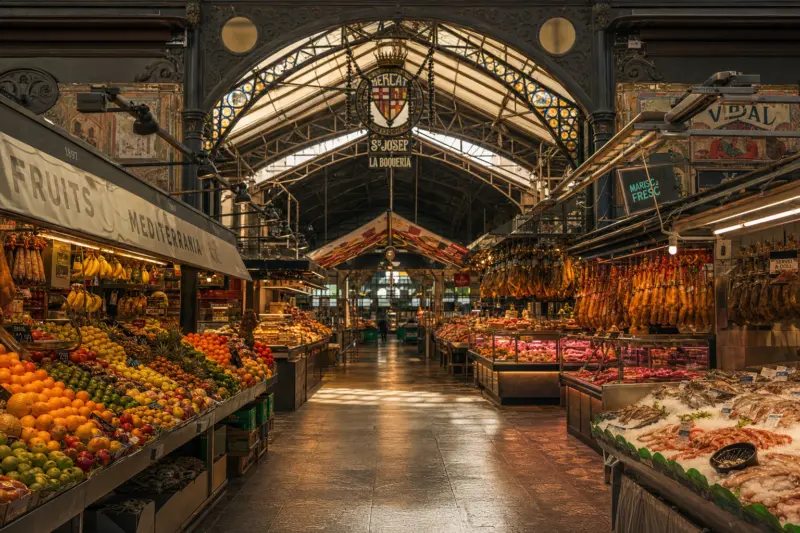
In 1883, a 31-year-old architect named Antoni Gaudí inherited a half-built church from a resigning predecessor and spent the next 43 years — until his death in 1926 — turning it into one of the most structurally radical buildings in human history. That church, the Sagrada Família, is still under construction today, and it is just one reason why Barcelona rewards curiosity more than almost any other city in Europe. But Gaudí's Barcelona is only one layer. Beneath the Gothic Quarter's cobblestones lie the preserved streets of a Roman settlement called Barcino, founded around 10 BC. In the city's markets, a food culture rooted in Catalan identity — not the generalised 'Spanish' clichés exported for tourists — plays out every single morning. Barcelona is a city that consistently offers more the deeper you look. This guide cuts past the surface to give you the historical facts, cultural context, and local knowledge that turn a good trip into an unforgettable one.
Read more →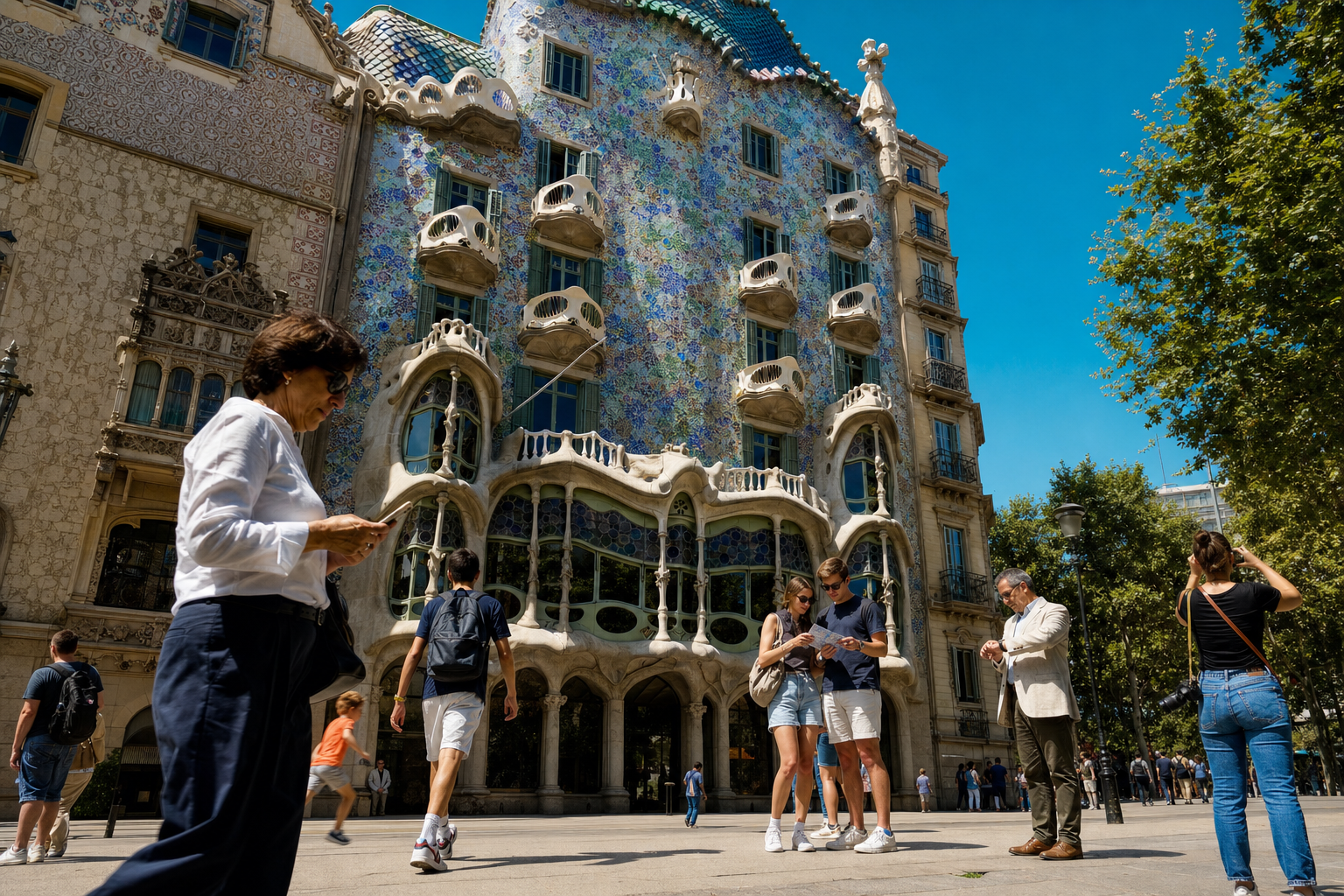
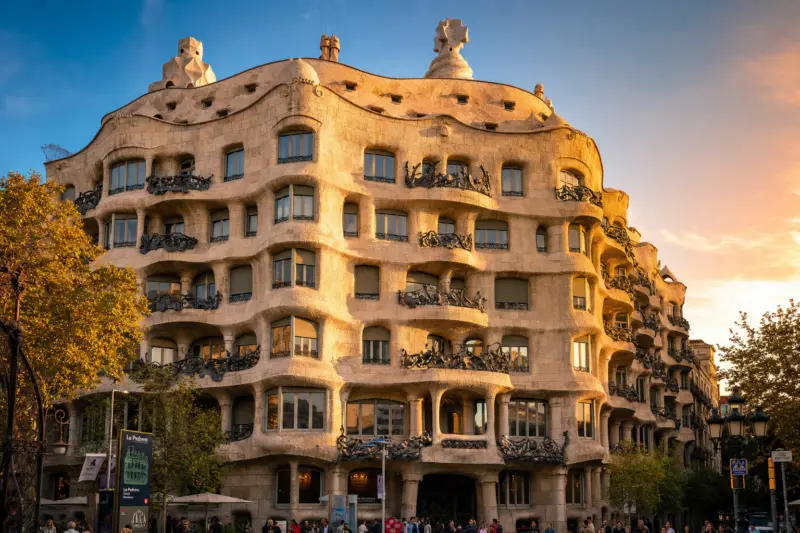
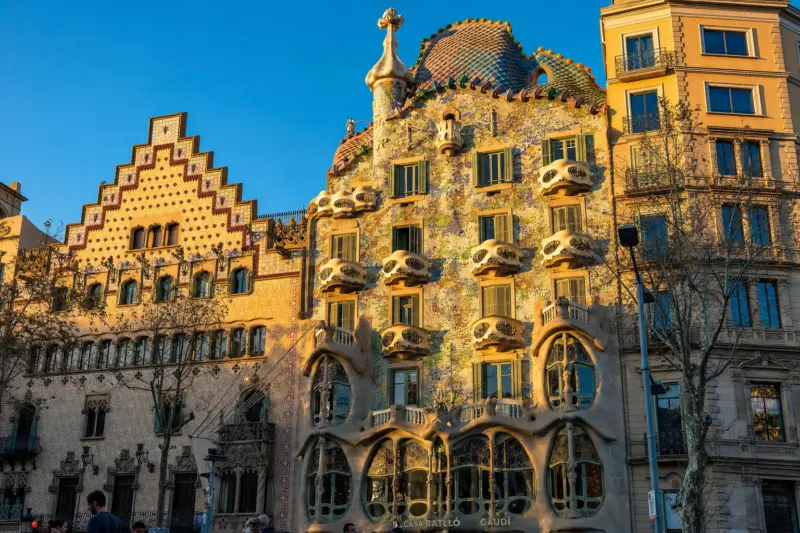
On the grandest stretch of Barcelona's Passeig de Gràcia — a boulevard so thick with Modernista jewels that locals call it the Block of Discord — one building stops every passerby cold. Casa Batlló shimmers like a living creature: scales of iridescent ceramic, a roofline that breathes, skulls carved into stone balconies. It was commissioned by a wealthy textile magnate, transformed by a visionary architect, and completed in 1906 as a statement that would redefine what a city building could be. This is its story.
Read more →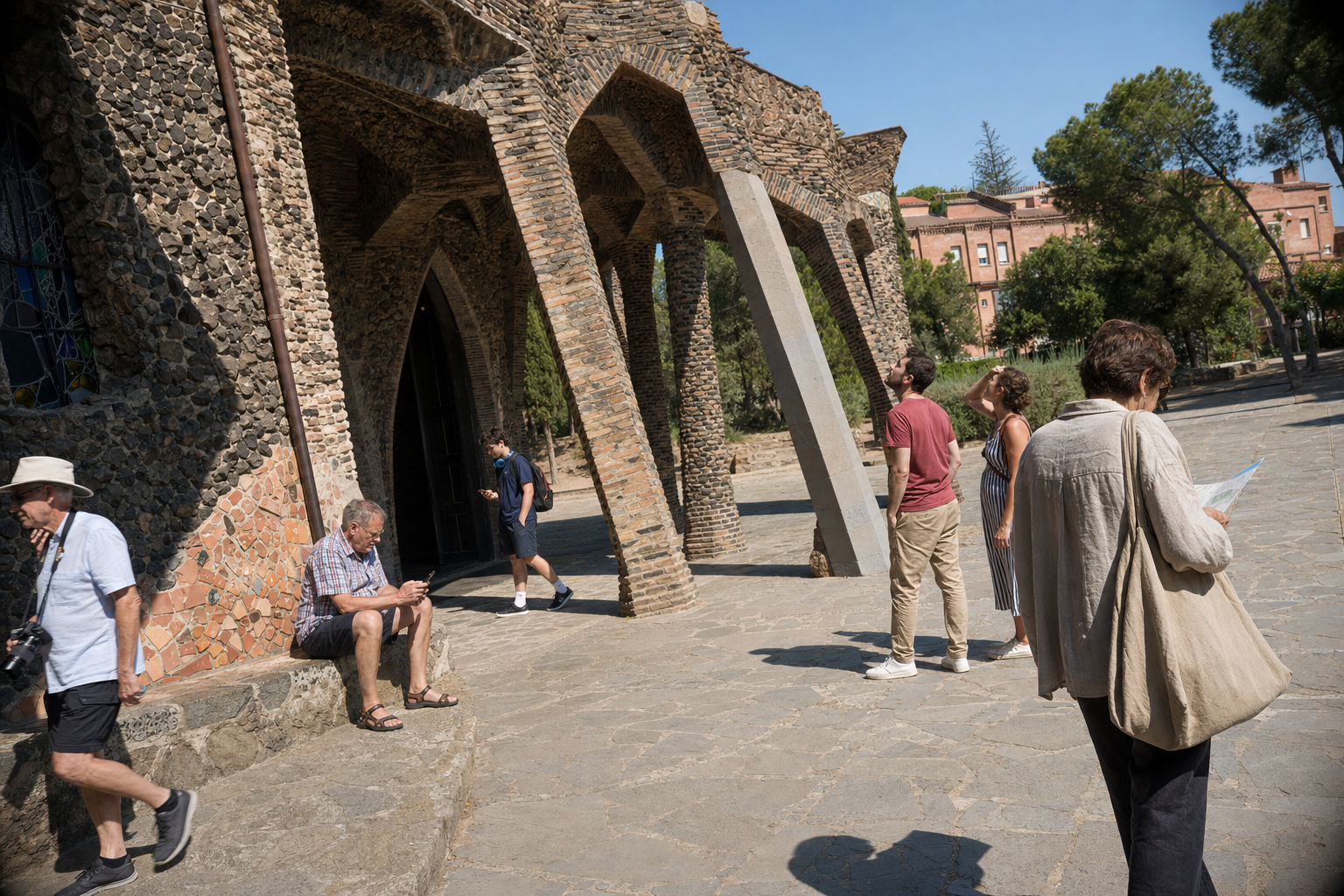
In 1890, the Catalan industrialist Eusebi Güell made a decision that was radical even by the standards of a city already electrified by modernisme: he abandoned Barcelona's choking factory districts and moved his textile mill — and his entire workforce — to a pine-forested hillside in Santa Coloma de Cervelló, just 20 kilometres southwest of the city. What he built there was not merely a factory complex but a full social experiment: a self-contained workers' village with housing, schools, a theatre, a cooperative shop, and a church that would become one of the most structurally daring buildings of the 20th century. That church was entrusted to Antoni Gaudí — and what Gaudí designed in its crypt between 1908 and 1914 was nothing less than the structural laboratory for the Sagrada Família. Colonia Güell is where the dream was tested. It draws a fraction of the crowds that queue outside Park Güell or the Sagrada Família, yet it is arguably the most intellectually fascinating Gaudí site in all of Catalonia.
Read more →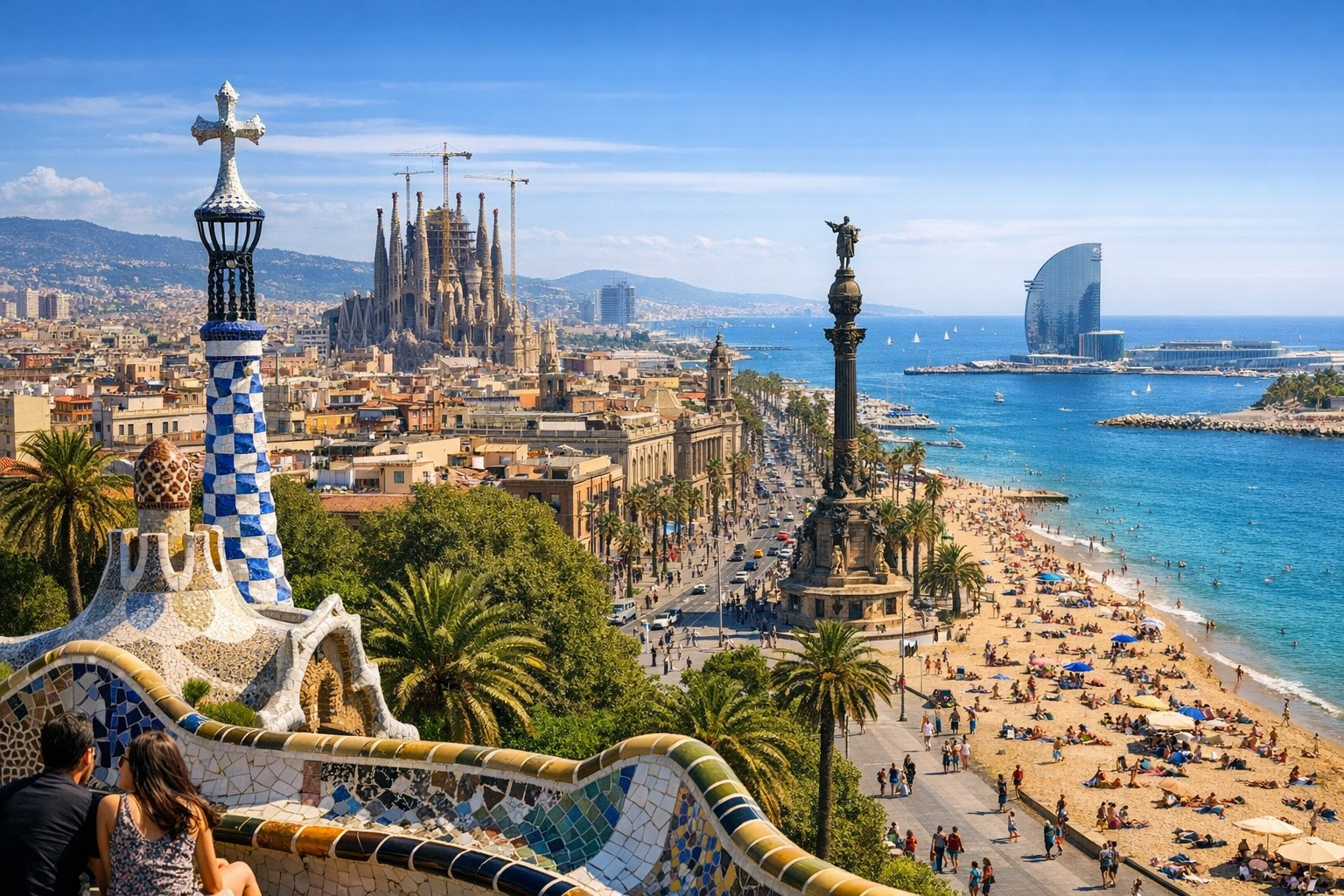
Discover the vibrant culture, stunning architecture, and culinary delights of Barcelona. From iconic landmarks to hidden gems, this guide offers the best activities to experience in the city, ensuring an unforgettable visit.
Read more →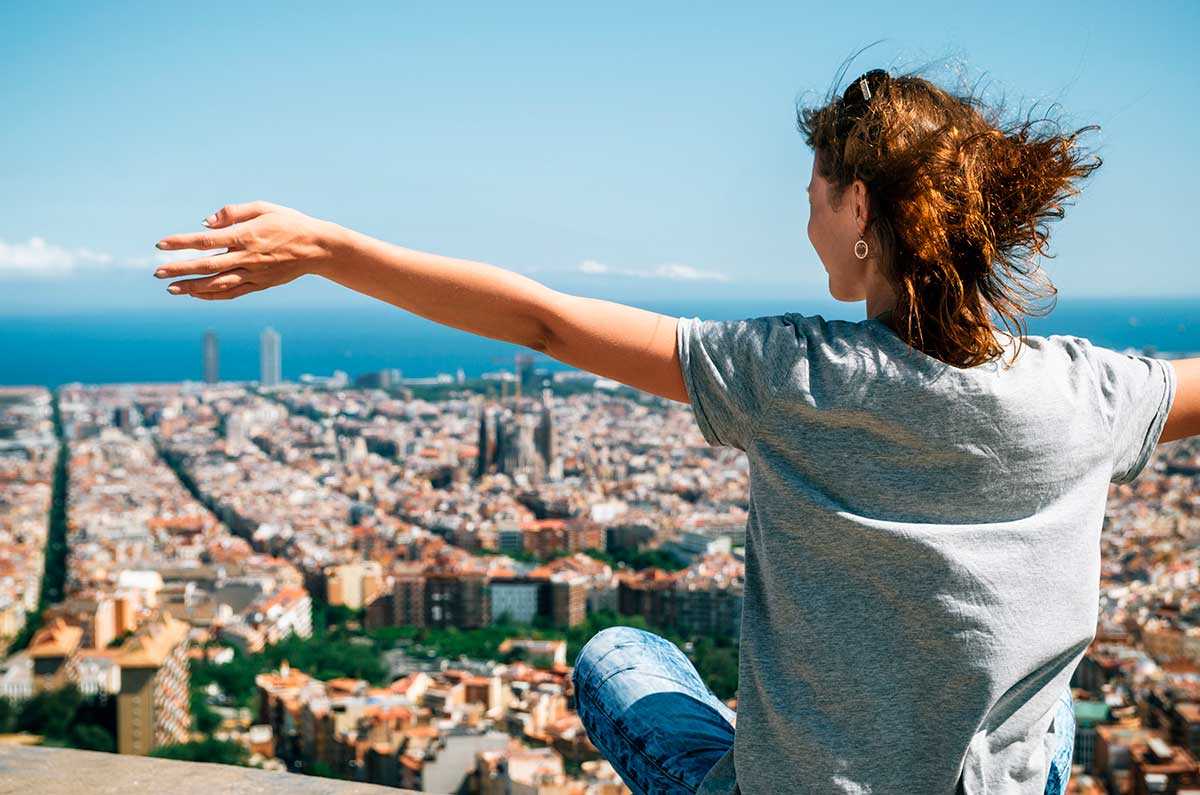
Barcelona, the enchanting coastal city in Spain, is a treasure trove of captivating attractions, historic landmarks, and awe-inspiring architecture. With so much to explore, having a well-designed attractions map can significantly enhance your sightseeing experience and ensure you make the most of your time in this vibrant destination. Whether you are an adventurous solo traveler or a family seeking a cultural getaway, a detailed map will be your faithful companion throughout your journey.
Read more →We use a single cookie, to remember this choice. We do not use analytics or advertising cookies. Read our cookie policy.