3 hrs
Barcelona
Alternative Barcelona - Raval Quarter Private Walking Tour
✓ Free cancellation Kids friendly
4.2(86 reviews)
From €122/ person
Book Now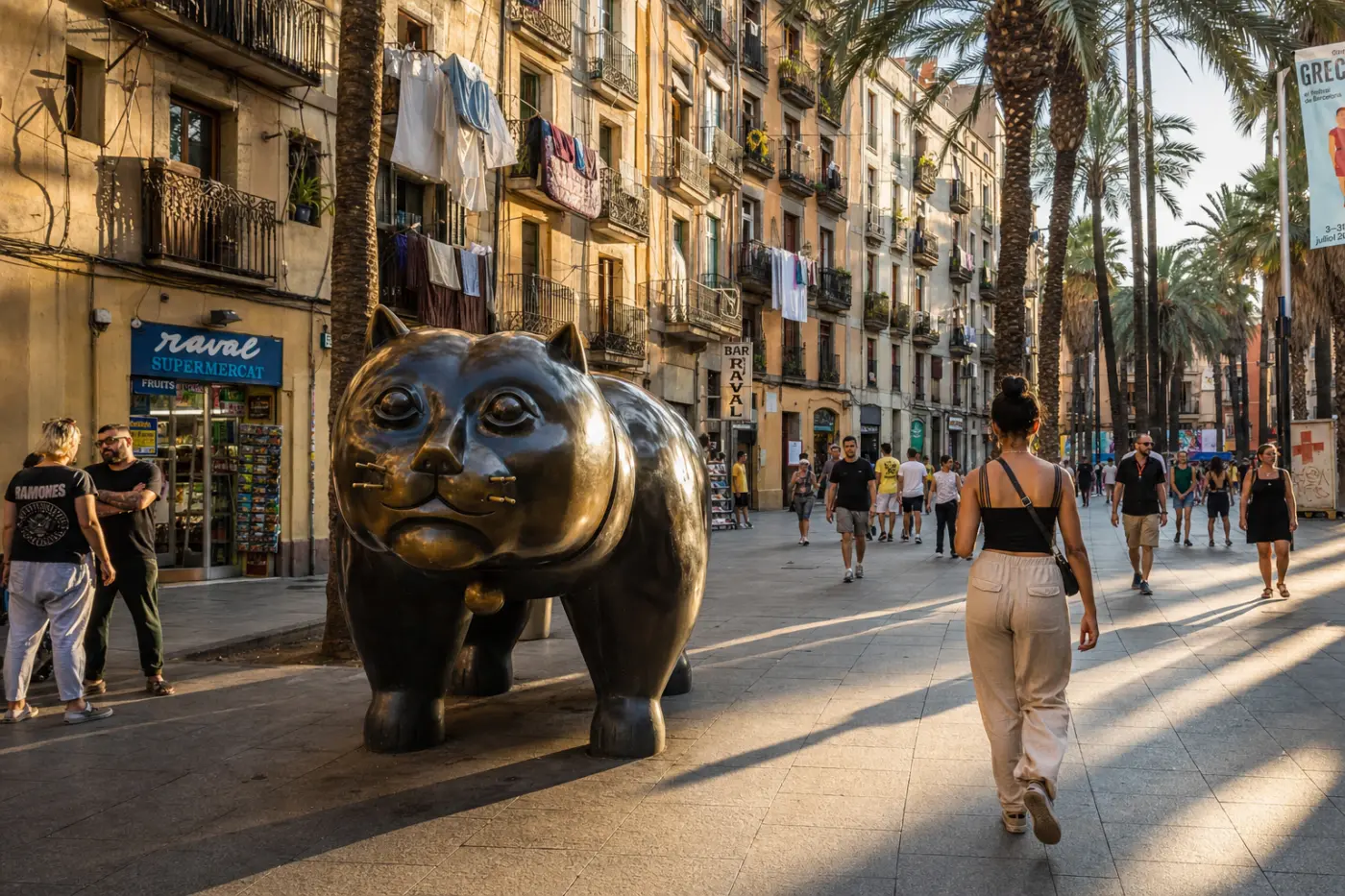
Tourist attraction
El Raval takes its name from the Arabic word rabad, meaning "outskirts" — a clue to its origins beyond the Roman walls of Barcino and the first medieval fortifications of Barcelona. Its oldest surviving structure, the Romanesque monastery of Sant Pau del Camp, dates to the 10th century, when the area was open farmland supplying the city with produce. As Barcelona expanded, a third city wall drawn up during the Middle Ages absorbed El Raval into the urban fabric, and Gothic-era landmarks followed: the monumental Drassanes (Royal Shipyards), construction of which began under King Pere II in the late 13th century, and the Hospital de la Santa Creu, founded in 1401 and today home to the Biblioteca de Catalunya — its interior courtyard shaded by orange trees and open to the public.
Between 1770 and 1840, industrialisation transformed El Raval into a dense workers' quarter. Textile mills drew migrants from the Catalan countryside, and multi-storey tenement blocks rose to house them. By the 19th century the lower half of the neighbourhood — closest to the old port — had earned the name Barri Xinès (Barrio Chino), not for any Chinese population but as a vernacular label for its labyrinthine streets, mix of trades, and bohemian reputation. The neighbourhood carried a stigma of poverty and vice for much of the 20th century, a reputation that large-scale urban renewal from the 1990s onward set out to change. The opening of the Museu d'Art Contemporani de Barcelona (MACBA) in 1995, designed by American architect Richard Meier, was the centrepiece of that transformation, bringing with it the skateboarders, art students, and galleries that now define Plaça dels Àngels.
Today El Raval holds some of the city's most compelling cultural institutions within a few minutes' walk of each other. The Museu Marítim, housed inside the Gothic arches of the Drassanes, displays a full-scale replica of the Galera Reial — the royal galley built on that very site in 1568. Fernando Botero's bronze cat, installed on the Rambla del Raval in 2003, has become the neighbourhood's unofficial mascot and meeting point. The street-level scene is equally rich: independent record shops, North African grocery stalls, Pakistani restaurants, and vintage clothing stores coexist on the same block, making El Raval the most ethnically diverse neighbourhood in Barcelona.
Visitors should allow at least a half-day to explore on foot. Begin at Sant Pau del Camp in the morning when the cloister is quiet, then walk north to MACBA and the adjacent Centre de Cultura Contemporània de Barcelona (CCCB). The Biblioteca de Catalunya's courtyard on Carrer de l'Hospital makes an ideal midday rest stop. The Rambla del Raval is liveliest in the late afternoon and evening, when locals gather around Botero's cat before the neighbourhood's bars and restaurants fill up. The area is densely urban and very walkable, though as in any busy city-centre district, awareness of your surroundings is advisable after dark.
Private tours with a local guide, at your own pace.
Barcelona
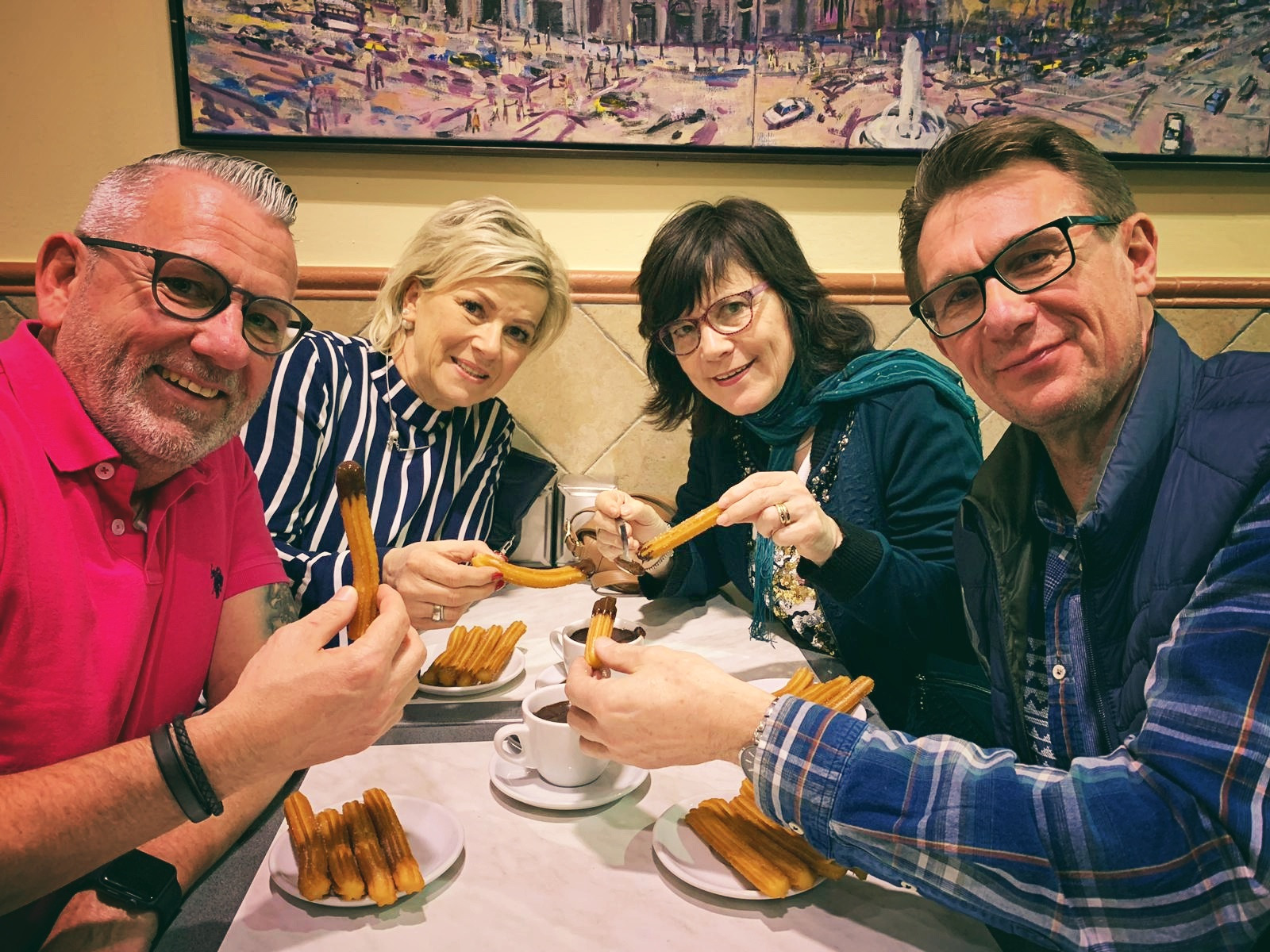
Barcelona
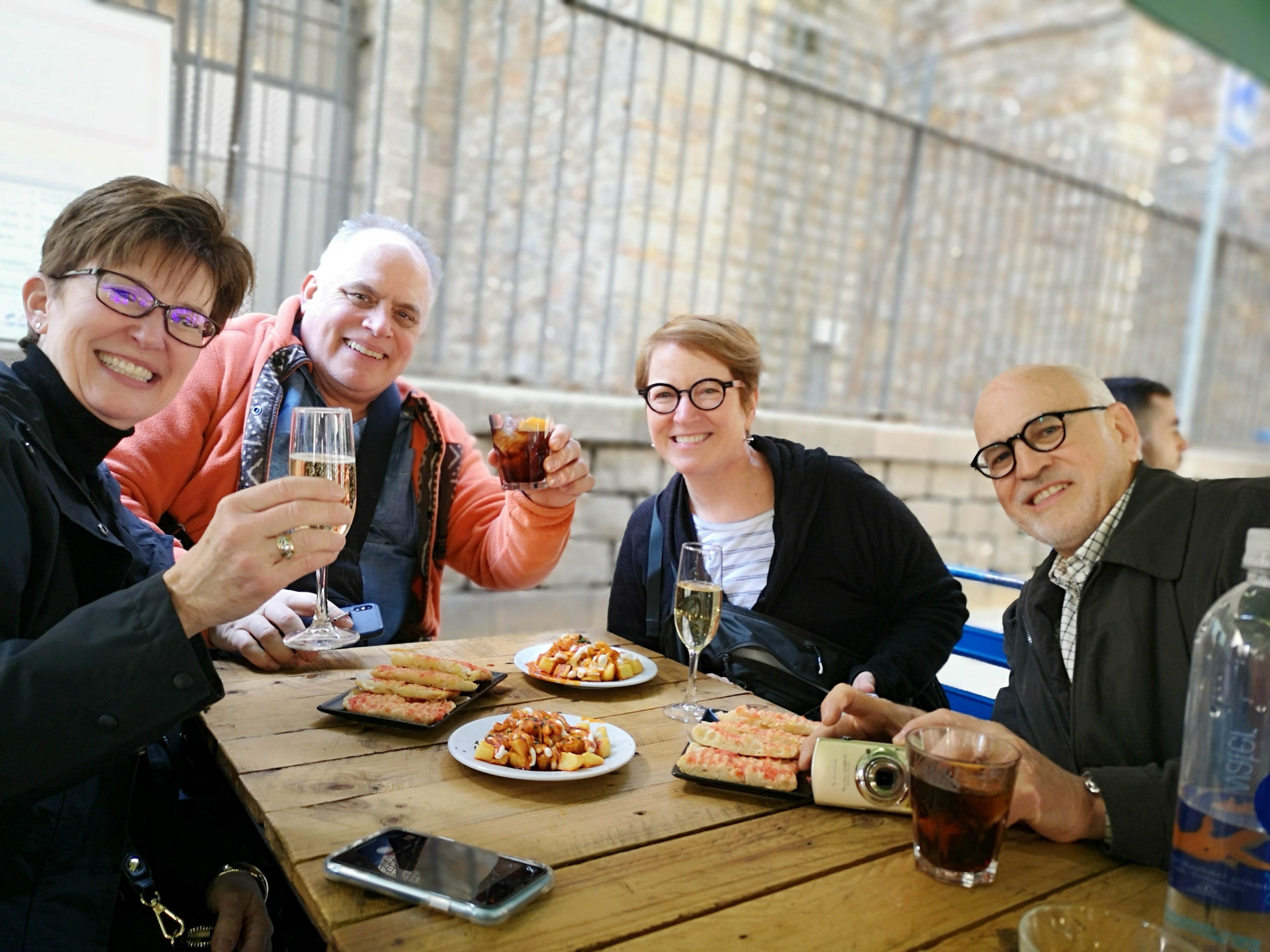
Barcelona
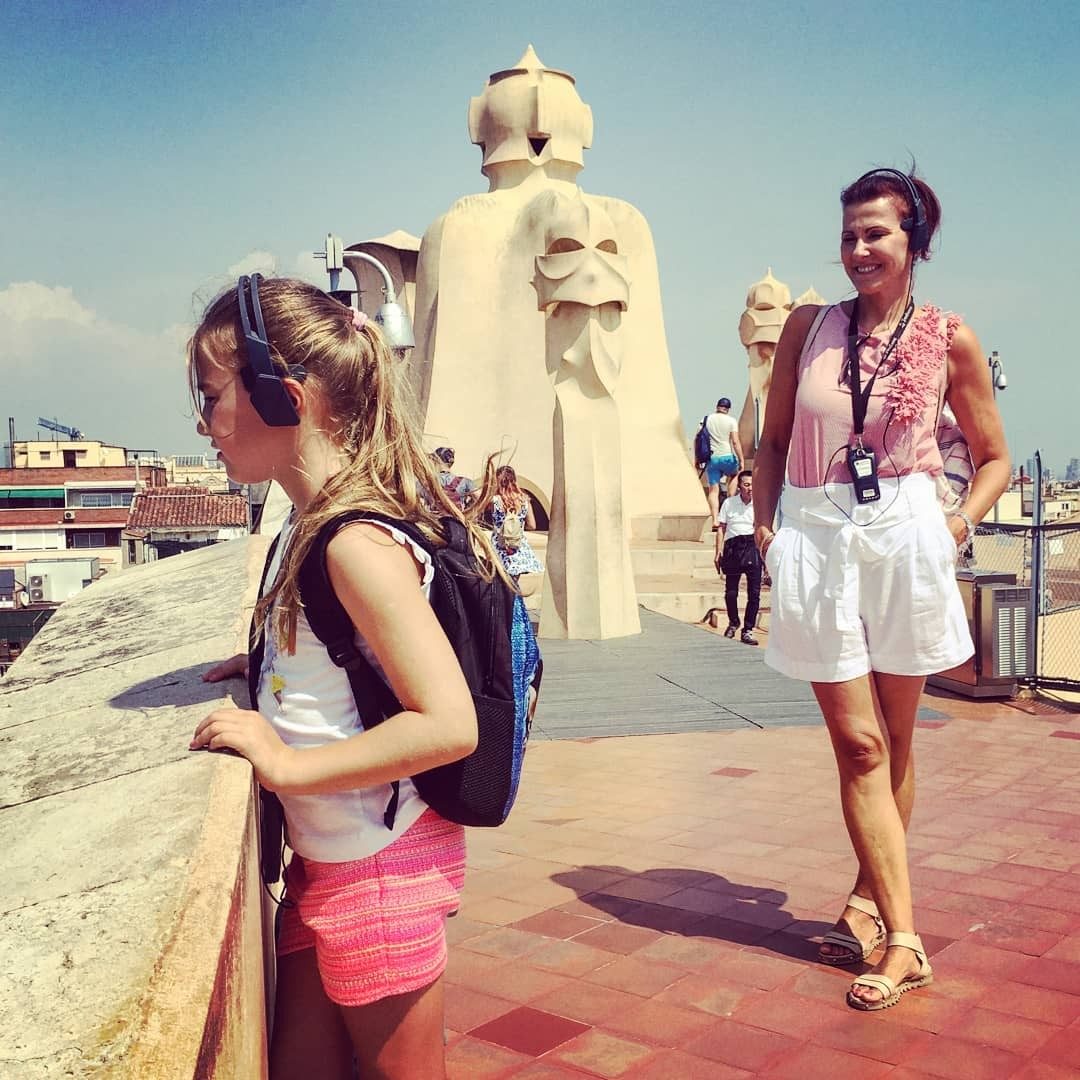
Barcelona
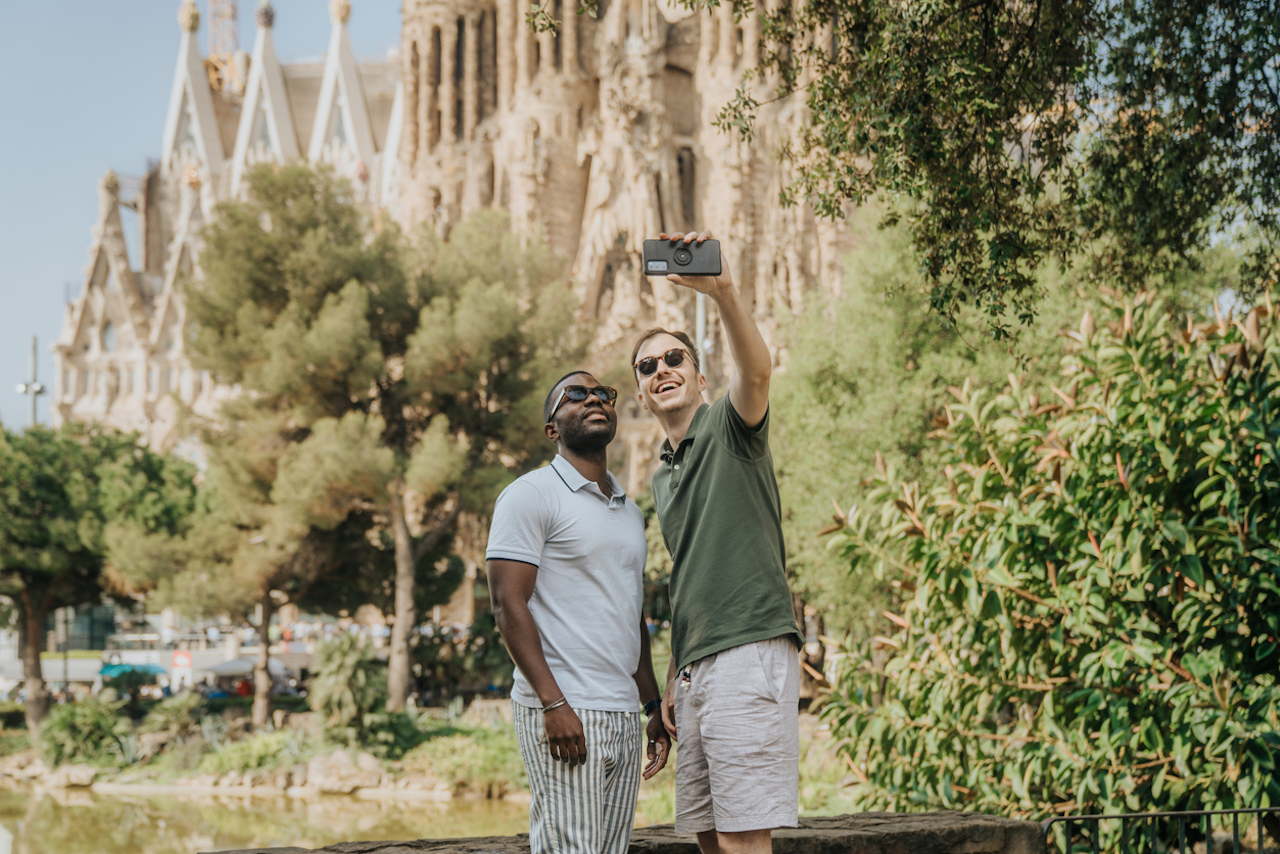
Barcelona
Barcelona
Barcelona
Barcelona
Barcelona
Barcelona
Barcelona
Barcelona
Barcelona
We use a single cookie, to remember this choice. We do not use analytics or advertising cookies. Read our cookie policy.