3 hrs
Brussels
Brussels Off the Beaten Path: A Private Local Walking Tour
✓ Free cancellation Kids friendly
4.9(18 reviews)
From €186/ person
Book Now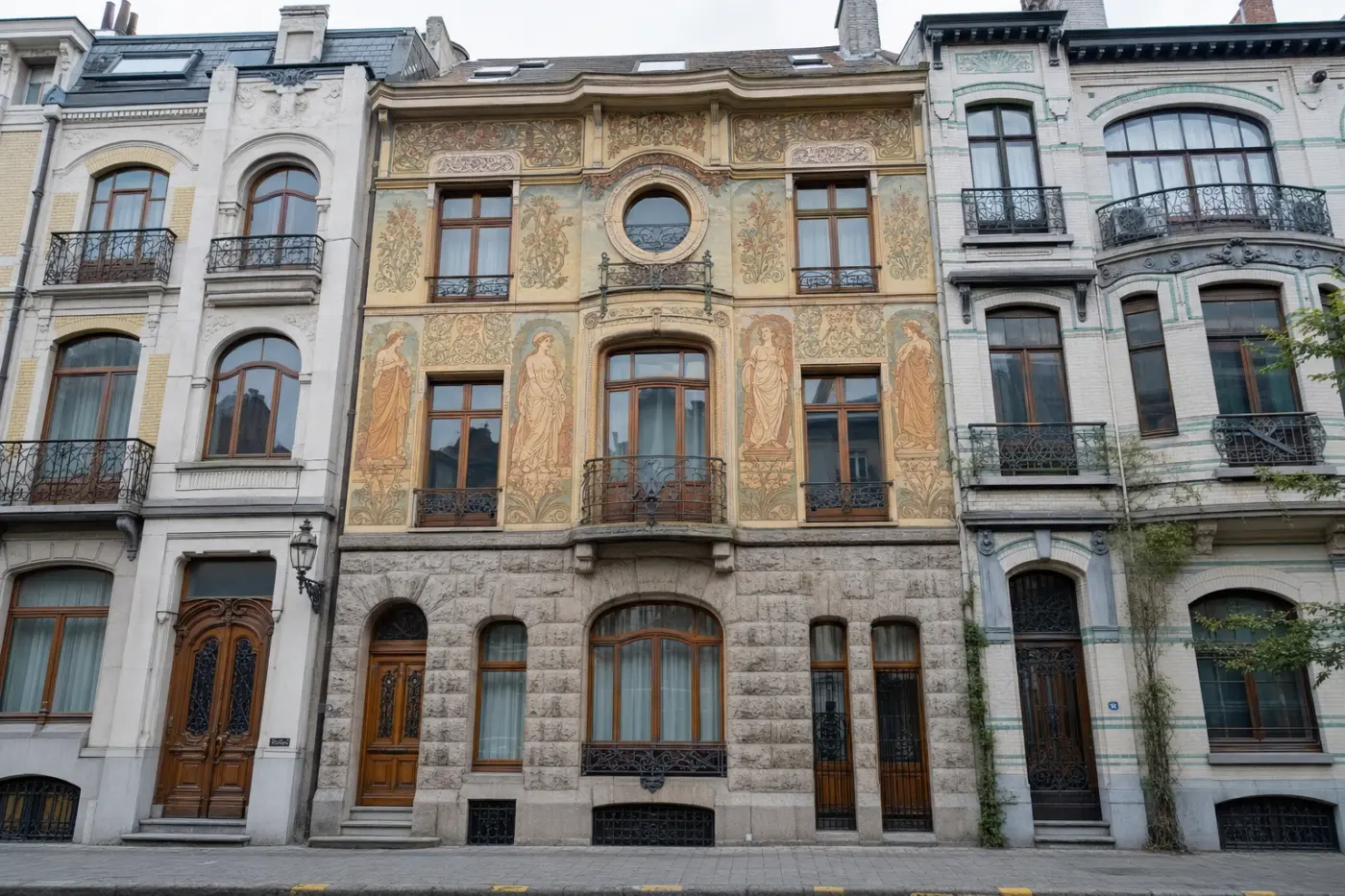
Tourist attraction
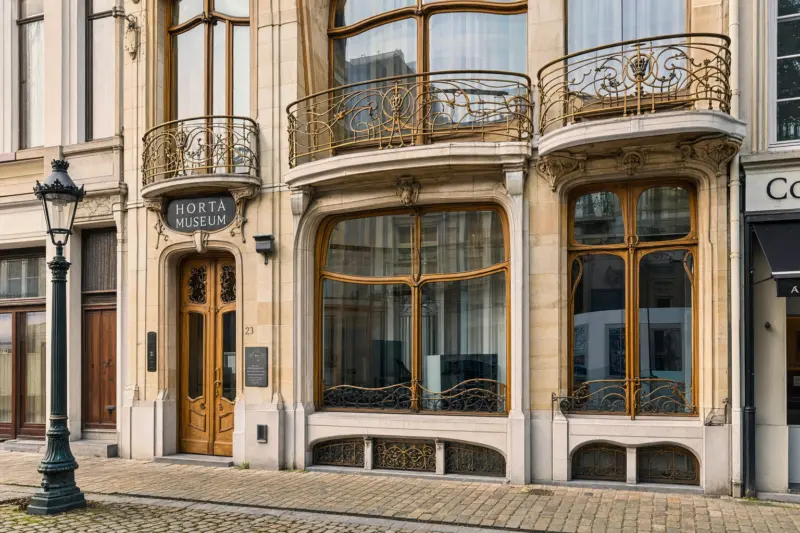
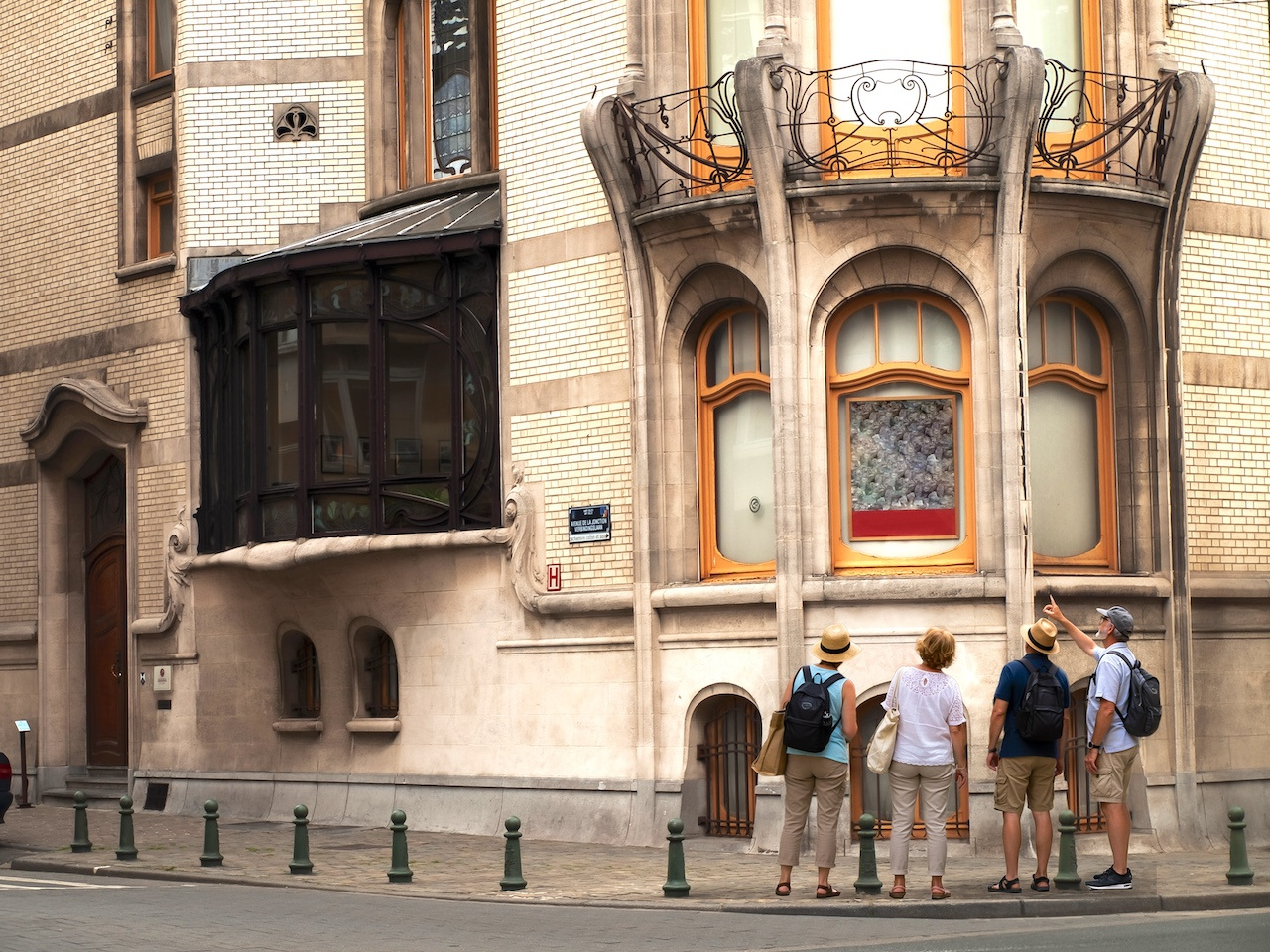
Maison Hankar stands at 71 Rue Defacqz in the Saint-Gilles municipality of Brussels, and it is widely regarded as one of the founding monuments of the Art Nouveau movement in Belgium. Designed by architect Paul Hankar as his own private residence and studio, it was completed in 1893 — the same watershed year as Victor Horta's Hôtel Tassel, making the two buildings twin birth certificates of a style that would transform European architecture. Where Horta drew on sinuous plant forms and exposed iron, Hankar took a more sober, geometrically disciplined approach, blending Japanese decorative sensibilities, Romanesque structural logic, and Renaissance symmetry into a façade that feels simultaneously ancient and entirely new.
The three-storey façade is the building's great manifesto. Hankar integrated sgraffito panels — a technique involving layered coloured plaster scraped back to reveal designs — created by his frequent collaborator, the painter Adolphe Crespin. These panels depict the four stages of human life, allegorical figures rendered in ochre, terracotta, and sage against the pale stone. The ironwork of the balconies is restrained but precisely ornamental, and the circular window on the upper storey echoes Romanesque oculi while the overall proportions remain rigorously urban. The building was listed as a protected monument by the Brussels Capital Region, and it is included in the UNESCO World Heritage designation granted in 2000 to a group of major Brussels Art Nouveau townhouses alongside the works of Horta.
Paul Hankar (1859–1901) had a tragically short career — he died at just 42 — yet his influence on Belgian architecture was disproportionately large. Trained at the Académie Royale des Beaux-Arts in Brussels and deeply influenced by his study of Japanese prints and the writings of Eugène Viollet-le-Duc, he designed over thirty buildings in Brussels during the 1890s, many of which survive in Saint-Gilles and Ixelles. Maison Hankar was both his laboratory and his calling card, a live demonstration of his philosophy that every element of a building — structure, ornament, and interior fittings — should form an indivisible whole.
The house is best appreciated from the pavement directly opposite, where the full hierarchy of the façade — rusticated ground floor, sgraffito-decorated piano nobile, and recessed top storey — reads as a complete composition. Visiting the Rue Defacqz at different times of day is worthwhile: morning light picks out the texture of the sgraffito panels with particular clarity. The street itself forms a dense concentration of Art Nouveau architecture, with other notable façades within a short walk, making it an essential stop on any self-guided tour of Brussels' fin-de-siècle heritage. Interior visits are not regularly open to the public, but the exterior alone justifies the detour into Saint-Gilles.
Private tours with a local guide, at your own pace.
Brussels
Brussels
Brussels
Brussels
Brussels
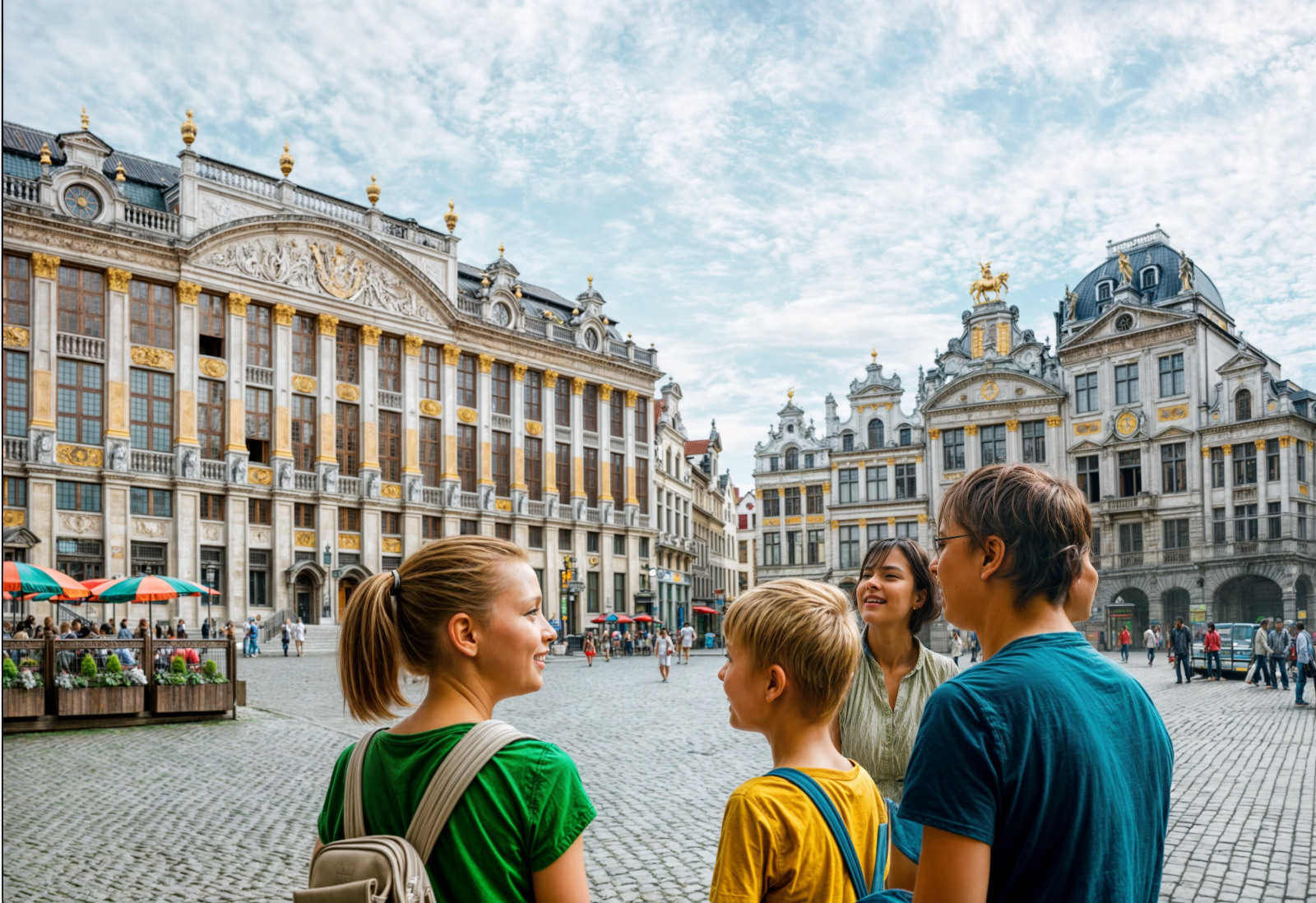
Brussels

Brussels
We use a single cookie, to remember this choice. We do not use analytics or advertising cookies. Read our cookie policy.