3 hrs
Brussels
Brussels Off the Beaten Path: A Private Local Walking Tour
✓ Free cancellation Kids friendly
4.9(18 reviews)
From €186/ person
Book Now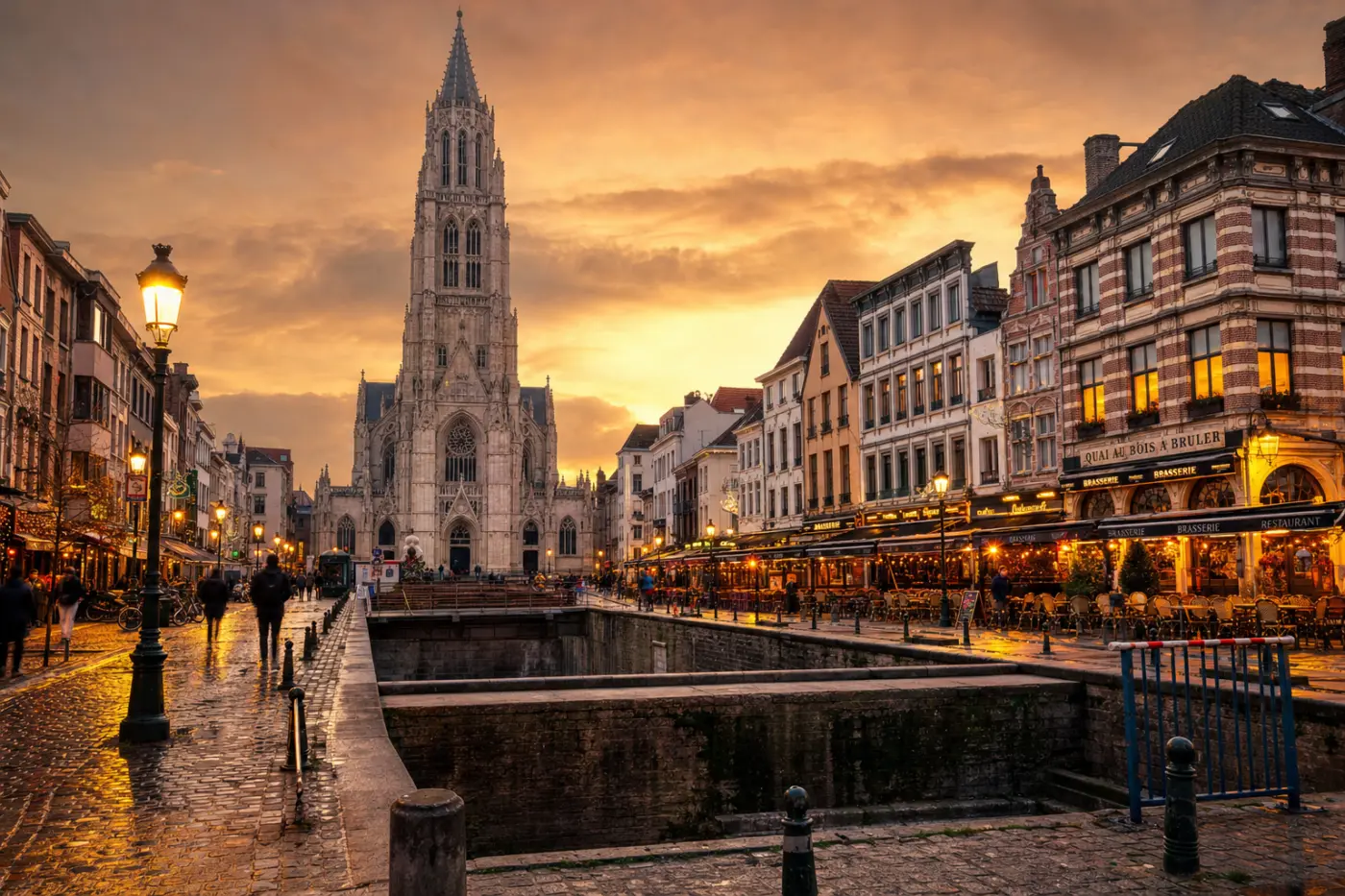
Tourist attraction
The Marché aux Poissons — or Vismarkt in Dutch — is one of Brussels' most historically layered public spaces, occupying the area near the Church of Saint-Catherine between the Quai aux Briques and the Quai du Bois à Brûler. This was not Brussels' first fish market site: from 1603 onwards, two successive purpose-built market structures operated at the corner of the Rue des Halles and the Marché aux Poulets, where the utilitarian Parking 58 car park stands today. Those early structures served the city through over two and a half centuries of daily trade, evolving from a rudimentary open-air enclosure to a more organised covered facility before the vaulting of the Senne river in 1869–1870 forced the market to relocate entirely.
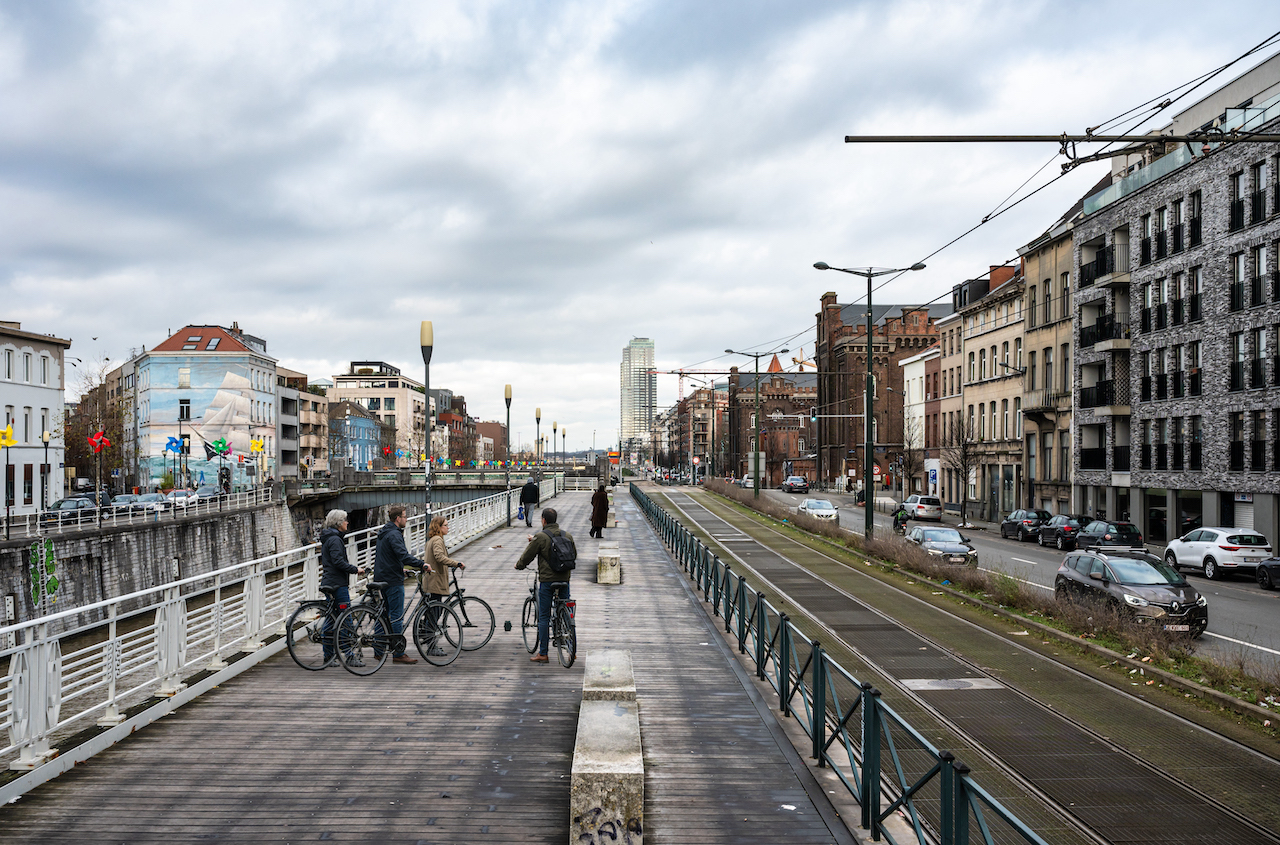
The relocation brought the fish trade to its current and best-known home beside Saint-Catherine — a move that defined the character of this neighbourhood for the better part of a century. The Vismet, as Bruxellois affectionately called it, operated on this site from 1884 until 1955, when the last stalls closed. The quays that once lined the now-covered canal arms gave the market a distinctly port-like atmosphere, with fresh North Sea catch — sole, herring, skate, and eel — arriving by boat and sold directly to both households and the city's restaurant trade. The dual quays, Quai aux Briques (Brick Quay) and Quai du Bois à Brûler (Firewood Quay), are themselves relics of Brussels' inland waterway commerce, their names preserving the memory of the cargoes that once landed there.
Today the former market precinct has transformed into one of Brussels' most celebrated restaurant districts, sustaining the fish and seafood tradition through a dense concentration of seafood brasseries and moules-frites institutions. The neo-Gothic tower of Saint-Catherine's Church — itself built between 1854 and 1874 — anchors the square visually, while the surrounding 19th-century facades give the place a coherent architectural dignity. A dry fountain basin in the central square marks where the old canal once ran; the filled-in waterway beneath the cobblestones is a quietly dramatic piece of urban archaeology.
Visitors to this quarter are best rewarded in the early evening, when the restaurant terraces fill and the stone quay facades catch the last of the western light. The area is entirely walkable from the Grand-Place (roughly ten minutes on foot heading northwest), and the neighbourhood's authentic, non-touristic character sets it apart from the more heavily visited parts of the lower city. The weekend lunch service at the seafood restaurants tends to be quieter than dinner; reservations are strongly advised on Friday and Saturday evenings.
Private tours with a local guide, at your own pace.
Brussels
Brussels
Brussels
Brussels
Brussels
Brussels
Brussels
We use a single cookie, to remember this choice. We do not use analytics or advertising cookies. Read our cookie policy.