3 hrs
Brussels
Brussels Private Bike Tour: Highlights, Parks & Drinks
✓ Free cancellation
5.0(10 reviews)
From €232/ person
Book Now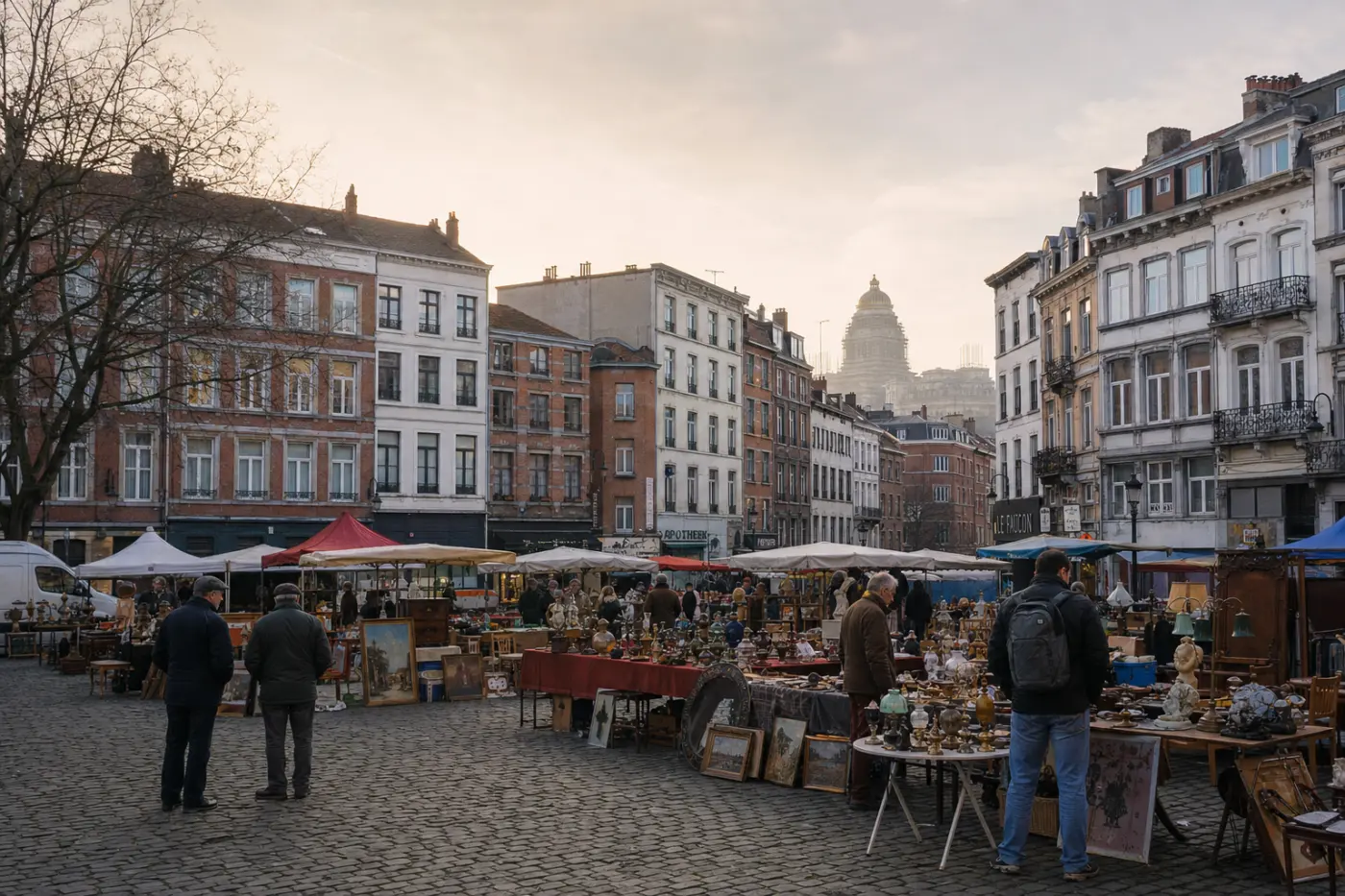
Tourist attraction
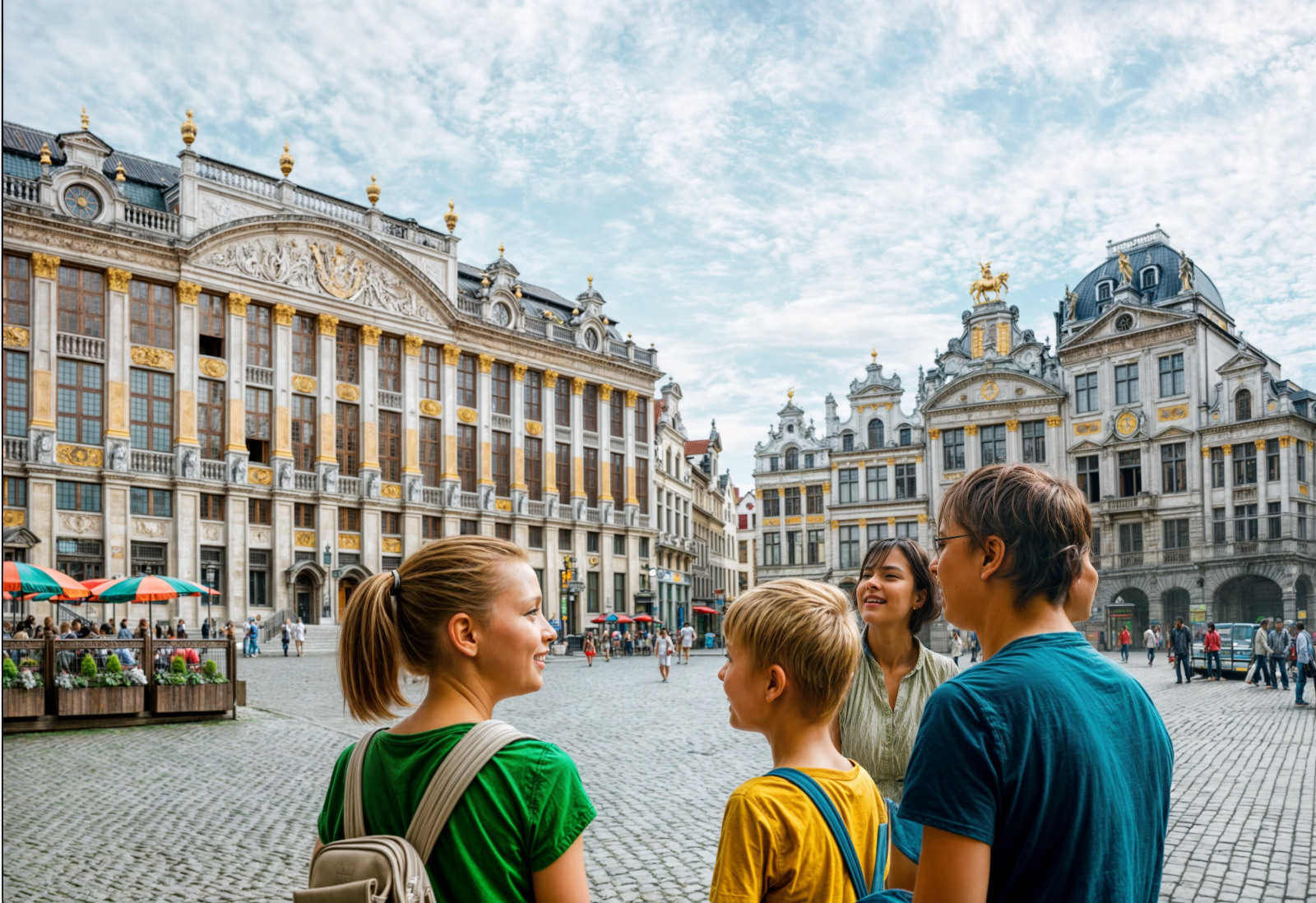
Les Marolles — in Dutch, De Marollen — is one of Brussels' oldest and most historically layered neighbourhoods, tucked between the base of the Coudenberg hill and the imposing Palace of Justice, whose 1883 completion by architect Joseph Poelaert physically and symbolically loomed over the district. Bordered roughly by the Rue Haute, Rue Blaes, and the Boulevard du Midi, the quarter takes its name possibly from the "Maroles," a religious community of Augustinian nuns who established a convent here in the 17th century. By that time, Les Marolles had already been a densely populated artisan district for well over two centuries, home to weavers, tanners, cobblers, and lace-makers who worked in the shadow of the city walls.
The neighbourhood's most distinctive cultural legacy is its own dialect: Marollien (or Brusseleer), a unique blend of French, Dutch, Spanish, and local slang that evolved over centuries of mixed immigrant settlement. At its peak in the 19th century, some 50,000 residents spoke this hybrid tongue. Today, Marollien survives mainly in the vocabulary of older residents and in neighbourhood signage, but it remains a fiercely protected emblem of local identity. The construction of Poelaert's Palace of Justice required the demolition of a large section of the old Marolles in the 1860s–70s, displacing thousands of families — an act residents never forgave, earning the architect the lasting Marollien curse word "architekt" used as a term of abuse.
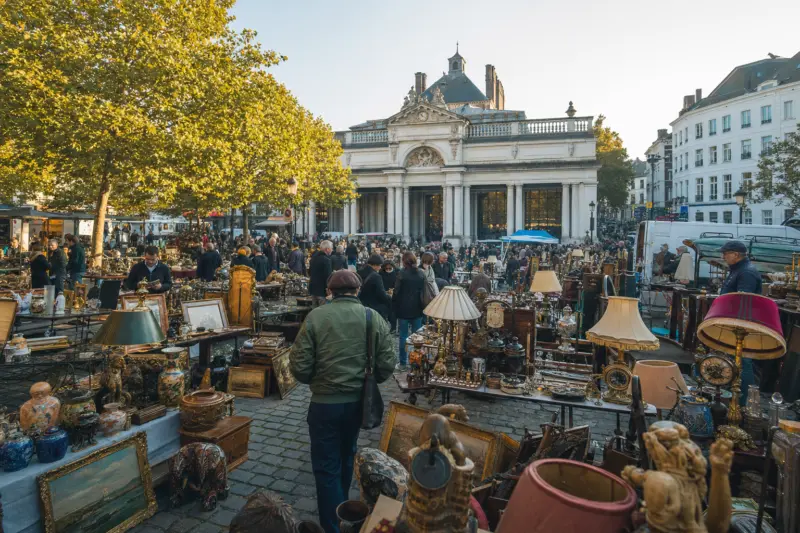
At the heart of daily life in the Marolles is the Place du Jeu de Balle, a large cobblestone square where the city's most famous flea market — the Vieux Marché — has operated every morning since 1873. Dealers spread Persian carpets, Art Deco lamps, old comics, Flemish oil paintings, and Belle Époque furniture across the square from 6am to 2pm, 365 days a year. The surrounding streets, particularly Rue Blaes and Rue Haute, are lined with antique shops and bric-a-brac dealers, making the entire quarter an open-air treasure hunt for collectors and design enthusiasts. Comics artist François Schuiten, co-creator of the celebrated graphic novel series "Les Cités Obscures," grew up in the Marolles and repeatedly drew the neighbourhood's crooked rooftops and ironwork balconies into his imagery.
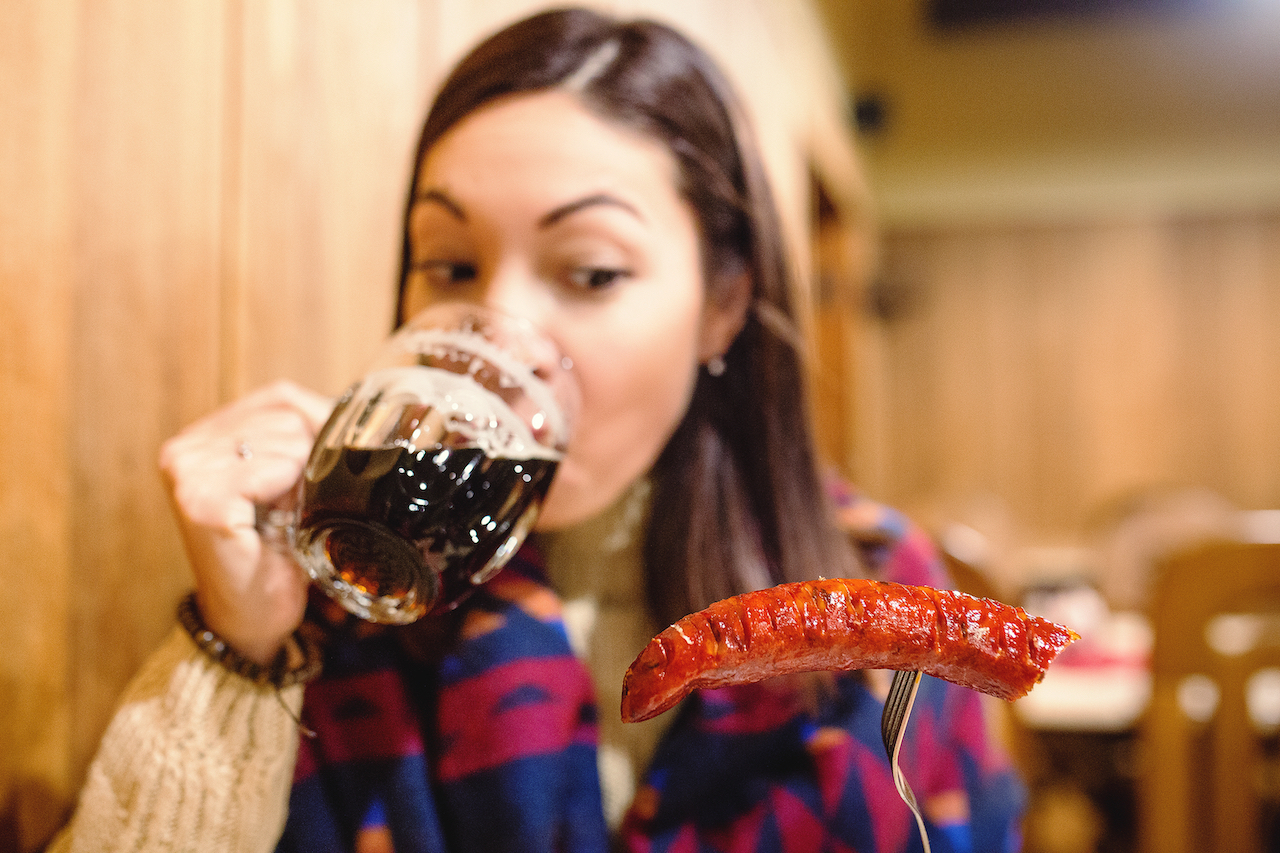
Visiting the Marolles rewards those who arrive early. The flea market is at its most atmospheric before 9am, when professional dealers and Brussels locals negotiate alongside tourists. The cafés ringing Place du Jeu de Balle serve strong coffee and Brussels-style brown ale; Café La Brocante and Au Vieux Spijtigen Duivel are neighbourhood institutions. The Marolles is also home to the WIELS contemporary art centre (a short walk away in Forest) and the multi-level Recyclart cultural space. From the Rue Haute you can climb the free public elevator — installed in 1935 and rebuilt in 2004 — that connects the lower Marolles directly to the Place Poelaert and the Justice Palace above. Wear comfortable shoes, bring cash for the market, and allow at least half a day to do the quarter justice.
Private tours with a local guide, at your own pace.
Brussels
Brussels
Brussels
Brussels
Brussels
Brussels
Brussels
We use a single cookie, to remember this choice. We do not use analytics or advertising cookies. Read our cookie policy.