6.5 hrs
Barcelona
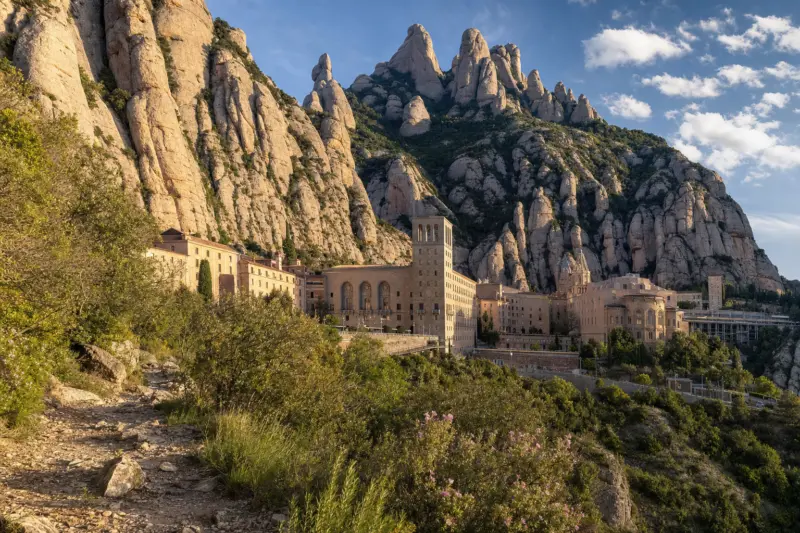
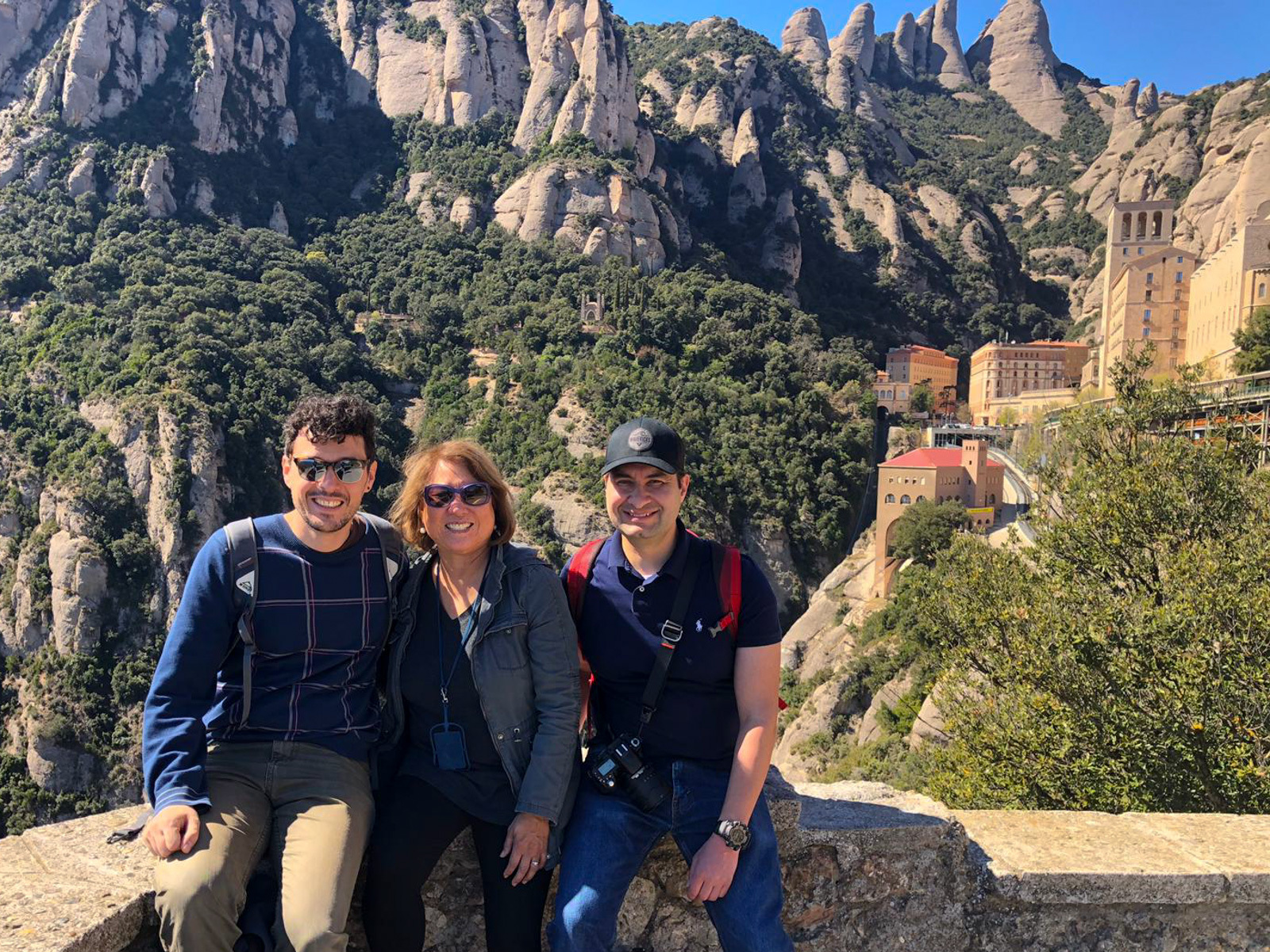
Montserrat Private Day Trip. Monastery Tickets & Pick up included
✓ Free cancellation Kids friendly
4.8(313 reviews)
From €121/ person
Book Now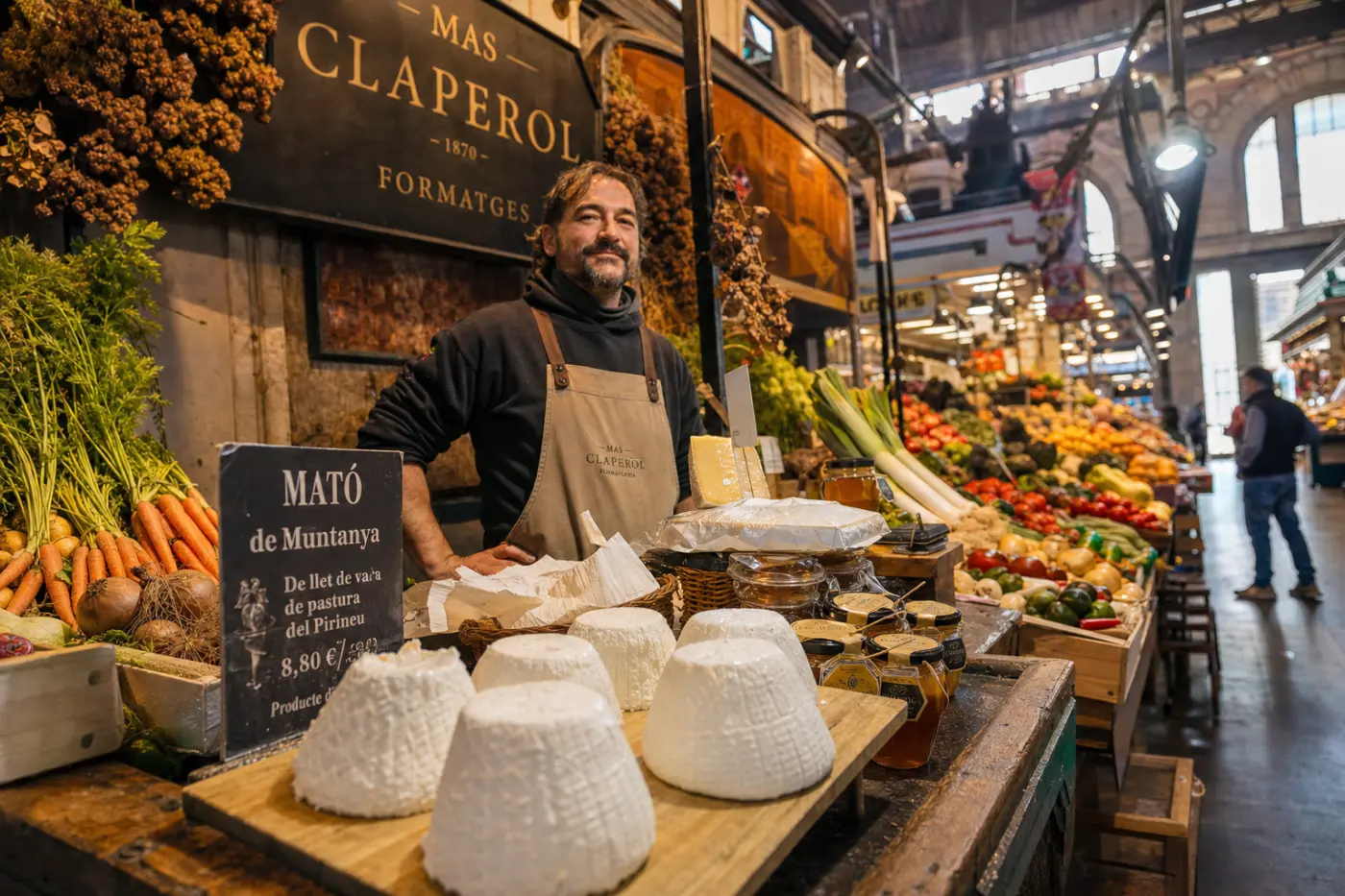
Tourist attraction
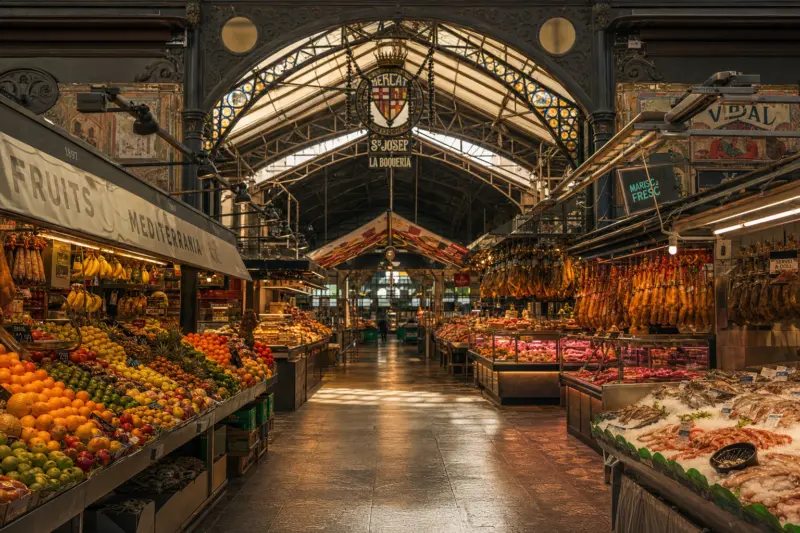
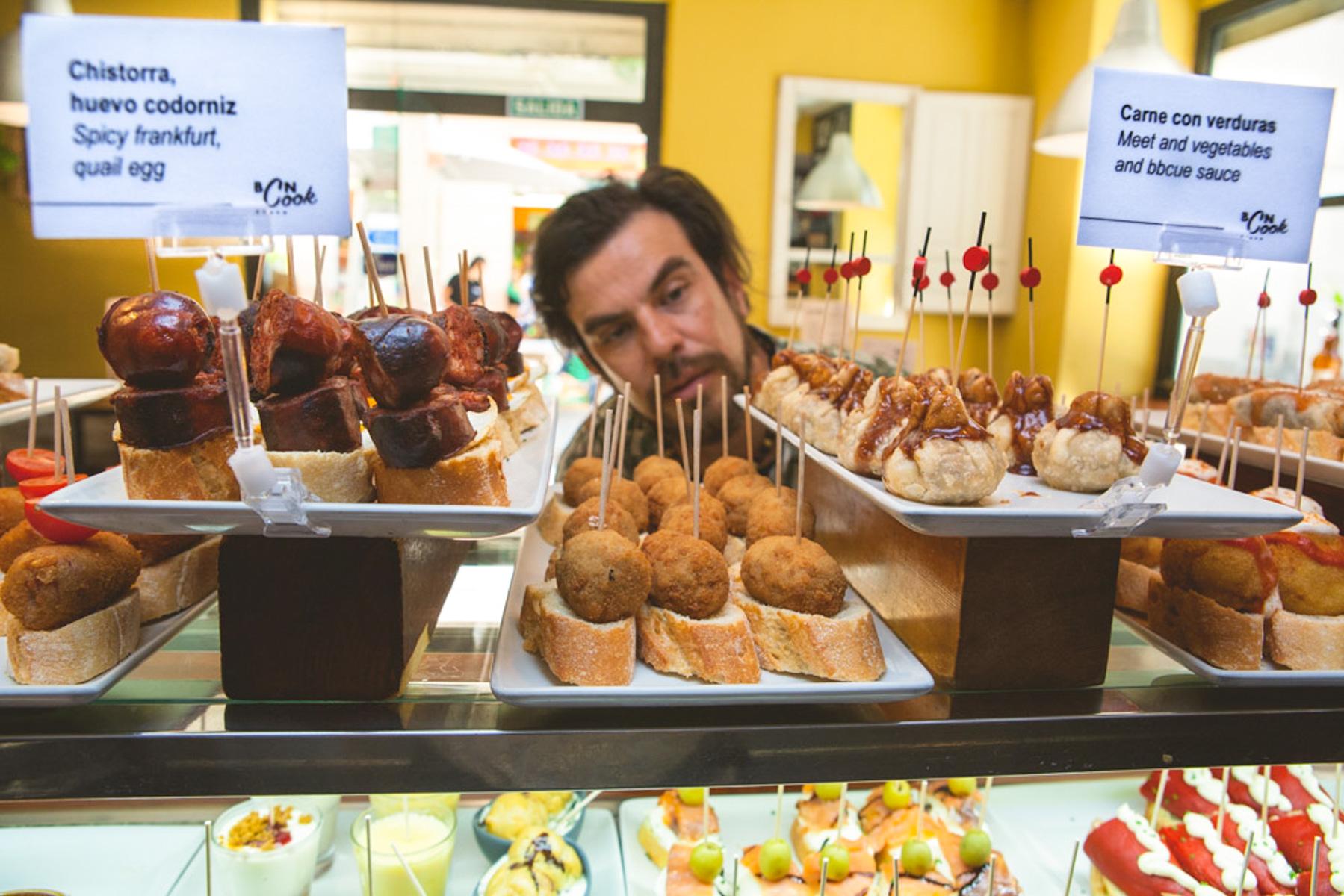
The Mercat de Montserrat is one of Barcelona's municipal food markets, operating under the city's network of mercats municipals overseen by the Ajuntament de Barcelona. Unlike the tourist-saturated La Boqueria on Las Ramblas, Montserrat functions as a true neighbourhood market — a daily provisioning hub where local residents shop for fresh produce, cured meats, fish, and artisan dairy products. Its name ties it directly to Catalonia's most sacred landmark, the Montserrat mountain and monastery some 50 kilometres northwest of Barcelona, and that connection runs deeper than geography: the market is closely associated with the craft production of mató, the soft, unsalted fresh cheese that has been made in the Montserrat foothills for centuries.
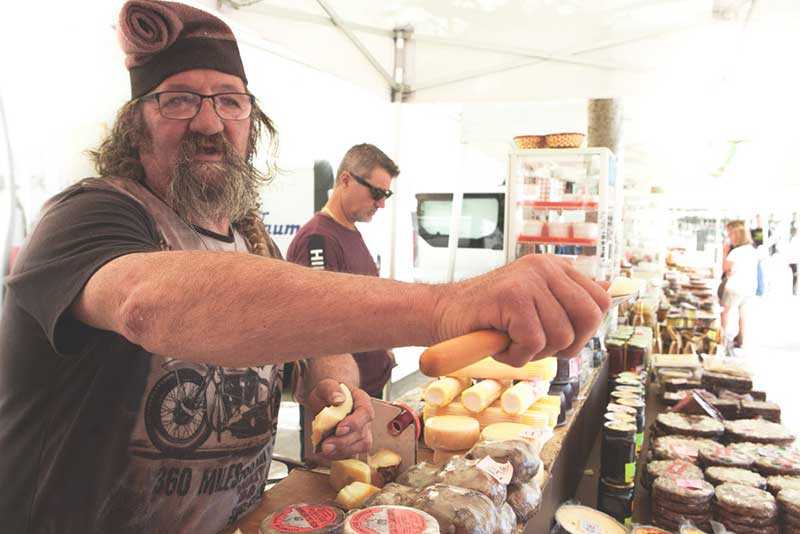
Mató is arguably Catalonia's oldest continuously produced cheese. Medieval monastic records reference its production in the Montserrat region as far back as the 11th century, when Benedictine monks at the monastery encouraged local shepherds to deliver fresh curd to the abbey. The artisan producers who sell mató at markets like this one are known as matonaires — a Catalan occupational term that has survived precisely because the tradition itself survived. Served with honey and walnuts in the classic Catalan dessert mel i mató, the cheese has a delicate, milky flavour unlike any industrially produced equivalent. Meeting a matonaire at a market stall and tasting their product directly is one of the most underrated food experiences Barcelona offers.
Barcelona's municipal market network, of which Mercat de Montserrat is a part, comprises 39 markets across the city and represents a civic infrastructure model dating to the 13th century, when the Crown of Aragon began formally regulating food trading in Catalan cities. The current system is managed through the Institut Municipal de Mercats de Barcelona (IMMB), established in 1991 to modernise facilities while preserving the social and commercial character of neighbourhood markets. This institutional commitment distinguishes Barcelona's markets from those in many other European cities, where equivalent spaces have either been demolished or converted into purely commercial food halls.
Visitors should arrive in the morning, when stalls are fully stocked and the market is at its most atmospheric. Bring cash, as many smaller vendors do not accept cards. Look specifically for the mató stall and ask the vendor about their production method — most matonaires are proud of their craft and willing to explain it. The market is well connected by Barcelona's metro network and sits within a residential neighbourhood, making it an ideal stop on any itinerary that prioritises authentic local life over curated tourist experiences. Early weekday mornings offer the best combination of full selection and unhurried atmosphere.
Private tours with a local guide, at your own pace.
Barcelona
Barcelona
Barcelona
Barcelona
Barcelona
Barcelona
Barcelona
Barcelona
Barcelona
Barcelona
Barcelona
Barcelona
We use a single cookie, to remember this choice. We do not use analytics or advertising cookies. Read our cookie policy.