3 hrs
Barcelona
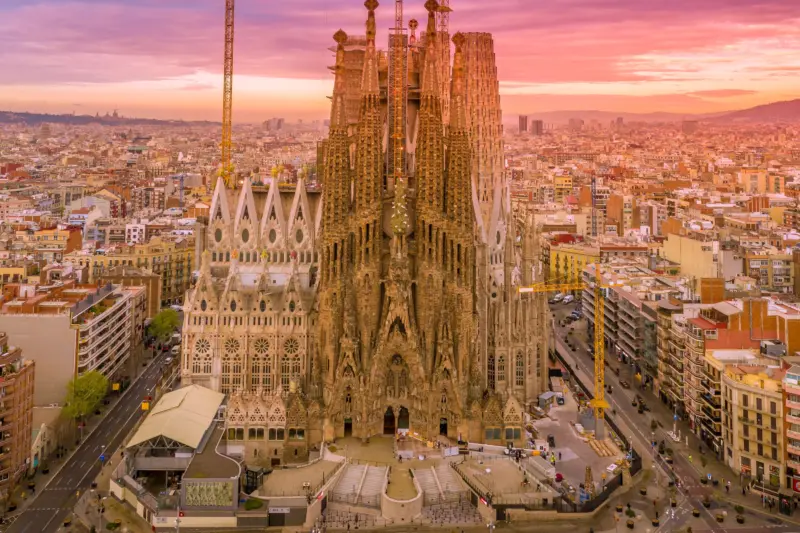
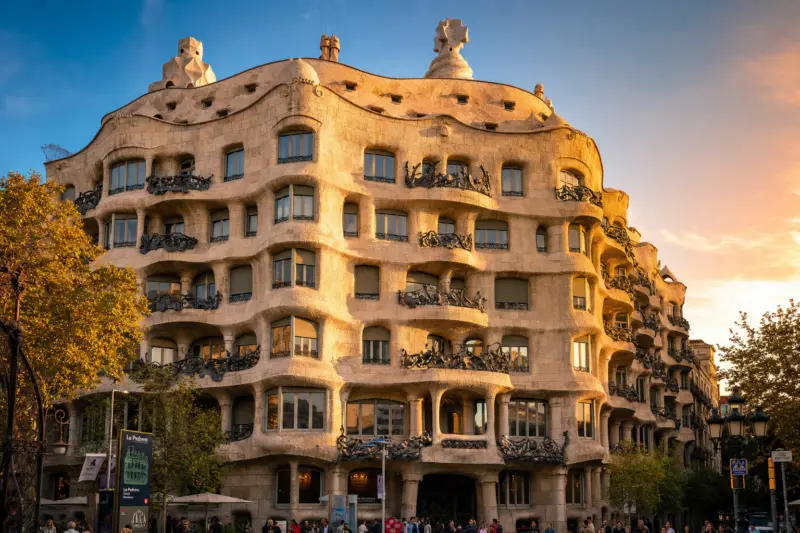
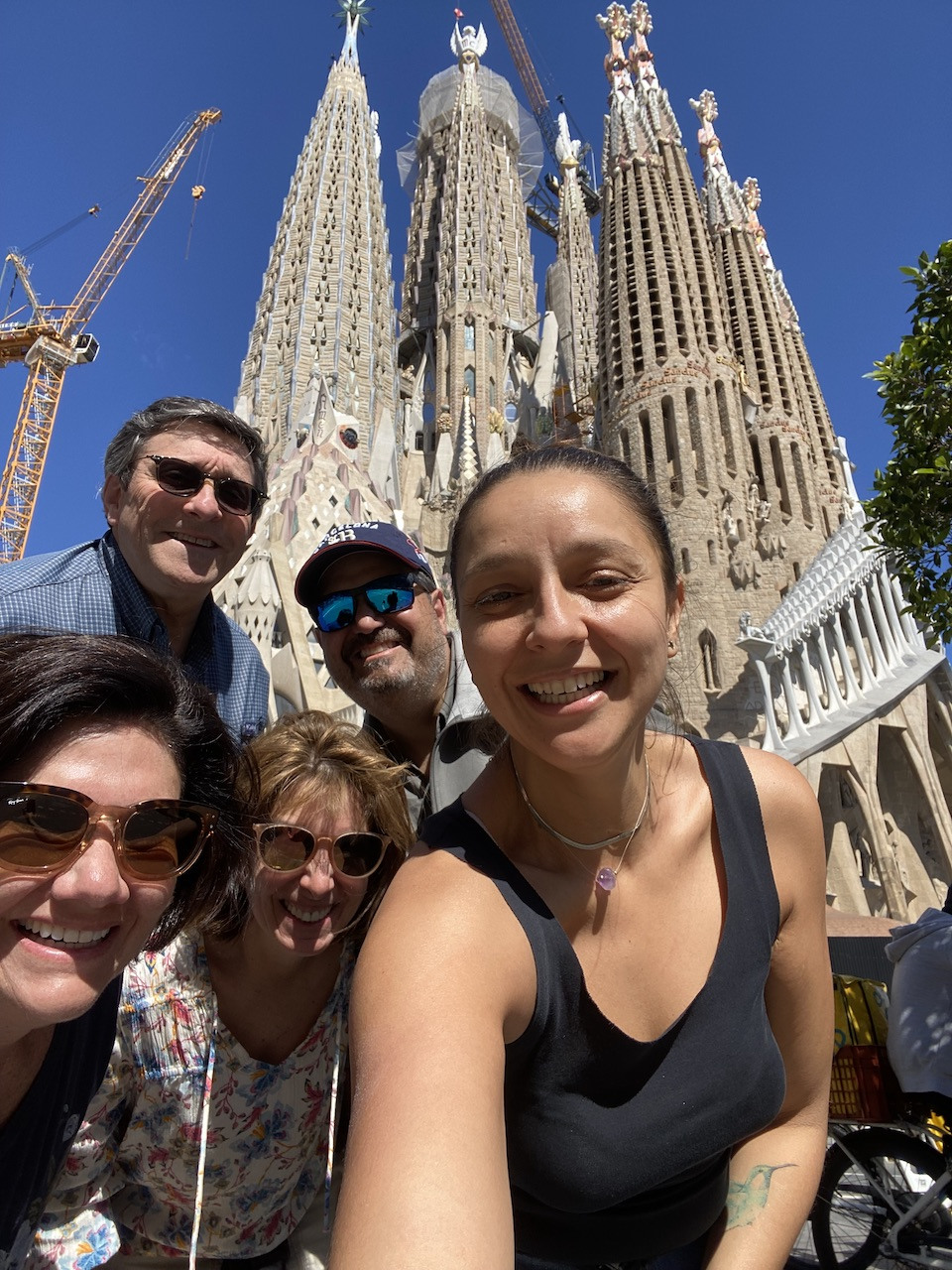
Sagrada Familia & Gaudi Tour Private or Small Group with Tickets
✓ Free cancellation Kids friendly
4.8(1403 reviews)
From €197/ person
Book Now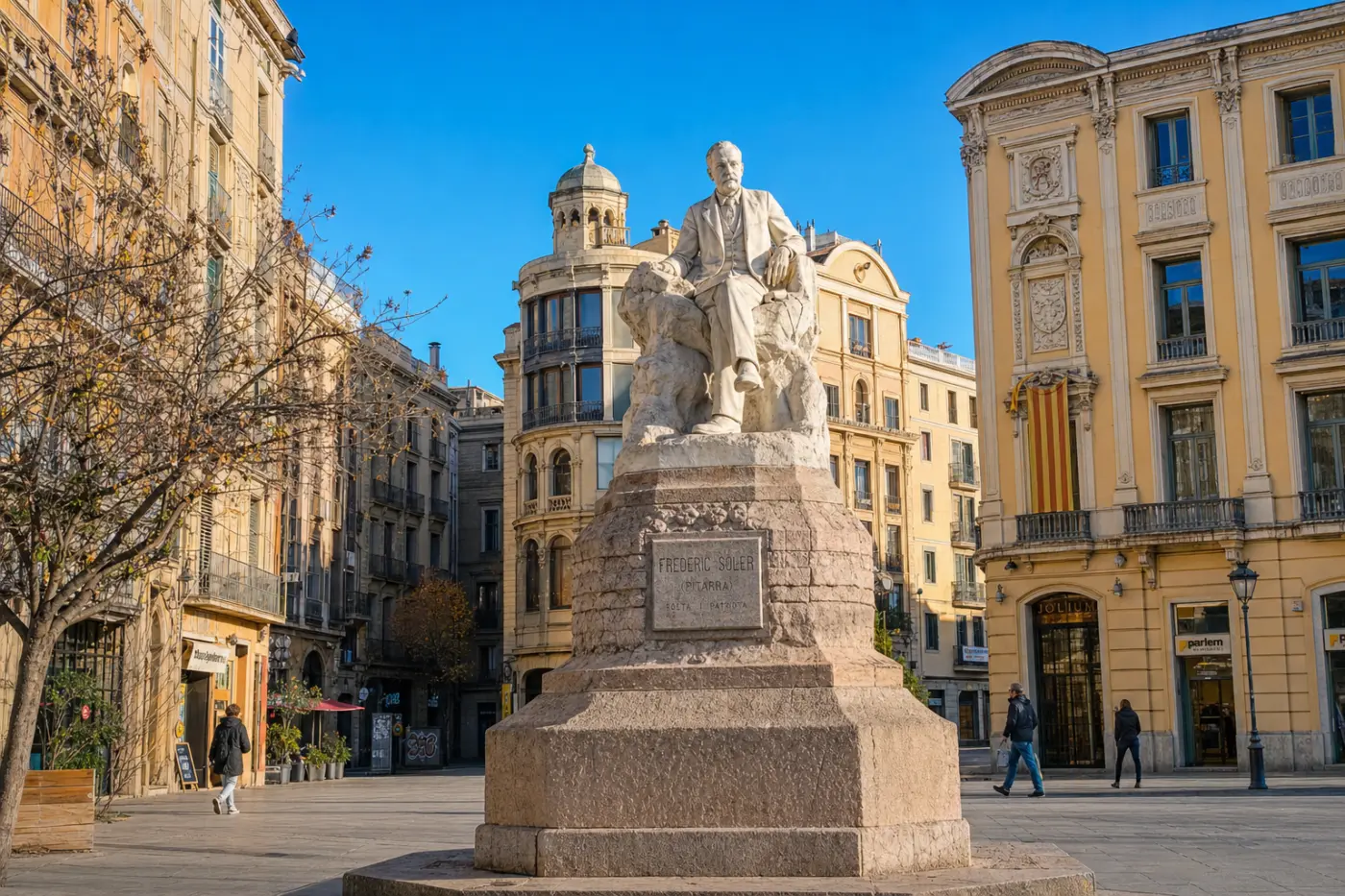
Tourist attraction
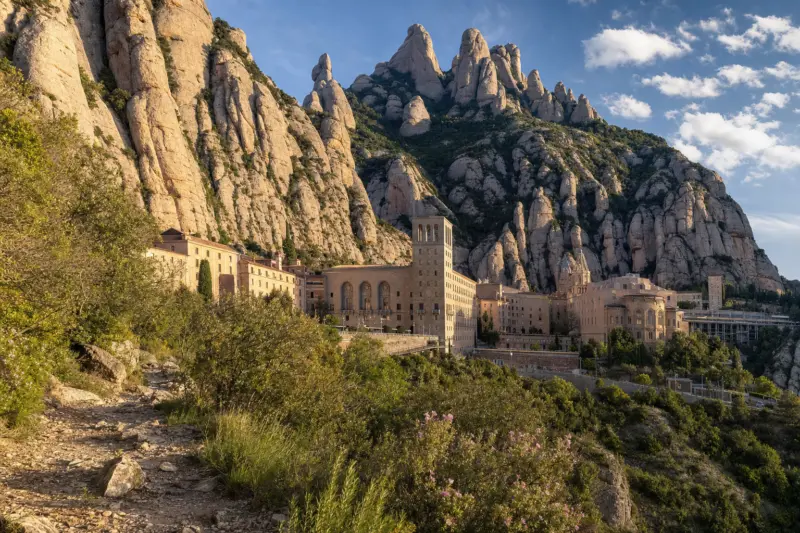
Standing at the centre of Plaça del Teatre in Barcelona's Ciutat Vella district, the Monument to Frederic Soler — universally known by the writer's pen name, Pitarra — is a striking tribute to one of the most consequential figures in 19th-century Catalan culture. The sculpture is carved in white marble and set upon a pedestal of stone quarried from Montserrat, the sacred mountain synonymous with Catalan identity. The composition was created by sculptor Agustín Querol and architect Pere Falqués, the same municipal architect responsible for several of Barcelona's iconic modernista lampposts along the Passeig de Gràcia. Construction began on November 16, 1897, and the monument was inaugurated on December 26, 1906.
Frederic Soler i Hubert (Barcelona, 1839–1895) began his career writing sharp satirical comedies and theatrical parodies that packed popular venues and channelled the irreverent energy of the 1868 Glorious Revolution. Under the pseudonym Serafí Pitarra, he became the driving force behind the Renaixença theatrical movement, writing in Catalan at a time when the language was widely marginalised in formal cultural life. Later in his career, Soler shifted toward the bourgeois drama favoured after the Bourbon Restoration, and he ran the Teatro Romea — located just steps from this square — as an impresario. It was his deep, defining connection to that theatre and to the Plaça del Teatre itself that led the city, just months after his death in 1895, to commission a permanent memorial on this exact spot. The sculptor and architect were officially selected on March 13, 1896.
Visitors approaching the monument encounter Soler's seated figure rendered with naturalistic dignity, the white marble contrasting against the warm ochre facades of the surrounding buildings. The Montserrat stone pedestal anchors the work symbolically to Catalan soil. The square itself — formerly called Pla de les Comèdies — has been the city's theatrical heart since the 17th century, and the Gran Teatre del Liceu is only a short walk along La Rambla. The monument sits in a pedestrian zone that sees a constant flow of locals and visitors, making it easy to observe the sculpture up close and read the inscriptions on the base.
The best time to visit is in the morning, when the light from the east catches the marble and the square is relatively uncrowded. The Teatro Romea, where Soler himself worked, still operates as an active theatre on nearby Carrer de l'Hospital and can be combined with a visit to the monument for a fuller picture of his legacy. The Plaça del Teatre is easily reached on foot from the Drassanes metro station (L3) or directly off La Rambla, making it a natural stop on any walking tour through the Gothic Quarter.
Private tours with a local guide, at your own pace.
Barcelona
Barcelona
Barcelona
Barcelona
Barcelona
Barcelona
Barcelona
Barcelona
Barcelona

Barcelona
Barcelona
Barcelona
Barcelona
Barcelona
Barcelona
We use a single cookie, to remember this choice. We do not use analytics or advertising cookies. Read our cookie policy.