4.5 hrs
Lisboa
Belem Private Day Trip: History, Heritage & Local Tasting
✓ Free cancellation Kids friendly
5.0(31 reviews)
From €177/ person
Book Now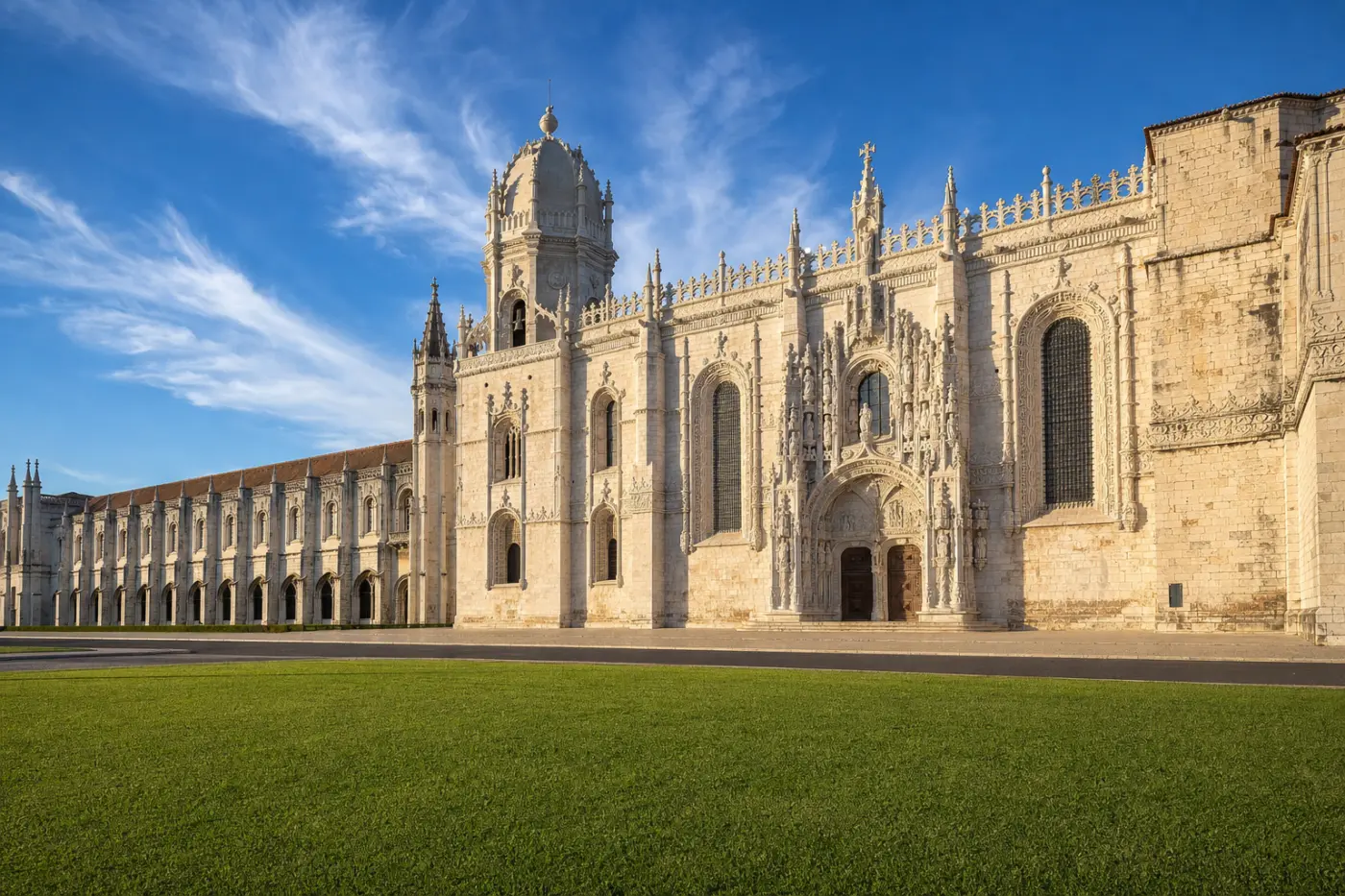
Tourist attraction
The Mosteiro dos Jerónimos stands on the riverbank of Belém as the most complete and ambitious expression of Manueline architecture ever built — a style unique to Portugal that fuses late Gothic structure with maritime motifs, Moorish ornamental complexity, and Renaissance spatial clarity. King Manuel I commissioned the monastery in 1501 on the site of a small hermitage where Vasco da Gama and his sailors spent the night in prayer before departing on their 1497 voyage to India. Construction began in 1502 under master architect Diogo de Boytac, who established the soaring three-aisled nave, and continued under João de Castilho after 1517, who refined the south portal and the magnificent two-storey cloister. The project was funded almost entirely by the "India tax" — a five percent levy on all spices, gold, and gems flowing through Lisbon from the newly opened sea route to Asia, a revenue stream that made the monastery a literal monument to imperial wealth. It was designated a UNESCO World Heritage Site in 1983.
The south portal, facing Rua de Belém, is the single most ornate façade in Portuguese architecture. Carved in honey-coloured Agramonte limestone by João de Castilho and Nicolau Chanterene between 1516 and 1521, it rises nearly 32 metres and layers armillary spheres, the Cross of the Order of Christ, coral branches, ropes, and dozens of saints into a composition of extraordinary density. The interior nave, completed around 1520, achieves something close to structural miracle: six octagonal pillars just one metre in diameter support cross-ribbed vaulting that spans 25 metres without any intermediate buttressing, creating a vast, light-filled hall that feels more like a forest canopy than a church ceiling. The two-storey cloistered courtyard, finished by 1544, repeats the maritime vocabulary in its arcade arches — each one different — framing a garden of perfectly clipped box hedges. The monastery housed the Order of Saint Jerome (Hieronymites) until 1833, when liberal reforms dissolved all religious orders in Portugal and the monks departed after more than three centuries of uninterrupted residence.
The church serves as the royal and heroic pantheon of Portugal. Vasco da Gama himself was reinterred here in 1880 in an elaborate neo-Manueline tomb carved by Soares dos Reis, positioned at the entrance of the church on the right. Directly opposite lies the tomb of the national poet Luís de Camões, author of Os Lusíadas (1572), though historians note that Camões' actual remains were never definitively identified — his tomb is effectively a cenotaph. The chancel holds the Renaissance tombs of King Manuel I and his consort Queen Maria, as well as King João III and Catherine of Austria, placed on the backs of carved stone elephants, a detail that underscores how thoroughly the India trade reshaped even the visual imagination of 16th-century Portugal.
Visitors today enter the monastery complex through the western wing, which now houses the Museu Nacional de Arqueologia and the Museu da Marinha — both separately ticketed. Admission to the church itself is free, while a combined ticket covers the cloister and chapterhouse. The monastery opens Tuesday to Sunday from 10:00 to 17:30 (October to April) and until 18:30 (May to September), with last entry 30 minutes before closing. Arriving before 10:00 to queue at the south portal entrance avoids the worst of the midday crowds, which peak sharply between 11:00 and 14:00. Tram 15E from Praça da Figueira runs directly to the Belém stop, 200 metres from the entrance.
Private tours with a local guide, at your own pace.
Lisboa
Lisboa
Lisboa

Lisboa
Lisboa
Lisboa

Lisboa
Lisboa
Lisboa
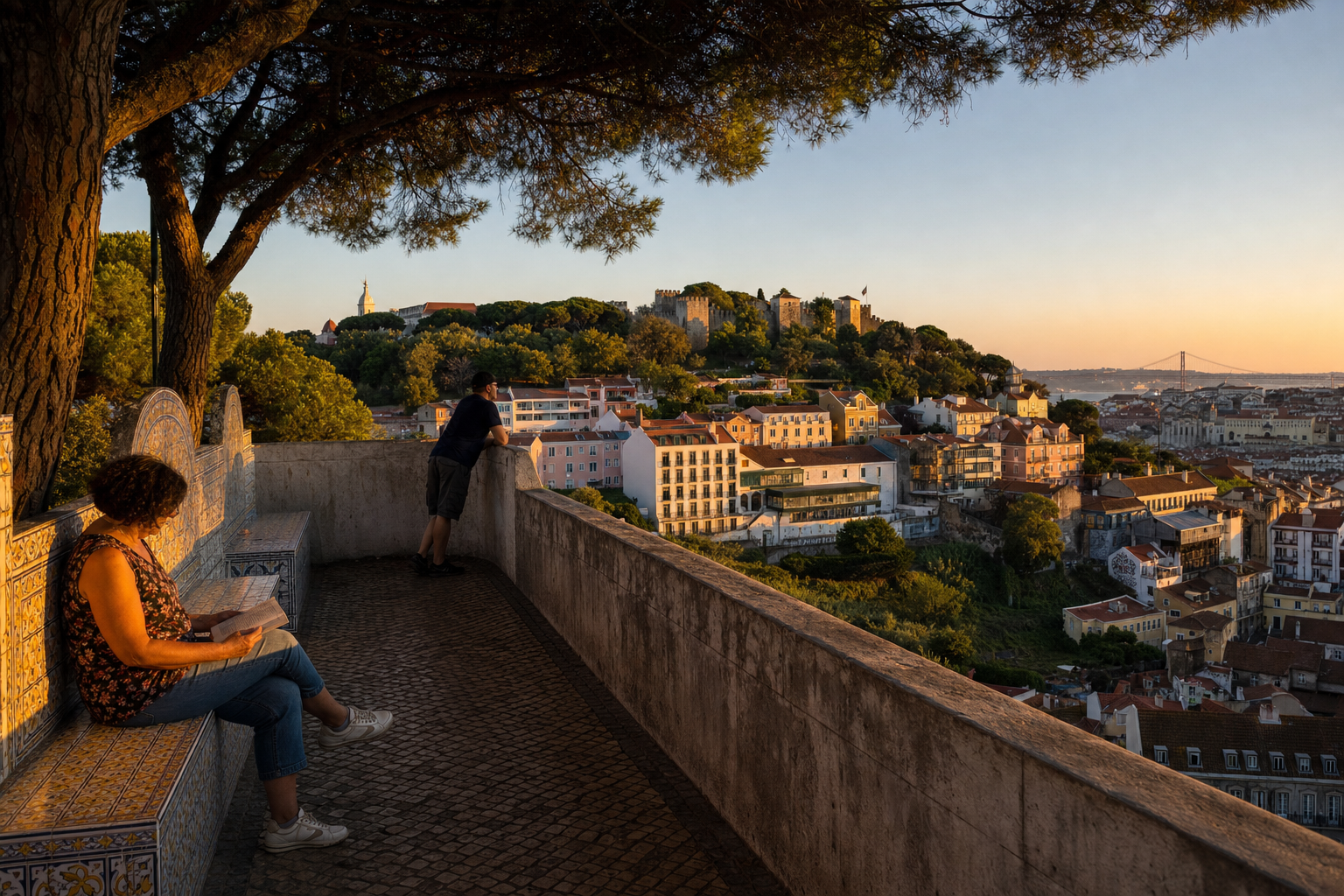
On the morning of 1 November 1755 — All Saints' Day — a catastrophic earthquake followed by a tsunami and fire destroyed roughly 85% of Lisbon. What you walk through today is, in large part, a city deliberately rebuilt from scratch. But not all of it. Alfama, clinging to its bedrock ridge above the Tagus, survived almost untouched. Mouraria, pressed against the castle hill, kept its labyrinthine medieval lanes. Belém, several kilometres west, was far enough from the epicentre to preserve its extraordinary Manueline monuments. These geological and historical accidents shaped the city's character as profoundly as any monarch or architect — and they explain why Lisbon's neighborhoods feel so radically different from one another, even when separated by a ten-minute walk. This guide goes beyond the postcard version. It digs into the specific histories, architectural DNA, and cultural layers that make each district genuinely distinct — and tells you what you'd actually miss if you only followed the crowds.
Read more →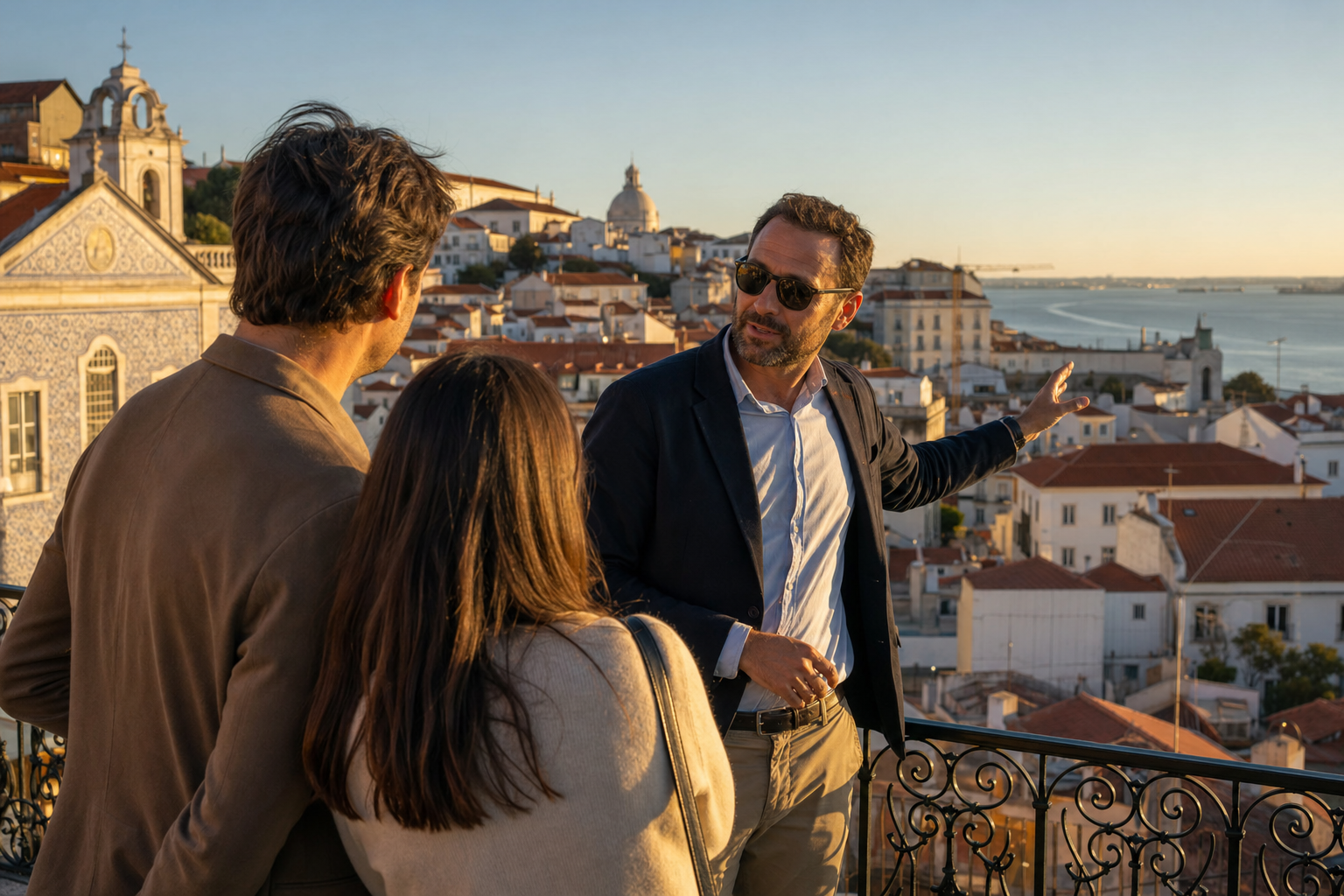
On the morning of 1 November 1755 — All Saints' Day — a catastrophic earthquake, followed by a tsunami and firestorm, killed between 30,000 and 40,000 people and erased the medieval centre of Lisbon in under six minutes. The city that rose from the rubble was rebuilt on an entirely different logic: the rational Pombaline grid of Baixa, named after the Marquis of Pombal who oversaw the reconstruction. That rupture still defines every street, tile panel, and viewpoint you encounter today — but almost no group tour has the time or flexibility to explain why. Lisbon is not one city; it is at least four, stacked across seven hills, shaped by a global maritime empire, a catastrophic earthquake, and centuries of cultural layering that even most visitors who have been here before have only scratched the surface of. That is precisely why private tours in Lisbon work so differently from anywhere else in Europe — and why getting them right matters.
Read more →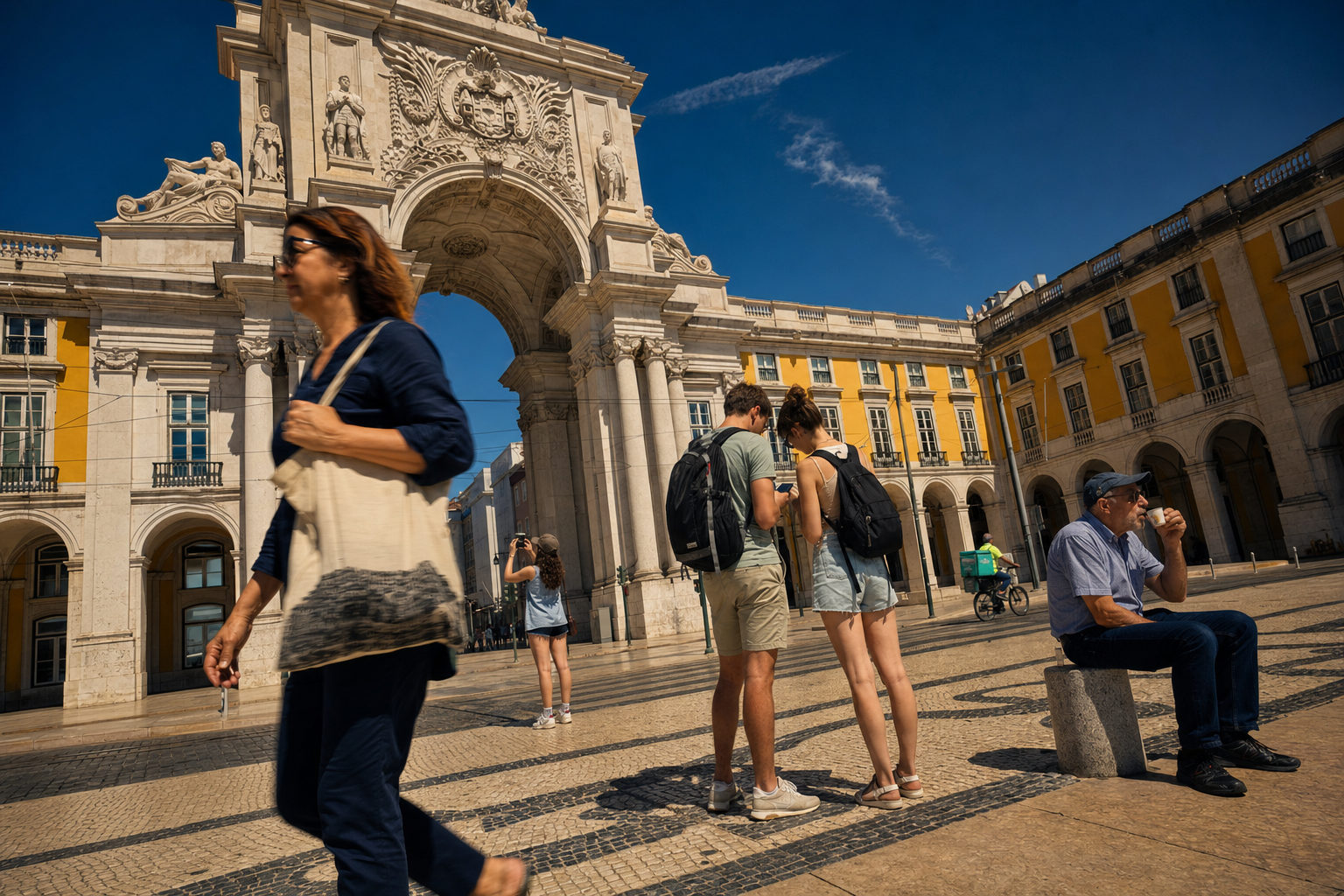
At 9:40 on the morning of 1 November 1755 — All Saints' Day, when most of Lisbon's population was inside a church — an earthquake estimated between 8.5 and 9 on the Richter scale struck the city. Three separate tremors, a tsunami, and fires that burned for five days killed between 30,000 and 40,000 people and levelled roughly 85% of the built environment. The Marquis of Pombal rebuilt the lower city from scratch on a rational Enlightenment grid — one of the first planned urban rebuilds in European history. But one neighbourhood didn't fall. Alfama, the ancient Moorish quarter, sat on solid schist bedrock and held. The street pattern you walk today is the one laid down before the 12th century. That single geological accident is the reason Lisbon feels unlike any other Western European capital: its oldest layers weren't buried under 19th-century renovation. They stayed visible, walkable, and inhabited. A long weekend in Lisbon — three full days, properly structured — is enough time to feel that depth across millennia of empire, faith, and fado. But only if you spend those days the right way.
Read more →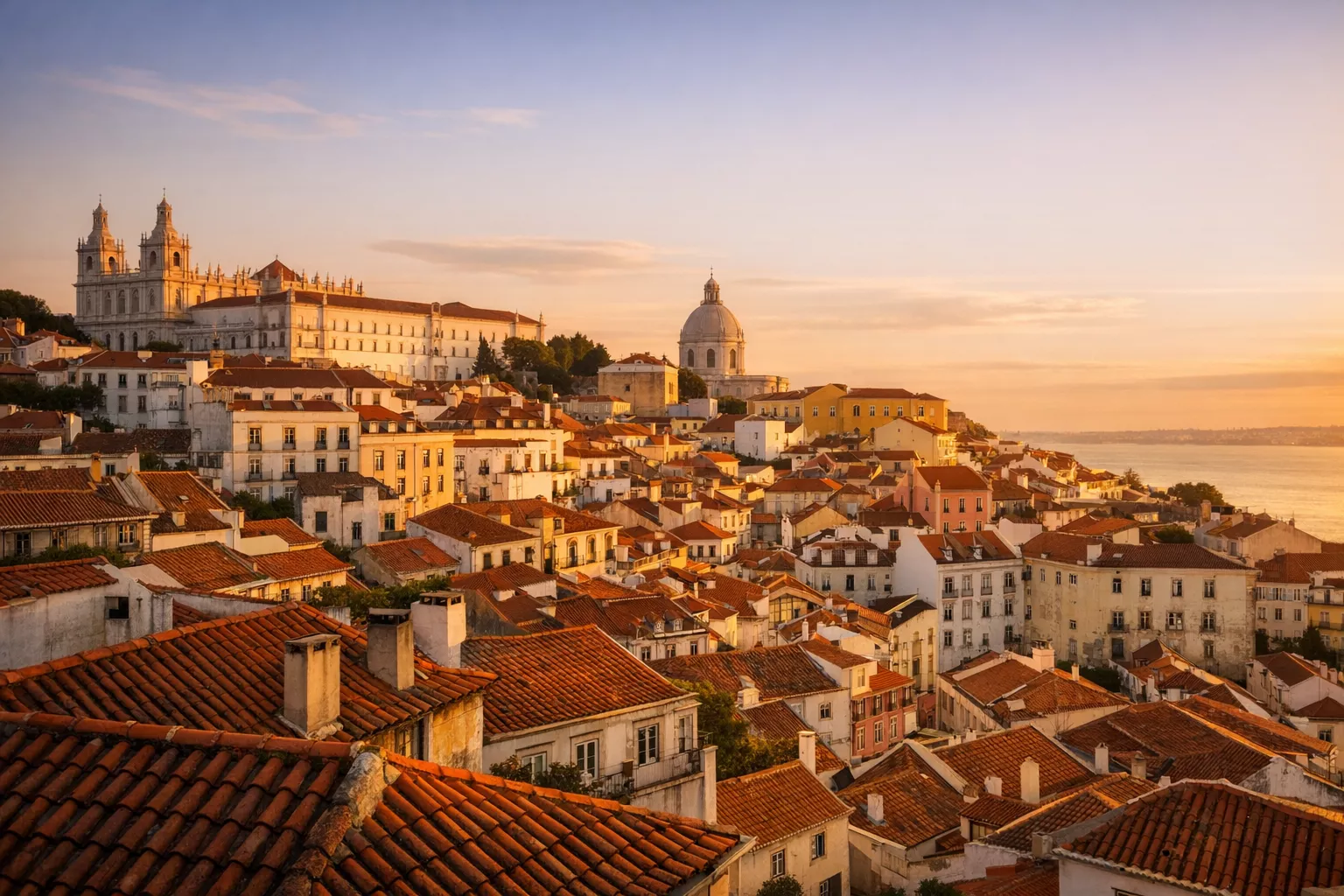
Discover the vibrant city of Lisbon, where history, culture, and gastronomy blend together perfectly. Whether you're a history buff, a foodie, or an adventurer, this guide will reveal the top things to do in Lisbon, along with links to exclusive local tours.
Read more →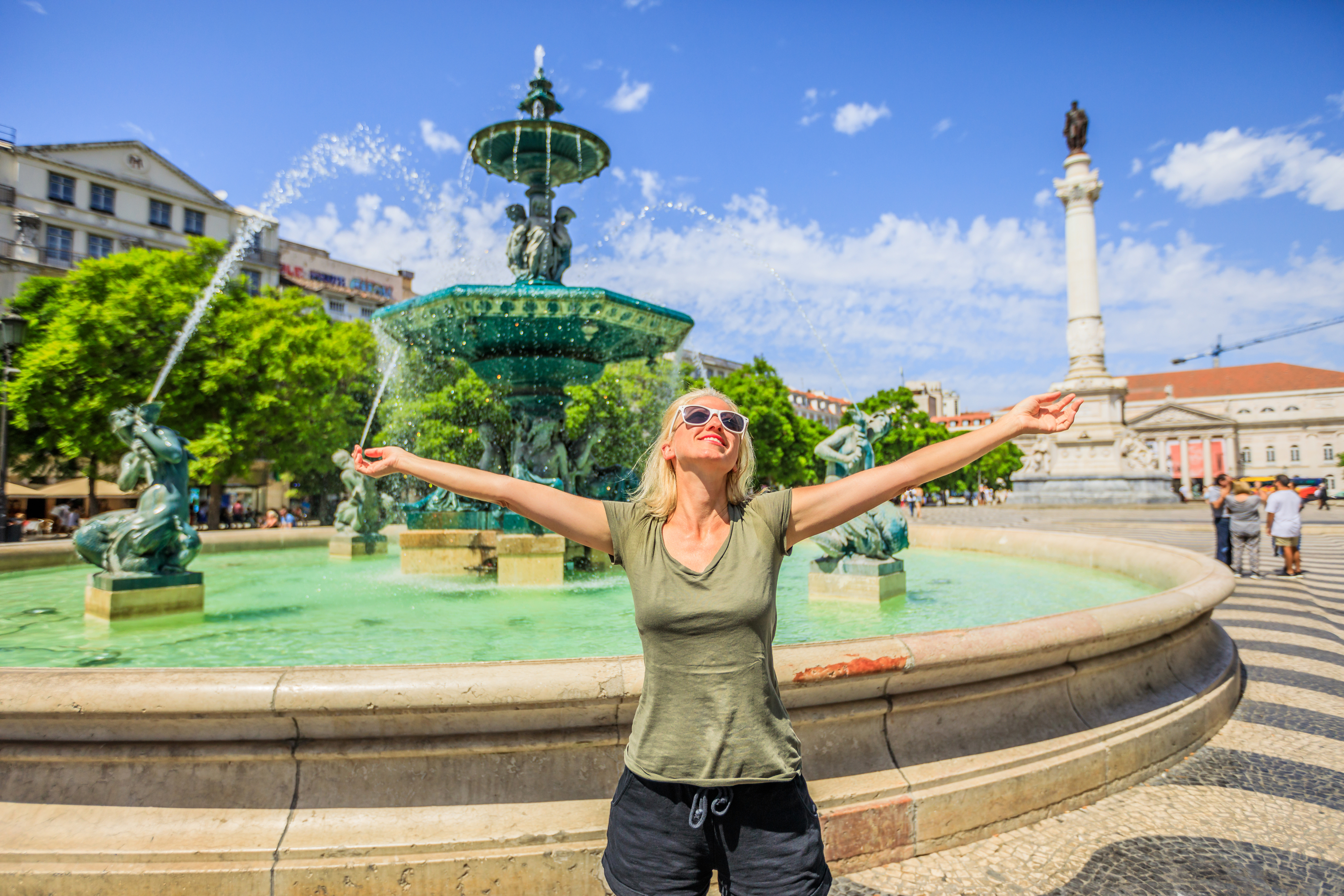
Lisbon, the capital city of Portugal, is a vibrant and enchanting destination that offers a perfect blend of history, culture, and natural beauty. From its picturesque neighborhoods to its stunning architectural landmarks, Lisbon has something to offer every traveler. Whether you have just a few days or a whole week, this city will captivate you with its charm and allure.
Read more →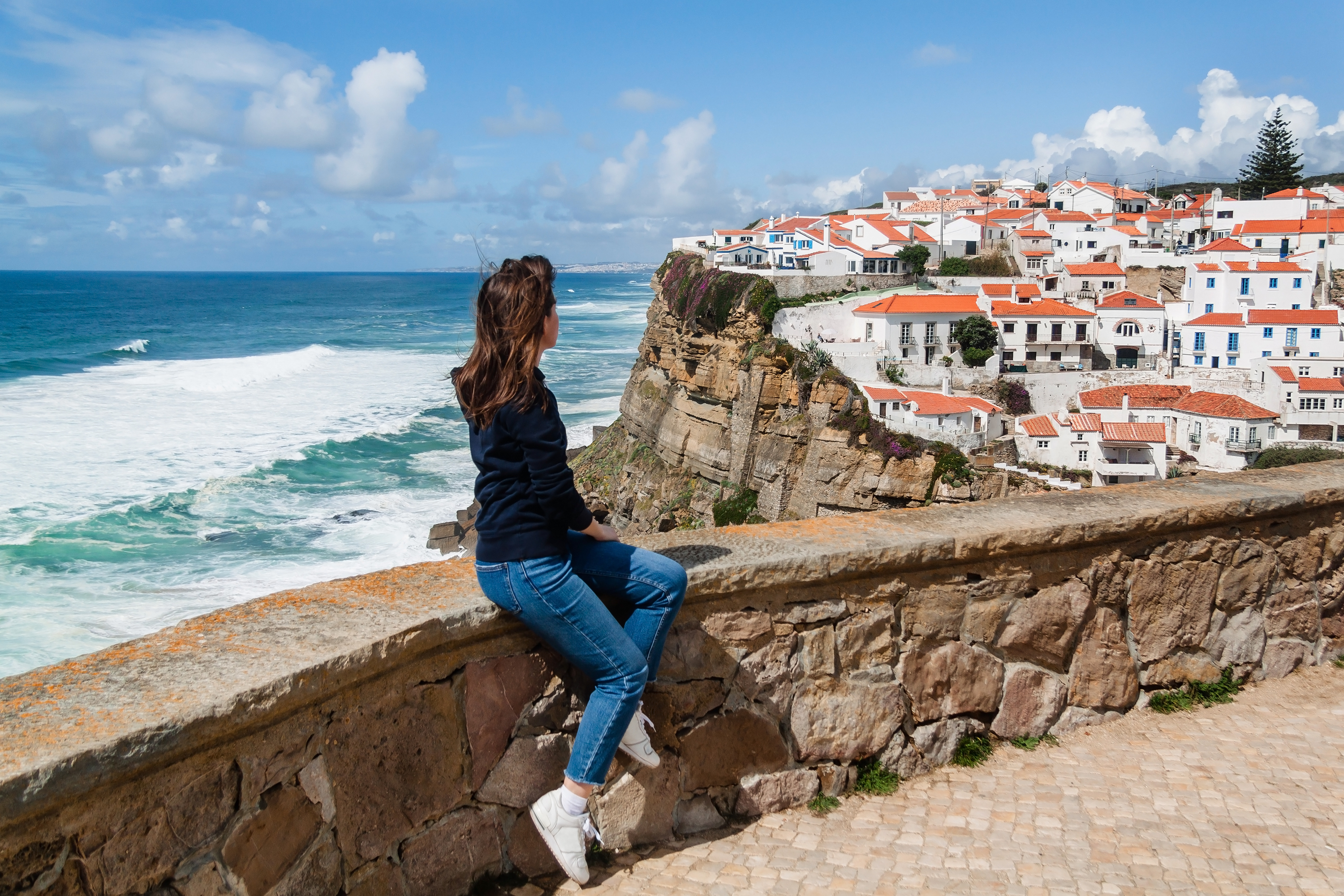
In the vicinity of Lisbon there are many beautiful villages and places to visit on day trips. At any time of the year, you can discover small towns, palaces, castles, beaches and beautiful landscapes. Signing up for a private tour with a local guide can be a very good option, so that you don't miss any detail, learn about history, while optimising time and money. Otherwise, it is also possible to do it on your own, thanks to public transport or rental cars. Which places do we recommend?
Read more →We use a single cookie, to remember this choice. We do not use analytics or advertising cookies. Read our cookie policy.