3 hrs
Barcelona
PRIVATE Family tour in Barcelona! Explore Barcelona in a Kids friendly way, with Churros & games
✓ Free cancellation Kids friendly
4.8(91 reviews)
From €152/ person
Book Now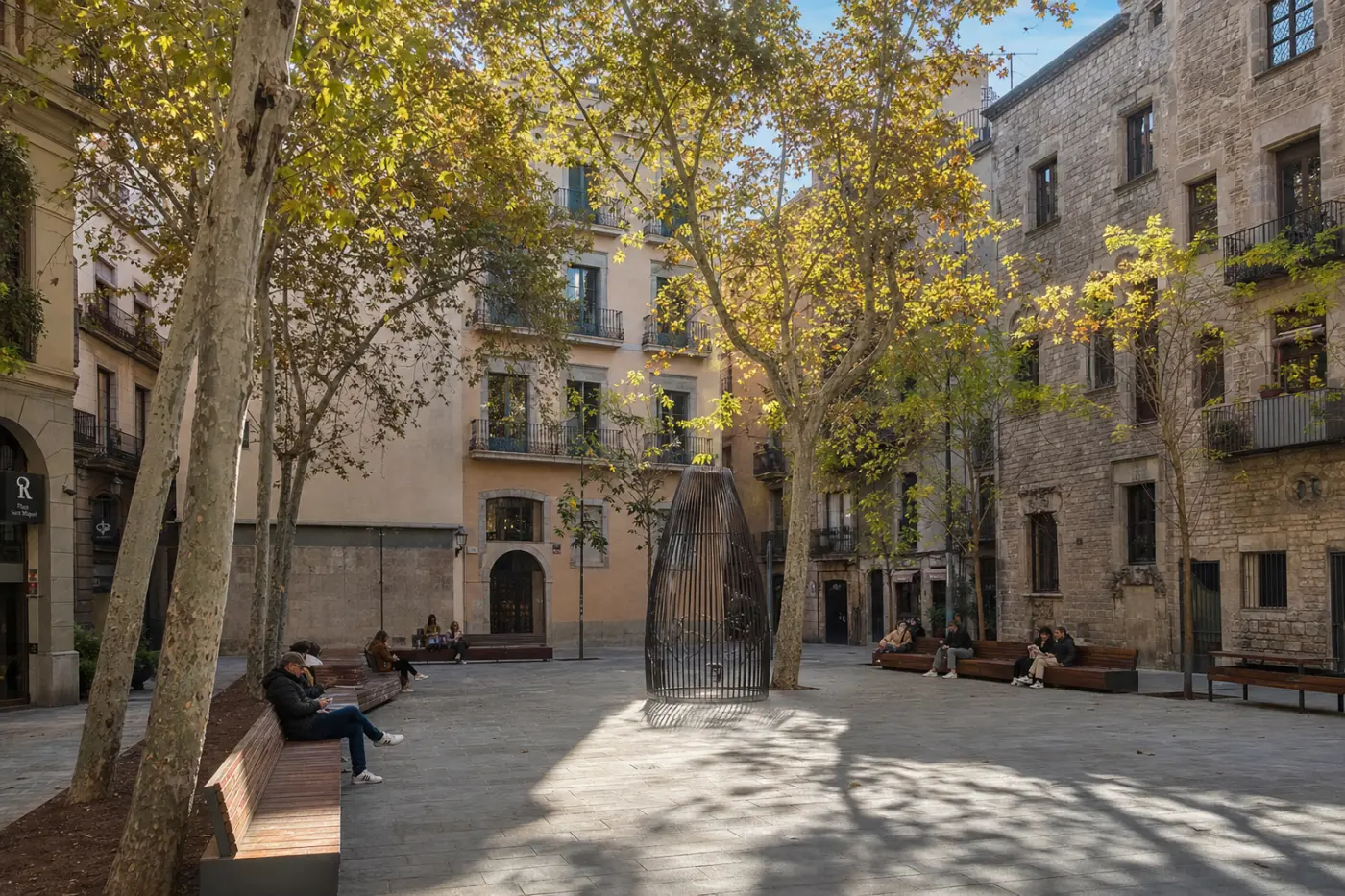
Tourist attraction
Plaça de Sant Miquel sits at the heart of Barcelona's Barri Gòtic, occupying a site that has been continuously transformed for over two millennia. In the Roman period, public baths — thermae — stood on this exact ground, leaving behind floor mosaics depicting fish and sea monsters in black tile. Those mosaics were later uncovered beneath the church built on top of the ruins and are today preserved in the Museu d'Arqueologia de Catalunya. The square's name comes from the church of Sant Miquel, a Romanesque structure first raised in 1147 — itself a replacement for an even earlier Romanesque church destroyed in 1145 — making it one of the oldest ecclesiastical sites in Barcelona. Over the following centuries the church was expanded, and in the 16th century a Gothic-Renaissance doorway was added to its flank, featuring a carved image of Sant Miquel in the tympanum.
The church survived until 1868, when it was demolished to allow for the expansion of the adjacent Barcelona City Hall (Ajuntament). The demolition was methodical rather than destructive: stones were numbered to record their sequence, and architectural elements were redistributed across the city. The Gothic-Renaissance portal was relocated to the Basílica de la Mercè on Carrer Ample, where it still stands today — look closely and you can still see the numbered markings cut into the stone blocks used to guide the reassembly. The square itself became a grey, car-dominated esplanade through most of the 20th century, its layered history invisible beneath asphalt.
That changed with a 2020 redesign by architect Pere Cabrera, carried out under the Raval Sud and Gòtic Sud Neighbourhood Plan following an extensive consultation with local residents. The 4,317 m² space was transformed from a vehicle-serviced plaza into a pedestrian-priority square with new seating, play structures, flowerbeds, trees, and soft-paved areas including a children's sandpit. The overhaul more than doubled the space allocated to children, families, and elderly residents, while also renewing the sewer network and street lighting. At the centre of the square stands a distinctive sculpture — a form that resembles a wire mesh cage, akin to the muselet that secures a cava or champagne cork, a knowing nod to Catalonia's sparkling wine tradition.
Visiting Plaça de Sant Miquel rewards those who look past its everyday neighbourhood calm. The square is flanked by the rear façade of the Ajuntament de Barcelona and is a natural pause point on any walk through the Gothic Quarter. It is busiest on weekday lunchtimes when local office workers and residents fill the benches, and quietest on weekend mornings, when the stone surroundings and filtered light make the layering of Roman, medieval, and contemporary Barcelona feel especially tangible. No admission is required; the square is open at all hours and is a short walk from the Jaume I metro station (L4).
Private tours with a local guide, at your own pace.
Barcelona
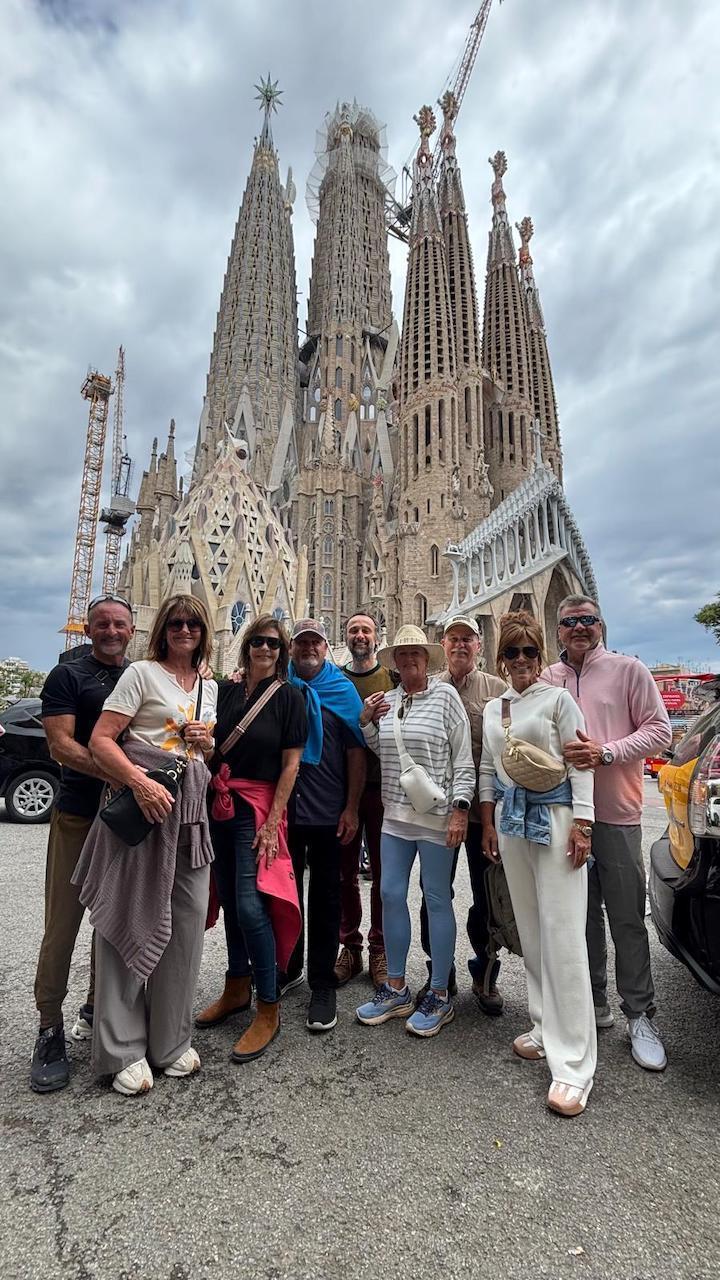
Barcelona
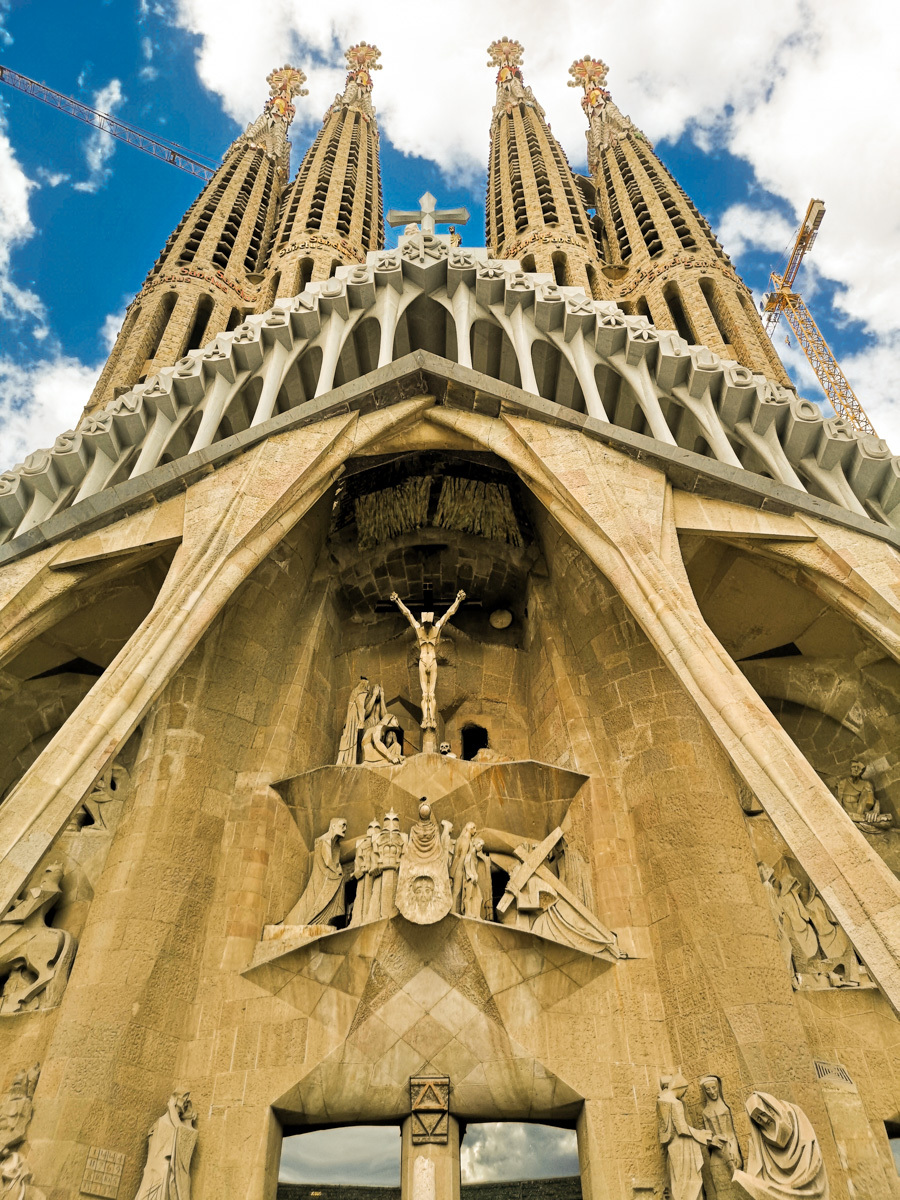
Barcelona
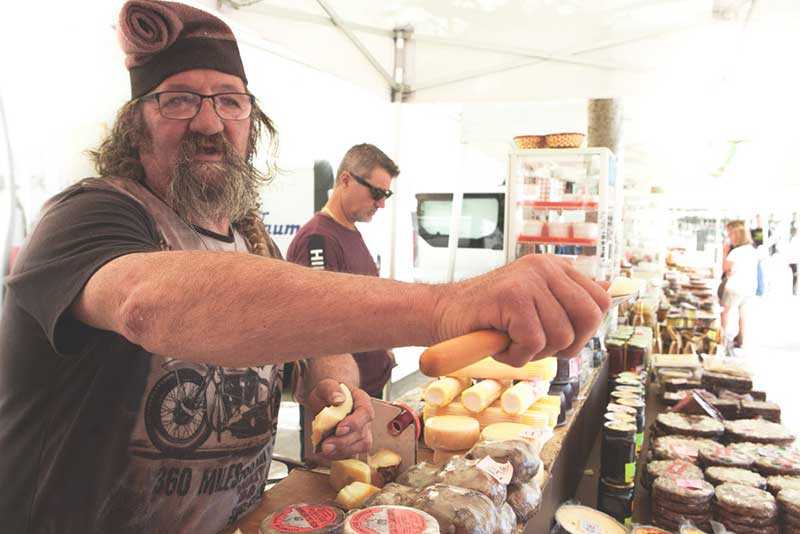
Barcelona
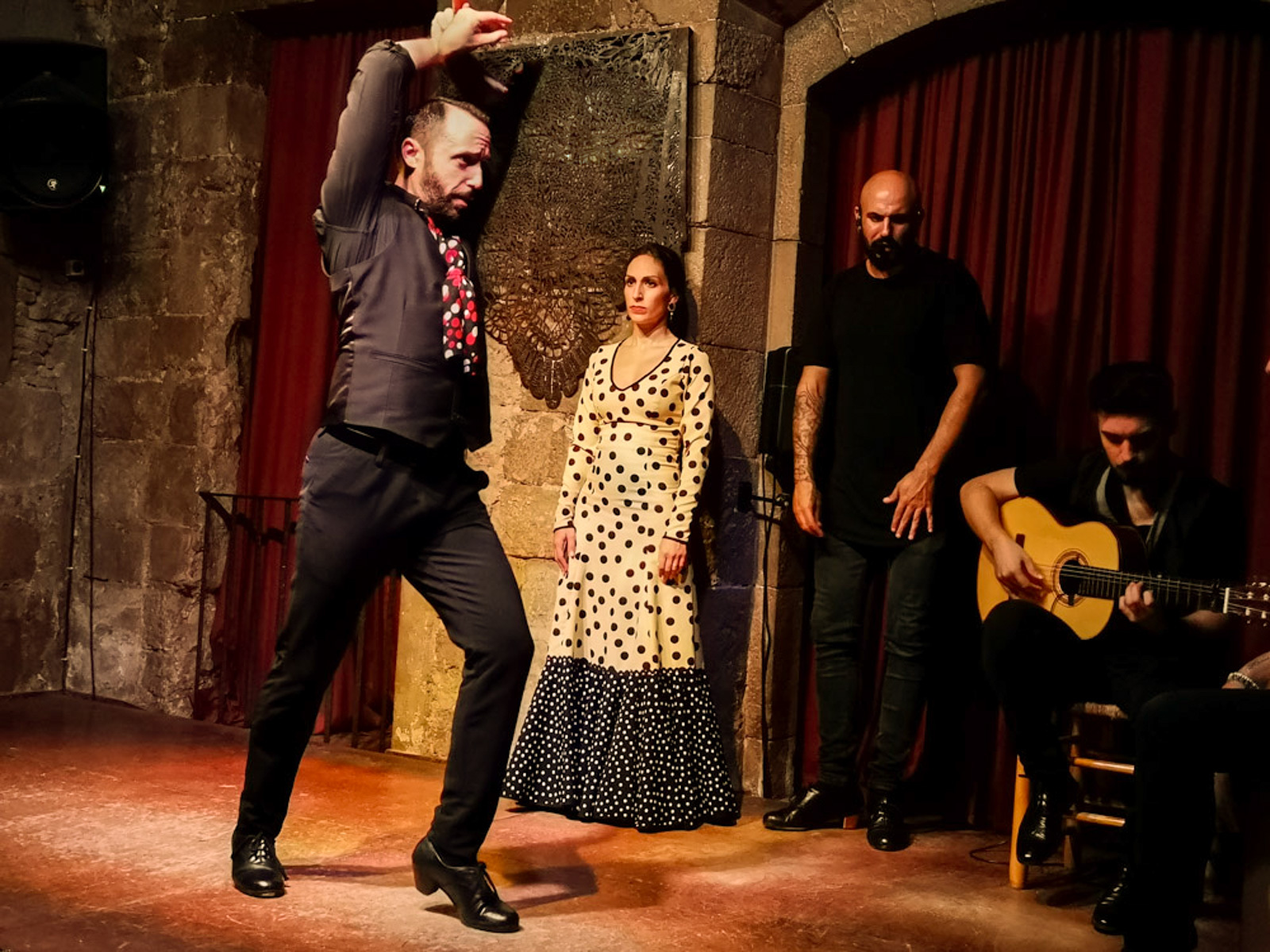
Barcelona
Barcelona
Barcelona
Barcelona
Barcelona
We use a single cookie, to remember this choice. We do not use analytics or advertising cookies. Read our cookie policy.