3 hrs
Brussels
Brussels Private Bike Tour: Highlights, Parks & Drinks
✓ Free cancellation
5.0(10 reviews)
From €232/ person
Book Now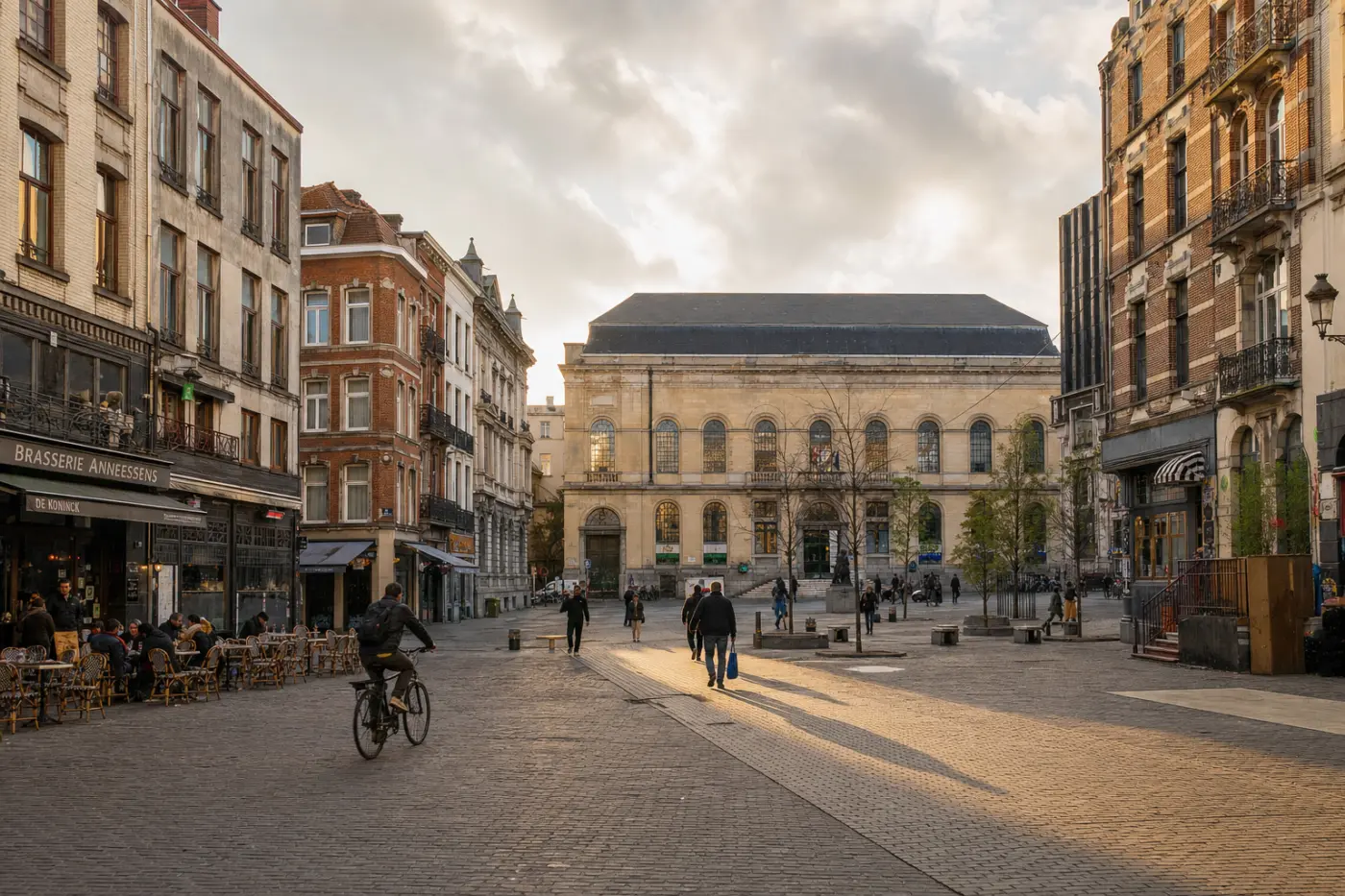
Tourist attraction
Place Anneessens sits within the dense urban fabric of the Pentagon — Brussels' historic city centre enclosed by the petit ring — and carries one of the most charged names in Belgian civic memory. The square is named after François Anneessens (1660–1719), dean of the craft guilds of Brussels and a symbol of popular resistance against Austrian Habsburg rule. Anneessens led the guilds in demanding the restoration of the city's ancient privileges, the Joyeuse Entrée, which had been curtailed under Governor-General the Marquis of Prié. His arrest, trial, and public beheading on the Grand-Place on 19 September 1719 made him a martyr of Brussels' working class and a forerunner of the Belgian revolutionary spirit that would eventually crystallise in 1830. The square bearing his name stands as a permanent civic memorial to that defiance.
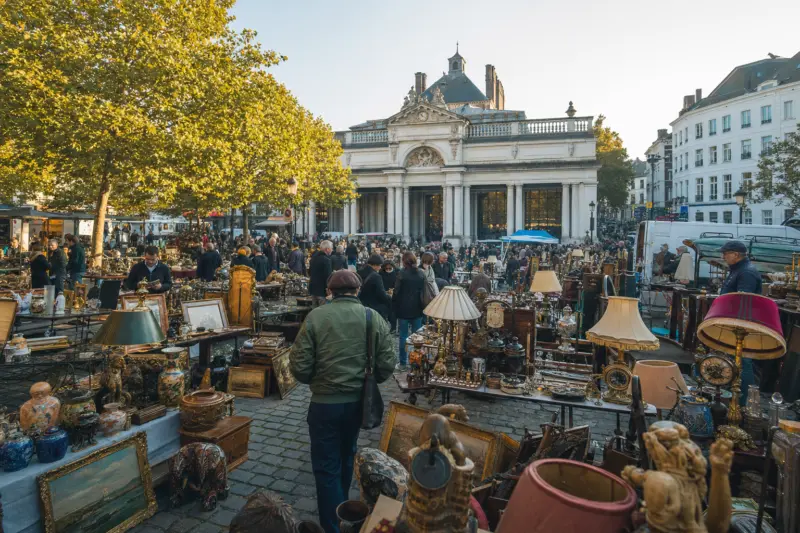
For centuries before it received its current name, the square was known as Place Joseph Lebeau, and before that it functioned as the site of the vieux marché — the old market or a met in the local Brussels dialect. It was one of the city's principal open-air trading grounds, specialising in secondhand goods, bric-à-brac, and second-hand clothing. In 1849, the city authorities formally consolidated the sale of used goods and bric-à-brac at this single location, giving the square a defined commercial identity that lasted well into the twentieth century. That popular, working-class market character shaped the architecture and social atmosphere of the surrounding streets, which retain a dense, lived-in quality distinct from the grander boulevards nearby.
Today the square is anchored by the notable building at number 11, which houses the Haute École Francisco Ferrer (formerly the Institut Cooremans), a higher education institution with roots in the municipal school network of Brussels. The square also features a Thorgal mural, part of Brussels' celebrated Comic Strip Route — a fitting nod to the city's status as the world capital of the bande dessinée. The pre-metro Station Anneessens on line 3 runs directly beneath the square, connecting it instantly to the Grand-Place and the rest of the city centre. A statue recalling the memory of the guilds and the square's historical resonance ties its visual identity to sculptor Thomas Vinçotte, one of Belgium's most prolific late 19th-century monumental artists.
Visitors approaching on foot from the Boulevard Maurice Lemonnier or the Rue du Midi enter a quarter where the grand urban ambitions of the 19th-century city give way to narrower, more intimate streets. The square itself is a practical, unhurried space — not a tourist set piece, but a genuinely local Brussels neighbourhood hub. It rewards those who take time to read the layers: the guild history inscribed in the name, the echo of the old bric-à-brac market in the surrounding shops, the comic strip art on the walls, and the pre-metro rumbling underfoot. The nearest pre-metro stop shares the square's name, making it one of the easiest central Brussels squares to reach without a map.
Private tours with a local guide, at your own pace.
Brussels
Brussels
Brussels
Brussels
Brussels
Brussels
Brussels
We use a single cookie, to remember this choice. We do not use analytics or advertising cookies. Read our cookie policy.