3 hrs
Barcelona
Alternative Barcelona - Raval Quarter Private Walking Tour
✓ Free cancellation Kids friendly
4.2(86 reviews)
From €122/ person
Book Now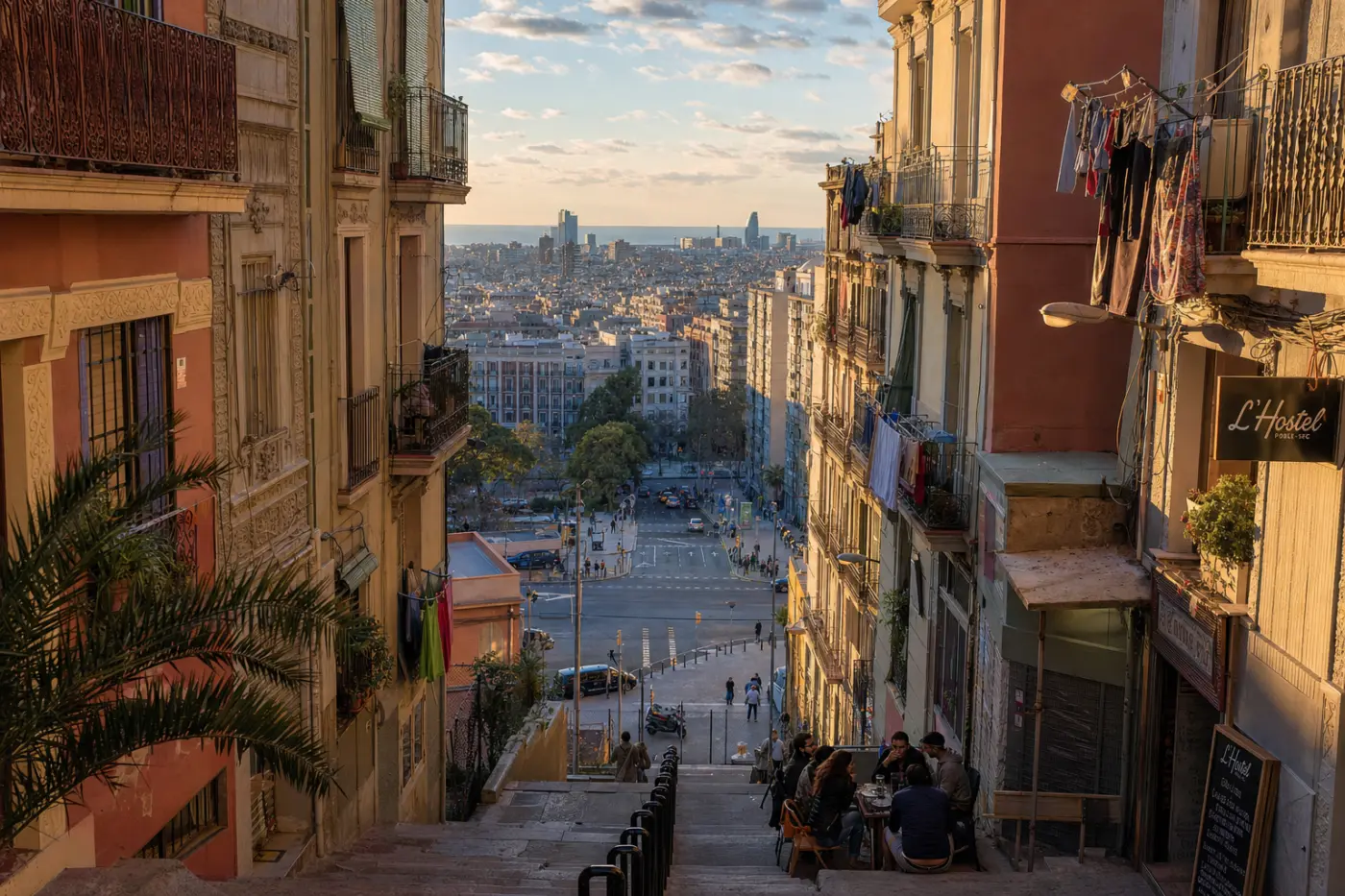
Tourist attraction
Poble Sec — literally "dry village" in Catalan, a name rooted in its historically scarce water supply — is a dense, hilly neighborhood wedged between the grand avenue of Paral·lel and the green flanks of Montjuïc, roughly two kilometers southwest of the Gothic Quarter. It was formally incorporated into Barcelona in 1897, when the city absorbed surrounding municipalities under the Annexation Law, and developed rapidly in the early 20th century as waves of workers arrived to staff the factories and theaters lining the Avinguda del Paral·lel. By the 1910s, Paral·lel had become Spain's answer to Paris's Moulin Rouge strip — a neon-lit boulevard of cabarets, music halls, and variety theaters that earned it the nickname "the Montmartre of Barcelona." The neighborhood's working-class identity was forged in that era and remained largely intact through the Franco dictatorship and into the democratic transition of the late 1970s.
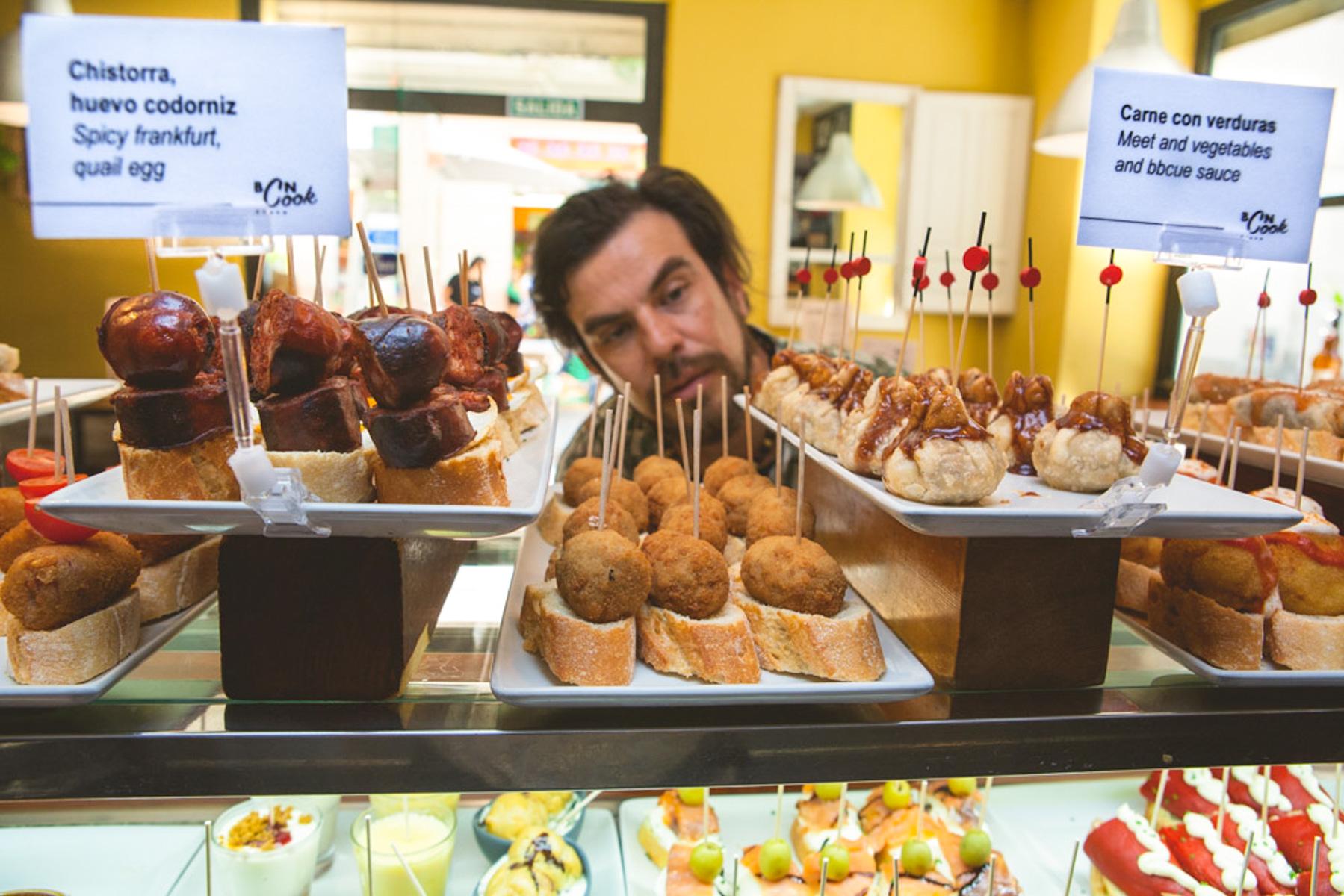
The neighborhood's most dramatic physical feature is the Refugi 307, a 400-meter network of Civil War air-raid tunnels dug by local residents between 1936 and 1937 beneath the streets of Poble Sec. It is one of the best-preserved shelters of its kind in Europe and can be visited on guided tours. Above ground, the hillside streets climb sharply from Carrer de Blai — the neighborhood's famous tapas-bar row, lined with pintxos bars that draw both locals and visitors — up toward the fortified castle and gardens of Montjuïc, accessible from the neighborhood via the Funicular de Montjuïc, which has operated in various forms since 1929. The Teatre Grec, an open-air amphitheater carved into a former quarry on the Montjuïc hillside in 1929 for the International Exhibition, sits just above the neighborhood and hosts the annual Grec Festival every summer.
Poble Sec underwent significant cultural regeneration in the 2000s and 2010s. The Sala Apolo, a concert venue inside a former 1940s dance hall at Carrer Nou de la Rambla 113, became one of Europe's most respected independent music clubs. The arts complex Hiroshima, the experimental theater La Seca, and numerous independent galleries have made the barrio a focal point of Barcelona's contemporary performing arts scene. The Parc de les Tres Xemeneies — named for the three surviving smokestacks of a demolished 1913 power station — anchors the neighborhood's waterfront edge near Paral·lel and stands as an industrial monument repurposed into green public space.
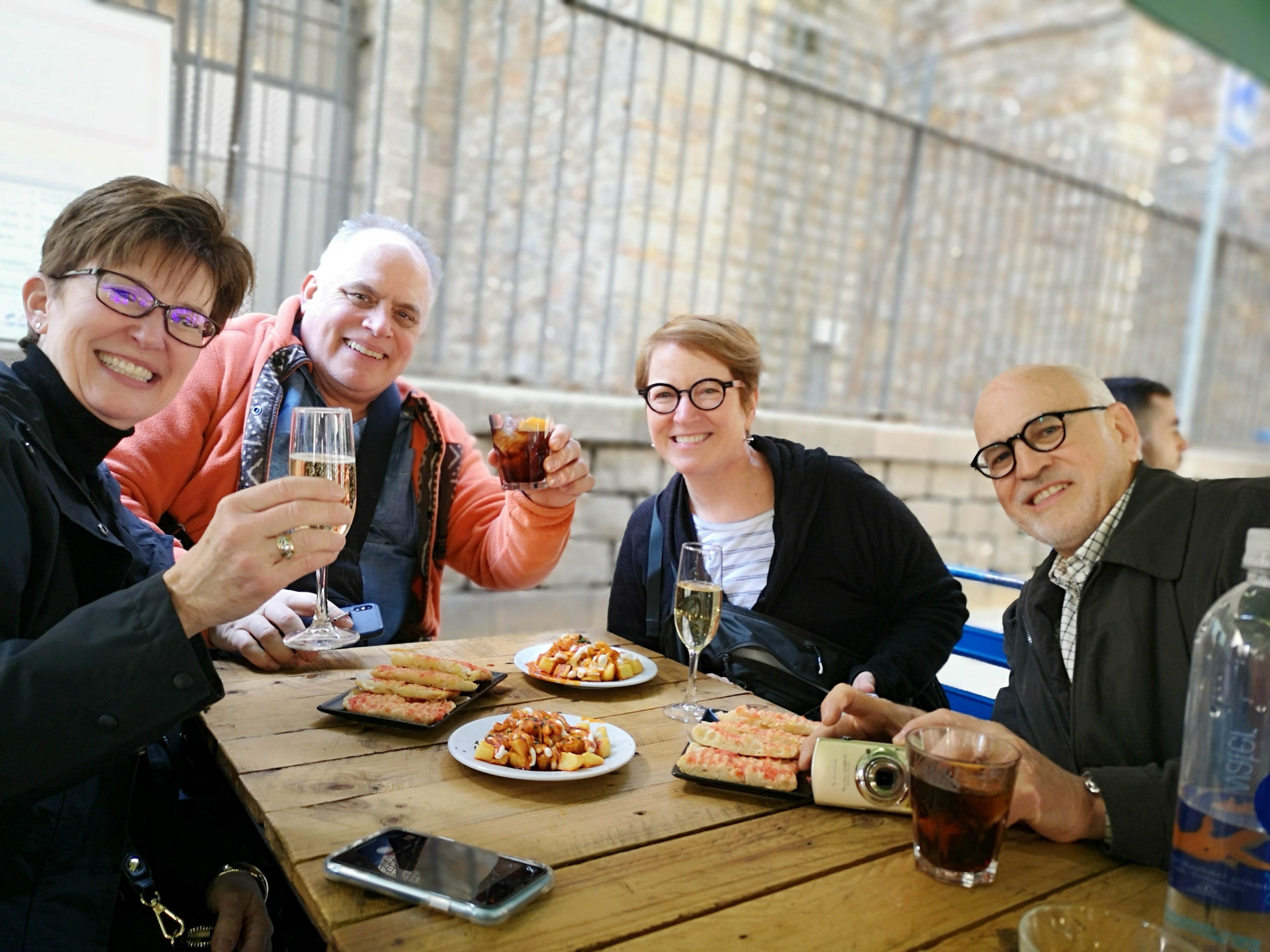
Visitors to Poble Sec are rewarded by a neighborhood that moves at a genuinely local rhythm. Carrer de Blai is at its liveliest from early evening onward, when residents and visitors pack the narrow street for pintxos and cold vermouth. The steep lanes above — Carrer de Margarit, Carrer del Roser, and Carrer de Tapioles — are lined with Eixample-era apartment blocks, independent bookshops, and neighbourhood bars that rarely appear in mainstream guidebooks. The best approach is on foot from the Paral·lel metro station (Lines 2 and 3), which deposits visitors directly at the base of the funicular and within two minutes' walk of Carrer de Blai.
Private tours with a local guide, at your own pace.
Barcelona
Barcelona
Barcelona
Barcelona
Barcelona
Barcelona
Barcelona
Barcelona
Barcelona
Barcelona
Barcelona
We use a single cookie, to remember this choice. We do not use analytics or advertising cookies. Read our cookie policy.