6 hrs
Barcelona
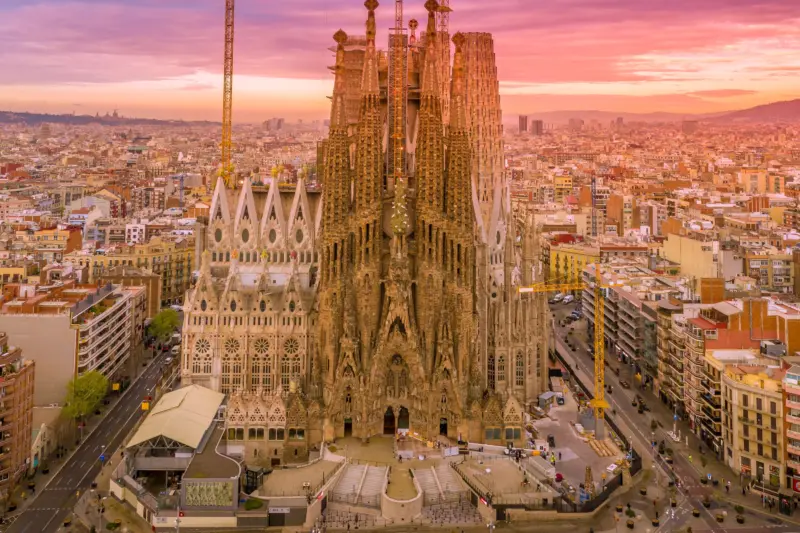
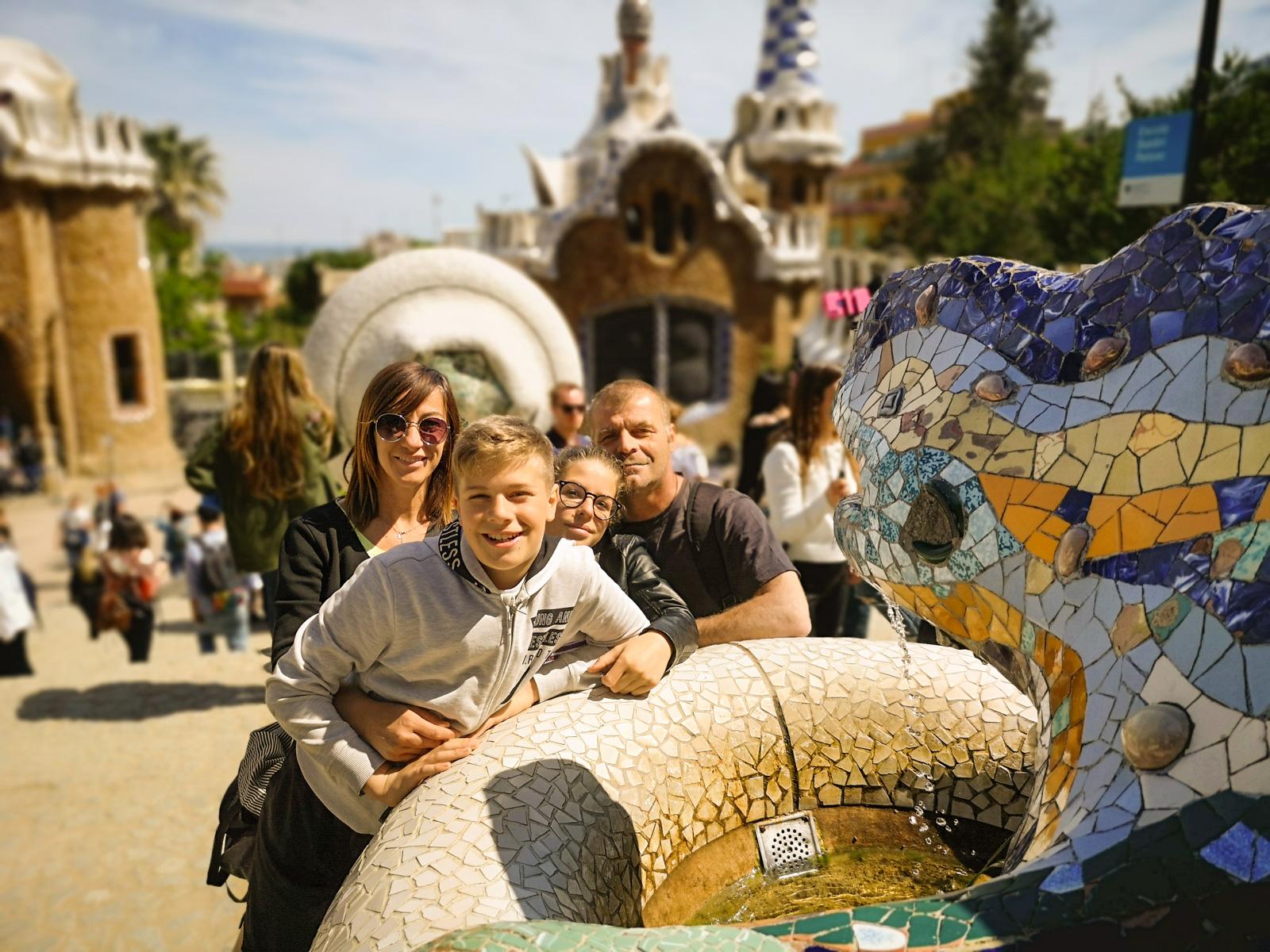
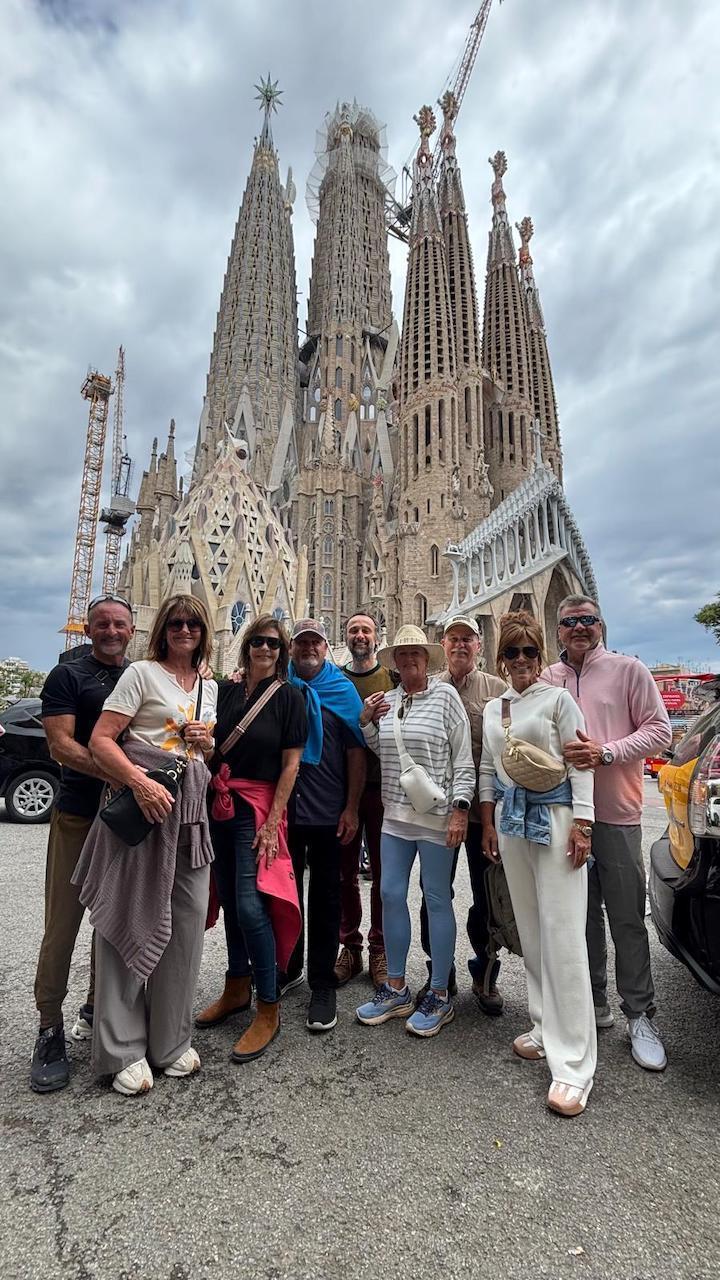
Barcelona: Sagrada Familia Private Tour, Park Guell & Tapas
✓ Free cancellation Kids friendly
4.8(956 reviews)
From €354/ person
Book Now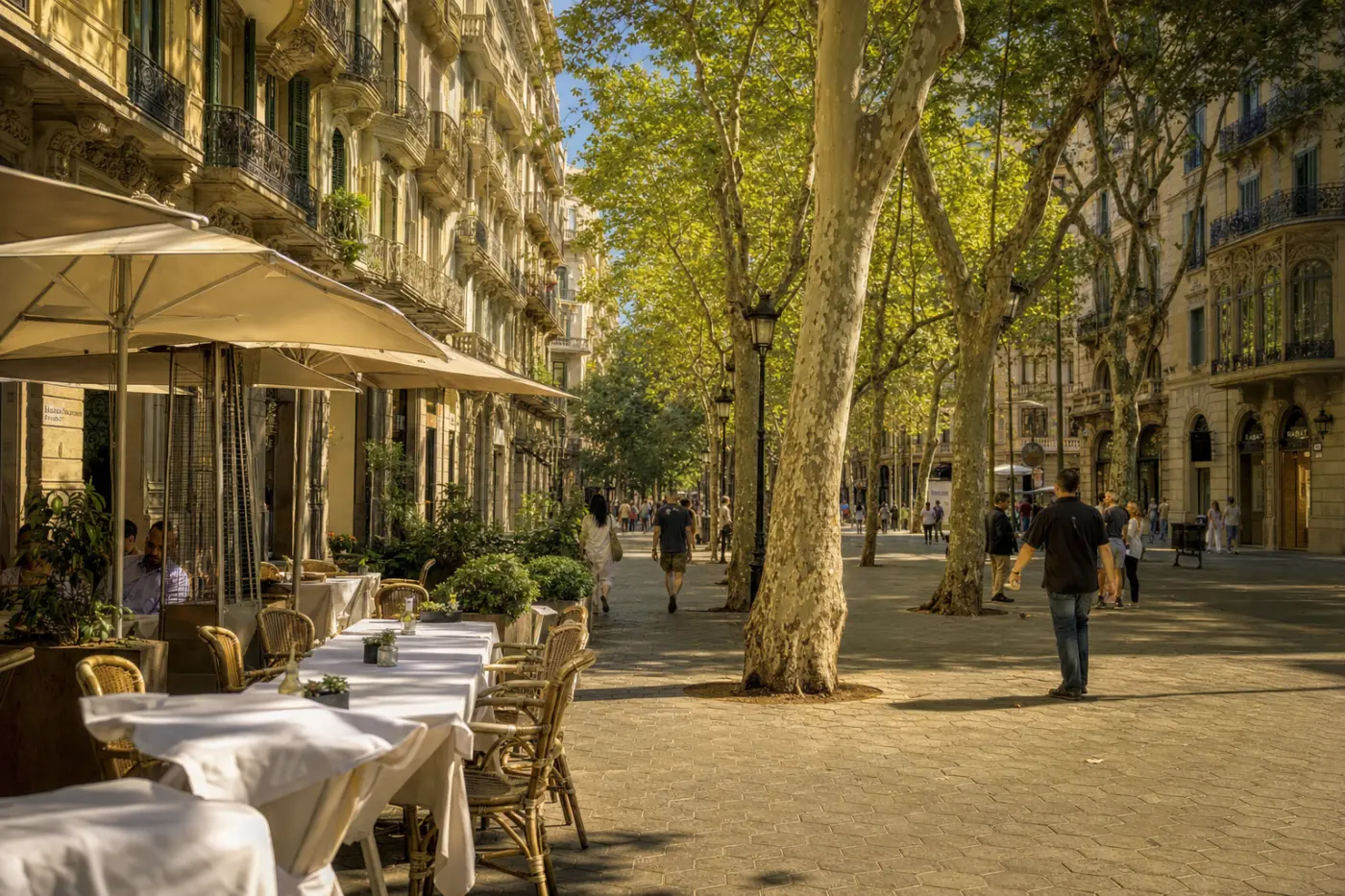
Tourist attraction
Rambla de Catalunya is a 1.3-kilometer tree-lined pedestrian boulevard running north from Plaça de Catalunya to Avinguda Diagonal through Barcelona's Eixample district. Unlike its more famous southern counterpart — the chaotic, tourist-dense La Rambla of the Ciutat Vella — this upper rambla occupies the central median of a wide Eixample street, flanked on both sides by moving traffic and overlooked by some of the finest Modernista and early 20th-century residential façades in the city. It was laid out as part of Ildefons Cerdà's revolutionary 1860 urban expansion plan, which imposed a strict grid of octagonal-cornered blocks on what had been open farmland beyond Barcelona's medieval walls. The boulevard became the social spine of the new bourgeois city, lined with café terraces, flower stalls, and the kind of unhurried street life that defined prosperous Barcelona at the turn of the century.
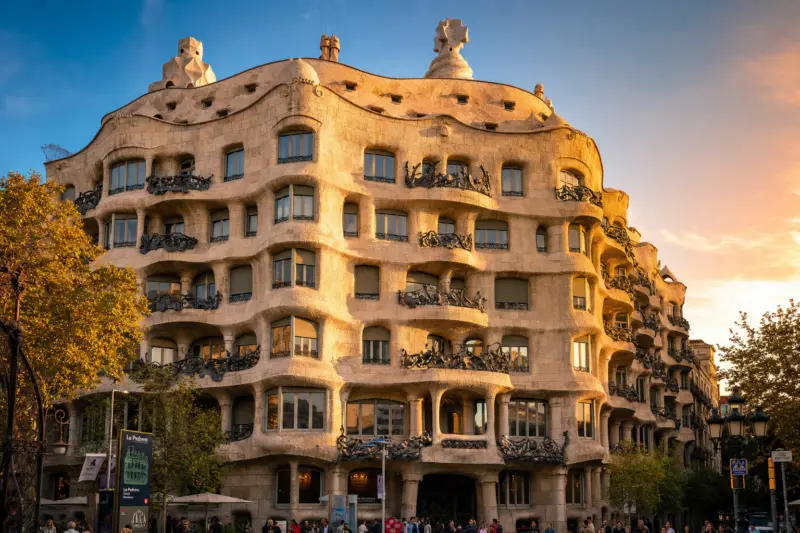
The architectural fabric along Rambla de Catalunya is extraordinarily dense in Modernisme, the Catalan variant of Art Nouveau that flourished between roughly 1888 and 1911. Among the most significant buildings is the Casa Lleó Morera at the corner of Carrer del Consell de Cent (No. 35 Passeig de Gràcia, one block east), designed by Lluís Domènech i Montaner in 1906, and several apartment buildings along the rambla itself decorated with elaborate stone carvings, ceramic ornamentation, and wrought-iron balconies. The Fundació Antoni Tàpies, housed in the former Editorial Montaner i Simón building (1880) designed by Domènech i Montaner on Carrer d'Aragó just off the boulevard, sits within easy walking distance and is considered one of Spain's foremost contemporary art institutions. The street also passes by the Palau del Baró de Quadras (1906, by Josep Puig i Cadafalch), a neo-Gothic Modernista mansion now housing the Institut Ramon Llull.
Walking the rambla today means strolling beneath a double canopy of plane trees whose roots have buckled the characteristic hexagonal Eixample paving tiles — the same tile pattern designed by Antoni Gaudí in 1900 for Passeig de Gràcia, later adopted throughout the district. The central pedestrian median is wide enough to comfortably accommodate the outdoor terraces of dozens of restaurants and cafés, most of them serving Catalan cuisine alongside a steady clientele of locals. Unlike La Rambla to the south, Rambla de Catalunya retains a predominantly residential character: pharmacy signs glow green above century-old shopfronts, and the pace of life is noticeably more measured. Weekend mornings see families, dog-walkers, and elderly residents occupying the benches between the terrace tables — a living illustration of Cerdà's original democratic vision for the Eixample's shared public spaces.
The boulevard is entirely free to walk and open at all hours, making it an ideal connector between Plaça de Catalunya and the upper Eixample. The nearest metro stops are Catalunya (Lines 1 and 3) at the southern end and Diagonal (Lines 3 and 5) at the northern terminus. The street is best experienced in the evening from around 7 p.m. onward, when locals take their passeig — the traditional Catalan evening stroll — and the café terraces fill up. Avoid the central terrace restaurants for meals if budget is a concern; several excellent, less-touristed restaurants can be found on the cross streets of Carrer de Provença and Carrer de Valencia within half a block of the promenade.
Private tours with a local guide, at your own pace.
Barcelona
Barcelona
Barcelona
Barcelona
Barcelona
Barcelona
Barcelona
Barcelona
Barcelona
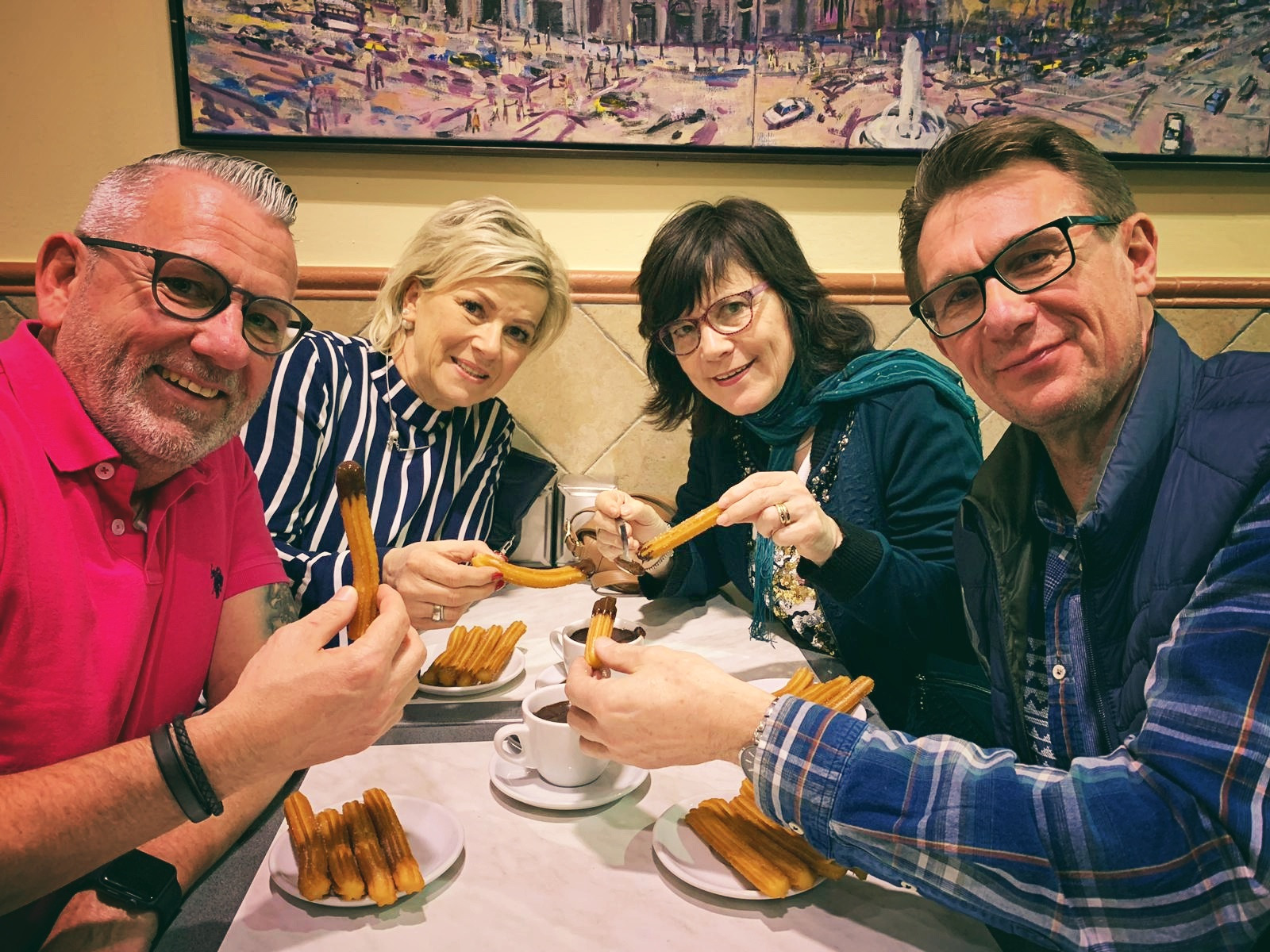
Barcelona
We use a single cookie, to remember this choice. We do not use analytics or advertising cookies. Read our cookie policy.