3 hrs
Brussels
Brussels Private Bike Tour: Highlights, Parks & Drinks
✓ Free cancellation
5.0(10 reviews)
From €232/ person
Book Now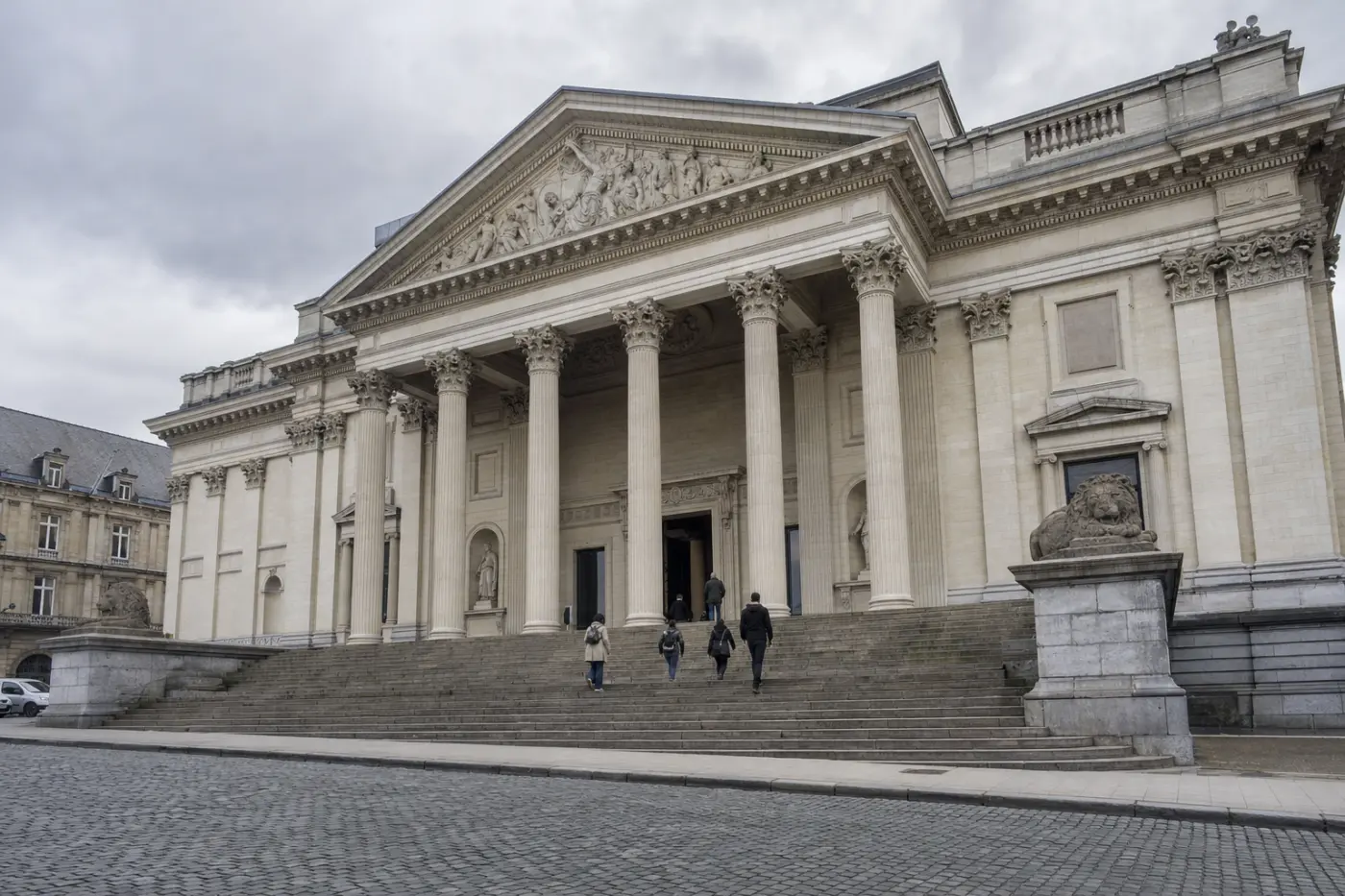
Tourist attraction
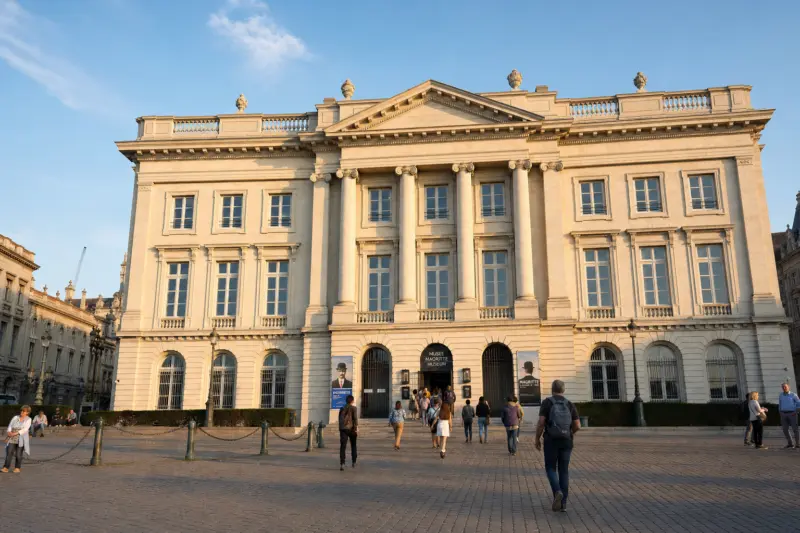
The Royal Museums of Fine Arts of Belgium (Musées Royaux des Beaux-Arts de Belgique) form one of the largest and most significant art museum complexes in Europe, housing a permanent collection of over 20,000 works spanning the 15th to the 21st century. Located at Rue de la Régence 3 in central Brussels, the complex comprises six distinct institutions: the Old Masters Museum, the Magritte Museum, the Fin-de-Siècle Museum, the Modern and Contemporary Art Museum (selection), and the studios of painters Antoine Wiertz and Constantin Meunier. Together, they trace an unbroken arc of Belgian and European visual culture from the Flemish Primitives through Surrealism and beyond.
The origins of the collection date to 1797, when French Revolutionary authorities seized artworks from churches and aristocratic estates across the Austrian Netherlands and deposited them in Brussels. Napoleon's government formally established a public museum here in 1801. The current neoclassical main building, designed by Alphonse Balat — who also designed the Royal Greenhouses of Laeken — was inaugurated in 1887 under the patronage of King Leopold II. Its grand colonnaded facade and top-lit galleries were purpose-built to display the Old Masters collection, which remains the museum's historical core. A subterranean extension connecting the complex to the Magritte Museum was added in the 20th century, and the Fin-de-Siècle Museum opened in 2013 in a dedicated underground space, showcasing the remarkable artistic explosion that took place in Belgium between 1868 and 1914.
The breadth of the permanent collection is extraordinary. The Old Masters Museum preserves landmark works by Rogier van der Weyden, Hans Memling, and Pieter Bruegel the Elder — including his famous The Fall of the Rebel Angels (1562) — alongside major canvases by Peter Paul Rubens, Anthony van Dyck, and Jacob Jordaens. The Magritte Museum, opened in 2009 across three floors of the adjacent Hotel Altenloh, holds the world's largest collection of works by René Magritte, with over 230 paintings, drawings, gouaches, and sculptures tracing the Surrealist master's career from his early commercial work to iconic images such as The Treachery of Images. The Fin-de-Siècle Museum spotlights the Belgian Symbolist and Art Nouveau movements, featuring Fernand Khnopff, Félicien Rops, and James Ensor alongside international figures including Auguste Rodin and Paul Gauguin.
Visitors should plan for at least half a day to do justice to even a single sub-museum; a full day is recommended for those wishing to move through multiple collections. The museum complex is a five-minute walk from the Place Royale tram stop and sits adjacent to the Coudenberg archaeological site and the BELvue Museum, making the surrounding block one of the densest cultural zones in the Belgian capital. Combination tickets are available for multiple sub-museums, and the Brussels Card grants free entry. Audio guides are offered in multiple languages, and the museums regularly host temporary exhibitions that draw major loans from international institutions.
Private tours with a local guide, at your own pace.
Brussels
Brussels
Brussels
Brussels
Brussels
Brussels
Brussels
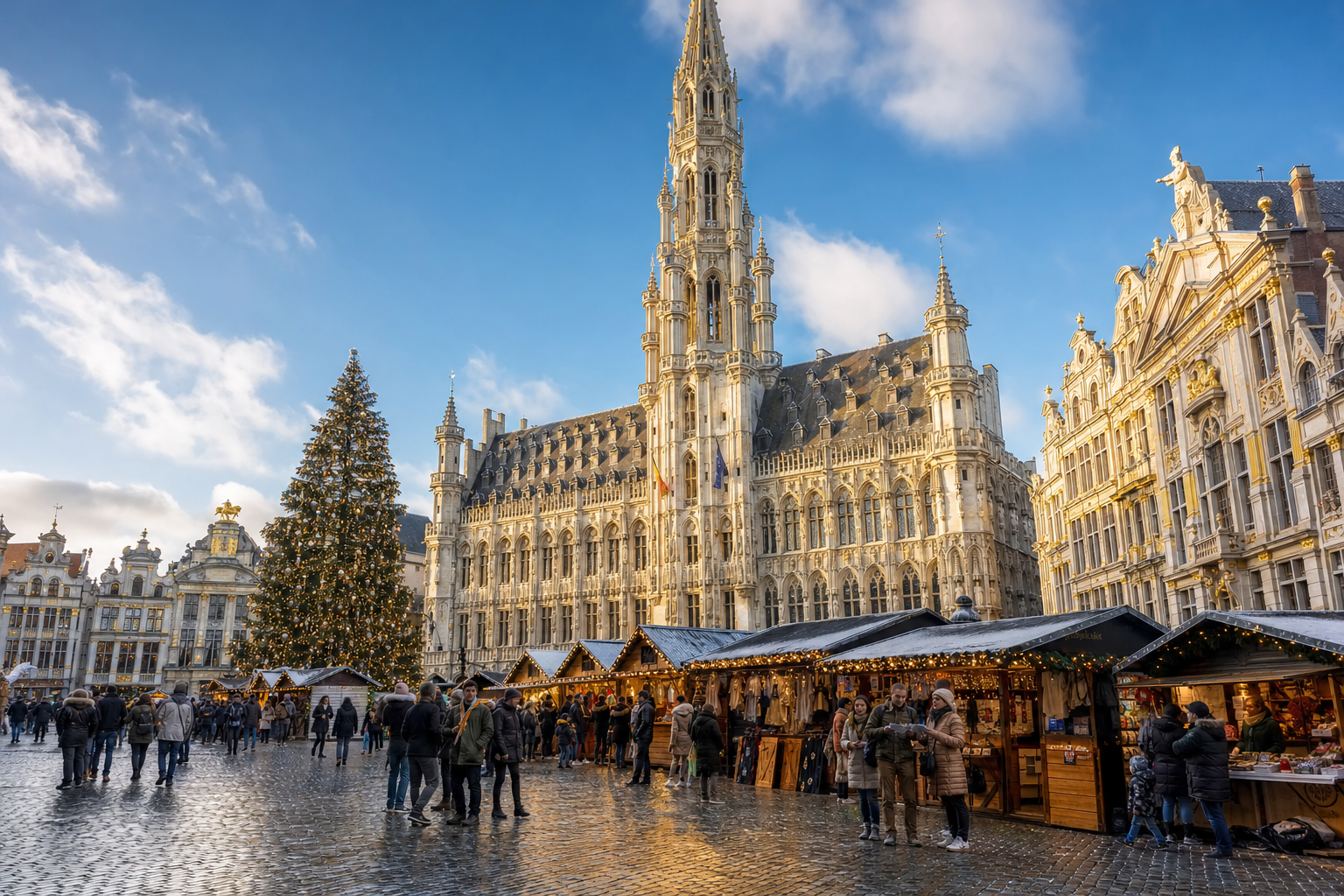
Every year, Brussels does something that most European cities can only approximate: it turns its entire historic centre into a Christmas festival so large and so layered that first-time visitors routinely underestimate it. Winter Wonders 2026 runs from Friday 27 November to Sunday 3 January 2027 — 38 consecutive days across six interconnected zones, from the UNESCO-listed Grand-Place to the medieval fish market streets of Sainte-Catherine. The event is free to enter, open daily from noon to 10 PM (closing at 6 PM on Christmas Eve and New Year's Eve), and set against some of the most architecturally dense streetscapes in northern Europe. This guide covers everything that most Christmas market round-ups skip: the real geography of the event, which zones are worth your time, where locals actually eat and drink, and how a private guided tour can turn a pleasant evening stroll into a genuinely memorable Brussels experience.
Read more →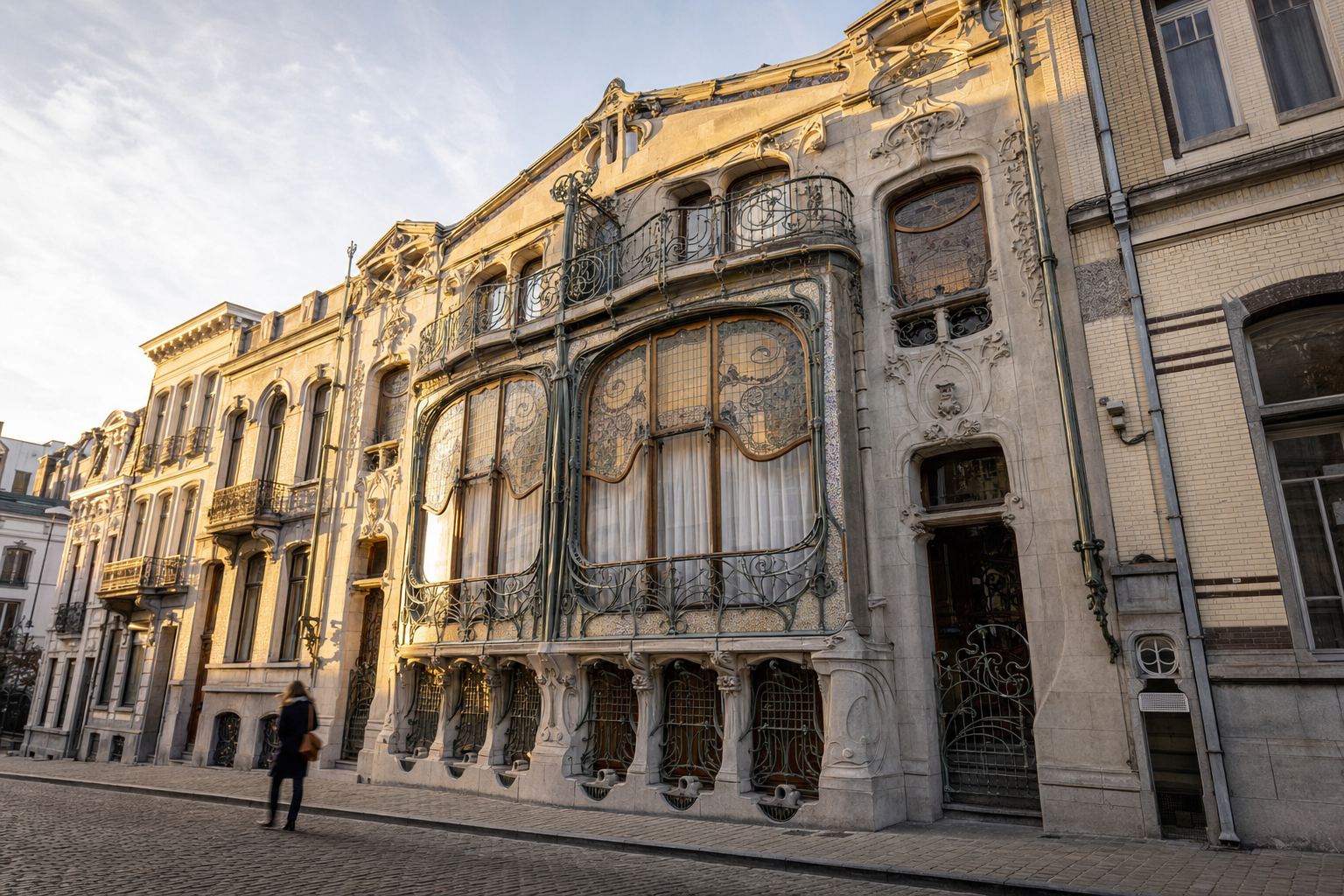
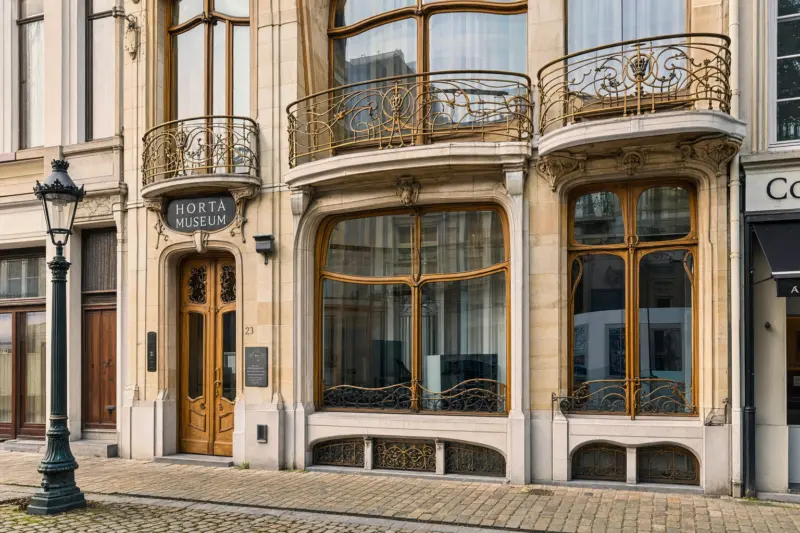
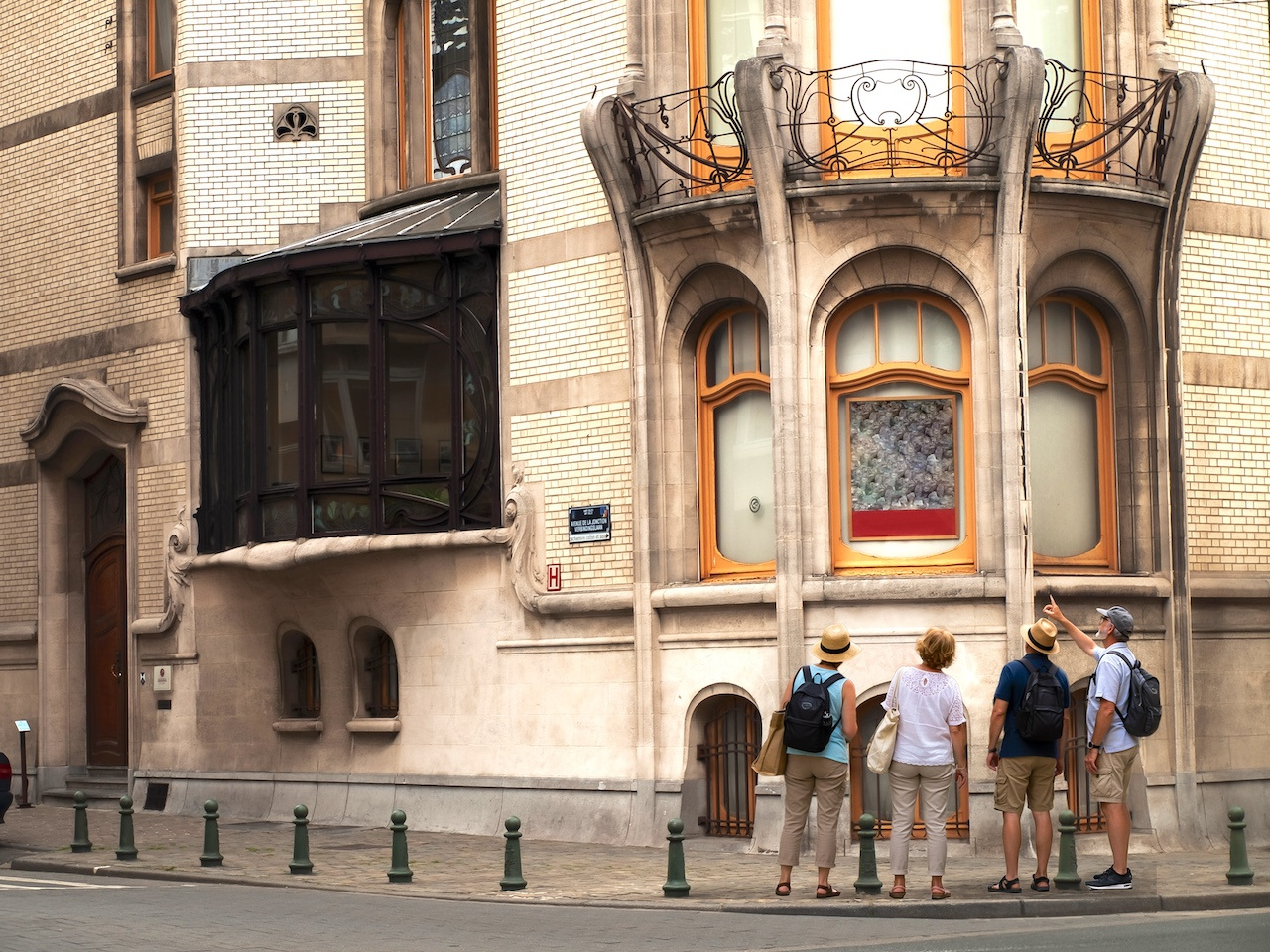
In 1893, on a quiet street in the Ixelles neighbourhood of Brussels, an architect named Victor Horta completed a private townhouse for lawyer Émile Tassel — and, without entirely realising it, broke the history of architecture in two. The Hôtel Tassel at Rue Paul-Émile Janson 6 is now widely recognised as the world's first true Art Nouveau building: a structure where sinuous ironwork, mosaic floors, and organic ornamentation replaced centuries of neo-classical rigidity in one audacious stroke. What followed over the next two decades was an explosion of creative energy concentrated in a single European capital. Today, Brussels holds more Art Nouveau buildings per square kilometre than any other city on earth — a density that earned four of its finest examples a UNESCO World Heritage inscription in 2000. This is not a city that merely hosted a movement. Brussels invented it, refined it, and, after a painful episode of 1960s demolition, now fights fiercely to preserve what remains.
Read more →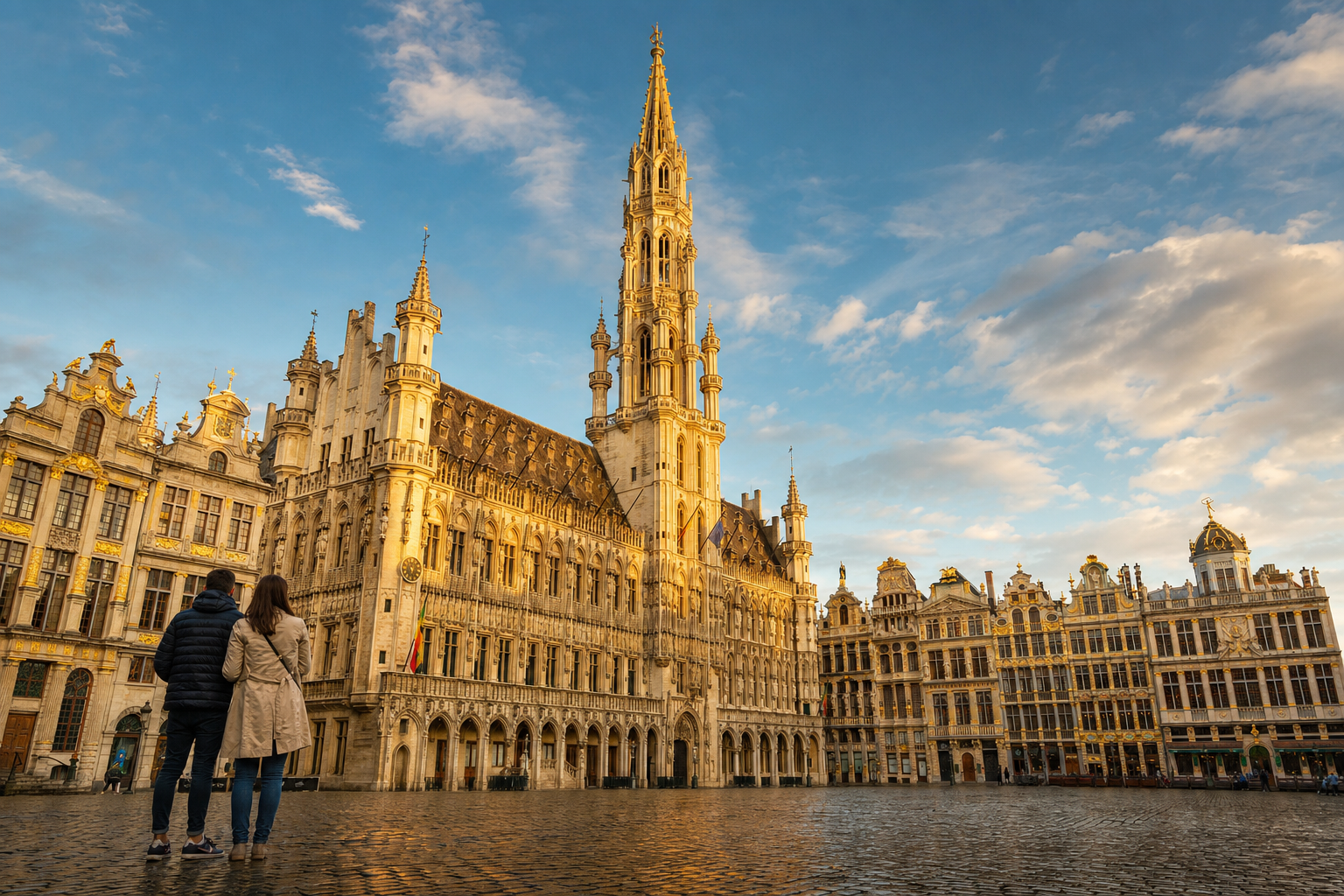
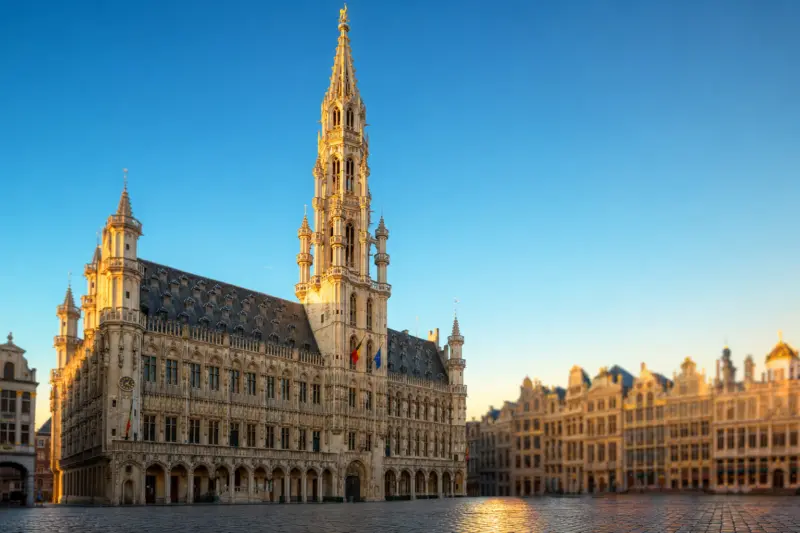
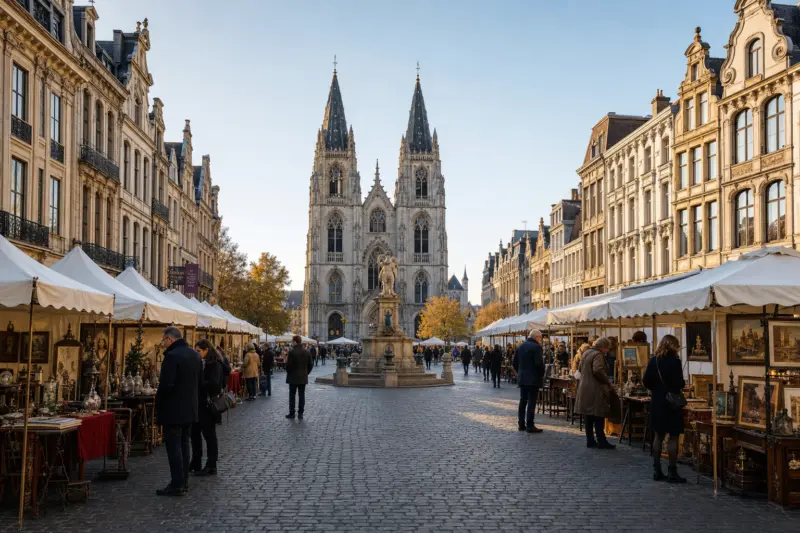
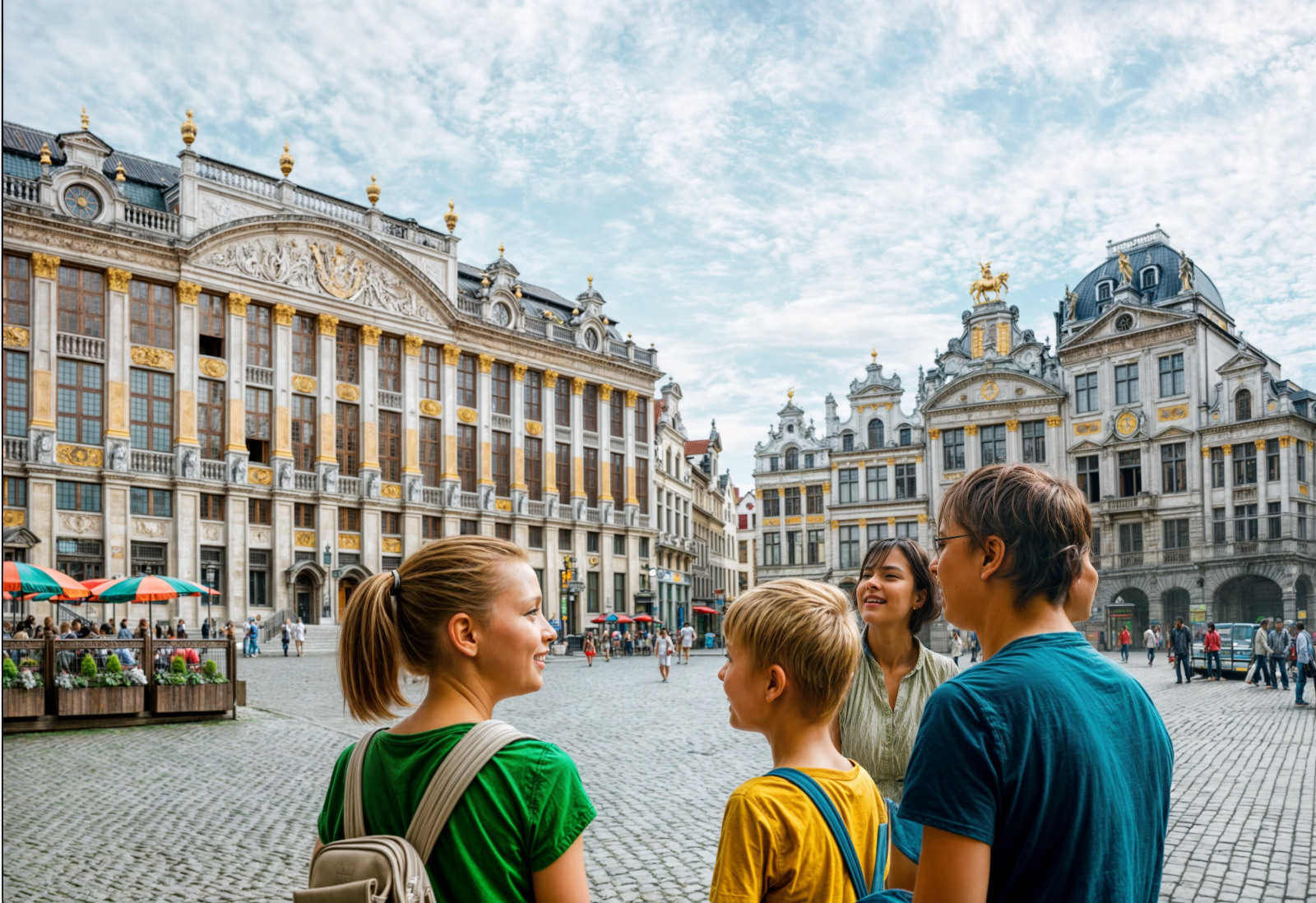
In August 1695, French Marshal de Villeroy trained his cannons on Brussels for three straight days on Louis XIV's orders, reducing the Grand Place's timber guild houses to ash. Within four years, the guilds had rebuilt everything — in ornate Baroque stone. That act of defiant reinvention tells you almost everything you need to know about Brussels. This is a city that has been underestimated, bulldozed, bureaucratised, and caricatured for centuries, yet it keeps reasserting its own dazzling identity. It is simultaneously a 900-year-old medieval capital, the administrative nerve centre of the European Union, a laboratory of Art Nouveau architecture, and a place whose most cherished civic symbol is a 61-centimetre bronze boy relieving himself into a fountain. A Brussels private tour doesn't just show you these layers — it helps you understand why they exist side by side, and why that contradiction is precisely what makes this city one of Europe's most rewarding destinations to explore slowly, curiously, and with someone who genuinely knows its streets.
Read more →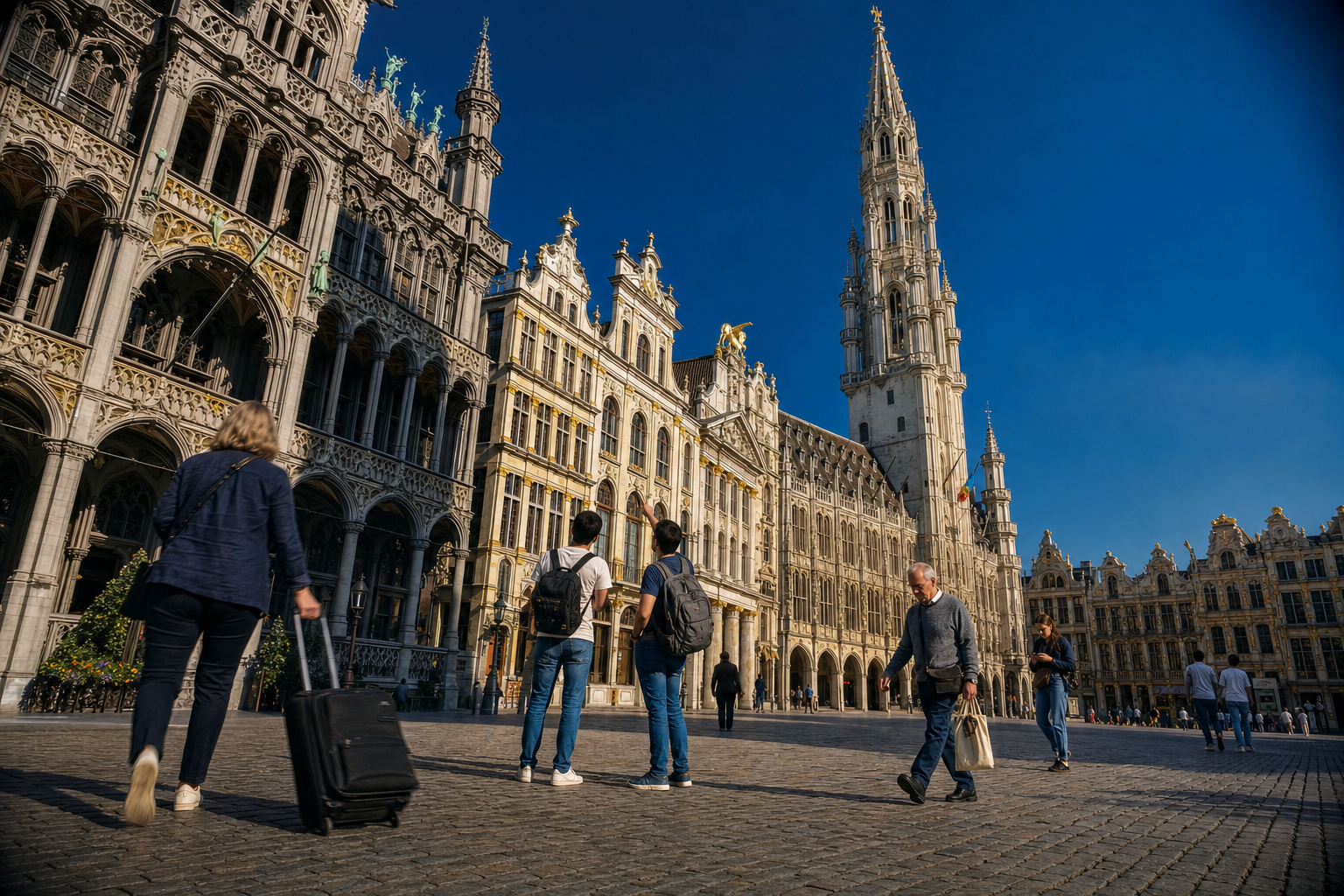
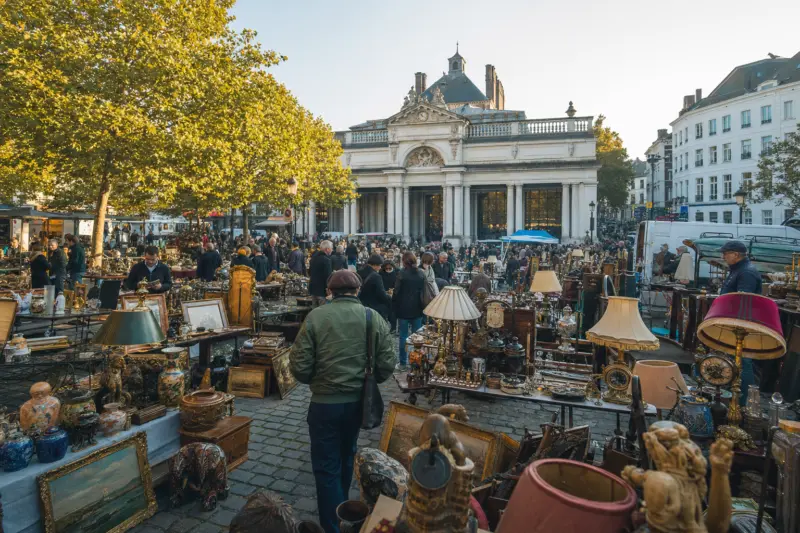
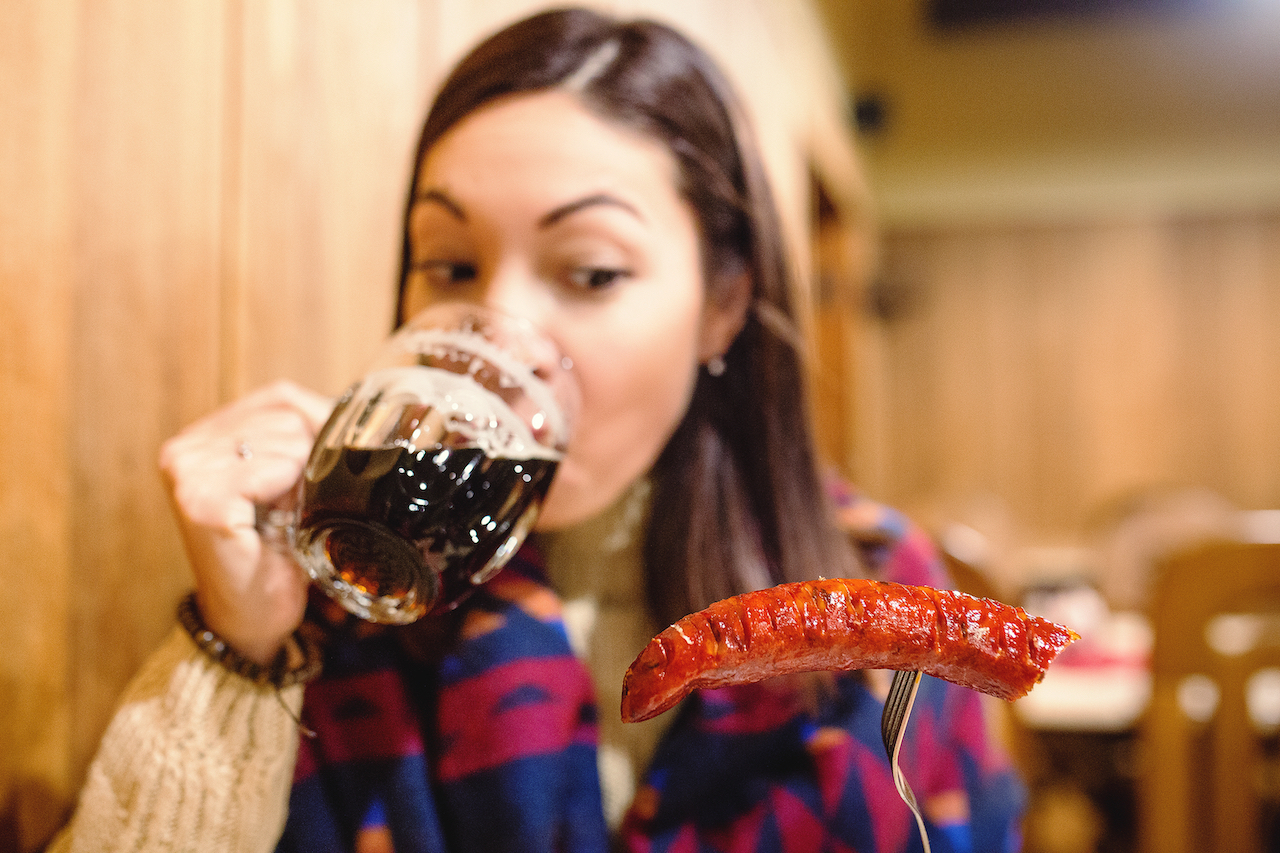
In 1958, Brussels built a full-scale replica of a crystal atom magnified 165 billion times and placed it on the edge of the city. Today, you can walk beneath it for free. That kind of magnificent, slightly absurd generosity runs deep in Brussels — a city that contains more Art Nouveau buildings per square kilometre than anywhere else on earth, hosts one of Europe's grandest medieval squares, and ferments some of the world's most complex beers, yet somehow manages to offer travellers an extraordinary wealth of experiences that cost absolutely nothing. Brussels is the de facto capital of the European Union, home to NATO headquarters, and a city of 1.2 million people spread across 19 municipalities — yet it punches far above its weight in free cultural offerings. Whether you're wandering the cobblestoned lanes of the Marolles neighbourhood, standing slack-jawed before Victor Horta's iron-and-glass facades, or grazing an open-air antiques market for a few misty morning hours, Brussels rewards the curious traveller who knows where to look. Here is your definitive guide to the free things to do in Brussels.
Read more →We use a single cookie, to remember this choice. We do not use analytics or advertising cookies. Read our cookie policy.