2.5 hrs
Brussels
Brussels Private Food Tour: Waffles, Fries, Beer & Local History
✓ Free cancellation Kids friendly
4.5(20 reviews)
From €206/ person
Book NowTourist attraction
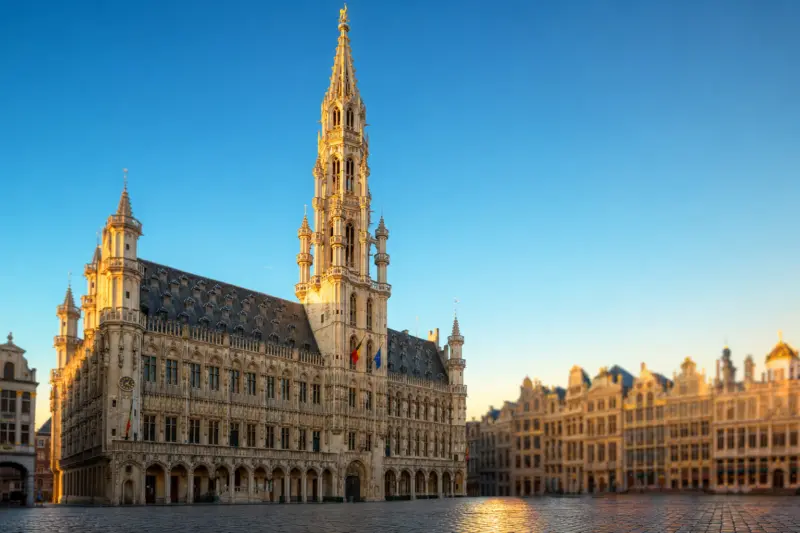
Rue des Bouchers — or Beenhouwersstraat in Dutch — is a narrow, cobblestoned pedestrian street tucked just a few steps northeast of the Grand-Place in central Brussels. Its name, meaning "Street of the Butchers," dates to the Middle Ages, when the city's guild of butchers operated their stalls along this corridor, a common practice in medieval European cities where trades were clustered by street. By the 17th century, as Brussels grew into one of the Spanish Netherlands' most prosperous capitals, the street had already evolved from a meat-trading lane into a broader food and hospitality hub, a transition that has never reversed itself.
Today, Rue des Bouchers is one of the most densely restaurant-lined streets in all of Belgium, stretching roughly 200 metres and flanked almost entirely by eateries at every step. The street is particularly celebrated for its theatrical seafood presentations: wooden crates and tiered ice displays overflow with Zeeland oysters, live lobsters, North Sea shrimp, and vast pots of moules-frites — mussels served with crispy Belgian fries — spilling out onto the narrow pavement. Many restaurants here have operated for decades under the same family ownership, and the facades, decorated with hand-painted signs, hanging lanterns, and colourful awnings, give the street a festive, almost theatrical character that intensifies after dark when the lights reflect off the wet cobblestones.
The street also sits within the Îlot Sacré (Sacred Island) district, a protected heritage zone designated by the Brussels Capital Region to preserve the medieval street plan around the Grand-Place. This protection has kept Rue des Bouchers free from the large-scale redevelopment that altered much of central Brussels during the 20th century — a phenomenon Belgians bluntly call "Bruxellisation," the destruction of historic urban fabric through speculative construction. Walking Rue des Bouchers today, visitors move through a street grid that has remained essentially unchanged since the 13th century.
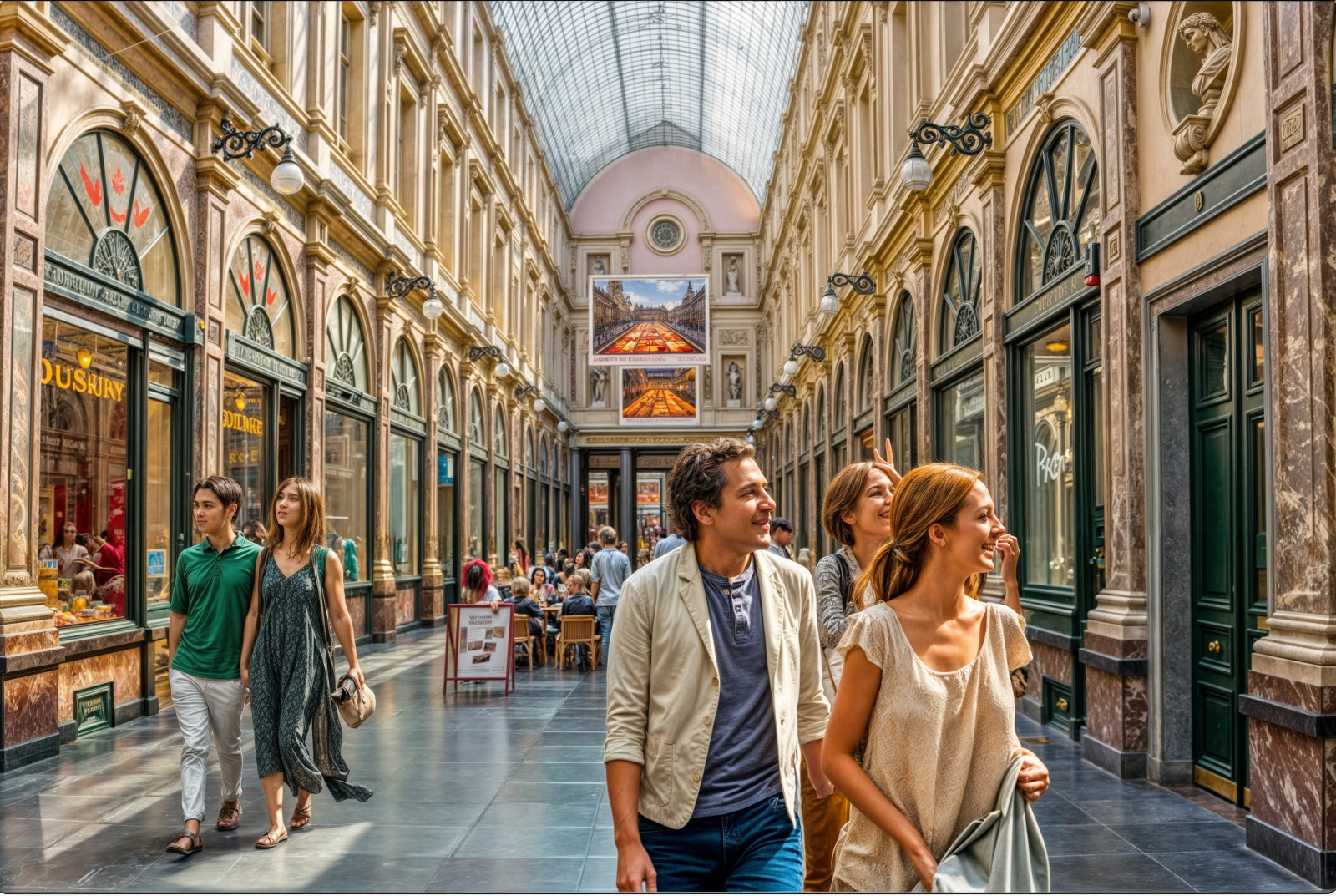
The street is entirely pedestrianized and most active from late afternoon through midnight. It connects at its southern end to the Galeries Royales Saint-Hubert, the magnificent 1847 iron-and-glass shopping arcade, making it natural to combine both in a single evening stroll. Visitors should be aware that many establishments are overtly tourist-facing and prices reflect the location; locals often recommend scouting menus posted outside before sitting down, and reservations on weekends are strongly advised at the more established restaurants.
Private tours with a local guide, at your own pace.
Brussels
Brussels
Brussels
Brussels
Brussels
Brussels
Brussels