6 hrs
Lisboa
Lisbon Private Full-day Tour - History, Culture, Local Life & Gastro Experience
✓ Free cancellation Kids friendly
5.0(27 reviews)
From €219/ person
Book Now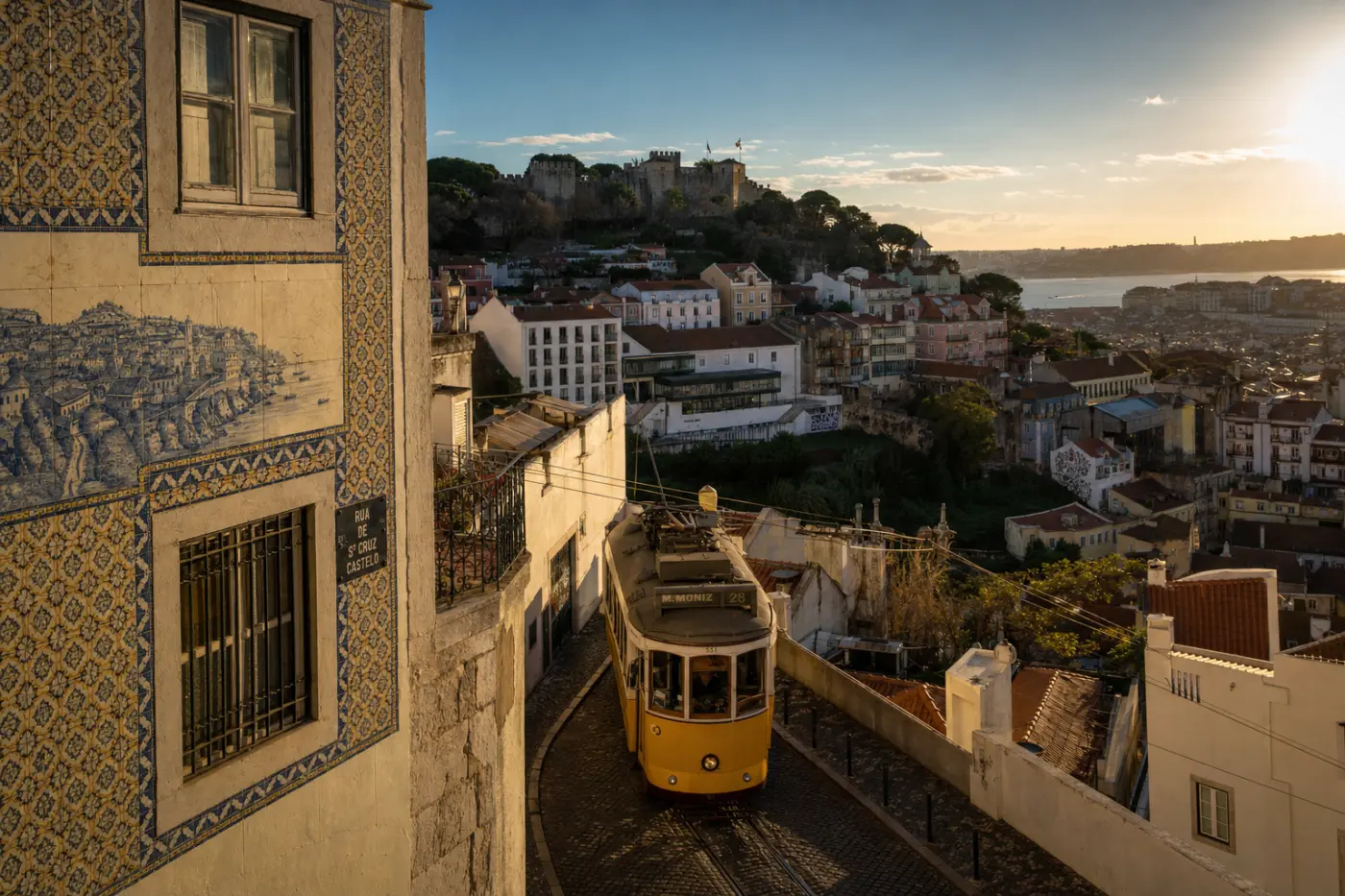
Tourist attraction
Alfama is Lisbon's oldest continuously inhabited district, stretching across a steep hillside between Castelo de São Jorge and the Tagus River. Its name derives from the Arabic Al-hamma, meaning "hot springs," a reference to the thermal baths the Moors developed here after establishing control of Lisbon in the 8th century. When the Moors arrived around 714 AD, they found a city the Romans had called Felicitas Julia, and Alfama's slope already bore Roman and Visigothic foundations beneath it. The Moorish urban fabric — narrow lanes designed to channel shade, trap cool air, and resist military advance — survived largely intact, making Alfama one of the few pre-Islamic European neighborhoods where that logic is still readable underfoot. After Afonso Henriques retook Lisbon from the Moors in 1147, the district became home to fishermen, dockworkers, and later a significant Jewish community whose Judaria occupied its lower streets. Traces of that quarter — sealed doorways, fragmentary inscriptions, compressed plot widths — are still visible to careful walkers.
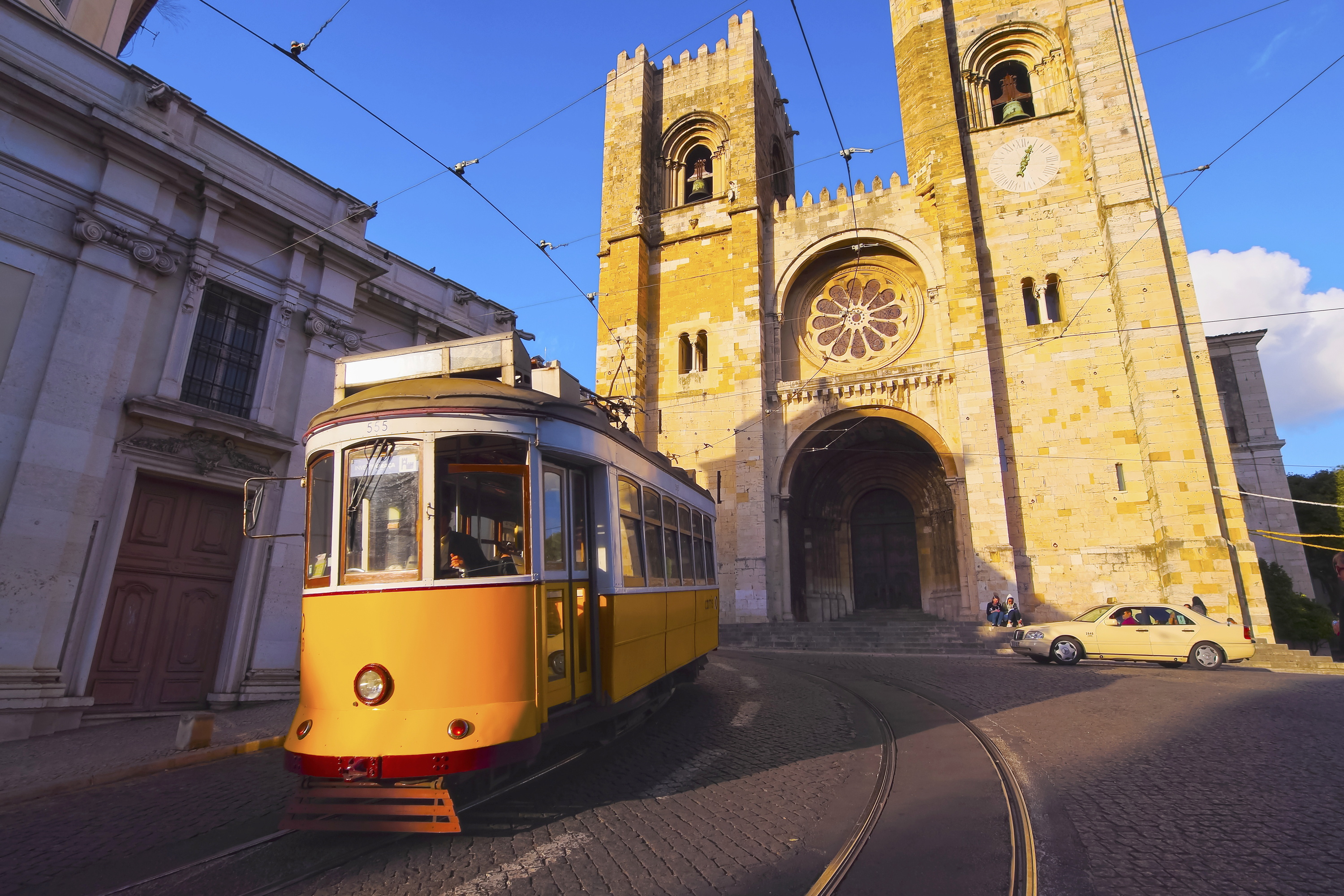
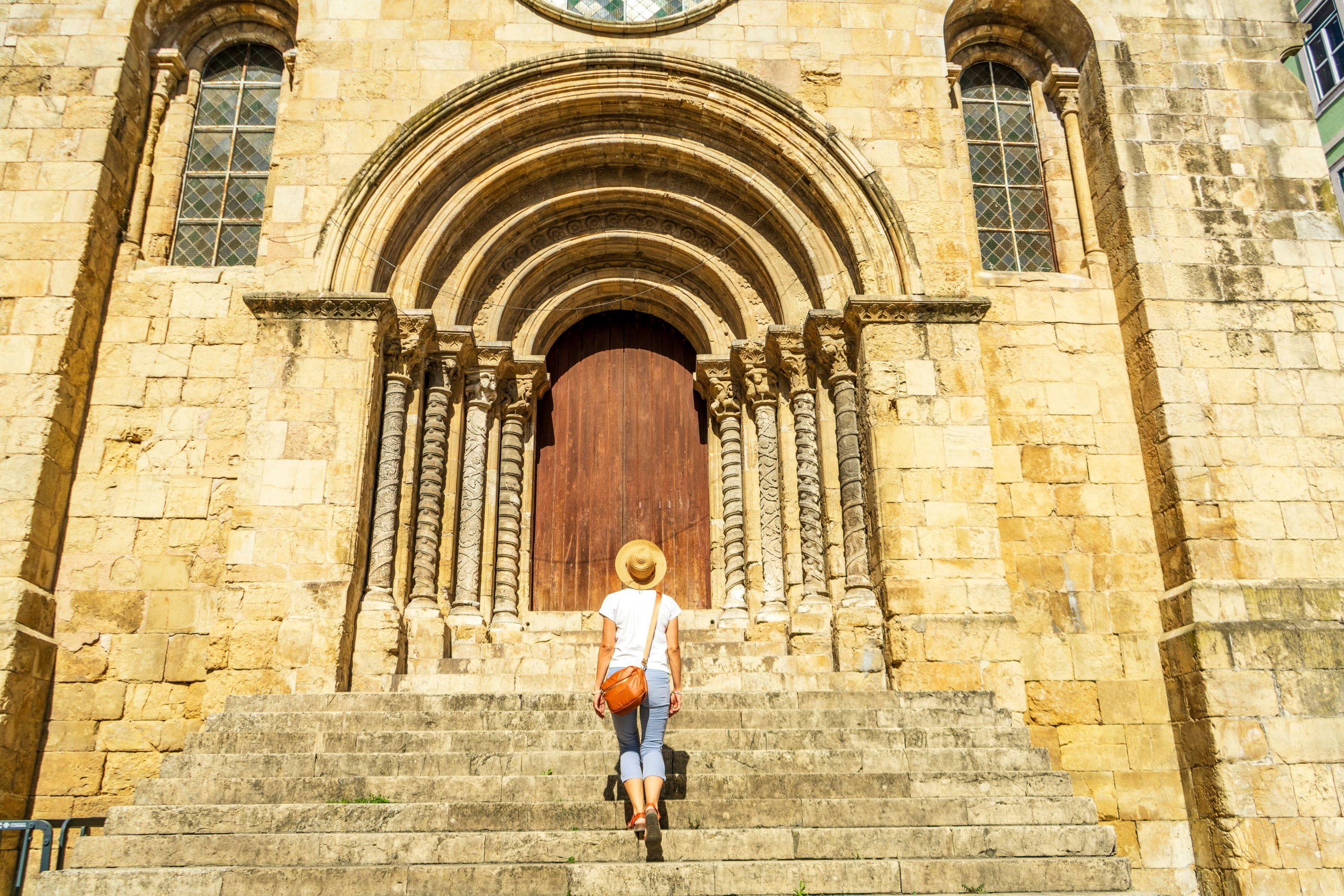
Alfama's greatest historical accident of preservation came on November 1, 1755, when the earthquake that destroyed approximately 85% of Lisbon left the hillside district largely standing. Because Alfama sits on bedrock rather than the alluvial riverside soil that amplified seismic shock elsewhere, its dense stone structures absorbed the tremors without the catastrophic collapse seen in Baixa. This geological fortune means that Alfama today is the only major part of Lisbon that retains its pre-Enlightenment street pattern — an irregular, medieval labyrinth untouched by the Marquis de Pombal's grid reconstruction. The Sé de Lisboa, the city's Romanesque cathedral begun in 1147 on the site of the main mosque, and the Igreja de Santo António, built in 1767 over the birthplace of Lisbon's patron saint Anthony (born here in 1195), anchor the district's lower edge. Fado, the UNESCO-recognized musical genre of melancholic longing, is inseparable from Alfama — the music took root in the district's taverns and courtyards in the early 19th century and is still performed in intimate casas de fado tucked into its alleys.
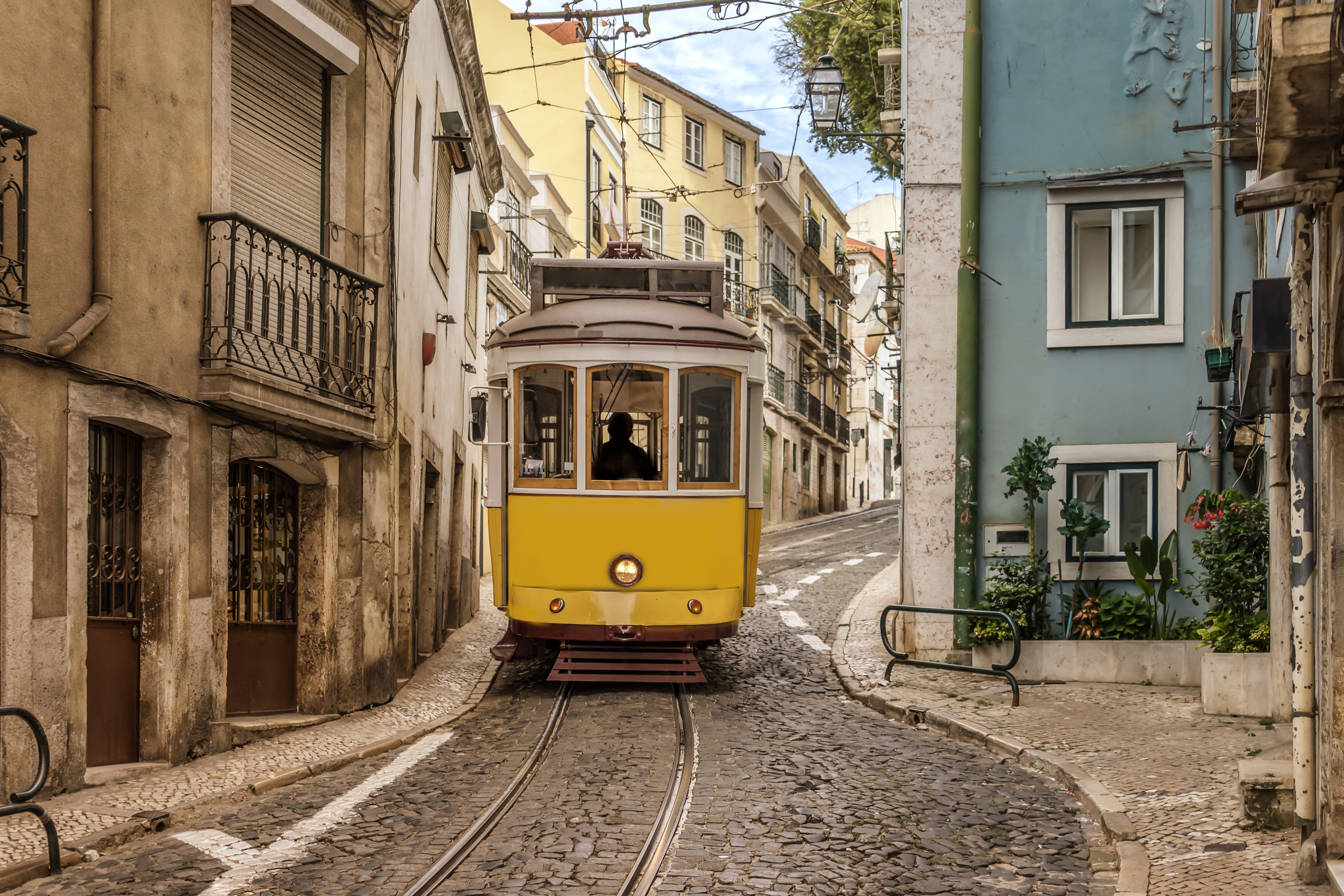
Visitors approaching on foot encounter the district most dramatically by descending from Castelo de São Jorge through Rua do Chão da Feira, then winding downhill past tiled stairways, laundry-strung becos, and sudden open miradouros. The Miradouro de Santa Luzia and Miradouro das Portas do Sol both offer framed views across terracotta rooftops to the Tagus, ornamented with large azulejo panel murals depicting pre-earthquake Lisbon. The Museu do Fado on Largo do Chafariz de Dentro traces the music's origins from early 19th-century maritime culture through its 2011 inscription on the UNESCO Intangible Cultural Heritage list. Tram 28, the iconic yellow electrico that rattles through Alfama's narrowest grades, connects the district to Graça and Martim Moniz — though the route now draws as many photographers as commuters.
Alfama rewards slow, undirected walking more than any itinerary. The steepest streets are cobblestoned and uneven — wear flat, grippy shoes. Mornings before 10am offer the neighborhood at its most residential: elderly residents at doorways, cats on windowsills, the smell of bread from local padarias. The June Festas dos Santos Populares (particularly the Festa de Santo António on June 12–13) transform the district's alleys into lit corridors of grilled sardines, paper garlands, and street dancing, drawing both locals and visitors into one of Lisbon's most genuinely communal annual events. For fado, seek smaller houses over tourist-facing venues — spots on and around Rua do Capelão and Travessa da Água da Flor maintain the intimate scale the music was written for.
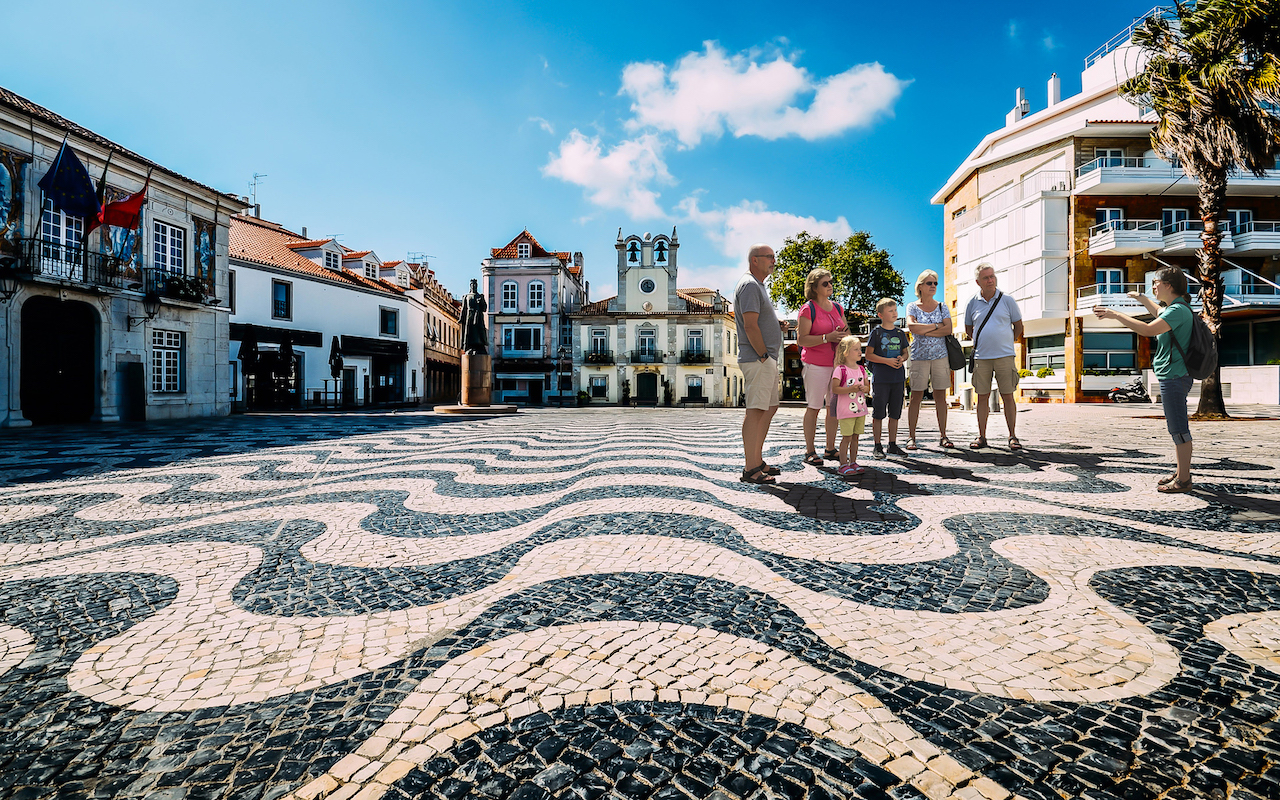
Private tours with a local guide, at your own pace.
Lisboa
Lisboa

Lisboa
Lisboa

Lisboa

Lisboa
Lisboa
Lisboa
Lisboa
We use a single cookie, to remember this choice. We do not use analytics or advertising cookies. Read our cookie policy.