3 hrs
Barcelona
Alternative Barcelona - Raval Quarter Private Walking Tour
✓ Free cancellation Kids friendly
4.2(86 reviews)
From €122/ person
Book Now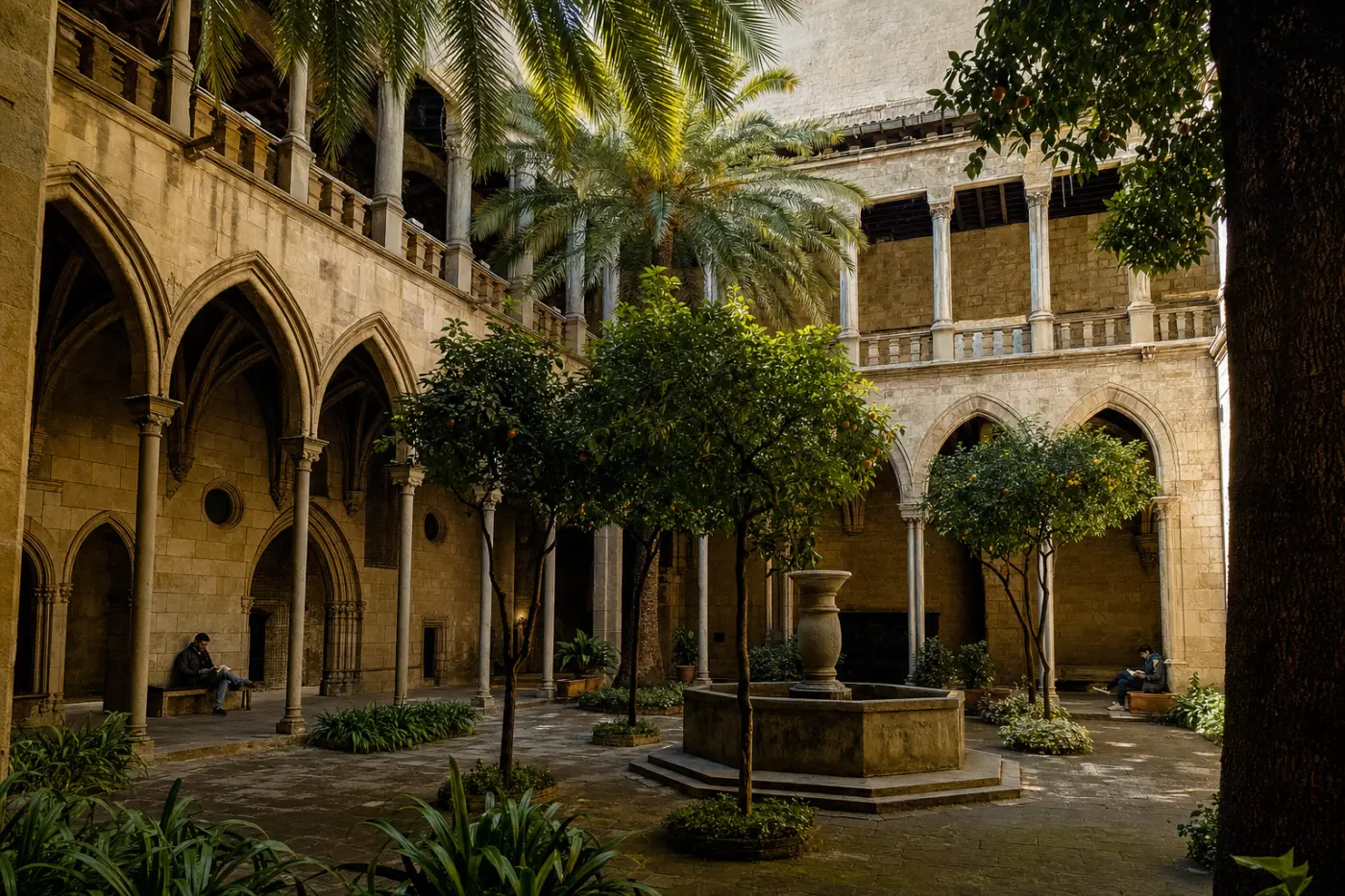
Tourist attraction
The Antic Hospital de la Santa Creu, tucked behind the bustling Ramblas on Carrer de l'Hospital in Barcelona's El Raval neighbourhood, is one of the most significant Gothic ensembles in the Iberian Peninsula. Founded in 1401 by King Martí I of Aragon, it was created by merging six smaller medieval hospitals that had fragmented care across the city, making it one of Europe's earliest examples of a consolidated public hospital. Construction began that same year and continued across two centuries, producing a complex of remarkable architectural coherence: soaring Gothic arches in undressed stone, a grand Renaissance courtyard with orange trees, and vaulted wards of extraordinary scale. The main hall — a single nave stretching roughly 60 metres — was built to accommodate hundreds of patients simultaneously, a radical concept for medieval urban medicine.
The hospital remained in active medical use for over four centuries, treating Barcelona's poor, the mentally ill, and victims of the plague epidemics that repeatedly struck the city between the 15th and 18th centuries. It is also where Antoni Gaudí was brought after being struck by a tram on the Gran Via on 7 June 1926 — he died in the hospital three days later, at first unrecognised by staff due to his deliberately modest appearance. In 1930, the hospital's medical functions transferred to the newly built Recinte Modernista de Sant Pau, and the old complex was repurposed as a cultural institution. Today, its principal building houses the Biblioteca de Catalunya, the national library of Catalonia, founded in 1907 and holding over three million volumes, including medieval manuscripts and incunabula of irreplaceable value.
Visitors who pass through the main entrance on Carrer de l'Hospital enter a world almost entirely detached from the noise of the Raval. The central courtyard — shaded by palms and bitter orange trees, lined with Gothic arcades on the lower level and a Renaissance loggia above — is freely accessible to the public and functions today as a quiet reading and gathering space for students, researchers, and curious travellers alike. The Institut d'Estudis Catalans occupies an adjacent wing, and the complex also contains the Escola Massana, a public art and design school that has operated within these walls since 1929, giving the ancient cloisters a living creative energy that prevents any sense of museum-piece inertia.
Entry to the courtyard and garden is free and open daily, making it one of Barcelona's most rewarding and undervisited stops. To access the interior of the Biblioteca de Catalunya, visitors can book a guided tour or simply enter the reading rooms as a registered user — the library welcomes researchers from abroad. The complex sits a five-minute walk from the Liceu metro station (L3) and is best visited on a weekday morning when the courtyard is quietest and the quality of diffuse light through the Gothic arches is at its most photogenic. Wear comfortable shoes: the stone-flagged floors are original and uneven in places.
Private tours with a local guide, at your own pace.
Barcelona
Barcelona
Barcelona
Barcelona
Barcelona
Barcelona
Barcelona
Barcelona
Barcelona
Barcelona
Barcelona
Barcelona
Barcelona
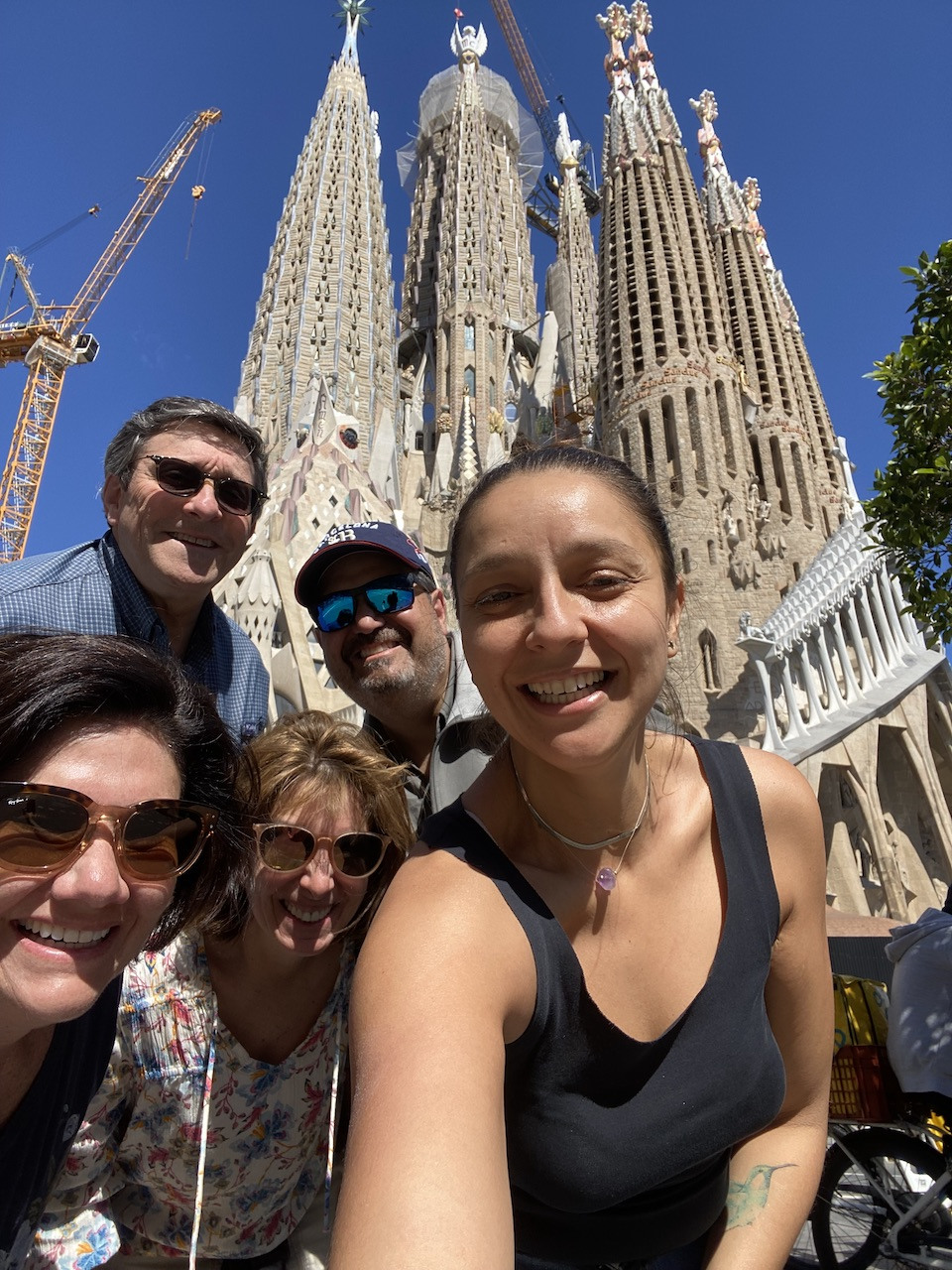
Barcelona
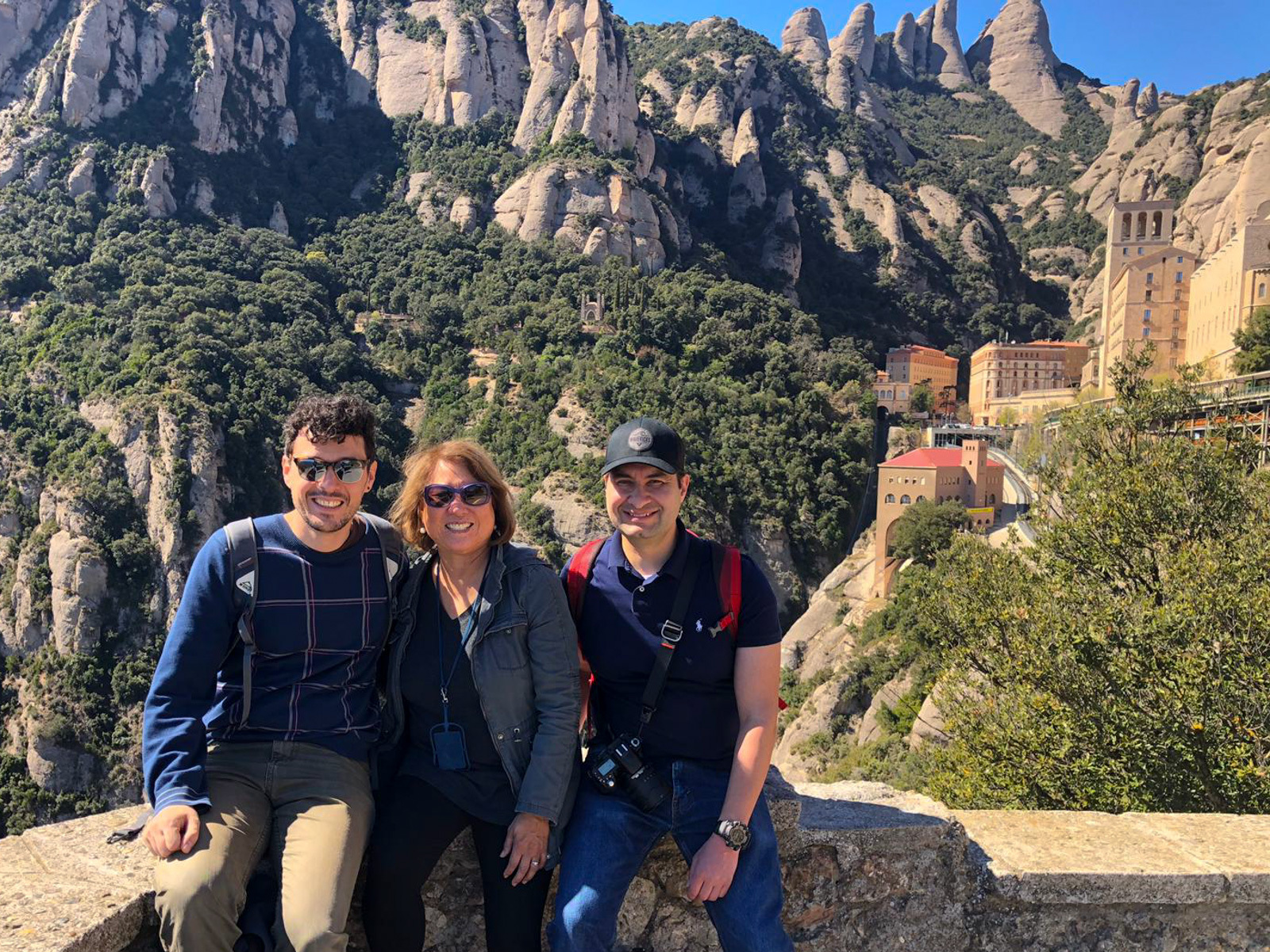
Barcelona
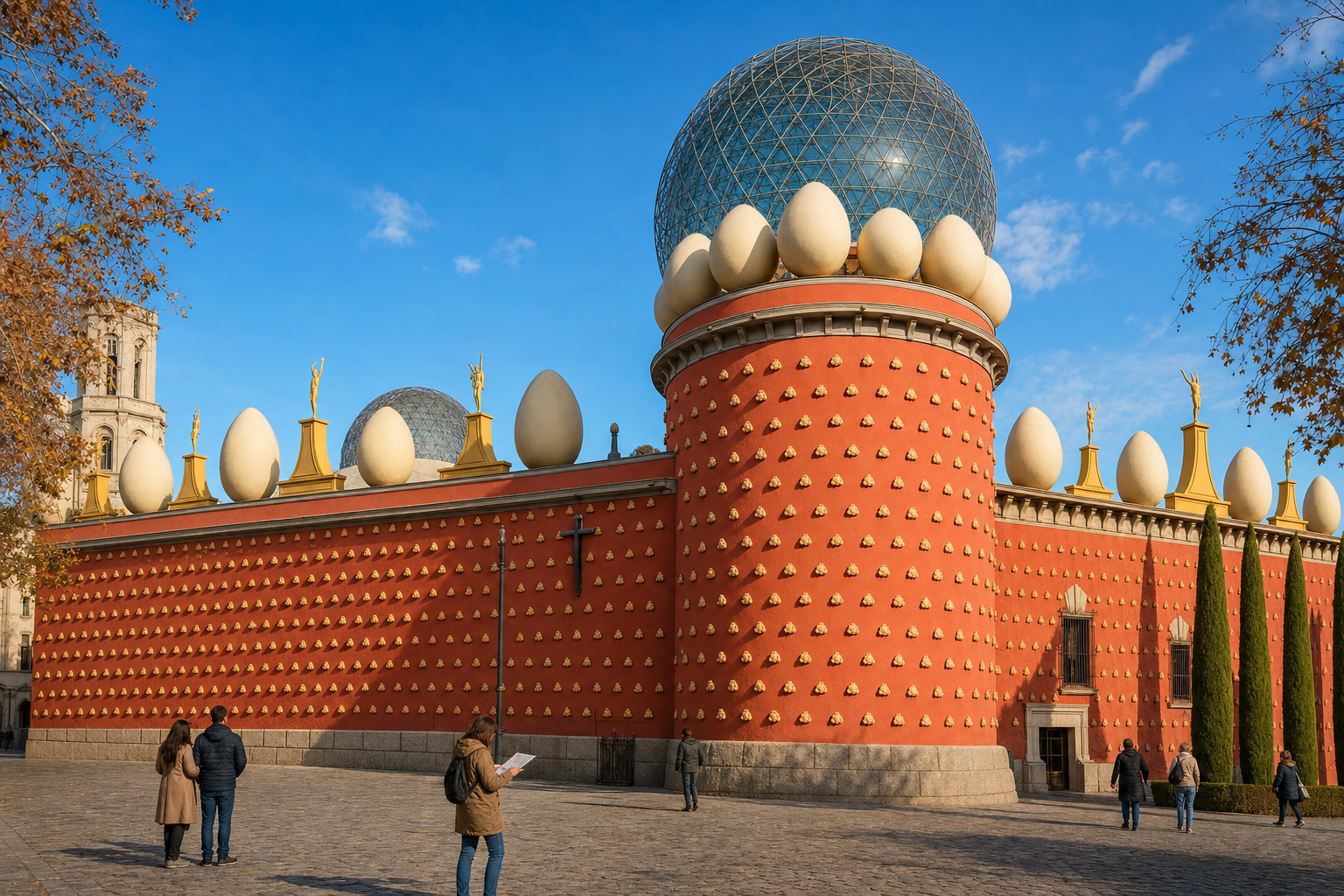
Most people know that Salvador Dalí was born in Figueres on 11 May 1904 — fewer realise that he spent the last decade of his life living inside his own museum, in a castle tower he had converted into a private apartment, refusing almost all visitors. That detail alone reframes everything you're about to see on a Costa Brava day trip from Barcelona. This isn't a sightseeing loop past pretty landmarks; it's a journey into one of the most deliberately constructed artistic universes ever assembled, set against a coastline so geologically dramatic that it physically shaped the imagery of a surrealist movement. From the geodesic dome above Figueres to the labyrinthine rooms of Portlligat, from the tramuntana-battered vines of the Empordà to the whitewashed lanes of Cadaqués, every stop carries a specific weight of history that rewards knowing before you arrive. This guide gives you that context — and shows you why adding a winery to the route isn't a detour, it's the most logical ending the day could have.
Read more →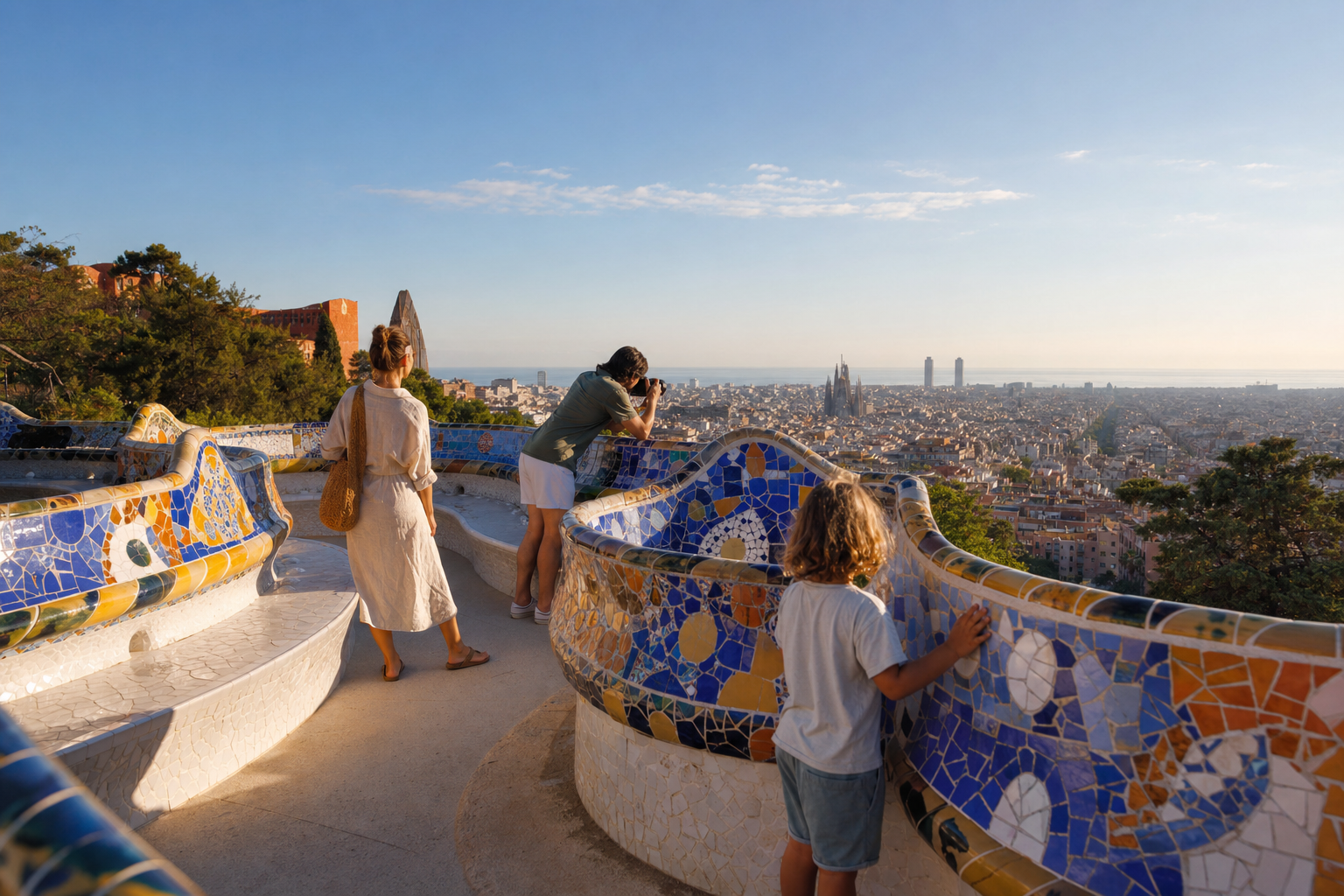
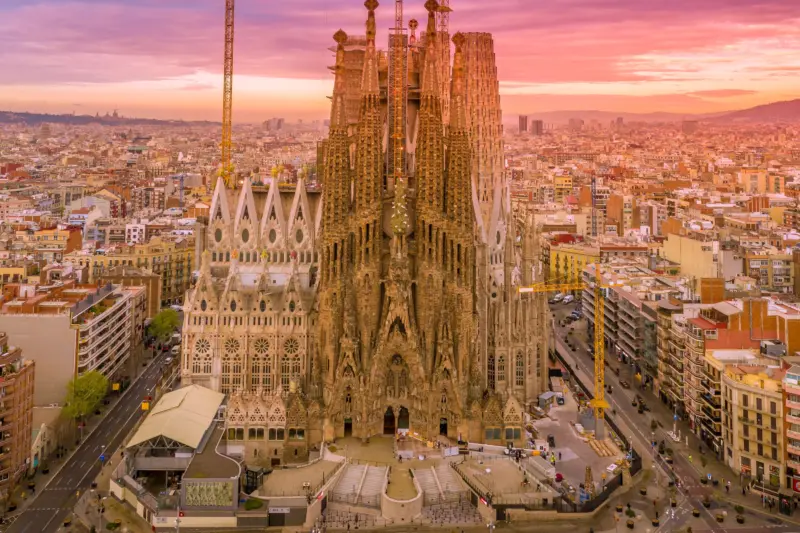
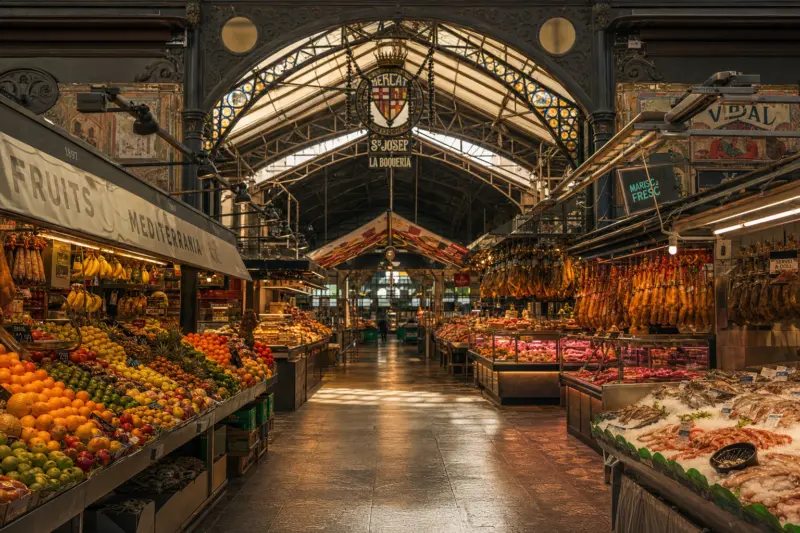
In 1883, a 31-year-old architect named Antoni Gaudí inherited a half-built church from a resigning predecessor and spent the next 43 years — until his death in 1926 — turning it into one of the most structurally radical buildings in human history. That church, the Sagrada Família, is still under construction today, and it is just one reason why Barcelona rewards curiosity more than almost any other city in Europe. But Gaudí's Barcelona is only one layer. Beneath the Gothic Quarter's cobblestones lie the preserved streets of a Roman settlement called Barcino, founded around 10 BC. In the city's markets, a food culture rooted in Catalan identity — not the generalised 'Spanish' clichés exported for tourists — plays out every single morning. Barcelona is a city that consistently offers more the deeper you look. This guide cuts past the surface to give you the historical facts, cultural context, and local knowledge that turn a good trip into an unforgettable one.
Read more →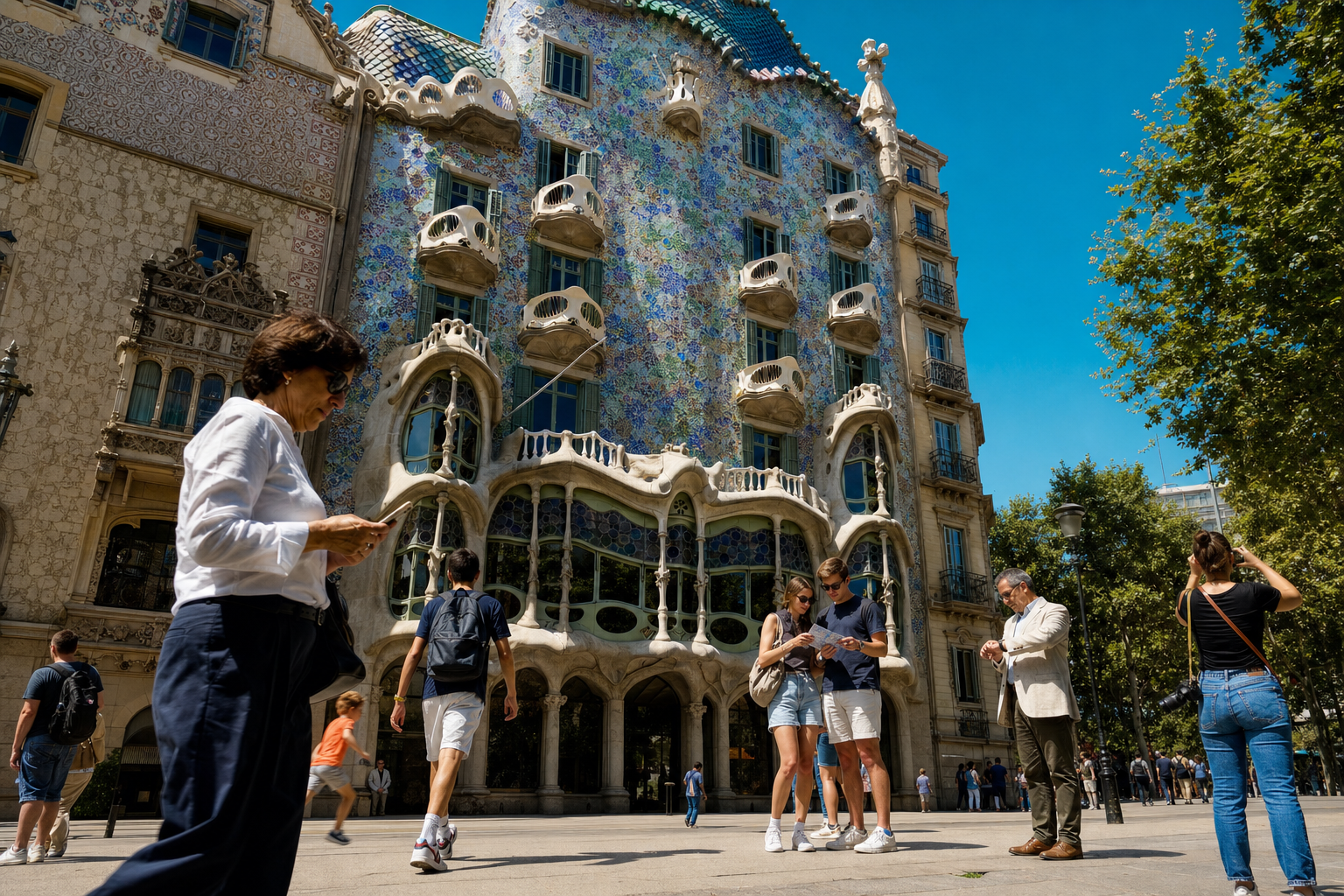
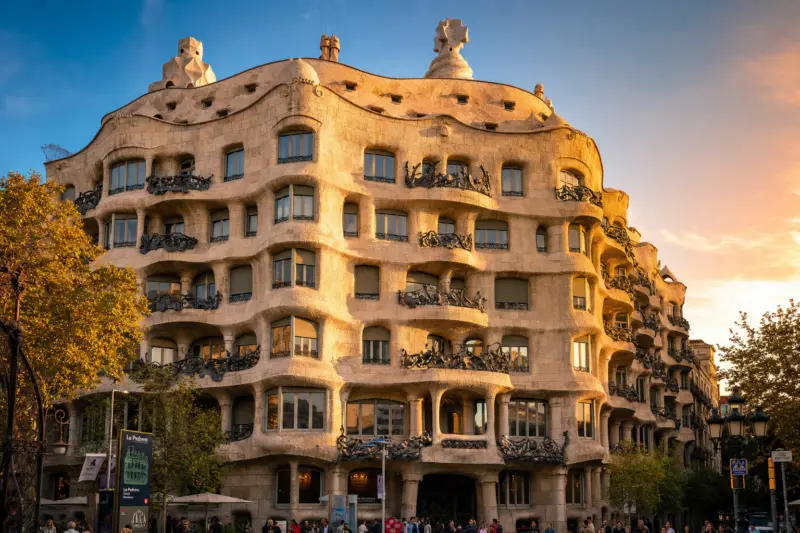
On the grandest stretch of Barcelona's Passeig de Gràcia — a boulevard so thick with Modernista jewels that locals call it the Block of Discord — one building stops every passerby cold. Casa Batlló shimmers like a living creature: scales of iridescent ceramic, a roofline that breathes, skulls carved into stone balconies. It was commissioned by a wealthy textile magnate, transformed by a visionary architect, and completed in 1906 as a statement that would redefine what a city building could be. This is its story.
Read more →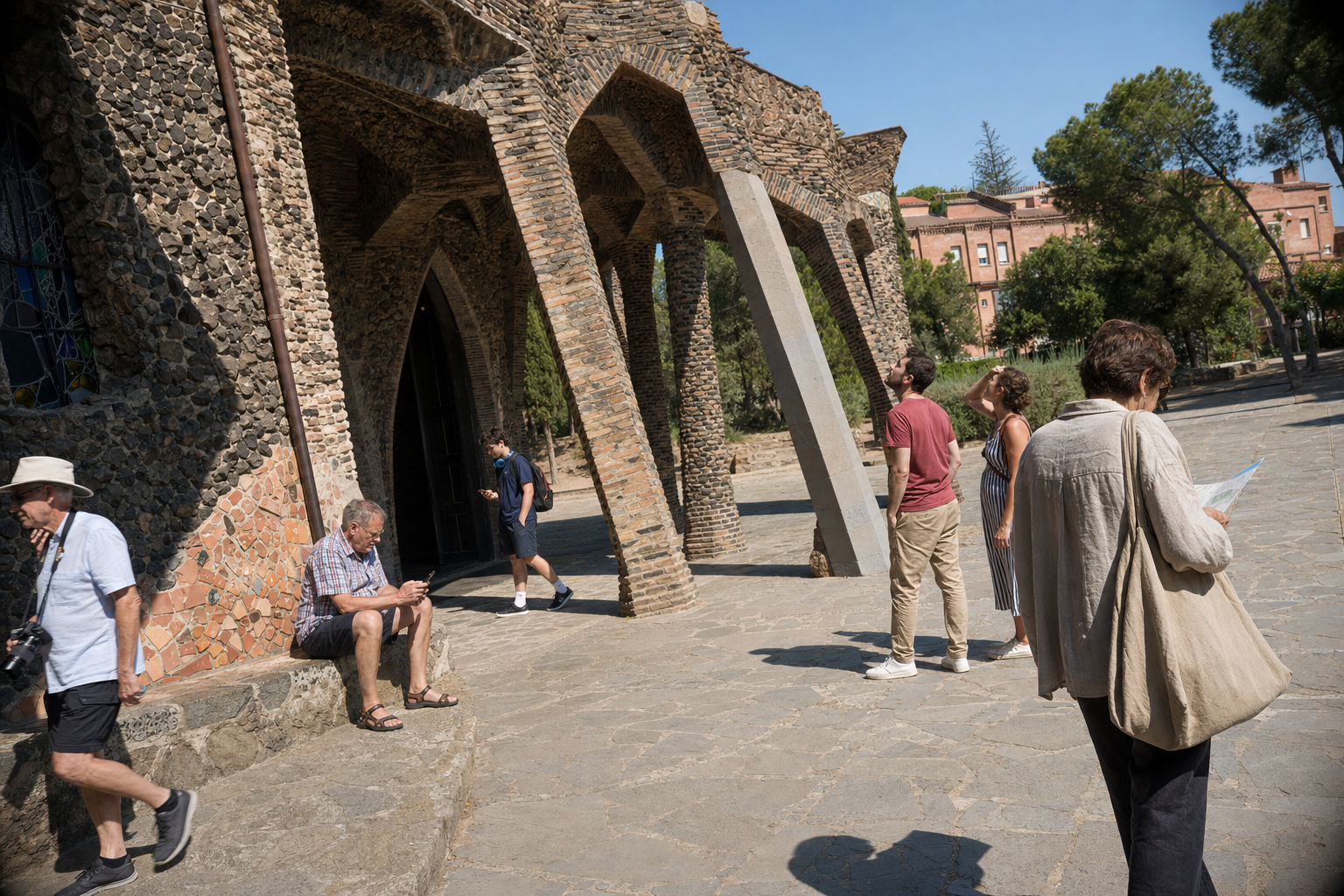
In 1890, the Catalan industrialist Eusebi Güell made a decision that was radical even by the standards of a city already electrified by modernisme: he abandoned Barcelona's choking factory districts and moved his textile mill — and his entire workforce — to a pine-forested hillside in Santa Coloma de Cervelló, just 20 kilometres southwest of the city. What he built there was not merely a factory complex but a full social experiment: a self-contained workers' village with housing, schools, a theatre, a cooperative shop, and a church that would become one of the most structurally daring buildings of the 20th century. That church was entrusted to Antoni Gaudí — and what Gaudí designed in its crypt between 1908 and 1914 was nothing less than the structural laboratory for the Sagrada Família. Colonia Güell is where the dream was tested. It draws a fraction of the crowds that queue outside Park Güell or the Sagrada Família, yet it is arguably the most intellectually fascinating Gaudí site in all of Catalonia.
Read more →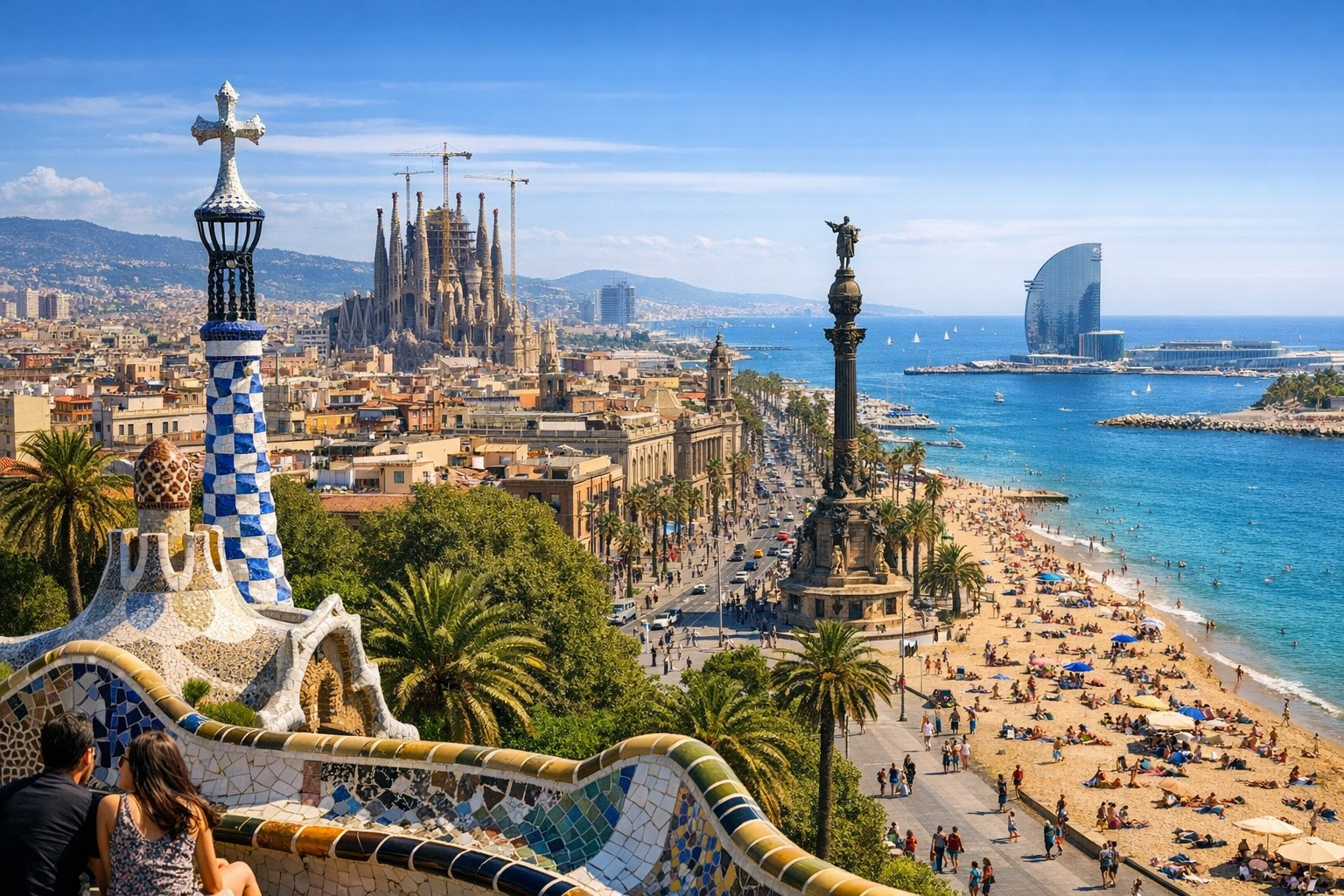
Discover the vibrant culture, stunning architecture, and culinary delights of Barcelona. From iconic landmarks to hidden gems, this guide offers the best activities to experience in the city, ensuring an unforgettable visit.
Read more →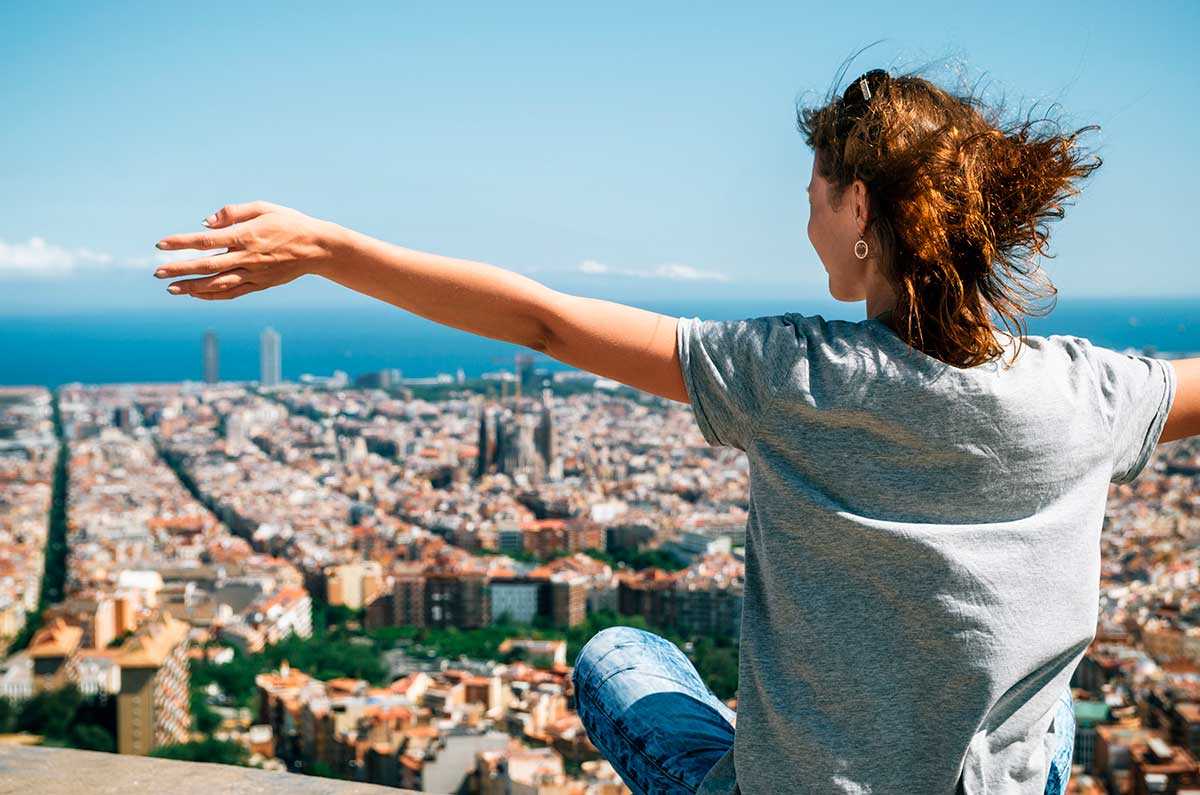
Barcelona, the enchanting coastal city in Spain, is a treasure trove of captivating attractions, historic landmarks, and awe-inspiring architecture. With so much to explore, having a well-designed attractions map can significantly enhance your sightseeing experience and ensure you make the most of your time in this vibrant destination. Whether you are an adventurous solo traveler or a family seeking a cultural getaway, a detailed map will be your faithful companion throughout your journey.
Read more →We use a single cookie, to remember this choice. We do not use analytics or advertising cookies. Read our cookie policy.