4.5 hrs
Lisboa
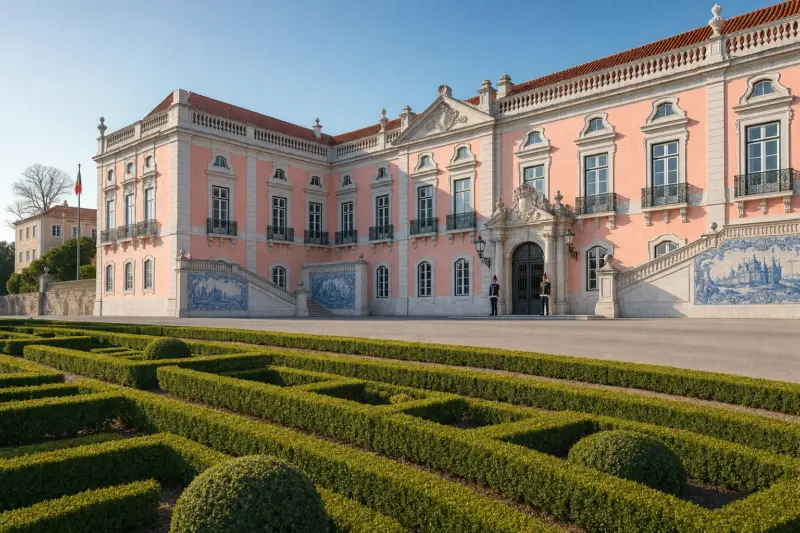
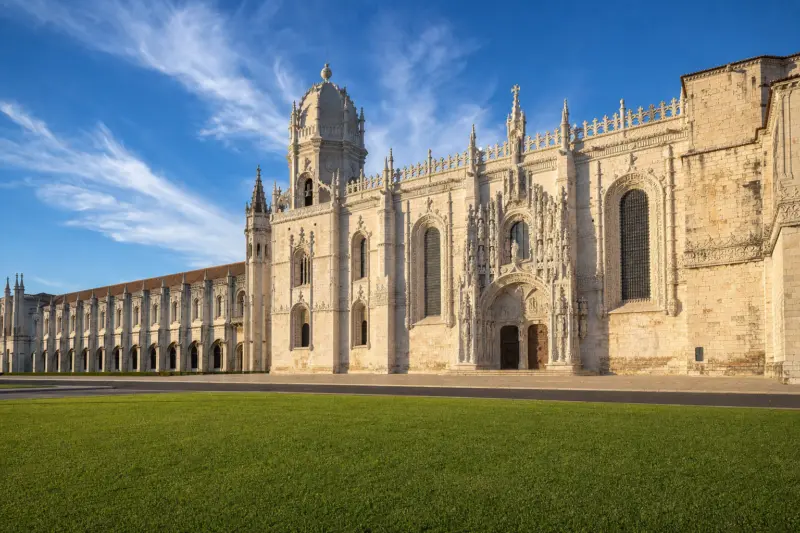
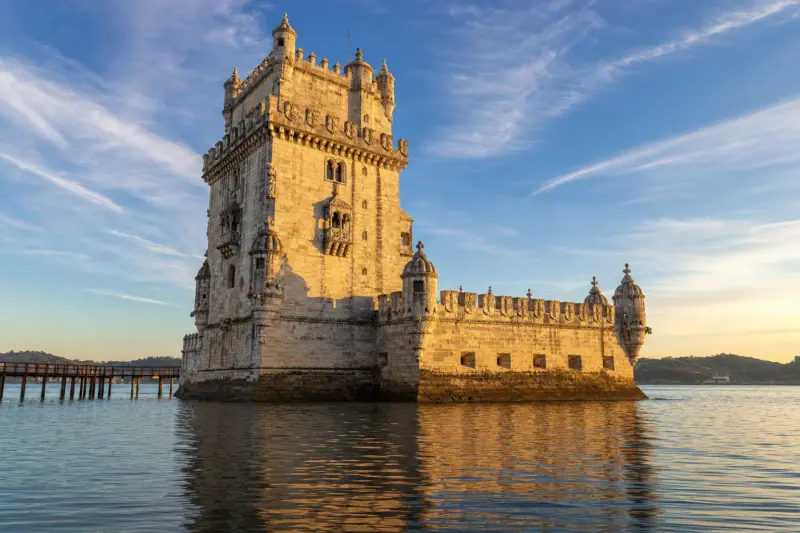
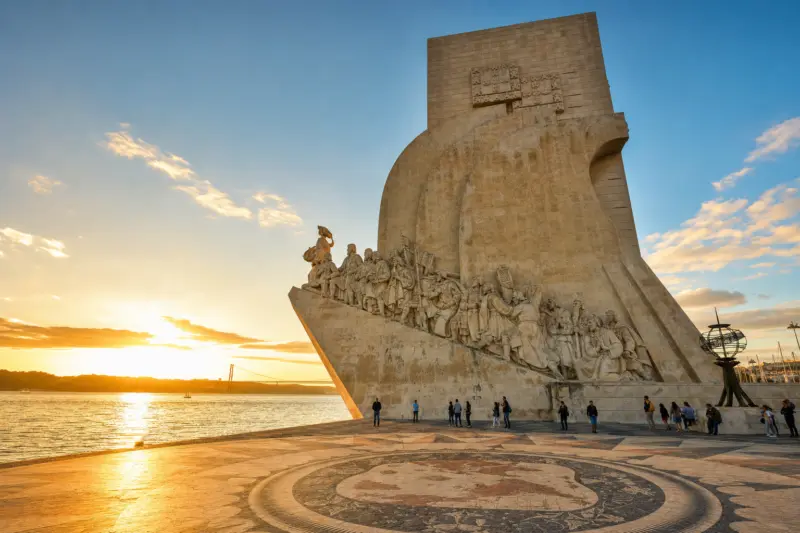
Belem Private Day Trip: History, Heritage & Local Tasting
✓ Free cancellation Kids friendly
5.0(31 reviews)
From €177/ person
Book Now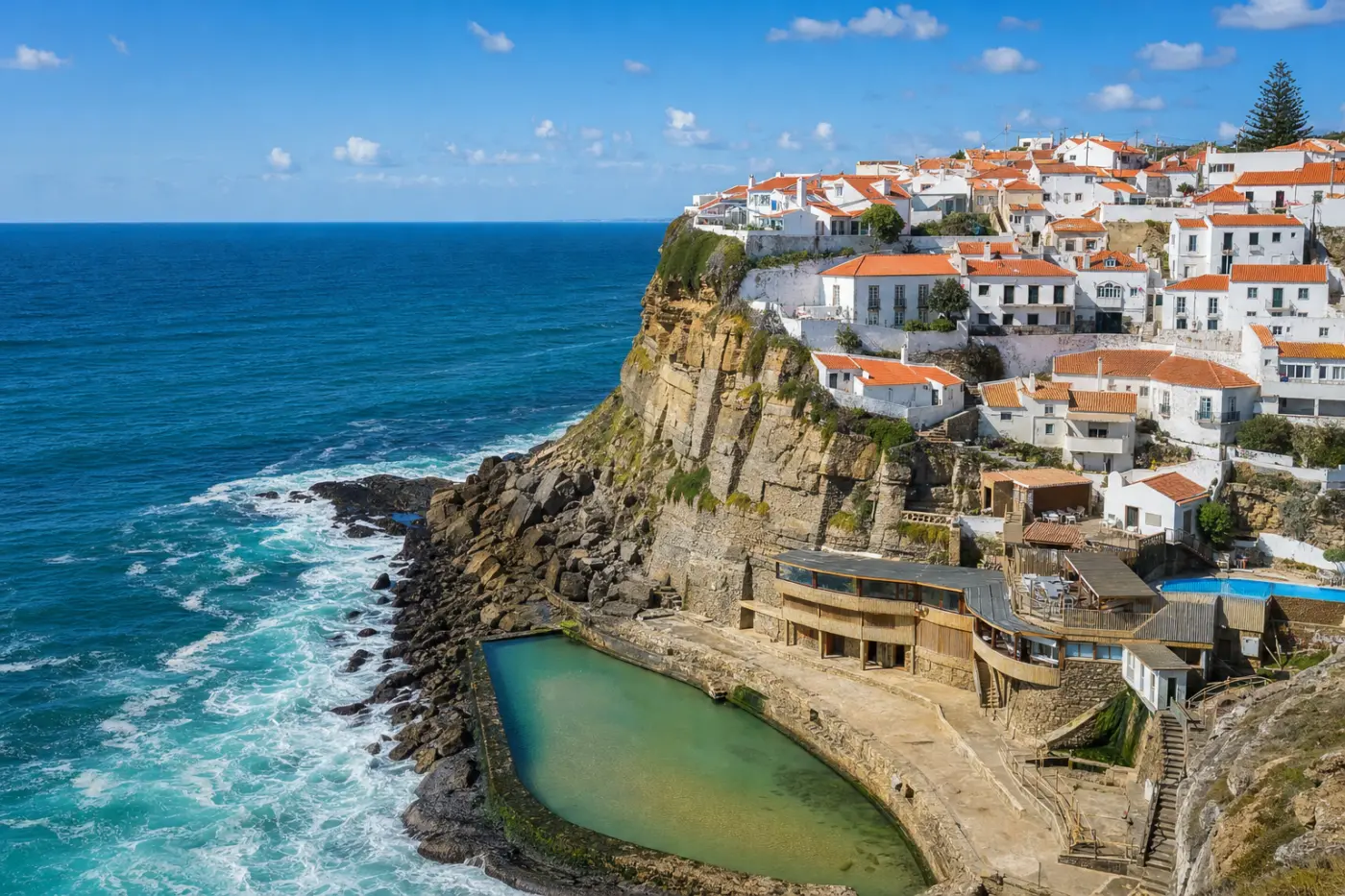
Tourist attraction
Azenhas do Mar is a small coastal village perched on the Atlantic cliffs of the Sintra-Cascais Natural Park, roughly 40 km northwest of Lisbon in the municipality of Sintra. Its name — literally "water mills of the sea" — dates to a period when tidal mills operated along this stretch of the Ribeira de Magoito stream, exploiting the force of the Atlantic surf to grind grain. The village's defining image is its stack of whitewashed houses with terracotta roofs descending in tight terraces toward the ocean, a silhouette so dramatic it has appeared on Portuguese postage stamps and is among the most photographed coastal scenes in the country. Unlike the purpose-built resort towns of the Algarve, Azenhas do Mar developed organically as a working fishing and milling community, and that layered, unplanned character is precisely what makes its geometry so arresting from the clifftop viewpoint above.
The village's natural tidal pool, set directly into the basalt and limestone rock platform at the base of the cliffs, is its most celebrated feature. Filled and refreshed by Atlantic waves at high tide, it maintains a naturally cool temperature even in midsummer and offers swimmers a sheltered alternative to the open ocean surf, which along this section of the Costa de Lisboa is notorious for strong undertow currents and is frequently red-flagged for swimming. The pool area includes changing facilities and a small café-bar, and has been in use as a bathing spot by local families for well over a century, long before the village attracted outside visitors. The surrounding rock platform also exposes dramatic geological formations — folded Mesozoic limestone strata interbedded with darker volcanic intrusions — that tell the tectonic story of the Sintra massif just a few kilometres inland.
The clifftop restaurant Azenhas do Mar, operating since the mid-20th century, has become inseparable from the village's identity. It sits at the very edge of the promontory with a terrace that hangs over the Atlantic and is famed for serving fresh seafood — particularly percebes (barnacles), linguado (sole), and arroz de marisco (seafood rice) — caught by the small local fleet that still launches from the rock platform below. Tables on the terrace fill quickly on weekend afternoons, and the restaurant draws visitors from Lisbon who treat the drive through the Serra de Sintra as part of the outing. The village itself has fewer than 300 permanent residents and retains a quiet, lived-in atmosphere outside of the June–September high season.
Azenhas do Mar is best reached by car via the N247 coastal road from either Sintra (approximately 12 km) or Mafra (approximately 20 km) — the clifftop drive itself, winding past Praia das Maçãs and Praia Grande, is scenic. There is a free car park at the clifftop viewpoint, where the iconic panoramic photograph of the village is taken. The descent to the tidal pool involves a steep set of steps and is not suitable for those with limited mobility. Visit at low tide for the fullest use of the rock platform, and arrive before noon on summer weekends to secure a spot at the pool before crowds peak. The village has no ATM; bring cash for the café and parking on busier days.
Private tours with a local guide, at your own pace.
Lisboa
Lisboa
Lisboa

Lisboa
Lisboa
Lisboa

Lisboa
Lisboa
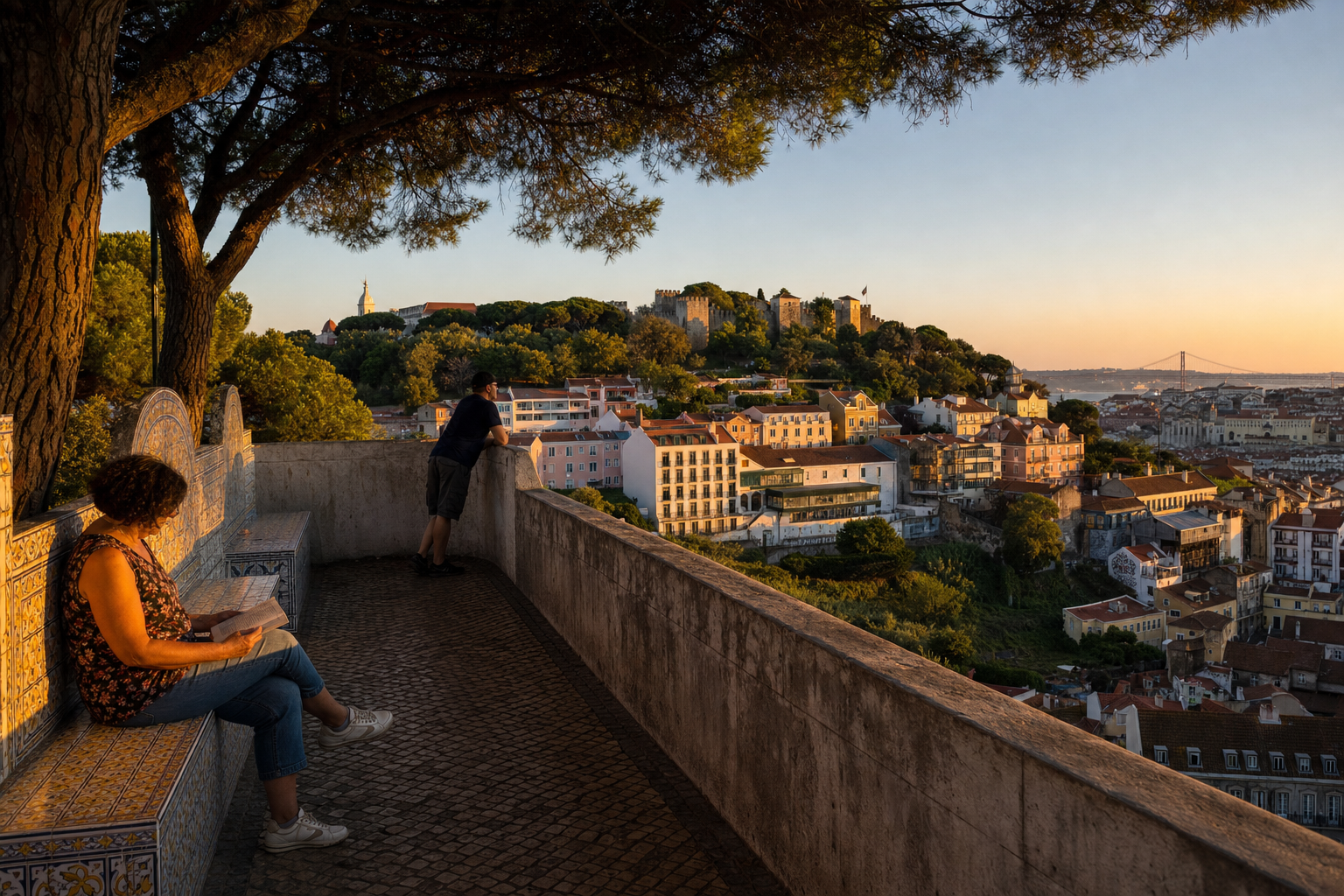
On the morning of 1 November 1755 — All Saints' Day — a catastrophic earthquake followed by a tsunami and fire destroyed roughly 85% of Lisbon. What you walk through today is, in large part, a city deliberately rebuilt from scratch. But not all of it. Alfama, clinging to its bedrock ridge above the Tagus, survived almost untouched. Mouraria, pressed against the castle hill, kept its labyrinthine medieval lanes. Belém, several kilometres west, was far enough from the epicentre to preserve its extraordinary Manueline monuments. These geological and historical accidents shaped the city's character as profoundly as any monarch or architect — and they explain why Lisbon's neighborhoods feel so radically different from one another, even when separated by a ten-minute walk. This guide goes beyond the postcard version. It digs into the specific histories, architectural DNA, and cultural layers that make each district genuinely distinct — and tells you what you'd actually miss if you only followed the crowds.
Read more →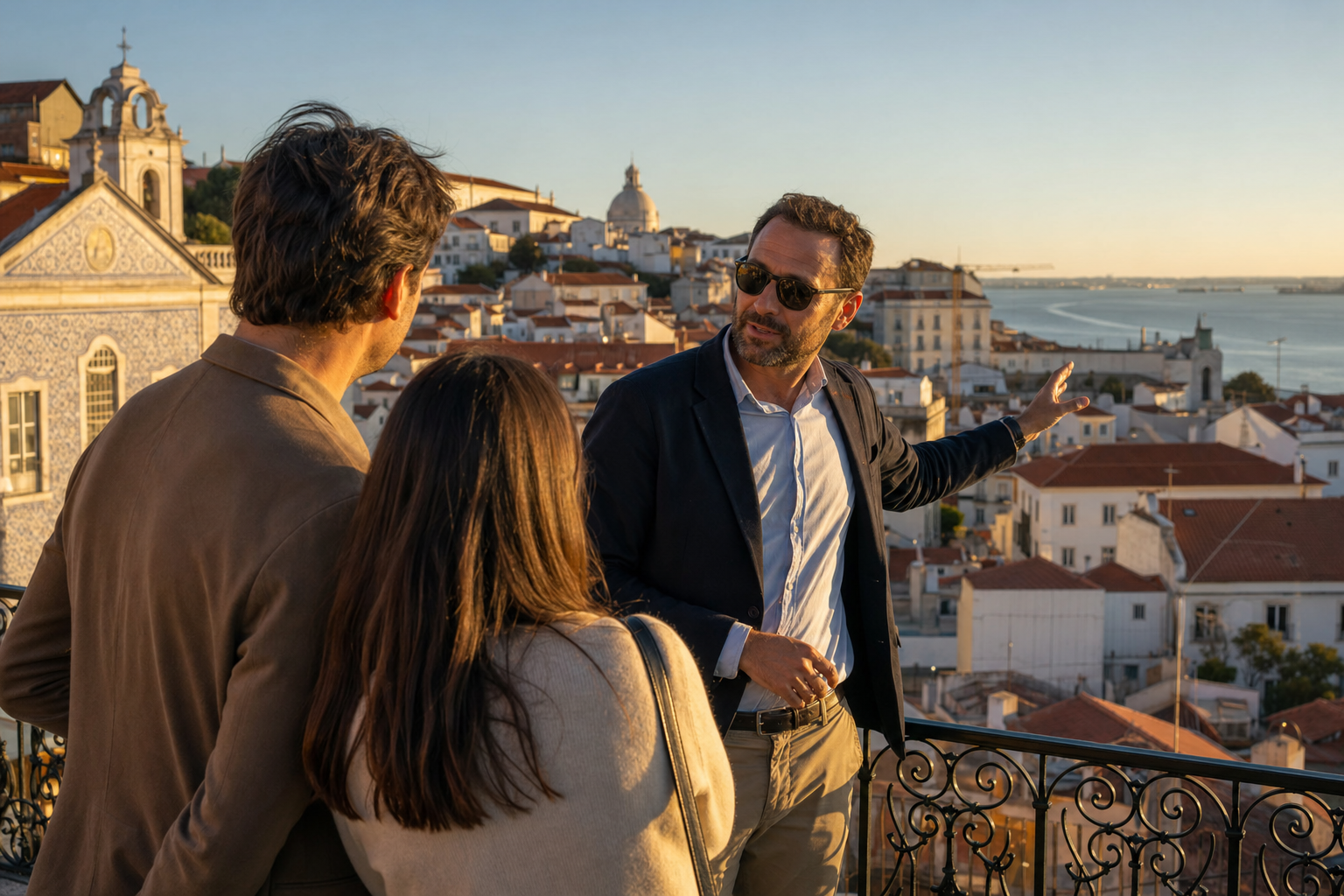
On the morning of 1 November 1755 — All Saints' Day — a catastrophic earthquake, followed by a tsunami and firestorm, killed between 30,000 and 40,000 people and erased the medieval centre of Lisbon in under six minutes. The city that rose from the rubble was rebuilt on an entirely different logic: the rational Pombaline grid of Baixa, named after the Marquis of Pombal who oversaw the reconstruction. That rupture still defines every street, tile panel, and viewpoint you encounter today — but almost no group tour has the time or flexibility to explain why. Lisbon is not one city; it is at least four, stacked across seven hills, shaped by a global maritime empire, a catastrophic earthquake, and centuries of cultural layering that even most visitors who have been here before have only scratched the surface of. That is precisely why private tours in Lisbon work so differently from anywhere else in Europe — and why getting them right matters.
Read more →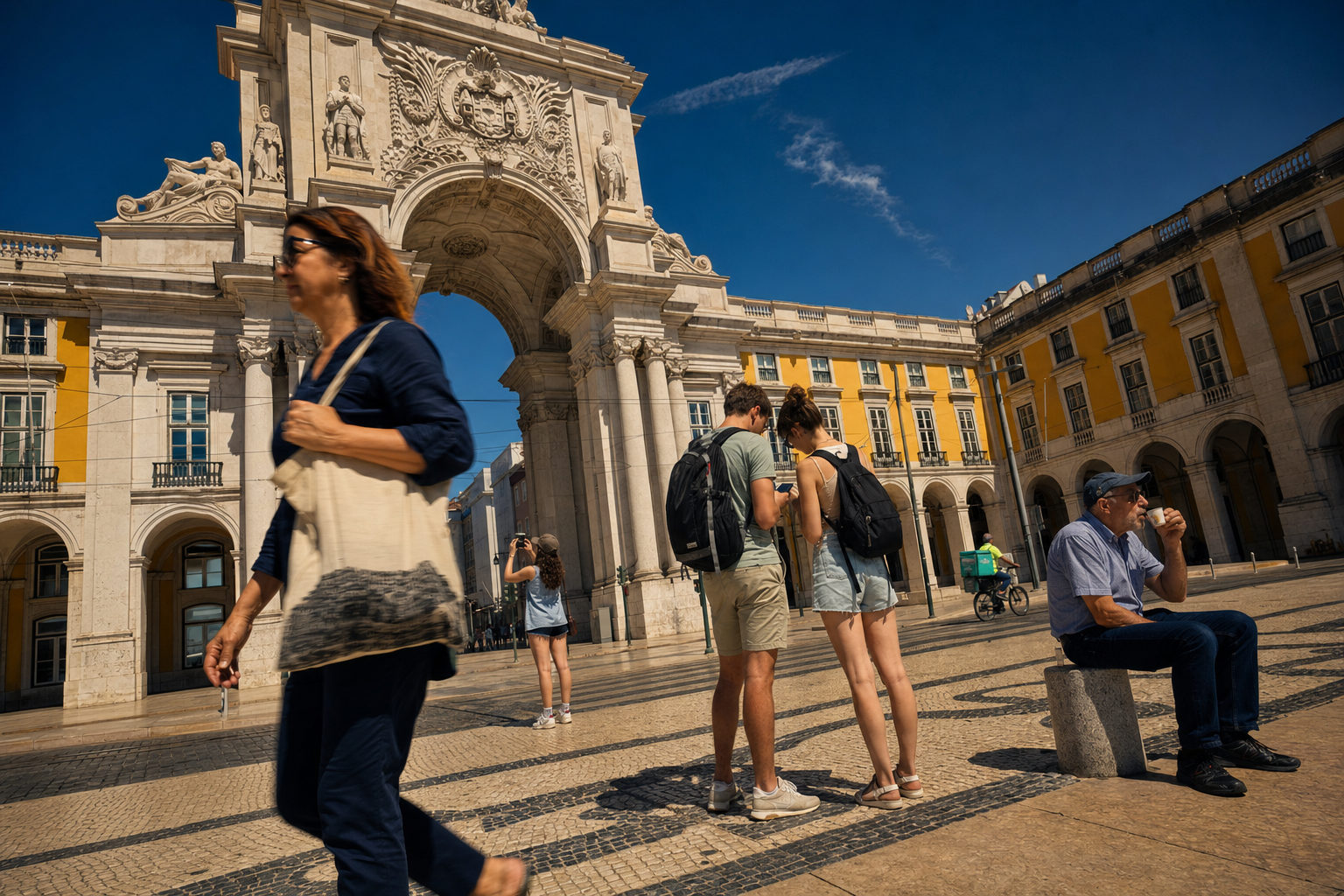
At 9:40 on the morning of 1 November 1755 — All Saints' Day, when most of Lisbon's population was inside a church — an earthquake estimated between 8.5 and 9 on the Richter scale struck the city. Three separate tremors, a tsunami, and fires that burned for five days killed between 30,000 and 40,000 people and levelled roughly 85% of the built environment. The Marquis of Pombal rebuilt the lower city from scratch on a rational Enlightenment grid — one of the first planned urban rebuilds in European history. But one neighbourhood didn't fall. Alfama, the ancient Moorish quarter, sat on solid schist bedrock and held. The street pattern you walk today is the one laid down before the 12th century. That single geological accident is the reason Lisbon feels unlike any other Western European capital: its oldest layers weren't buried under 19th-century renovation. They stayed visible, walkable, and inhabited. A long weekend in Lisbon — three full days, properly structured — is enough time to feel that depth across millennia of empire, faith, and fado. But only if you spend those days the right way.
Read more →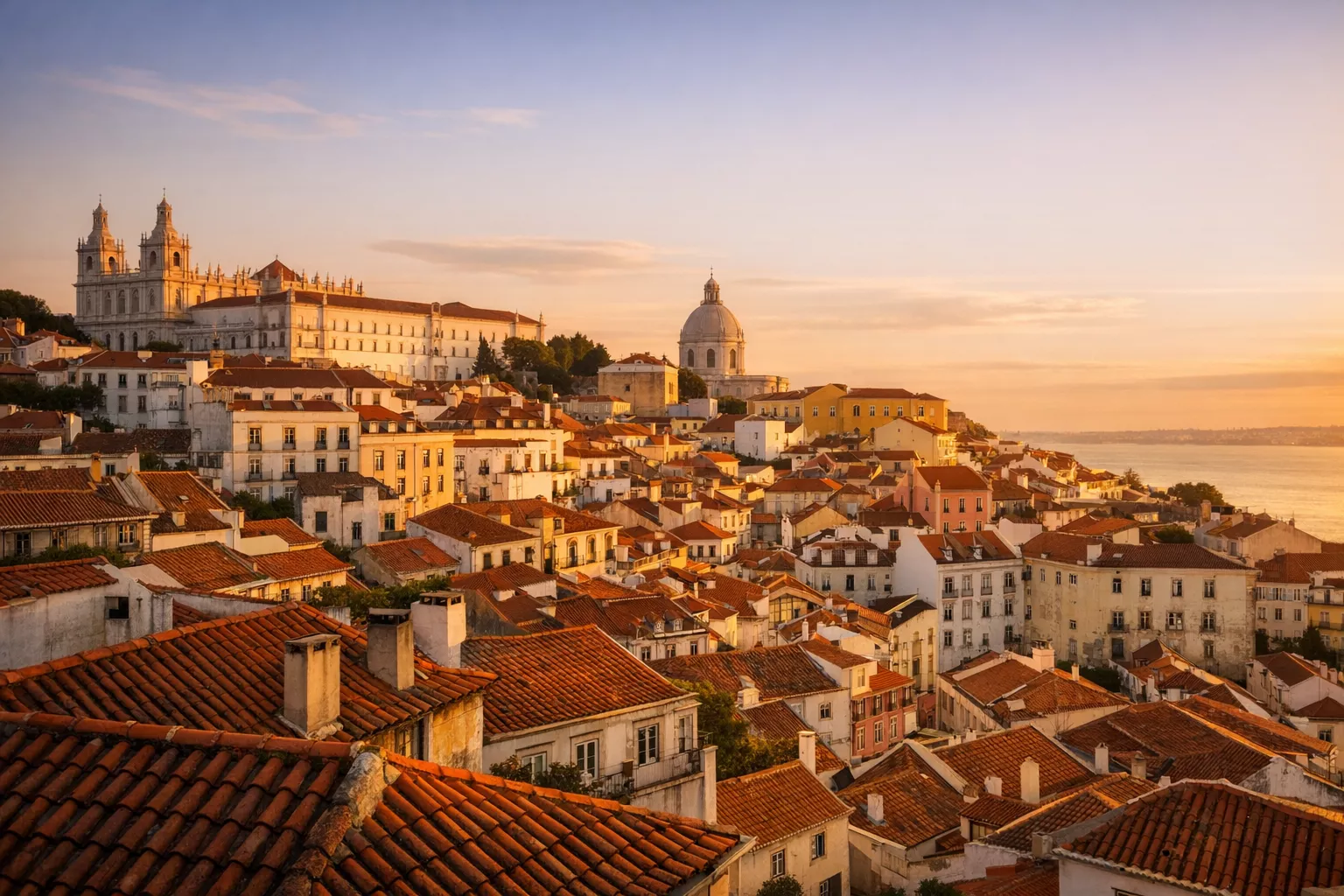
Discover the vibrant city of Lisbon, where history, culture, and gastronomy blend together perfectly. Whether you're a history buff, a foodie, or an adventurer, this guide will reveal the top things to do in Lisbon, along with links to exclusive local tours.
Read more →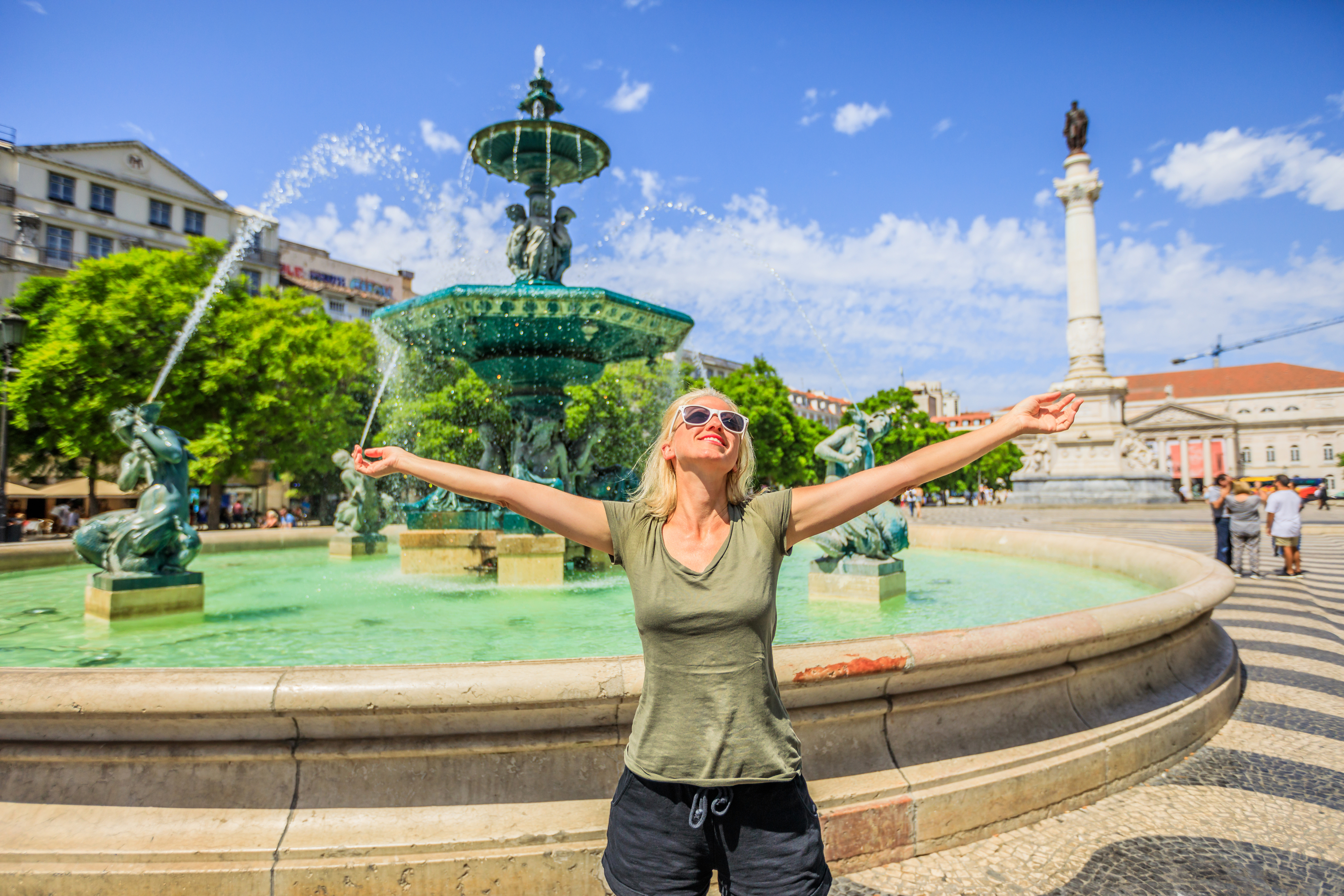
Lisbon, the capital city of Portugal, is a vibrant and enchanting destination that offers a perfect blend of history, culture, and natural beauty. From its picturesque neighborhoods to its stunning architectural landmarks, Lisbon has something to offer every traveler. Whether you have just a few days or a whole week, this city will captivate you with its charm and allure.
Read more →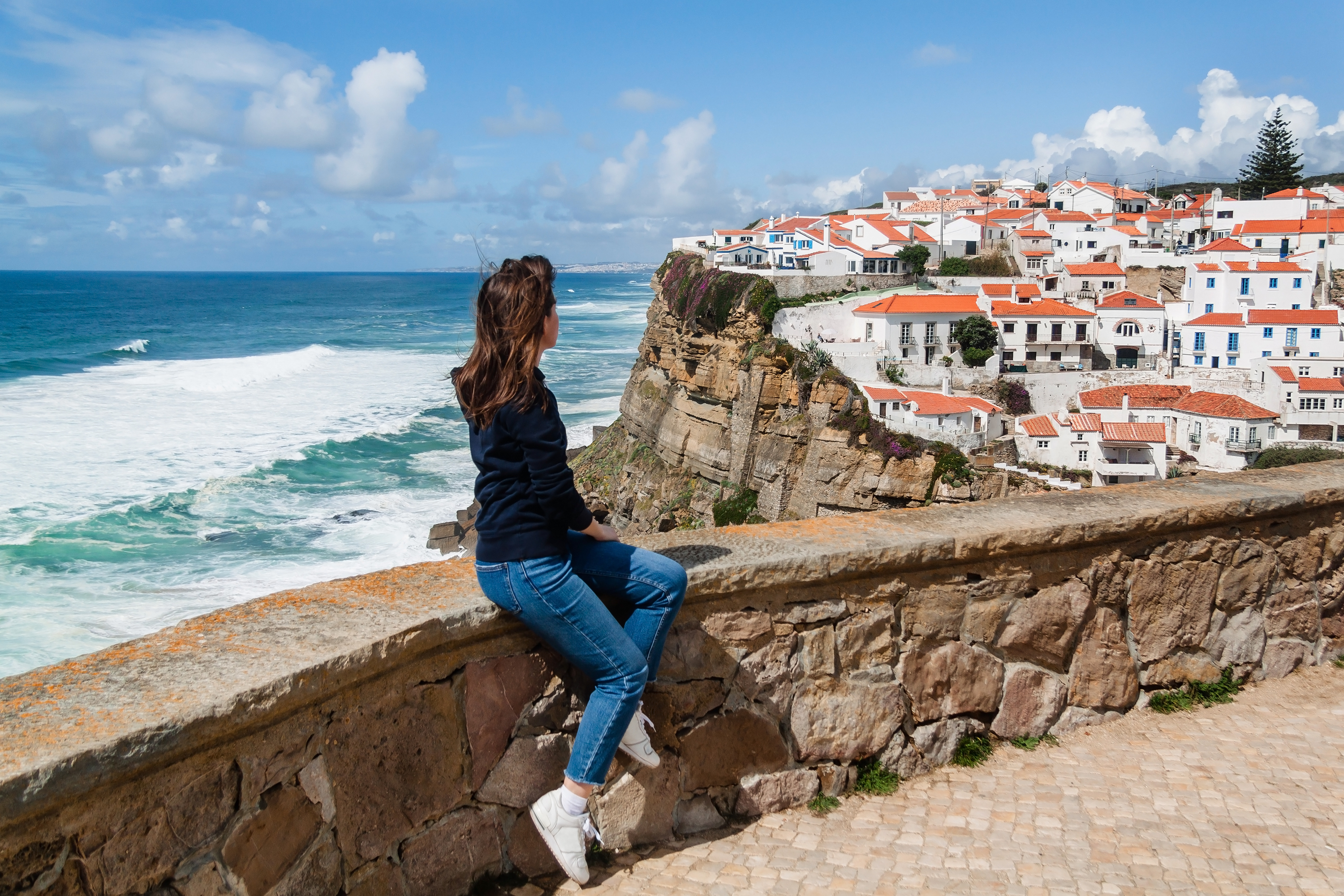
In the vicinity of Lisbon there are many beautiful villages and places to visit on day trips. At any time of the year, you can discover small towns, palaces, castles, beaches and beautiful landscapes. Signing up for a private tour with a local guide can be a very good option, so that you don't miss any detail, learn about history, while optimising time and money. Otherwise, it is also possible to do it on your own, thanks to public transport or rental cars. Which places do we recommend?
Read more →We use a single cookie, to remember this choice. We do not use analytics or advertising cookies. Read our cookie policy.