3 hrs
Barcelona
Sagrada Familia & Gaudi Tour Private or Small Group with Tickets
✓ Free cancellation Kids friendly
4.8(1403 reviews)
From €197/ person
Book Now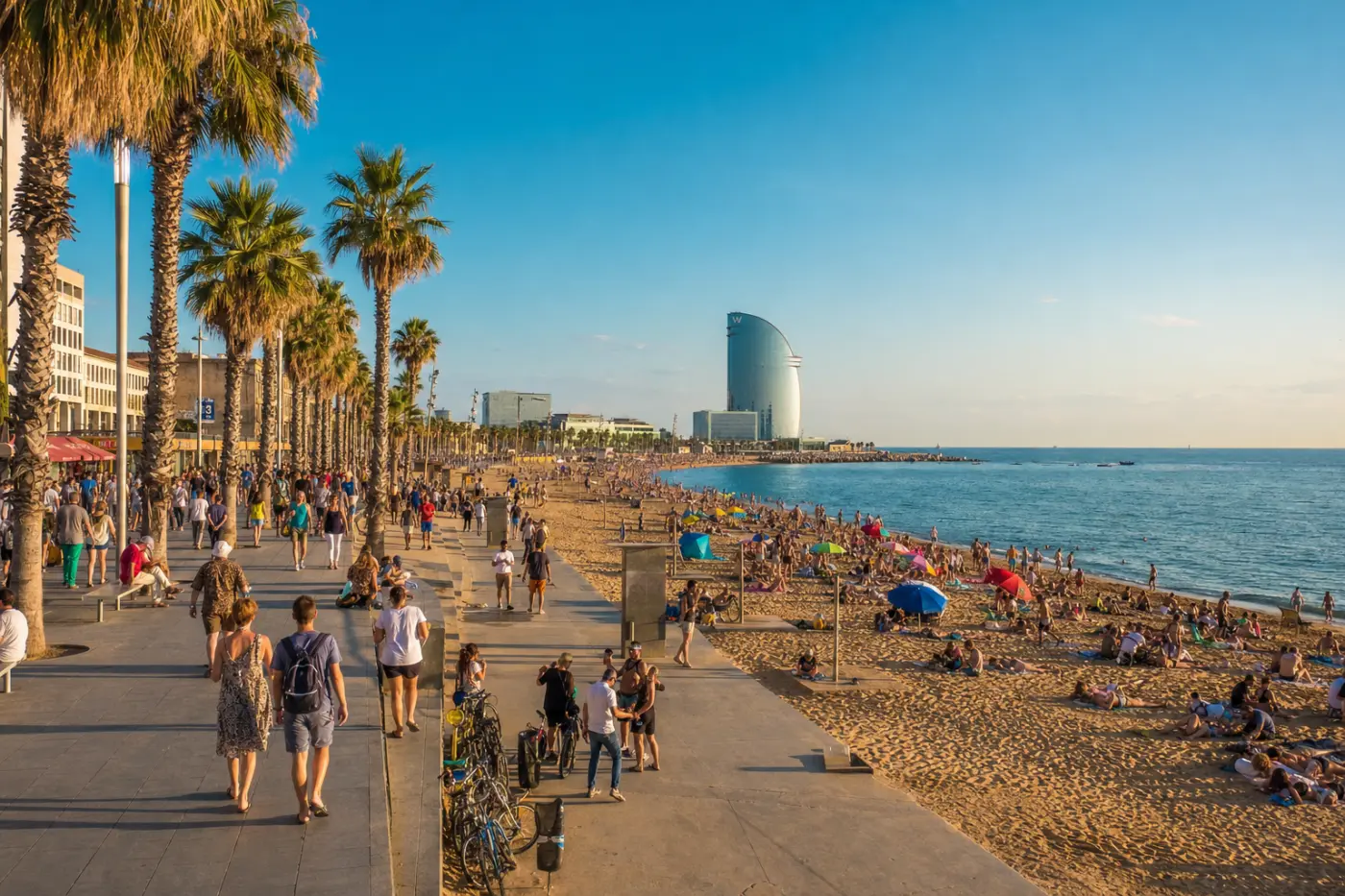
Tourist attraction
Barceloneta Beach is a 1.1-kilometre stretch of golden sand hugging the Mediterranean coast at the edge of the La Barceloneta neighbourhood, immediately south of Barcelona's historic port. It is the most visited of the city's urban beaches, drawing millions of visitors each year with its wide shoreline, warm waters, and unbroken views toward the sea. The beach is framed to the southwest by the striking sail-shaped W Hotel — a 26-storey landmark completed in 2009 — and to the north by the Port Olímpic marina, built for the 1992 Summer Olympics that fundamentally transformed Barcelona's entire waterfront from an industrial barrier into a public promenade.
The neighbourhood behind the beach carries a precise founding date: 1753. La Barceloneta was engineered from scratch by military engineer Juan Martín Cermeño under orders from the Marquis of La Mina, who needed to rehouse residents displaced from the Ribera district. That neighbourhood had been demolished in 1714 after Barcelona's defeat in the War of the Spanish Succession, cleared to make way for the Ciutadella fortress. The 39-year wait ended with a strictly planned grid of narrow streets and uniform low-rise buildings — height was capped deliberately so that fortress cannons could maintain a clear firing line to the sea. The only surviving 18th-century building that reflects those original proportions stands at Carrer de Sant Carles 6, a tangible relic of the military logic that shaped the entire district.
Beyond its architecture, Barceloneta has a culinary claim to fame that belongs specifically to 1944: La Cova Fumada, a no-reservations tavern on Carrer del Baluard, invented the bomba here — a fried potato croquette filled with meat that became one of Barcelona's most distinctive tapas. The surrounding streets remain dense with seafood restaurants and traditional chiringuitos (beach bars), where grilled sardines, fresh clams, and cold cava are staples of the local lunch culture. This is a neighbourhood that still functions as a living fishing community, even as it hosts millions of tourists annually.
Visitors to the beach itself find a well-serviced stretch with lifeguard posts, outdoor showers, volleyball courts, and a long paved promenade — the Passeig Marítim — ideal for cycling or walking. The beach faces southeast, meaning it catches morning light and holds afternoon sun well into early evening. Arrive before 11am in summer to secure a comfortable spot, as the sand fills quickly between June and August. The closest Metro stop is Barceloneta on Line 4 (yellow line), a five-minute walk from the shore. Water quality is monitored year-round and consistently meets EU Blue Flag standards.
Private tours with a local guide, at your own pace.
Barcelona
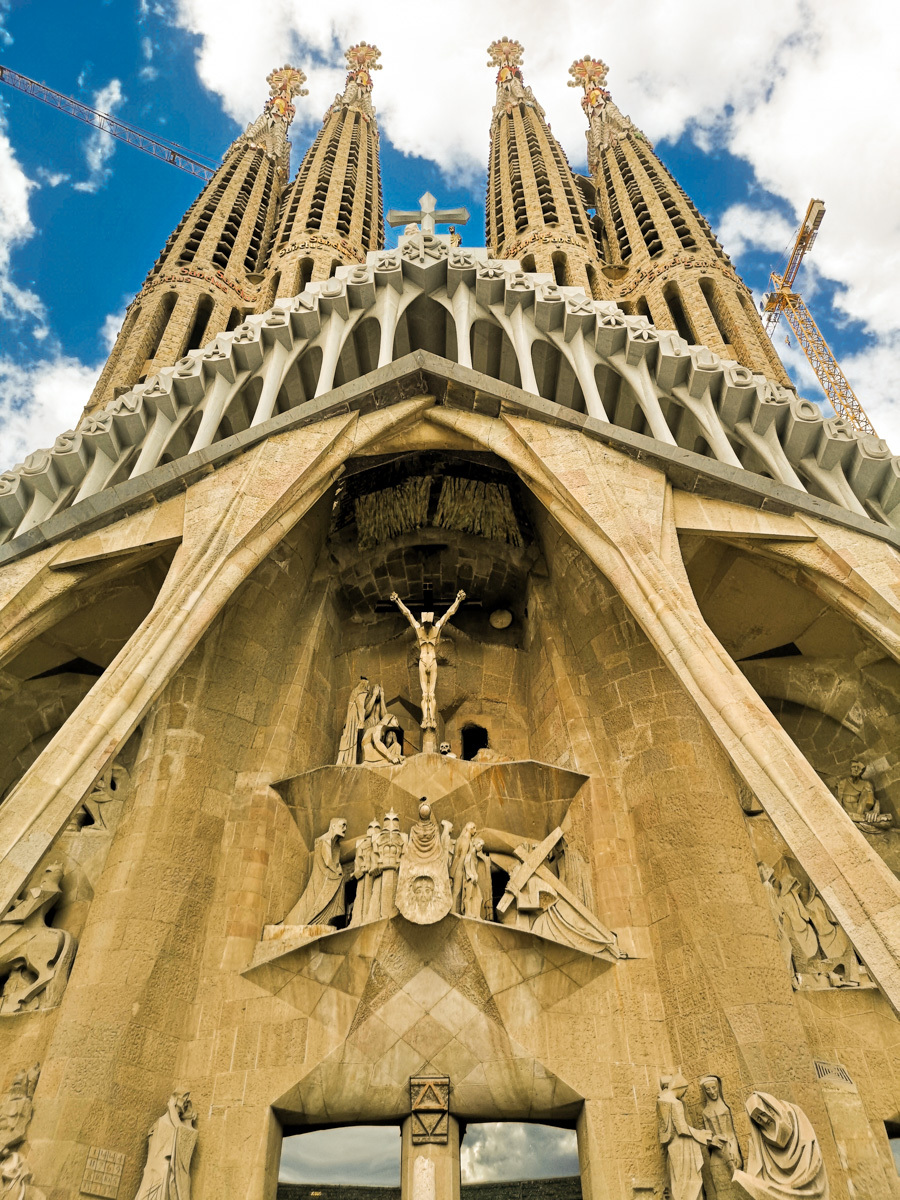
Barcelona
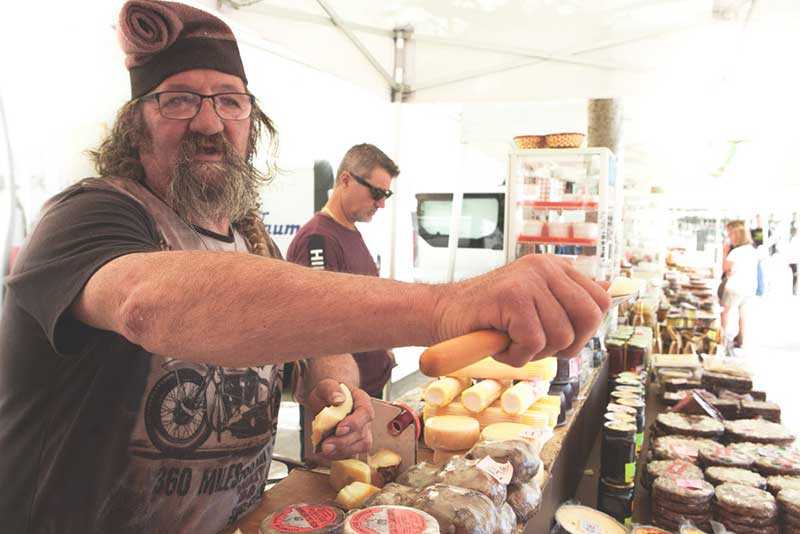
Barcelona
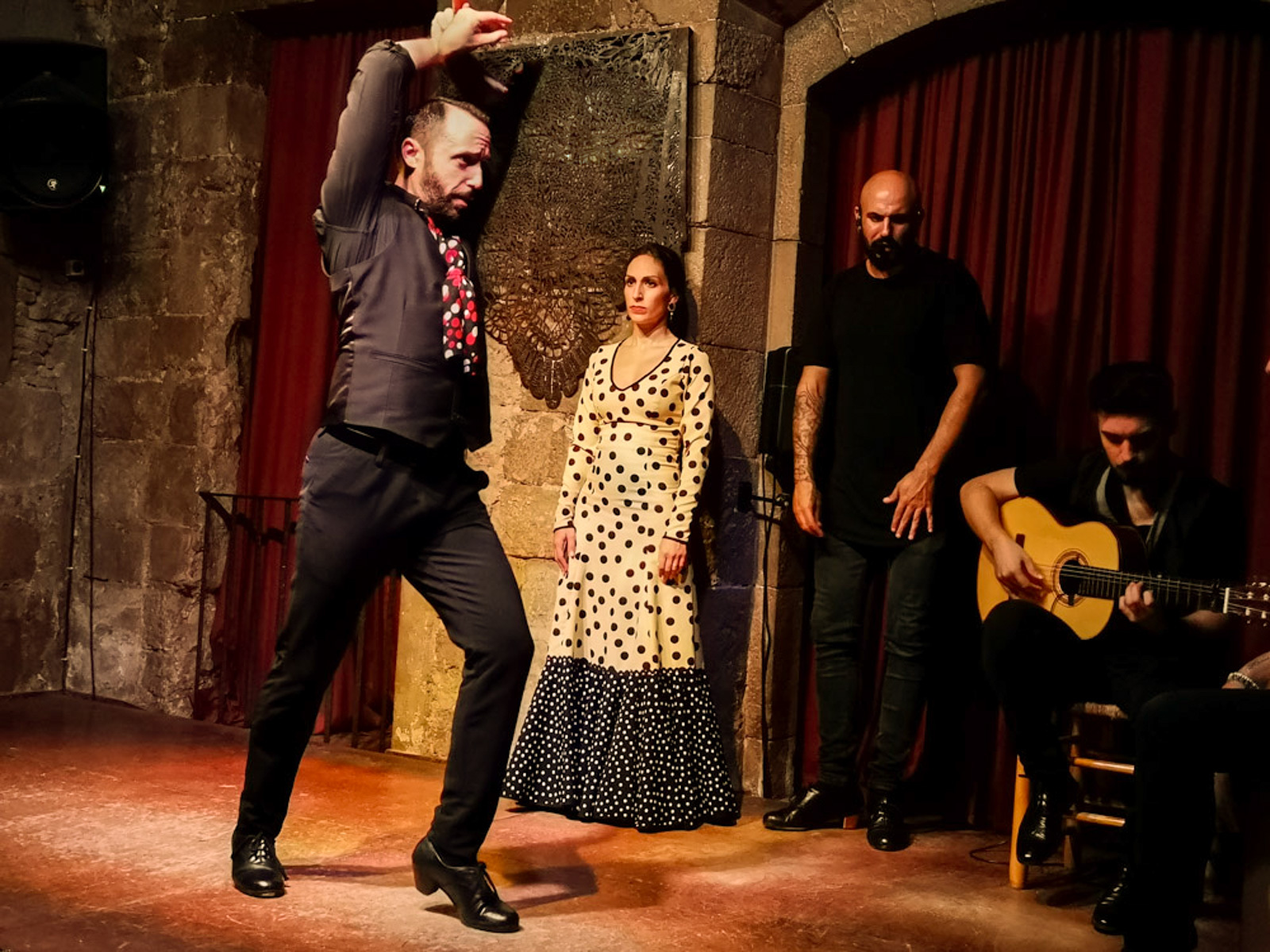
Barcelona
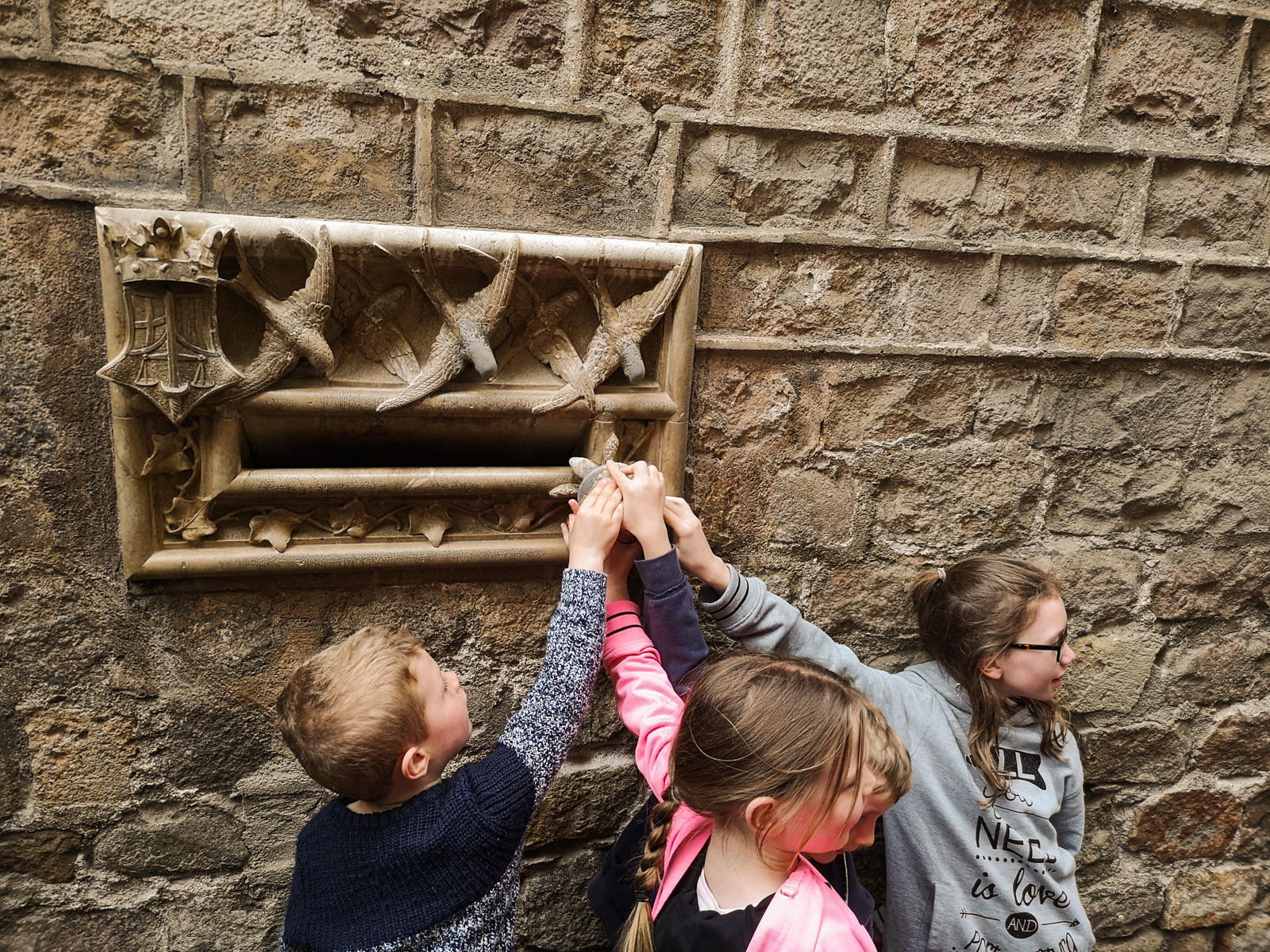
Barcelona
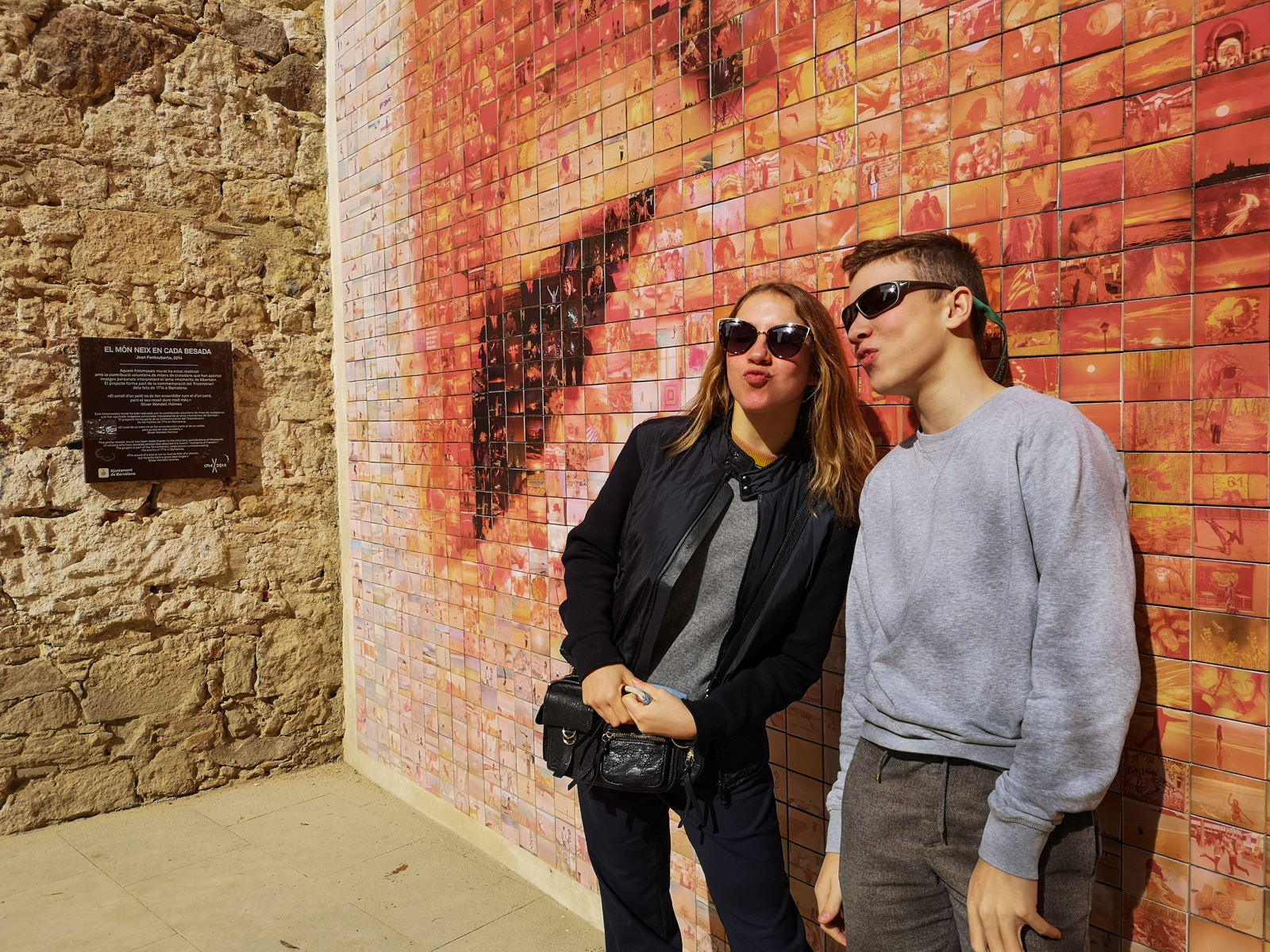
Barcelona
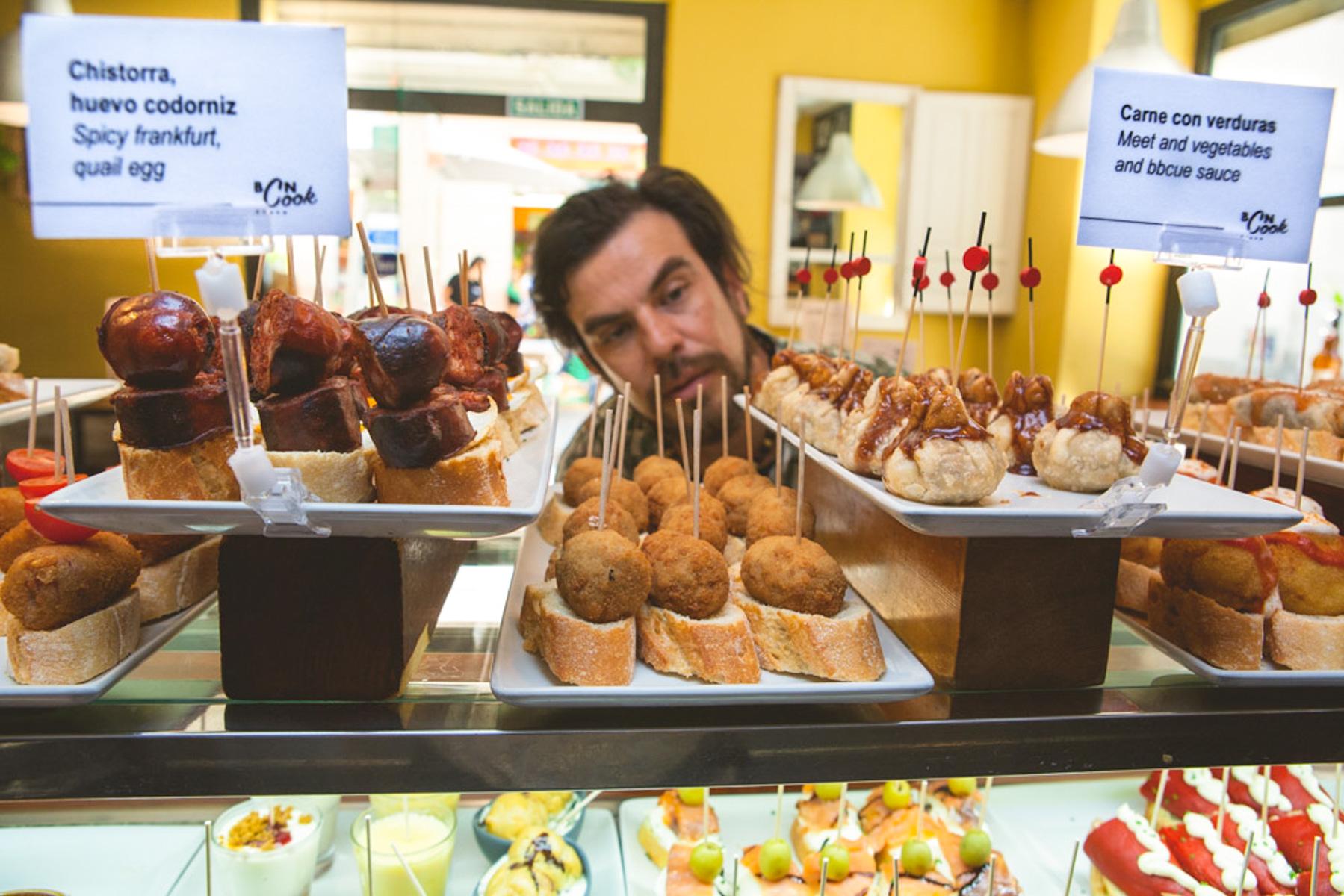
Barcelona
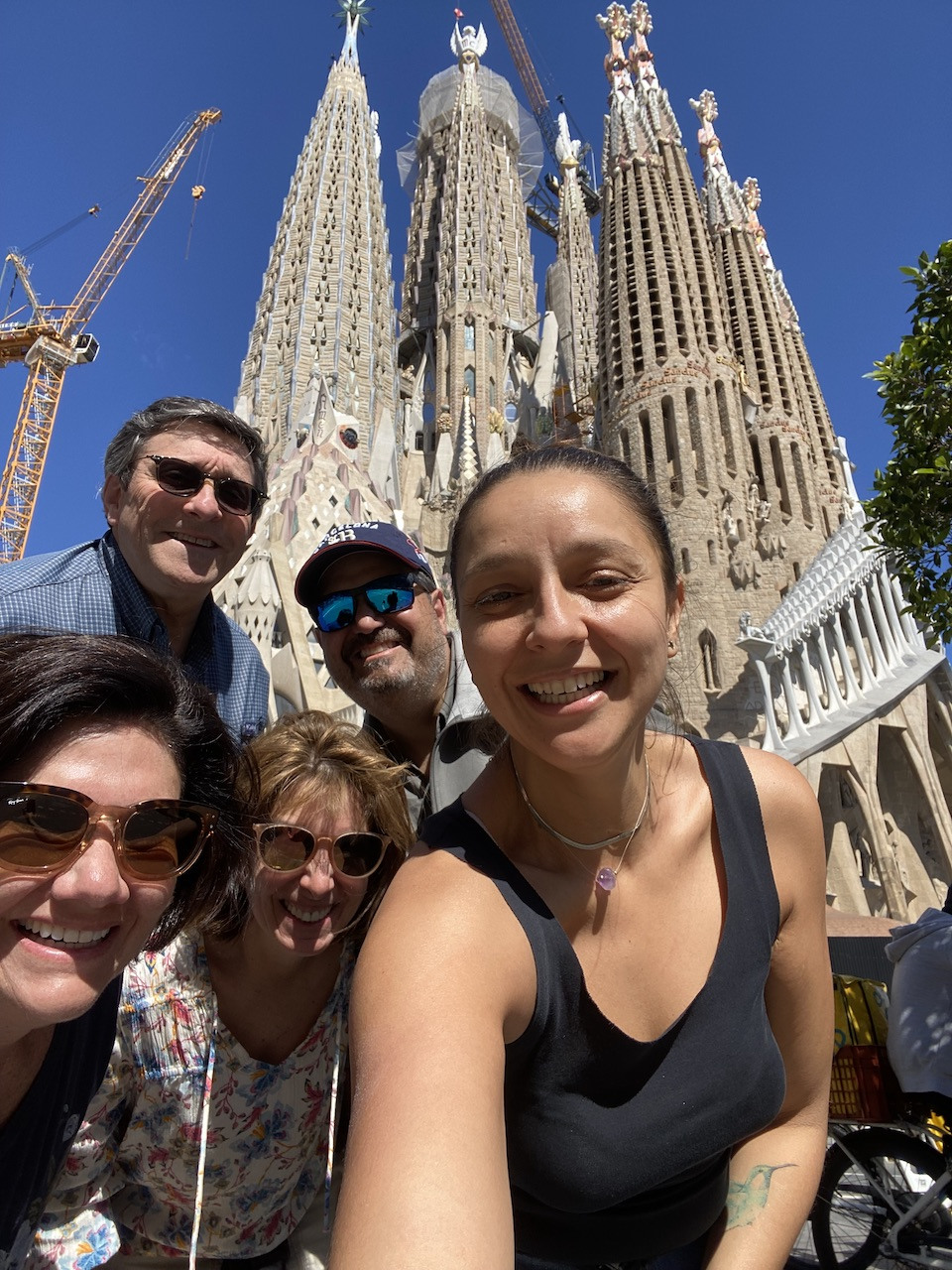
Barcelona
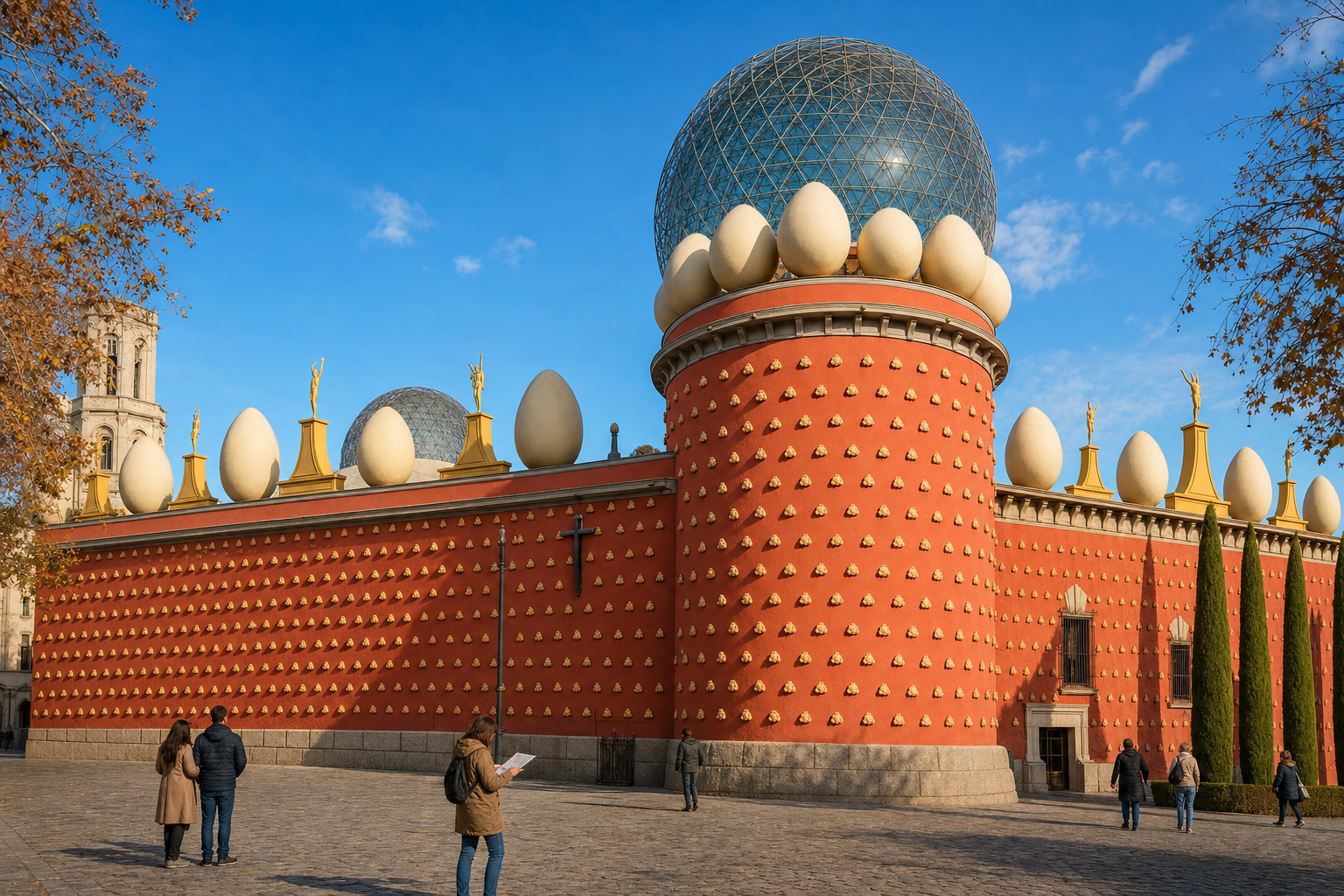
Most people know that Salvador Dalí was born in Figueres on 11 May 1904 — fewer realise that he spent the last decade of his life living inside his own museum, in a castle tower he had converted into a private apartment, refusing almost all visitors. That detail alone reframes everything you're about to see on a Costa Brava day trip from Barcelona. This isn't a sightseeing loop past pretty landmarks; it's a journey into one of the most deliberately constructed artistic universes ever assembled, set against a coastline so geologically dramatic that it physically shaped the imagery of a surrealist movement. From the geodesic dome above Figueres to the labyrinthine rooms of Portlligat, from the tramuntana-battered vines of the Empordà to the whitewashed lanes of Cadaqués, every stop carries a specific weight of history that rewards knowing before you arrive. This guide gives you that context — and shows you why adding a winery to the route isn't a detour, it's the most logical ending the day could have.
Read more →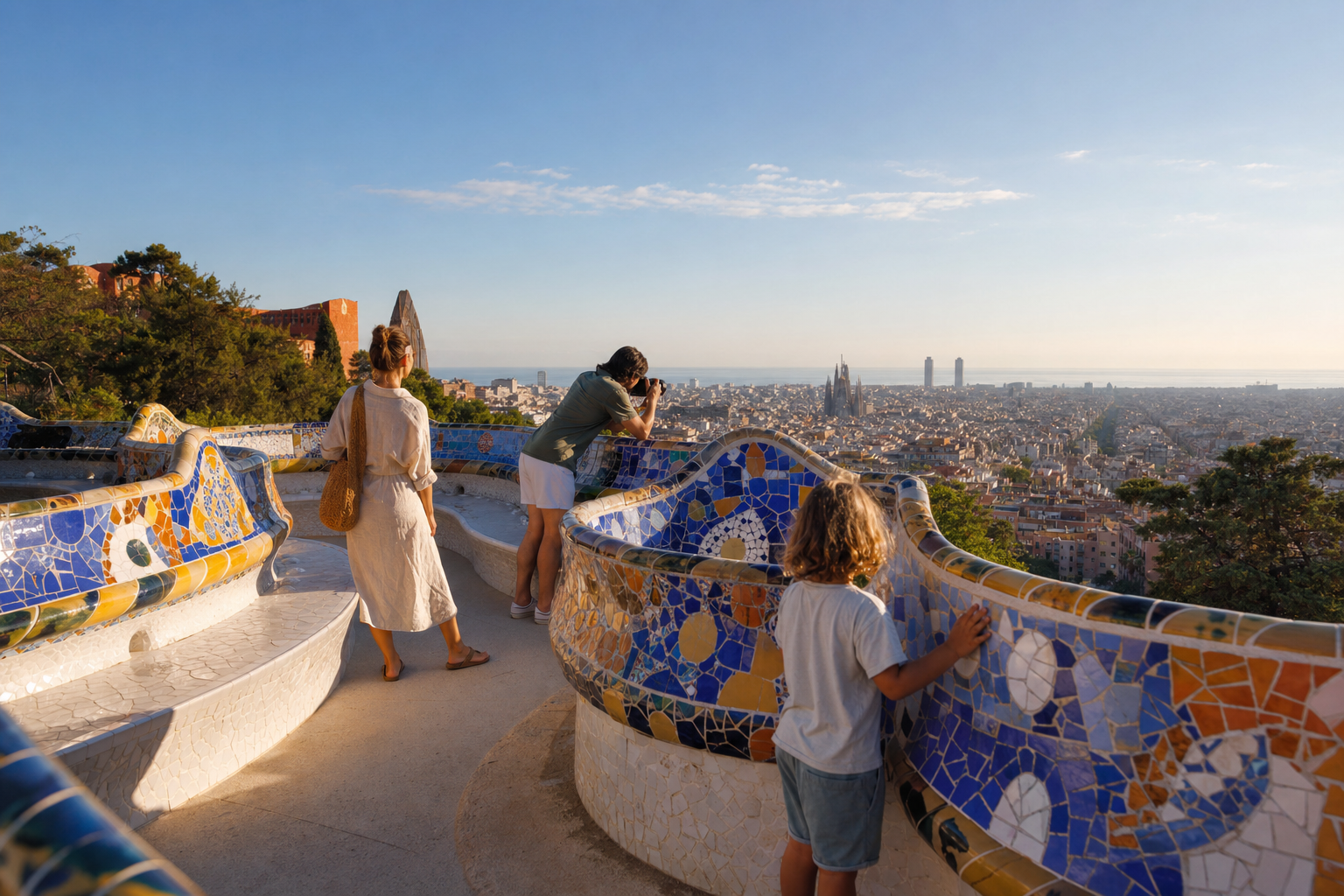
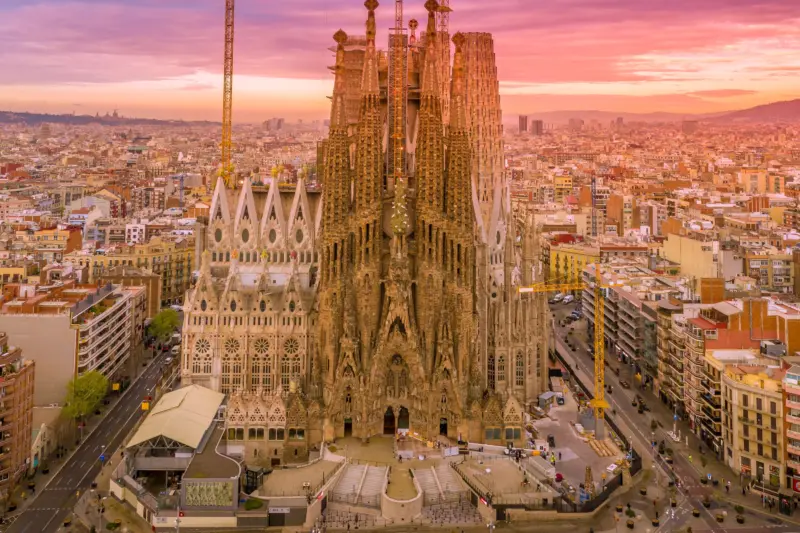
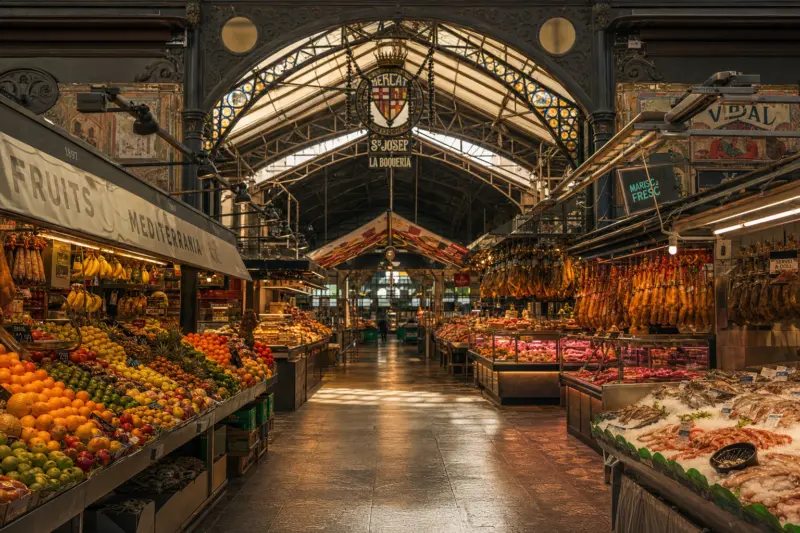
In 1883, a 31-year-old architect named Antoni Gaudí inherited a half-built church from a resigning predecessor and spent the next 43 years — until his death in 1926 — turning it into one of the most structurally radical buildings in human history. That church, the Sagrada Família, is still under construction today, and it is just one reason why Barcelona rewards curiosity more than almost any other city in Europe. But Gaudí's Barcelona is only one layer. Beneath the Gothic Quarter's cobblestones lie the preserved streets of a Roman settlement called Barcino, founded around 10 BC. In the city's markets, a food culture rooted in Catalan identity — not the generalised 'Spanish' clichés exported for tourists — plays out every single morning. Barcelona is a city that consistently offers more the deeper you look. This guide cuts past the surface to give you the historical facts, cultural context, and local knowledge that turn a good trip into an unforgettable one.
Read more →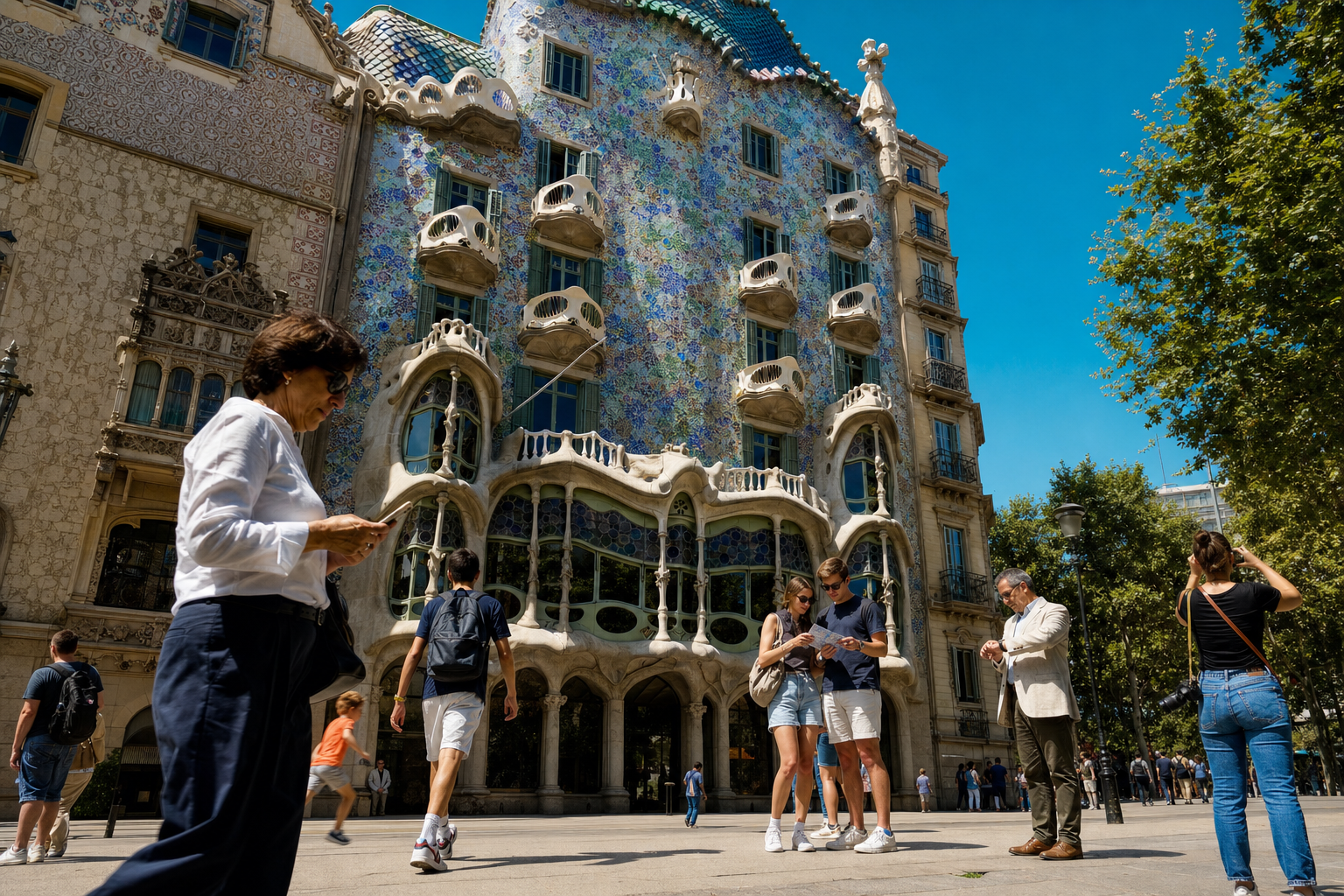
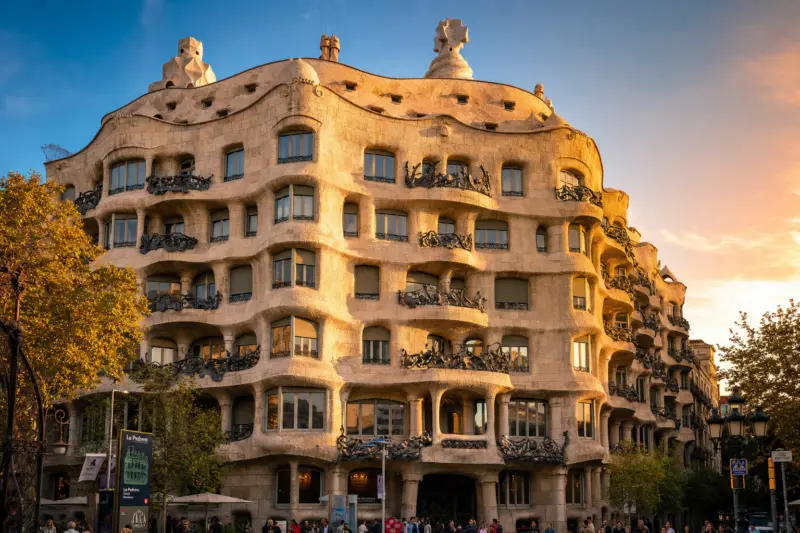
On the grandest stretch of Barcelona's Passeig de Gràcia — a boulevard so thick with Modernista jewels that locals call it the Block of Discord — one building stops every passerby cold. Casa Batlló shimmers like a living creature: scales of iridescent ceramic, a roofline that breathes, skulls carved into stone balconies. It was commissioned by a wealthy textile magnate, transformed by a visionary architect, and completed in 1906 as a statement that would redefine what a city building could be. This is its story.
Read more →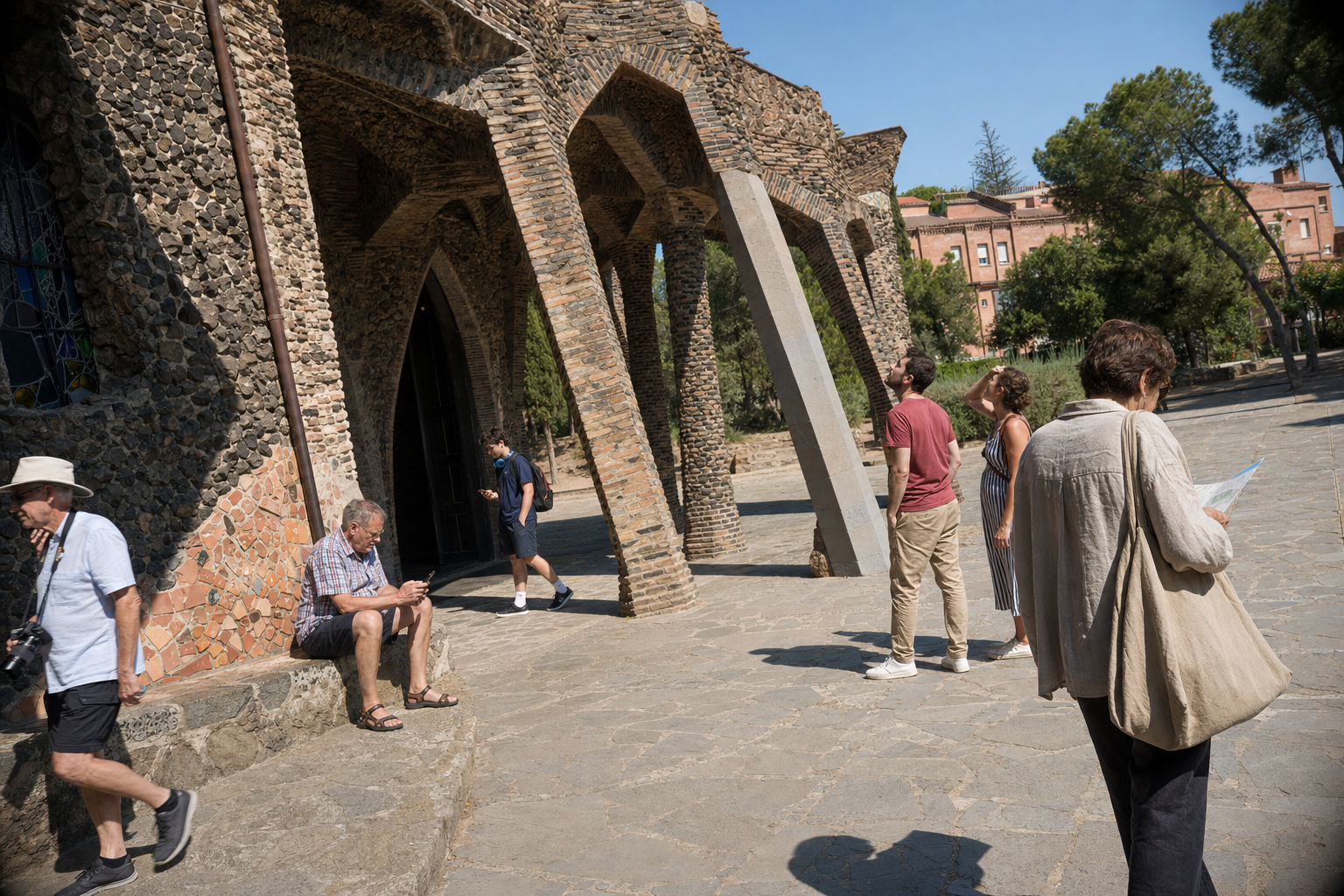
In 1890, the Catalan industrialist Eusebi Güell made a decision that was radical even by the standards of a city already electrified by modernisme: he abandoned Barcelona's choking factory districts and moved his textile mill — and his entire workforce — to a pine-forested hillside in Santa Coloma de Cervelló, just 20 kilometres southwest of the city. What he built there was not merely a factory complex but a full social experiment: a self-contained workers' village with housing, schools, a theatre, a cooperative shop, and a church that would become one of the most structurally daring buildings of the 20th century. That church was entrusted to Antoni Gaudí — and what Gaudí designed in its crypt between 1908 and 1914 was nothing less than the structural laboratory for the Sagrada Família. Colonia Güell is where the dream was tested. It draws a fraction of the crowds that queue outside Park Güell or the Sagrada Família, yet it is arguably the most intellectually fascinating Gaudí site in all of Catalonia.
Read more →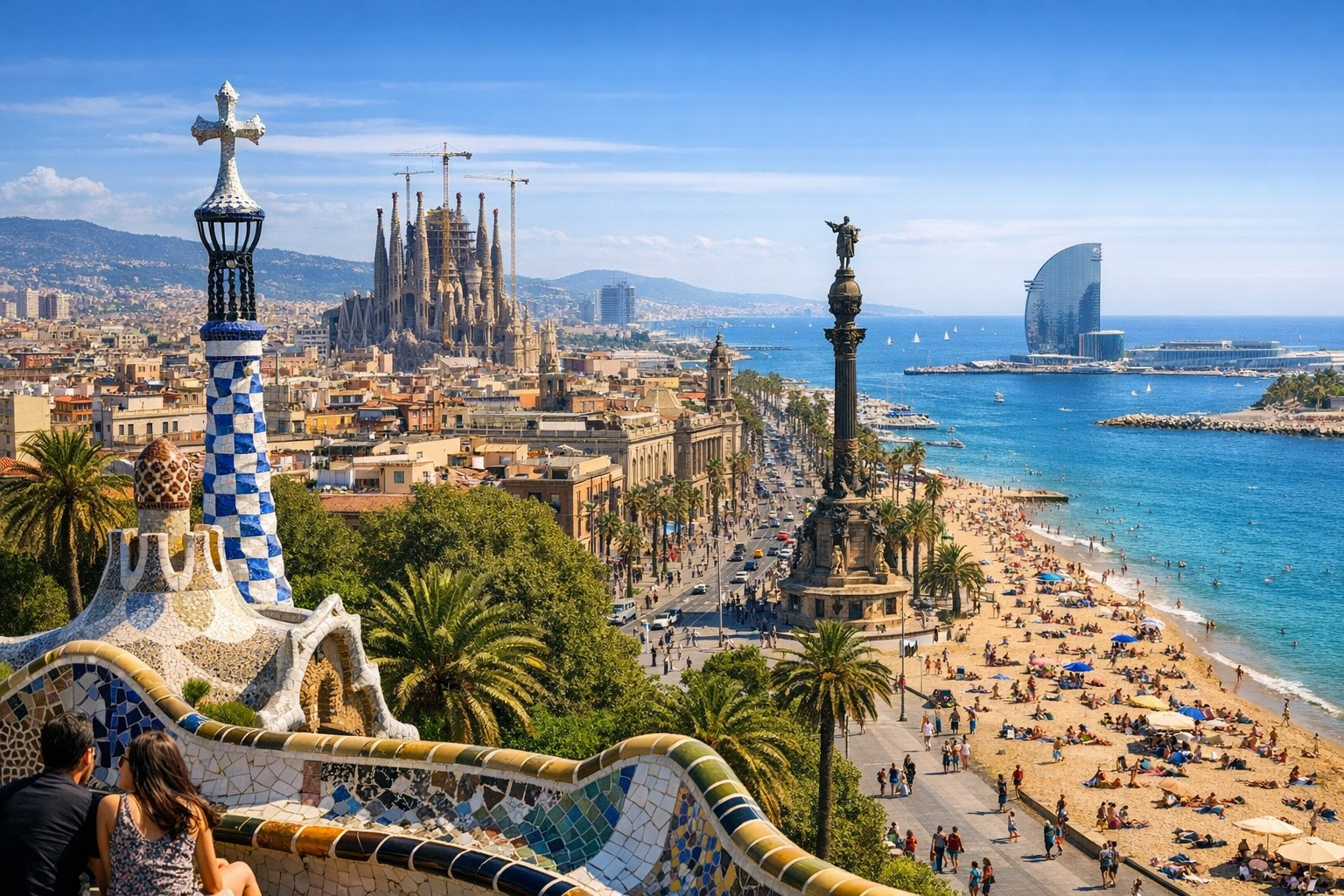
Discover the vibrant culture, stunning architecture, and culinary delights of Barcelona. From iconic landmarks to hidden gems, this guide offers the best activities to experience in the city, ensuring an unforgettable visit.
Read more →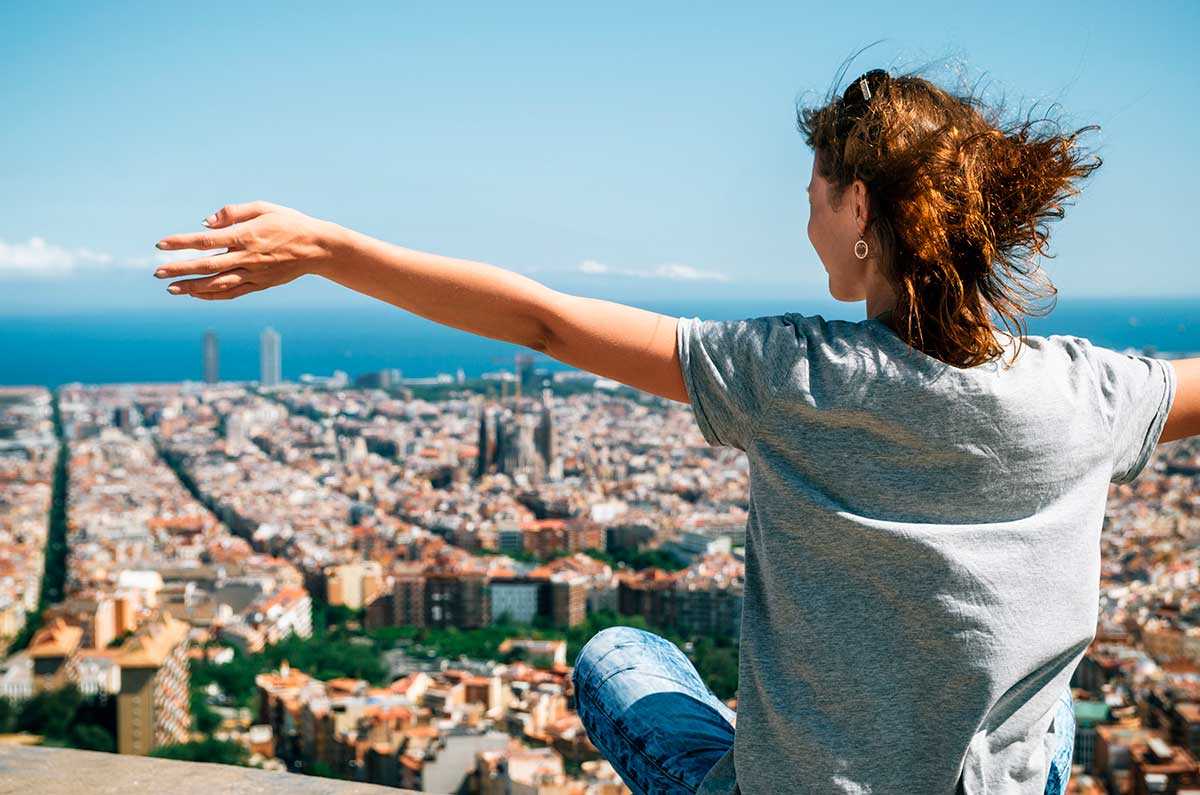
Barcelona, the enchanting coastal city in Spain, is a treasure trove of captivating attractions, historic landmarks, and awe-inspiring architecture. With so much to explore, having a well-designed attractions map can significantly enhance your sightseeing experience and ensure you make the most of your time in this vibrant destination. Whether you are an adventurous solo traveler or a family seeking a cultural getaway, a detailed map will be your faithful companion throughout your journey.
Read more →We use a single cookie, to remember this choice. We do not use analytics or advertising cookies. Read our cookie policy.