3 hrs
Barcelona
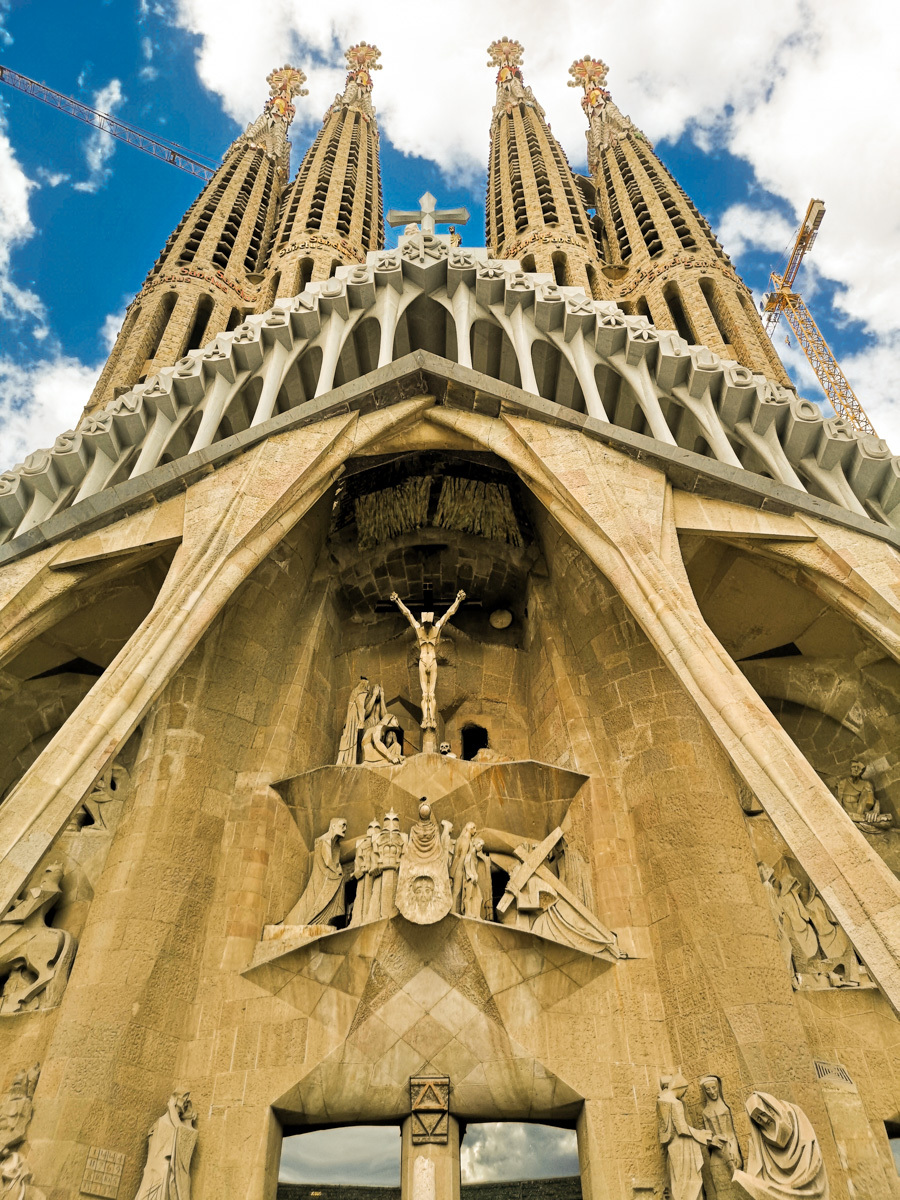
Sagrada Familia & Gaudi Tour Private or Small Group with Tickets
✓ Free cancellation Kids friendly
4.8(1403 reviews)
From €197/ person
Book Now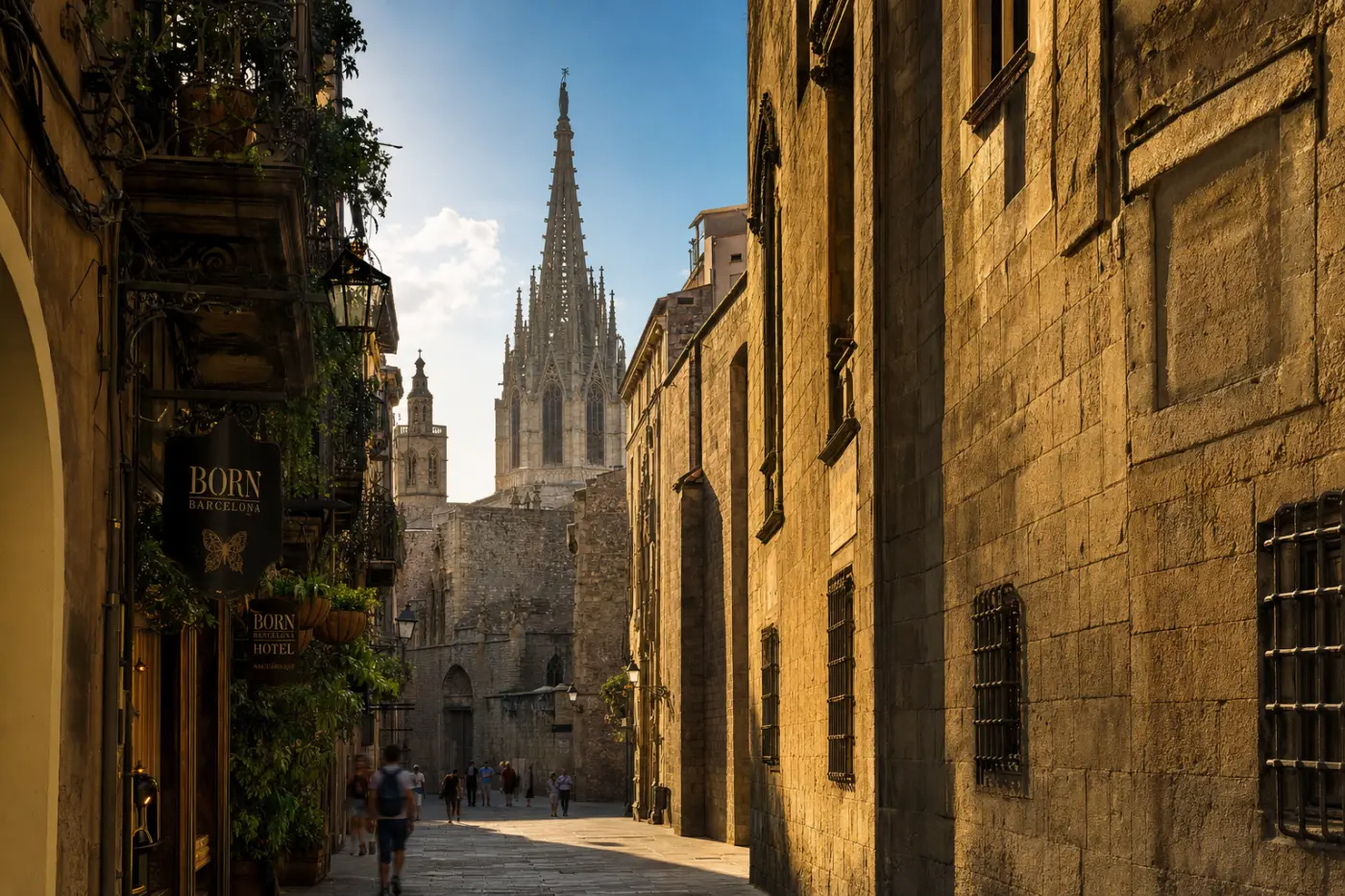
Tourist attraction
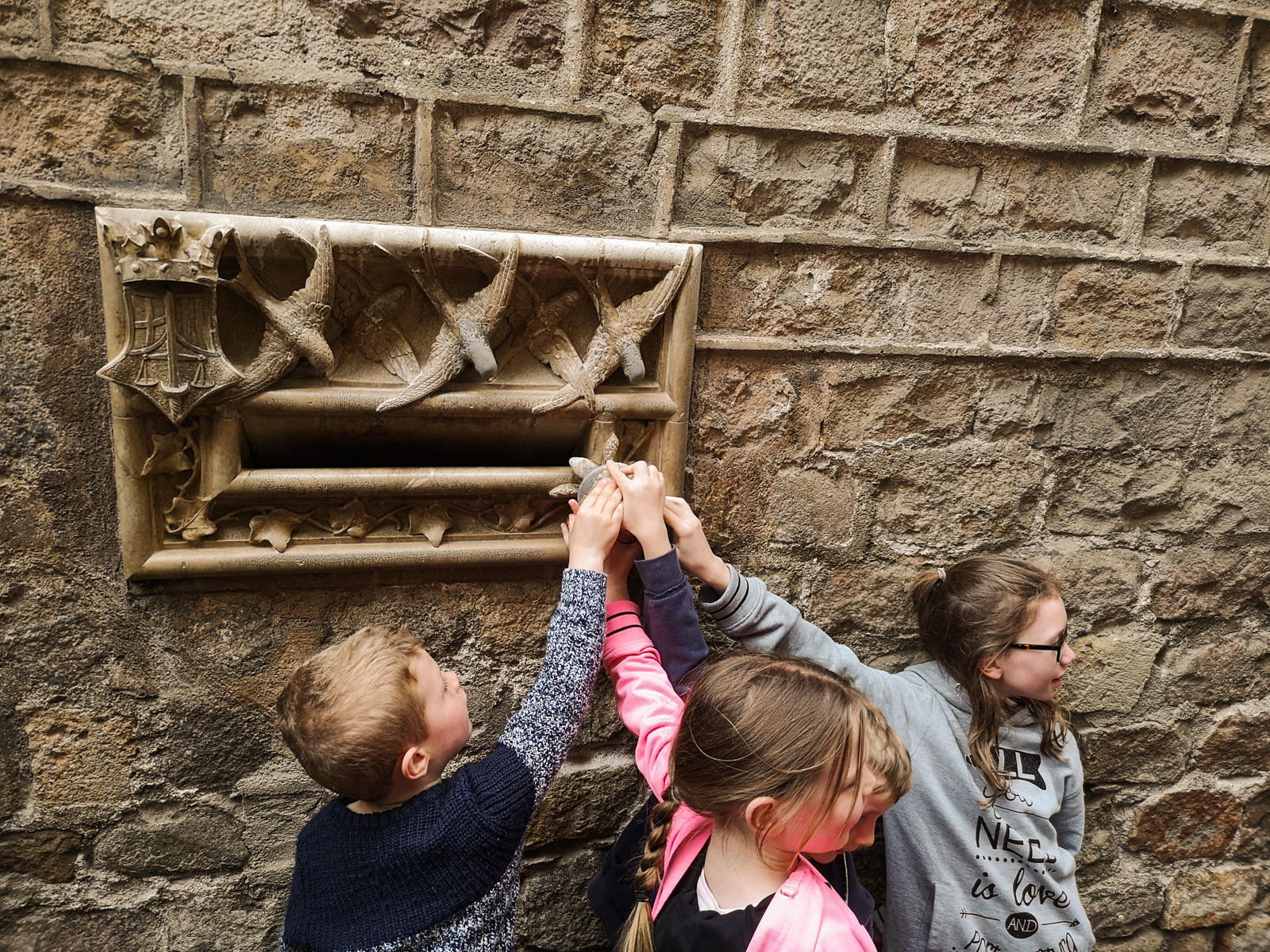
The Barri Gòtic is Barcelona's oldest continuously inhabited district, built directly on top of the Roman colony of Barcino, founded around 10 BCE during the reign of Emperor Augustus. The Roman street grid is still legible today: the ancient cardo maximus runs beneath modern Carrer Llibreteria, the decumanus beneath Carrer Ciutat, and the Forum — the civic heart of every Roman town — lies directly under the present-day Plaça Sant Jaume, still the seat of Catalan and municipal government. Duck into the courtyard of the Centre Excursionista de Catalunya on Carrer Paradís and you will find four intact columns of a Roman temple to Augustus, standing nearly 9 metres tall and hidden from the street since the 6th century. A millstone embedded in the pavement outside marks the summit of Mont Tàber, the 16-metre hill that made Barcino defensible and prompted Rome to plant a colony here in the first place.
Through the medieval period, the counts of Barcelona expanded the city outward from this nucleus, and the quarter reached its architectural peak between the 13th and 15th centuries, when the Crown of Aragon was one of the dominant powers of the western Mediterranean. The Cathedral of Barcelona — formally the Cathedral of the Holy Cross and Saint Eulalia — was begun in 1298 on the site of an earlier Romanesque church and took 150 years to complete; its celebrated Gothic cloister houses a flock of thirteen white geese, kept by tradition since at least the 15th century in honour of Saint Eulalia, who was martyred at age thirteen. The nearby Plaça del Rei preserves the Palau Reial Major, the royal palace of the Catalan-Aragonese monarchs, where Ferdinand and Isabella famously received Christopher Columbus on his return from the Americas in 1493.
Visitors who wander without a fixed itinerary tend to make the richest discoveries here. The neighbourhood's narrow, irregular lanes — a deliberate contrast to the rational Eixample grid Ildefons Cerdà imposed on the rest of Barcelona in 1860 — open unexpectedly onto quiet squares like Plaça de Sant Felip Neri, still scarred by the shrapnel of a Civil War bombing in 1938, and Plaça del Pi, anchored by the 14th-century Basilica de Santa Maria del Pi and its extraordinary 10-metre rose window. Carrer del Bisbe, a favourite photography subject, features a neo-Gothic stone bridge added in 1928 — a reminder that the quarter's Gothic appearance is partly curated: Catalan architects of the early 20th century restored and embellished extensively, making portions of the Barri Gòtic an exercise in romantic medievalism as much as authentic preservation.
Practical orientation is straightforward despite the maze. Metro line L4 stops at Jaume I on the eastern edge, while lines L1 and L3 serve Catalunya and Liceu along La Rambla to the west. The quarter is entirely pedestrianised in its core, so flat shoes are advisable on cobblestone streets. Mornings before 10:00 offer the quietest experience; by midday the main axes — Carrer Ferran, Avinguda del Portal de l'Àngel, Plaça Reial — fill quickly. The Barcelona History Museum (MUHBA) beneath Plaça del Rei allows visitors to walk through excavated Roman streets and thermal baths 4 metres below the modern pavement — one of the most complete Roman urban sites accessible in all of Europe.
Private tours with a local guide, at your own pace.
Barcelona
Barcelona
Barcelona
Barcelona
Barcelona
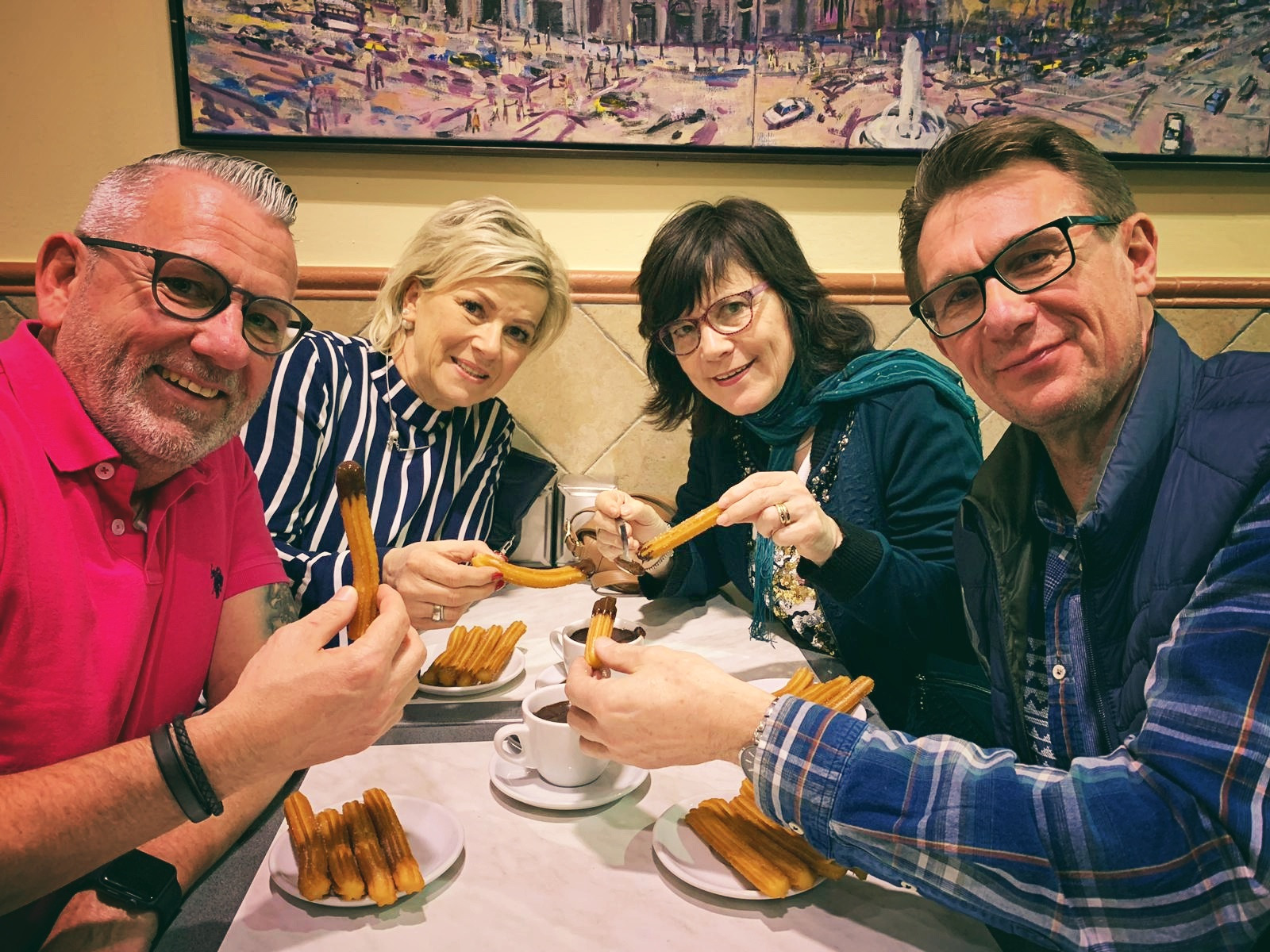
Barcelona
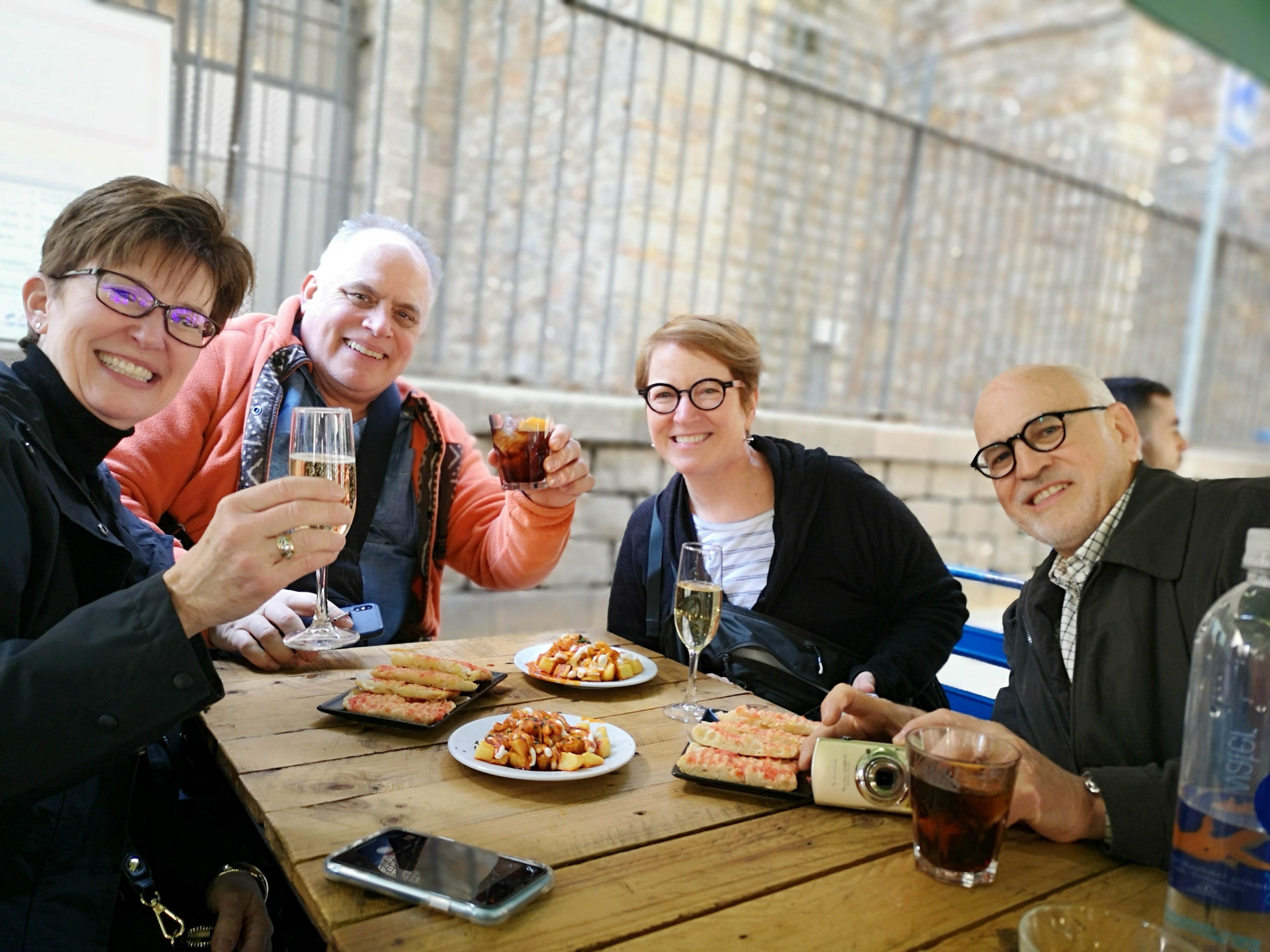
Barcelona
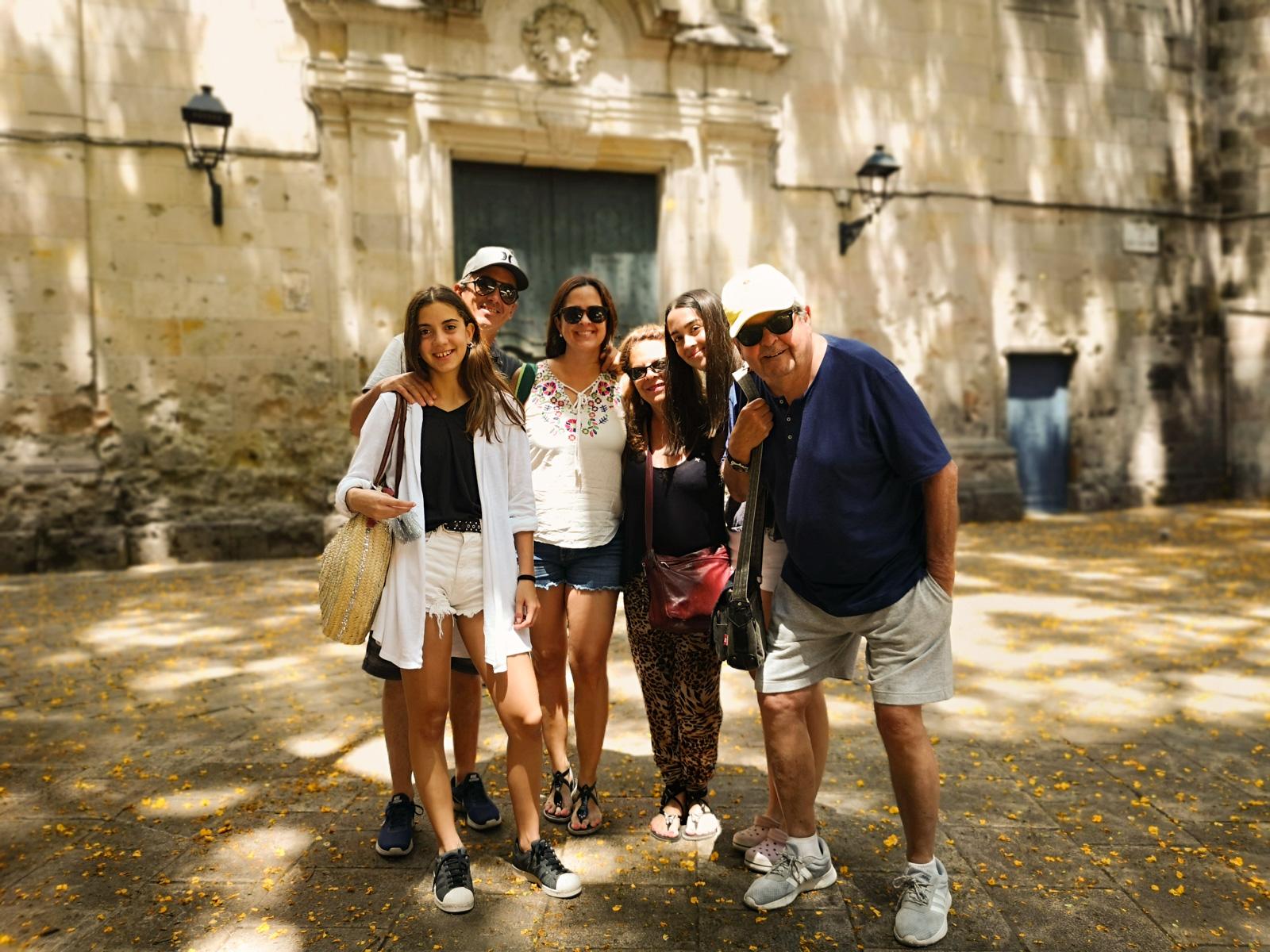
Barcelona
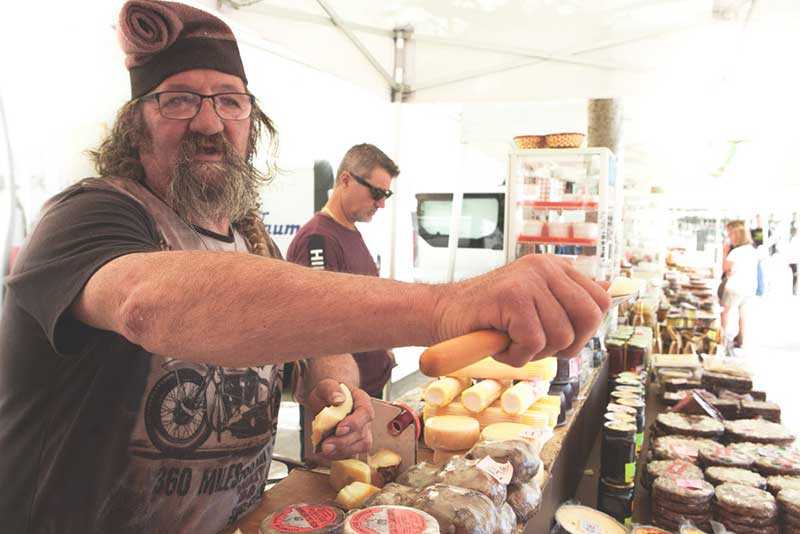
Barcelona
Barcelona
Barcelona
Barcelona
Barcelona
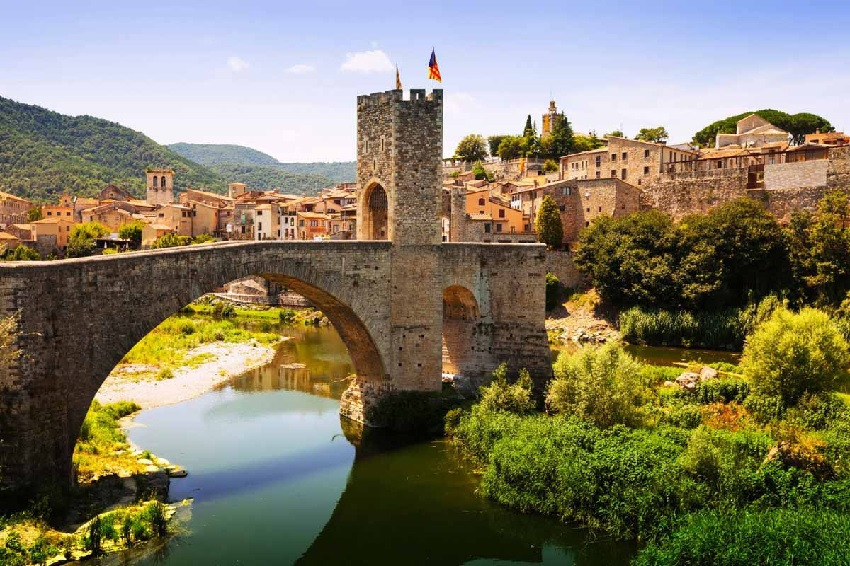
Barcelona
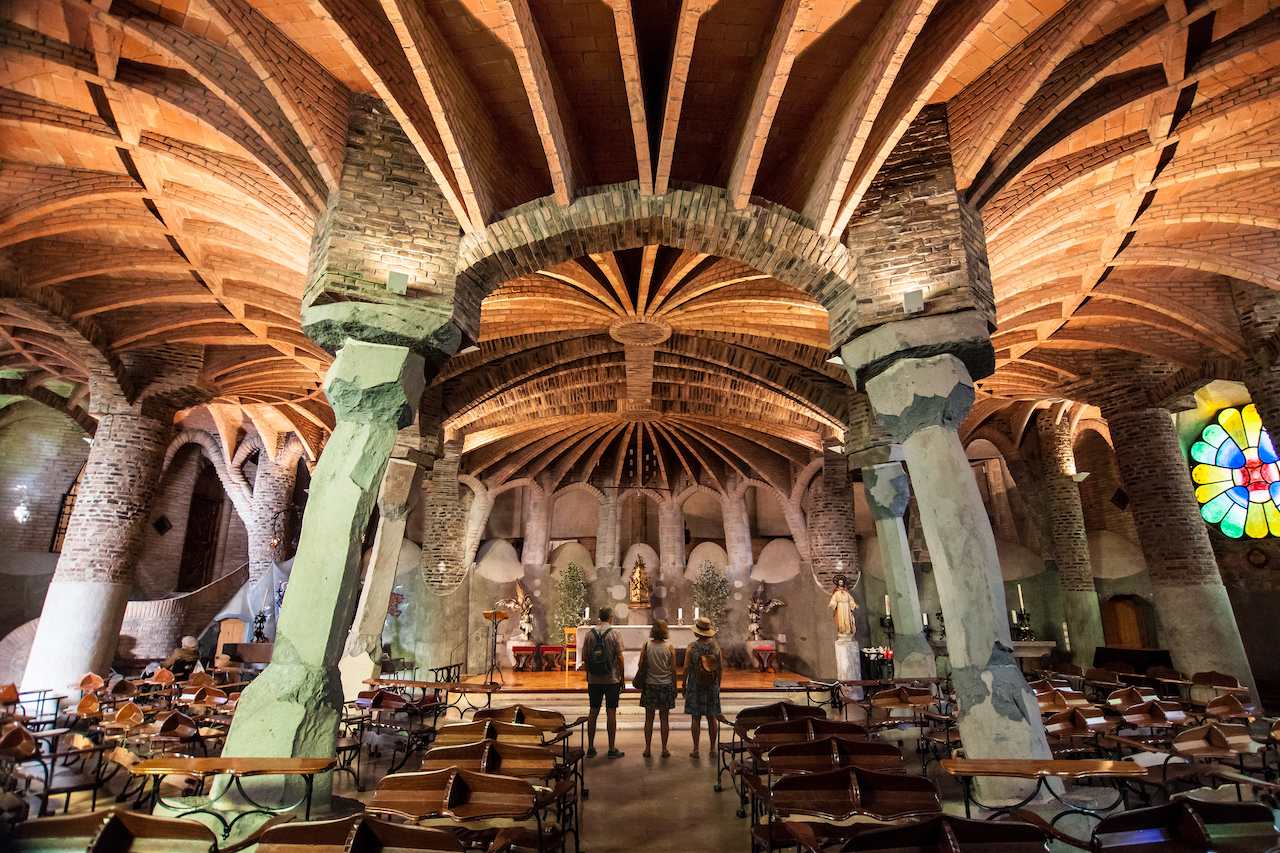
Barcelona
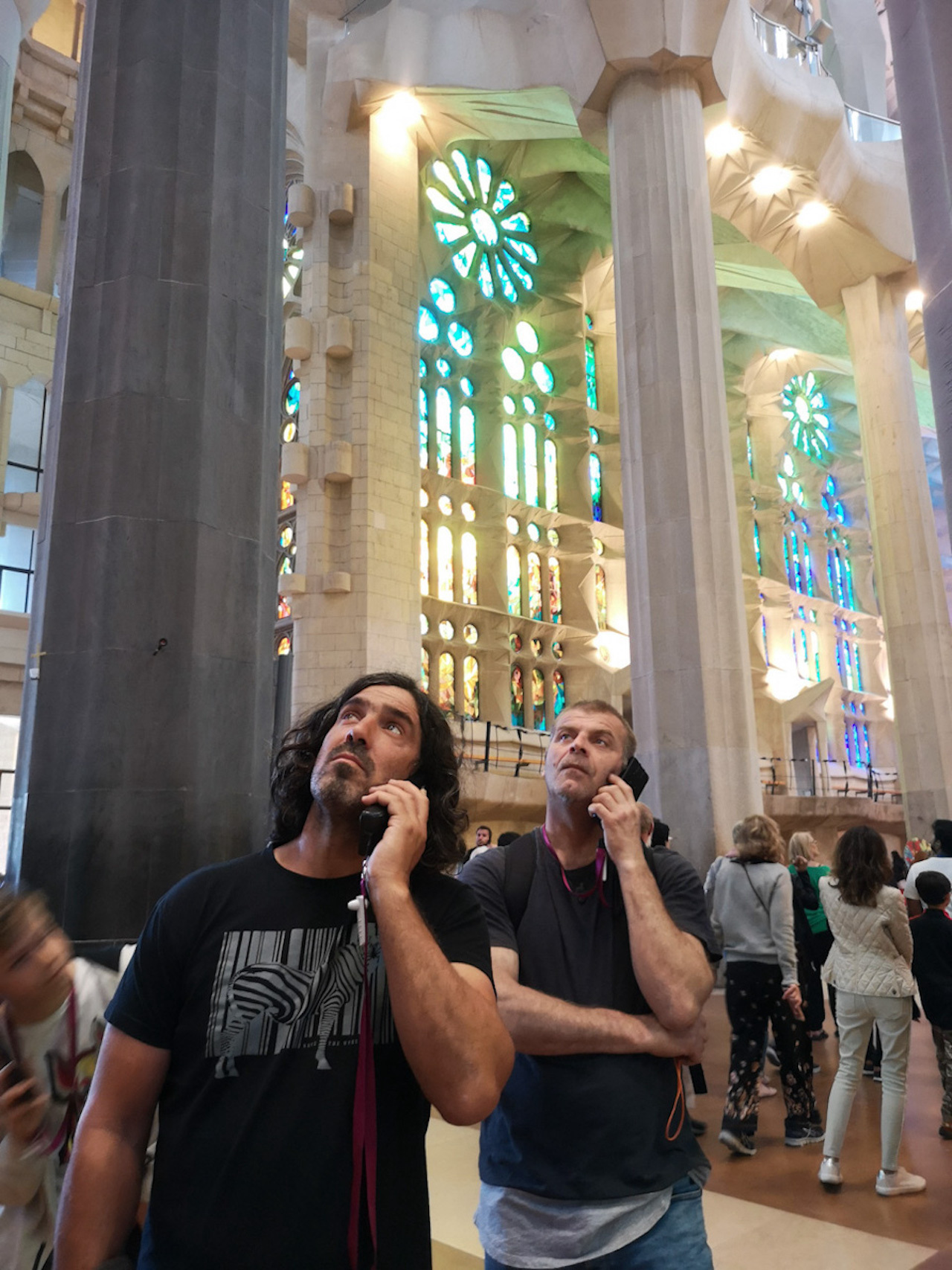
Barcelona
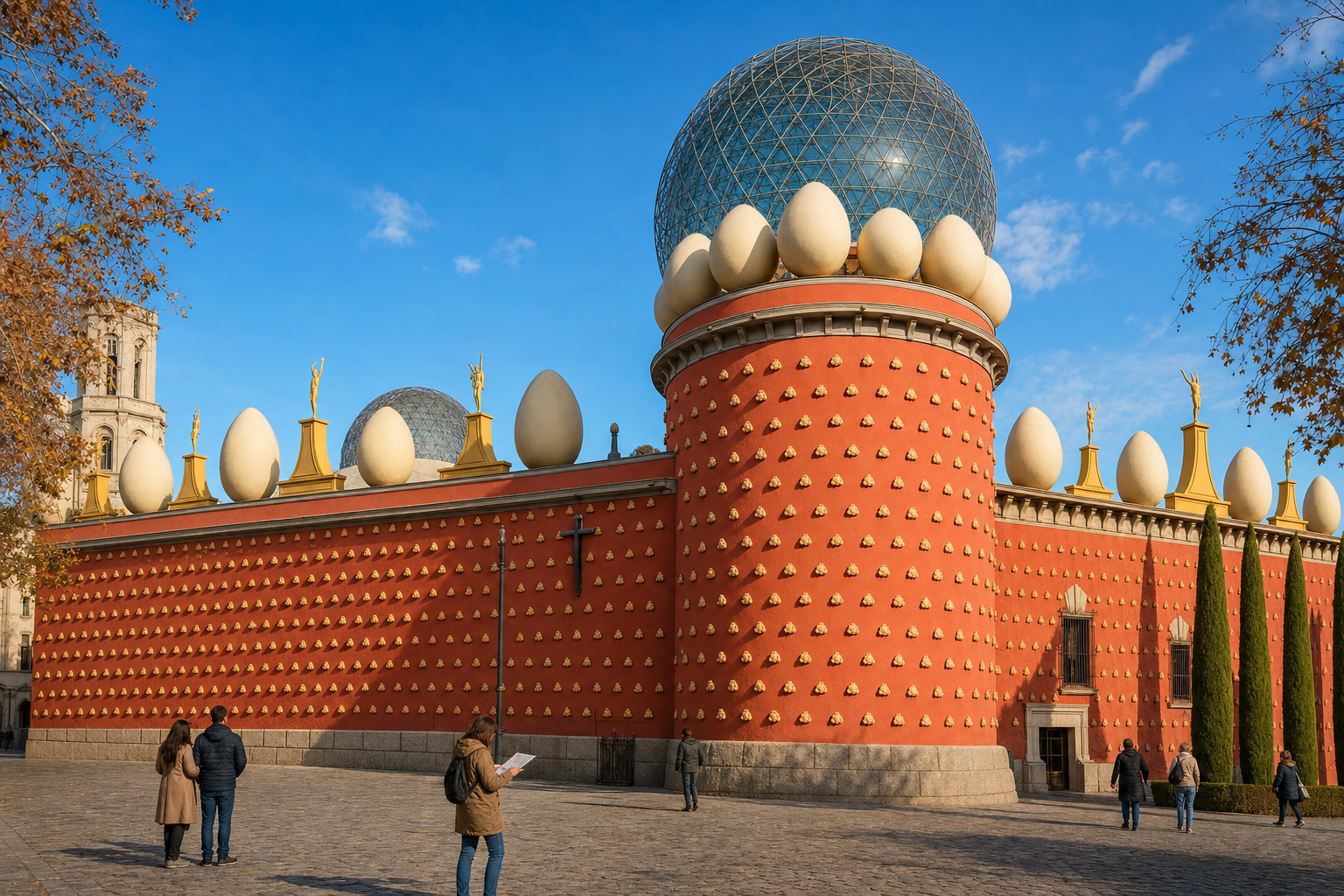
Most people know that Salvador Dalí was born in Figueres on 11 May 1904 — fewer realise that he spent the last decade of his life living inside his own museum, in a castle tower he had converted into a private apartment, refusing almost all visitors. That detail alone reframes everything you're about to see on a Costa Brava day trip from Barcelona. This isn't a sightseeing loop past pretty landmarks; it's a journey into one of the most deliberately constructed artistic universes ever assembled, set against a coastline so geologically dramatic that it physically shaped the imagery of a surrealist movement. From the geodesic dome above Figueres to the labyrinthine rooms of Portlligat, from the tramuntana-battered vines of the Empordà to the whitewashed lanes of Cadaqués, every stop carries a specific weight of history that rewards knowing before you arrive. This guide gives you that context — and shows you why adding a winery to the route isn't a detour, it's the most logical ending the day could have.
Read more →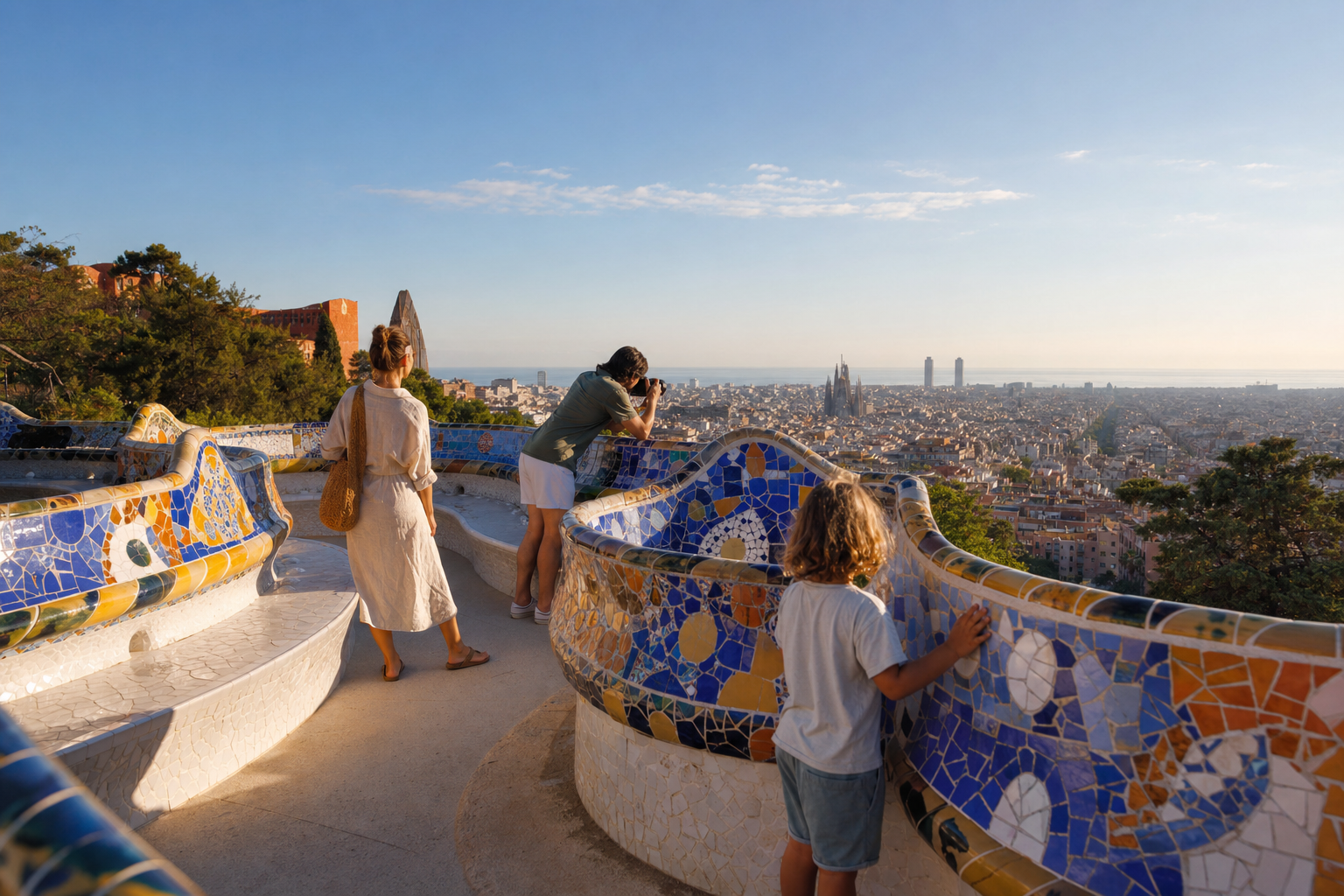
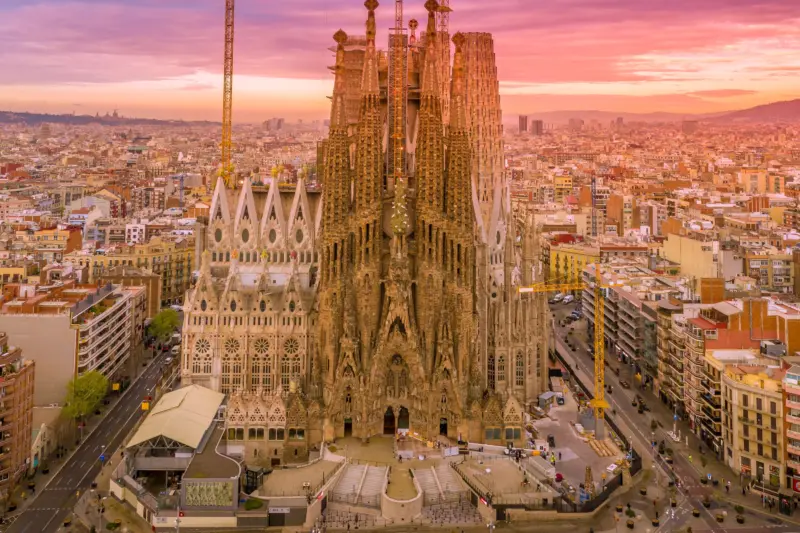
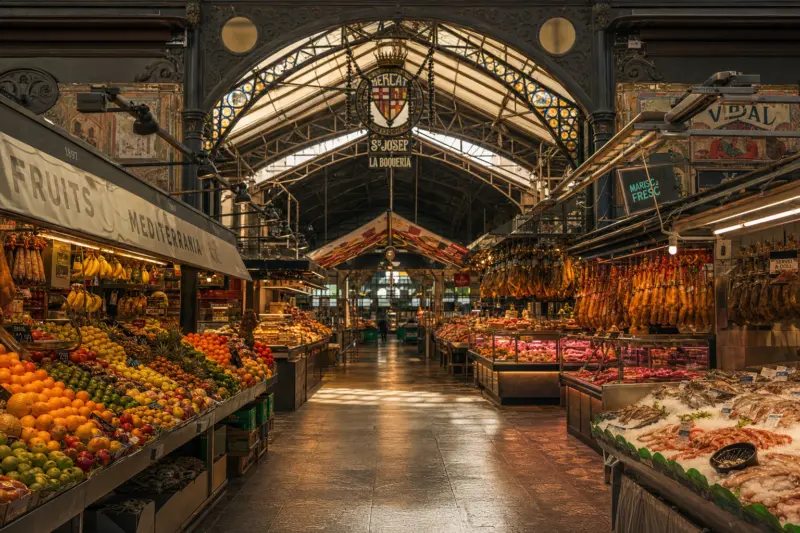
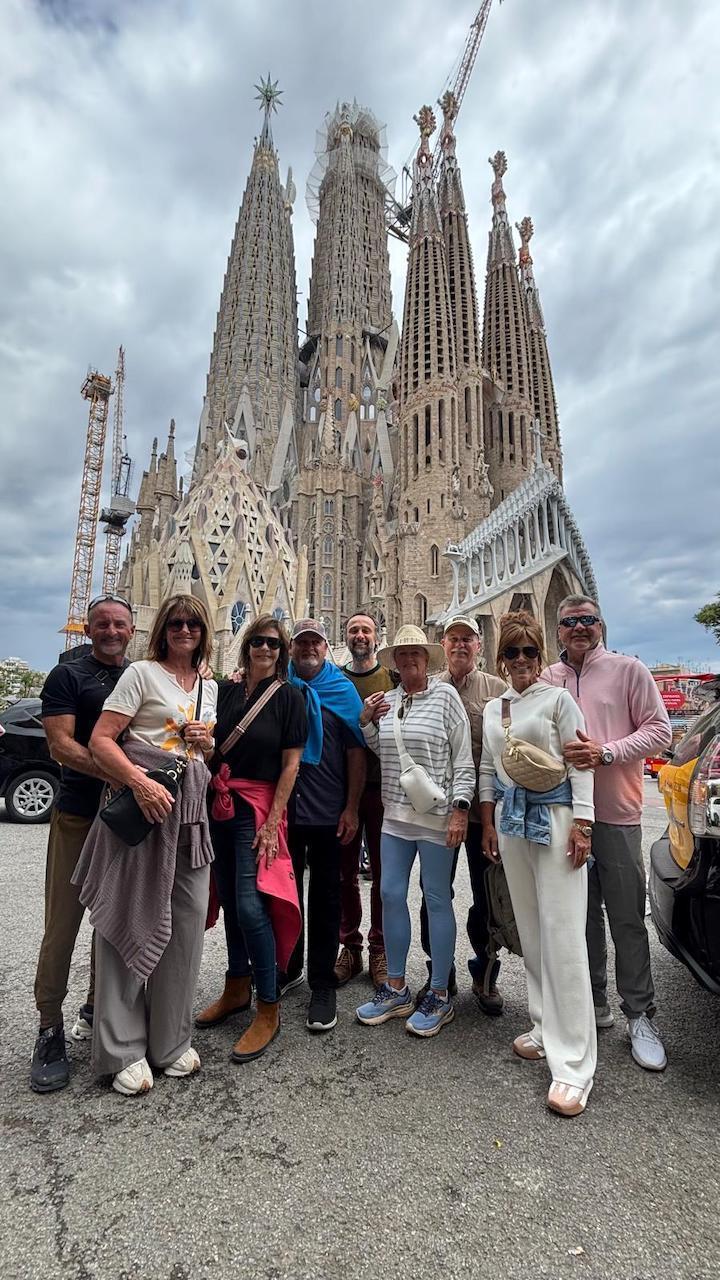
In 1883, a 31-year-old architect named Antoni Gaudí inherited a half-built church from a resigning predecessor and spent the next 43 years — until his death in 1926 — turning it into one of the most structurally radical buildings in human history. That church, the Sagrada Família, is still under construction today, and it is just one reason why Barcelona rewards curiosity more than almost any other city in Europe. But Gaudí's Barcelona is only one layer. Beneath the Gothic Quarter's cobblestones lie the preserved streets of a Roman settlement called Barcino, founded around 10 BC. In the city's markets, a food culture rooted in Catalan identity — not the generalised 'Spanish' clichés exported for tourists — plays out every single morning. Barcelona is a city that consistently offers more the deeper you look. This guide cuts past the surface to give you the historical facts, cultural context, and local knowledge that turn a good trip into an unforgettable one.
Read more →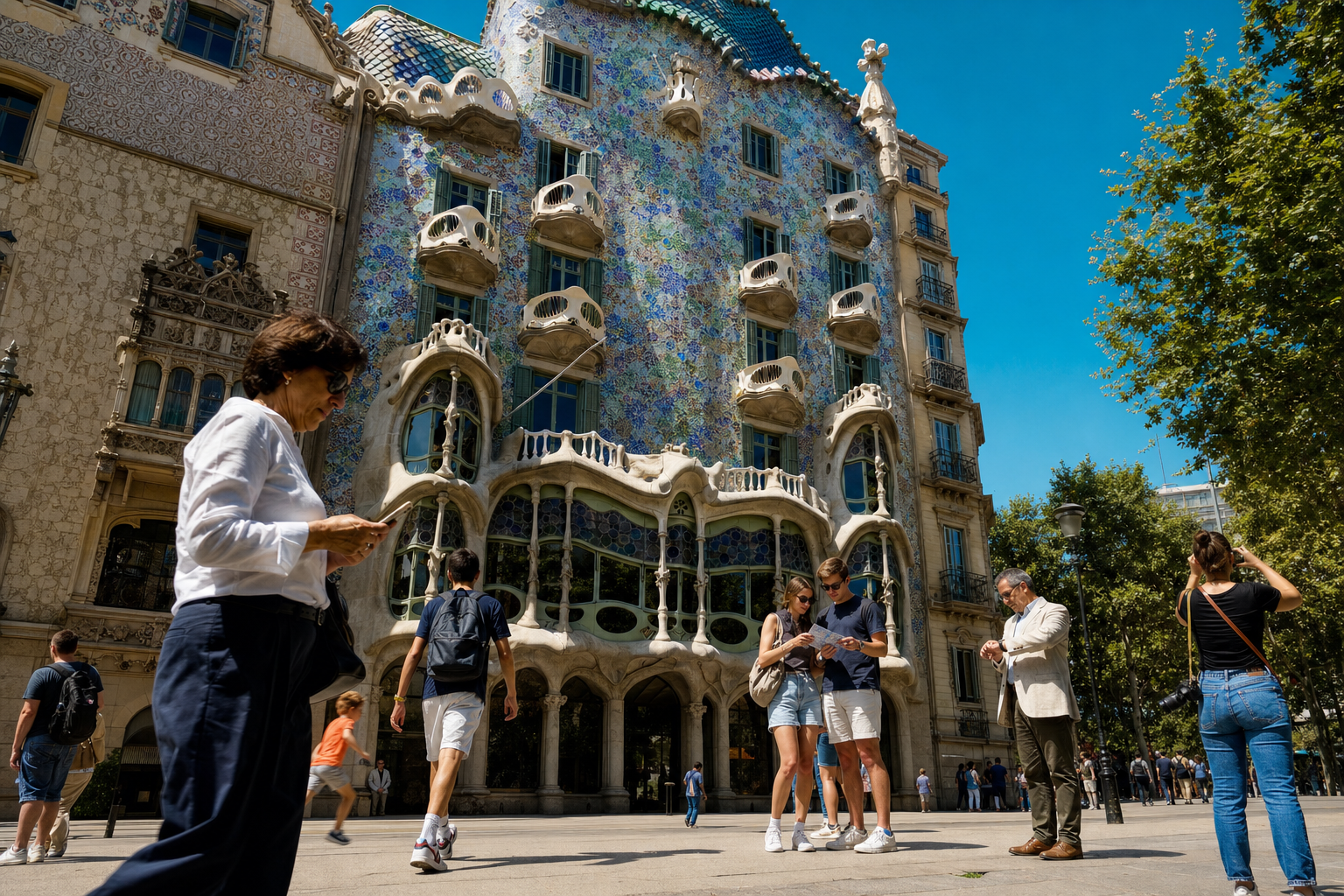
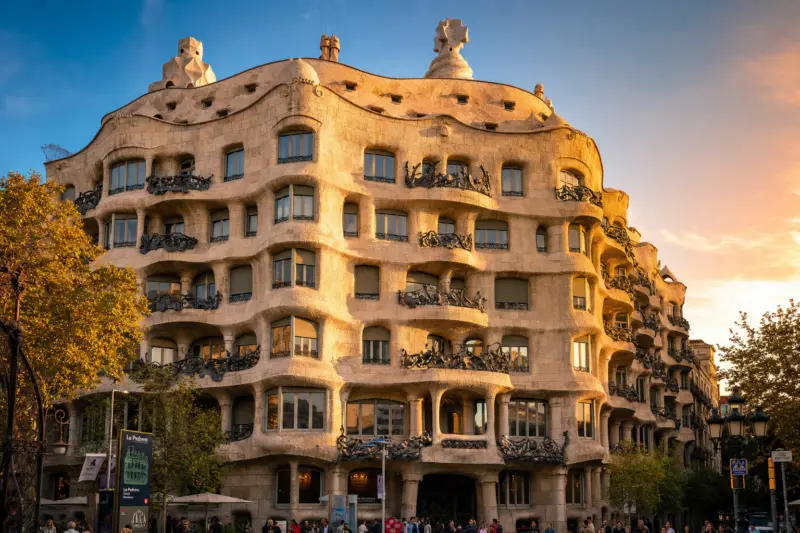
On the grandest stretch of Barcelona's Passeig de Gràcia — a boulevard so thick with Modernista jewels that locals call it the Block of Discord — one building stops every passerby cold. Casa Batlló shimmers like a living creature: scales of iridescent ceramic, a roofline that breathes, skulls carved into stone balconies. It was commissioned by a wealthy textile magnate, transformed by a visionary architect, and completed in 1906 as a statement that would redefine what a city building could be. This is its story.
Read more →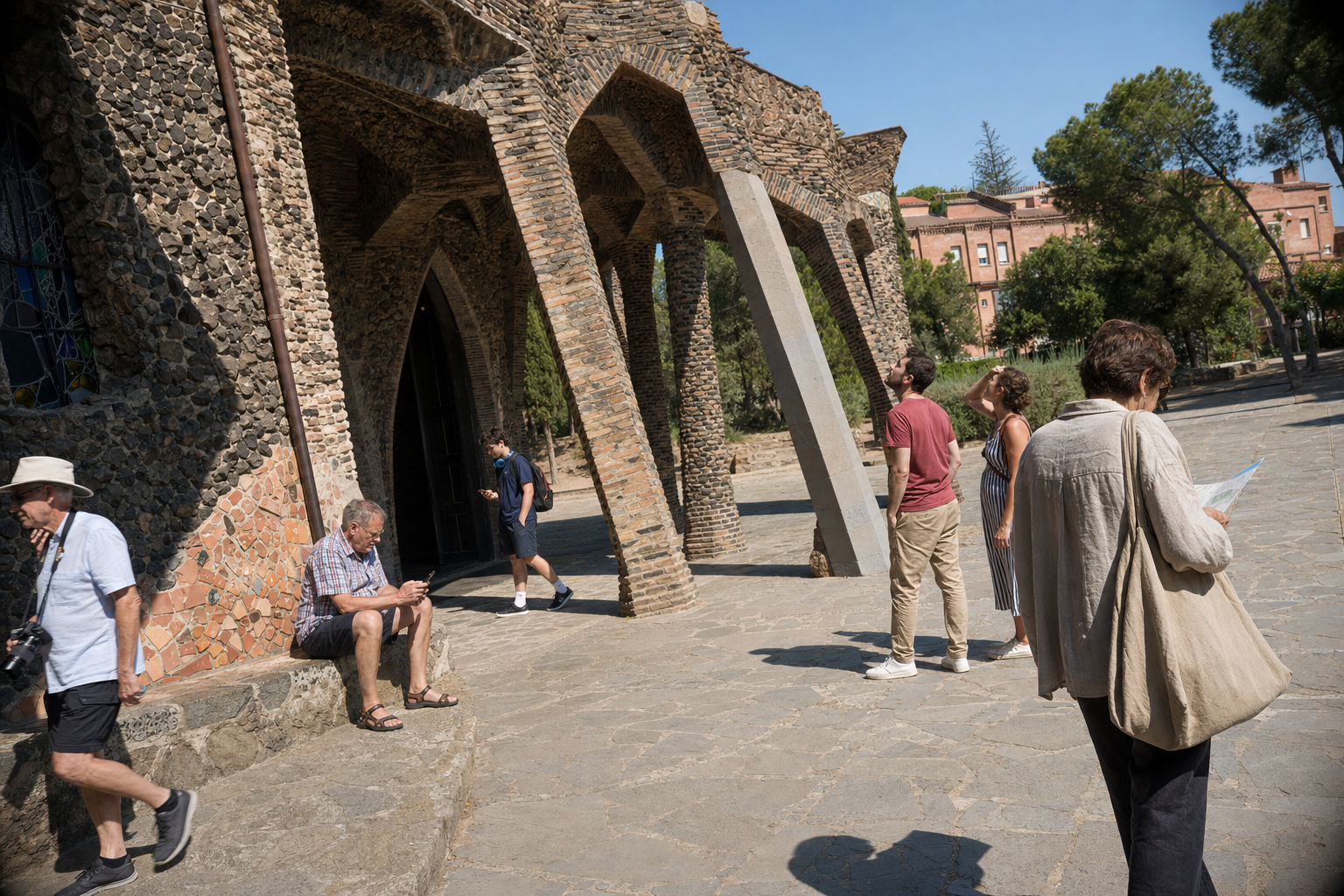
In 1890, the Catalan industrialist Eusebi Güell made a decision that was radical even by the standards of a city already electrified by modernisme: he abandoned Barcelona's choking factory districts and moved his textile mill — and his entire workforce — to a pine-forested hillside in Santa Coloma de Cervelló, just 20 kilometres southwest of the city. What he built there was not merely a factory complex but a full social experiment: a self-contained workers' village with housing, schools, a theatre, a cooperative shop, and a church that would become one of the most structurally daring buildings of the 20th century. That church was entrusted to Antoni Gaudí — and what Gaudí designed in its crypt between 1908 and 1914 was nothing less than the structural laboratory for the Sagrada Família. Colonia Güell is where the dream was tested. It draws a fraction of the crowds that queue outside Park Güell or the Sagrada Família, yet it is arguably the most intellectually fascinating Gaudí site in all of Catalonia.
Read more →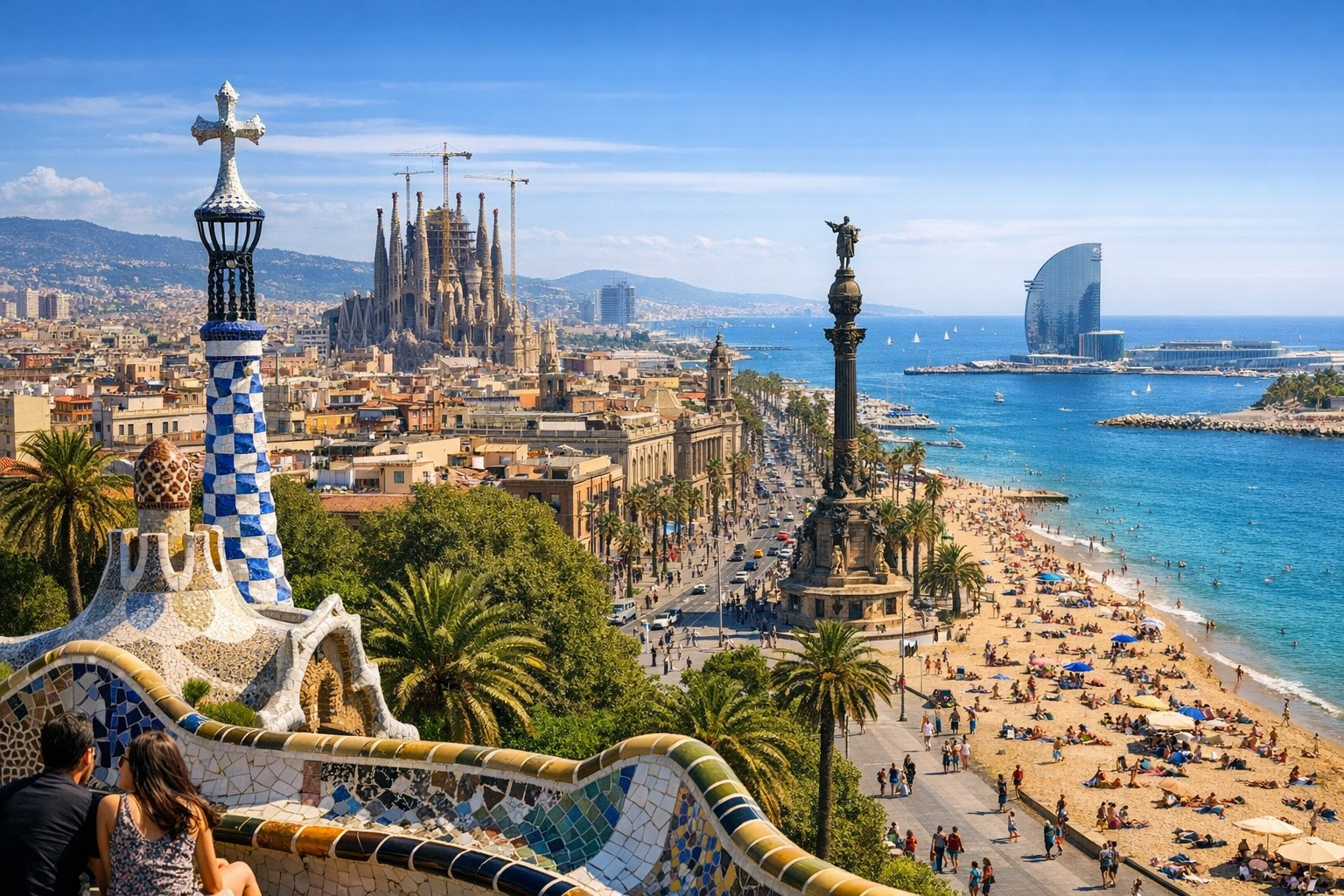
Discover the vibrant culture, stunning architecture, and culinary delights of Barcelona. From iconic landmarks to hidden gems, this guide offers the best activities to experience in the city, ensuring an unforgettable visit.
Read more →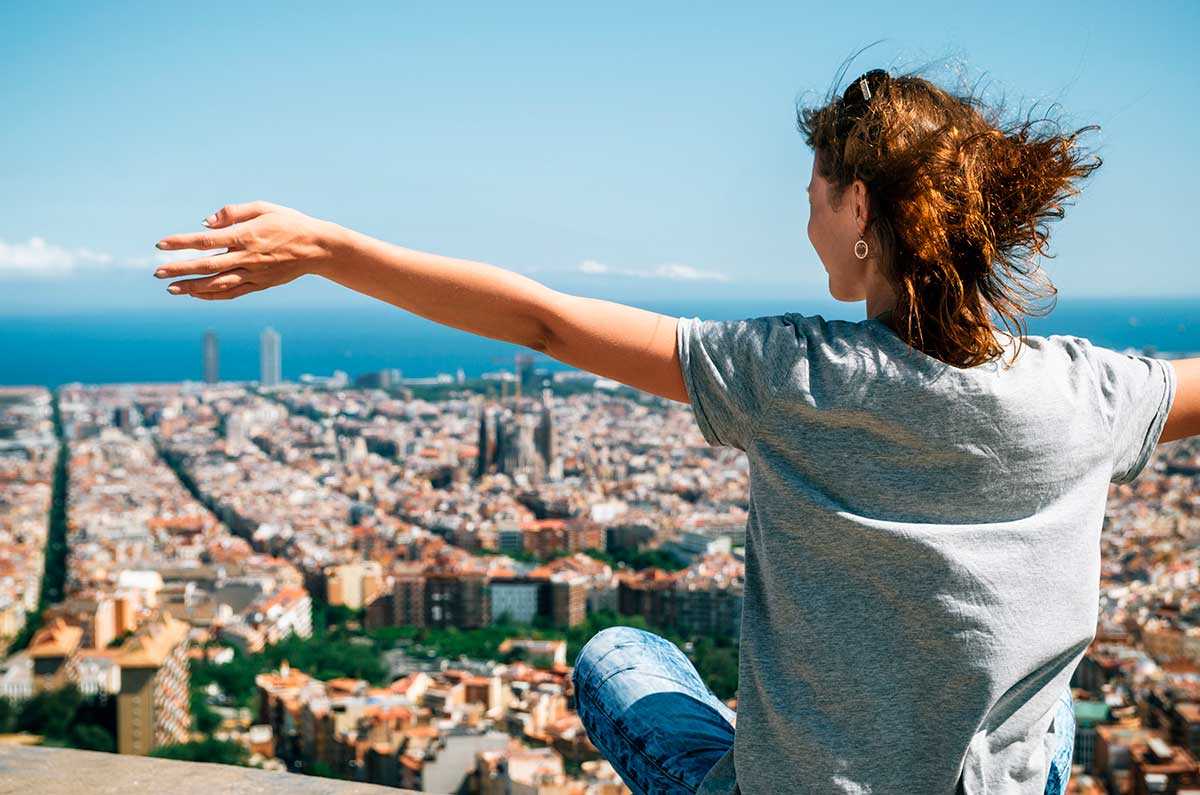
Barcelona, the enchanting coastal city in Spain, is a treasure trove of captivating attractions, historic landmarks, and awe-inspiring architecture. With so much to explore, having a well-designed attractions map can significantly enhance your sightseeing experience and ensure you make the most of your time in this vibrant destination. Whether you are an adventurous solo traveler or a family seeking a cultural getaway, a detailed map will be your faithful companion throughout your journey.
Read more →We use a single cookie, to remember this choice. We do not use analytics or advertising cookies. Read our cookie policy.