7 to 7,5 hrs
Barcelona
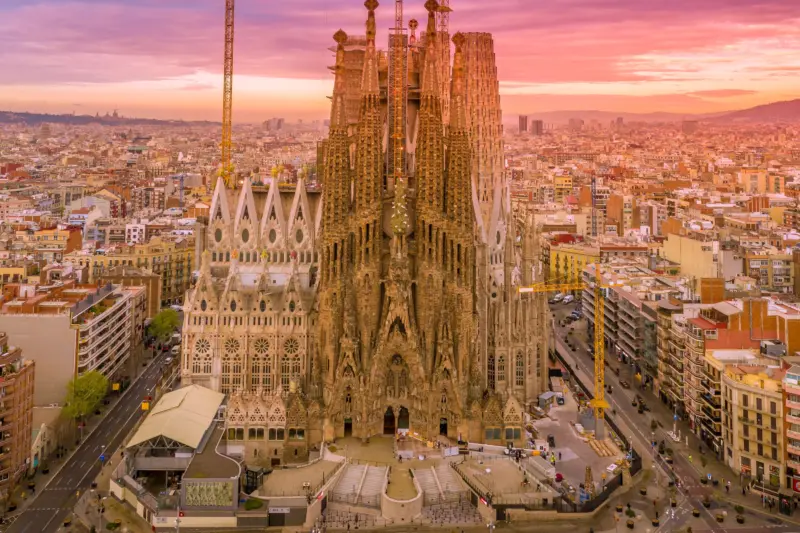
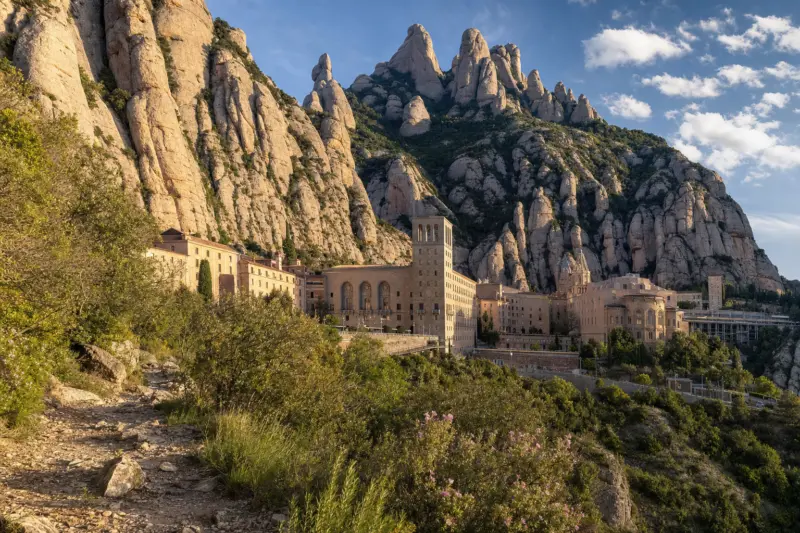
Barcelona & Montserrat Day Trip with Sagrada Familia Guided Tour
✓ Free cancellation Kids friendly
4.5(17 reviews)
From €134/ person
Book Now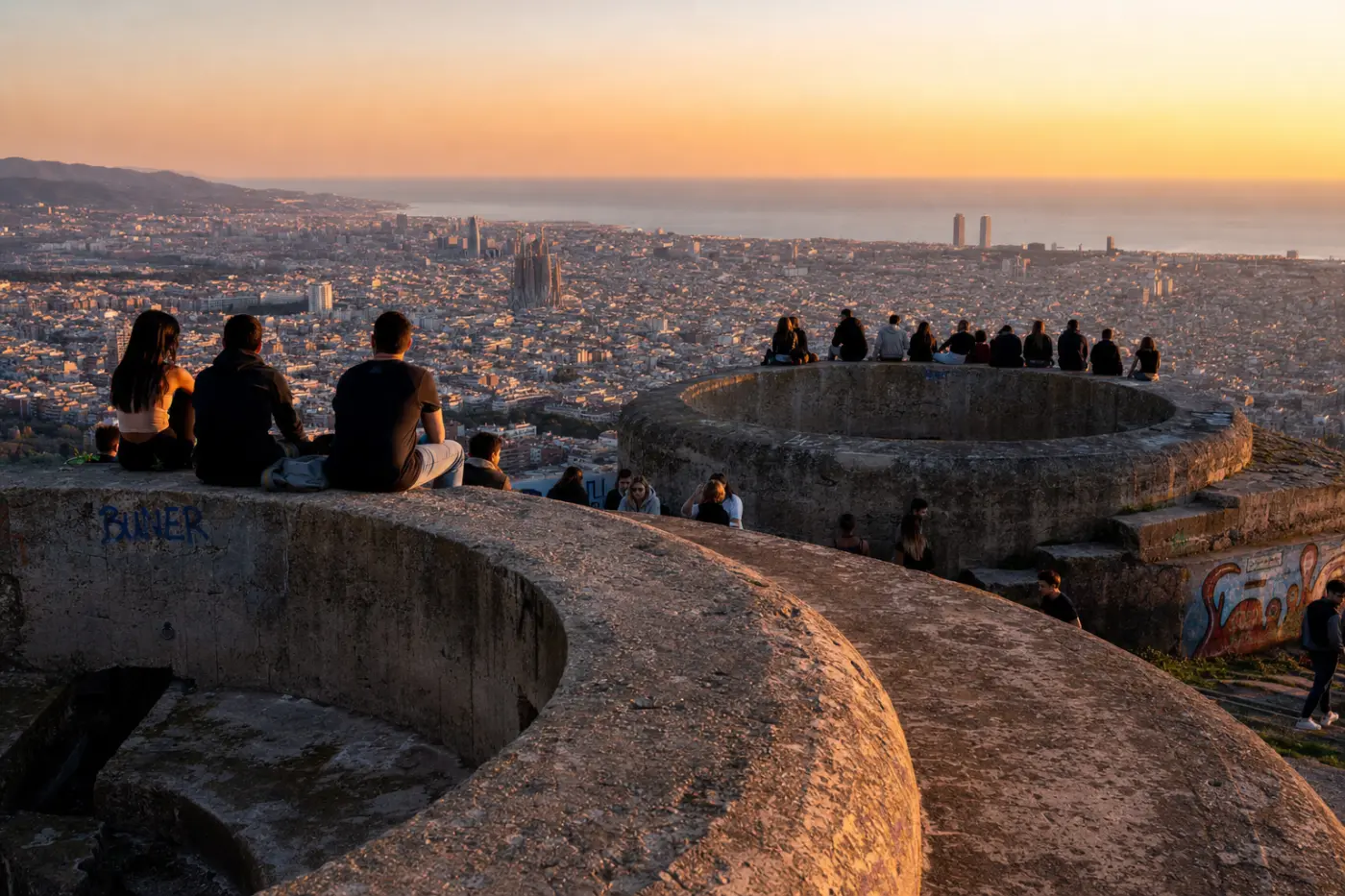
Tourist attraction
Perched at 262 metres above sea level on the Turó de la Rovira hill in the working-class Carmel neighbourhood of Barcelona, the Bunkers del Carmel are the preserved remains of an anti-aircraft battery built during the Spanish Civil War (1936–1939). Republican forces constructed the installation in 1937 to defend the city against Nationalist air raids — Barcelona was one of the first European cities in history to suffer sustained aerial bombardment, with attacks intensifying between 1937 and 1938 and killing over a thousand civilians. The circular concrete emplacements that once mounted artillery guns still ring the hilltop today, their worn surfaces a quiet testament to one of the most traumatic episodes in Catalan and Spanish history.
After Franco's forces took Barcelona in January 1939, the battery was repurposed as a military observation post and remained under military control until the 1960s. In the decades that followed, the hill became home to a dense shantytown — one of dozens that grew across Barcelona as rural migrants arrived in the city during the post-war economic hardship of the 1940s and 1950s. Hundreds of families lived in improvised dwellings on the Turó de la Rovira until the neighbourhood was cleared through a rehousing programme in the early 1990s. Archaeological excavations subsequently uncovered the full extent of the Civil War infrastructure beneath the settlement, and the site was formally opened to the public as a heritage space managed by the Museu d'Història de Barcelona (MUHBA).
What draws visitors today is the combination of raw historical atmosphere and an unrivalled panoramic view. From the gun emplacements, the entire Barcelona basin unfolds in every direction: the Eixample grid stretches south toward the seafront, the spires of the Sagrada Família rise clearly to the southwest, Montjuïc anchors the western horizon, and the Serra de Collserola ridge frames the city to the north. At sunset, the light turns the Mediterranean a deep amber and the Tibidabo transmission tower glows against the sky. The concrete platforms — rough, graffiti-worn, and historically intact — give the viewpoint a texture that the manicured terraces of Park Güell entirely lack.
Entry to the Bunkers del Carmel is free and the site is open year-round. The most practical access is via the V17 bus from Passeig de Gràcia or the Metro L5 to El Carmel station followed by a 15-minute uphill walk along Carrer de Maria Labèrnia. Arrive at least 30 minutes before sunset to secure a spot on the gun emplacements, which fill quickly in spring and summer. Bring water — there are no facilities on the hill — and wear sturdy shoes, as the final approach is an uneven dirt path. Weekday mornings offer the site almost entirely to yourself, with the added bonus of clear air and sharp visibility across the city.
Private tours with a local guide, at your own pace.
Barcelona
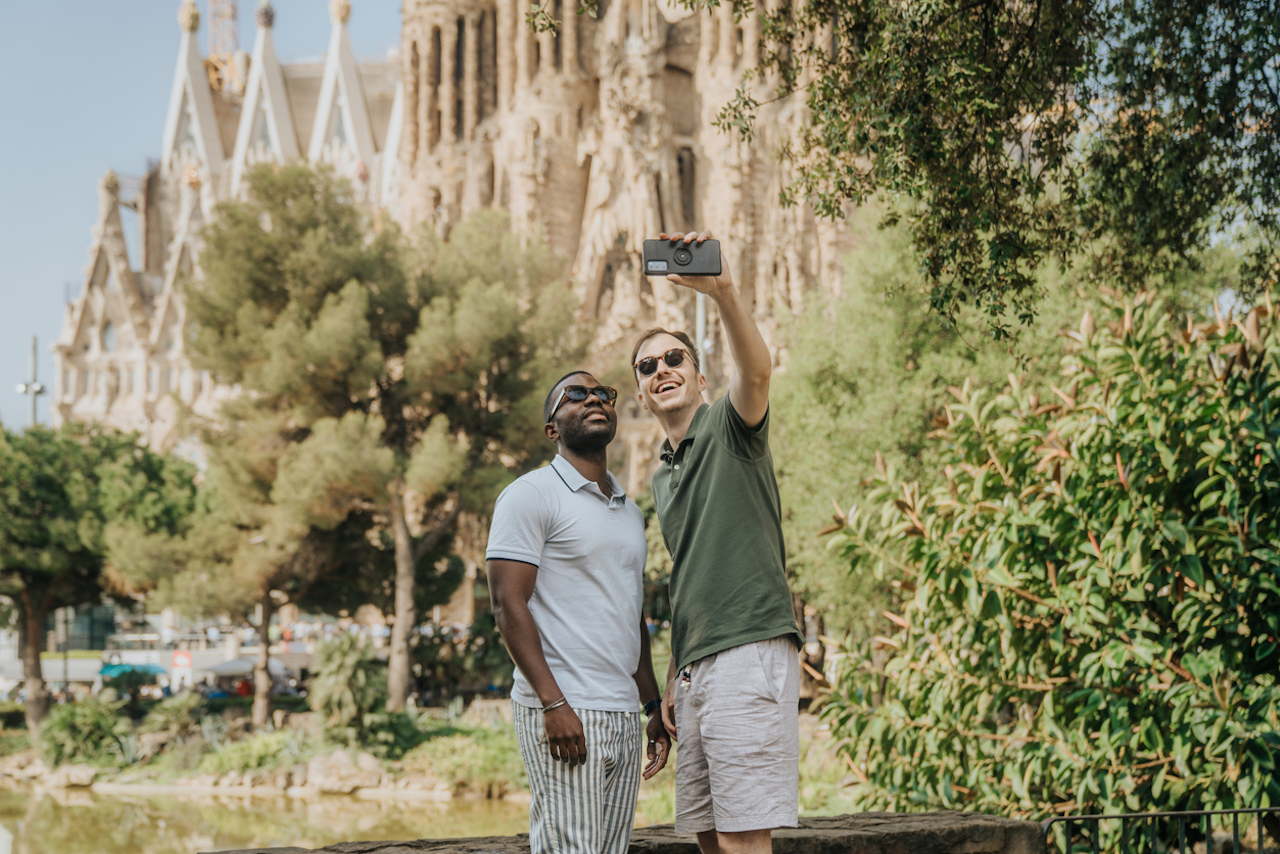
Barcelona
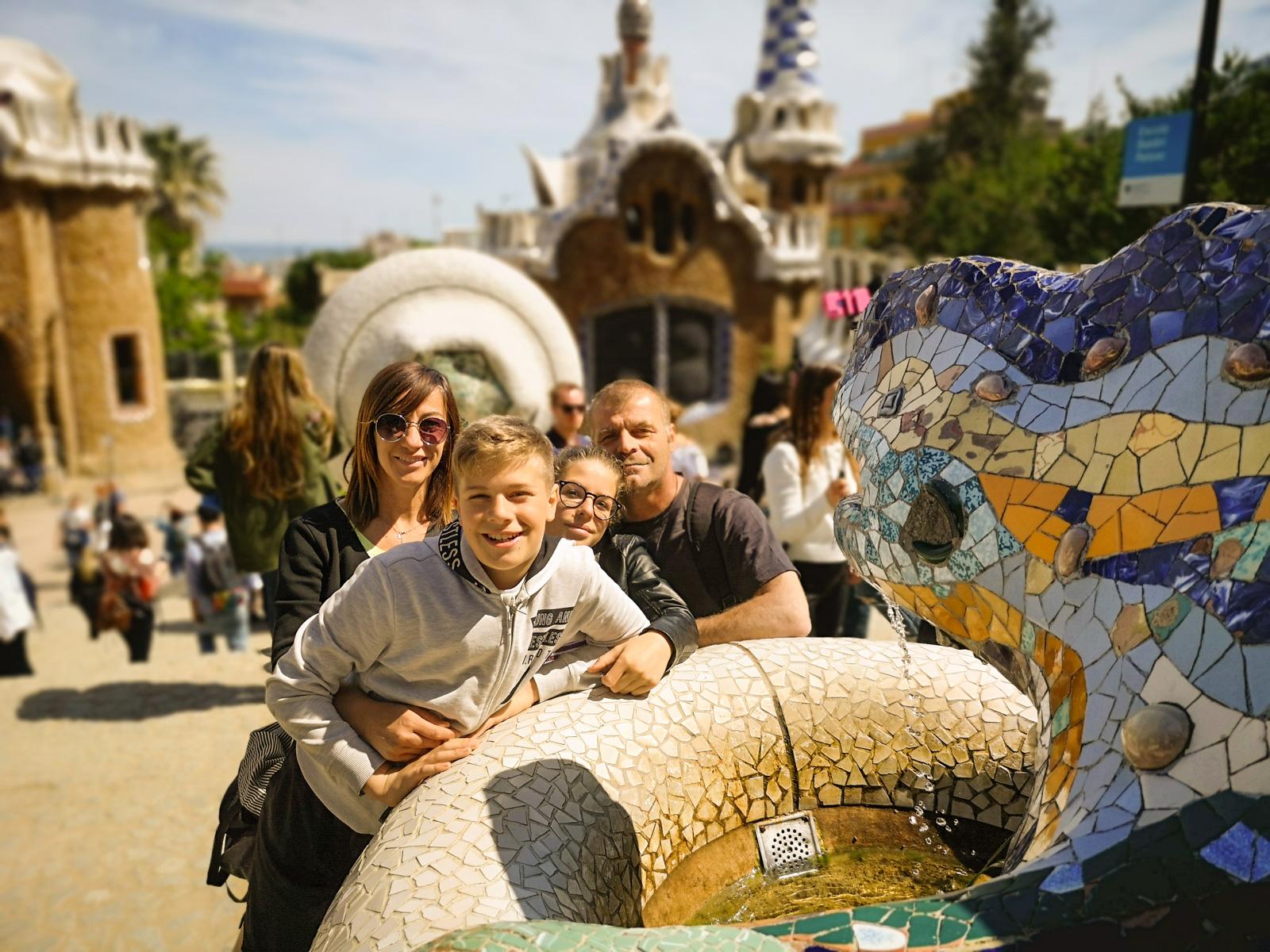
Barcelona
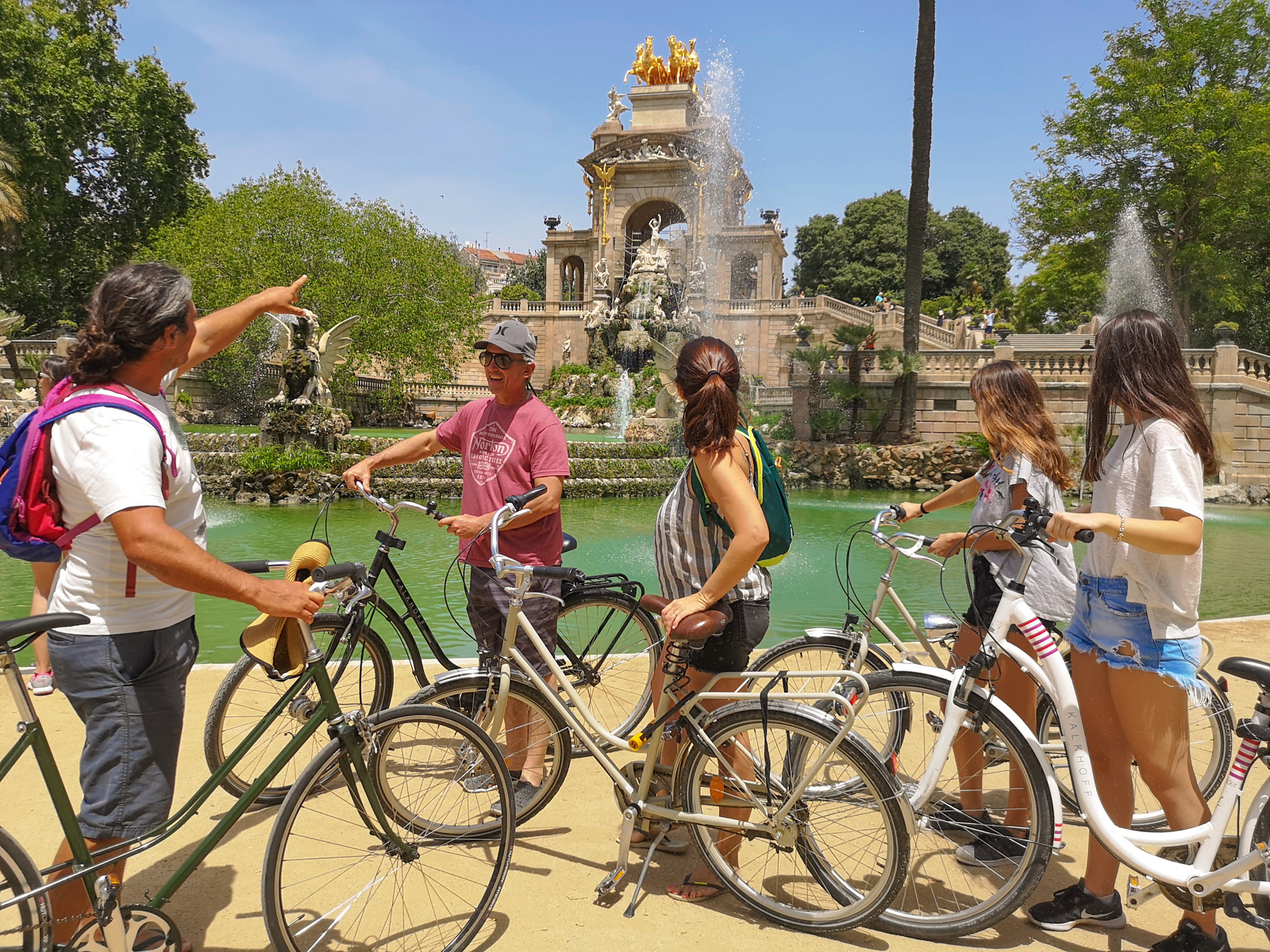
Barcelona
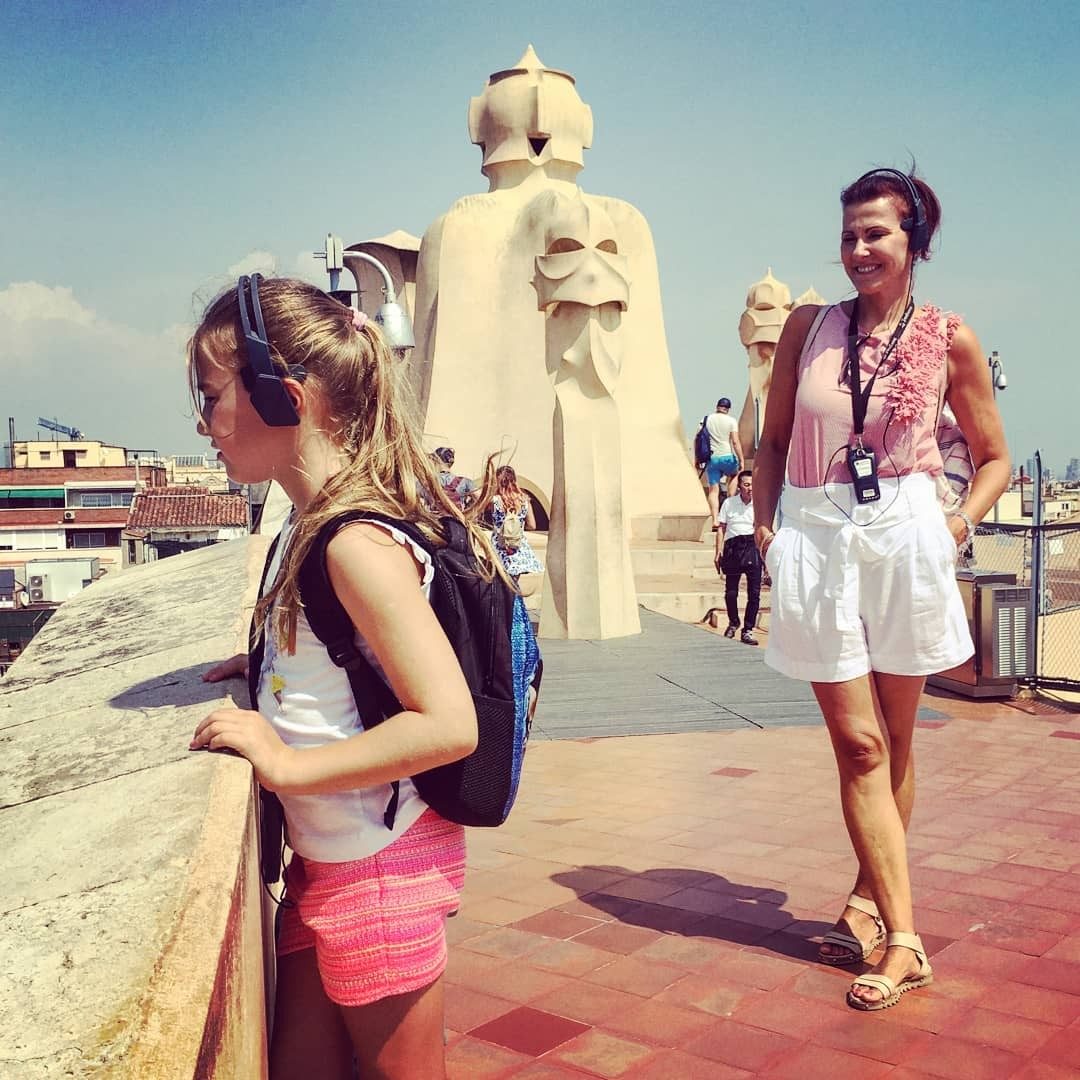
Barcelona
Barcelona

Barcelona
Barcelona
Barcelona
Barcelona
Barcelona
Barcelona
Barcelona
Barcelona