4 hrs
Lisboa
Cacilhas: Food & Drink Private Tour in a Fishing Village & Lisbon
✓ Free cancellation Kids friendly
5.0(17 reviews)
From €266/ person
Book Now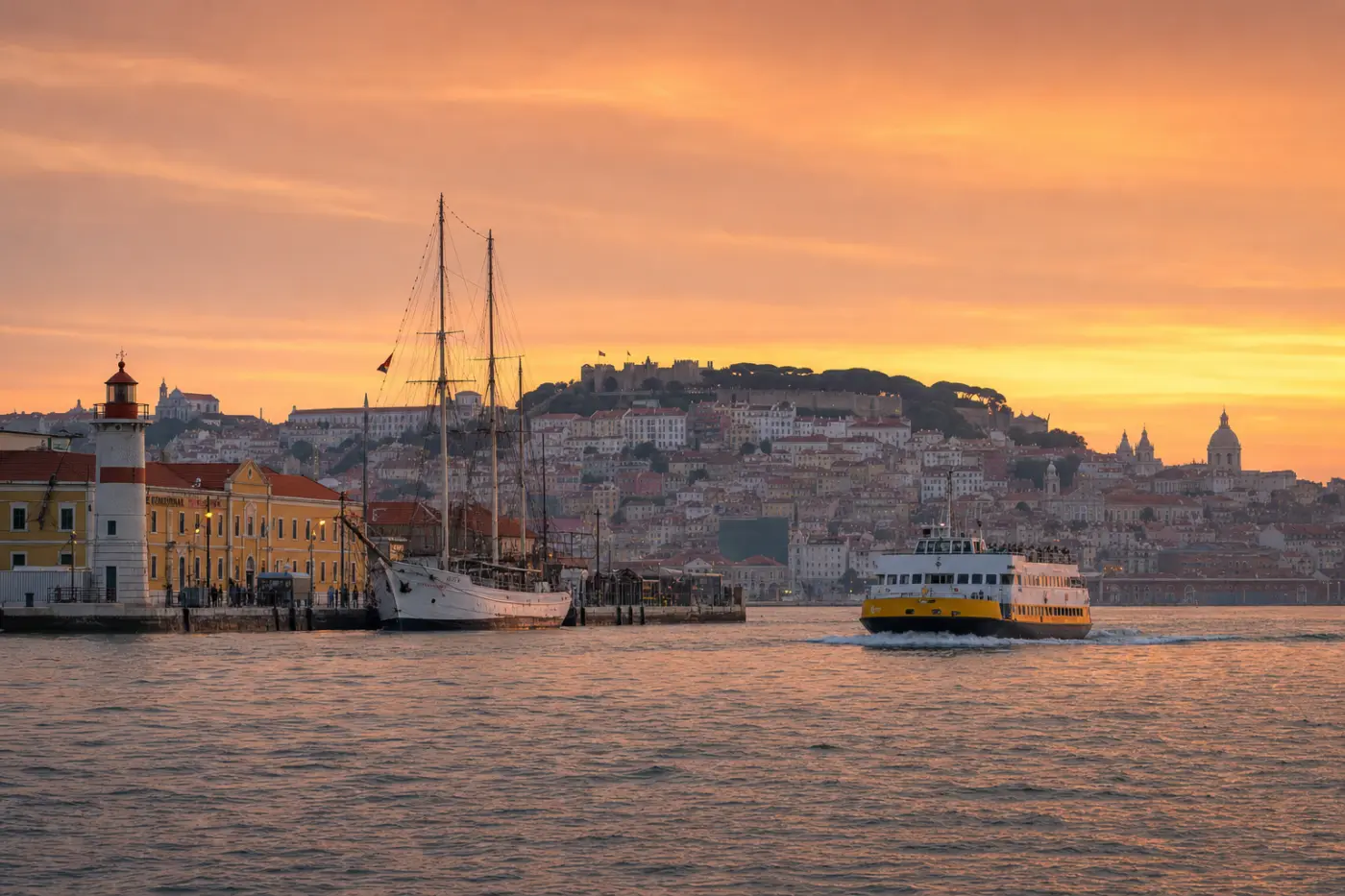
Tourist attraction
Cacilhas is a riverside quarter in the municipality of Almada, sitting on the southern bank of the Tagus River at coordinates 38°41′N, 9°08′W — directly opposite central Lisbon and reachable in roughly ten minutes aboard the iconic yellow-and-white cacilheiro ferries from Cais do Sodré. Its name derives from the Arabic al-Qasr, meaning "the fortress" or "the castle," pointing to a settlement history that predates Portugal itself. The deepest layer of that history belongs to Rome: the Sítio Arqueológico das Salgas Romanas, a 1st-century AD industrial complex with at least 15 open-air tanks arranged around a central courtyard, produced fish and the prized condiment garum for export across the empire — the most significant testament to Roman presence in the Almada region, operating continuously until the 4th or 5th century AD.
By the 19th century Cacilhas had reinvented itself twice over. Its sulphurous thermal springs attracted Lisbon's bourgeoisie, who crossed the river by boat for therapeutic baths treating rheumatism and skin ailments, making the south bank a fashionable summer retreat. Simultaneously, the parish earned the affectionate nickname Terra de Burros — "Land of Donkeys" — because day-tripping Lisbonites would arrive for riverside lunches and donkey rides through the surrounding hills, a tradition still revived in annual Burricadas festivals. The growth of regular ferry services cemented Cacilhas as an indispensable transport node, and by the early 20th century the waterfront bristled with taverns, fish markets and sailors' lodgings serving the constant flow of workers and traders crossing the estuary.
Today the waterfront rewards careful exploration. The Fragata D. Fernando II e Glória, a fully restored 19th-century Portuguese Navy frigate, sits at the pier alongside the Submarino Barracuda, a Cold War-era submarine converted into a museum. The Farol de Cacilhas, a lighthouse first installed in 1886 as a navigation aid and relocated to Largo Alfredo Dinis after restoration in 2009, now delivers panoramic views across the Tagus estuary and Lisbon's skyline. The pedestrian street Rua Cândido dos Reis is lined with seafood restaurants serving the same species — horse mackerel, sardines, sea bass — that fishermen have landed here for generations, prepared by grilling or in traditional caldeirada stew.
Practical advice: ferries depart from Lisbon's Cais do Sodré terminal at frequent intervals throughout the day and evening; the crossing costs a standard Carris/Metro fare when using a Viva Viagem card, making it one of Europe's most rewarding and affordable river journeys. Arrive at dusk when the Lisbon skyline across the water glows amber and the lighthouse at Largo Alfredo Dinis frames the view. The area falls administratively within the União das Freguesias de Almada, Cova da Piedade, Pragal e Cacilhas, formed in the 2013 reforms, with the broader union recording 48,608 residents in the 2021 census.
Private tours with a local guide, at your own pace.
Lisboa

Lisboa
Lisboa
Lisboa
Lisboa
Lisboa

Lisboa
Lisboa
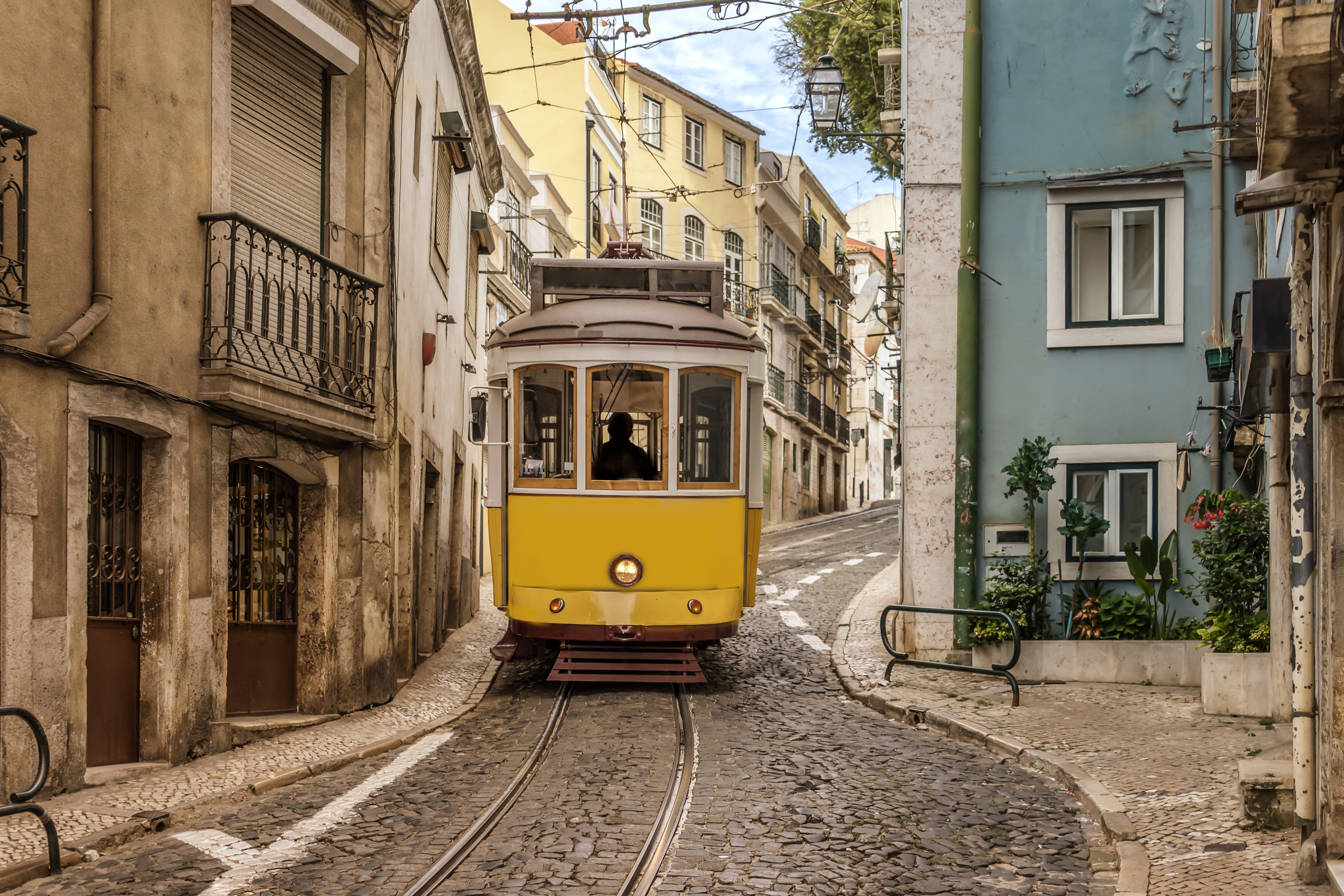
Lisboa
We use a single cookie, to remember this choice. We do not use analytics or advertising cookies. Read our cookie policy.