4 hrs
Lisboa
Cacilhas: Food & Drink Private Tour in a Fishing Village & Lisbon
✓ Free cancellation Kids friendly
5.0(17 reviews)
From €266/ person
Book Now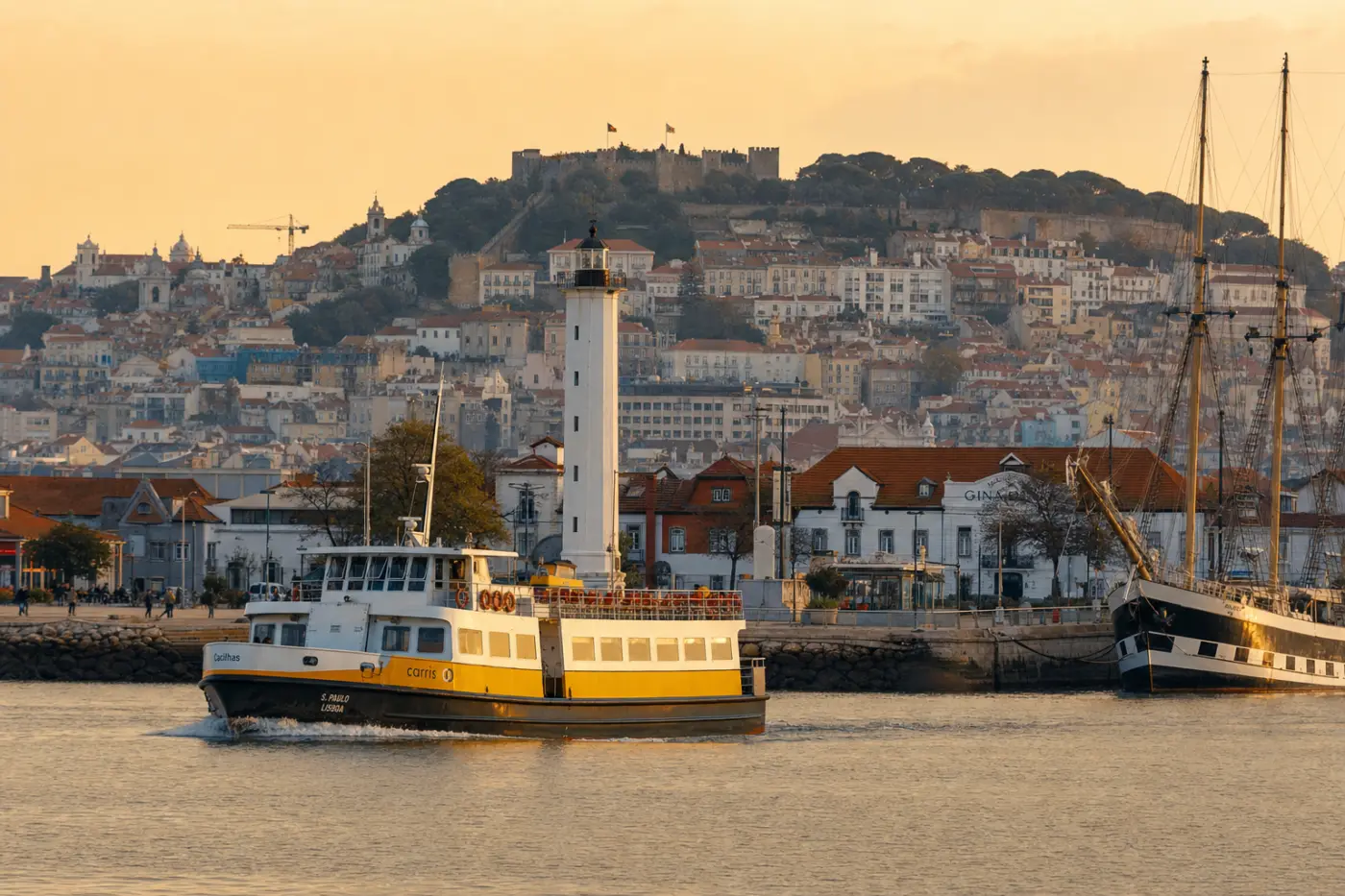
Tourist attraction
Cacilhas is a historic riverside quarter on the south bank of the Tagus River, administratively part of the municipality of Almada, sitting directly opposite central Lisbon at coordinates 38°41′N, 9°08′W. Its name traces to the Arab period, likely derived from "al-Qasr" meaning "the fortress," pointing to a settlement of strategic importance long before the age of modern transport. The area's oldest layer of history is strikingly physical: the Sítio Arqueológico das Salgas Romanas, a 1st-century AD Roman industrial complex with at least 15 open-air tanks arranged around a central courtyard, where fish were processed and garum sauce was produced for export across the empire. The site operated continuously until the 4th or 5th century AD and remains the most significant evidence of Roman presence in all of Almada.
By the 19th century, Cacilhas had reinvented itself as a thermal retreat. Its sulphurous springs drew the Lisbon bourgeoisie across the river for skin treatments and rheumatism cures, making the south bank a fashionable summer destination. This same era gave rise to the quarter's affectionate nickname, Terra de Burros ("Land of Donkeys"), earned from popular excursions in which Lisboetas crossed by boat, lunched at local taverns, and hired donkeys for rides into the surrounding hills — a tradition still commemorated in annual "Burricadas" events. With the construction of a proper pier and the expansion of river transport, Cacilhas evolved into the essential ferry hub linking both banks of the Tagus, its yellow-and-white cacilheiro boats becoming one of Lisbon's most enduring urban symbols.
The waterfront today is dense with landmarks from every era. The Farol de Cacilhas, a lighthouse first installed in 1886 as a navigation aid, was relocated and restored to its present position on Largo Alfredo Dinis in 2009, now offering panoramic views of the Tagus estuary and the Lisbon skyline. Moored nearby is the Fragata D. Fernando II e Glória, a fully preserved 19th-century sailing frigate, alongside the Submarino Barracuda, a Cold War-era submarine converted into a floating museum. The Igreja de Nossa Senhora do Bom Sucesso anchors the neighbourhood's ecclesiastical heritage, while the pedestrian street Rua Cândido dos Reis lines up some of the best fresh-seafood restaurants in Greater Lisbon, continuing a culinary tradition rooted in centuries of fishing for horse mackerel, sardines, and sea bass from the Tagus.
The ferry crossing from Lisbon's Cais do Sodré terminal takes roughly ten minutes and runs frequently throughout the day, making Cacilhas an easy half-day trip. Arrive on a weekday morning to watch commuters stream off the boats and into the neighbourhood's narrow streets — the same rhythm that has defined this waterfront since the age of the spas. Rua Cândido dos Reis fills up for lunch, so arrive before 1 p.m. to secure a table at the better seafood houses. Since the 2013 administrative reform, Cacilhas forms part of the União das Freguesias de Almada, Cova da Piedade, Pragal e Cacilhas, a combined district of nearly 49,000 residents, though the old quarter retains a character entirely its own.
Private tours with a local guide, at your own pace.
Lisboa

Lisboa
Lisboa
Lisboa
Lisboa
Lisboa

Lisboa
Lisboa
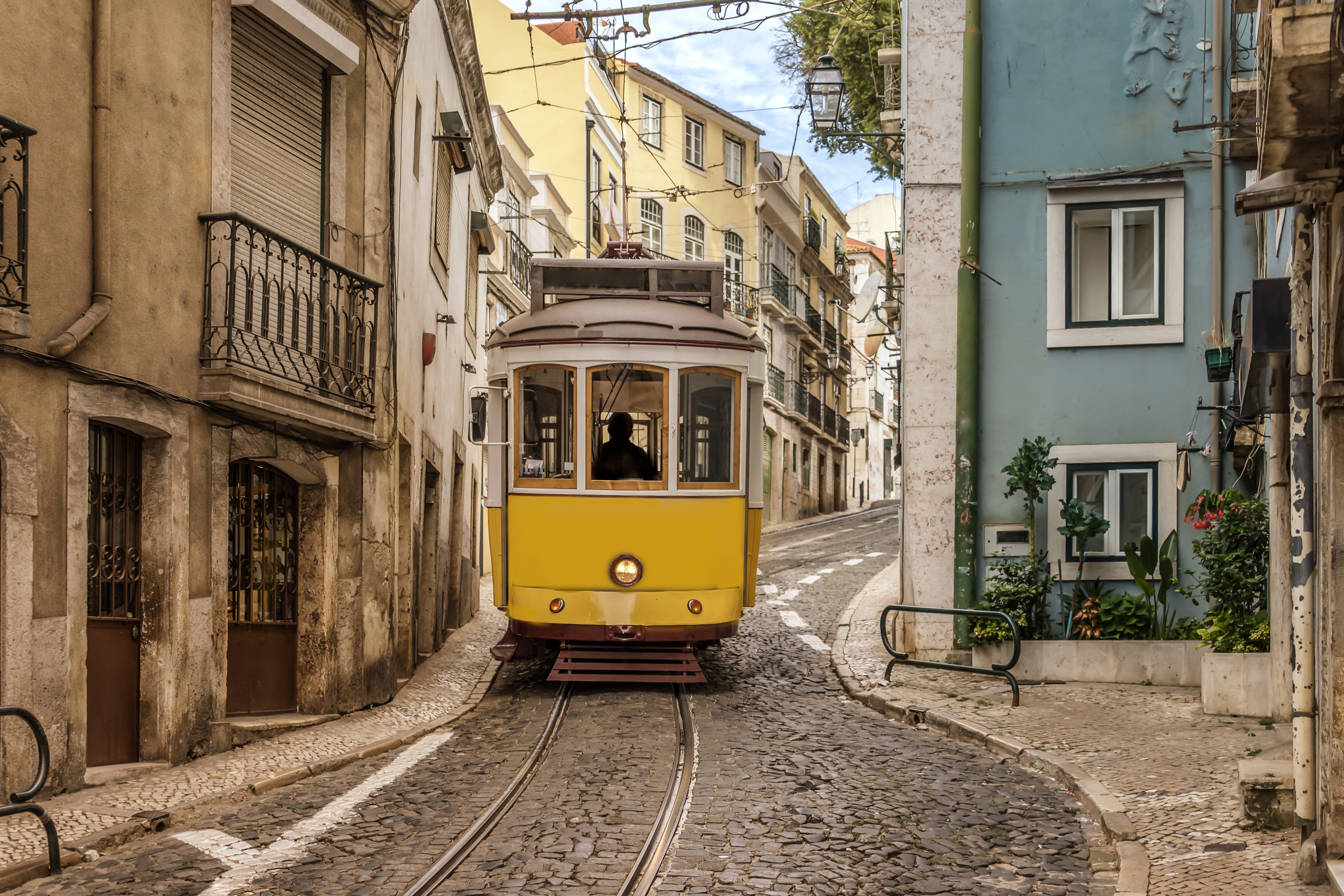
Lisboa
We use a single cookie, to remember this choice. We do not use analytics or advertising cookies. Read our cookie policy.