6 hrs
Vienna
Vienna Private Day Trip to Melk, Tickets to Abbey & Tasting
✓ Free cancellation Kids friendly
4.5(17 reviews)
From €484/ person
Book Now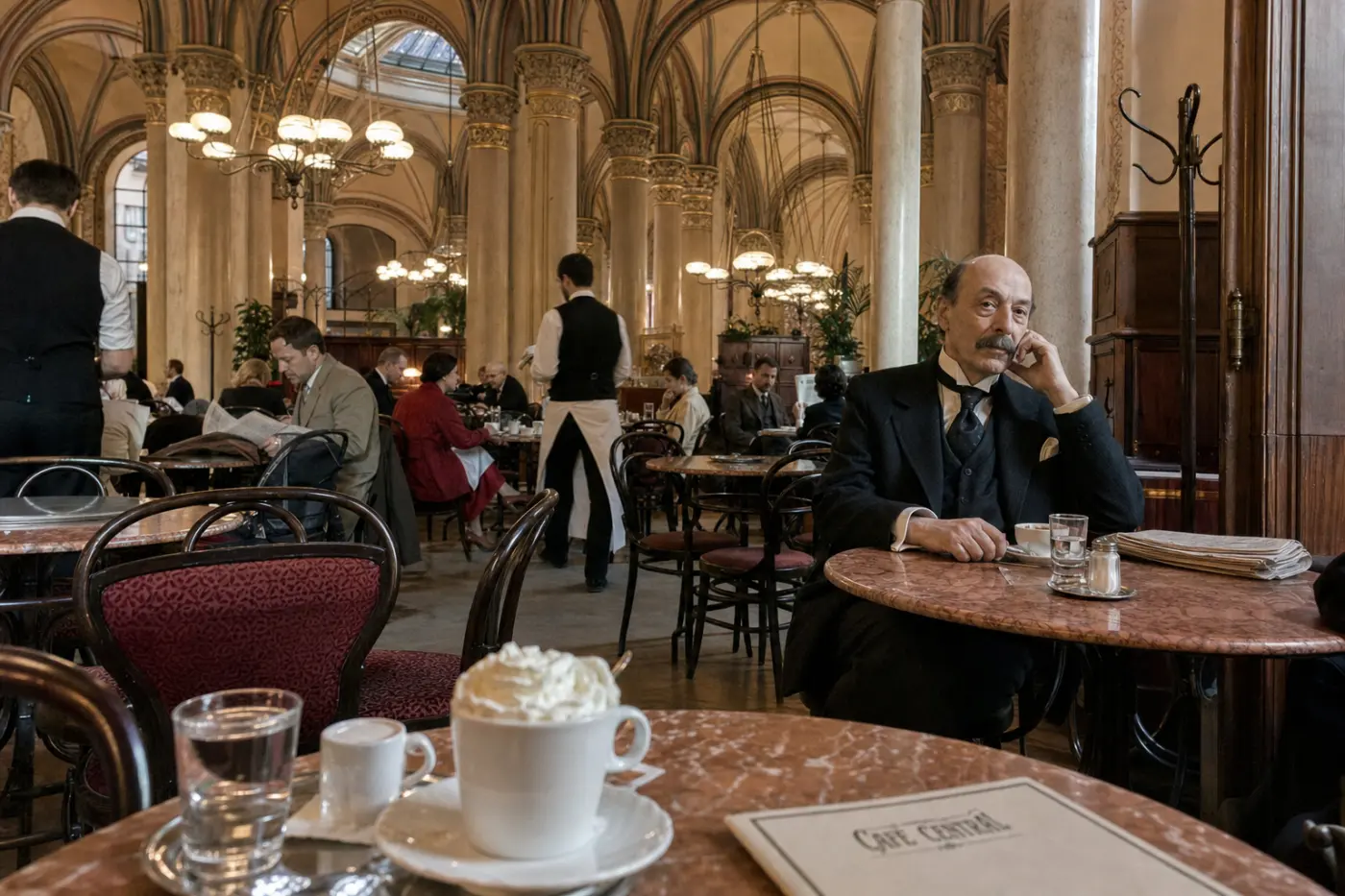
Tourist attraction
Café Central opened in 1876 on the ground floor of Palais Ferstel — a neo-Gothic and neo-Renaissance building completed in 1860 on Herrengasse in Vienna's first district, originally designed as the city's stock exchange and national bank. The soaring vaulted interior, faced in pale stone with slender arcaded columns and a dramatic glass-and-iron roof over the central courtyard, made it the most architecturally ambitious café in the city from day one. Its regulars, who called themselves "Centralists," came not merely to drink coffee but to treat the café as an extension of their offices, living rooms, and lecture halls. Sigmund Freud, Arthur Schnitzler, Robert Musil, Stefan Zweig, Hugo von Hofmannsthal, and the satirist Karl Kraus all maintained de facto permanent tables here. The writer Peter Altenberg took this so literally that he listed Café Central as his home address, had his post and laundry delivered there, and settled his bills with handwritten sketches on table napkins — early examples of cashless payment that the establishment quietly tolerated.
The café holds a singular place in modern political history. In January 1913, Adolf Hitler, Joseph Stalin, Leon Trotsky, and Josip Broz Tito — all living in Vienna at the time — were simultaneously frequenting the same establishment, unaware of the roles they would collectively play in reshaping the 20th century. Trotsky was a fixture at Café Central throughout his Viennese exile, well-known enough that the Austrian socialist leader Victor Adler famously quipped to Foreign Minister Count Berchtold, when asked who might lead a Bolshevik revolution: "Perhaps Mr. Bronstein, sitting over there at Café Central?" — using Trotsky's birth name. The café also served as the intellectual home of the Vienna Circle of logical positivists, one of the most influential philosophical movements in modern thought. Café Central was equally progressive in social terms: it was the first coffeehouse in Vienna to admit women without a male escort, using the ambiguity of its glass-roofed courtyard — technically considered an outdoor space — to circumvent the city's restrictive conventions.
The café closed in 1938 as war approached and remained shuttered for decades. It was meticulously restored and reopened in 1986, with the interior faithfully returned to its late-19th-century appearance. At the entrance, a life-sized papier-mâché effigy of Peter Altenberg still sits at his customary table — a fixture that has greeted visitors since the reopening. The menu today is anchored in classic Viennese coffeehouse tradition: Melange (espresso with steamed milk), Einspänner (black coffee under a cap of whipped cream), and an extensive selection of Mehlspeisen, the pastry category that includes Apfelstrudel and Gugelhupf, all made in-house.
Café Central is located at Herrengasse 14, Palais Ferstel, in the first district, and is open daily. Arrive before 10 a.m. on weekdays to secure a table in the main hall without a wait — by mid-morning the queues stretch into the courtyard. Weekend afternoons bring a live pianist performing in the vaulted interior. The café does not take reservations for individuals, so patience is part of the visit. Order slowly, stay long — that is precisely what the room was built for.
Private tours with a local guide, at your own pace.
Vienna
Vienna
Vienna
Vienna
Vienna
Vienna
Vienna
Vienna
Vienna
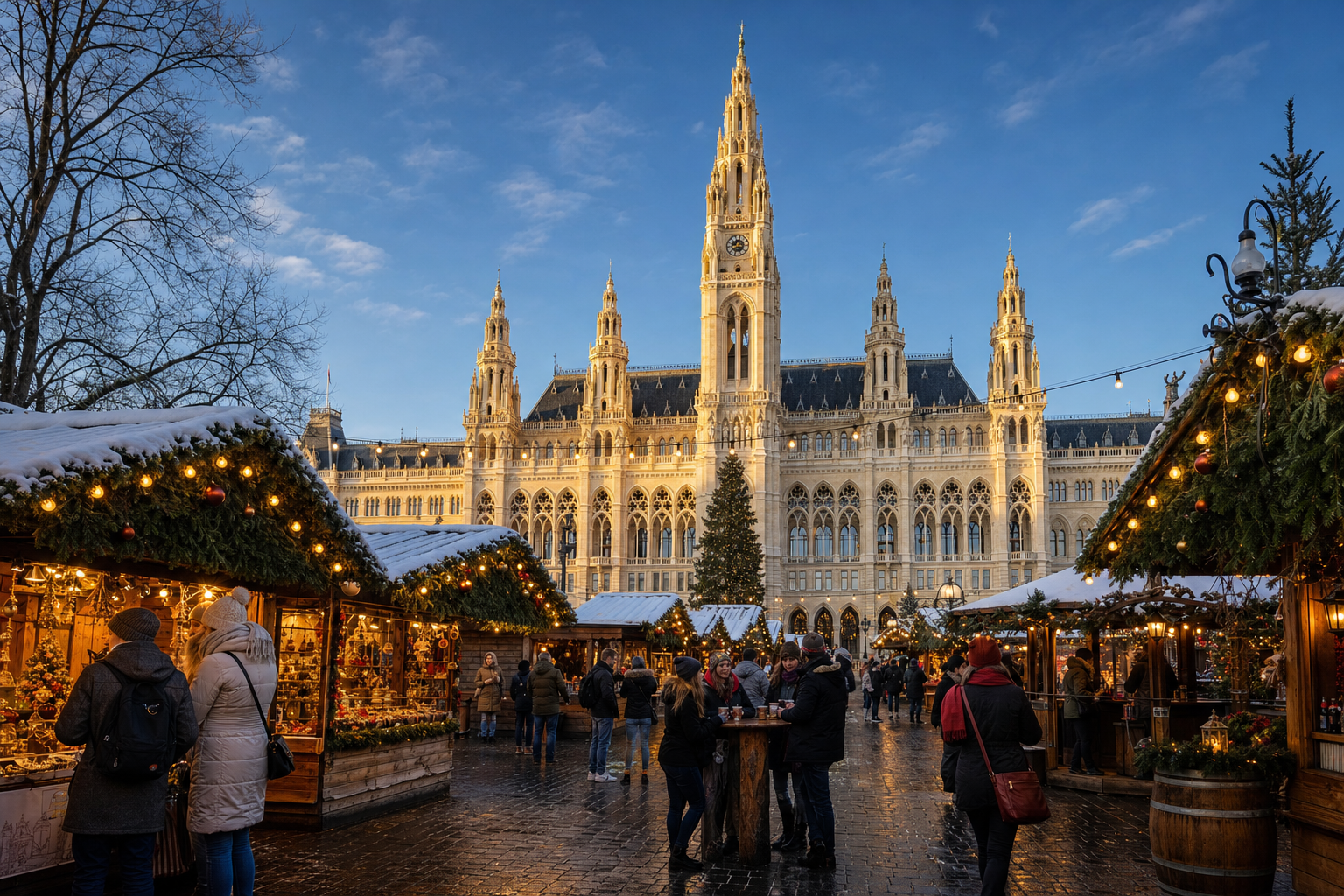
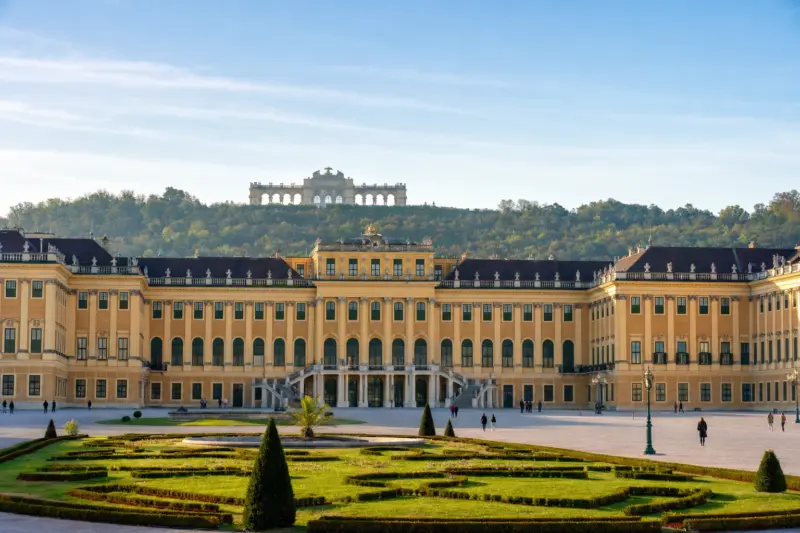
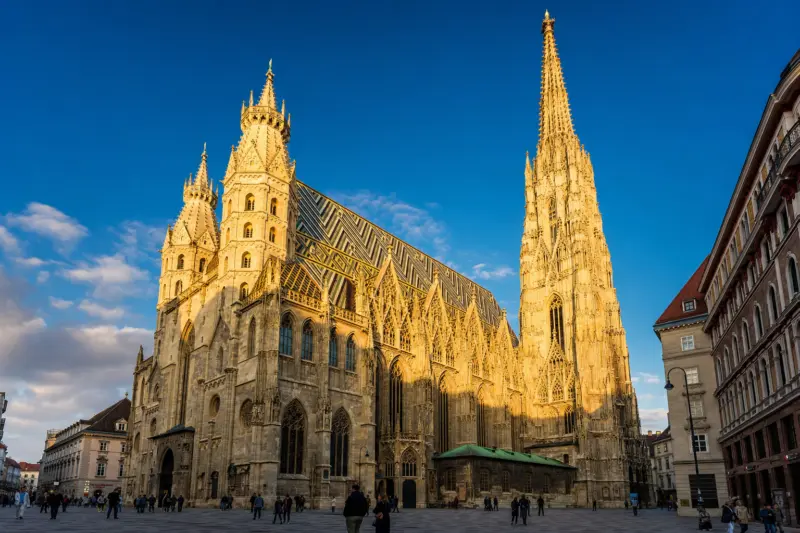
On the 20th of November 2026, the lights go on at the Rathausplatz Christmas market — and Vienna becomes, for five weeks, the most convincing argument anyone has made for winter travel. The Austrian capital hosts not one but a constellation of Advent markets, each anchored to a landmark of world historical significance: a Gothic cathedral begun in 1137, a Baroque imperial palace with 1,441 rooms, a Neo-Gothic city hall whose tower clears 98 metres. This is not the Christmas market circuit of fairy-lit sheds and mass-produced ornaments. Vienna's markets sit inside one of the densest concentrations of monumental architecture in Europe, and the 2026 season adds a brand-new market at Schwarzenbergplatz to an already remarkable lineup. Whether you are planning your first December in Vienna or your fifth, the 2026 calendar has enough new details — and enough enduring magic — to justify reading every word of what follows.
Read more →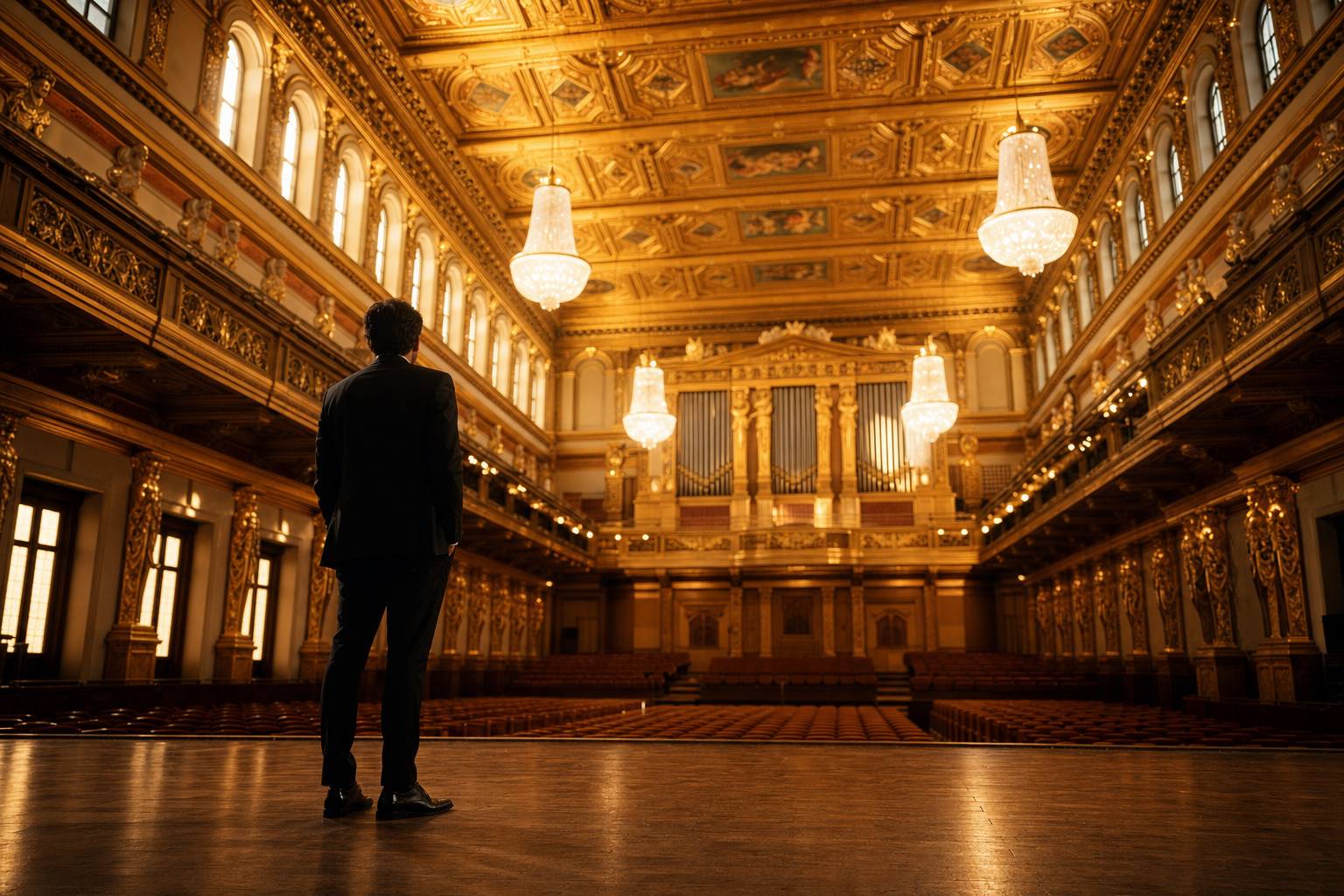
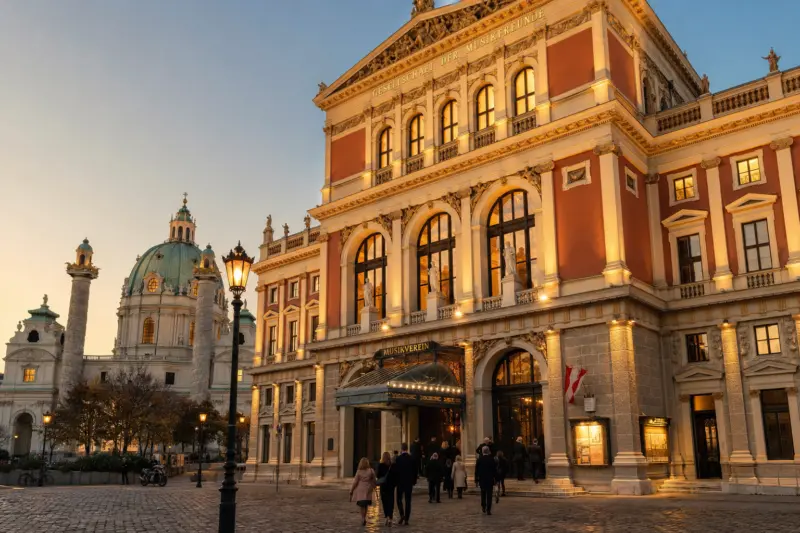
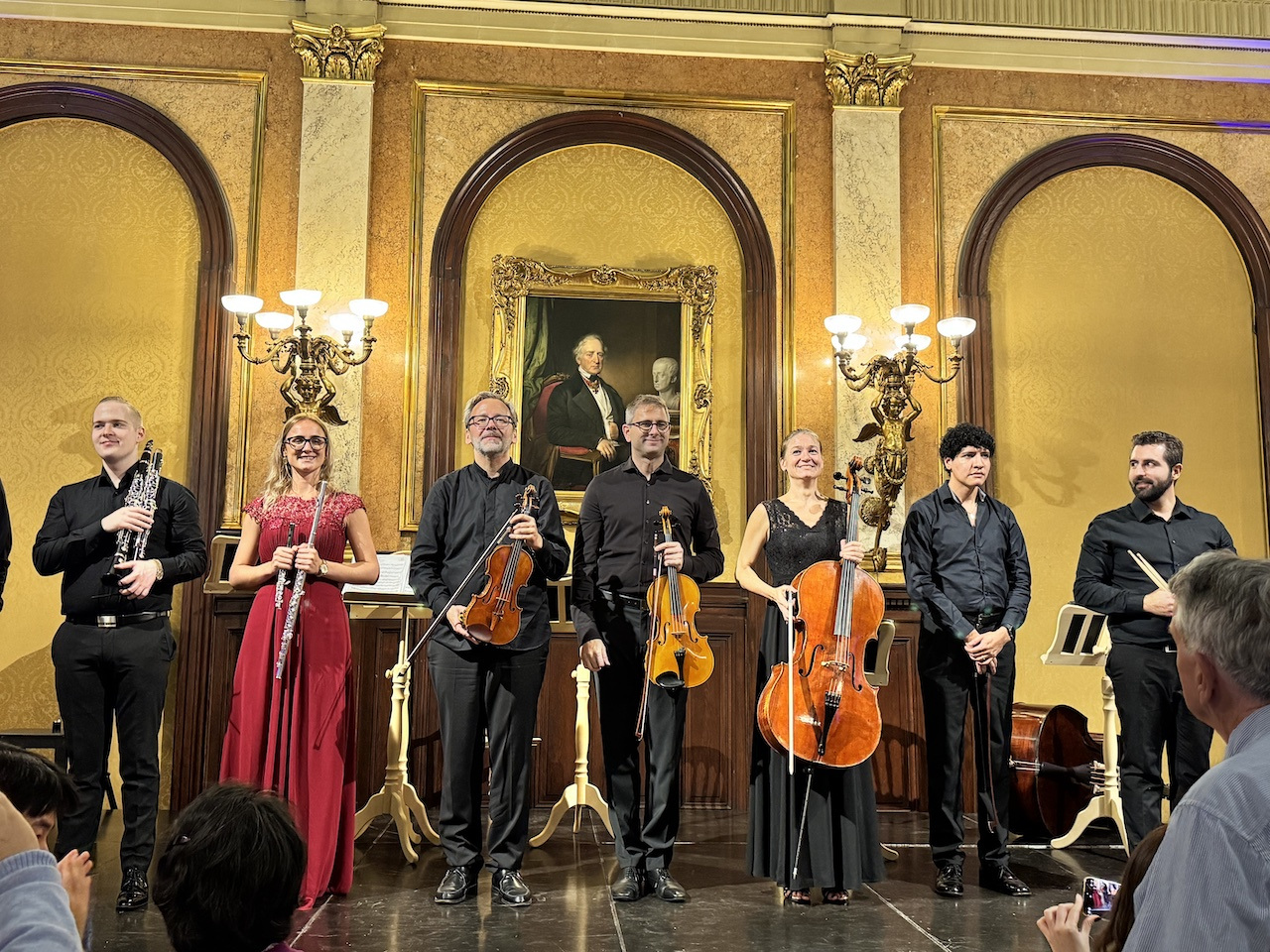
On the night of 30 September 1791, The Magic Flute premiered at the Theater auf der Wieden in Vienna — just ten weeks before Mozart died at 35. That a composer on the edge of poverty could still produce one of opera's most enduring works in this city is not a coincidence. Vienna didn't simply attract great composers; it manufactured the conditions for greatness. The Habsburg imperial court poured money into music for two centuries, aristocratic families competed for prestige through the composers they sponsored, and by the mid-19th century, the bourgeoisie had taken over that role — filling salons and concert halls with an appetite for live performance that has never really stopped. Today Vienna remains the only city on earth where the classical tradition isn't a museum piece but a living, breathing part of daily life: the Vienna Philharmonic still rehearses in the same Musikverein built in 1870, and you can hear Mozart performed within walking distance of the apartment where he wrote it. This guide explains why — and how to experience it fully.
Read more →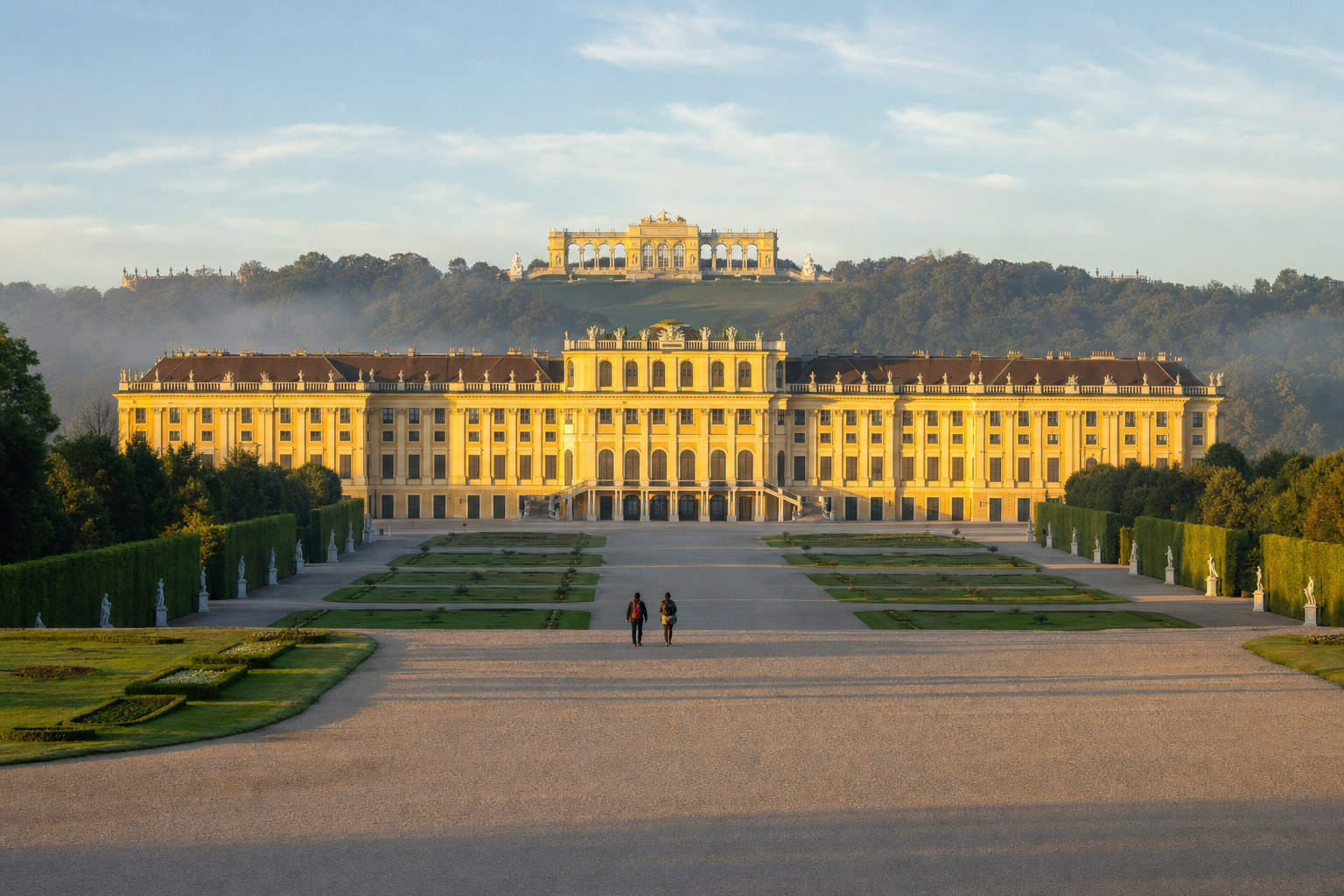
When the Habsburg court needed to escape the summer heat of the Hofburg, they didn't travel far — they didn't need to. Vienna sits at one of Europe's great geographical crossroads: the eastern edge of the Alps, where the Danube cuts through limestone gorges before fanning out across the Pannonian Plain. That position, refined over seven centuries of imperial ambition, means that monasteries, wine valleys, spa towns, and forested hilltops all cluster within 100 kilometres of the city centre. Vienna is, by any measure, the most populous city on the entire length of the Danube — and that river is the artery along which the most memorable day trips flow. The Wachau Valley, a UNESCO World Heritage Site since 2000, begins barely 80 km upstream. Baroque abbeys, Roman thermal springs, and a castle where an English king once languished in captivity are all reachable before lunch. If you've given Vienna a day or two and feel the pull to go further, you're in exactly the right city for it.
Read more →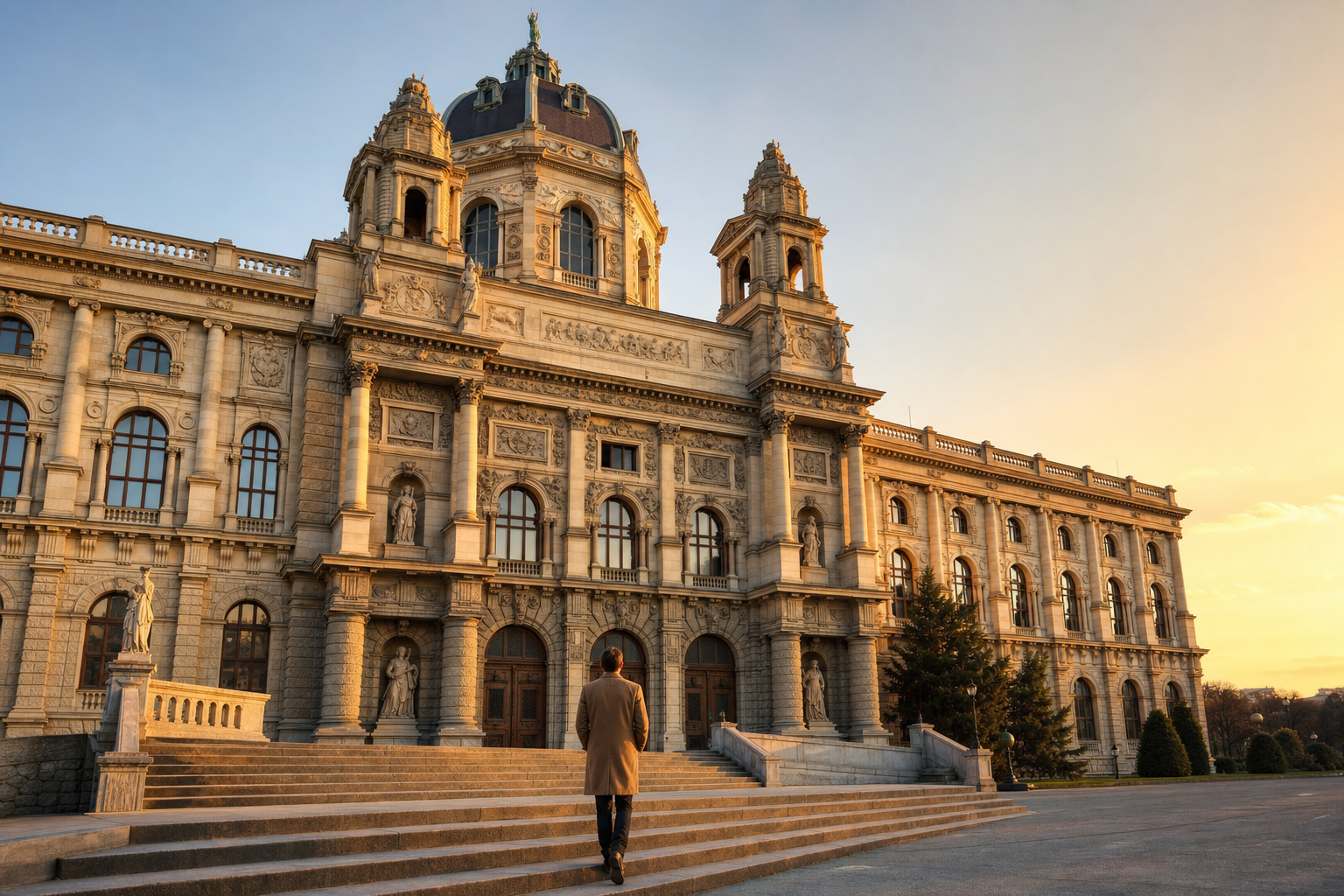
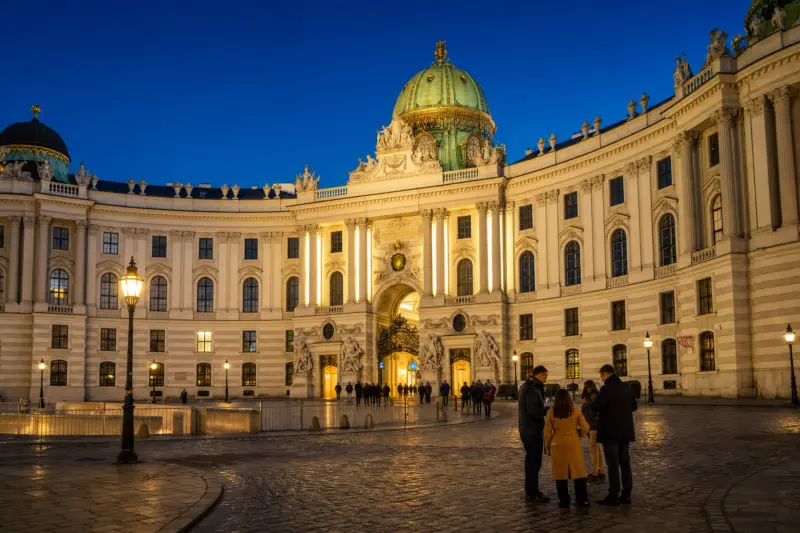
In 1857, Emperor Franz Joseph I signed a single decree that erased Vienna's medieval city walls and replaced them with one of the most choreographed urban boulevards in European history. What rose in their place — the Ringstrasse — was not just a road but a statement of imperial ambition encoded in stone, marble, and political symbolism. Today, Vienna remains the 5th-largest city in the EU by population, yet at its Habsburg peak it governed over 50 million people across a dozen languages and cultures. That weight of history doesn't announce itself. It hides in the geometry of a palace courtyard, in the separate resting places of a dead emperor's heart, entrails, and body, in the deliberate Gothic silhouette of a city hall designed to honour civic — not royal — power. A two-hour bus tour skims the surface of all this. A Vienna private tour, led by a local who has spent years decoding the city's layers, is something categorically different. This guide explains exactly why — and helps you find the right experience for your visit.
Read more →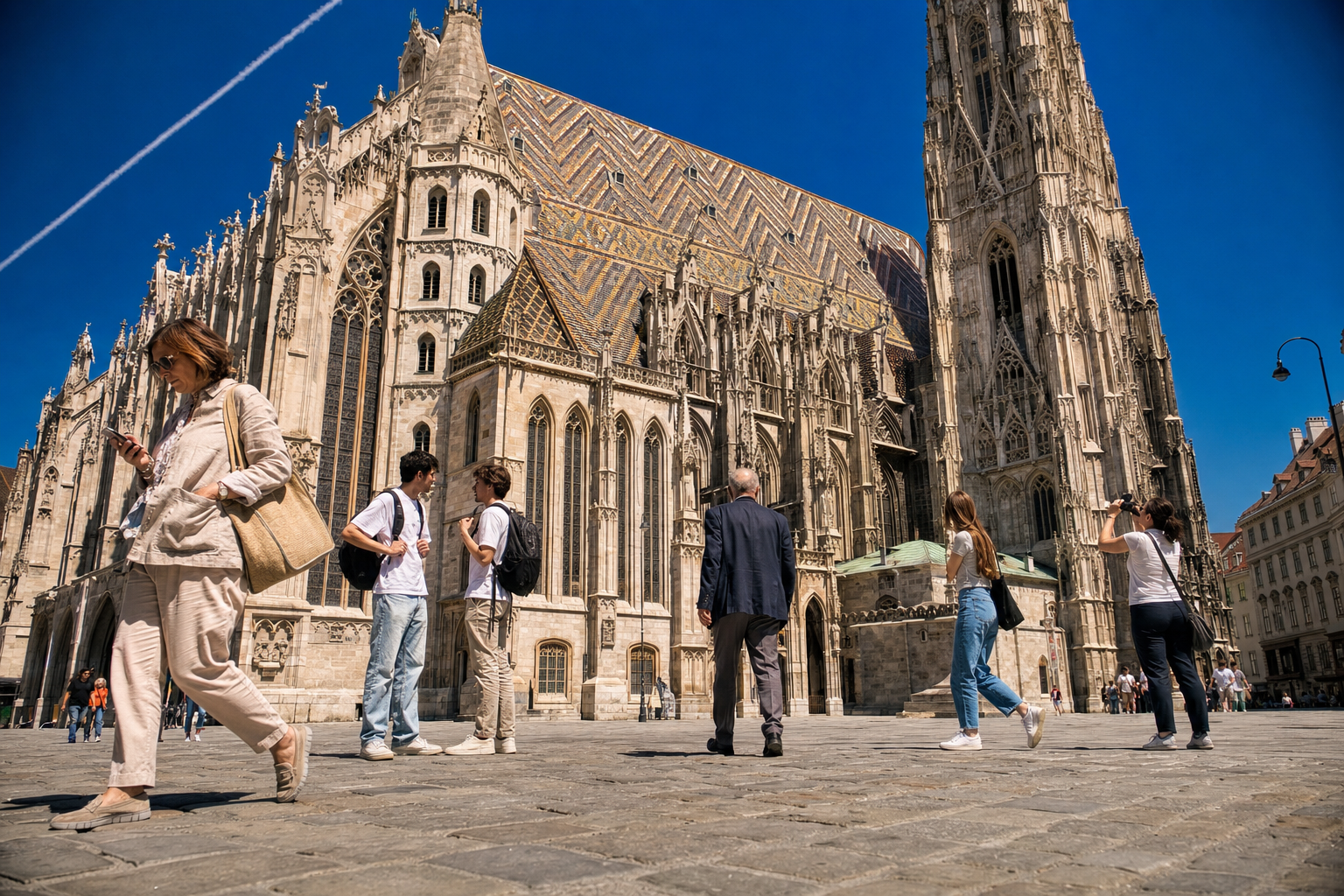
In 1857, Emperor Franz Joseph I issued a single decree that would physically reshape Vienna forever — ordering the demolition of the medieval city walls to make way for the Ringstrasse, a grand ceremonial boulevard that would announce the Habsburg Empire's ambitions to the world. That act of urban willpower set the tone for a city that has always used culture, architecture, and intellect as instruments of power and identity. Vienna is where Mozart premiered operas and Freud mapped the unconscious; where coffeehouse regulars rewrote political theory over a single cup of Melange; where social housing was built on a scale that still astonishes urban planners today. For travellers, this density of history, music, design, and everyday Viennese life means there is almost no such thing as a wasted hour. The question is never whether there's something extraordinary to do — it's knowing where to look, and why it matters. This guide cuts through the clichés to show you the city that locals know: layered, contradictory, and endlessly rewarding.
Read more →We use a single cookie, to remember this choice. We do not use analytics or advertising cookies. Read our cookie policy.